 Laysun Magnetics
1 / 4
The motor's great efficiency and power production are a result of its exceptionally strong magnetic qualities, which can create a stable and long-lasting magnetic field.
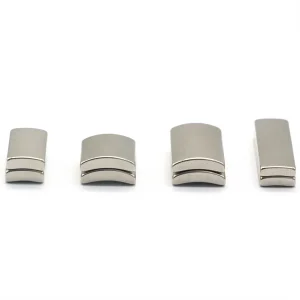
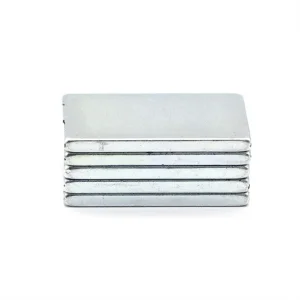
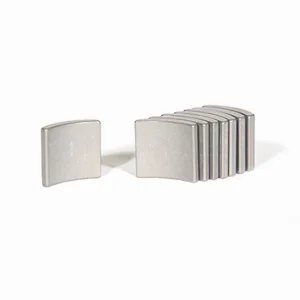
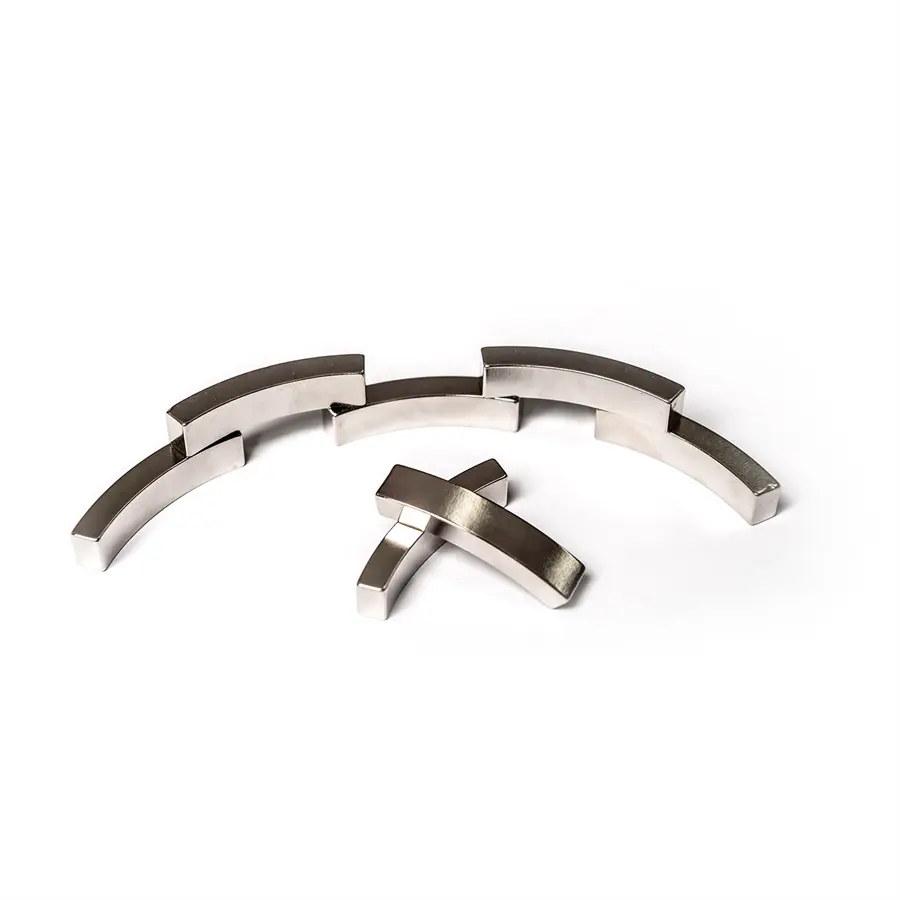
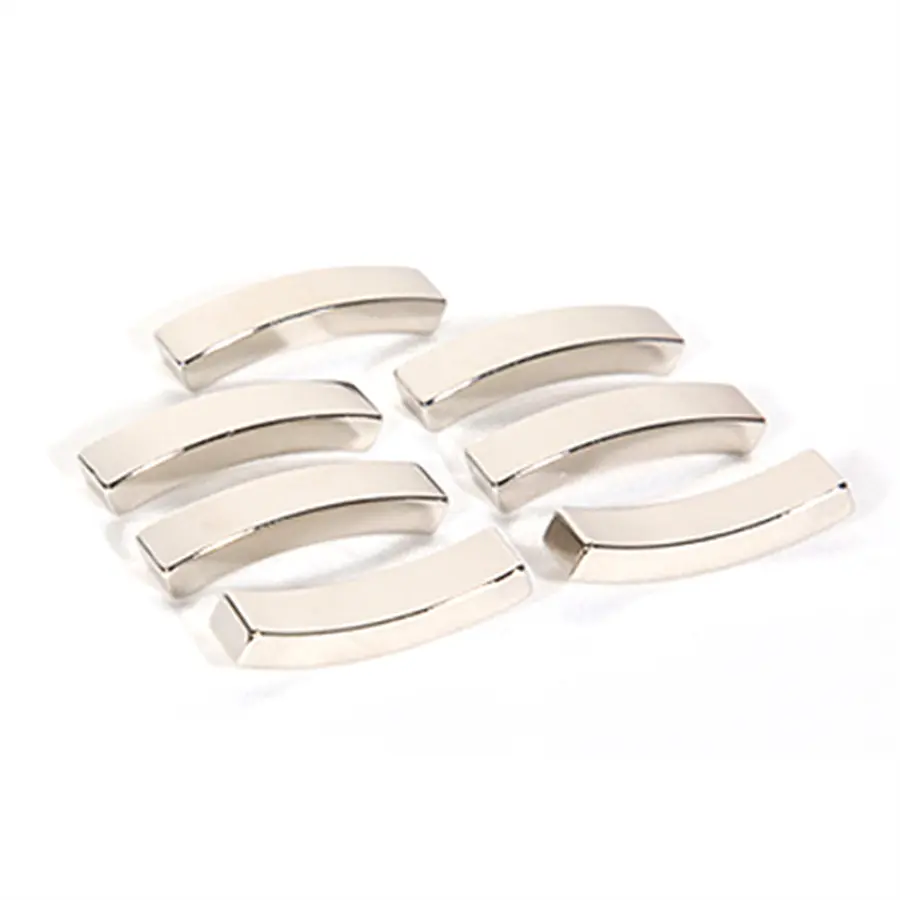
Sintered NdFeB block magnets exhibit strong magnetic stability, resistance to demagnetization, and extended service life.
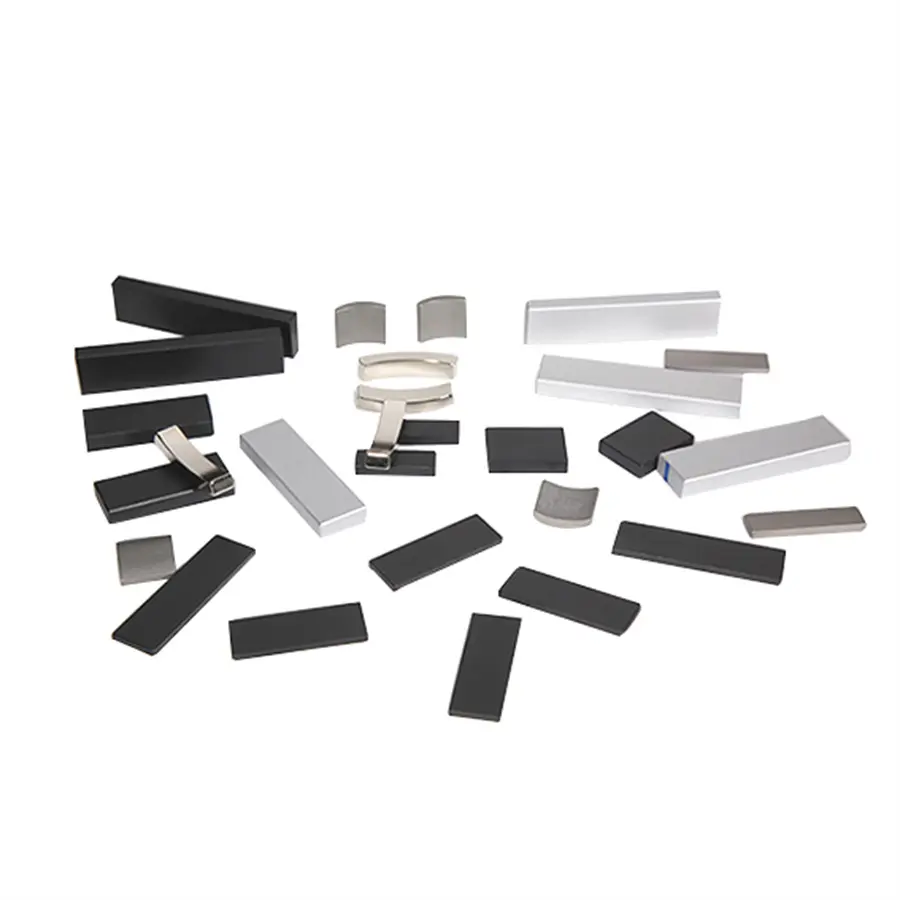
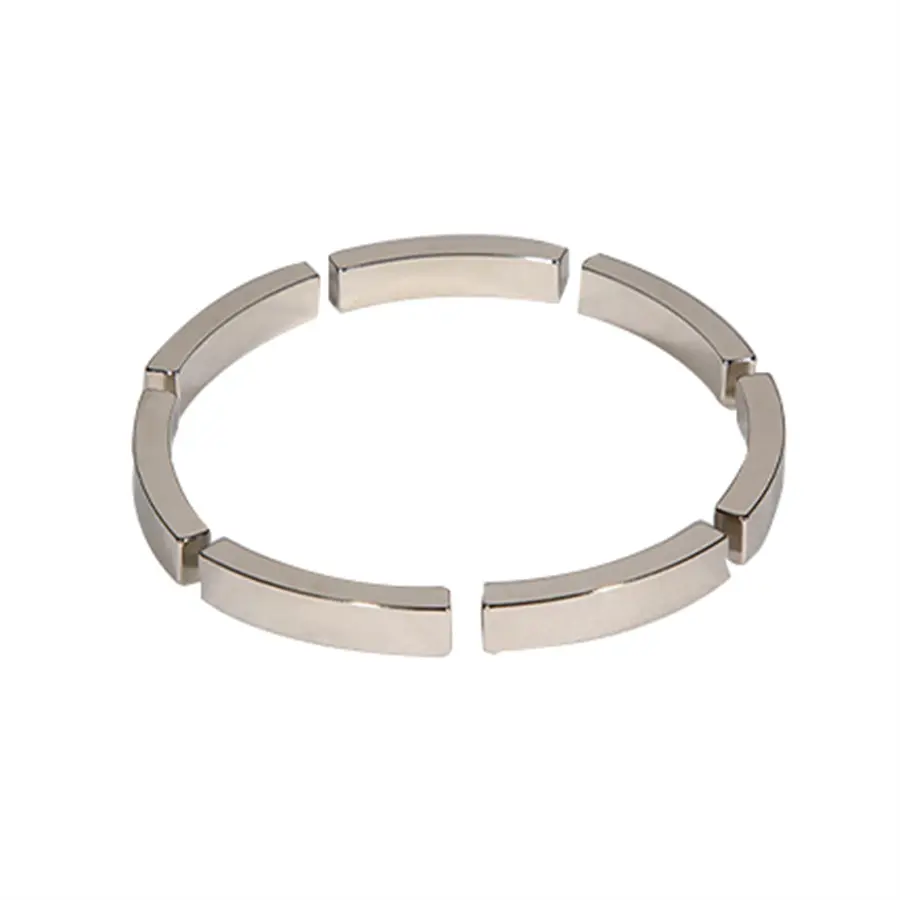
Their size, shape, and surface treatment can be altered to meet the requirements of various motor designs.
Used in electric car drive motors to create a high magnetic field and power, hence increasing motor efficiency.
Used in hybrid vehicle motor systems to improve fuel efficiency and power output.
This applies to any electric equipment that requires permanent magnet materials, such as wind turbines and power tools.
To prevent damaging the magnet's structure and magnetic qualities, steer clear of intense shocks.
To preserve its magnetic performance and longevity, try not to use it in a temperature range that is higher than its rated working temperature.
In order to prevent unintentional injuries, one must abide by all applicable safety requirements when operating.
Material Preparation: Choose premium raw materials for Neodymium Iron Boron (NdFeB) magnets, making sure that their physical characteristics and chemical makeup match specifications.
Verify the magnetization direction in accordance with the application scenarios and design specifications to make sure the magnets have the necessary magnetic characteristics.
Combining NdFeB powder with other alloy powders in a formulation ratio to get the desired mechanical and magnetic characteristics is known as formulation blending.
Press molding: Fill the molding die with the combined magnet powder, then press the powder into the magnet blank's specified shape by going through the press molding and pressing blank procedures.
Sintering process: To increase the magnetic properties, the pressed and molded magnet blank is put through a high-temperature sintering process that combines the powder particles into a solid whole and forms its own grain structure.
Conduct a magnetic property test on sintered magnets to verify that the design specifications are being met. This test should include measurements of the magnetization curve, coercivity, remanent magnetism, and other indices.
Final product inspection: To make sure the product quality complies with the necessary standards, the final magnets are subjected to appearance inspection, size inspection, magnetic property test, etc.
Packaging and storage: To prevent moisture and magnet oxidation, package the eligible products, mark them, and keep them in a dry, non-corrosive gas environment.
Their high efficiency is driven by exceptionally strong magnetic qualities that create a stable, long-lasting magnetic field, resulting in superior motor power production.
Yes. The size, shape, and surface treatment of the NdFeB block magnets can be customized to meet the distinct requirements of various motor designs.
They are primarily used in electric car drive motors, hybrid vehicle motor systems, and other electrical equipment that requires permanent magnet materials, such as wind turbines and power tools.
To prevent damage, avoid intense physical shocks that might break the magnet structure. Additionally, always operate within the rated working temperature to avoid demagnetization, and adhere to safety regulations.
The manufacturing process includes magnetization direction verification, magnetic property testing (measuring the magnetization curve, coercivity, and remanent magnetism), as well as final dimensions, appearance, and quality inspections.
They must be packaged securely to prevent moisture and oxidation, and stored in a dry, non-corrosive gas environment to maintain their properties.