Explore our foundational permanent magnetic components specifically configured to withstand high-stress environments in Central Russia's industrial manufacturing hubs.
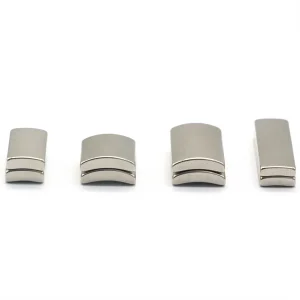
In the wake of rapid technological transitions and the acceleration of localized automation projects within the Russian Federation, the Moscow metropolitan area has emerged as a premier hub for advanced hardware, electric mobility, and robotic systems engineering. Permanent magnets, particularly Sintered Neodymium-Iron-Boron (NdFeB) alloys, represent the critical enabler of high torque density, miniaturization, and electrical efficiency in modern machine architectures.
Moscow's industrial sector is undergoing a profound structural evolution. Specialized clusters such as the Technopolis Moscow Special Economic Zone (SEZ), alongside research hubs in Skolkovo and Zelenograd, are spearheading domestic developments in industrial automation, high-speed rail transportation, precision servomotors, and medical diagnostic equipment. These sophisticated applications demand magnetic components with absolute structural integrity, high thermal tolerance (up to SH, UH, EH, and AH grades), and long-term resistance to demagnetization under severe operational dynamics.
As the primary economic hub, Moscow coordinates a vast supply chain servicing heavy machine builders, high-voltage alternator plants, and aerospace manufacturers throughout the region. Ensuring a consistent, certified supply of NdFeB components is paramount to maintaining production schedules for these critical infrastructure components.
The operational environment in Moscow demands optimized technical pathways for several crucial fields:
| Grade Class | Remanence (Br) | Coercivity (Hcb) | Max Energy Product (BH max) | Max Operating Temp |
|---|---|---|---|---|
| N35 - N52 | 1.17 - 1.48 T | ≥ 876 kA/m | 263 - 414 kJ/m³ | 80°C |
| N35M - N50M | 1.17 - 1.43 T | ≥ 955 kA/m | 263 - 398 kJ/m³ | 100°C |
| N33H - N48H | 1.13 - 1.38 T | ≥ 995 kA/m | 247 - 382 kJ/m³ | 120°C |
| N30SH - N45SH | 1.08 - 1.34 T | ≥ 1060 kA/m | 223 - 358 kJ/m³ | 150°C |
| N28UH - N40UH | 1.04 - 1.25 T | ≥ 1140 kA/m | 207 - 318 kJ/m³ | 180°C |
| N28EH - N38EH | 1.04 - 1.21 T | ≥ 1200 kA/m | 207 - 302 kJ/m³ | 200°C |
In response to global raw material volatility and performance constraints, Zhejiang Laysun Magnetics Ltd. has implemented advanced Grain Boundary Diffusion (GBD) technology. This metallurgical process strategically diffuses Dysprosium (Dy) or Terbium (Tb) through the sintered NdFeB grain junctions, rather than alloying it throughout the entire magnet bulk. This yields two critical benefits:
Navigating global commerce requires a manufacturer with deep supply chain integration. Strategically based in Zhejiang, China, with a large-scale manufacturing outpost spanning 100,000 m² in Suining, Sichuan, Laysun Magnetics operates at the heart of the world's most stable rare earth production corridor. This ensures uninterrupted access to raw materials and stable pricing points regardless of global market fluctuations.
Our logistical frameworks are built for certainty. We offer multi-modal transport options—including direct rail freight transit corridors via the China-Europe Railway Express—which guarantees secure, direct delivery to Moscow warehouses. All exports are fully certified under rigorous international and regional quality standards, including ISO 9001, ISO 14001, ISO 45001, and IATF 16949 guidelines.
Witness our precision manufacturing workflow and verify our compliance framework designed to guarantee component reliability.
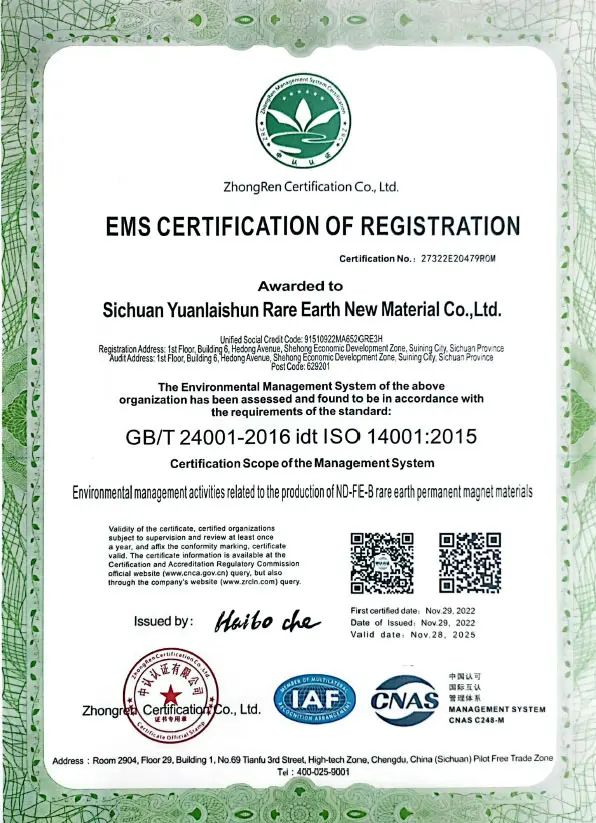
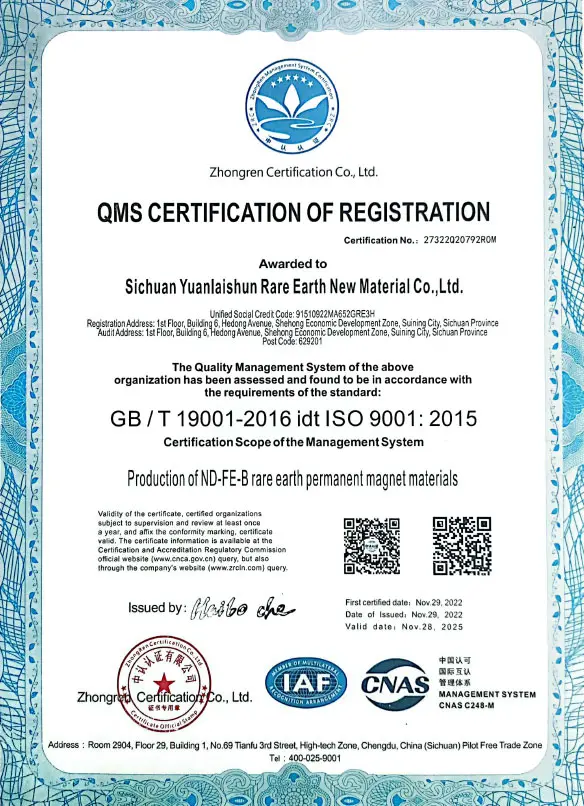
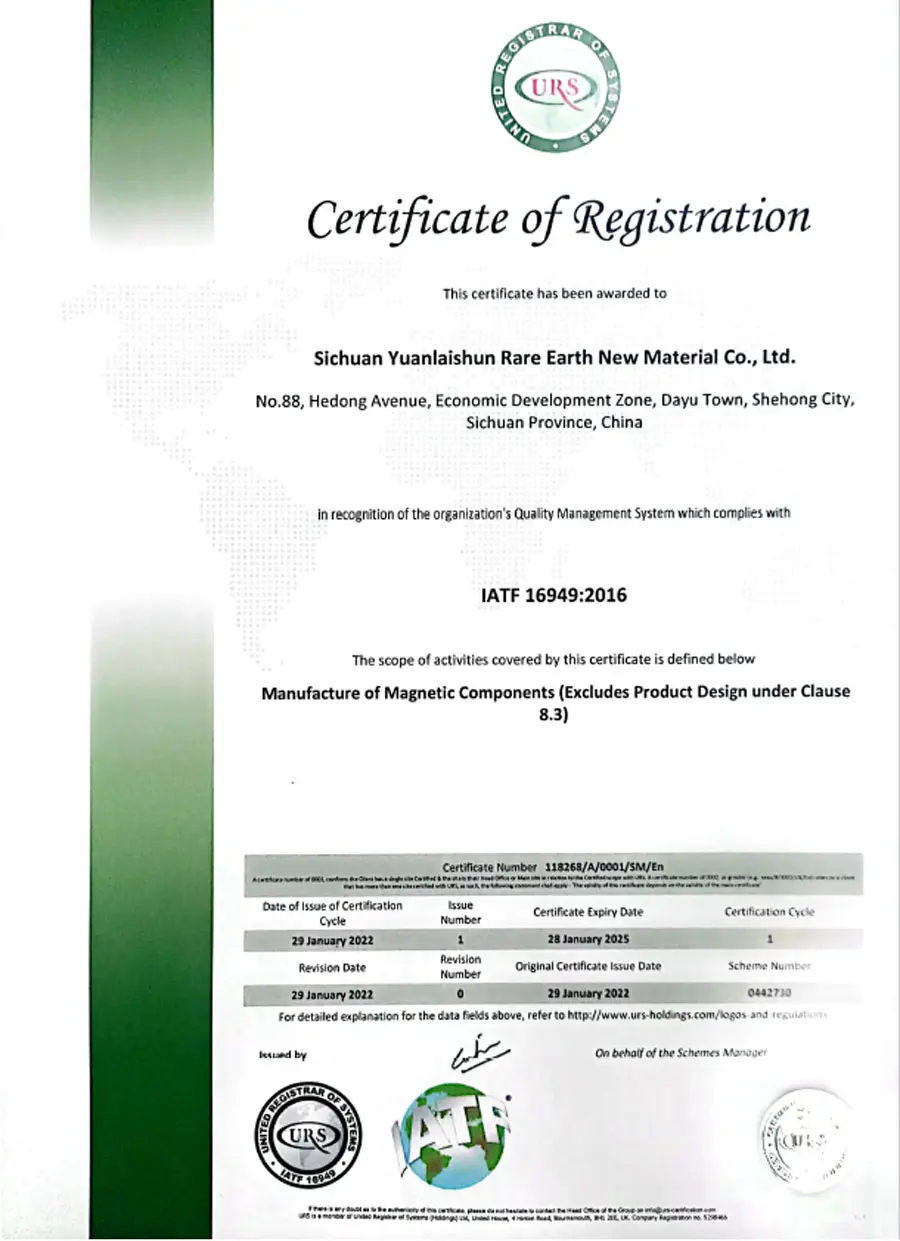
Expert answers addressing the physics, optimization, and ordering parameters for NdFeB magnets serving the Moscow industrial corridor.
NdFeB magnets exhibit a relatively high temperature coefficient of remanence (αBr ≈ -0.12%/°C) and coercivity (βHcj ≈ -0.6%/°C). When operating temperatures surpass the specified threshold of a given grade, structural demagnetization occurs. For high-temperature industrial systems in Moscow, we employ Grain Boundary Diffusion (GBD) treatment or specify high-coercivity classes (SH, UH, EH, or AH) to ensure that the working point on the demagnetization curve remains linear under peak thermal loads.
Neodymium magnets contain free iron grains, which are highly susceptible to oxidation. For systems exposed to environmental stresses, we recommend multi-layer Ni-Cu-Ni electroplating (minimum thickness 12-15 microns) or autoclave-tested Epoxy coatings. Our coatings undergo strict salt spray tests (up to 48-96 hours depending on spec) to ensure they withstand both industrial emissions and extreme temperature fluctuations common to Central Russia.
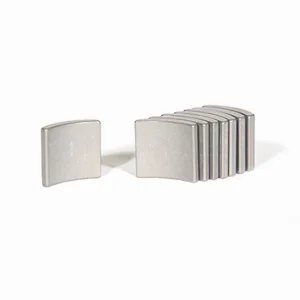
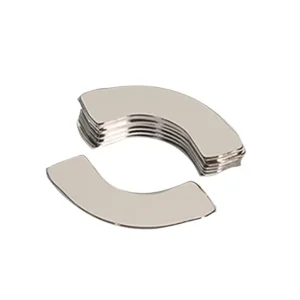
Our CNC slicing, wire-cutting, and grinding facilities allow us to hold precision linear tolerances down to ±0.05mm (and in special circumstances, up to ±0.02mm). Arc segments for industrial servo rotors undergo precise radius checks to guarantee frictionless installation into custom stator-rotor stack configurations.
We coordinate optimized rail transit lines utilizing the direct China-Europe Railway Express networks. This method mitigates maritime transit delays and provides a secure, predictable dry route directly into domestic customs checkpoints and logistics parks in the Moscow region.
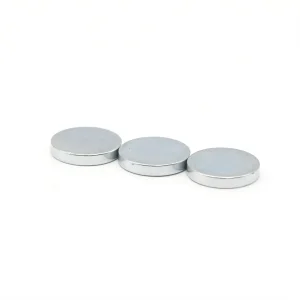
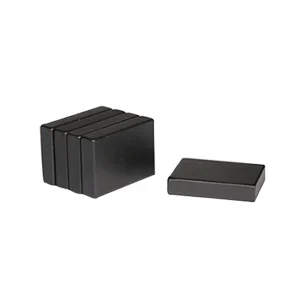
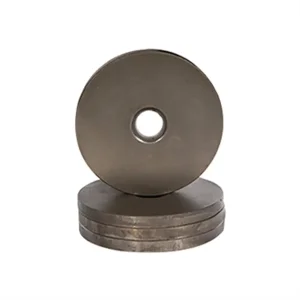
Browse our verified product catalog. Select the appropriate configuration to download tech sheets or request a direct quotation.
 Laysun Magnetics