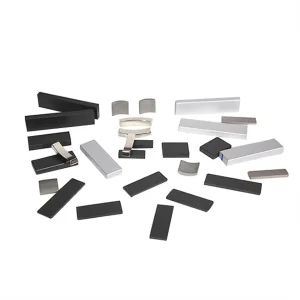
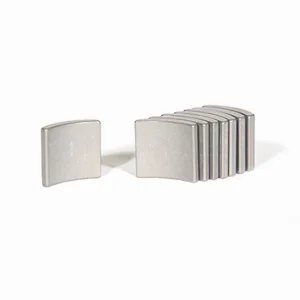
Direct industrial supply of custom permanent magnets engineered for maximum torque density and structural integrity
The metropolitan area of Barcelona, particularly the industrial zones of Vallès Oriental, Zona Franca, and Martorell, stands as a major center for automotive engineering and advanced robotics in Southern Europe. As traditional automotive manufacturing transitions rapidly toward next-generation Electric Vehicles (EVs), the demand for high-performance magnetic assemblies has reached unprecedented levels.
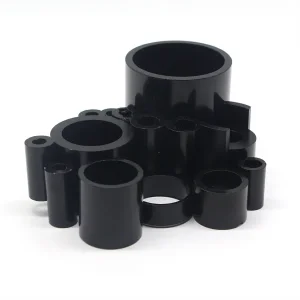
In this landscape, Bonded NdFeB (Neodymium-Iron-Boron) magnets have emerged as critical enablers. Unlike their sintered counterparts, bonded NdFeB magnets offer unparalleled geometrical flexibility, allowing design engineers to manufacture complex, thin-walled multi-pole ring magnets with extreme dimensional tolerances. These magnets are pivotal in precision servo-motors, automotive Electronic Power Steering (EPS) systems, HVAC actuators, and robotic sensors, aligning perfectly with Barcelona’s transition toward automated production and high-value tech industries.
Request Engineering Consultation
Exploring compression molding and injection molding techniques for highly demanding environments
Bonded NdFeB is manufactured by blending rapid-quenched Nd-Fe-B magnetic powders with a thermoset epoxy resin or thermoplastic matrix. This isotropic configuration permits magnetization in any direction, providing engineers with infinite options for skew and multi-pole magnetization profiles.
By utilizing advanced compression molding (with thermosetting epoxy binder) or injection molding (with polyamide PA12 or PPS), components require no subsequent machining. This delivers exceptionally tight tolerances down to ±0.02 mm, minimizing assembly weight and mechanical balancing issues.
The composite binding structure provides inherent environmental resistance. Polymer matrices isolate magnetic grains, preventing swift oxidation. For aggressive environments, specialty coatings (such as parylene, epoxy coating, or nickel plating) are applied to achieve high reliability.
When determining the correct rare earth material for Barcelona-based automotive or industrial applications, key mechanical and magnetic attributes must be analyzed. Sintered NdFeB provides superior magnetic energy (maximum (BH)max), but remains brittle and hard to form. Bonded NdFeB serves as a high-density, complex alternative:
Since 1999, supplying high-performance permanent rare earth magnets globally
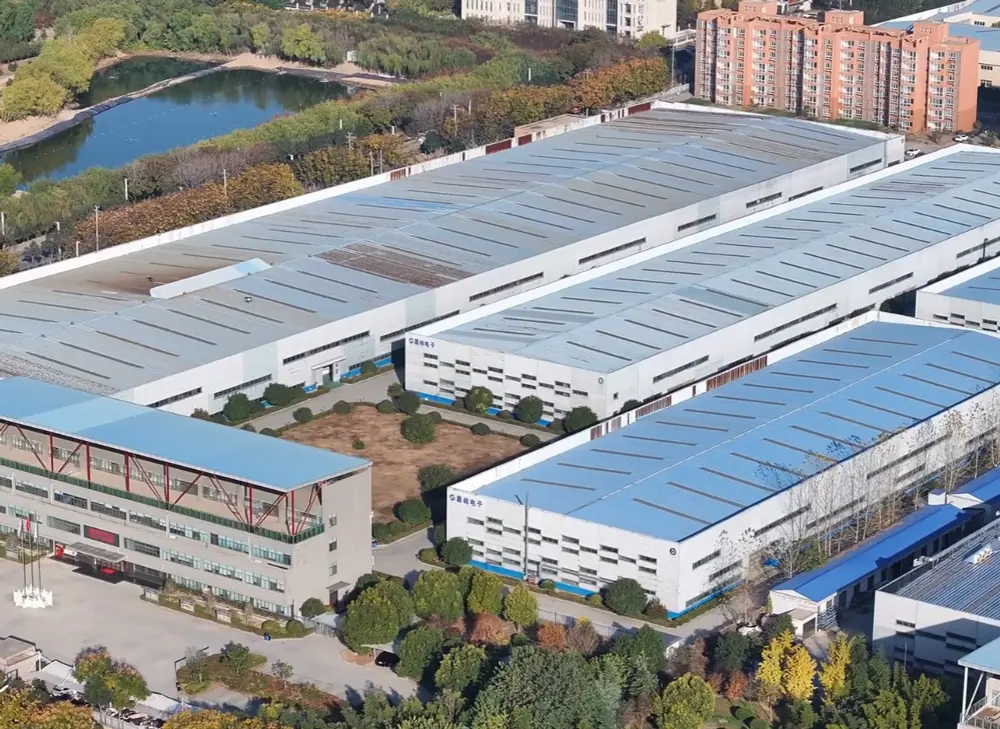
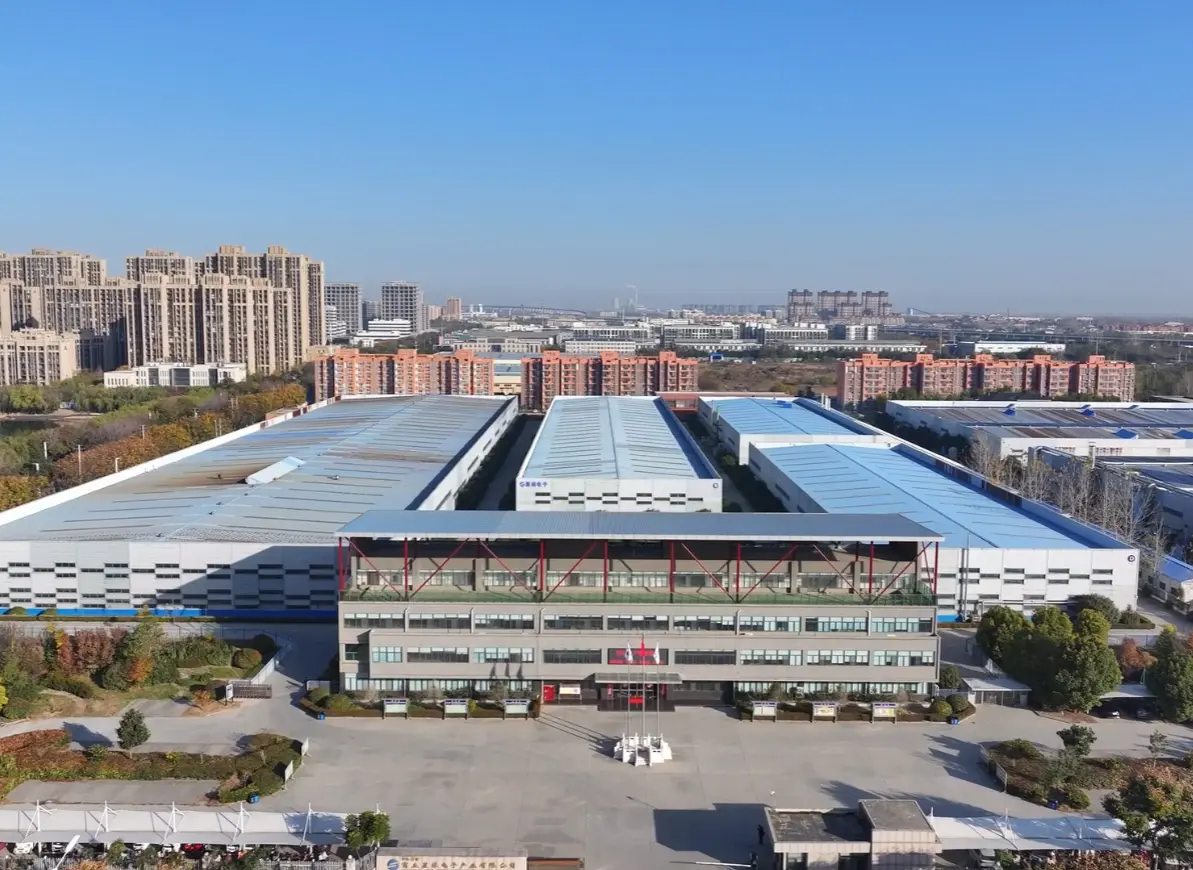
Our state-of-the-art production facility in Suining, Sichuan, combined with our strategic logistics presence, allows us to deliver high-quality, customized products to demanding EU industrial markets. As a certified high-tech manufacturer, we maintain control over the entire production cycle, from magnetic alloy melt spinning to compounding, molding, coating, and magnetization.
We understand the automotive industry's strict requirements, which is why we enforce stringent testing methodologies, including temperature stability tests, salt spray testing, and HAST (Highly Accelerated Temperature and Humidity Stress Test) to ensure reliable operation under challenging environmental conditions.
Laysun Magnetics operates in accordance with international industrial standards to maintain the quality and consistency of our magnetic compounds.
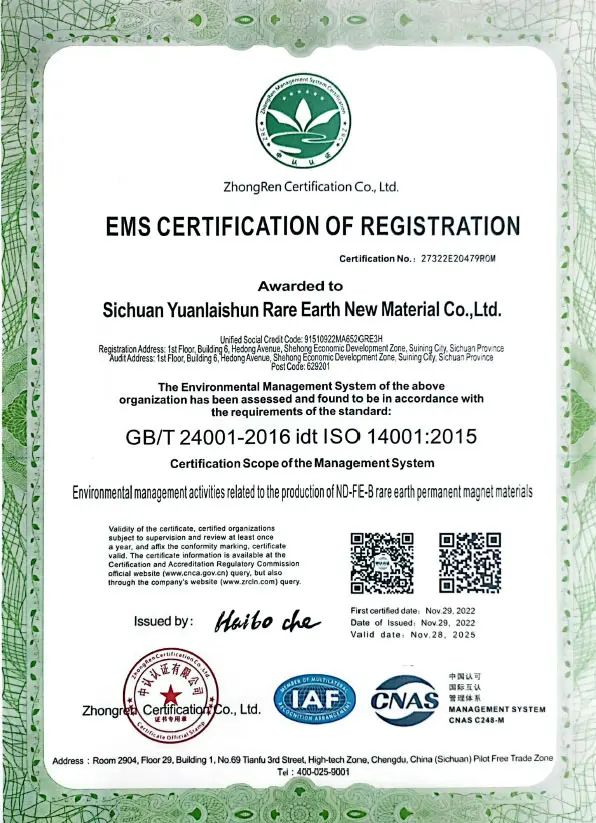
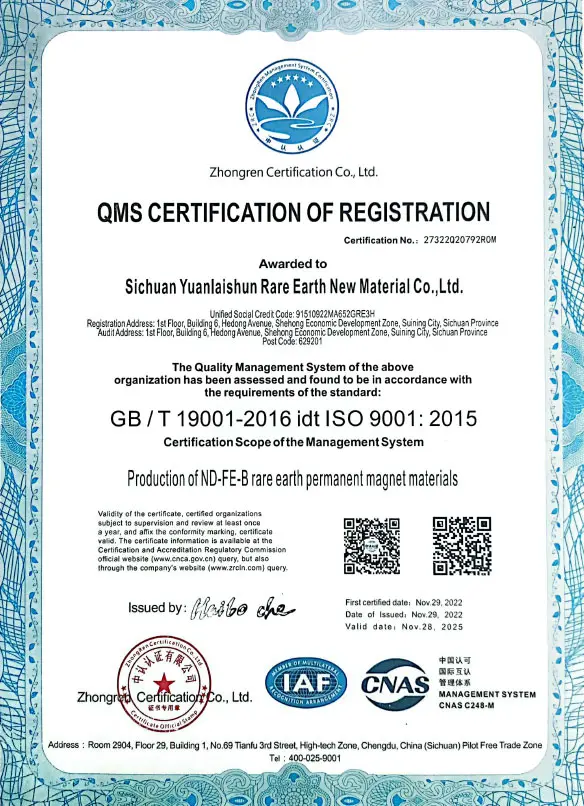
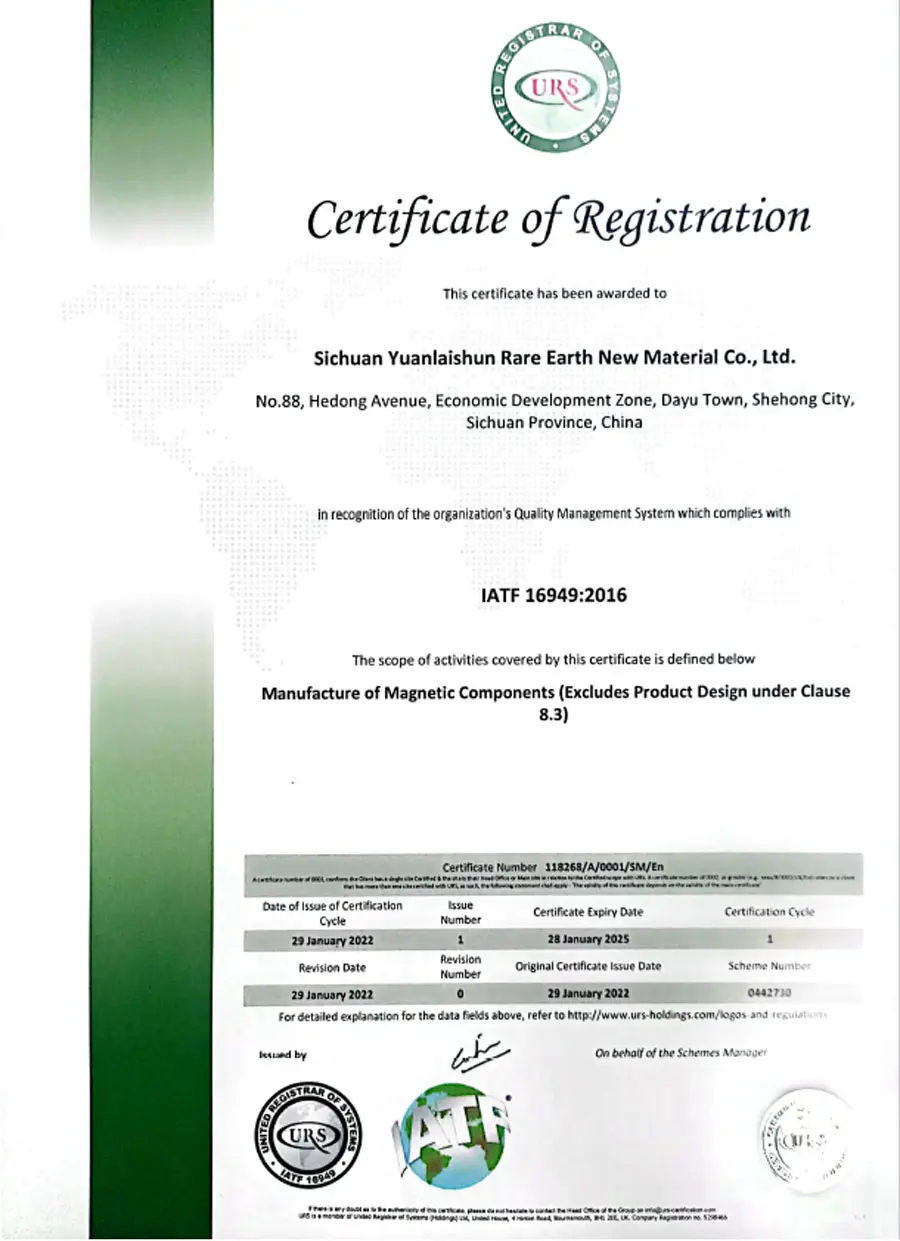
High-coercivity rare earth magnets with customized surface finishing for automated systems in Barcelona
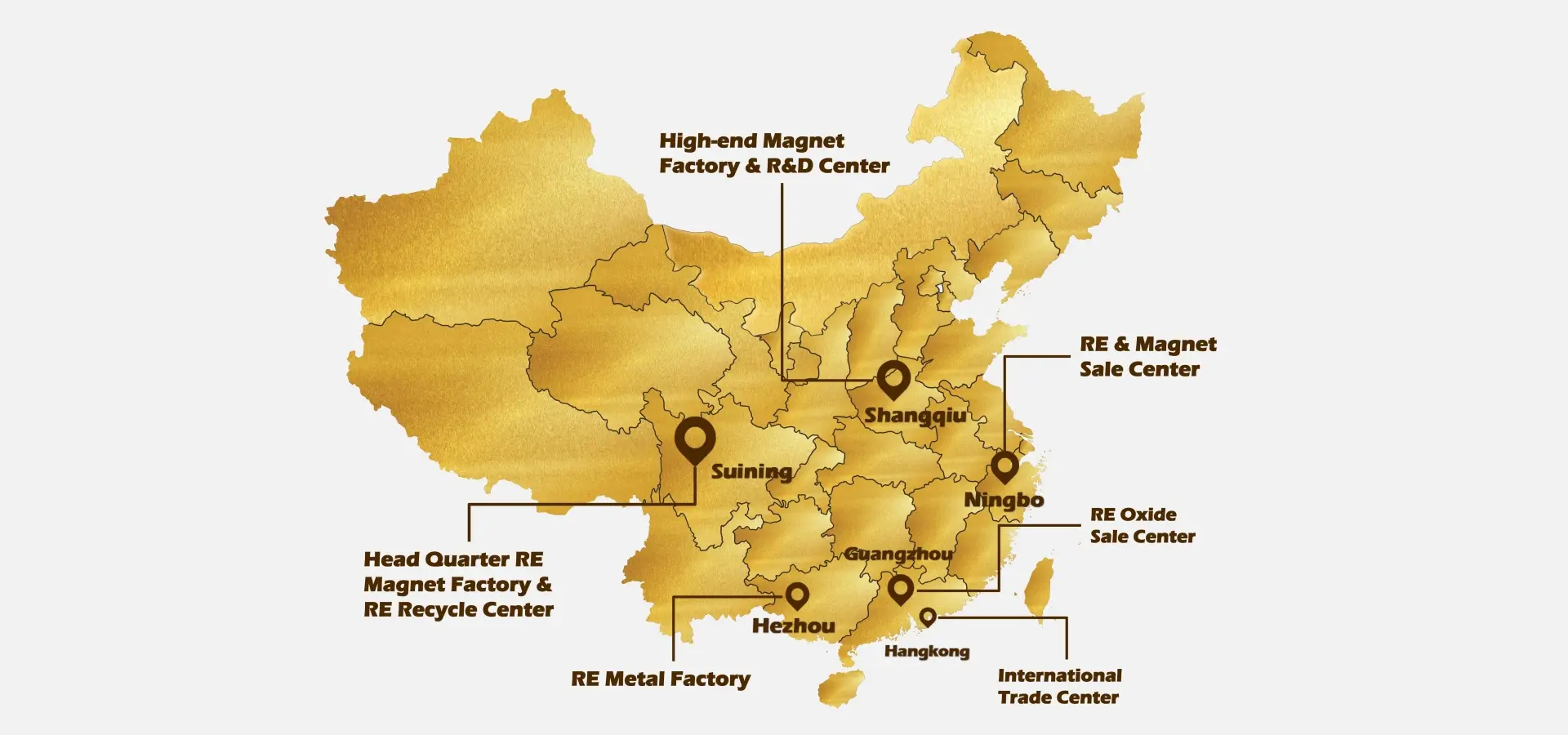
With direct logistics routes connecting our production bases in China to the port of Barcelona and El Prat International Airport, we ensure streamlined transport, simplified customs procedures, and robust supply chain integration. We offer comprehensive inventory management and safety stock programs (VMI) to support Barcelona’s manufacturing operations.
Furthermore, our environmental and material sourcing programs comply strictly with European directives. Every batch of bonded NdFeB magnets we ship is fully certified and documented:
Exploring technical advancements in thermal stability and heavy rare-earth reduction
Standard epoxy-bonded magnets are typically limited to operating temperatures below 120°C. To meet the demanding requirements of automotive electric pumps and under-hood applications, Laysun Magnetics has developed high-density Polyphenylene Sulfide (PPS) and Polyamide 12 (PA12) formulations. These composite materials enable continuous operating temperatures up to 180°C while maintaining mechanical stability and resisting cracking under high centrifugal forces.
Due to geopolitical volatility and fluctuating raw material pricing in the rare earth sector, Laysun Magnetics’ research team is developing Dy-free (Dysprosium) and Tb-free (Terbium) bonded powders. Through grain refinement techniques during rapid solidification, we achieve intrinsic coercivities ($H_{cj}$) suitable for automotive sensors without relying on scarce heavy rare earths, lowering cost volatility for European OEMs.
To simplify manufacturing processes for our clients in Spain, we offer integrated overmolding services. We can injection mold the magnetic compound directly onto plastic carriers or steel shafts. This eliminates the need for separate assembly, adhesive curing, and balancing operations, ensuring optimal concentricity and reducing total system cost.
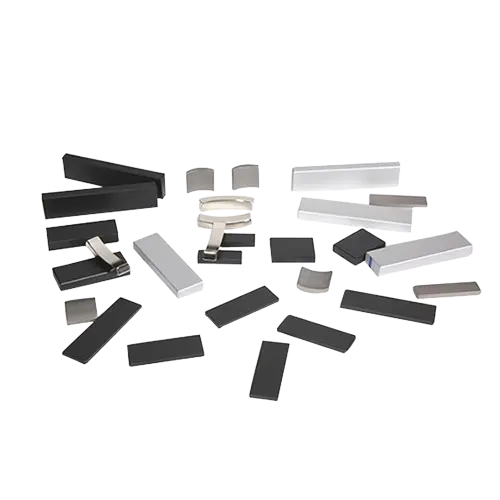
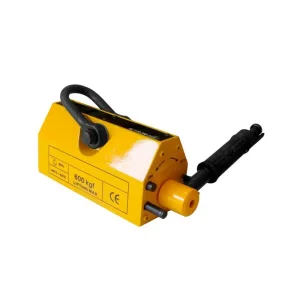
Complete range of neodymium, magnetic assemblies, and industrial lifters for global applications
Essential engineering insights regarding magnetic properties, manufacturing processes, and application design
Whether you need a custom multi-pole ring design, mechanical overmolding simulation, or high-volume pricing for the Barcelona or wider European market, our engineers are ready to support your project.
Typical response time: Within 24 business hours. Technical datasheet and raw material compliance documentation provided upon request.
 Laysun Magnetics