The Klang Valley, incorporating Kuala Lumpur and Selangor's heavy industrial zones, has solidified its position as Malaysia's premier hub for advanced electronics, automotive engineering, and automated production. Backed by Malaysia's National Industrial Master Plan 2030 (NIMP 2030), the capital region is transforming from simple assembly paradigms into high-value manufacturing systems. The expansion of robotics hubs in Shah Alam and semiconductor testing operations in Petaling Jaya highlights a critical regional demand: high-precision, space-efficient, and thermally stable magnetic products.
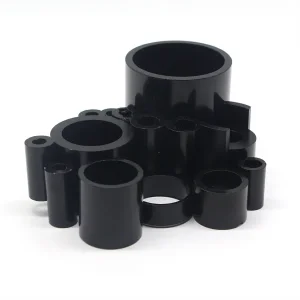
Bonded Neodymium-Iron-Boron (NdFeB) magnets have become foundational elements in these technical upgrades. Unlike their sintered counterparts, which are prone to chipping and require diamond grinding, bonded magnets are constructed using rapid-solidification melt-spinning technologies. The resulting magnetic powders are blended with polymer matrices (such as thermoset epoxy or thermoplastic resins like Polyamide 6, Polyamide 12, or Polyphenylene Sulfide - PPS) to enable complex geometry fabrication via injection or compression molding. This makes them ideal for micro-sensors, high-efficiency stepper motors, brushless DC (BLDC) motors, and electronic power steering (EPS) systems in automotive setups.
SEO Insight & Information Gain: While generic rare earth magnet suppliers focus entirely on magnetic grades, Zhejiang Laysun Magnetics Ltd. provides structural design insights. The integration of high-pole-count radial rings directly eliminates assembly steps, reducing the total cost of ownership (TCO) for automated machinery production in Malaysia's tech corridors.
Global procurement teams targeting the Southeast Asian market face unique supply chain challenges. Procuring magnetic components requires not just meeting basic magnetics benchmarks, but aligning with complex quality assurance criteria. These include close mechanical tolerances, reliable surface plating (such as Parylene or electrodeposited epoxy coating to resist tropical humidity), and stable raw material pricing.
To support this ecosystem, we maintain a robust pricelist model. This framework accounts for fluctuations in primary raw material markets (specifically PrNd metal indices) while providing fixed-fee engineering options for customized molds. By selecting the optimal binder matrix—such as PPS for continuous operation in temperatures exceeding 150°C—we help procurement professionals optimize components for long-term field stability.
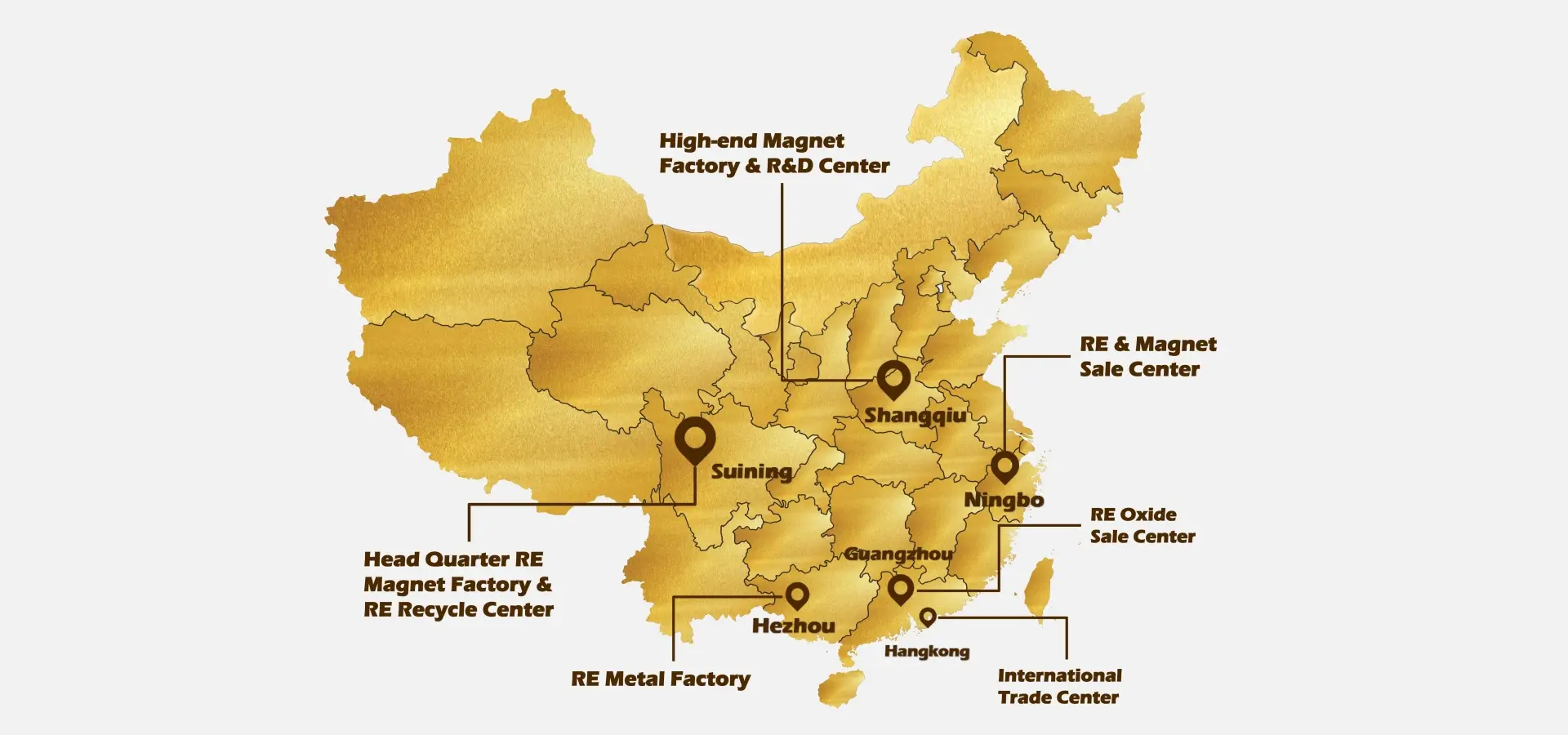
Founded at the turn of the millennium in 1999, Zhejiang Laysun Magnetics Ltd. has evolved from a regional manufacturer into a national high-tech leader in the rare earth magnet sector. Spanning 100,000 square meters in our modern production facility in Sichuan, we handle the entire process from alloy formulation to final multi-pole magnetization. Our annual production capacity of 5,000 tons of high-performance rare earth magnets allows us to meet both large-scale industrial orders and highly specialized niche specifications.
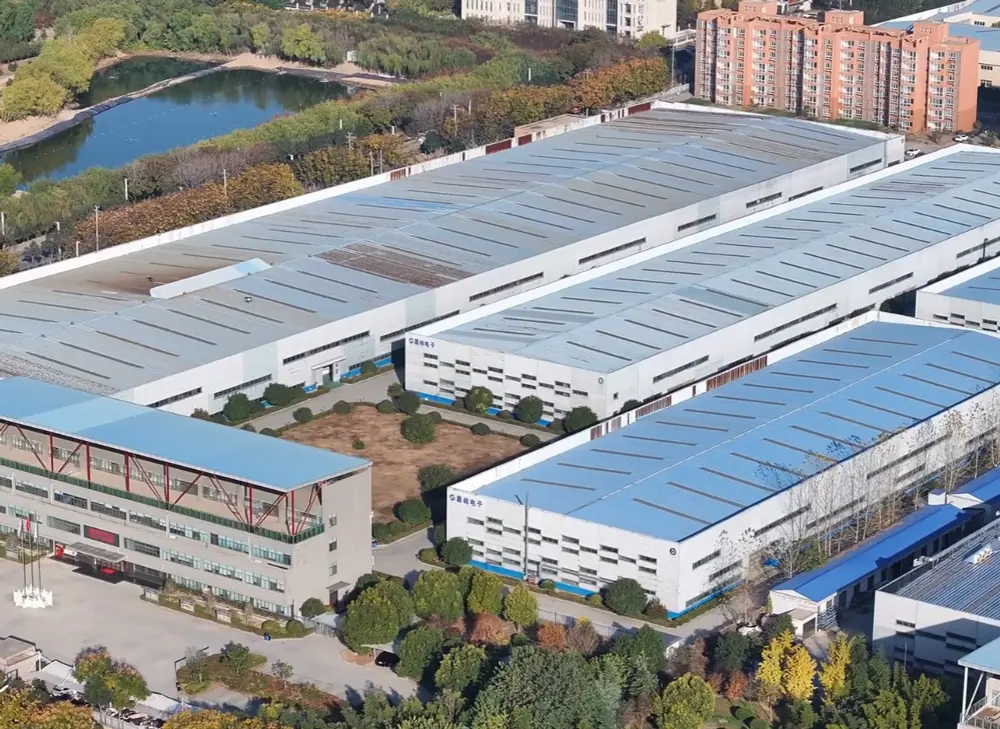
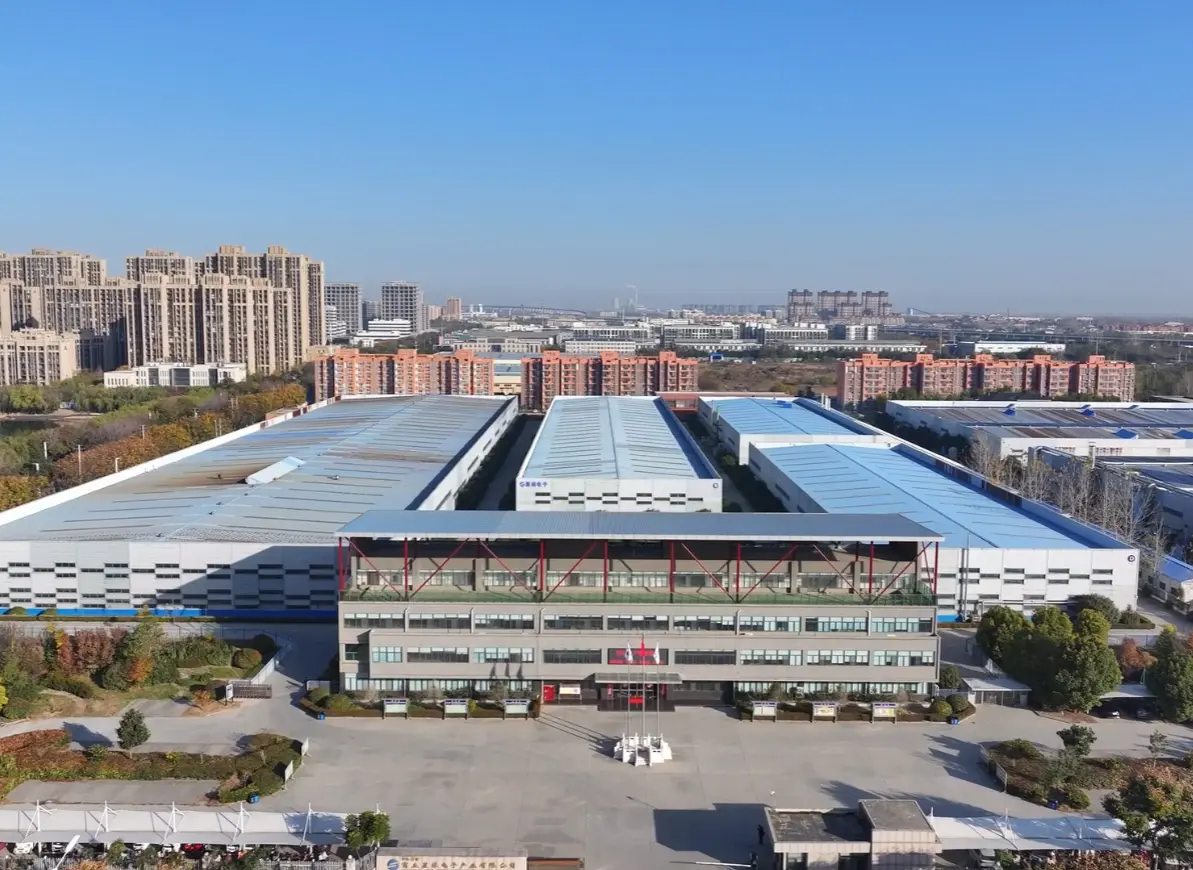
Our commitment is built on four core pillars: Quality, Credibility, Technology, and Innovation. Rather than just acting as a standard supplier, we partner with clients during the early stages of product development. By designing custom magnetization fixtures, we help optimize magnetic field distribution, ensuring our components perform reliably in demanding environments.
Selecting the correct magnet grade and binder is critical to ensuring long-term product reliability. The matrix below outlines key differences between common magnet configurations used in automotive EPS systems, precision sensors, and consumer electronics:
| Magnet Material Class | Processing Type | Remanence (Br) | Coercivity (Hcj) | Max Operating Temp | Key Applications |
|---|---|---|---|---|---|
| Isotropic Bonded NdFeB | Compression Molded (Epoxy) | 0.6 - 0.8 T | 600 - 1200 kA/m | 120°C - 150°C | BLDC motor rotors, precision computer peripherals, office automation. |
| Injection Molded Bonded NdFeB | Injection Molded (Nylon/PPS) | 0.4 - 0.65 T | 500 - 1100 kA/m | 150°C - 180°C | Automotive air conditioner actuator motors, sensor rings, complex geometries. |
| Anisotropic Sintered NdFeB | Powder Metallurgical Sintering | 1.0 - 1.45 T | 900 - 2400 kA/m | 80°C - 220°C | Electric Vehicle drive motors (VCM motors), heavy industrial lifting. |
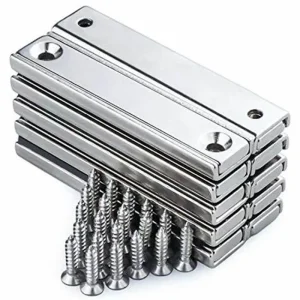
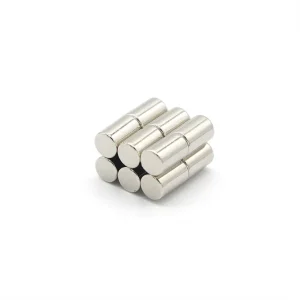
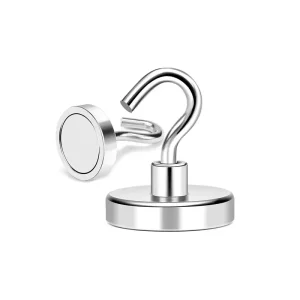
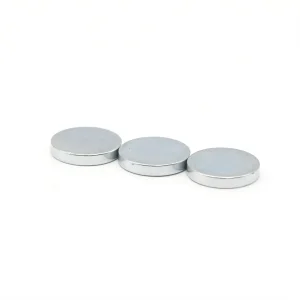
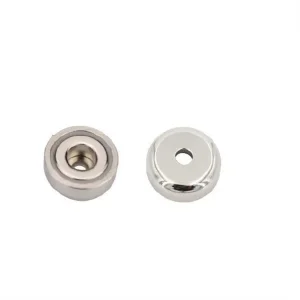
For high-capacity requirements, our specialized product lines—such as the NdFeB Magnet Lifter (1000KG Capacity)—demonstrate our capability to supply heavy-duty industrial handling equipment alongside micro-scale electronics components, such as the Neodymium Pin Magnets used in retail and display systems.
Our magnetic solutions are designed to address key technical challenges across several major sectors:
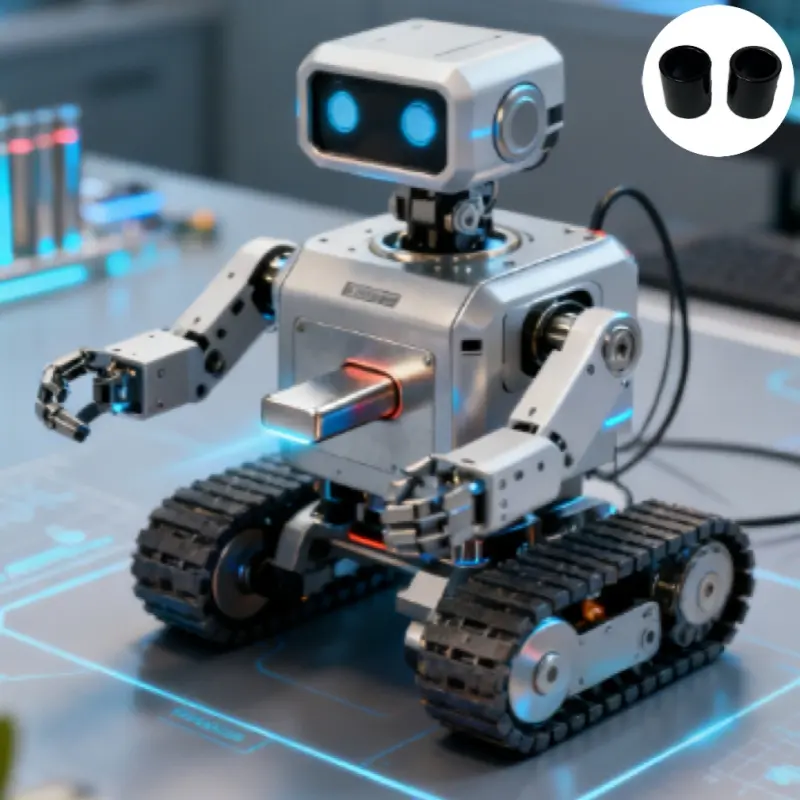
Providing high-pole-count radial rings with specialized magnetization patterns to ensure smooth torque delivery in joint actuators and industrial robotic arms.

Ultralight, dynamically balanced magnetic assemblies designed to maximize motor efficiency and power-to-weight ratios in commercial drone applications.

High-reliability magnets for auxiliary motors, sensors, and steering control systems, engineered to maintain performance under high under-hood temperatures.
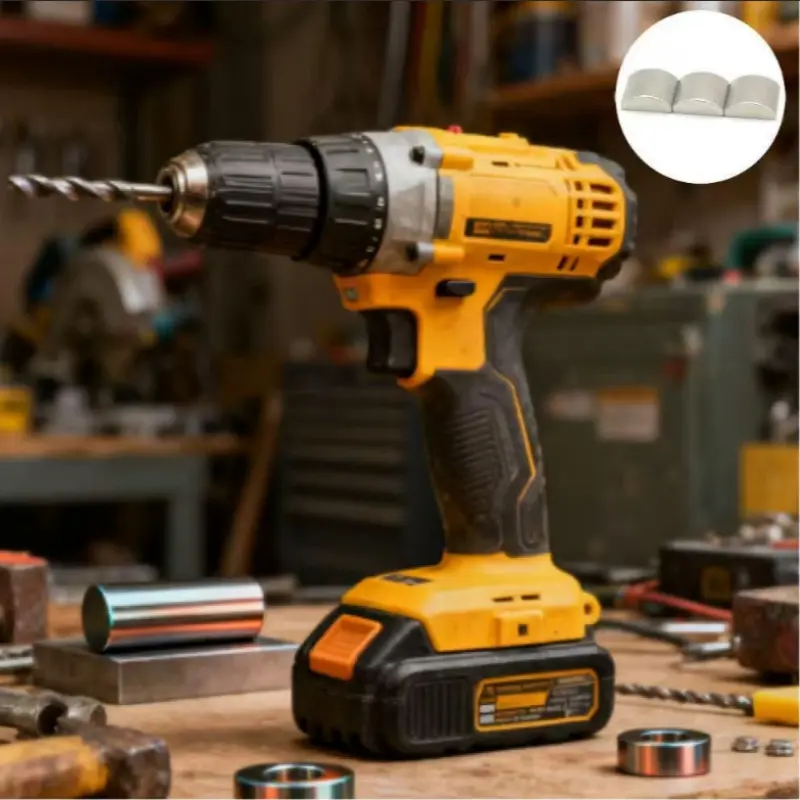
High-coercivity magnets designed to withstand vibration and sudden mechanical shock in demanding field conditions.

Compact, thin-walled magnetic components designed for high-density modern smartphones, cameras, and wearable devices.
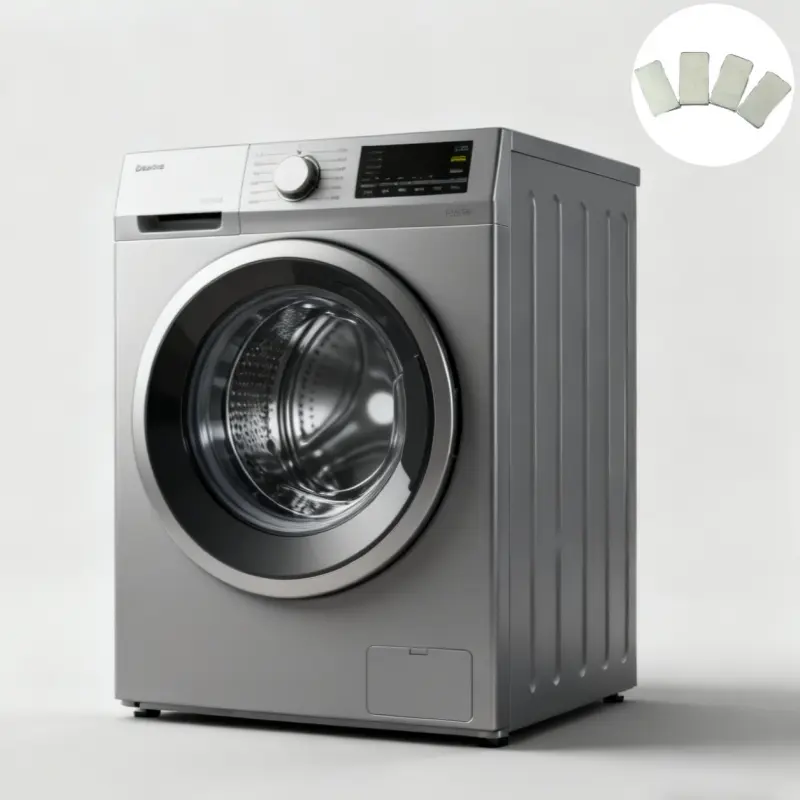
Energy-efficient motor magnets for inverter air conditioners, washing machines, and refrigerator compressor units.
As industrial systems demand higher power density, the technology behind bonded NdFeB continues to advance. Zhejiang Laysun Magnetics Ltd. is active in three main technical research areas:
We provide comprehensive supply chain support to partners across the ASEAN region, with direct shipping lanes serving Port Klang and Kuala Lumpur International Airport (KLIA). All materials are fully documented, including certificate of origin, magnetic testing parameters, and compliance details.
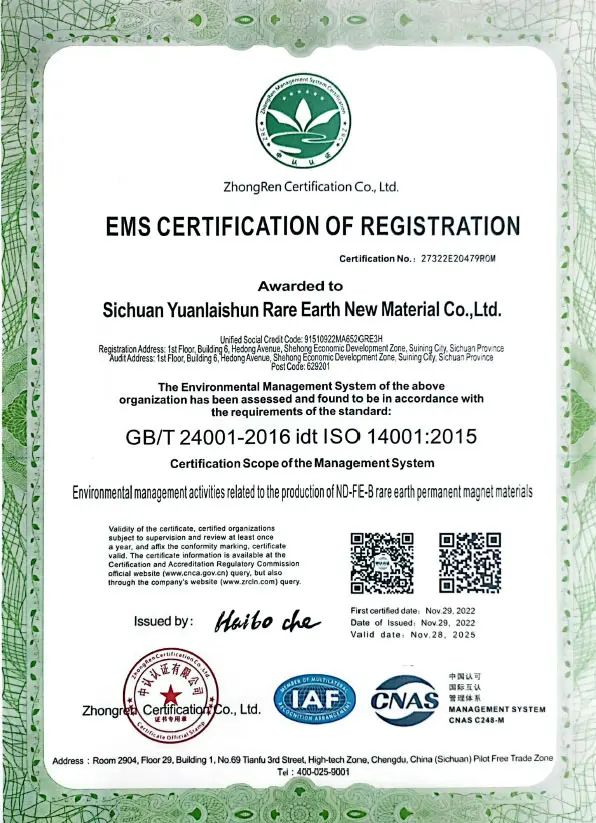
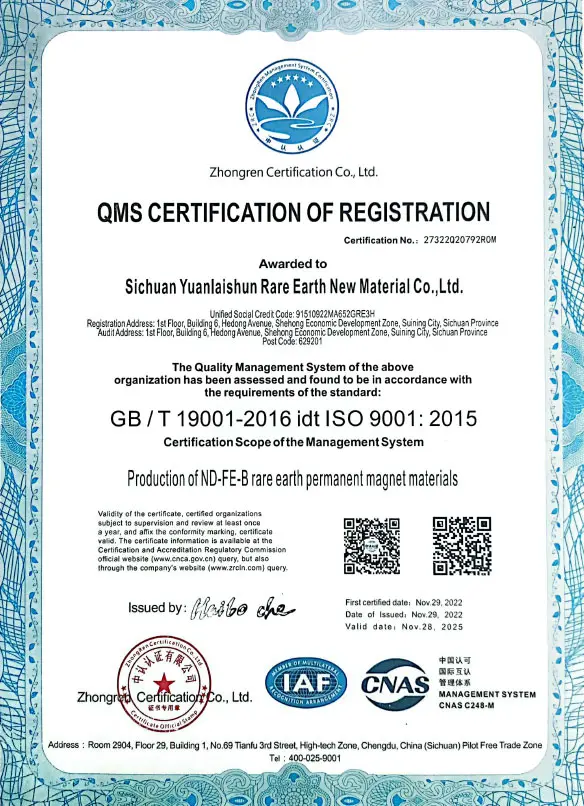
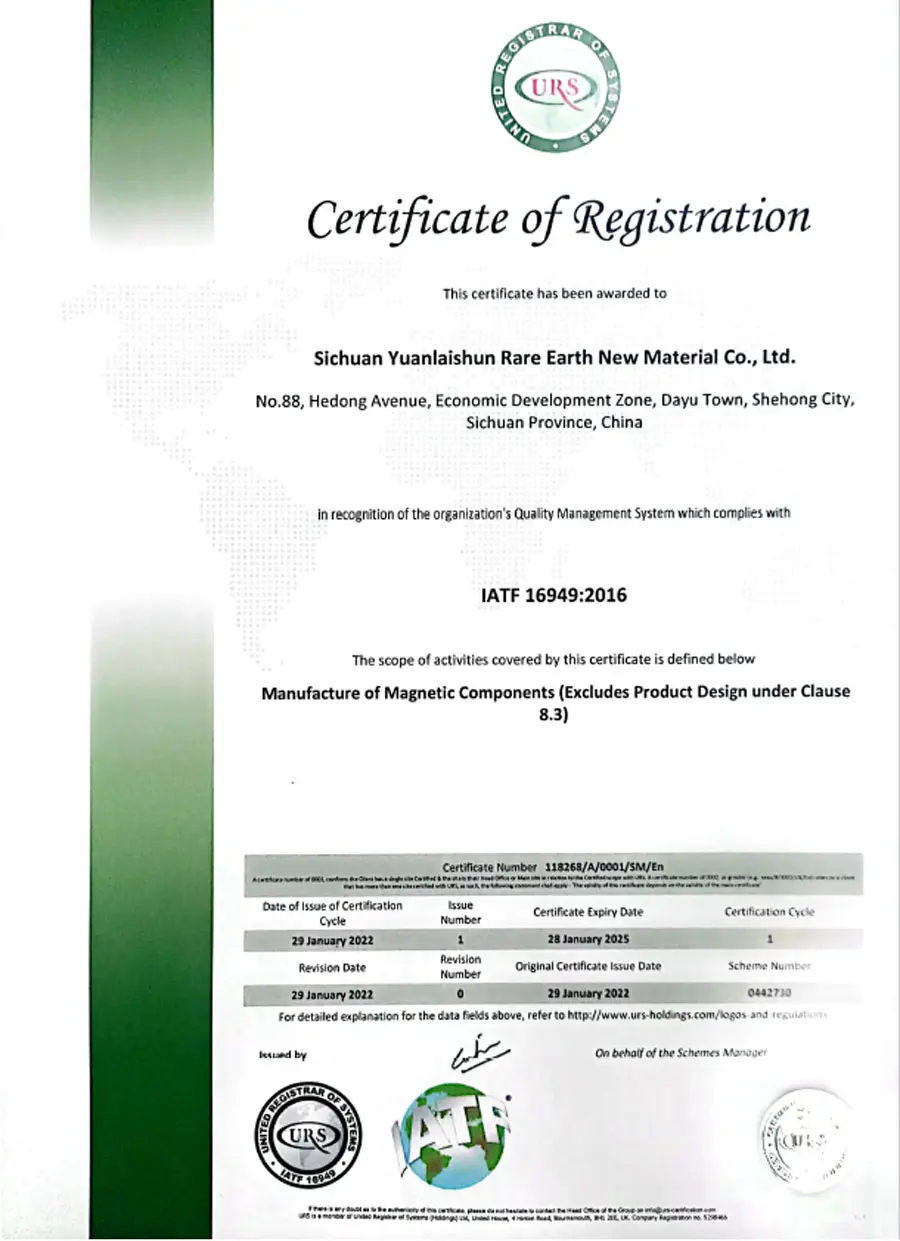
Our quality management systems are certified to API 6D, API 607, CE, ISO 9001, ISO 14001, ISO 18001, and IATF 16949 standards, ensuring full compliance with international automotive and industrial requirements.
 Laysun Magnetics