Explore our core engineering solutions, rigorously manufactured to meet dynamic international mechanical and electrical requirements.
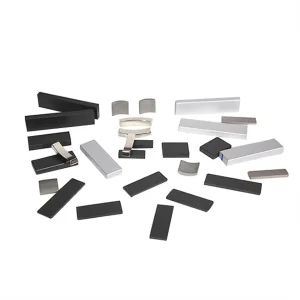
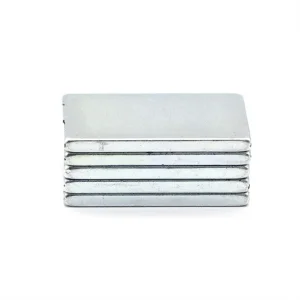
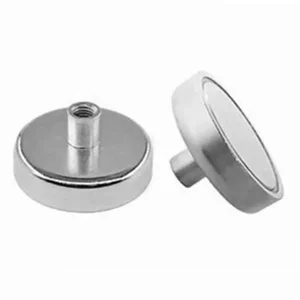
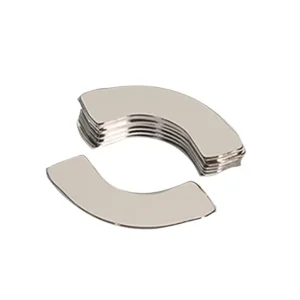
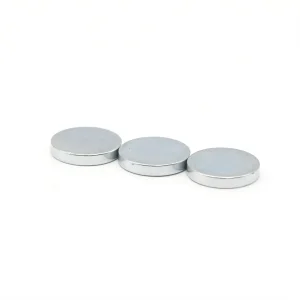
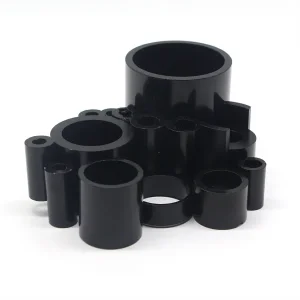
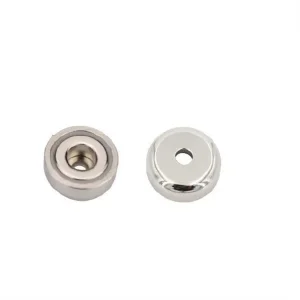
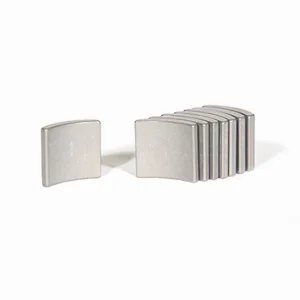
Why 85%+ of global enterprises utilize China-based manufacturing for Very Strong Neodymium Magnets (NdFeB).
The global shift toward high-efficiency technologies—specifically electric vehicles (EVs), robotics, advanced consumer electronics, and green power systems—has elevated Very Strong Neodymium Magnets (NdFeB) to the status of critical industrial assets. China stands at the epicenter of this industry, processing over 85% of the world's rare earth materials. Sourcing directly from certified Chinese manufacturers such as Zhejiang Laysun Magnetics Ltd. offers unparalleled strategic advantages:
A trusted manufacturer delivering elite metallurgical performance for over two decades.
When procurement departments request quotes for very strong neodymium magnets, they must select between two primary categories: Sintered NdFeB and Bonded NdFeB. Each serves distinct operational envelopes, and choosing the correct technology is critical for optimization.
Manufactured by melting the raw materials, casting into an ingot, crushing into a fine powder, and then compacting and sintering the powder into dense blocks. Sintering achieves the highest energy product ((BH)max) available, often ranging from 35 MGOe to 52 MGOe (or even higher). These are ideal for heavy-duty applications like wind turbine generators, EV traction motors, and industrial actuators where torque density and raw pull force are key priorities.
Produced by blending NdFeB powder with a polymer binder (such as epoxy or nylon) and injection molding or compressing the mixture. Because of the non-magnetic binder phase, bonded magnets have lower magnetic properties (typically 10-15 MGOe). However, they offer complex geometry creation without machining, tight dimensional tolerances, and multi-pole magnetization options. These are commonly used in high-precision stepper motors and consumer electronics.
Understanding the volatile variables that determine global rare-earth pricing models.
The cost of high-strength NdFeB magnets is dynamic, fluctuating based on material physics, manufacturing steps, and global market trends. The primary price drivers include:
Magnets with high operating limits require additions of Dysprosium (Dy) or Terbium (Tb). These elements protect against heat-induced demagnetization but significantly increase costs compared to standard N-grade series.
Sintered NdFeB is prone to oxidation. Standard Ni-Cu-Ni (Nickel-Copper-Nickel) electroplating is cost-effective, while specialized chemical coatings like Epoxy, Zinc, Gold, or Everlube increase rust resistance at higher cost points.
Complex arcs, micro-rings, and internal threads require precision wire EDM, multi-axis CNC grinding, and customized tooling, which adds production time and increases unit costs.
| Magnet Grade | Remanence (Br) | Coercivity (Hcb) | Intrins. Coercivity (Hcj) | Max Energy Product (BH)max | Max Operating Temp |
|---|---|---|---|---|---|
| N35 - N52 | 1.17 - 1.48 T | ≥ 868 kA/m | ≥ 955 kA/m | 33 - 53 MGOe | 80 °C (176 °F) |
| N35M - N50M | 1.17 - 1.43 T | ≥ 868 kA/m | ≥ 1194 kA/m | 33 - 51 MGOe | 100 °C (212 °F) |
| N33H - N48H | 1.13 - 1.38 T | ≥ 868 kA/m | ≥ 1353 kA/m | 31 - 49 MGOe | 120 °C (248 °F) |
| N30SH - N45SH | 1.08 - 1.35 T | ≥ 828 kA/m | ≥ 1592 kA/m | 28 - 46 MGOe | 150 °C (302 °F) |
| N30UH - N40UH | 1.08 - 1.28 T | ≥ 828 kA/m | ≥ 1989 kA/m | 28 - 41 MGOe | 180 °C (356 °F) |
| N28EH - N38EH | 1.04 - 1.25 T | ≥ 796 kA/m | ≥ 2387 kA/m | 26 - 39 MGOe | 200 °C (392 °F) |
Providing high-performance rare earth permanent magnet systems tailored to major global growth markets.



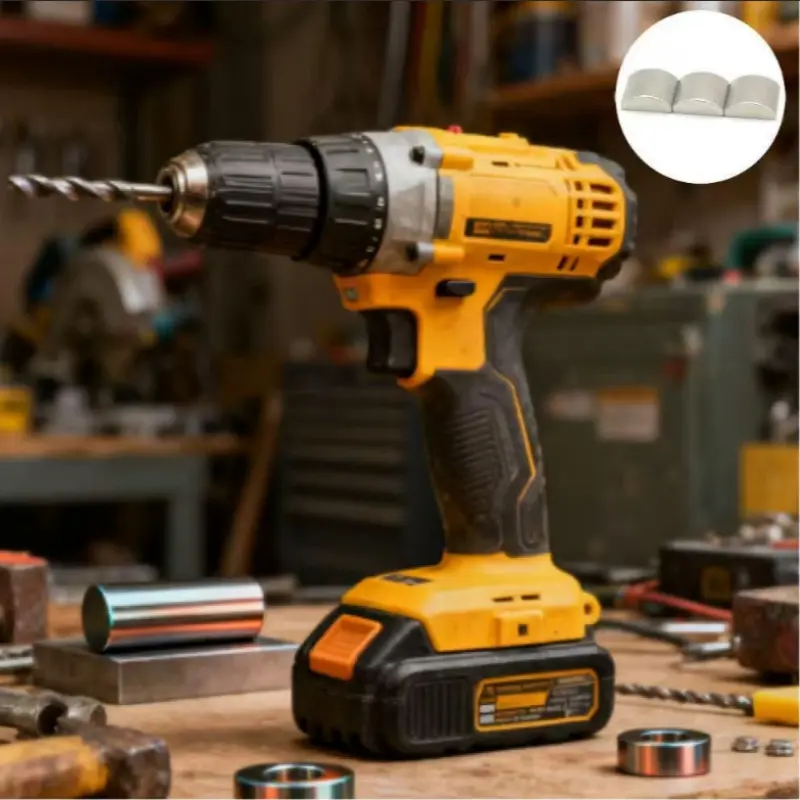

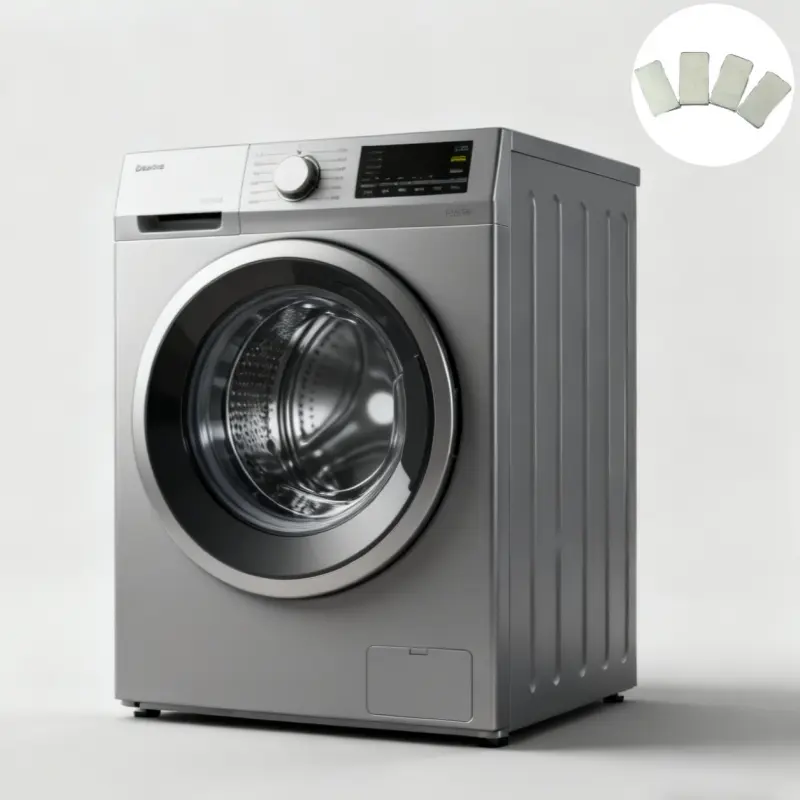
The rare earth permanent magnet sector is undergoing significant change driven by shifting environmental standards, technological advancements, and energy initiatives. B2B buyers must anticipate these trends to secure their supply lines:
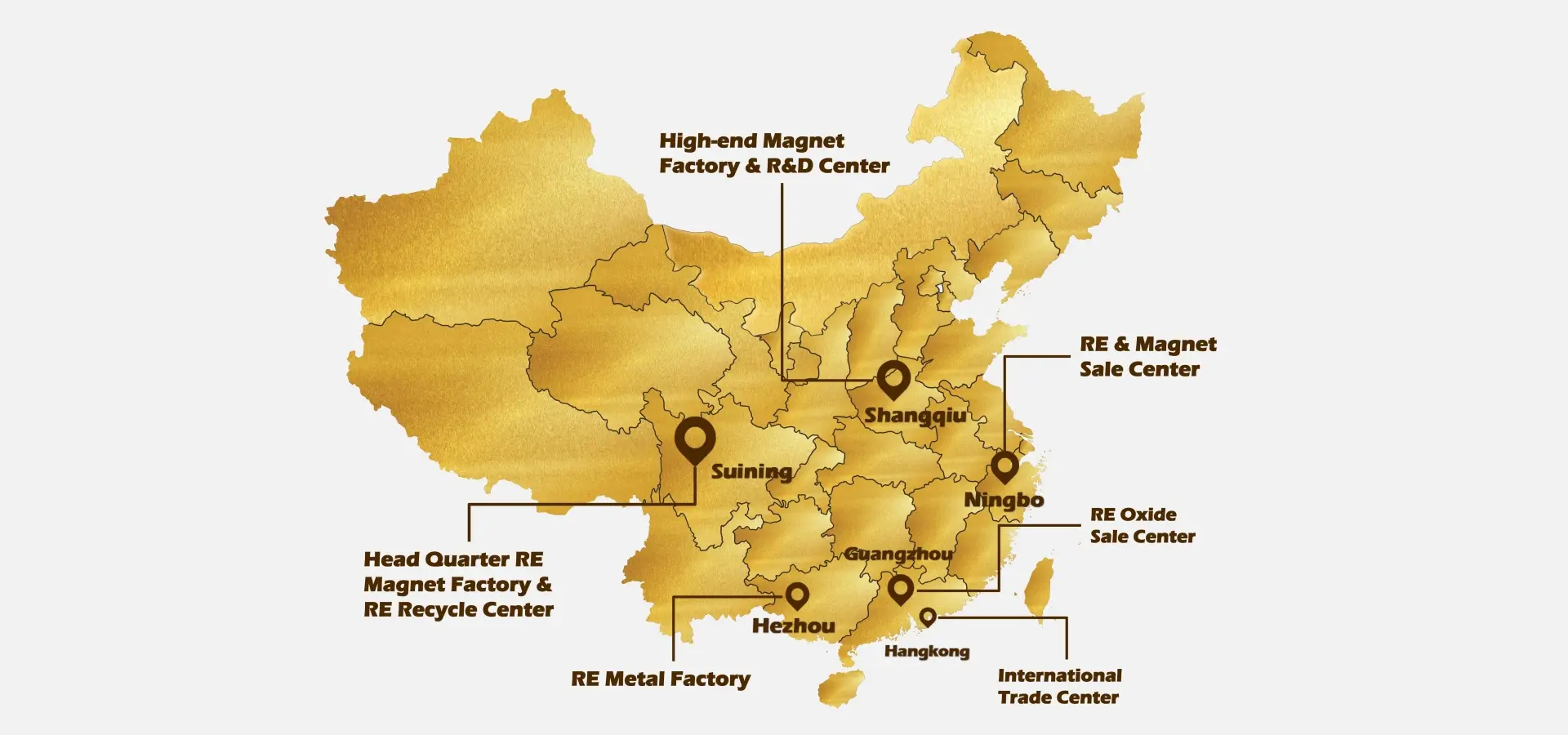
Headquartered in Hangzhou, China, Zhejiang Laysun Magnetics Ltd. builds robust worldwide supply operations to deliver performance materials directly to your hub.
We maintain world-class testing and certification standards to support international industrial requirements.
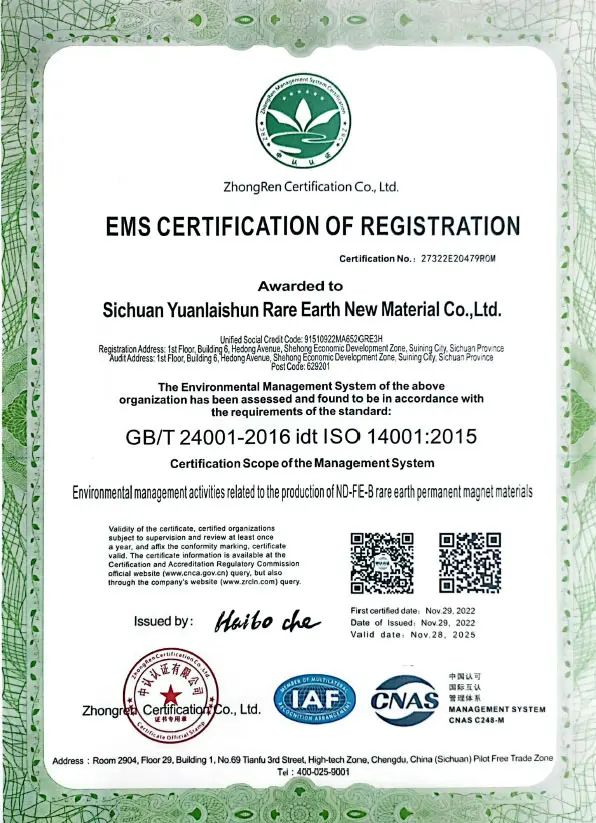
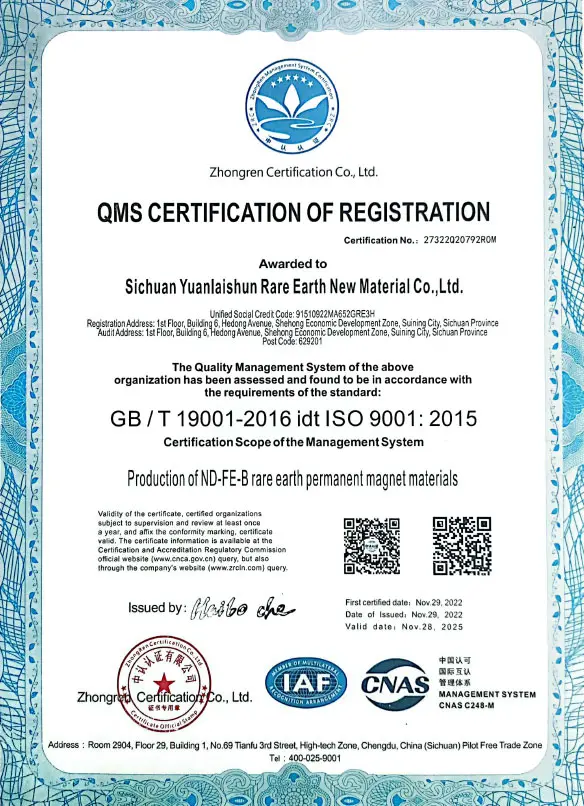
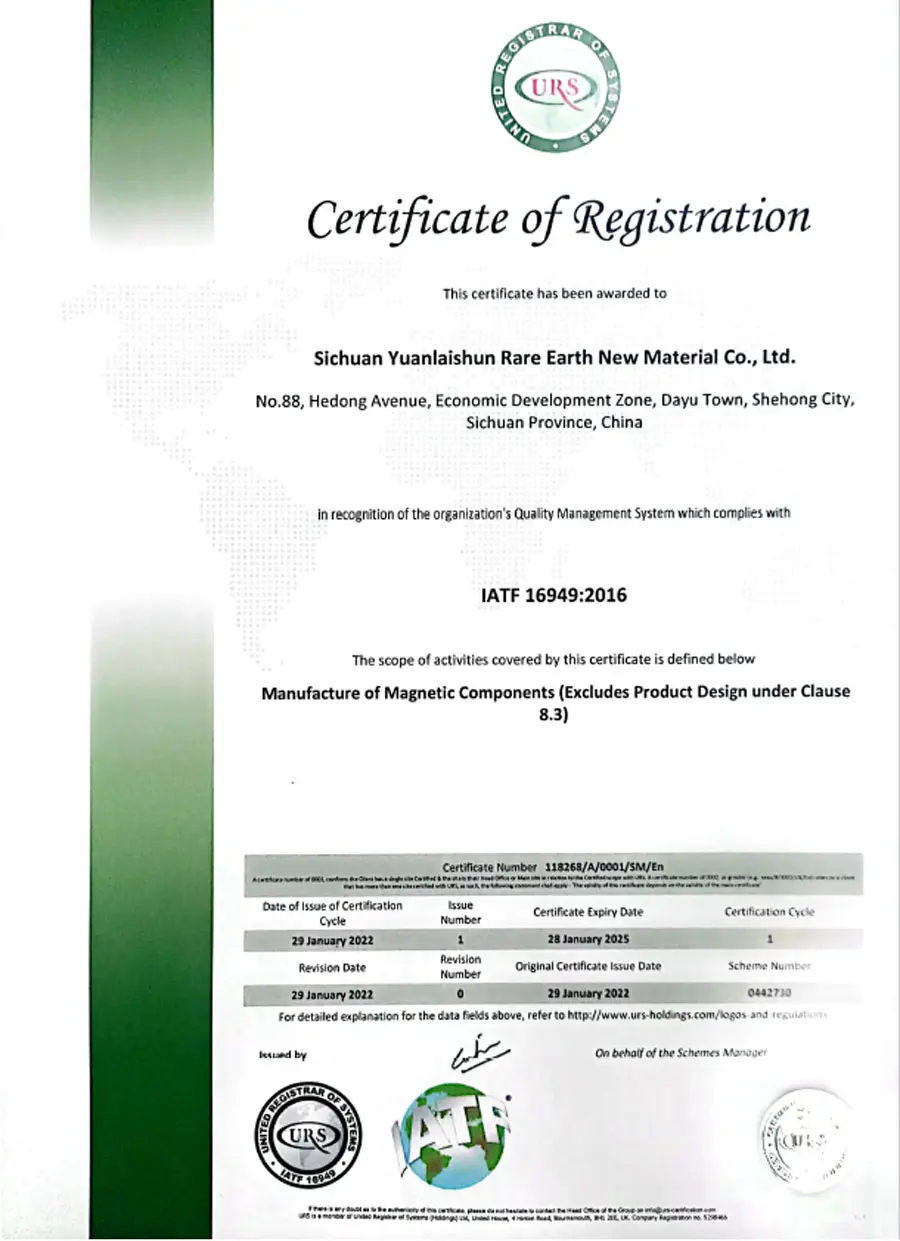
Our engineering processes are fully certified to international standards: API 6D, API 607, CE, ISO9001, ISO14001, ISO18001, and Automotive-grade TS/IATF 16949 metrics. Our testing lab conducts comprehensive quality inspections, including Salt Spray Testing (SST), Highly Accelerated Stress Testing (HAST), Demagnetization Performance Curves, and Flux Density Mapping, ensuring consistent performance for every batch.
Advanced magnetic components built for high coercivity, custom geometries, and demanding environments.
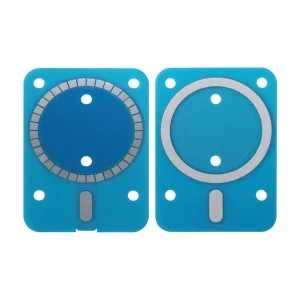
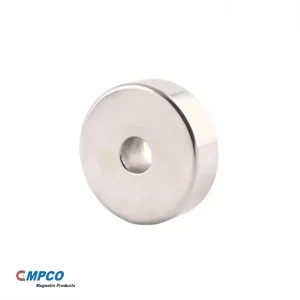
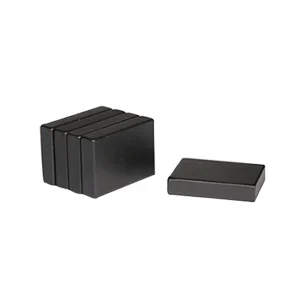
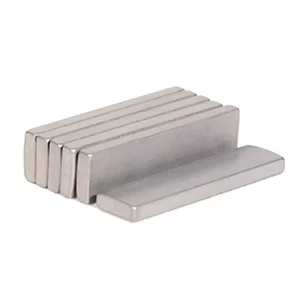
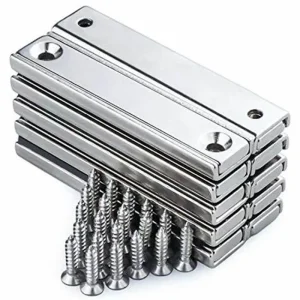
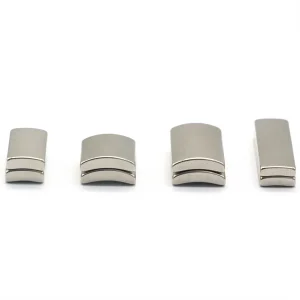
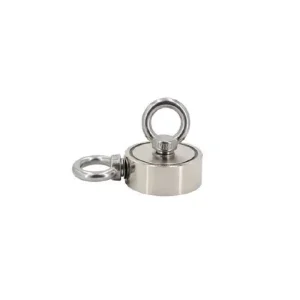
Purchasing magnets for industrial projects requires careful planning to balance cost, performance, and reliability. When preparing your RFQ (Request for Quote), keep these technical points in mind to ensure you get the right product:
Sintered Neodymium magnets can experience permanent demagnetization if they exceed their maximum operating temperature. Standard grades (N35-N52) are rated for up to 80°C. For hotter environments, specify grades with suffix letters like M (100°C), H (120°C), SH (150°C), UH (180°C), or EH (200°C).
Determine if your application involves opposing magnetic fields (as in motor rotors or magnetic couplings). In these cases, you will need a magnet with high intrinsic coercivity (Hcj) to prevent demagnetization under load.
NdFeB magnets contain iron, which makes them vulnerable to oxidation. Multi-layer Ni-Cu-Ni plating is the standard choice for general use. For high humidity or direct liquid exposure, consider Epoxy coating, passivation, or Teflon encapsulation.
Standard manufacturing tolerances are typically ±0.05 mm to ±0.10 mm. Tighter tolerances can be achieved through custom diamond wheel grinding, but this increases production costs and lead times.
Common questions from engineering and procurement professionals regarding Neodymium NdFeB solutions.
The number represents the Maximum Energy Product ((BH)max) in MGOe, showing the strength of the magnet. An N52 magnet is stronger than N35. Suffix letters (like M, H, SH, UH) indicate the temperature resistance. Without a suffix, standard magnets are rated for 80°C. Suffix letters show higher heat tolerance but require adding heavy rare earths (like Dysprosium), which increases the cost.
Neodymium magnets are made of Neodymium, Iron, and Boron. The high iron content makes them prone to oxidation in humid conditions. To prevent rust, we apply protective coatings. Popular options include Ni-Cu-Ni plating, Zinc, Epoxy, Gold, and plastic/rubber covers.
We maintain strict quality control through automated sintering and processing systems, and we are certified to IATF 16949 standards. We use demagnetization testing equipment, flux meters, and 3D coordinate measuring systems to ensure that each batch meets dimensional and magnetic specifications.
For standard sizes, shipping can occur within 10 to 15 days. Custom shapes or high-grade magnets requiring complex cutting or special coatings typically have a production lead time of 25 to 35 days, which includes tooling and finishing processes.
We strongly advise against machining magnets after they have been magnetized. NdFeB is brittle and can chip or crack easily, and the heat from grinding can cause demagnetization. Additionally, magnetic dust is highly flammable. All machining, grinding, and coating should be completed before magnetization.
Connect with our engineering sales team for pricing, technical datasheets, and custom manufacturing options. We respond to all inquiries within 24 hours.
 Laysun Magnetics