Explore our engineering-grade rare earth magnetic assemblies, precision-sintered components, and customized hardware solutions designed for industrial efficiency.
Sintered Neodymium-Iron-Boron (NdFeB) magnets, particularly those engineered with custom geometries like the trapezoid (wedge) profile, represent the zenith of modern permanent magnet engineering. These specialized components form the heart of permanent magnet synchronous motors (PMSMs), brushless DC (BLDC) motors, and advanced wind turbine generators. By optimizing the distribution of magnetic flux density across the air gap between the stator and rotor, the trapezoid shape helps system designers achieve peak energy efficiency with minimal material mass.
Today's global energy transition has accelerated the demand for high-grade trapezoidal neodymium magnets. Due to the high density of magnetic flux required in space-constrained automotive and aerospace actuators, engineering teams can no longer rely on simple block or cylindrical geometries. Designing and manufacturing high-tolerance trapezoidal magnets requires extreme precision: wire-electrode cutting, double-disc grinding, and specialized multi-axis pressing are mandatory to prevent micro-cracking and misalignment of the magnetic easy axis.
As a leading national high-tech manufacturing enterprise, Zhejiang Laysun Magnetics Ltd. addresses this demand by combining advanced raw material extraction synergies with state-of-the-art sintering and Grain Boundary Diffusion (GBD) technologies. This allows us to supply international markets with highly stable, cost-effective magnet designs that meet strict global regulatory frameworks.
SEO Insight & Information Gain: Standard rectangular magnets create non-uniform flux density profiles inside stator slots, resulting in high cogging torque. Conversely, trapezoid NdFeB magnets conform exactly to the radial geometry of rotor poles, smoothing out the back-electromotive force (EMF) waveform and decreasing the total harmonic distortion (THD).
Selecting the correct magnet grade is critical for industrial applications. Each grade specifies the maximum energy product $(BH)_{max}$ and the intrinsic coercive force ($H_{cj}$), which determines the magnet's ability to resist demagnetization in hostile, high-temperature, or high-vibration environments.
| Grade Series | Remanence ($B_r$) [T] | Intrinsic Coercivity ($H_{cj}$) [kA/m] | Max Operating Temp | Primary Application Field |
|---|---|---|---|---|
| N35 - N52 | 1.17 - 1.48 | ≥ 955 | 80 °C (176 °F) | Consumer Electronics, Speakers, VCMs |
| N30M - N50M | 1.08 - 1.43 | ≥ 1114 | 100 °C (212 °F) | General Industrial Motors, Power Tools |
| N30H - N48H | 1.08 - 1.40 | ≥ 1353 | 120 °C (248 °F) | Automotive EPS, Precision Sensors, Drones |
| N30SH - N45SH | 1.08 - 1.36 | ≥ 1592 | 150 °C (302 °F) | EV Traction Motors, Elevators, Pumps |
| N28UH - N42UH | 1.04 - 1.32 | ≥ 1989 | 180 °C (356 °F) | High-Speed Alternators, Wind Generators |
| N28EH - N40EH | 1.04 - 1.28 | ≥ 2387 | 200 °C (392 °F) | Aerospace Actuators, Oil Drilling Equipment |
| N28AH - N35AH | 1.04 - 1.20 | ≥ 2785 | 220 °C (428 °F) | Next-Gen Automotive Drivetrains, Heavy Robotics |
In highly efficient PM motors, designers minimize the air gap between the permanent magnet and the stator teeth to reduce magnetic reluctance. Standard flat magnets force design compromises, resulting in a non-uniform air gap. By using a trapezoid profile, the outer arc matches the curvature of the stator bore, and the inner side aligns with the rotor core structure. This geometry optimizes space utilization and increases torque output per unit volume by up to 18% compared to standard block configurations.
Founded at the turn of the millennium in 1999, Zhejiang Laysun Magnetics Ltd. has evolved from a local pioneer into an international high-tech leader in the rare earth magnet manufacturing sector. Our focus is on the research, development, production, and sales of high-performance sintered NdFeB magnets.
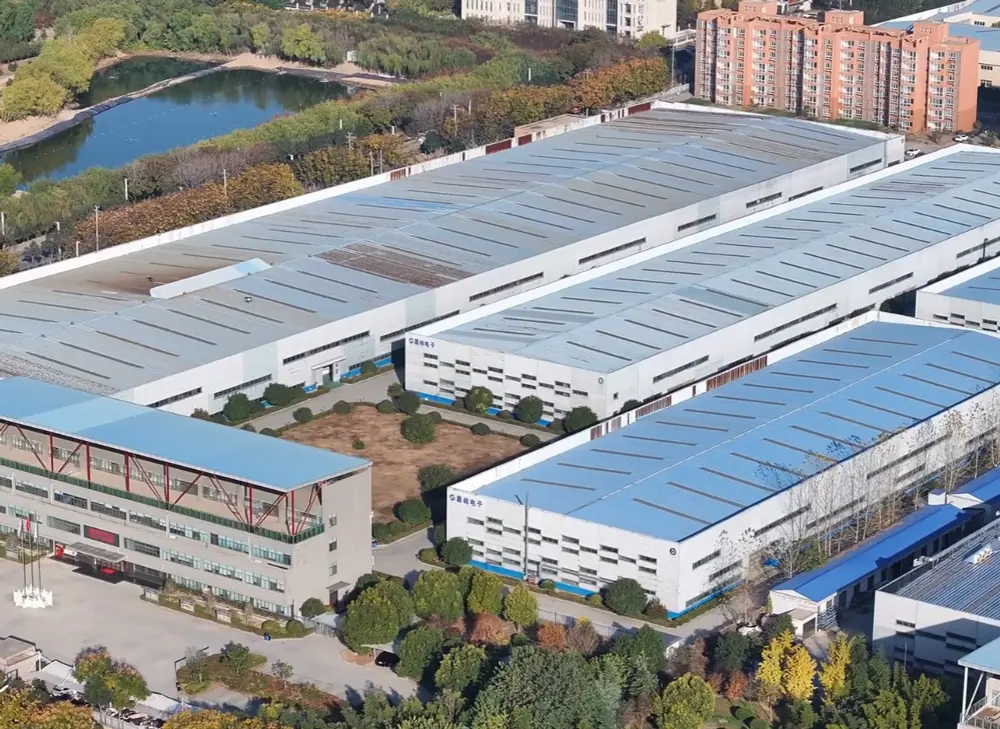
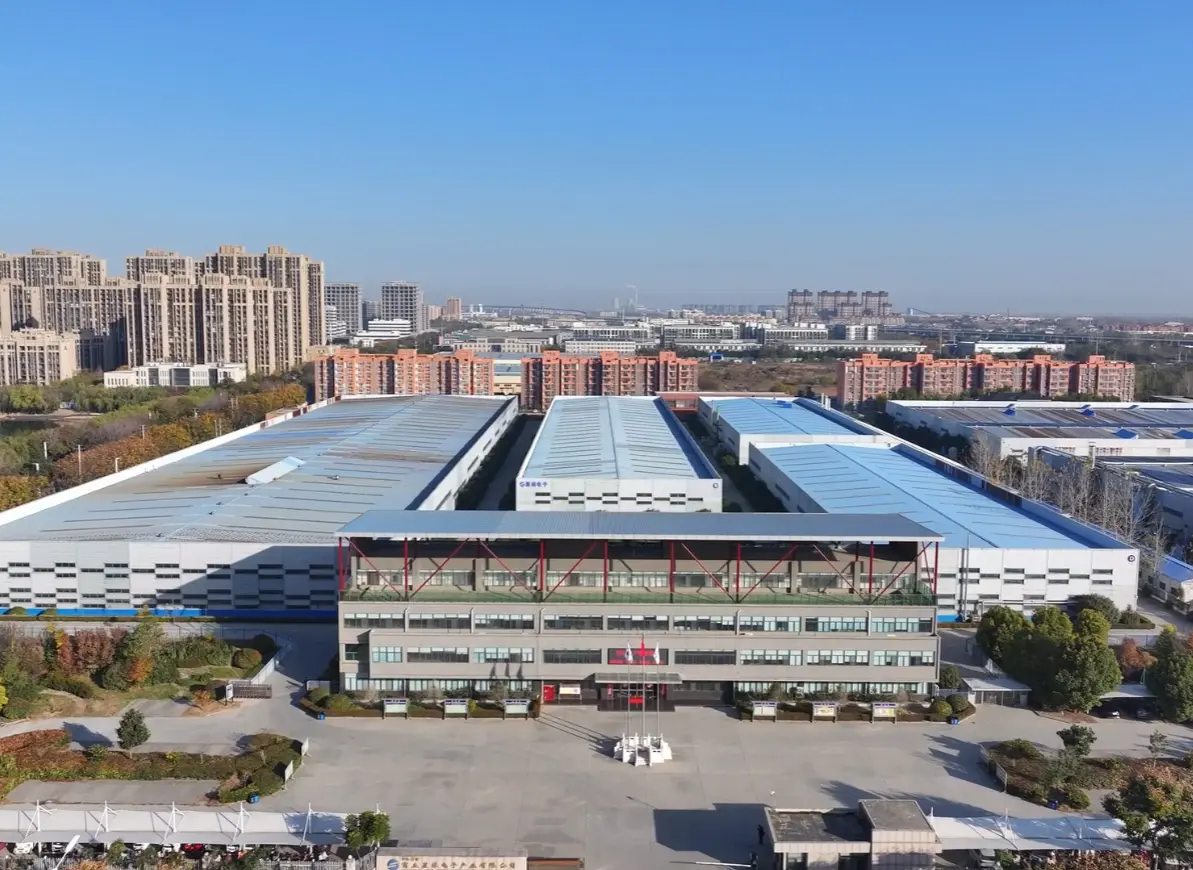
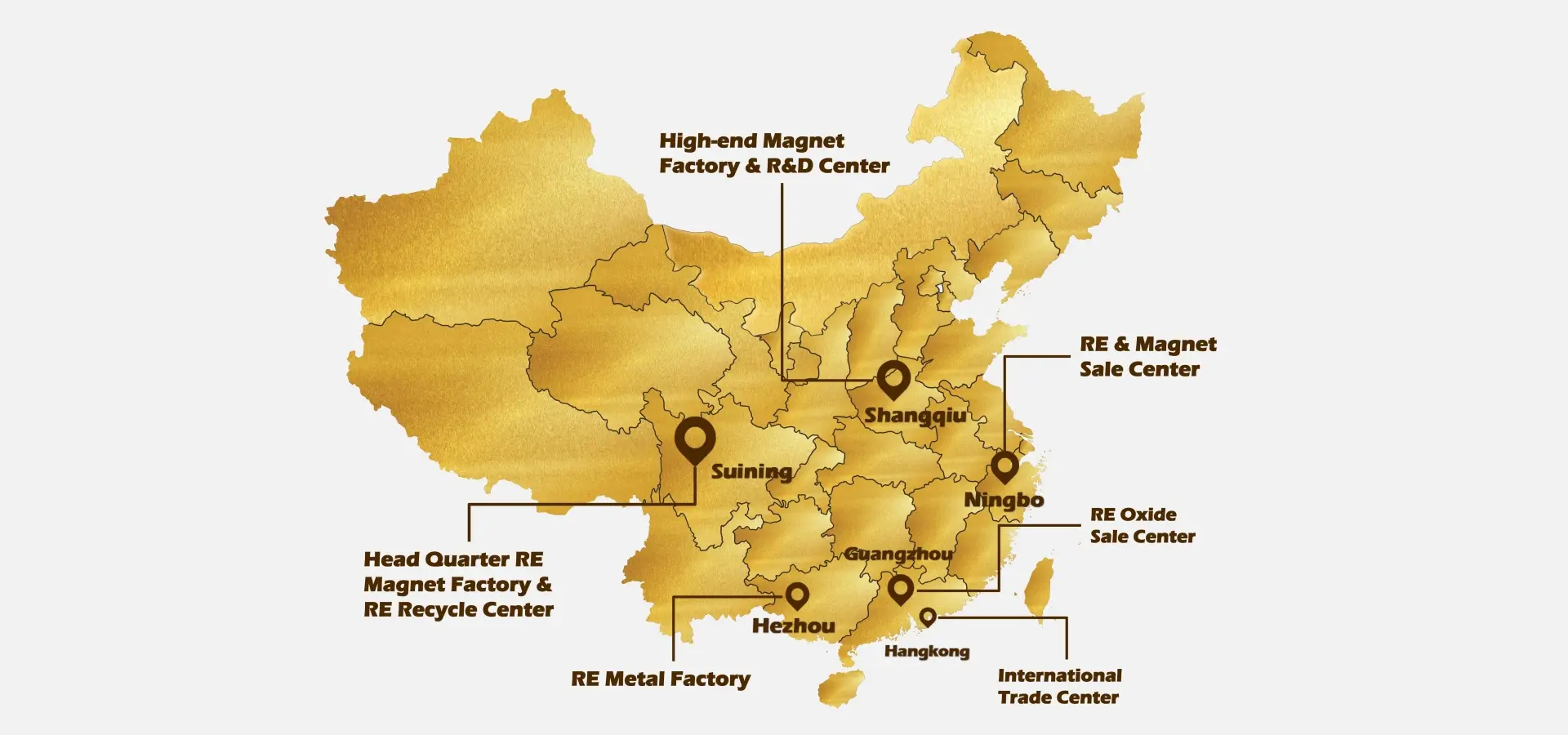
Headquartered with key operations in Suining, Sichuan, and commercial facilities in Hangzhou, China, our 100,000 square meter factory is equipped with state-of-the-art sintering furnaces, auto-pressing lines, and advanced wire-cutting facilities. Our annual capacity of 5,000 tons of rare earth NdFeB magnets allows us to meet high-volume global demands. This ensures a stable and consistent supply chain for tier-one automotive suppliers, industrial motor OEMs, and consumer electronics brands.
Our core values are built on Quality, Credibility, Technology, and Innovation. We continuously invest in advanced metallurgical processes, including Grain Boundary Diffusion (GBD) and low-oxygen vacuum sintering, to produce magnets that push performance boundaries while using less heavy rare earth elements (like Dysprosium and Terbium).
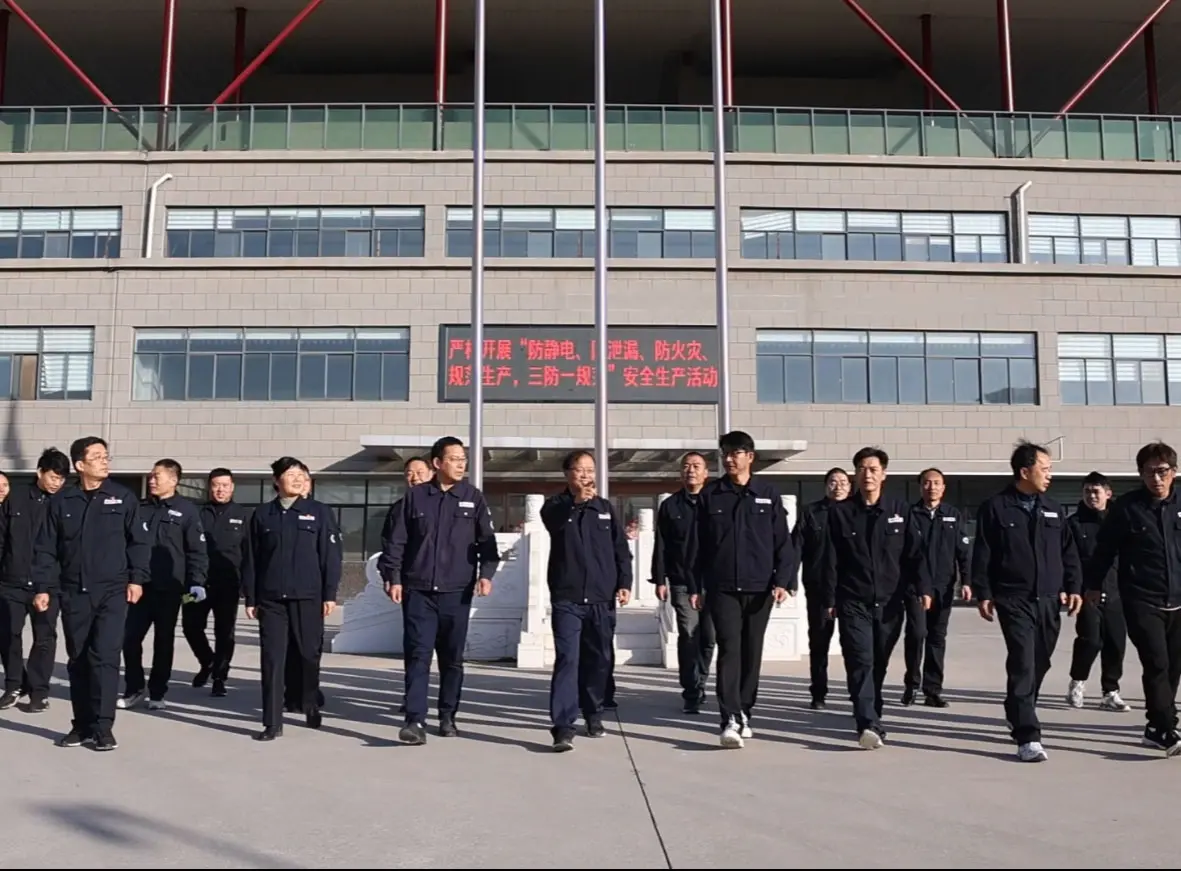
Our virtual factory tour shows how raw materials are transformed into finished high-performance magnets under strict quality controls. Each manufacturing batch undergoes non-destructive ultrasonic testing, flux density mapping, and high-temperature demagnetization testing to verify compliance with safety and reliability standards.
Laysun Magnetics operates under rigorous international quality frameworks. Our production processes conform to certifications required for automotive, industrial machinery, and petrochemical applications. These quality credentials verify our reliability as a global supply partner.
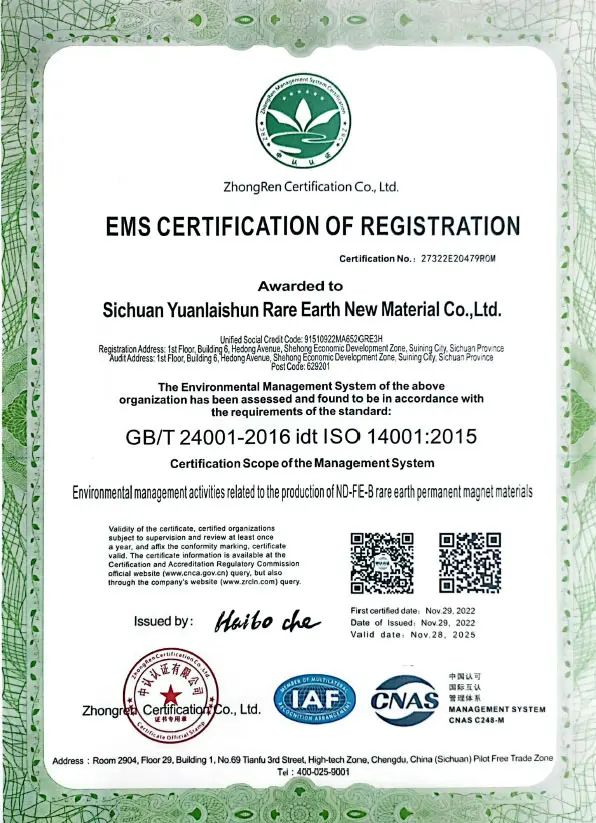
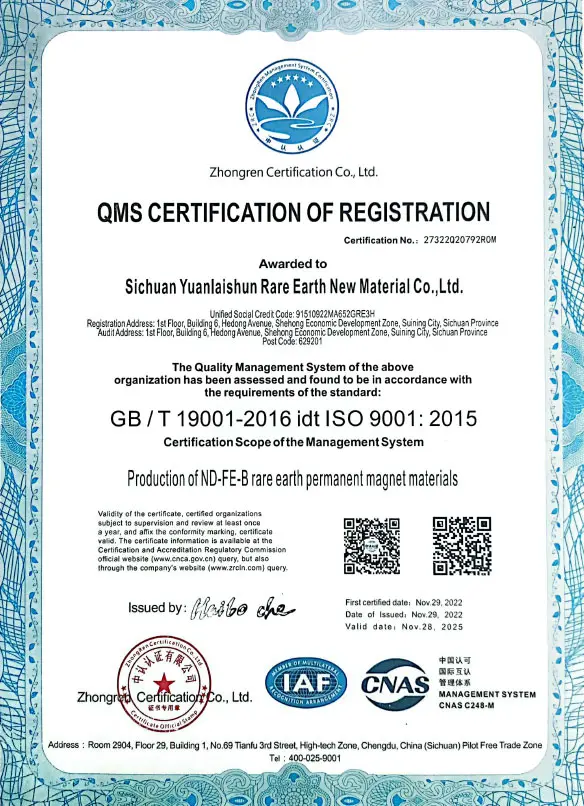
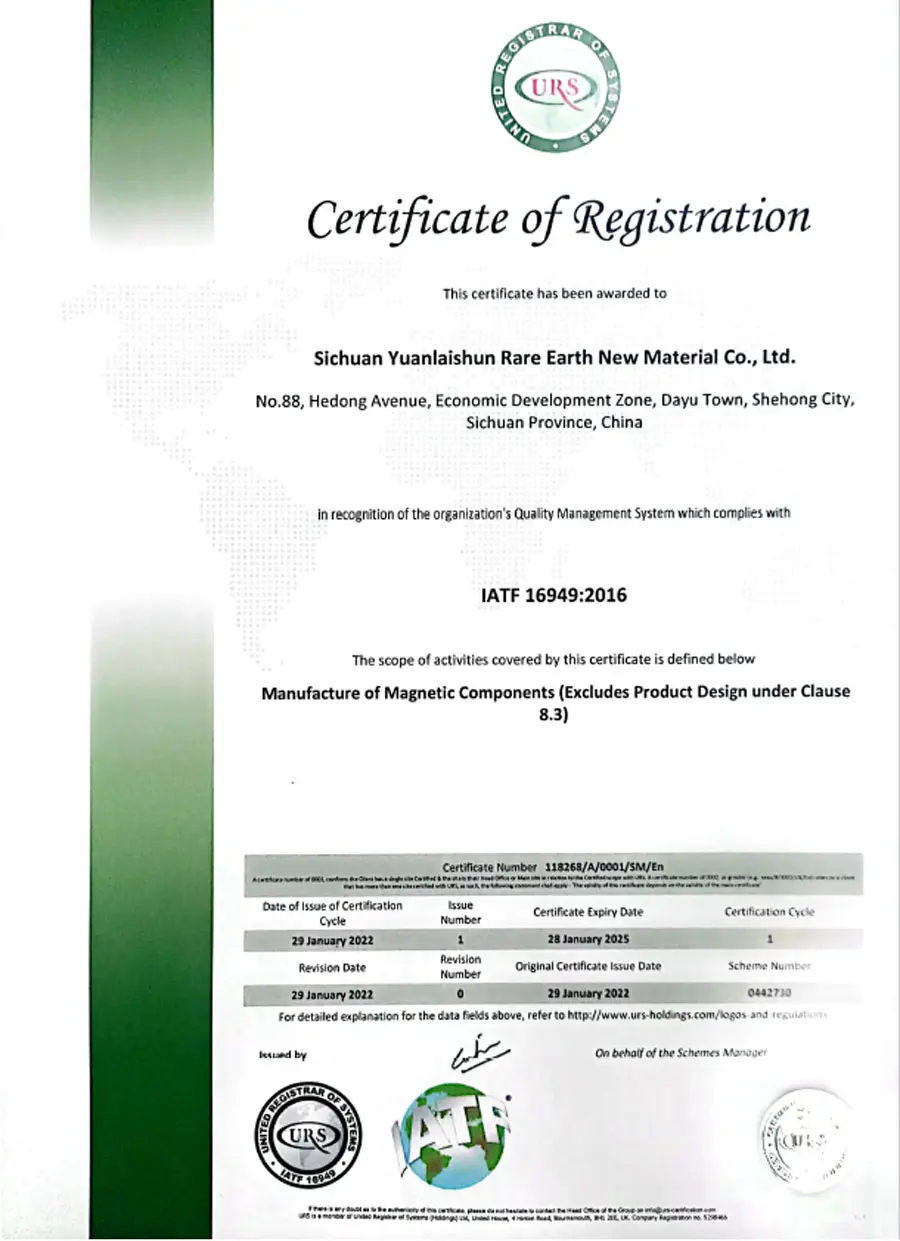
Compliance Note: Our products comply with API 6D, API 607, CE, ISO9001, ISO14001, ISO18001, and TS16949 guidelines. This compliance ensures our magnetic materials satisfy environmental, safety, and operational standards across diverse industrial projects.
A key challenge with high-performance NdFeB magnets is maintaining thermal stability at high temperatures without using excessive amounts of expensive heavy rare earth elements (HREE) like Dysprosium ($Dy$) and Terbium ($Tb$). Laysun Magnetics uses a Grain Boundary Diffusion (GBD) technical roadmap to solve this issue.
Instead of mixing $Dy$ or $Tb$ throughout the raw alloy, GBD technology applies heavy rare earth elements directly to the sintered magnet's surface, followed by a specialized heat-treatment cycle. The HREEs diffuse along the grain boundaries into the magnet's matrix. This concentrates $Dy$ and $Tb$ around the outer shells of the Nd2Fe14B grains, where demagnetization fields are strongest.
This process increases coercivity ($H_{cj}$) by 3 to 5 grades (e.g., transforming an N52 grade to N52SH or N48UH) while maintaining high remanence ($B_r$). This approach reduces HREE consumption by up to 70%, lowering material costs and shielding customers from raw material price volatility.
Sintered NdFeB magnets contain a high iron content, making them prone to oxidation in humid or corrosive environments. Laysun Magnetics offers custom plating and surface coating options designed for various operating environments:
Our precision fabrication capabilities allow us to supply a wide variety of geometries, magnetic patterns, and assembly configurations to meet diverse industrial demands.
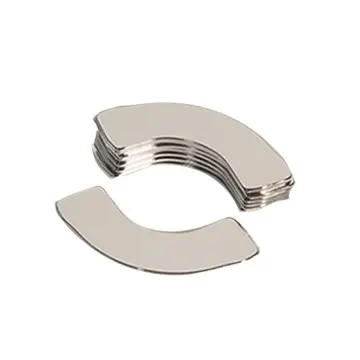
Designed for fast-actuation hard disk drives (HDDs), optical focus systems, and industrial automation equipment requiring high positioning accuracy.
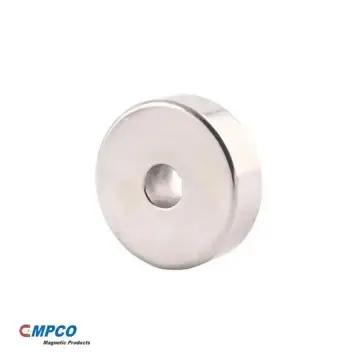
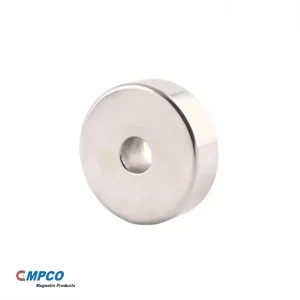
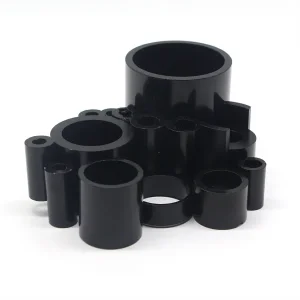
Radial or diametrically oriented ring magnets engineered for high-torque servo rotors, wind turbine components, and medical equipment applications.

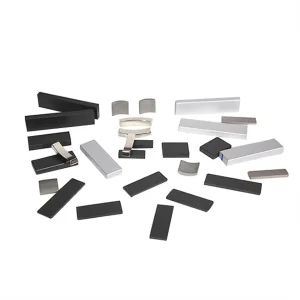
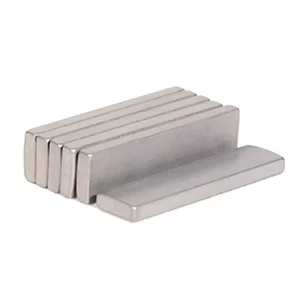
High-grade rectangular elements with multi-layer Ni-Cu-Ni plating. Used in magnetic separators, linear motors, and sensor systems.
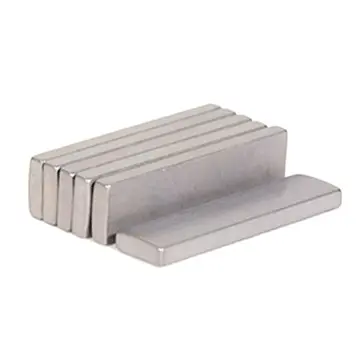
High-purity raw magnetic alloys available in custom configurations. Excellent long-term stability and high demagnetization resistance.
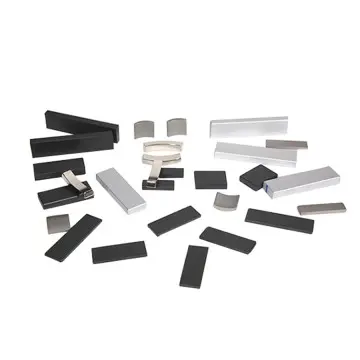
Specially configured ring magnet arrays featuring precise polar spacing for mobile consumer electronics, mounts, and wireless chargers.
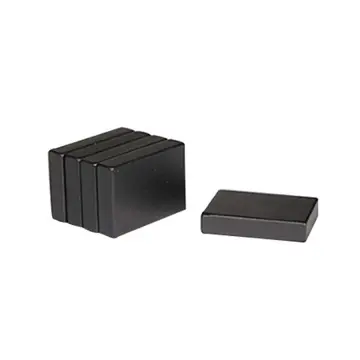
High-coercivity UH/EH/AH grade blocks optimized to withstand high temperatures and vibration in electric vehicle powertrains.
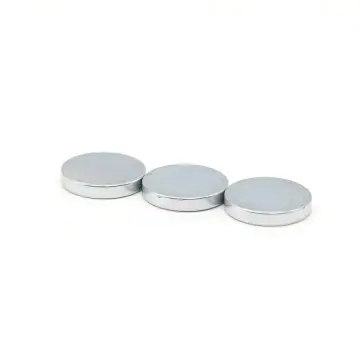
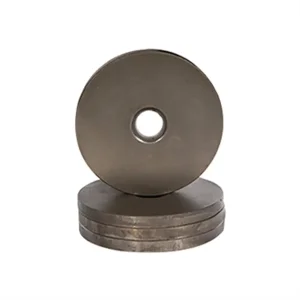
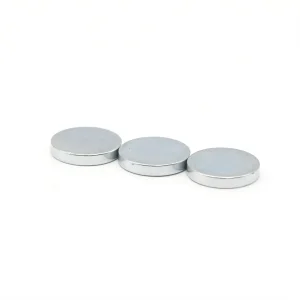
High-precision circular discs. Widely used in packaging assemblies, medical sensors, reed switches, and precision instrumentation.
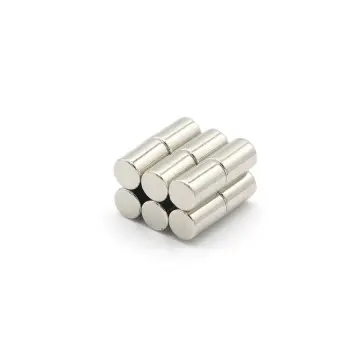
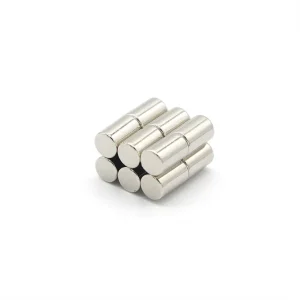
Precision-ground cylindrical components featuring tight tolerances. Used in automated assembly lines, sensors, and actuators.
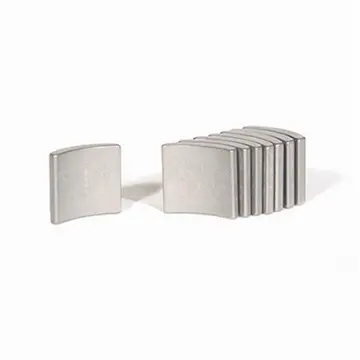
High-reliability rotor magnets designed for Electric Power Steering (EPS) systems. Meets rigorous automotive safety standards.
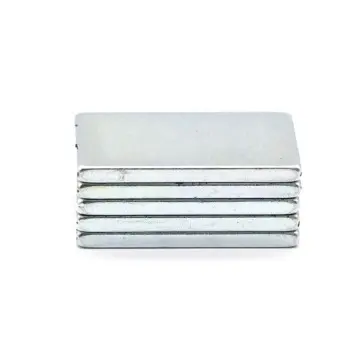
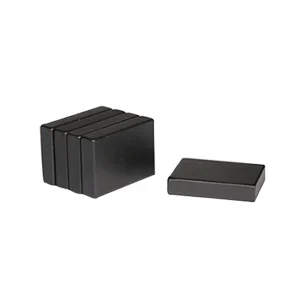
Heavy-duty, standard rectangular blocks. Used in magnetic separation equipment, holding systems, and industrial lifting machinery.
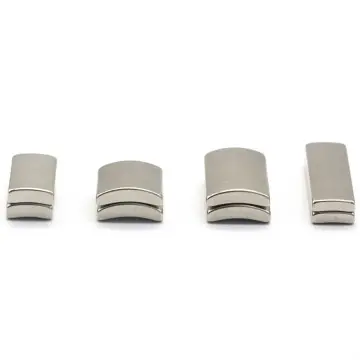
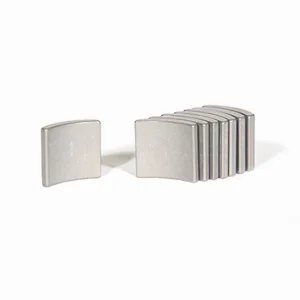
Engineered to fit curved motor stators and rotors, reducing cogging torque and improving magnetic performance in industrial motors.
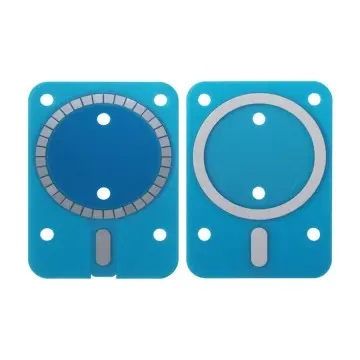
Thin-walled magnetic rings engineered for mobile accessory integration, smart device mounts, and magnetic alignment structures.
Laysun Magnetics designs customized permanent magnet systems tailored to specific industrial sectors. Each sector demands unique mechanical tolerances, magnetic orientations, and environmental protection coatings.



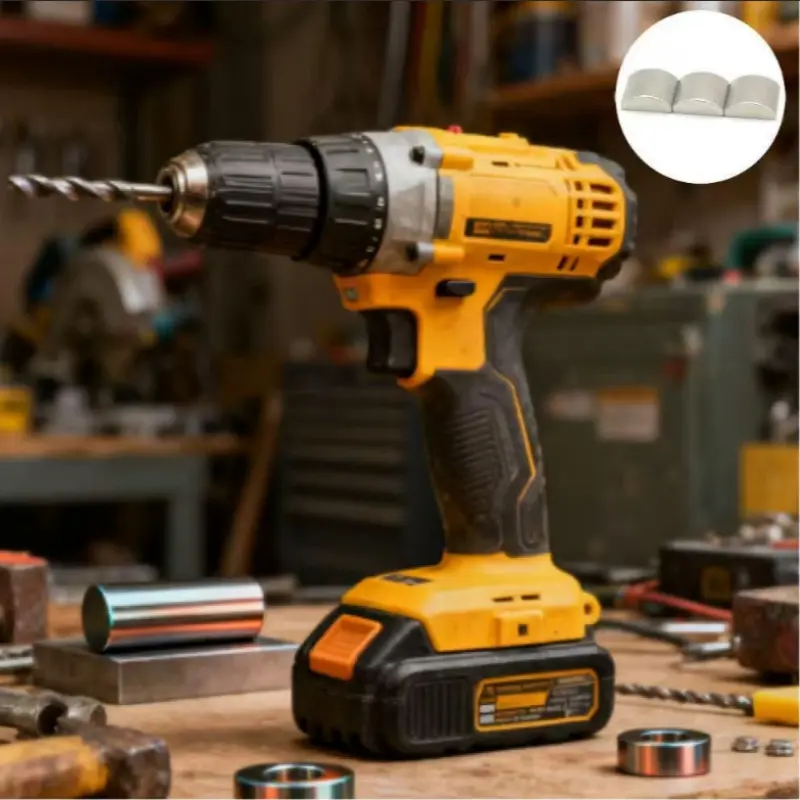

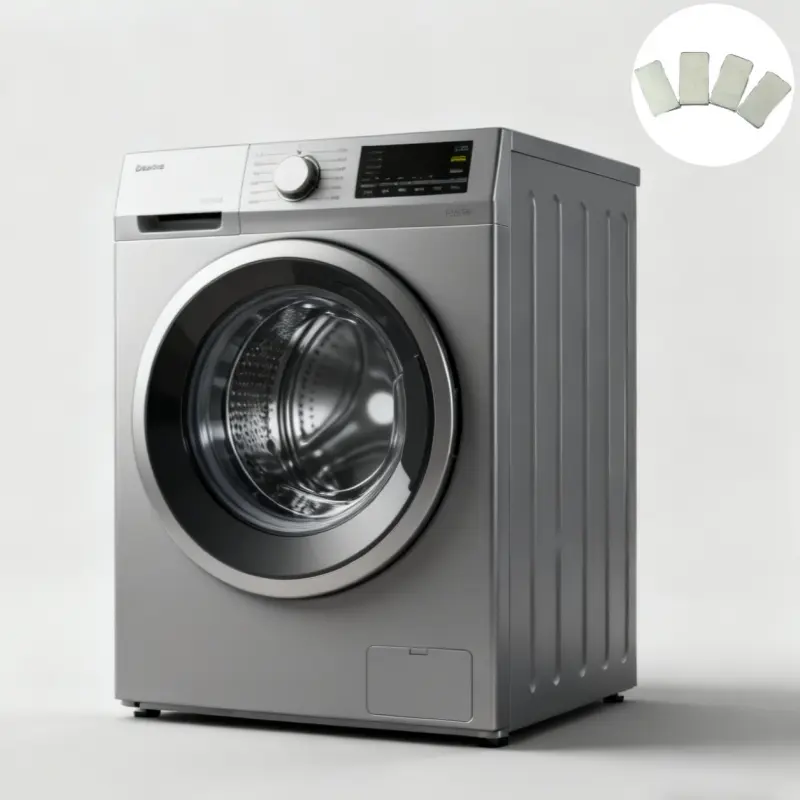
In North America and Europe, the automotive sector demands extreme performance stability under severe thermal cycles. For instance, Electric Power Steering (EPS) and traction motors require NdFeB magnets that operate between -40 °C and 180 °C without irreversible flux loss. By using Grain Boundary Diffusion (GBD) technology on our custom trapezoid magnets, Laysun Magnetics helps automakers meet these demands, ensuring long-term motor reliability while lowering manufacturing costs.
Laysun Magnetics is headquartered in Hangzhou, Zhejiang, and operates advanced production facilities in Sichuan, China. This footprint combines local logistical benefits with access to key rare earth mineral reserves. This structure allows us to secure reliable raw materials and offer cost-competitive manufacturing solutions. Additionally, our global offices and subsidiaries provide direct technical and logistics support to customers worldwide.
Purchasing rare earth magnets at wholesale scale requires an understanding of raw material indices and processing costs. Unlike standard block magnets, trapezoidal Neodymium magnets are priced based on the following key metrics:
Pricelist Cost Matrix (Est. FOB Ningbo/Shanghai): Standard N35 grade trapezoid magnets range between $45 and $65 per kg, depending on geometry complexity. High-coercivity grades like N45EH or N35AH can range from $95 to $145 per kg due to the cost of heavy rare earth additions and specialized heat treatments.
Explore our additional range of specialized magnetic components, disc systems, block structures, and custom assemblies engineered for industrial systems.
Looking for a custom trapezoid Neodymium magnet solution or a bulk pricelist? Submit your email and technical specifications. Our engineering team will contact you within 24 hours.
 Laysun Magnetics