Premium rare-earth permanent magnets tailored for automotive, heavy industry, consumer retail, and energy markets.
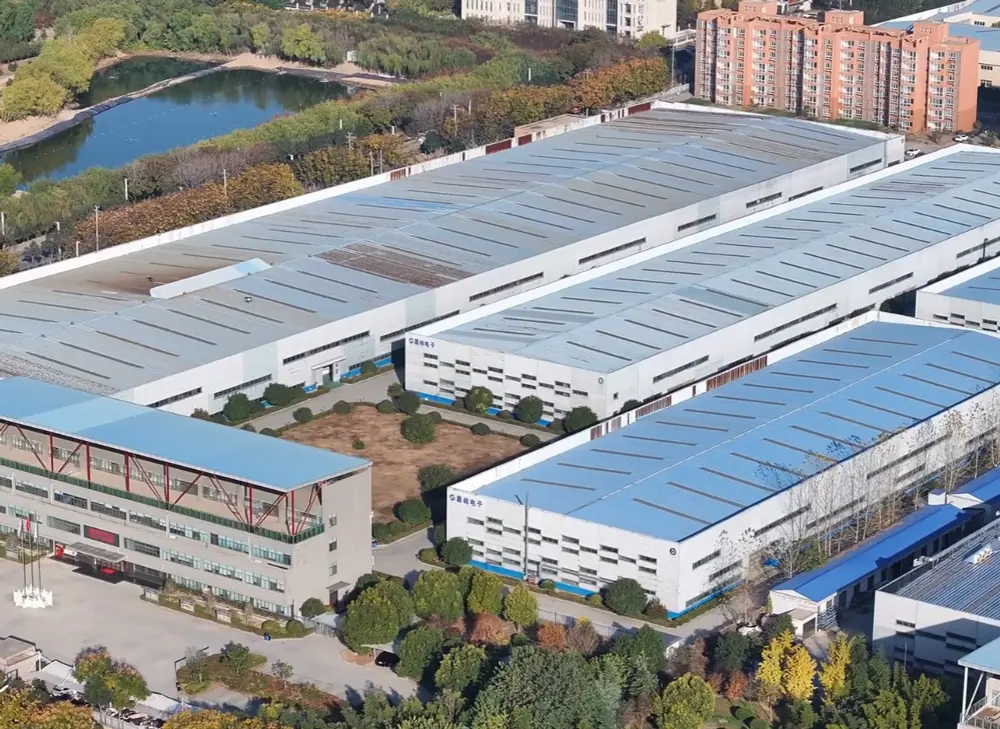
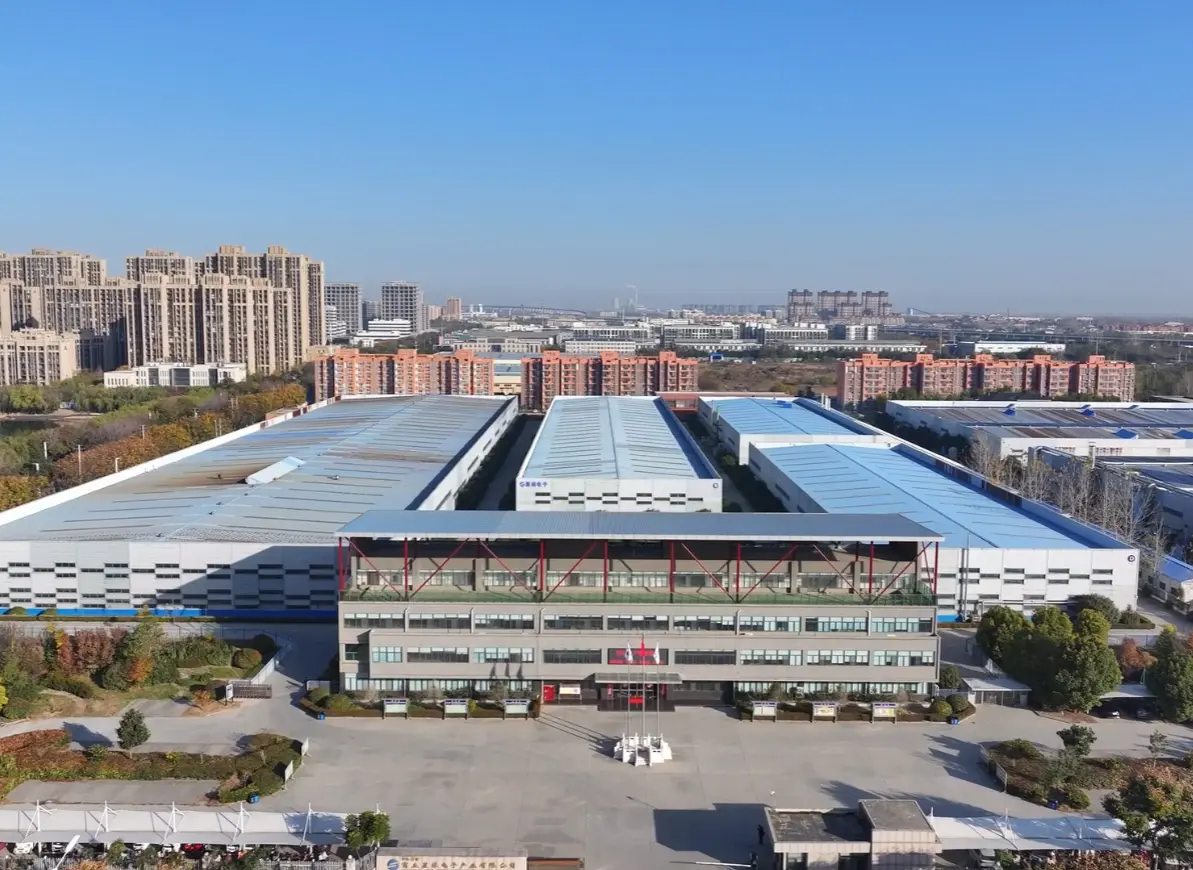
Founded at the turn of the millennium in 1999, Zhejiang Laysun Magnetics Ltd. has established a formidable global legacy as a high-tech rare earth magnet manufacturing powerhouse. With a production footprint spanning a state-of-the-art 100,000 m² industrial facility in Sichuan and global operational headquarters in Hangzhou, China, our company represents the pinnacle of permanent magnet engineering. Led by a highly specialized workforce of over 300 employees, Laysun produces over 5,000 tons of high-grade NdFeB magnets annually, integrating downstream R&D with vertical manufacturing competence.
This whitepaper details the structural dynamics governing the procurement, supply chain configuration, and technical classification of sintered Neodymium-Iron-Boron (NdFeB) materials. In particular, we explore the rise of localized distribution hubs and digital platforms—typified by prominent eCommerce channels like Takealot in Sub-Saharan Africa—that connect industrial-grade permanent magnets directly with regional engineers, IoT startups, and maintenance teams. Through this paradigm shift, manufacturers are bridging the gap between custom industrial fabrication and frictionless regional access.
In modern industrial logistics, the procurement of raw magnetic materials is undergoing a severe decentralization wave. Traditionally, high-performance permanent magnets were ordered exclusively via multi-month contract pipelines directly from massive smelters and sintering facilities. Today, the rise of regional distribution platforms such as South Africa's Takealot highlights a critical transformation in B2B and consumer behaviors: the necessity for high-availability, immediately shippable, certified magnetic hardware.
Engineers, academic laboratories, and hardware developers require immediate physical units to execute electrical-machine designs and robotic mechanisms. Local platforms offer off-the-shelf delivery options, dramatically accelerating R&D cycles.
SMEs (Small and Medium Enterprises) and specialized device repair units leverage localized platforms to support just-in-time manufacturing models, bypassing the complexities of container freight shipping and customs clearing.
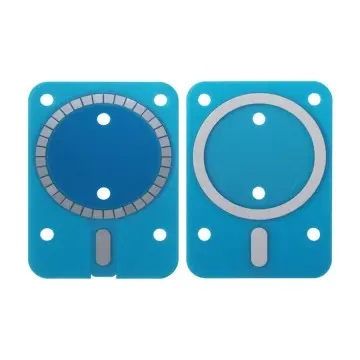
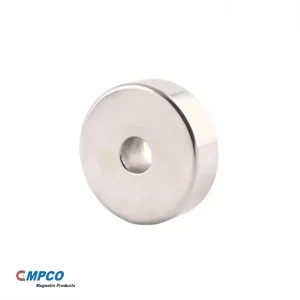
Sintered ring configurations, smartphone MagSafe components, and lightweight magnetic accessories demand reliable quality. End-consumers and resellers use digital marketplaces to access highly specific, nickel-plated NdFeB variations without transaction Friction.
However, localized online platforms present distinct challenges: supply quality inconsistency, limited magnetic grade selection (often restricted to low-coercivity N35 varieties), and minimal technical documentation. Zhejiang Laysun Magnetics Ltd. bridges this structural gap. By serving as the upstream manufacturer backing localized distributors, Laysun provides standardized, high-reliability NdFeB grades (from N35 up to N52, alongside high-temperature SH, UH, EH, and AH series), accompanied by rigorous material certifications, comprehensive datasheets, and direct technical consultations.
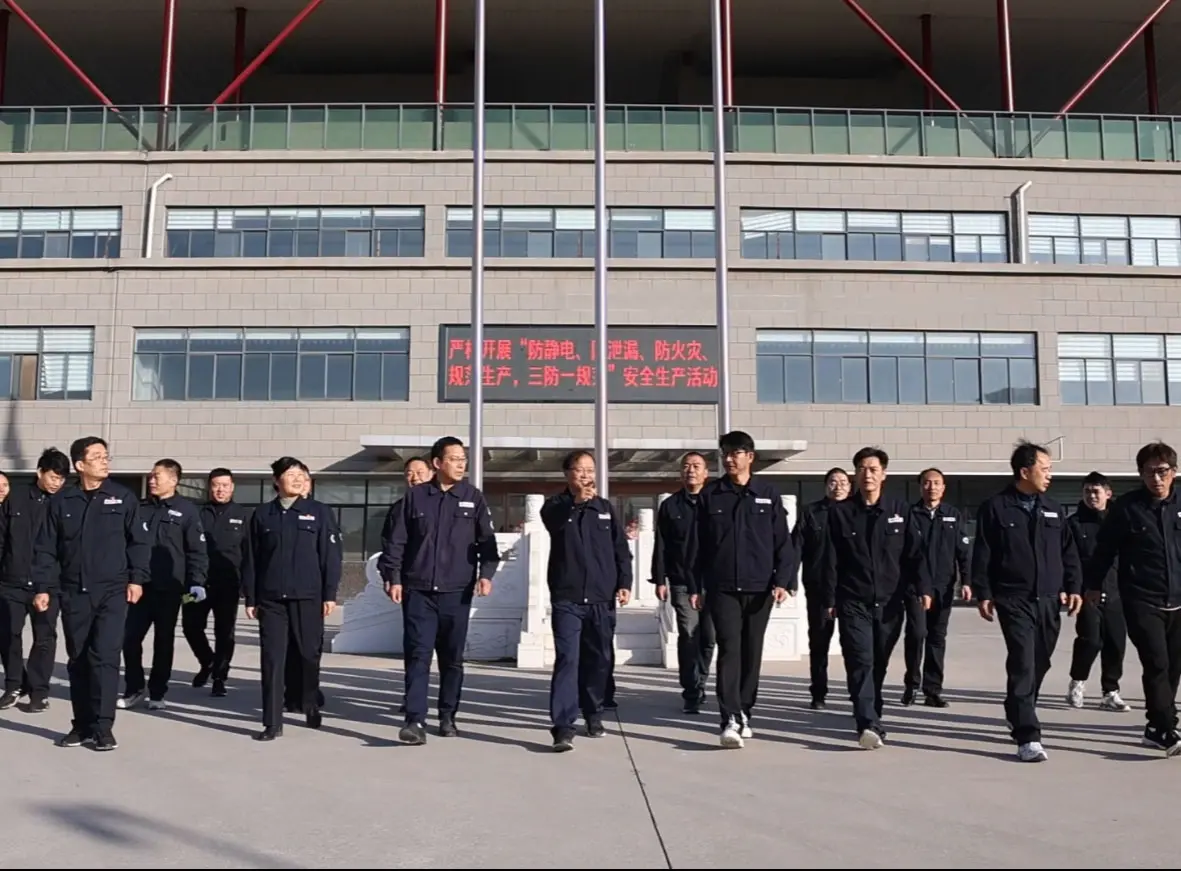
Our commitment to transparent quality assurance is anchored in real-world process verification. Through detailed video documentation of our automated sintering facilities, post-processing lines, and advanced testing laboratories, Laysun exposes the rigorous checks behind every batch of Neodymium magnets.
Each production run undergoes comprehensive analysis: Demagnetization curve testing (via Hysteresisgraphs), salt spray corrosion testing (for Ni-Cu-Ni, Epoxy, and Zinc coatings), and laser-diffraction particle size analysis. This level of empirical verification ensures that whether a magnet ends up in a custom automotive EPS assembly or is distributed via high-end retail platforms like Takealot, its magnetic performance is fully cataloged, stable, and traceably documented.
Neodymium magnets are not homogeneous; their properties vary drastically based on alloy composition, sintering density, crystal structure alignment, and thermal treatments. Below, Laysun outlines the key performance indicators that global procurement managers must evaluate prior to bulk imports:
Because the intermetallic Nd₂Fe₁₄B phase is inherently prone to oxidation and corrosion, the application of high-integrity protective coatings is paramount for longevity in challenging operating environments. Laysun employs several advanced plating technologies:
Laysun rare earth magnets are core drivers across advanced industrial fields, robotics, green transport, and smart automation.

High-precision actuators and high-coercivity servo motor magnets.

Ultra-lightweight, high power-to-weight ratio BLDC motor rotors.

High-thermal stability NdFeB blocks for EV powertrain traction systems.
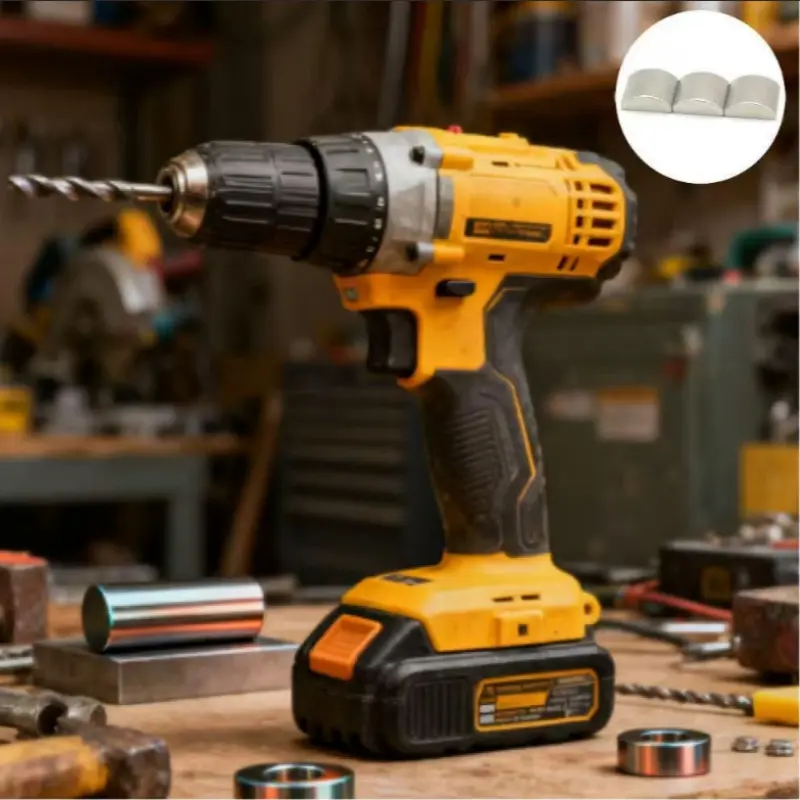
Compact, shock-resistant magnetic designs for heavy power tools.

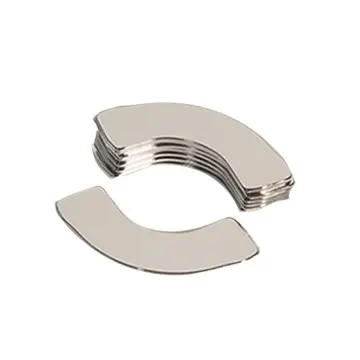
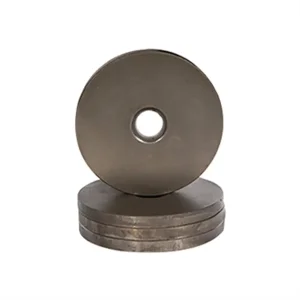
Ultra-thin ring configurations matching MagSafe and acoustic profiles.
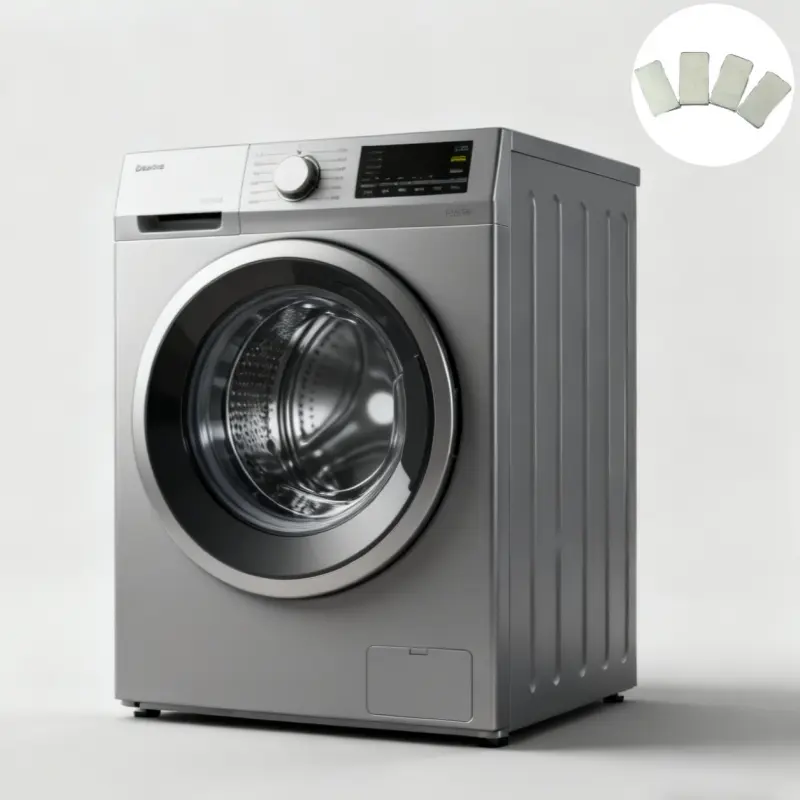
Energy-saving inverter compressors, fan motors, and smart sensors.
In an era of supply chain realignments, purchasing agents must mitigate risks associated with rare earth element pricing volatility (particularly Dysprosium and Terbium additives). Developing a resilient procurement structure requires a multi-pronged approach:
While local marketplaces like Takealot serve excellently for quick replacements, prototyping, or low-volume consumer requirements, large-scale industrial runs demand direct coordination with primary sintering plants. Laysun enables hybrid pipelines: we supply bulk runs directly to OEM clients while simultaneously warehousing standardized sizes in distribution networks to fulfill localized digital order pools. This dual-track strategy ensures supply line continuity during regional shortages.
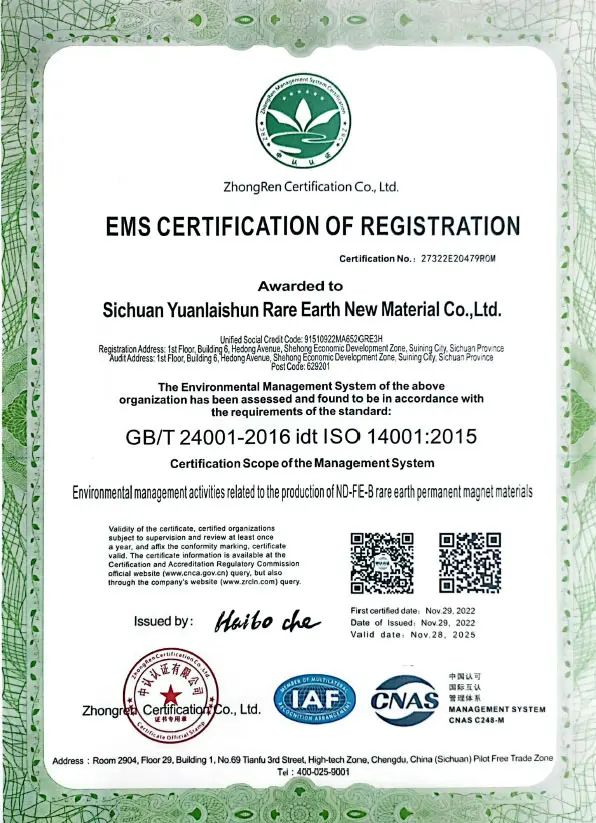
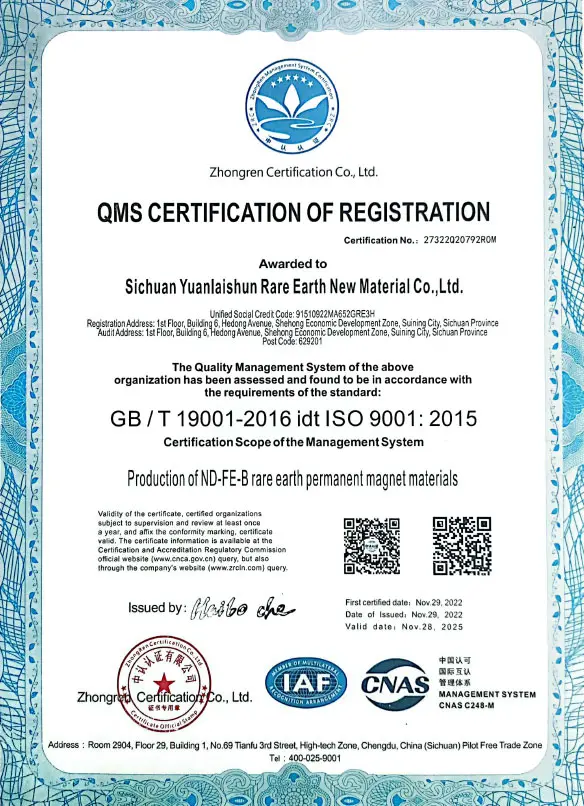
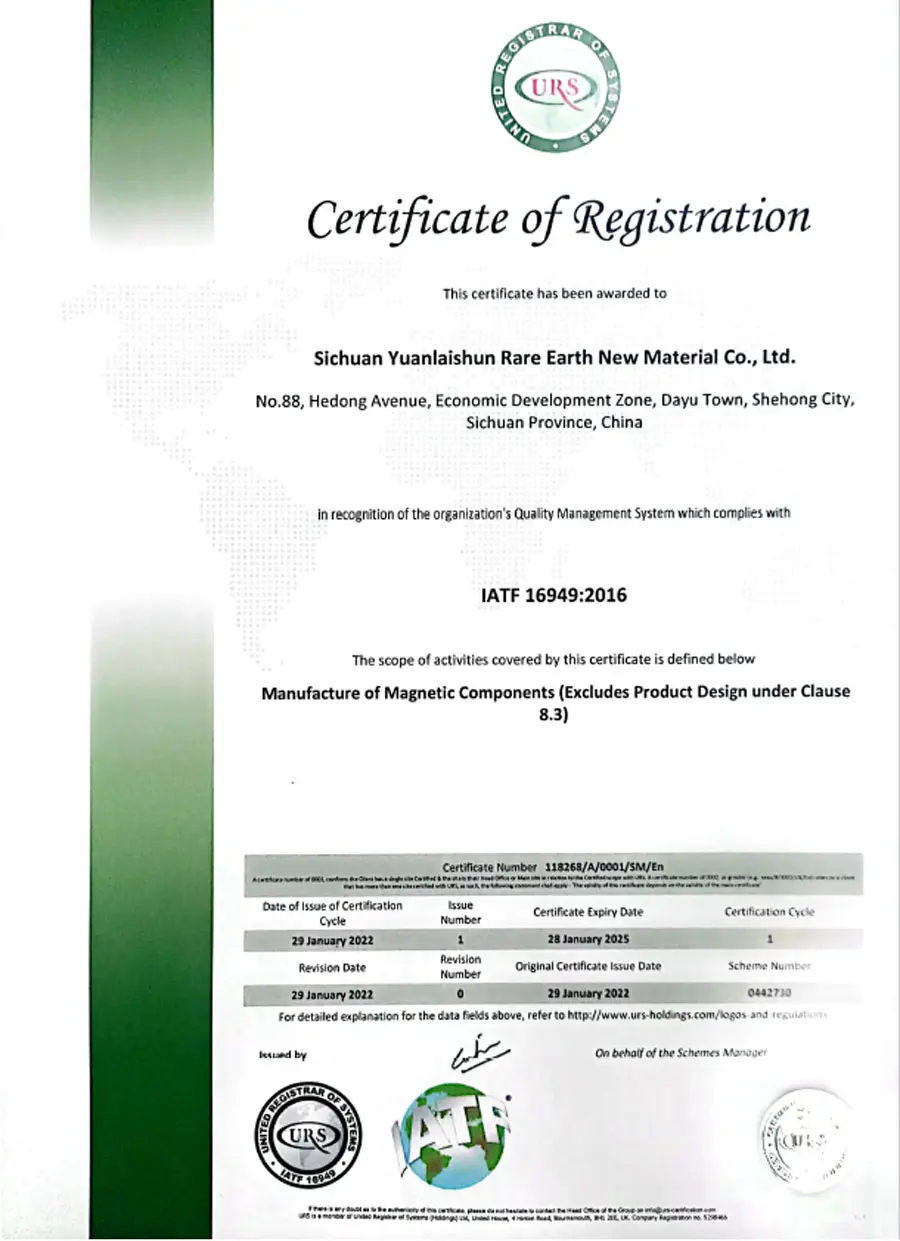
Global corporations face strict environmental disclosure rules. Standard manufacturing certifications such as ISO 9001:2015 (Quality Management), ISO 14001:2015 (Environmental Stewardship), and IATF 16949 (Automotive-grade Quality Systems) are prerequisites for industrial integration. Laysun’s production lines operate in strict adherence to environmental laws, offering complete trace-documentation for conflict-free rare earth mining, RoHS compatibility, and REACH compliance.
A common error in product design is utilizing standard-grade Neodymium (e.g., N52) in high-temperature environments. Standard grades suffer irreversible flux losses when exposed to temperatures exceeding 80°C. To optimize structural reliability, engineers must calculate the Load Line (Permeance Coefficient, Pc) of the magnet assembly and select high-coercivity grades (M, H, SH, UH, EH, or AH) accordingly. Laysun’s engineering department provides finite element analysis (FEA) modeling to simulate thermal and magnetic field performance, preventing field failures in downstream operations.
As the global economy transitions to net-zero, the demand for high-efficiency electric vehicle powertrains and wind turbine generators is accelerating. Laysun is actively developing advanced technical pathways to meet the next generation of performance demands:
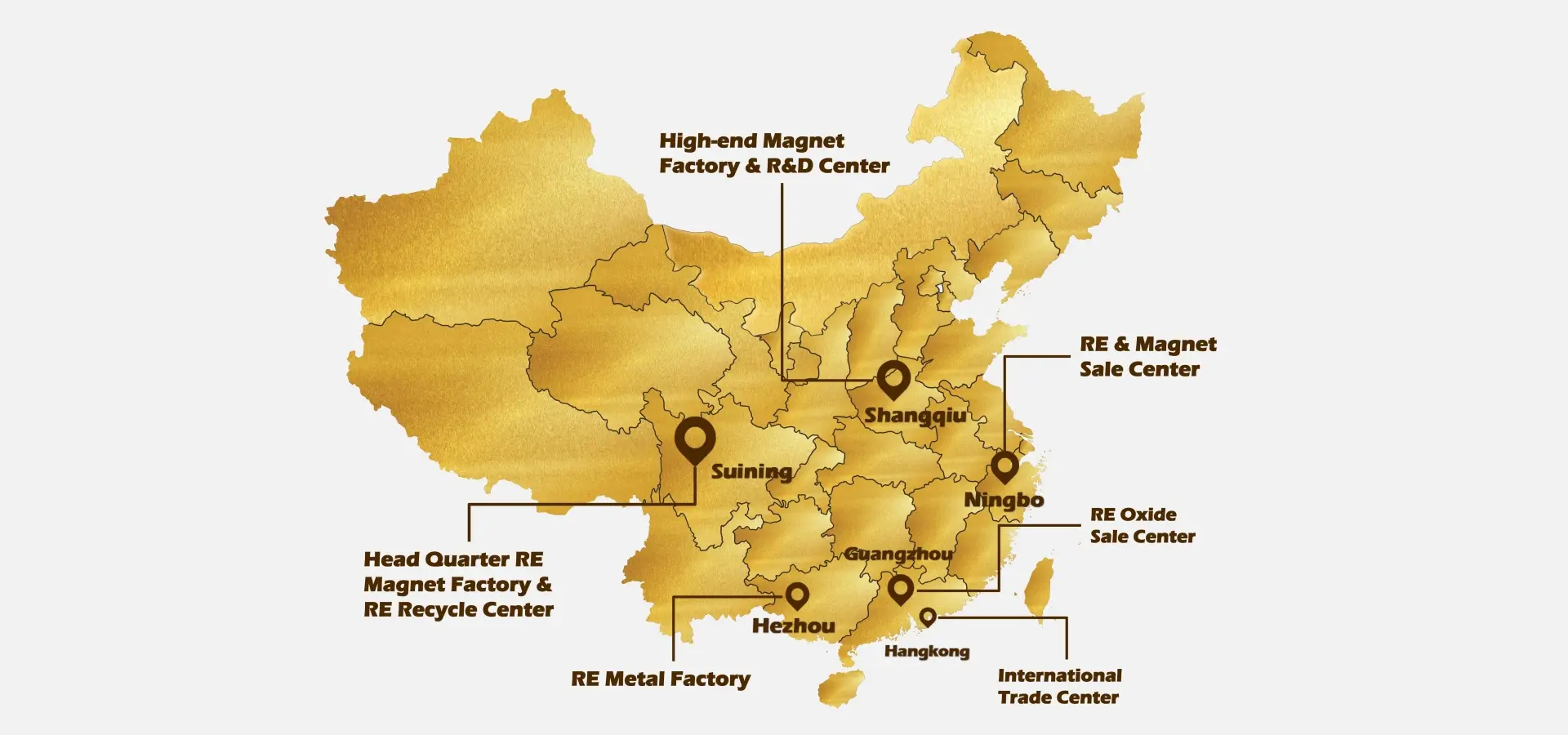
Laysun Magnetics operates with deep regulatory clearance. From our administrative and export headquarters in Hangzhou to our primary manufacturing center in Suining, we align our operations with stringent global engineering standards. Our facility is certified across several critical frameworks:
These credentials empower Laysun to deliver custom products to highly regulated industries—including petrochemical flow control, automotive power steering systems, aerospace components, and consumer medical devices.
Verified physical certifications representing our adherence to global quality frameworks and heavy industrial standards.
In-depth technical answers addressing core engineering inquiries, purchasing standards, and material properties.
Retail marketplaces such as Takealot are optimized for fast-shipping consumer retail quantities, repair components, and educational kits. However, they usually offer limited grade options (often restricted to lower-grade N35 magnets with poor thermal tolerances) and lack manufacturing batch certificates (CoA). Purchasing directly from Laysun allows for structural customization—including specific magnetic orientations, custom geometric tolerances (to within ±0.05 mm), specialized high-temperature grades (up to 200°C), and full trace-documentation (ISO, IATF, and RoHS/REACH compliance) suitable for mass-scale industrial production.
Sintered NdFeB magnets exhibit a temperature-dependent flux degradation curve characterized by two factors: the Reversible Temperature Coefficient of Remanence (αBr) and the Coercivity (βHcj). As temperatures rise, magnetic force decreases. If the operating temperature crosses the Maximum Operating Temperature of that specific grade, the loss becomes irreversible. To mitigate demagnetization, design engineers must select higher-coercivity grades (M, H, SH, UH, EH, or AH) which incorporate Dysprosium/Terbium additives to elevate the material’s resistance to thermal disruption.
Neodymium is chemically rich in iron and rare earth metals, making it highly reactive with atmospheric moisture. Uncoated NdFeB oxidizes rapidly and disintegrates. For highly humid or outdoor applications, Black or Grey Epoxy coatings are recommended, as they form a continuous, non-porous polymer barrier. For extreme marine or heavy mechanical installations, rubber-encapsulated NdFeB provides superior impact resistance and complete water isolation, while Ni-Cu-Ni is the standard choice for general-purpose indoor machinery.
Sintered NdFeB is manufactured by pressing and sintering magnetic powders under vacuum conditions. It offers maximum magnetic energy output ($BH_{max}$ up to 52 MGOe) but is limited to relatively simple geometries and is brittle. Bonded NdFeB is produced by mixing magnetic powders with polymer binders (like epoxy or nylon) and injection-molding or compressing them. While Bonded magnets offer lower magnetic performance ($BH_{max}$ around 10-15 MGOe), they can be formed into complex shapes (such as multi-pole rings) with precise tolerances and do not require post-process machining.
We strongly advise against machining polarized NdFeB magnets. Neodymium is highly brittle, and machining generates intense frictional heat that can trigger localized demagnetization or ignite the highly flammable magnetic dust. Any necessary drilling, slicing, or shaping must be performed by the manufacturer before the sintering process or during the final grind stage under flood-coolant conditions, prior to magnetization.
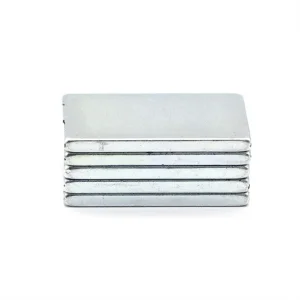
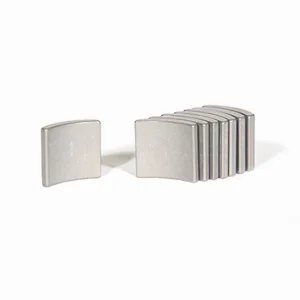
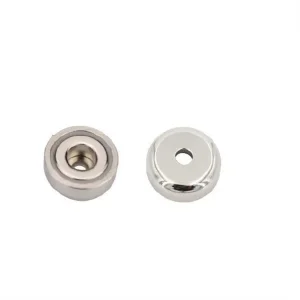
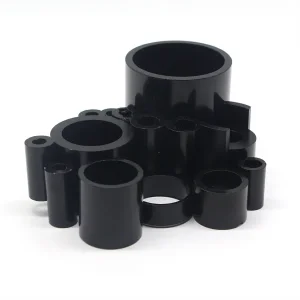
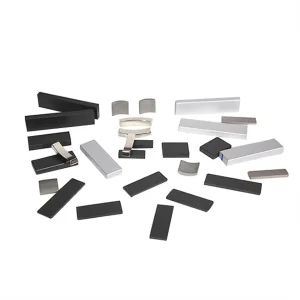
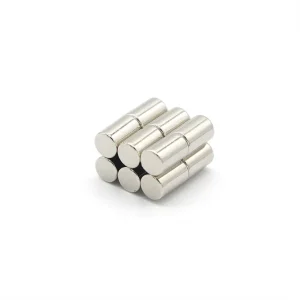
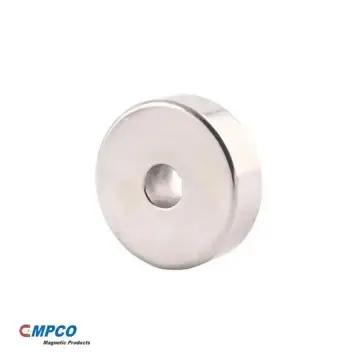
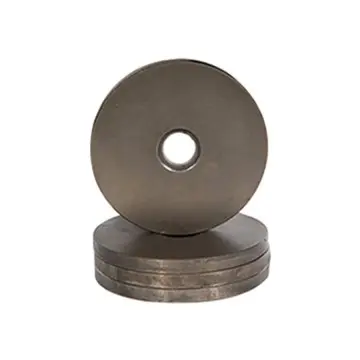
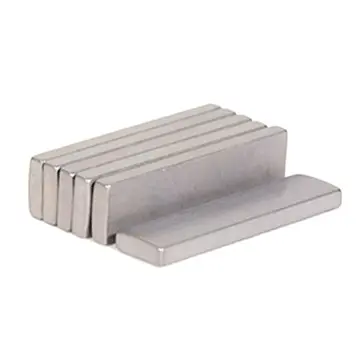
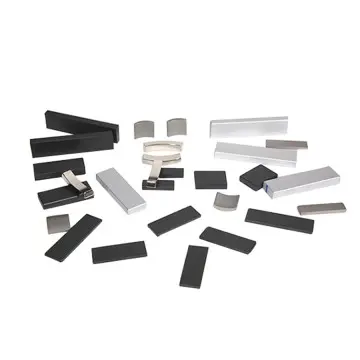
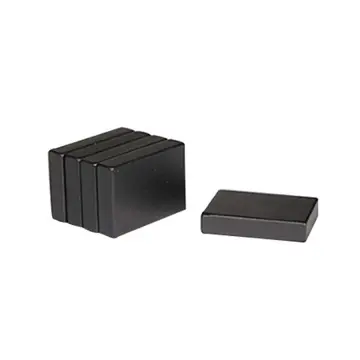
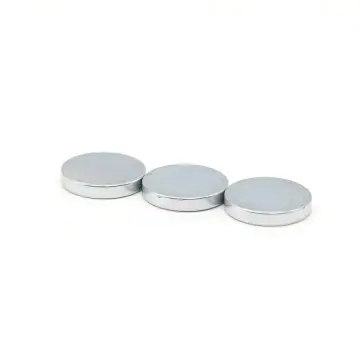
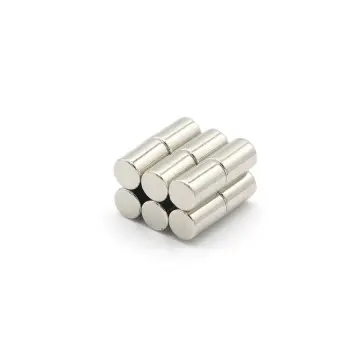
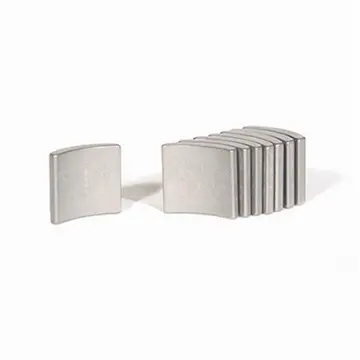
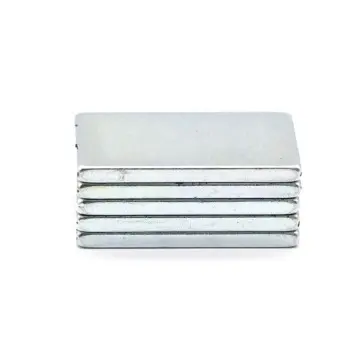
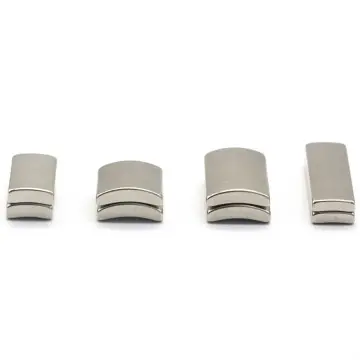
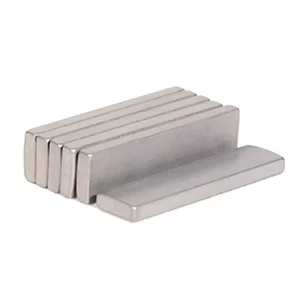
Explore the full product spectrum manufactured across our facilities, serving both retail hubs and industrial assemblies.
Direct view into Laysun's industrial output. We run high-capacity vacuum melting induction furnaces and continuous gas sintering lines.
Are you sourcing custom specifications for high-volume automotive production, industrial motors, or domestic e-commerce supply chains? Partner with Zhejiang Laysun Magnetics Ltd. to access over 25 years of rare-earth engineering experience.
Leave your email details and engineering specs. Our support technicians will follow up within 24 hours.
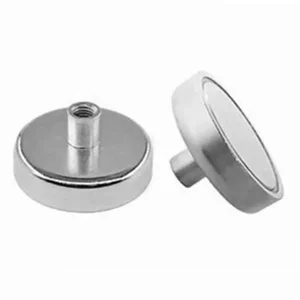
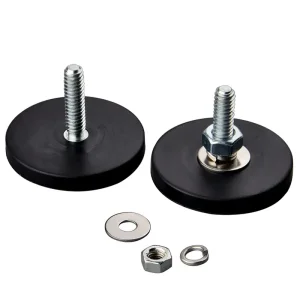
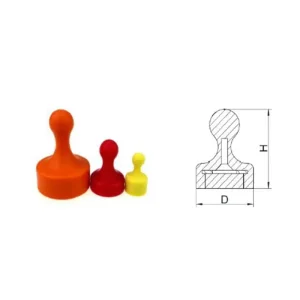
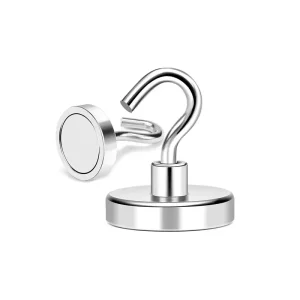
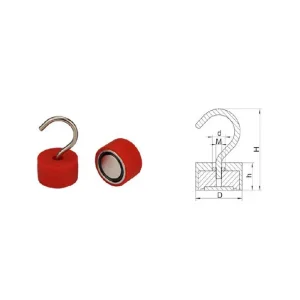
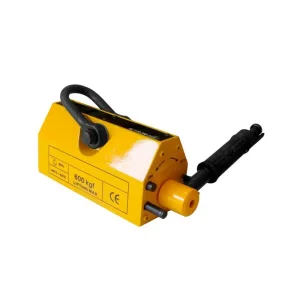
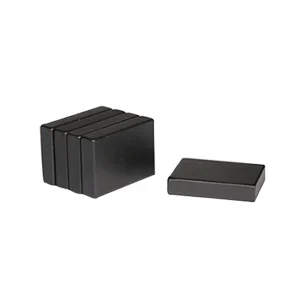
High-torque magnetic hooks, industrial lifters, rubber-coated magnets, and electric motor block arrays.
 Laysun Magnetics