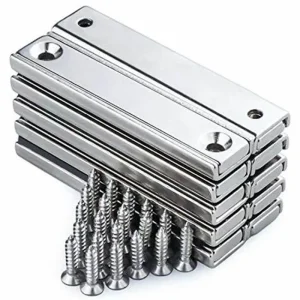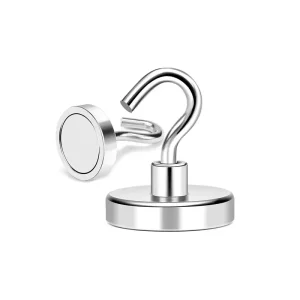
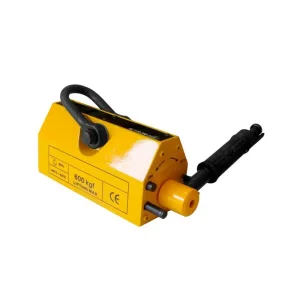
Founded at the turn of the millennium in 1999, Zhejiang Laysun Magnetics Ltd. has evolved into a key national high-tech enterprise specializing in the R&D, mass manufacture, global export, and systematic design of rare earth NdFeB permanent magnetic materials.
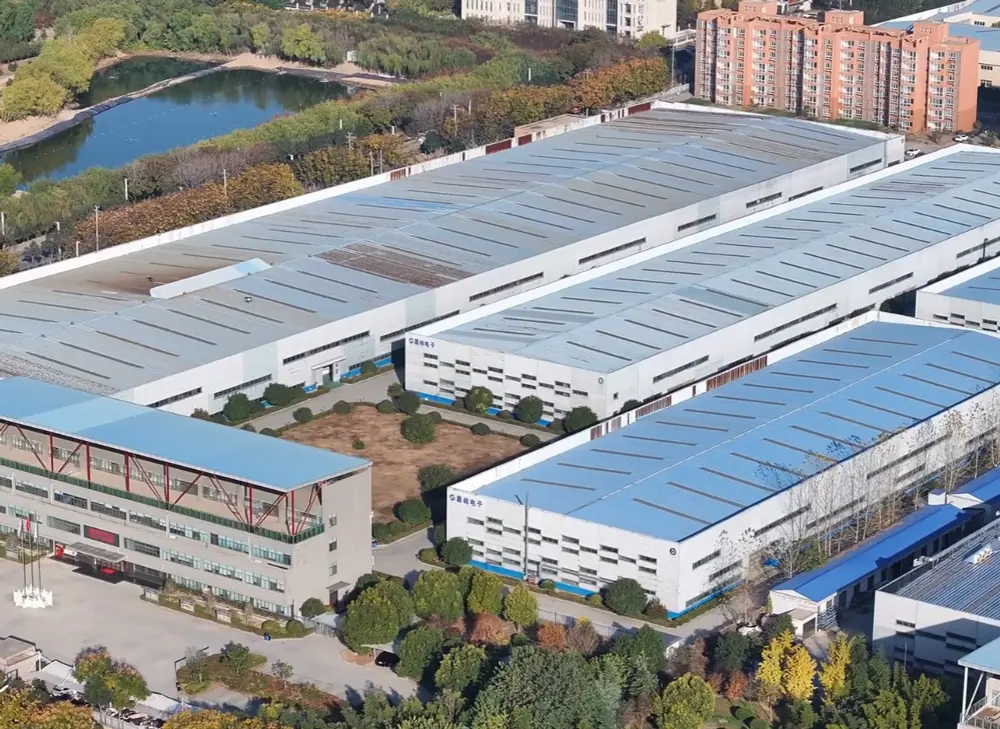
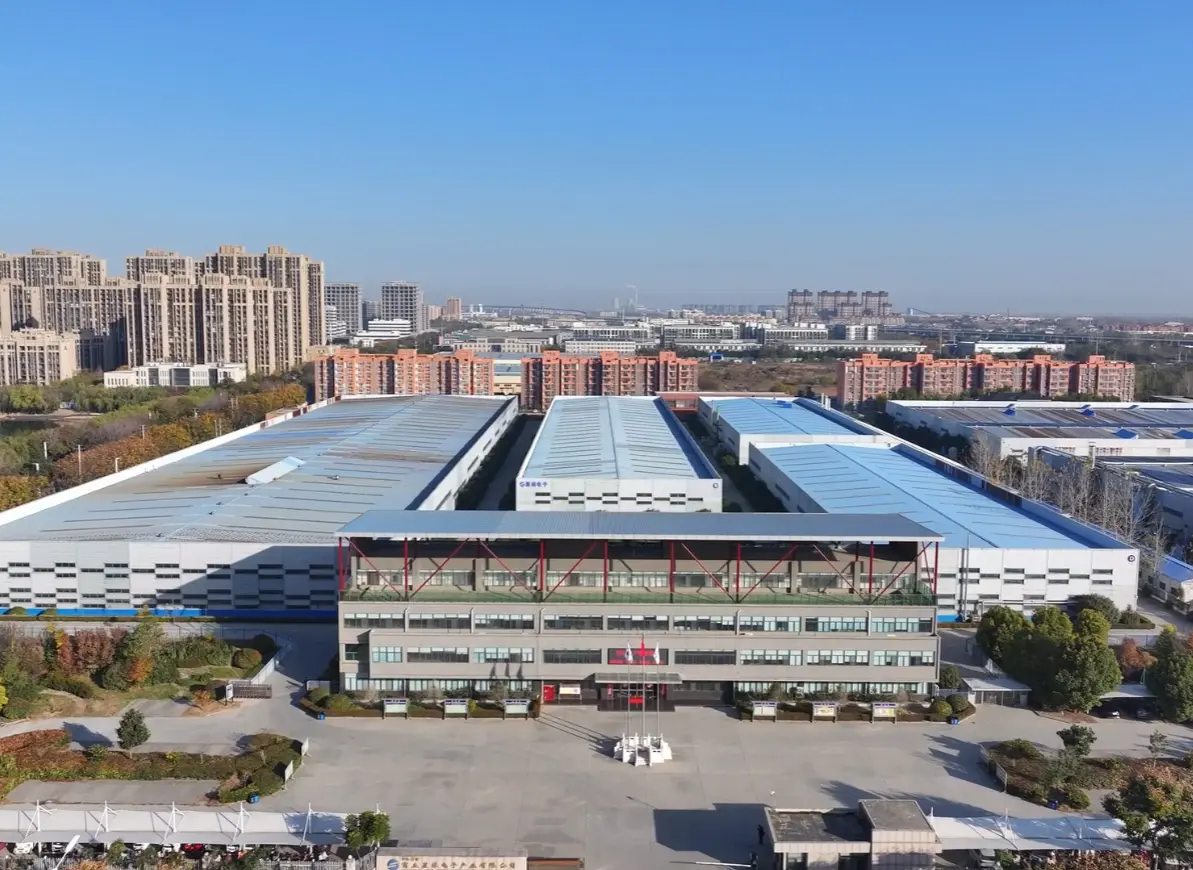
Equipped with a production facility spanning 100,000 square meters in Suining, Sichuan, and headquartered in the high-tech trade hub of Hangzhou, Zhejiang, we leverage advanced metallurgical processing and magnetic alignment systems. Our facility achieves an annual production capacity exceeding 5,000 tons of sintered NdFeB magnets, serving critical industrial sectors globally.
In magnetic engineering, "Gauss" refers to the magnetic flux density measured at a specific point on the magnet's surface or within a working air gap, while "Remanence" (Br) is the intrinsic flux density remaining inside the magnet after magnetization. A surface or gap measurement of 12,000 Gauss (1.2 Tesla) indicates a high-performance system. Achieving 12,000 Gauss on a flat contact surface typically requires selecting top-tier grades (such as N52, N50M, N48H, or custom GBD grades) combined with optimized geometries, including magnetic assemblies like pot systems, multipole configurations, or specialized circuit designs.
| Magnetic Grade | Remanence (Br) - kG / T | Intrinsic Coercivity (Hcj) - kOe / kA/m | Max Energy Product (BH)max - MGOe | Max Operating Temp (°C) |
|---|---|---|---|---|
| N52 | 14.3 - 14.8 / 1.43 - 1.48 | ≥ 11 / ≥ 875 | 49.5 - 52 / 394 - 414 | 80 |
| N48H | 13.7 - 14.3 / 1.37 - 1.43 | ≥ 17 / ≥ 1353 | 45 - 48 / 358 - 382 | 120 |
| N45SH | 13.2 - 13.8 / 1.32 - 1.38 | ≥ 20 / ≥ 1592 | 43 - 46 / 342 - 366 | 150 |
| N40UH | 12.5 - 13.0 / 1.25 - 1.30 | ≥ 25 / ≥ 1990 | 38 - 41 / 302 - 326 | 180 |
| N38EH | 12.1 - 12.5 / 1.21 - 1.25 | ≥ 30 / ≥ 2387 | 36 - 39 / 287 - 310 | 200 |
Represents the maximum magnetic flux density that remains inside the NdFeB magnet when the external magnetic field is reduced to zero. Higher Br allows for more compact and powerful designs.
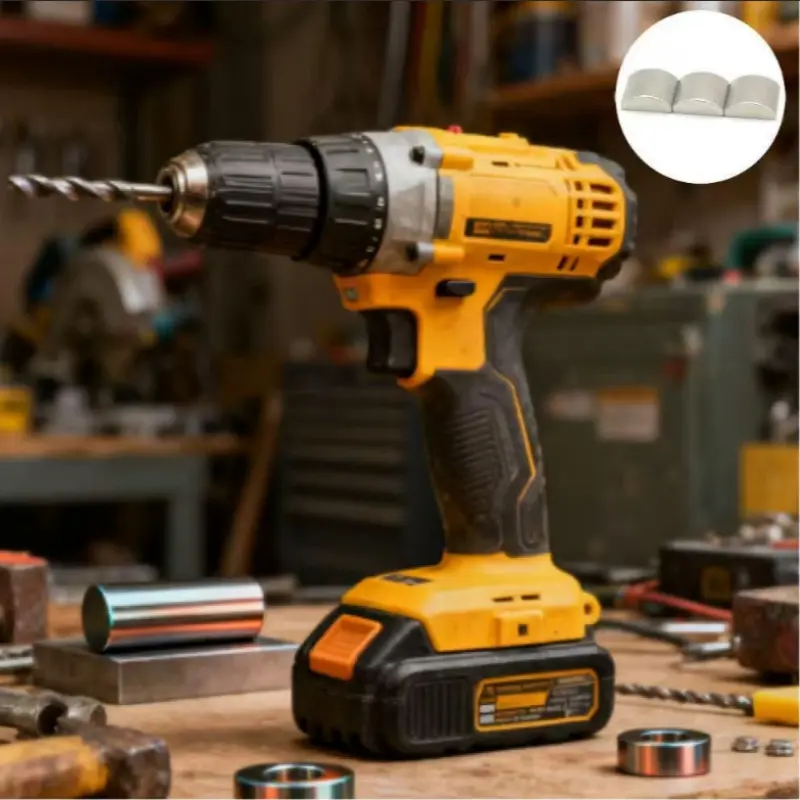
Indicates the resistance of the magnetic material to demagnetization from external magnetic fields and thermal energy, crucial for electric vehicle drivetrains and power tools.
The density of magnetic energy stored in the material. A higher energy product enables smaller magnet sizes while maintaining high work output.
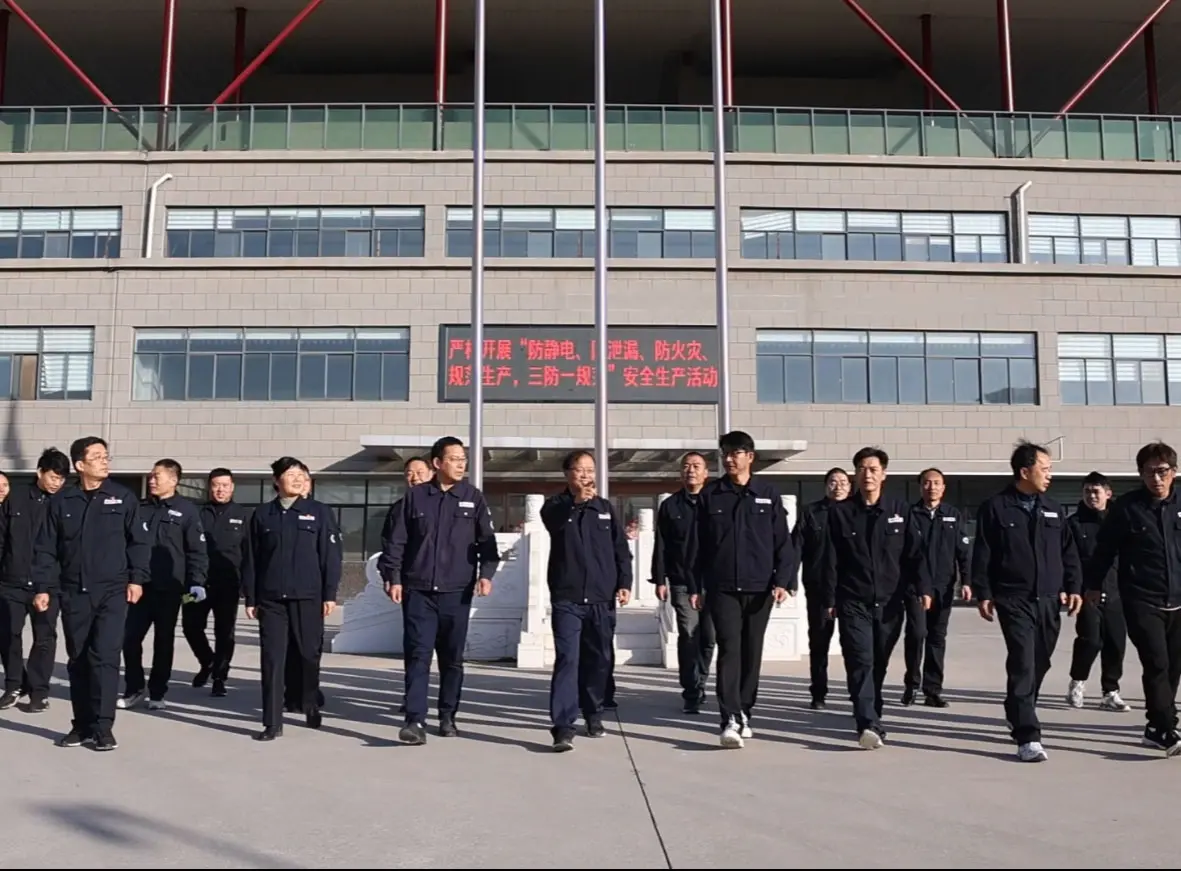
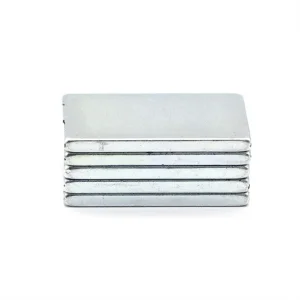
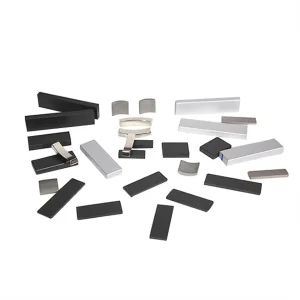
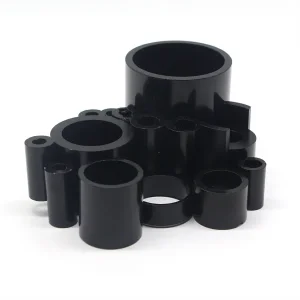
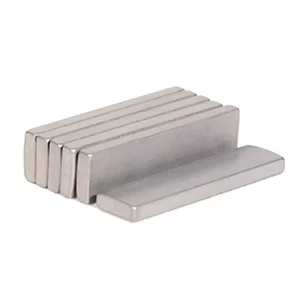
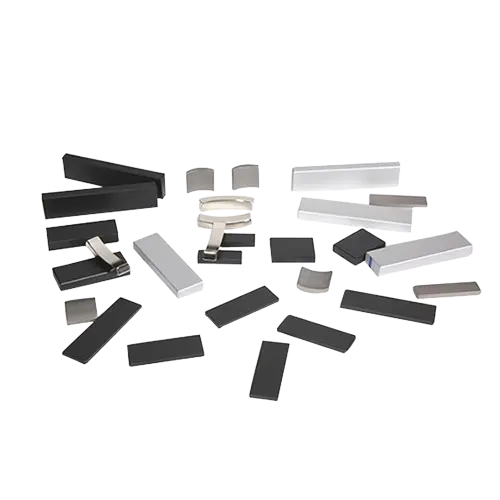
Our journey began in 1999, focusing on high-performance sintered NdFeB products. Recognizing the potential of rare earth permanent magnets, we expanded our production footprint and incorporated precision machining facilities. We now support customizable options including segment shapes, block configurations, ring shapes, and multi-pole magnetized assemblies.
Quality, Credibility, Technology, and Innovation. These pillars guide our engineering teams, quality control workflows, and customized customer service.
Through partnerships with metallurgical institutes, we research grain structure optimization to minimize dysprosium (Dy) and terbium (Tb) usage while maintaining stability at higher temperatures.
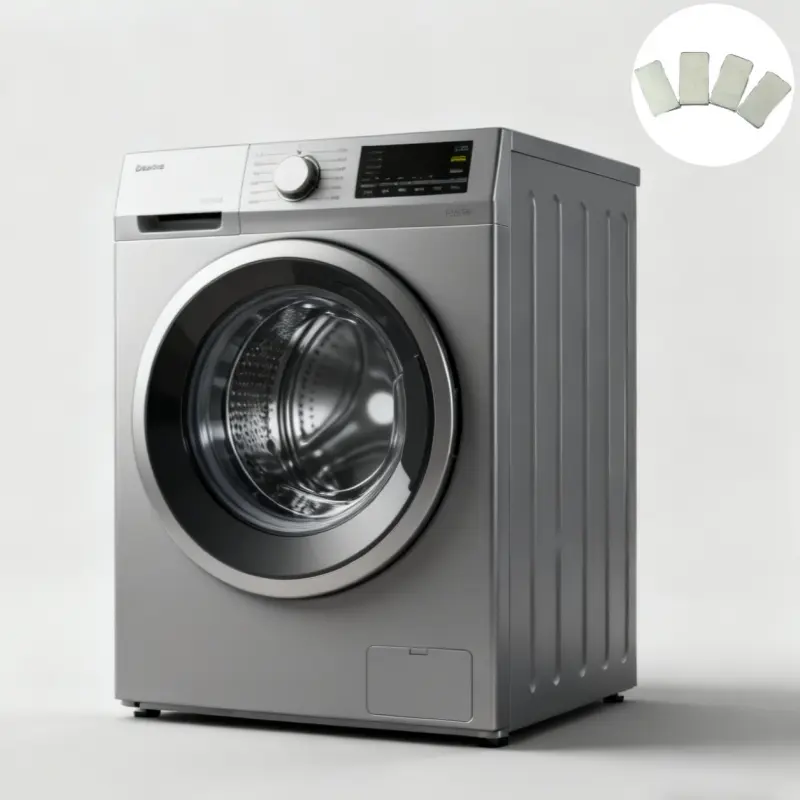
From micro-positioning actuators in consumer electronics to multi-megawatt offshore direct-drive generators, Laysun Magnetics supplies materials for demanding environments. Below are the industries utilizing our sintered NdFeB solutions:
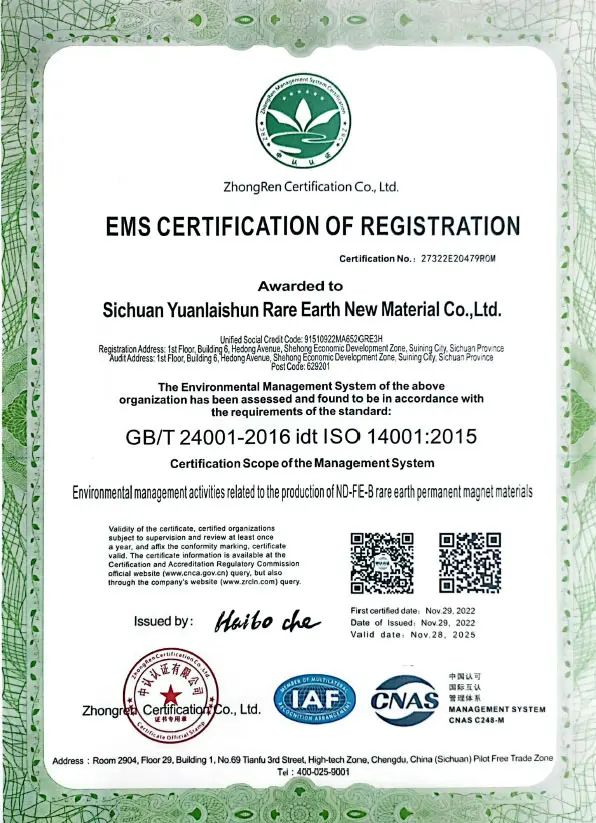
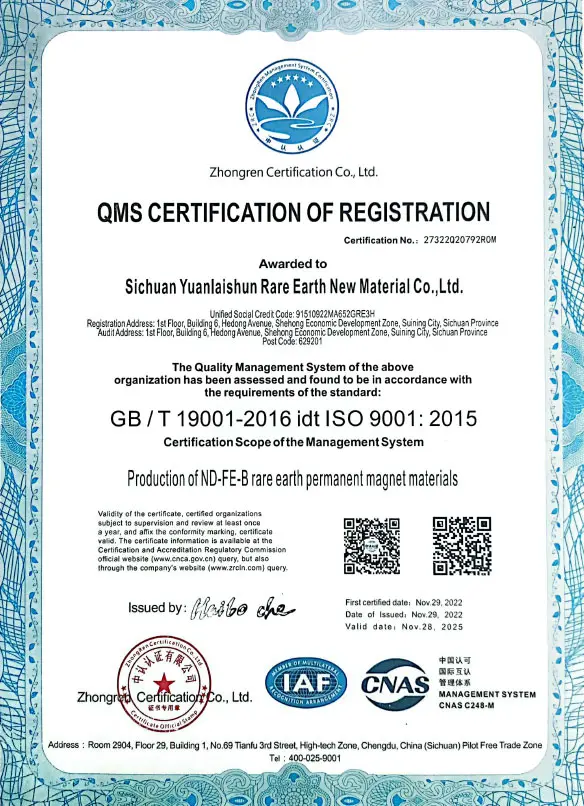
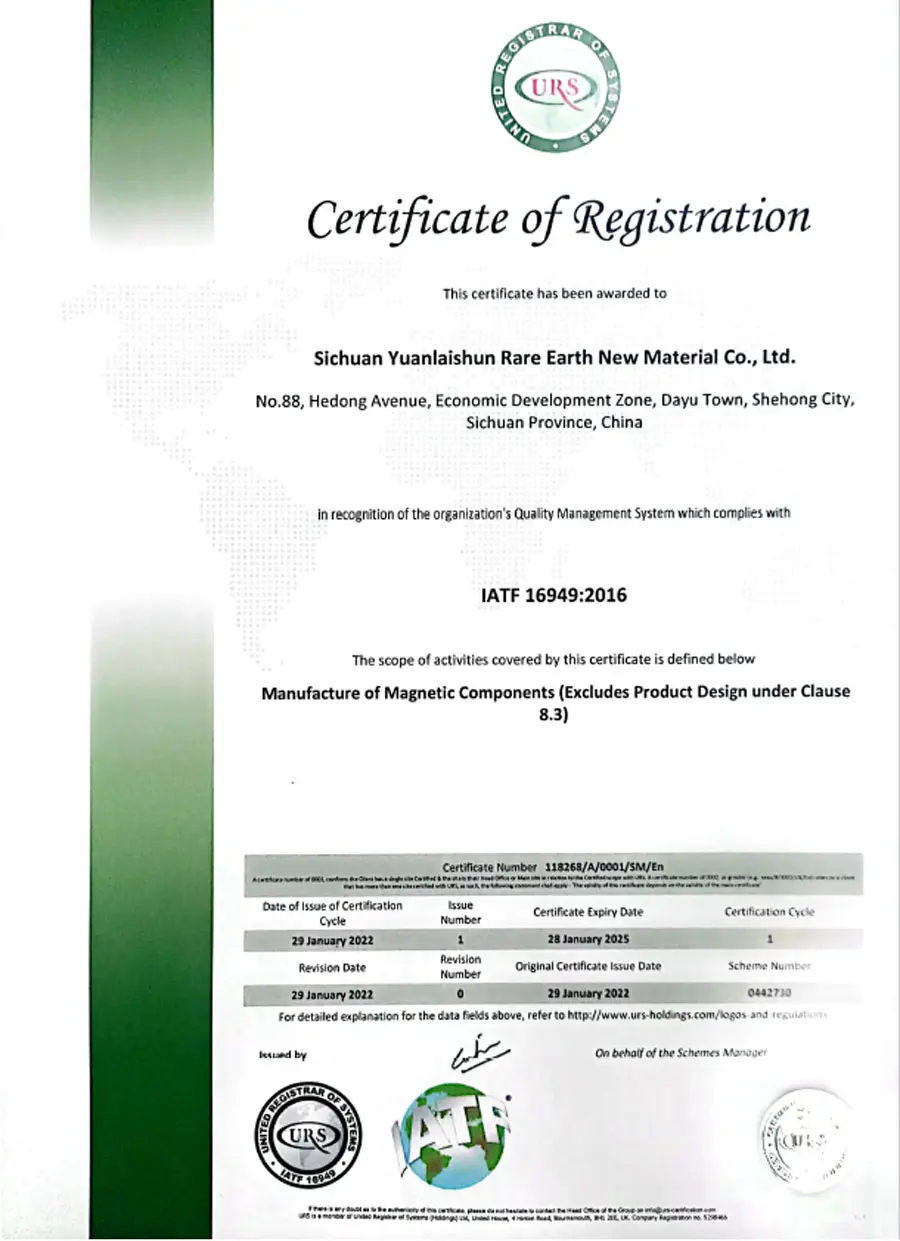
Operating within global industrial supply chains requires adherence to rigorous testing and certification standards. Zhejiang Laysun Magnetics Ltd. complies with major global standards, including API 6D, API 607, CE, ISO9001, ISO14001, and ISO45001.
Each batch of sintered NdFeB magnets undergoes dimensional inspections, magnetic flux testing, demagnetization curve analysis, and coating thickness assessments using X-ray fluorescence (XRF) and salt spray chambers. We maintain trace element tracking to verify raw material authenticity and supply chain security.
Global Sales Subsidiaries & Logistics Support Infrastructure
As global demand for rare earth elements increases, sustainable manufacturing is a key priority. Our technical roadmap focuses on three main developments:
Developing high-coercivity magnets without heavy rare earth metals to lower raw material dependencies and costs, while maintaining high performance standards.
Injecting Dy or Tb vapor along grain boundaries to improve thermal stability while minimizing overall heavy rare earth concentration.
Implementing post-consumer and post-industrial sorting systems to recover and re-sinter NdFeB oxides, reducing environmental footprint.
Providing clarity on engineering, supply chain logistics, performance limits, and mechanical designs for custom neodymium components.
A "12,000 Gauss" specification refers to the measured magnetic flux density, which can represent the intrinsic remanence (Br) of the material or a surface reading. An intrinsic remanence of 12,000 Gauss corresponds to 1.2 Tesla, which is typical for grades such as N38 or N40. However, if the specification calls for a surface flux density of 12,000 Gauss, specialized magnetic circuits, multipolar magnetization, or pot assembly designs are required to focus the field, as standard flat disc or block magnets rarely exceed 5,000 to 6,500 Gauss on their bare surface due to self-demagnetization.
Sintered NdFeB is prone to oxidation due to its high iron content. Laysun Magnetics provides protective coatings, including multi-layered Nickel-Copper-Nickel (Ni-Cu-Ni), Epoxy, Zinc (Zn), Gold, and specialized Rubber or Teflon encasements. The choice of coating affects final dimensional tolerances: standard Ni-Cu-Ni adds approximately 10-15 micrometers per side, while Epoxy adds 20-30 micrometers. This must be accounted for during the mechanical design of assemblies.
Standard N-grade NdFeB magnets are rated for operating temperatures up to 80°C. For applications with higher thermal demands, specialized grades with elements like Dysprosium are required: H-grade (up to 120°C), SH-grade (up to 150°C), UH-grade (up to 180°C), EH-grade (up to 200°C), and AH-grade (up to 220°C). Operating above these limits can lead to irreversible demagnetization.
MOQs vary based on size and complexity. For standard blocks or discs, we support prototyping and low-volume initial runs. Custom geometric components, specialized segment arcs, or complex multipole assemblies typically require an engineering tooling process, resulting in a minimum order requirement. Production lead times range from 15 to 25 days, which includes material sintering, slicing, plating, magnetization, and QA verification.
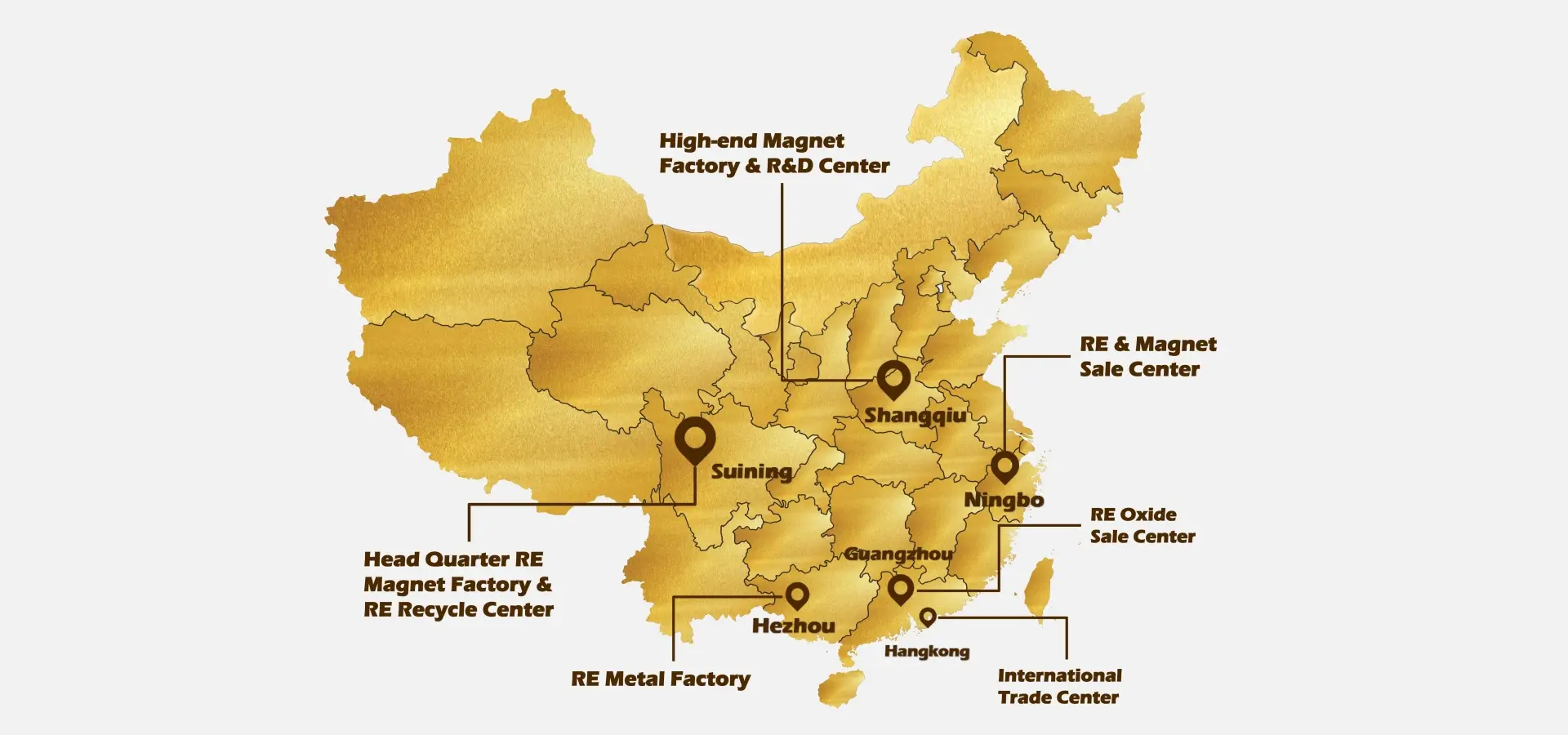
We operate dual corporate hubs in China to streamline production and distribution. Our Hangzhou headquarters manages export logistics, customer engineering consults, and supply chain routing.
Our primary 100,000 square meter manufacturing base in Suining, Sichuan handles vacuum melting, alloy crushing, magnetic field compaction pressing, sintering, wire slicing, and automated plating.
Headquarters (Hangzhou, China):
Zhejiang Laysun Magnetics Ltd., Hangzhou, Zhejiang Province, China.
Manufacturing Base (Suining, China):
Suining Industrial Park, Sichuan Province, China.
Request customized quotes, magnetic simulation datasets, and product samples from our engineers.
Our technical sales team will review your specifications, including dimensional tolerances, coatings, and operating temperature requirements, and respond within 24 hours.
 Laysun Magnetics