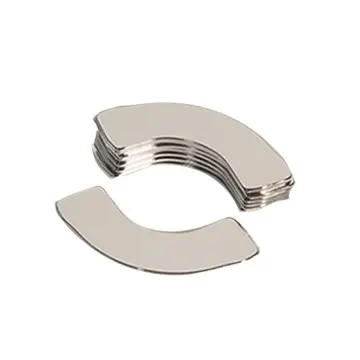
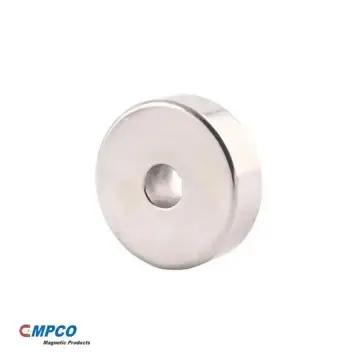
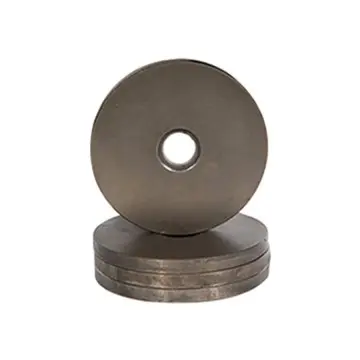
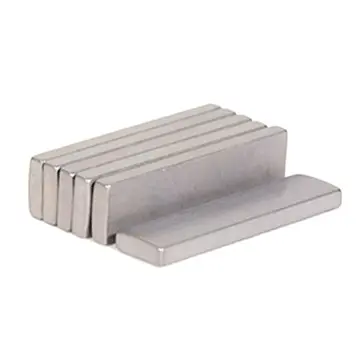
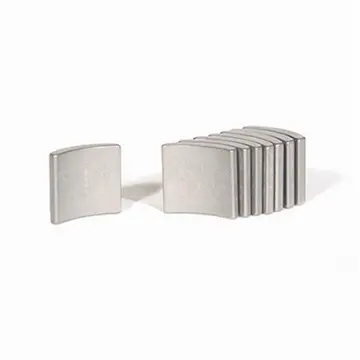
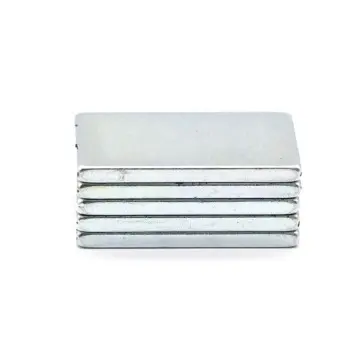
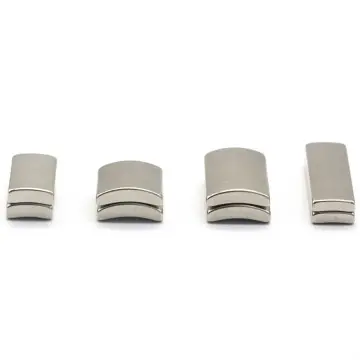
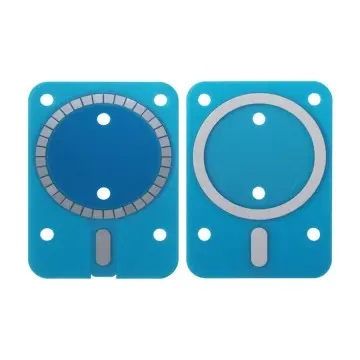
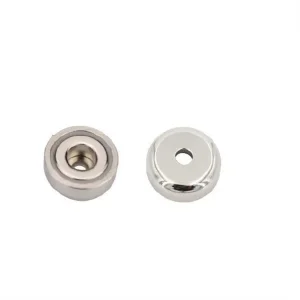
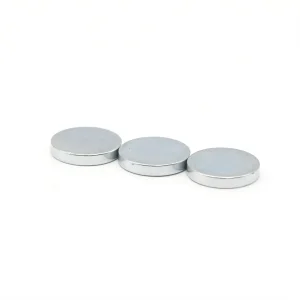
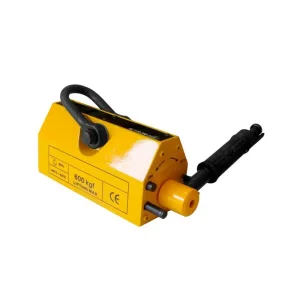
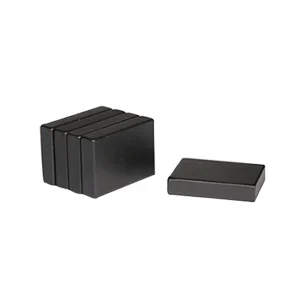
Direct from our factory. We engineer custom specifications including high-temperature, specific coatings, and complex magnetic configurations.
A national high-tech enterprise spearheading innovation in rare earth NdFeB permanent magnetic materials since 1999.
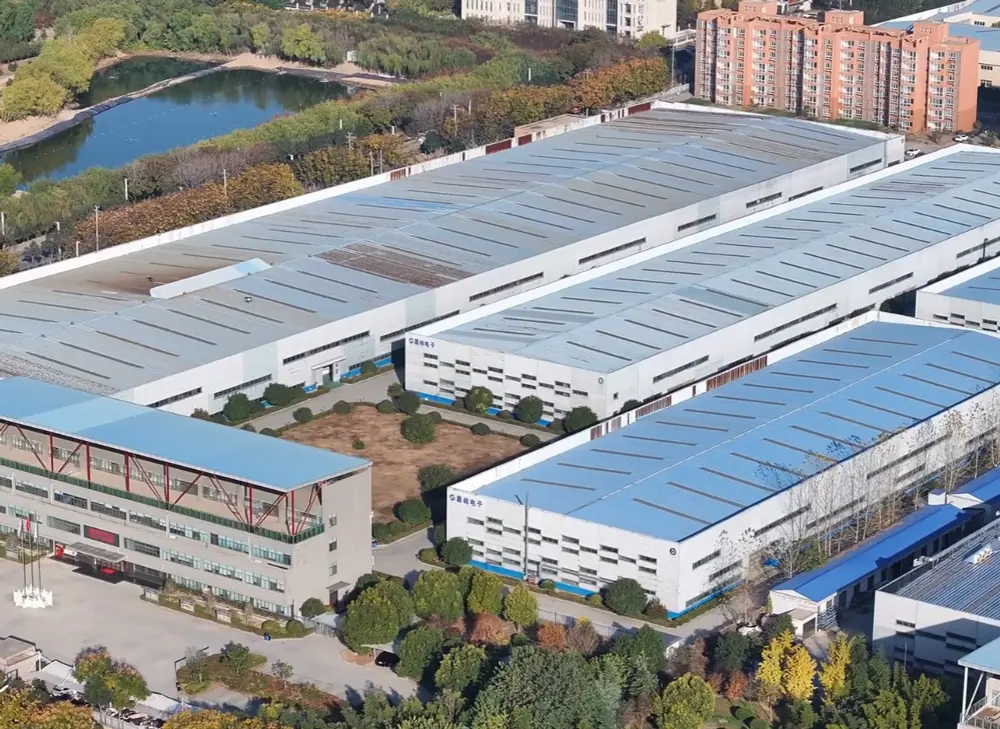
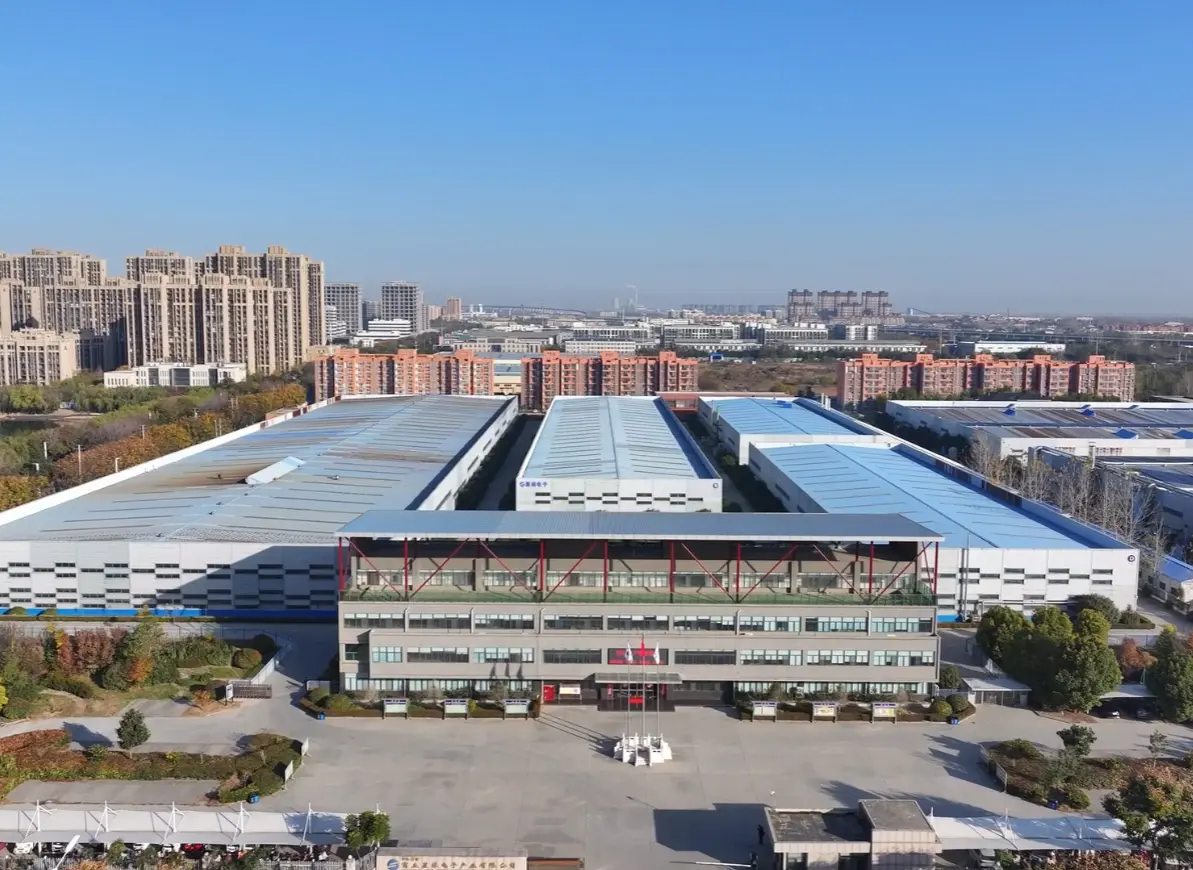
Strategically located across a 100,000 square meter footprint in the advanced industrial park of Suining, Sichuan, Zhejiang Laysun Magnetics Ltd. provides massive raw ingot slicing, wire cutting, multi-station pressing, and computer-controlled high-vacuum sintering systems.
By integrating strict raw material procurement directly from northern rare earth mines with highly automated machining processes, we guarantee zero-defect parameters for our high-precision NdFeB components supplied directly to EV, aerospace, and global high-tech OEMs.
A Comprehensive Guide to Engineering Specifications, Market Trends, and Supply Chain Stability in Advanced Rare-Earth Manufacturing.
Author: Engineering Division, Zhejiang Laysun Magnetics Ltd. | Published: 2024
Sintered Neodymium-Iron-Boron (NdFeB) represents the pinnacle of permanent magnet technology. Exhibiting high remanence (Br), coercivity (Hcj), and maximum energy product (BH)max, these materials form the foundation of high-torque, high-efficiency modern machinery.
At a molecular level, the primary phase of these magnets is Nd₂Fe₁₄B. This tetragonal crystal structure generates highly anisotropic properties, permitting superior magnetic alignment along a single easy axis during compaction processes. The grades we export globally range from standard N35 to high-temperature variants like 52SH, 50UH, 48EH, and even custom 38AH configurations, designed to function under thermal stresses up to 230°C.
"The addition of Dy (Dysprosium) or Tb (Terbium) is key to increasing intrinsic coercivity for high-temperature stability. Zhejiang Laysun utilizes state-of-the-art Grain Boundary Diffusion (GBD) technology to concentrate heavy rare earths strictly within grain boundaries, reducing material costs while increasing thermal threshold and preserving remanence properties."
The neodymium magnet industry is undergoing rapid technical evolution driven by weight reduction, environmental policy, and smart grid initiatives.
One critical trend is the optimization of Grain Boundary Diffusion (GBD) processes. By diffusing heavy rare earths (Tb, Dy) into the sintered NdFeB matrix, manufacturers can boost intrinsic coercivity by 4–8 kOe without decreasing remanence. Furthermore, microcrystalline refinement through rapid-solidification strip casting has enabled our engineering team to construct magnets with grain sizes under 5μm, optimizing magnetic domain movement and resisting demagnetization under heavy structural load.
Neodymium magnets are highly susceptible to intergranular oxidation due to the active chemical properties of their Nd-rich boundary phase. Uncoated magnets exposed to humid environments break down.
Zhejiang Laysun Magnetics implements a full range of protective surface finishes. Our proprietary processes include multi-layer electroplating (Ni-Cu-Ni), bright zinc plating, spray epoxy coatings, and advanced vapor-deposited aluminum (PVD/CVD) technologies. For high-corrosion automotive applications, we perform rigorous HAST (Highly Accelerated Temperature and Humidity Stress Test) protocols, subjecting magnets to 120°C, 2 atm pressure, and 100% relative humidity for 96 hours to guarantee zero surface degradation.
At Laysun Magnetics, our ethos is built on four pillars - Quality, Credibility, Technology, and Innovation. These values are the cornerstones of our operations, guiding us in delivering products that not only meet but exceed the expectations of our clients.
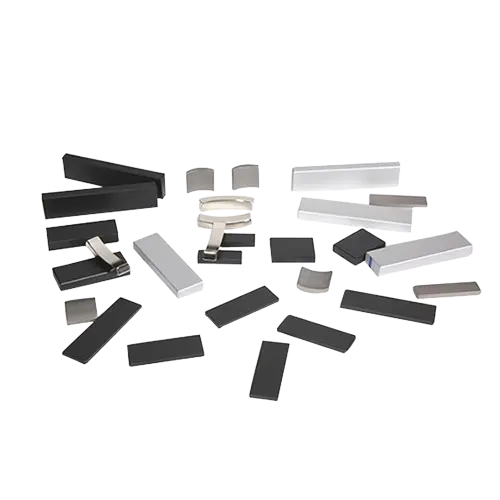
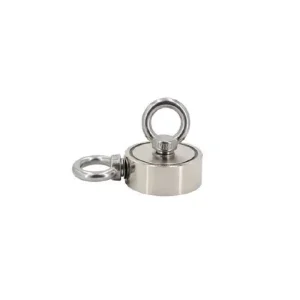
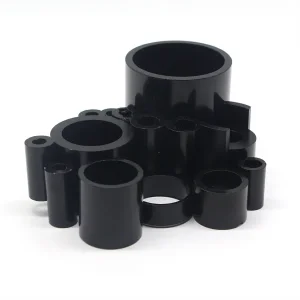
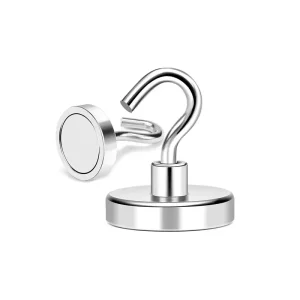
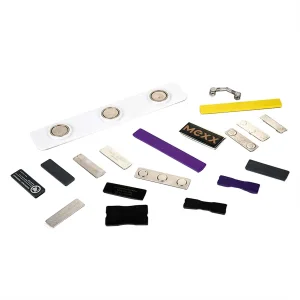
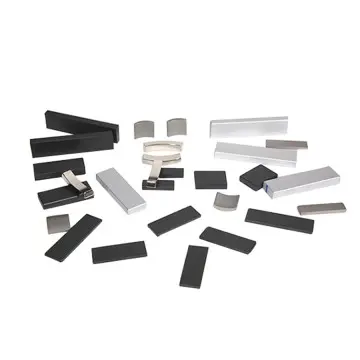
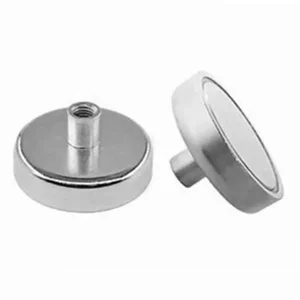
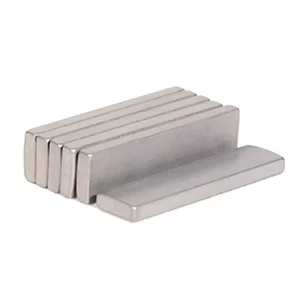
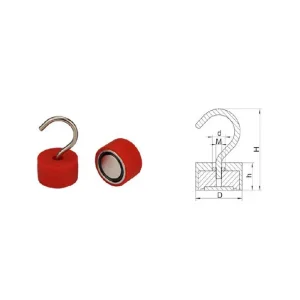
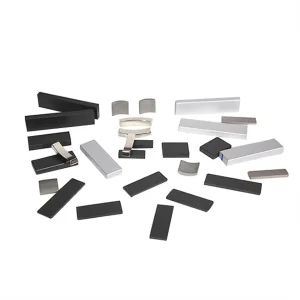
Browse our catalog of specialized magnetic shapes, configurations, and application assemblies.
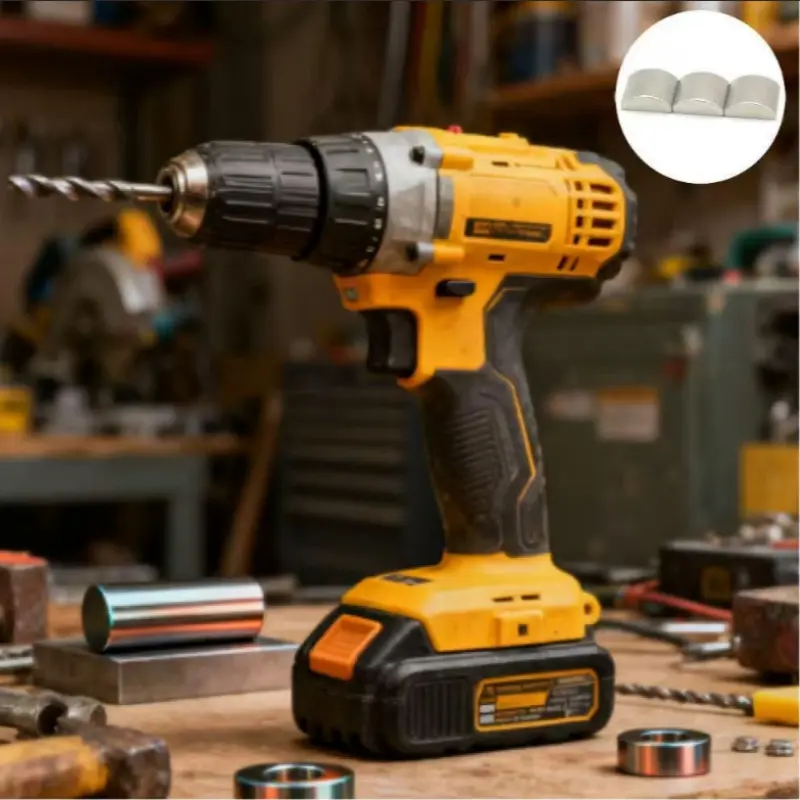
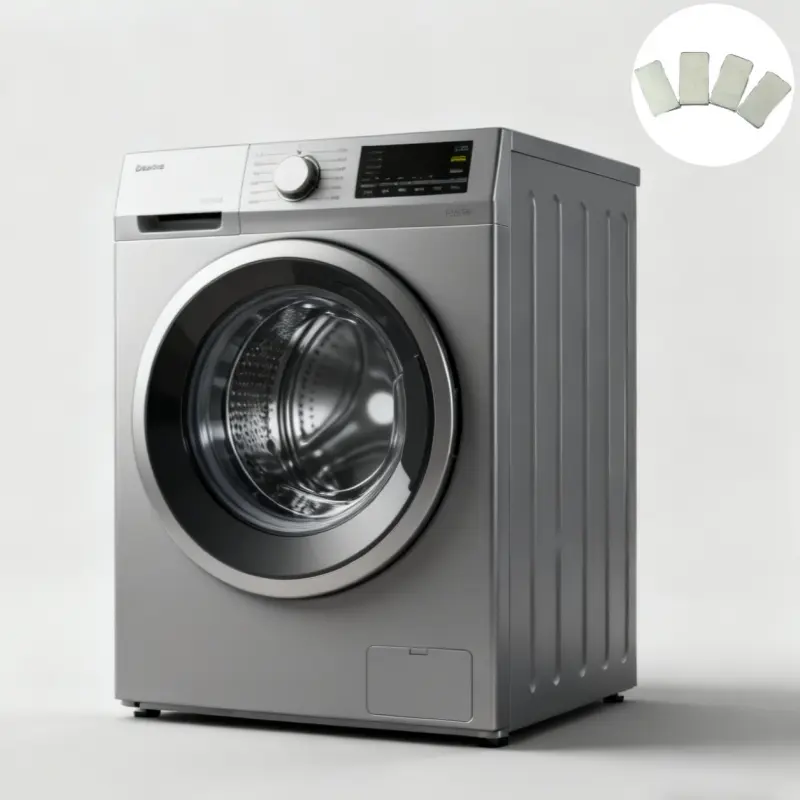
How Zhejiang Laysun Magnets power global fields, from electric vehicles to robotics, maximizing efficiency and precision.




Our commitment to rigorous QA procedures ensures our magnets meet the highest international safety, environmental, and quality criteria.
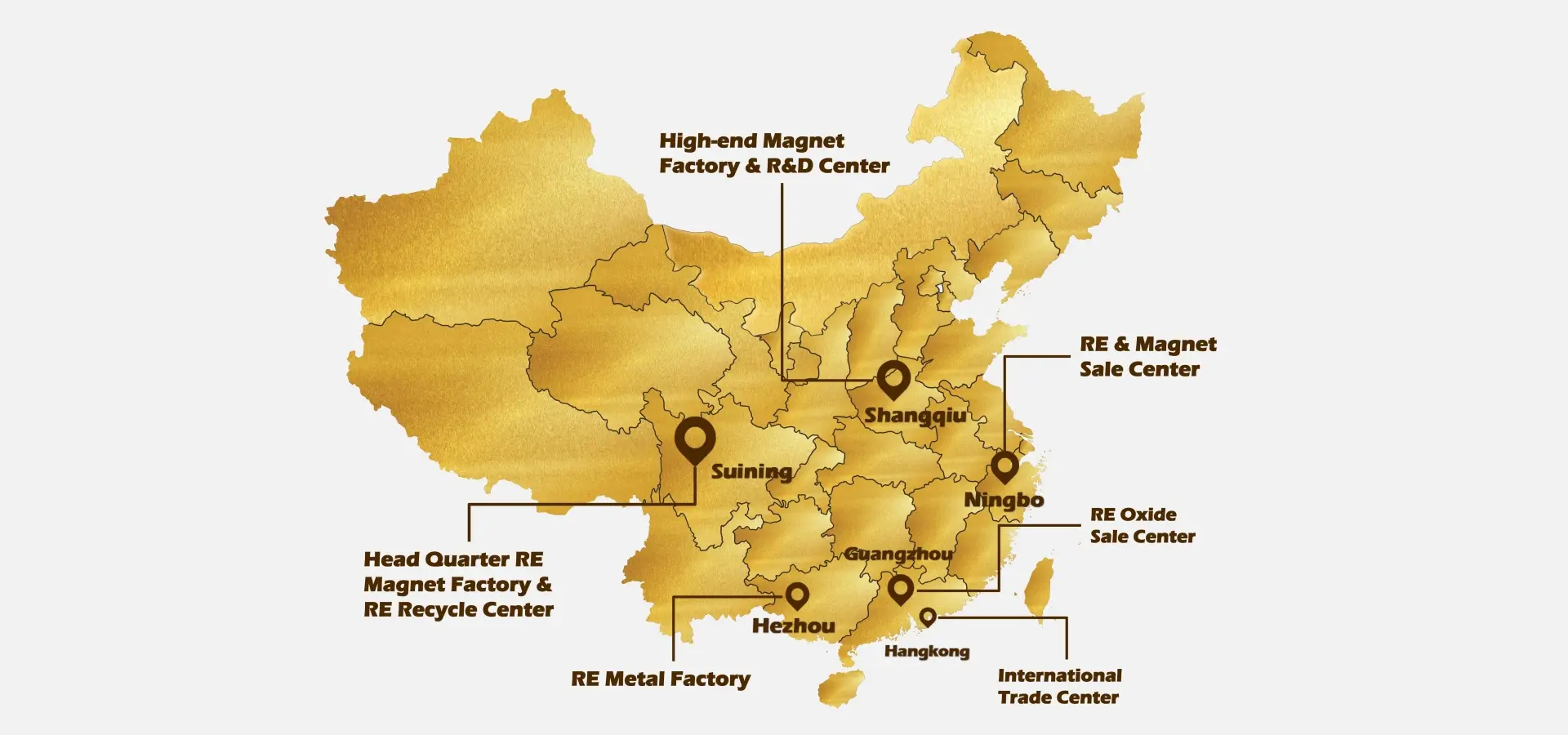
Headquartered in Hangzhou, Zhejiang Province, with subsidiaries and distribution networks worldwide to provide reliable on-site technical support.
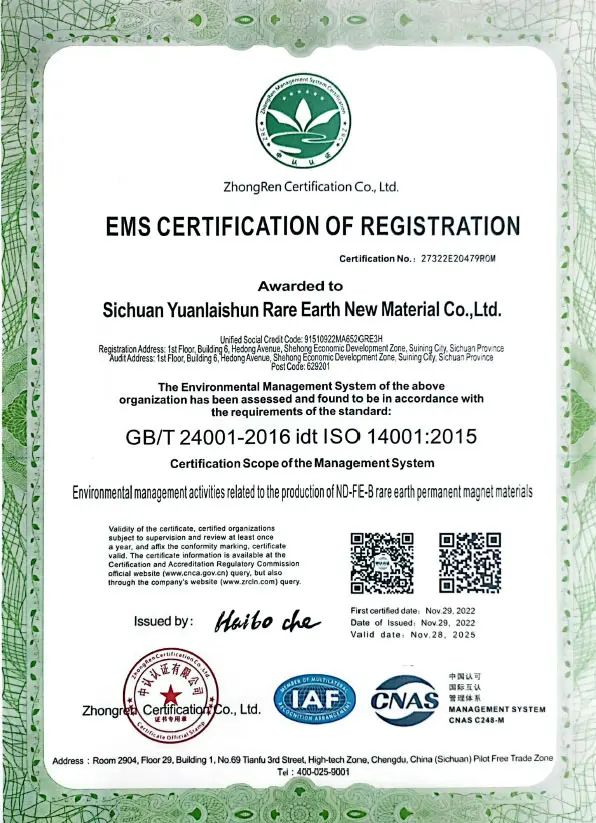
We maintain standard operating procedures under ISO 9001:2015, ISO 14001:2015, OHSAS 18001:2007, TS16949 for automotive component suppliers, alongside API 6D and API 607 for specialty valve/industrial fittings.
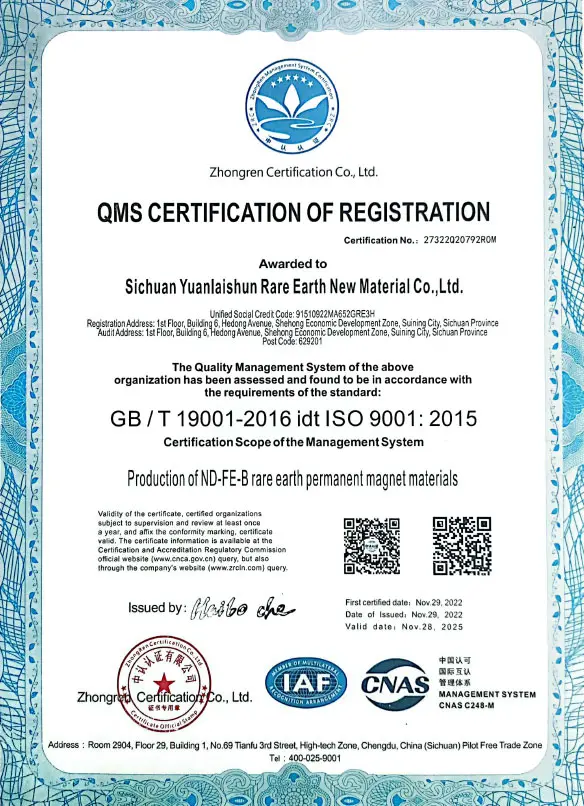
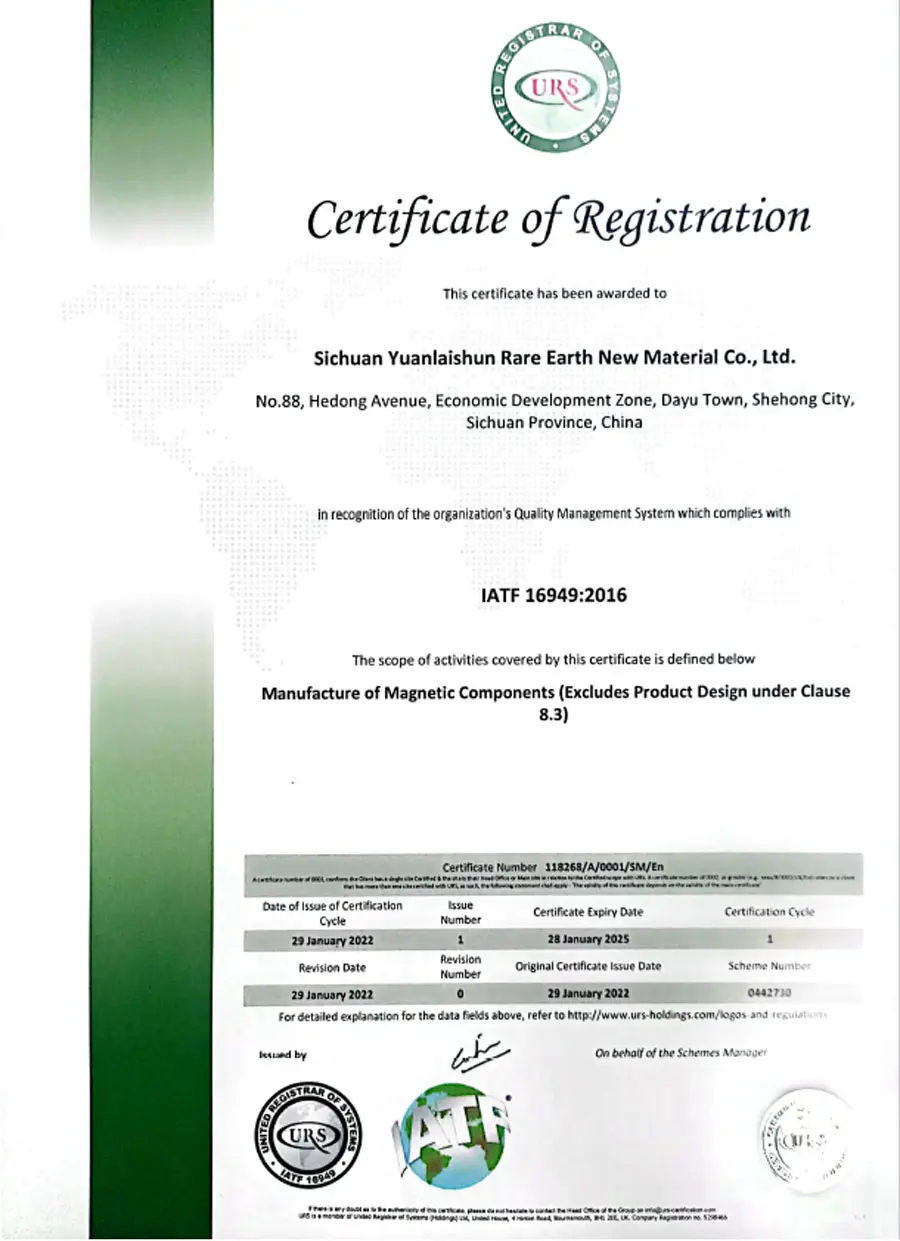
Driving the frontiers of rare-earth permanent magnet technology for high-stress applications.
With dysprosium and terbium resources subject to price volatility, our laboratory is aggressively working to reduce dependency on heavy rare earths. By optimizing grain alignment and utilizing specific grain boundary cleaning treatments, we aim to design N55-grade magnets with minimal Dy levels, lowering direct manufacturing costs while preserving excellent coercivity levels.
In response to global sustainability initiatives, Zhejiang Laysun is developing a closed-loop recycling roadmap. This technology extracts end-of-life permanent magnet materials from electric drive systems, purifies the oxides, and re-sinters the material into high-performance commercial magnets, lowering the overall environmental footprint and helping OEMs satisfy RoHS/REACH compliance frameworks.
Answers to technical specifications and procurement logistics for NdFeB magnets.
Engineered for high hold-to-weight performance ratios. Preserving original product specifications and direct wholesale channels.
Whether you need complex magnetic FEA design assistance, custom temperature grade configurations, or high-volume wholesale pricing schedules, our engineering team is here to support your procurement needs.
 Laysun Magnetics