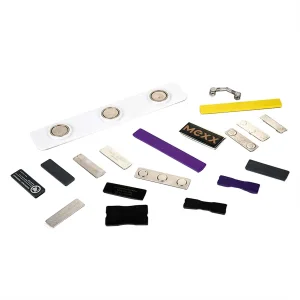
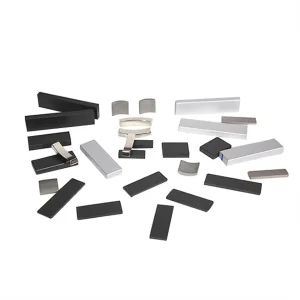
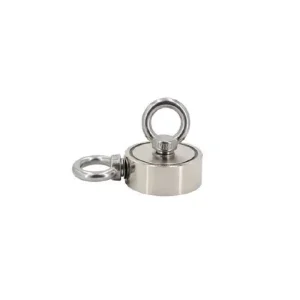
Zhejiang Laysun Magnetics Ltd. manufactures custom-engineered magnetic solutions. Explore our first tier of precision-oriented components designed for high-performance applications globally.
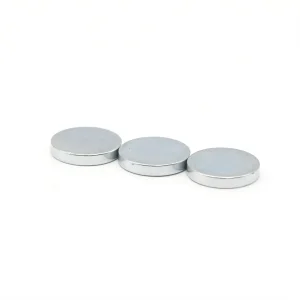
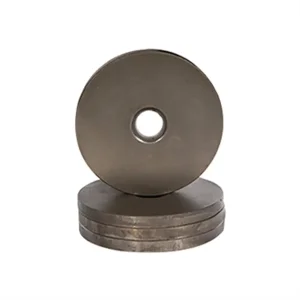
In solid-state physics and magnetic materials engineering, magnetization meaning refers to the vector field that expresses the density of permanent or induced magnetic dipole moments in a magnetic material. When applied to rare earth alloys like NdFeB (Neodymium-Iron-Boron), magnetization defines how the microscopic magnetic domains within the atomic lattice align under the influence of an external electromagnetic force. Prior to magnetization, a sintered NdFeB block possesses high magnetic potential but exhibits zero net external field because its domains are randomly oriented.
The manufacturing process of anisotropic permanent magnets requires aligning these domains along a preferred "easy axis" during the powder compaction phase. The alignment process determines the final vector directions. The saturation magnetization limit is reached when all micro-domains align perfectly parallel to the external inducing field, resulting in maximum Remanence ($B_r$) and Coercivity ($H_{cj}$).
For B2B procurement officers and engineering design houses, understanding magnetization meaning goes beyond the basic definitions. It encompasses critical specifications such as thermal demagnetization indices, structural geometry boundaries, and post-sintering surface treatments. Zhejiang Laysun Magnetics Ltd. focuses on precision engineering, ensuring each magnet exhibits high domain uniformity across the bulk volume, preventing flux decay in tough operational environments.
As a national high-tech leader in the rare earth magnetics sector, Zhejiang Laysun Magnetics Ltd. has built a reputation for innovation and quality. Headquartered in Hangzhou, with a state-of-the-art production hub in Suining, Sichuan, we focus on the research, design, production, and distribution of high-performance sintered NdFeB magnets and complex magnetic assemblies.
With more than two decades of industrial growth, our operations balance capacity and technological precision. We serve key applications in electric vehicles, automotive EPS systems, industrial robotic drives, and consumer acoustics, ensuring our clients receive robust magnetic materials that fit their exact specifications.
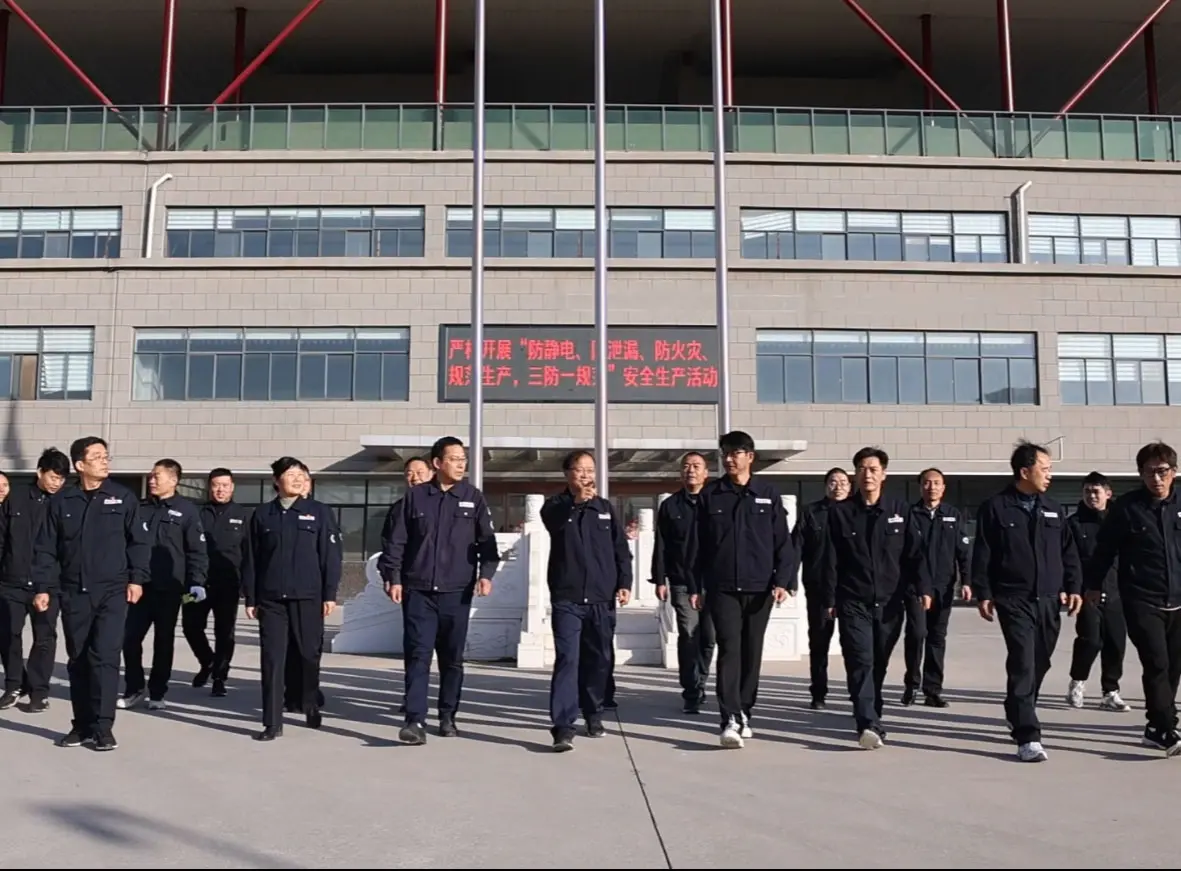
Modern electronic architectures, automotive designs, and green energy initiatives rely on custom high-energy-density magnetic materials. The transition toward electrification and industrial automation has changed global procurement patterns. Industrial buyers are shifting focus from simple commodity procurement to collaborative, application-specific co-engineering models.
Aerospace and automotive powertrains demand magnet grades that perform under harsh conditions without demagnetization. Industrial buyers require precise control over high coercivity grades ($H_{cj}$), including SH, UH, EH, and AH classifications, to manage thermal loads effectively.
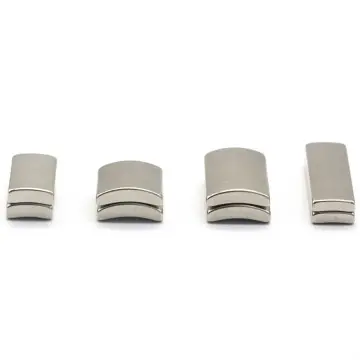
Whether sourcing segmented arc configurations for wind turbine rotors or thin magnetic circles for phone components, procurement teams need suppliers capable of maintaining tight tolerances (within ±0.05mm) across complex dimensional profiles.
Industrial applications expose rare earth alloys to humidity and chemical environments. Zinc (Zn), Nickel-Copper-Nickel (Ni-Cu-Ni), Epoxy, and Parylene coatings must meet rigorous salt spray test specifications to prevent degradation.
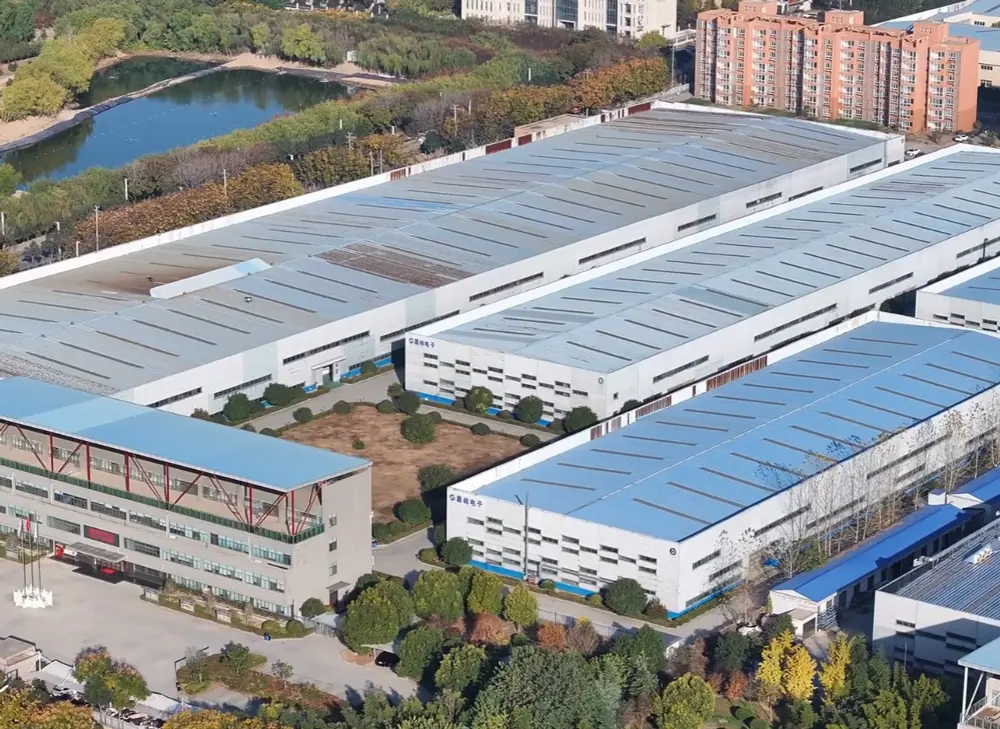
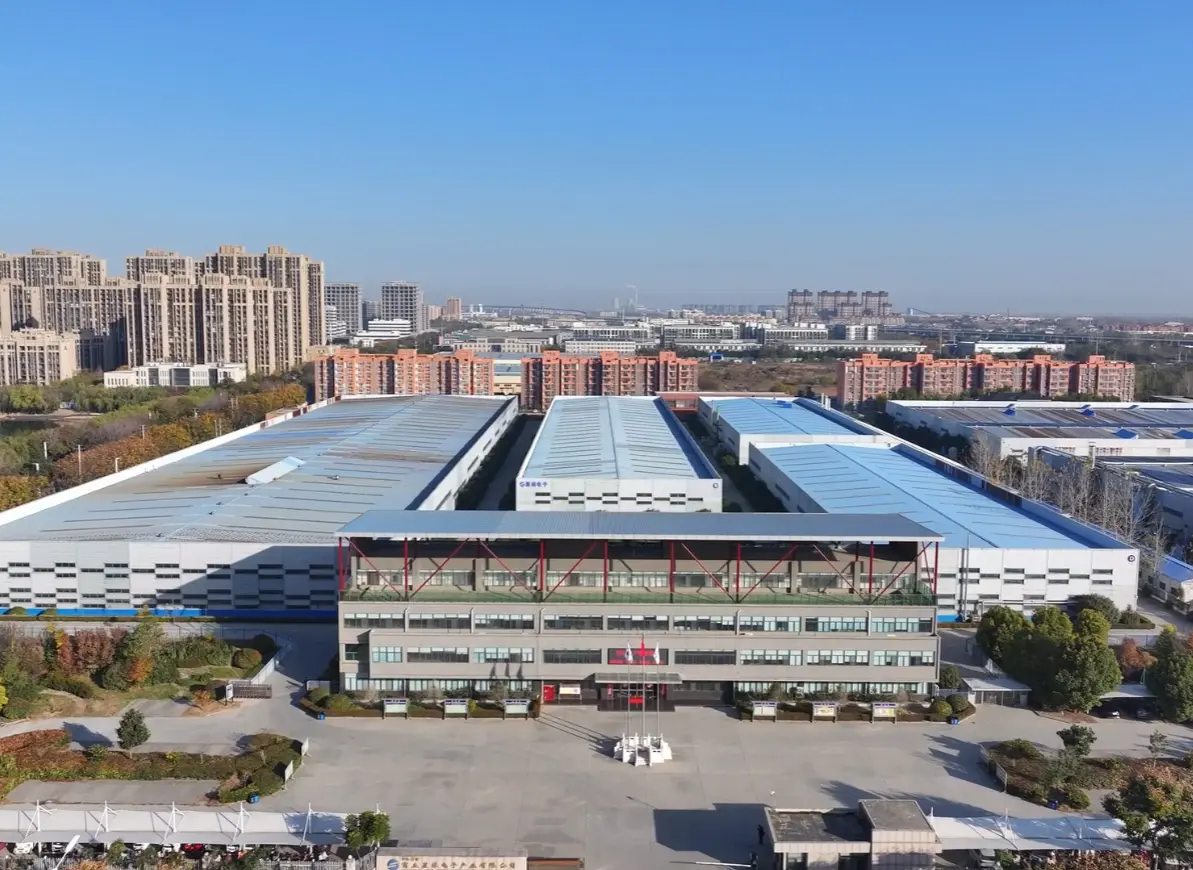
To address global supply chain risks, Zhejiang Laysun Magnetics has integrated Factory 4.0 automation systems into our Suining, Sichuan manufacturing base. Our facility handles the entire production line in-house—from vacuum induction melting and strip casting to hydrogen decrepitation, jet milling, magnetic field alignment press, sintering, machining, and surface coating.
This closed-loop manufacturing flow reduces processing variability, improves raw material recovery, and protects against market volatility. Supported by a 100,000-square-meter facility and a capacity of 5,000 tons per year, we provide supply chain stability for high-volume multinational buyers.
By combining automation with lean production models, we offer short lead times, stable quality control, and reliable customization options. We help mitigate risks for clients facing volatile industrial production timelines.
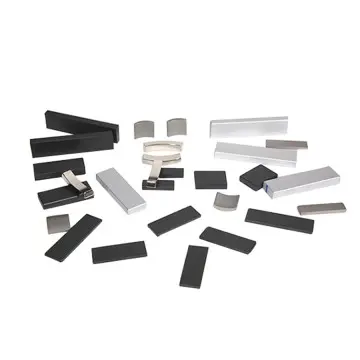
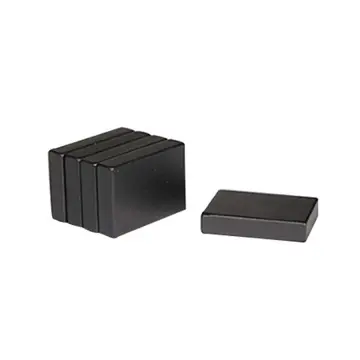
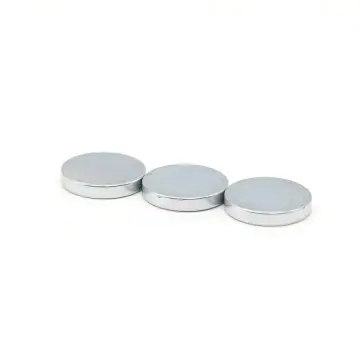
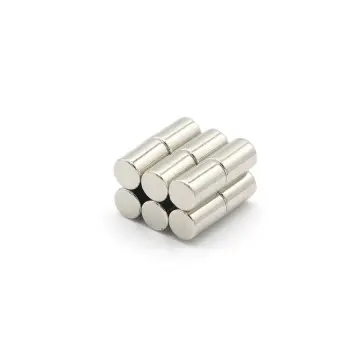
Different operating environments present distinct magnetic challenges. Zhejiang Laysun Magnetics optimizes the magnetization process to match the physical demands of each target application.
Automotive applications require high magnetic stability at high operating temperatures. Magnets designed for electric vehicles and power steering motors must withstand continuous heat up to 180°C–200°C. We use grain boundary diffusion (GBD) technology, which reduces heavy rare earth content (Dysprosium/Terbium) while maintaining high thermal coercivity, reducing overall raw material costs.
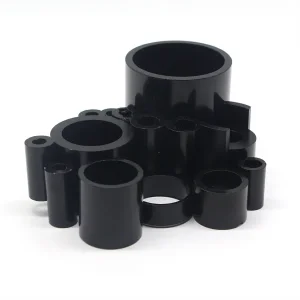
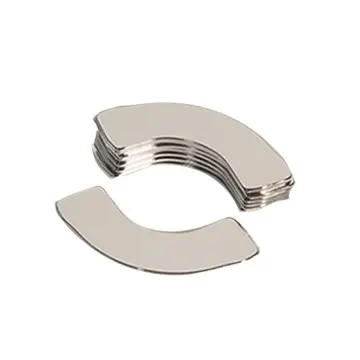
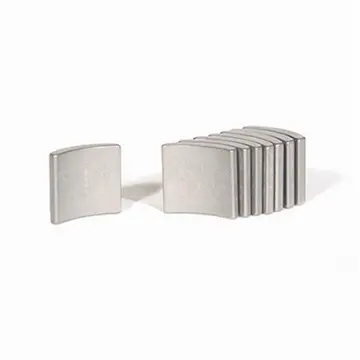
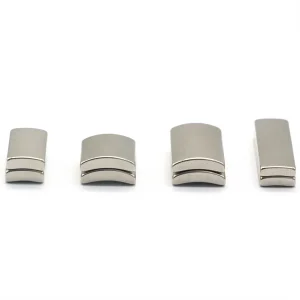
Industrial articulation relies on high torque-to-weight ratios. Our NdFeB arc segments are engineered to reduce cogging torque in precision servo drives. Precision post-sintering grinding ensures radial magnetic alignment, providing smooth movement for multi-axis robotic joints.
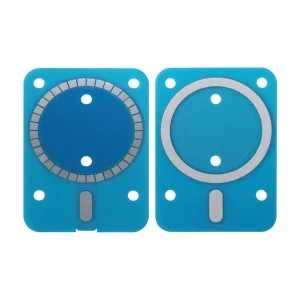
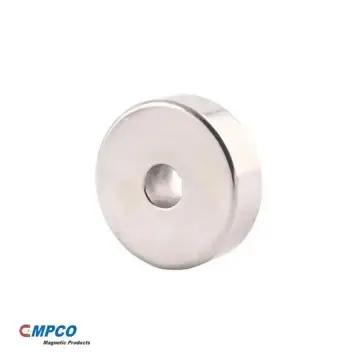
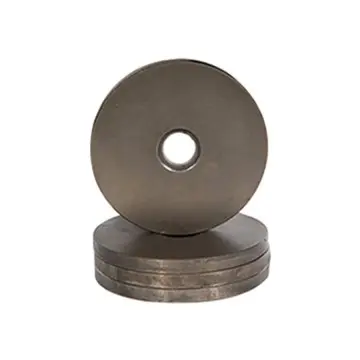
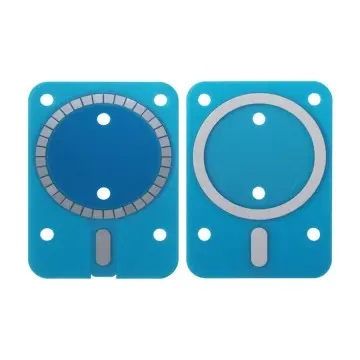
Miniaturized devices require high remanent magnetic density. Modern smartphones and mobile accessories use thin sintered neodymium rings to provide strong holding force in space-constrained profiles. Our thin plating lines yield reliable surface finishes (Ni-Cu-Ni or organic epoxy) that prevent oxidation over long life cycles.
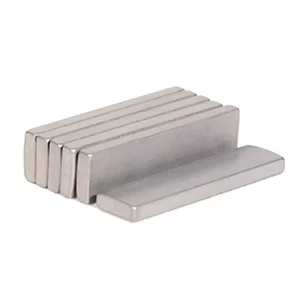
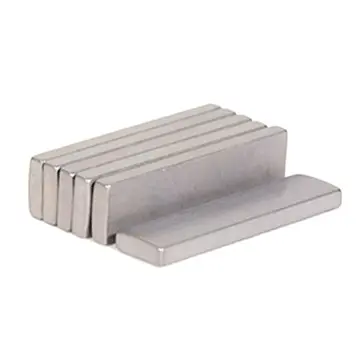
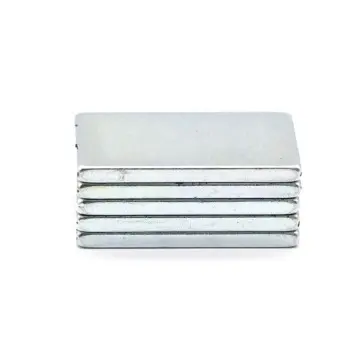
Sintered block magnets are core components of direct-drive wind turbines. These assemblies must resist mechanical shear forces and marine corrosion over 20-year operational periods. Our multi-stage passivation and chemical plating lines help meet these performance profiles.
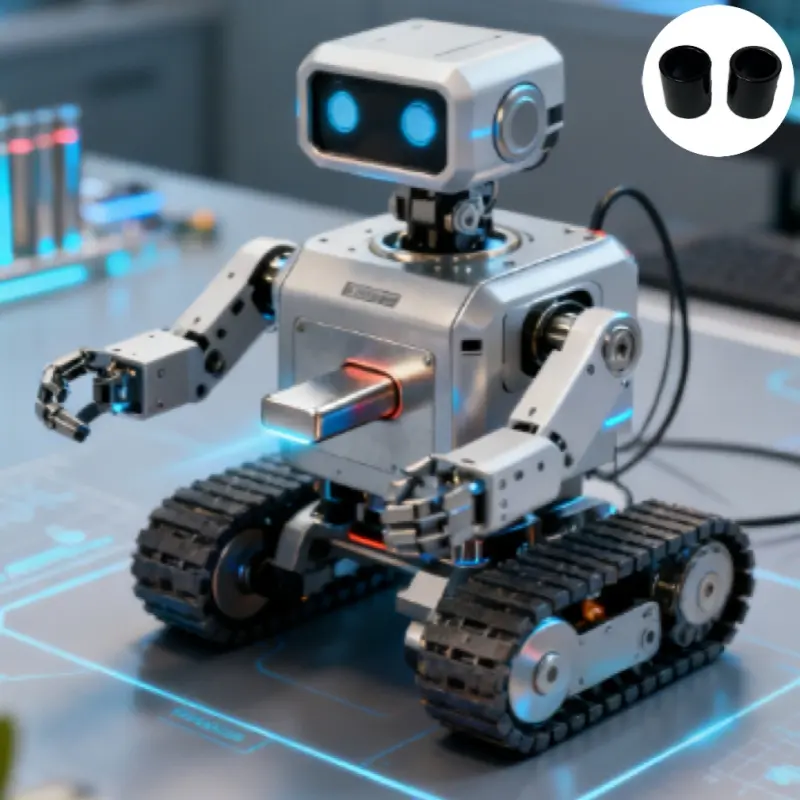
High torque density sintered motors for industrial automation.

Lightweight high-speed rotors optimized for continuous flight cycles.

High thermal coercivity grades for vehicle propulsion.
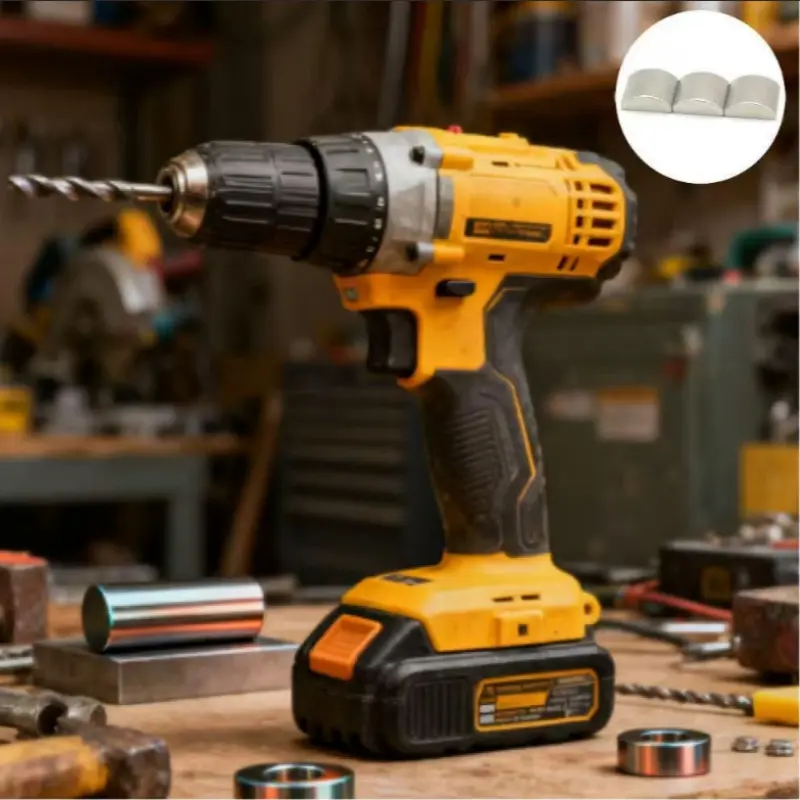
Durable, shock-resistant magnetic components for hand-held systems.

Thin, flat profile configurations with high field density.
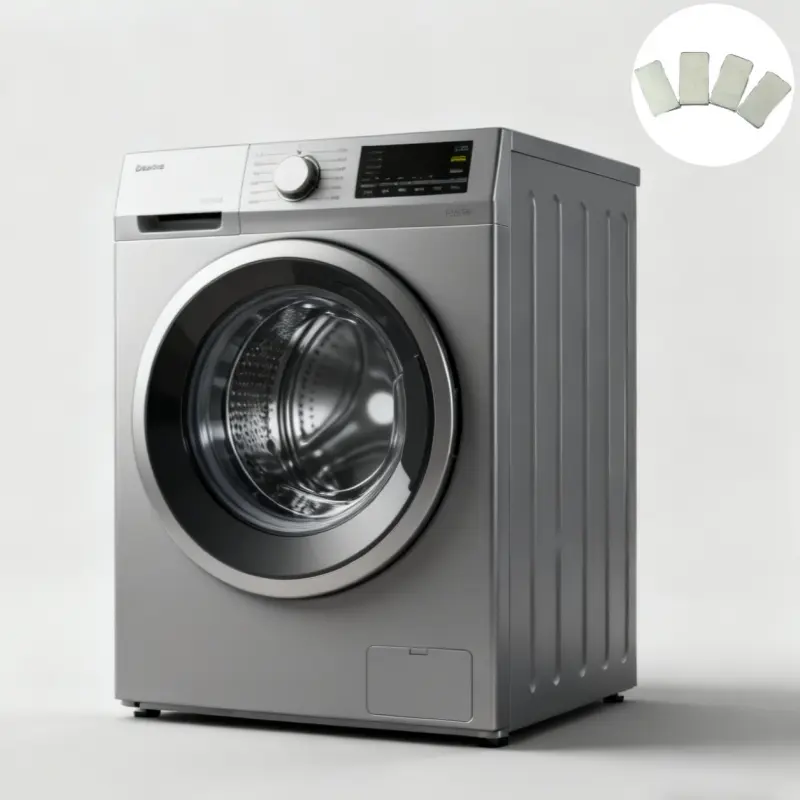
Variable frequency motors optimized for reduced energy footprint.
Headquartered in Hangzhou, China, Zhejiang Laysun Magnetics Ltd. manages regional offices to support our international client base.
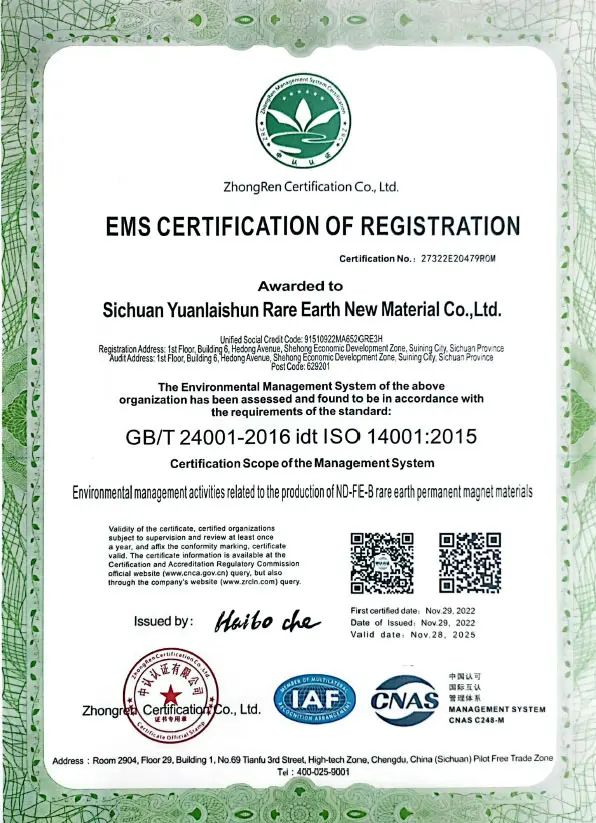
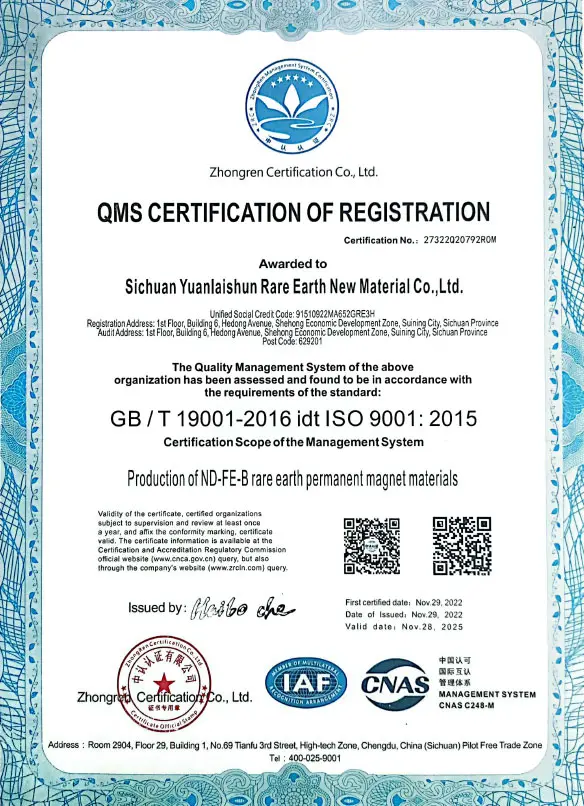
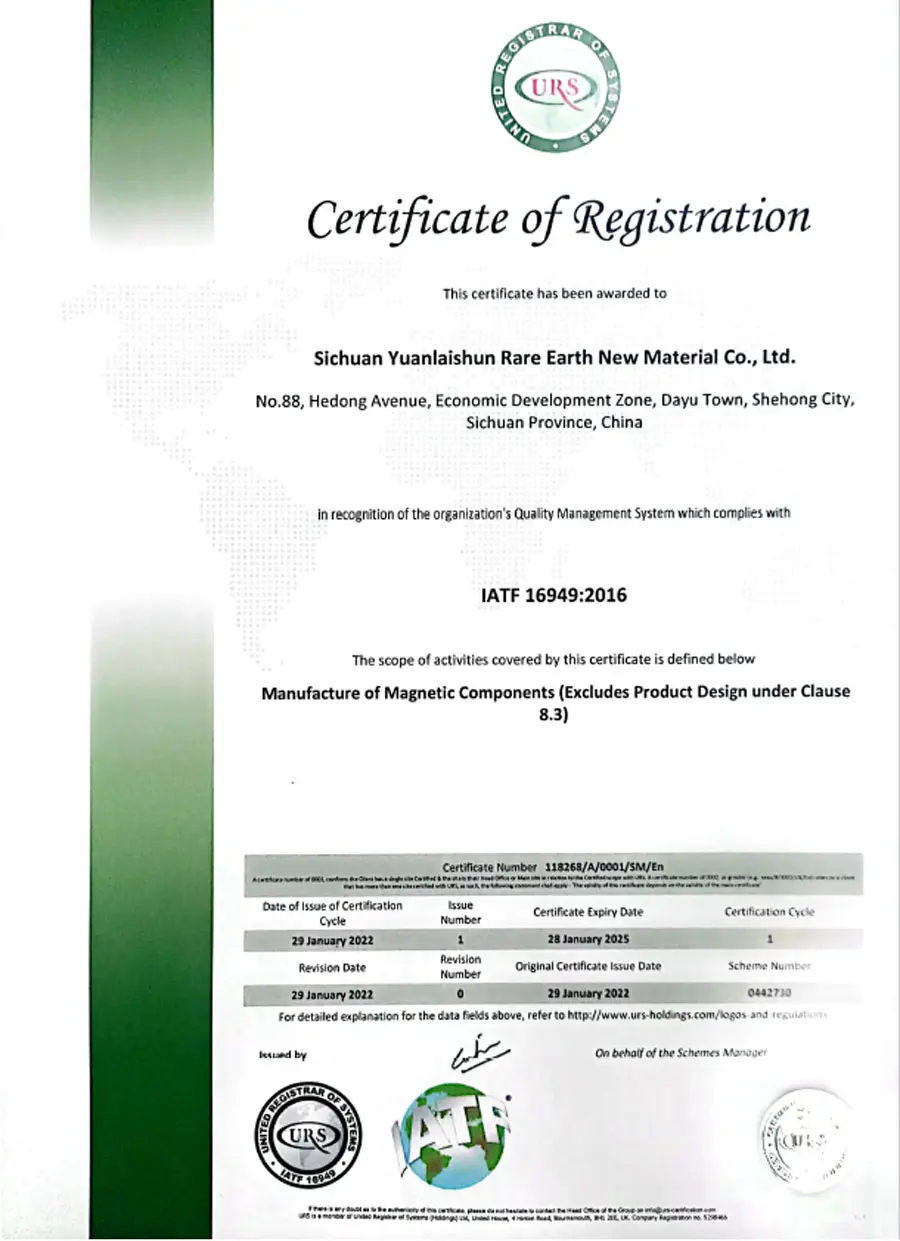
Our manufacturing processes follow strict quality standards. We hold active registrations for ISO 9001, ISO 14001, OHSAS 18001, and API certifications. This framework ensures traceable testing documentation and reliable product performance across fields like heavy machinery, automotive components, and marine installations.
Hangzhou HQ & International Coordination Base, Zhejiang Province, China.
Production base: Suining Industrial Zone, Sichuan Province, China.
Contact our sales engineering team for price lists, design files, or custom tooling timelines.
All manufacturing certifications are verified annually by accredited third-party registrars.
Review detailed answers to technical and procurement questions regarding rare earth magnets, custom tooling, and quality assurance processes.
 Laysun Magnetics