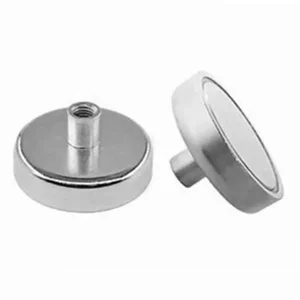
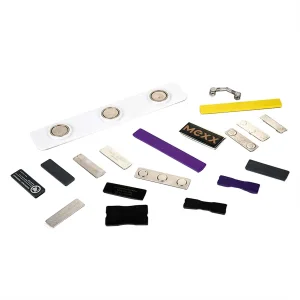
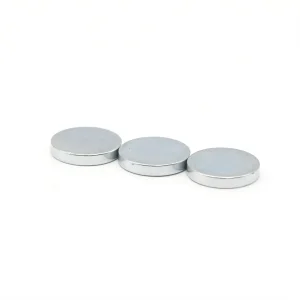
Explore our premium grade NdFeB and customizable magnetic components engineered for high-performance applications in motors, sensors, and structural assemblies.
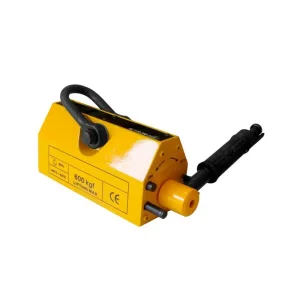
From a strict solid-state physics perspective, pure magnesium (Mg) is classified as a weakly paramagnetic metal at ambient temperatures. It has a magnetic susceptibility of approximately χm ≈ 1.2 × 10⁻⁵, which means it exhibits very minimal response to external magnetic fields and does not retain residual magnetization. However, in the realm of advanced industrial design, the magnetic properties of magnesium become critical when alloyed with transition metals or rare earth elements, or when used as structural frames in close proximity to high-performance NdFeB magnetic components.
In high-frequency applications, such as electric motor housings, UAV frames, and portable consumer electronics, magnesium's low density combined with its low electrical conductivity compared to aluminum provides unique advantages. It reduces local eddy current generation, minimizing parasitic power losses. Sourcing the right material requires understanding how magnesium behaves under severe electromagnetic conditions.
For engineering applications requiring electromagnetic compatibility (EMC), magnesium alloys like AZ91D or Mg-RE (Rare Earth) systems provide optimal lightweight structural support without interfering with the strong magnetic fluxes generated by sintered Neodymium-Iron-Boron magnets.
How the evolution of automotive electrification and micro-electronics shapes the requirement for lightweight magnetic housings and specialized alloys.
Modern EV drivetrains demand components that offer extreme weight reduction without compromising magnetic isolation. Magnesium-neodymium alloy assemblies provide mechanical rigidity while acting as structural shields for permanent magnet synchronous motors (PMSM).
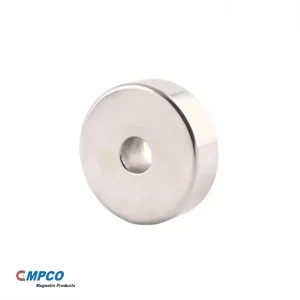
Voice coil motors used in cameras, smartphones, and storage devices require highly precise magnetic fields. Interfacing ultra-thin magnesium brackets with sintered NdFeB ring magnets prevents weight penalties while preserving sub-micron accuracy.
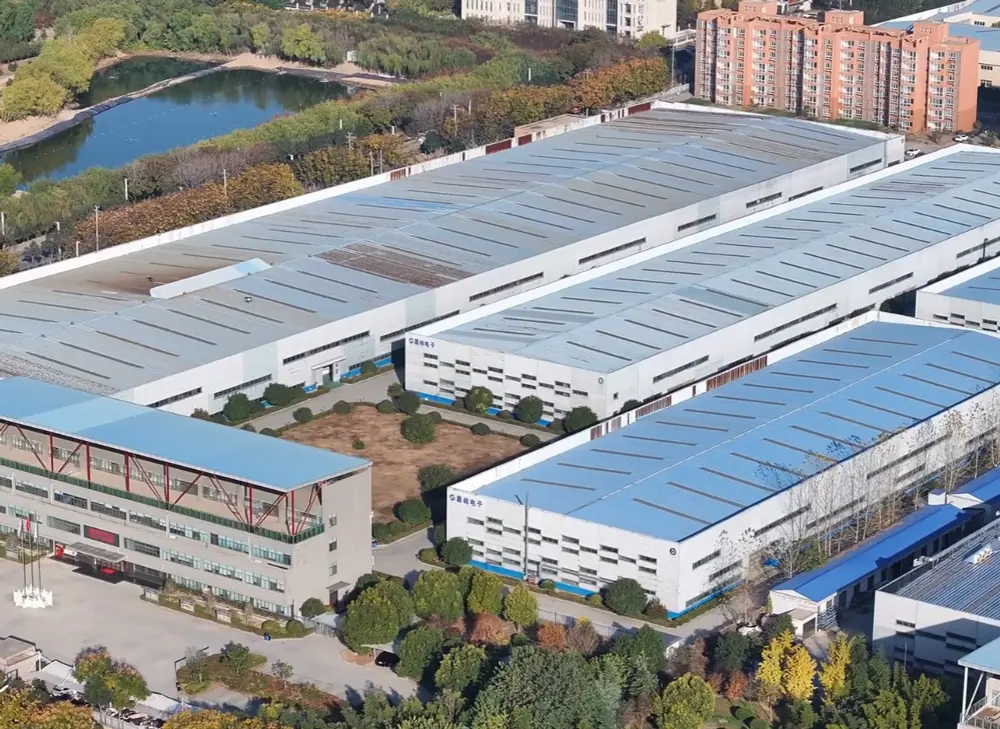
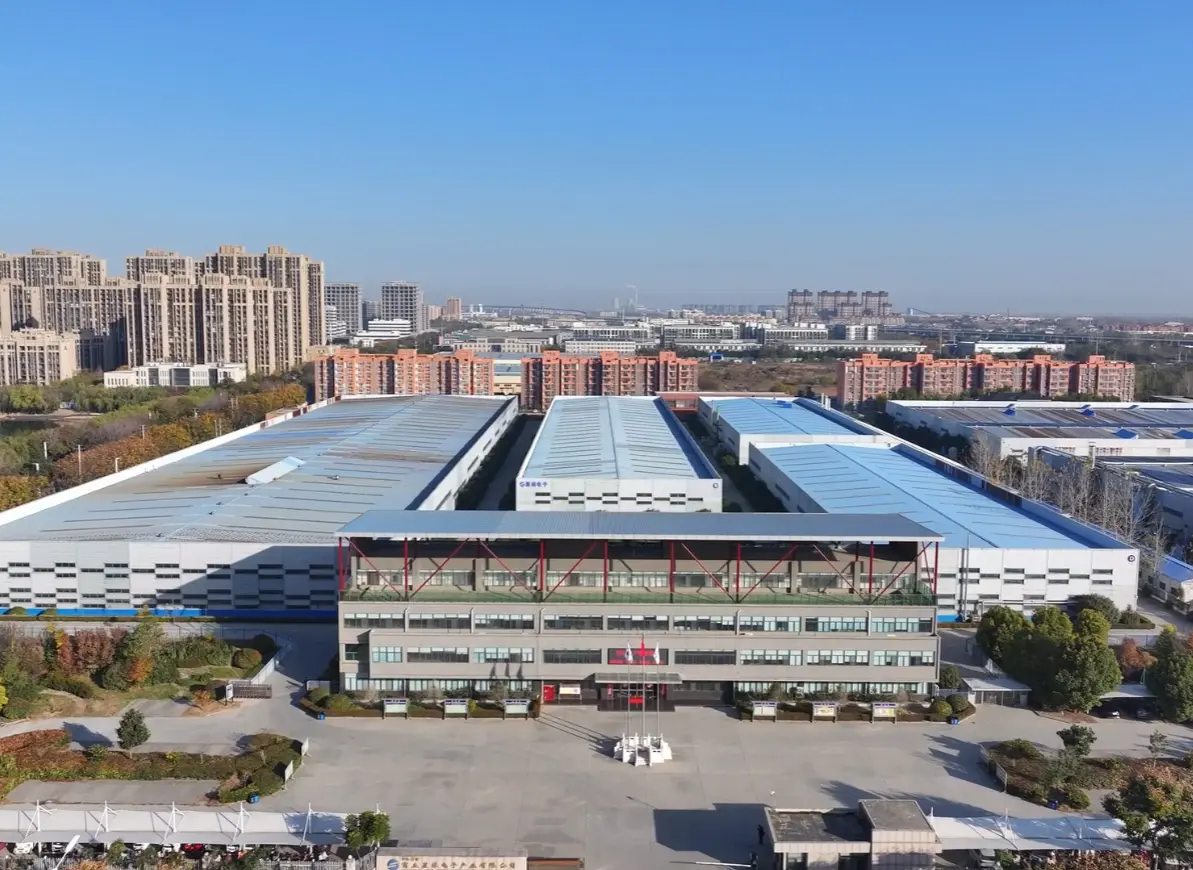
Procuring raw rare earth magnets and specialized alloys requires verified manufacturers that control the value chain from mining to precision machining. Zhejiang Laysun Magnetics Ltd. manages this via an optimized 100k sqm production facility in Suining, Sichuan.
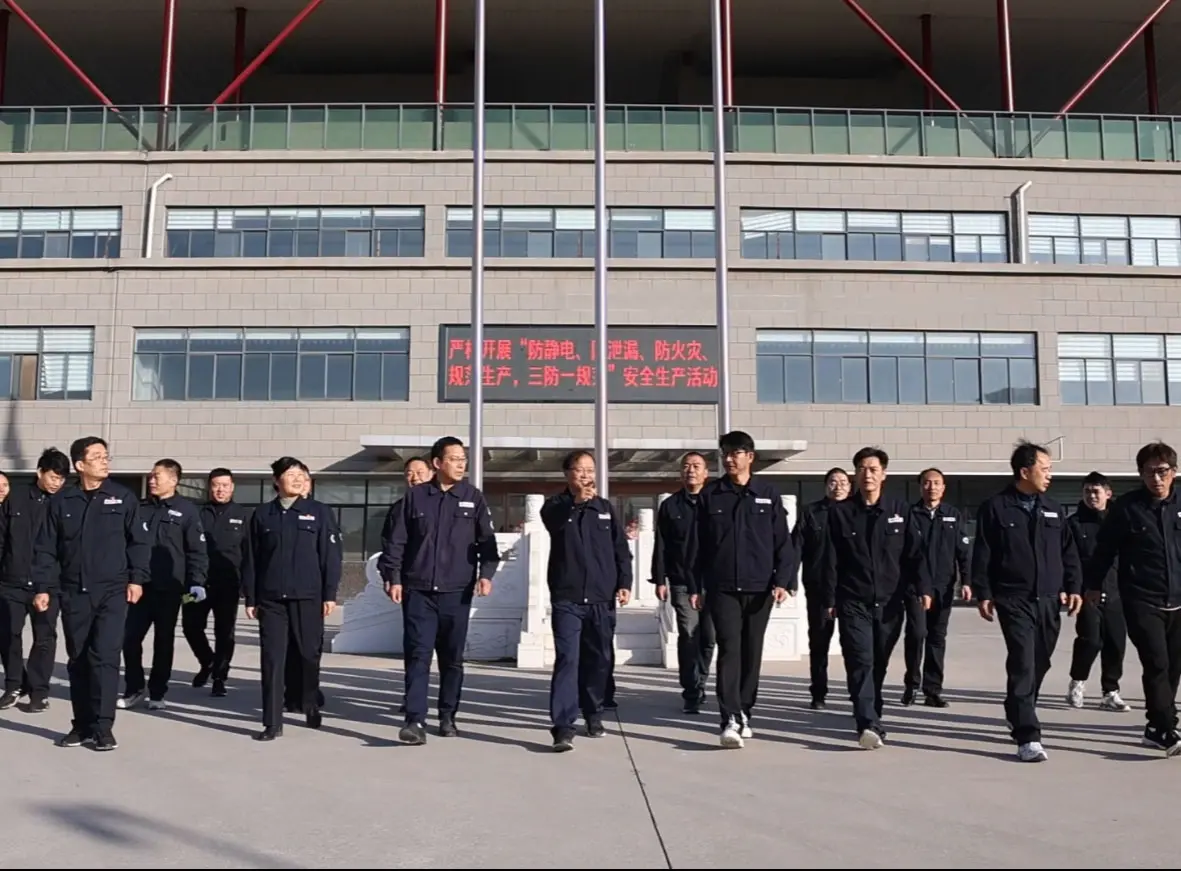
Zhejiang Laysun Magnetics Ltd., established in 1999, stands as an industry leader in manufacturing advanced rare earth magnets. Through the integration of smart factory protocols, our facility in Sichuan ensures a consistent output of 5,000 tons of rare earth magnets annually.
Our commitment to Quality, Credibility, Technology, and Innovation is demonstrated by our rigorous testing standards. In high-performance applications where magnesium structures and NdFeB magnets interact, chemical and magnetic consistency is critical. Our plant deploys advanced vacuum sintering ovens, multi-wire slicing machines, and automatic plating lines to control tolerances down to ±0.01mm.
This allows us to deliver high-quality, durable magnetic solutions to electric vehicle, industrial motor, aerospace, and consumer electronics brands globally.
Understanding where magnesium structures and high-force neodymium magnetic elements interface across modern manufacturing.
Integrating high-performance NdFeB magnets with magnesium alloy frames reduces the mass of robotic arms and drone assemblies, decreasing power consumption and increasing payload efficiency.
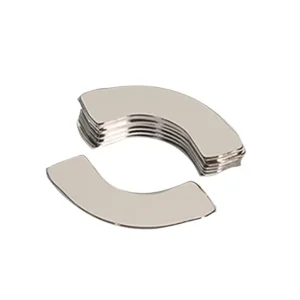
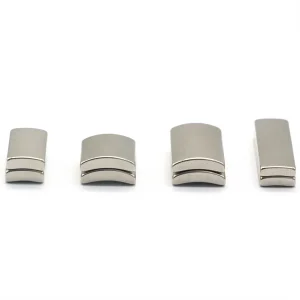
Wind turbines and high-power generators use sintered NdFeB arc segment magnets. When these segments are mounted on lightweight alloys, it improves rotational efficiency and heat dissipation.
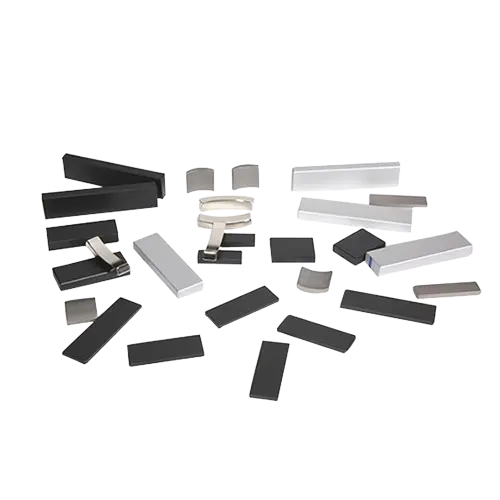
MagSafe-compatible arrays, smart rings, and voice coil actuators in smartphones require magnets with specialized plating (Ni-Cu-Ni or Epoxy) to prevent galvanic corrosion when in contact with magnesium chassis.
We adhere to strict international engineering protocols to support high-end automotive, aerospace, and medical device supply chains.
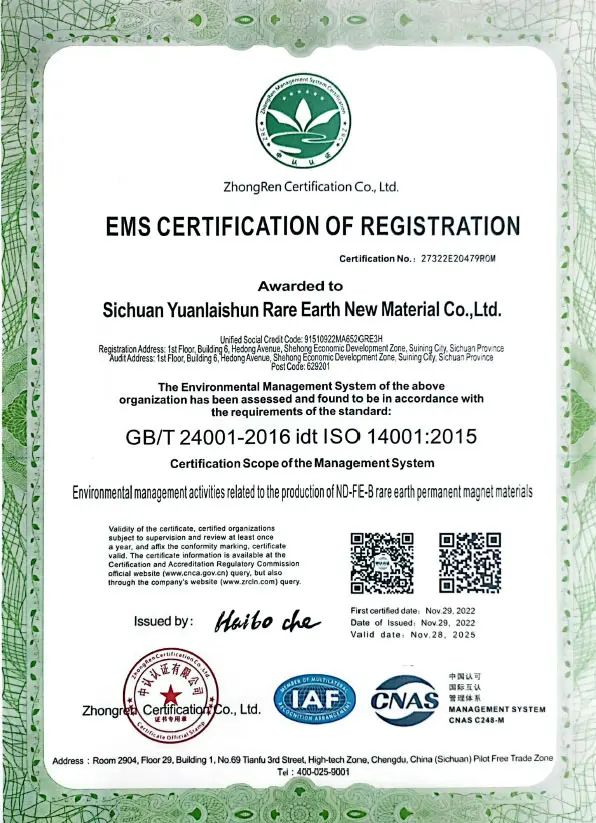
ISO9001 Quality System
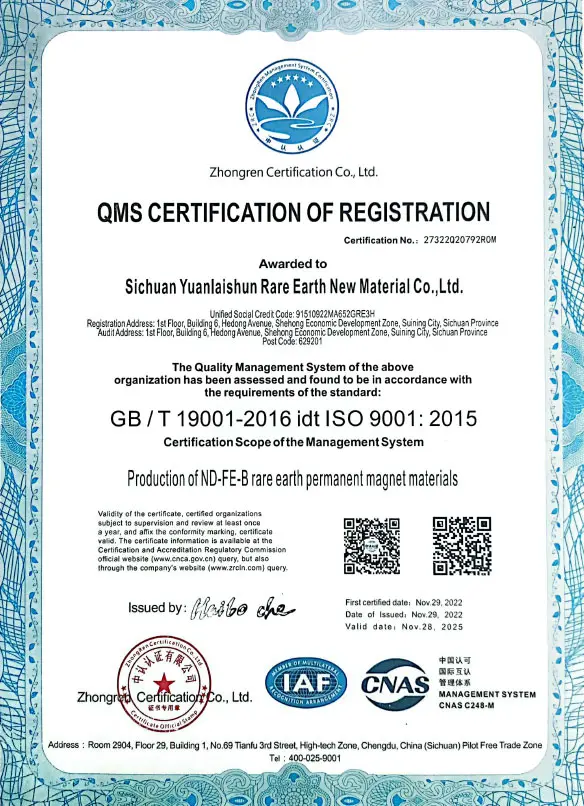
CE Certified Compliance
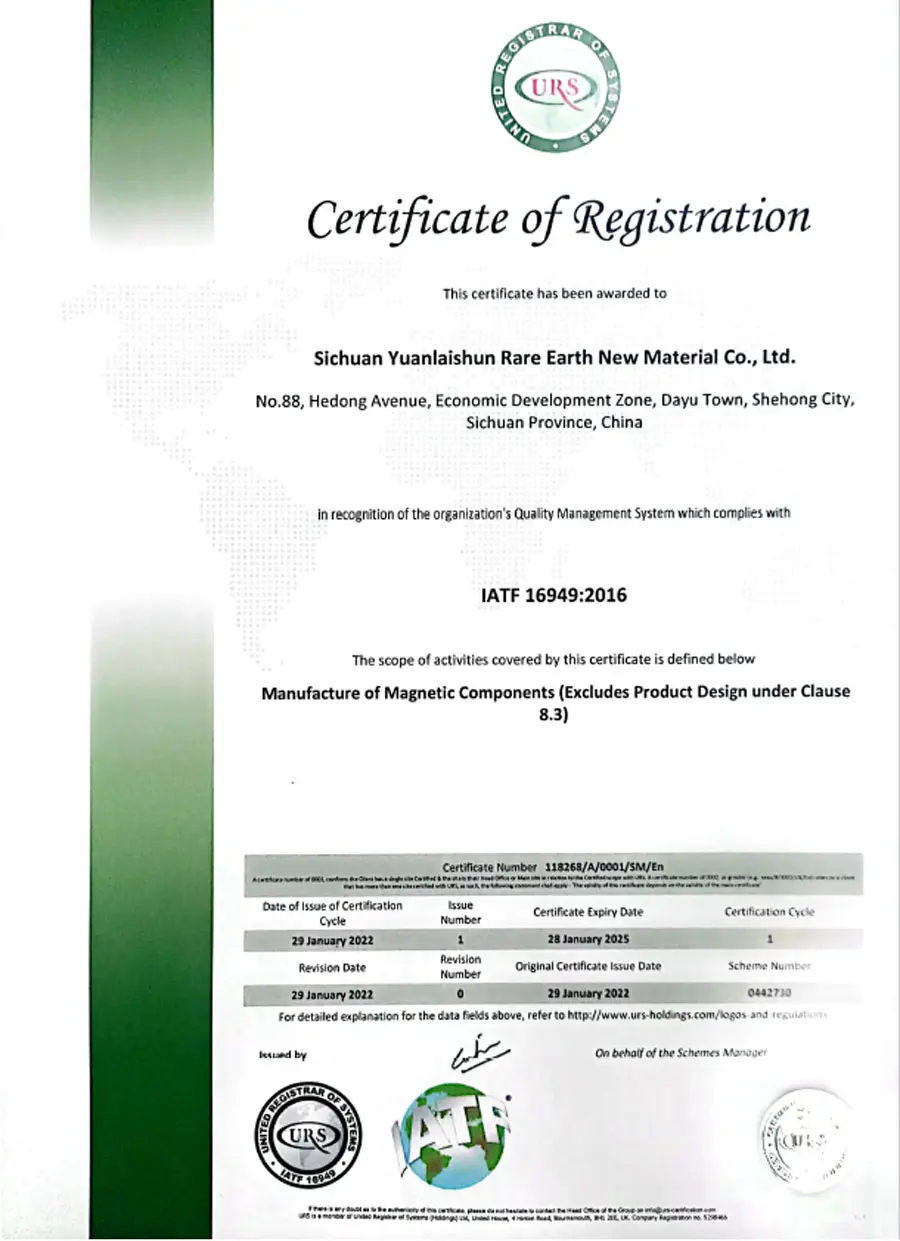
ISO14001 Environmental Management
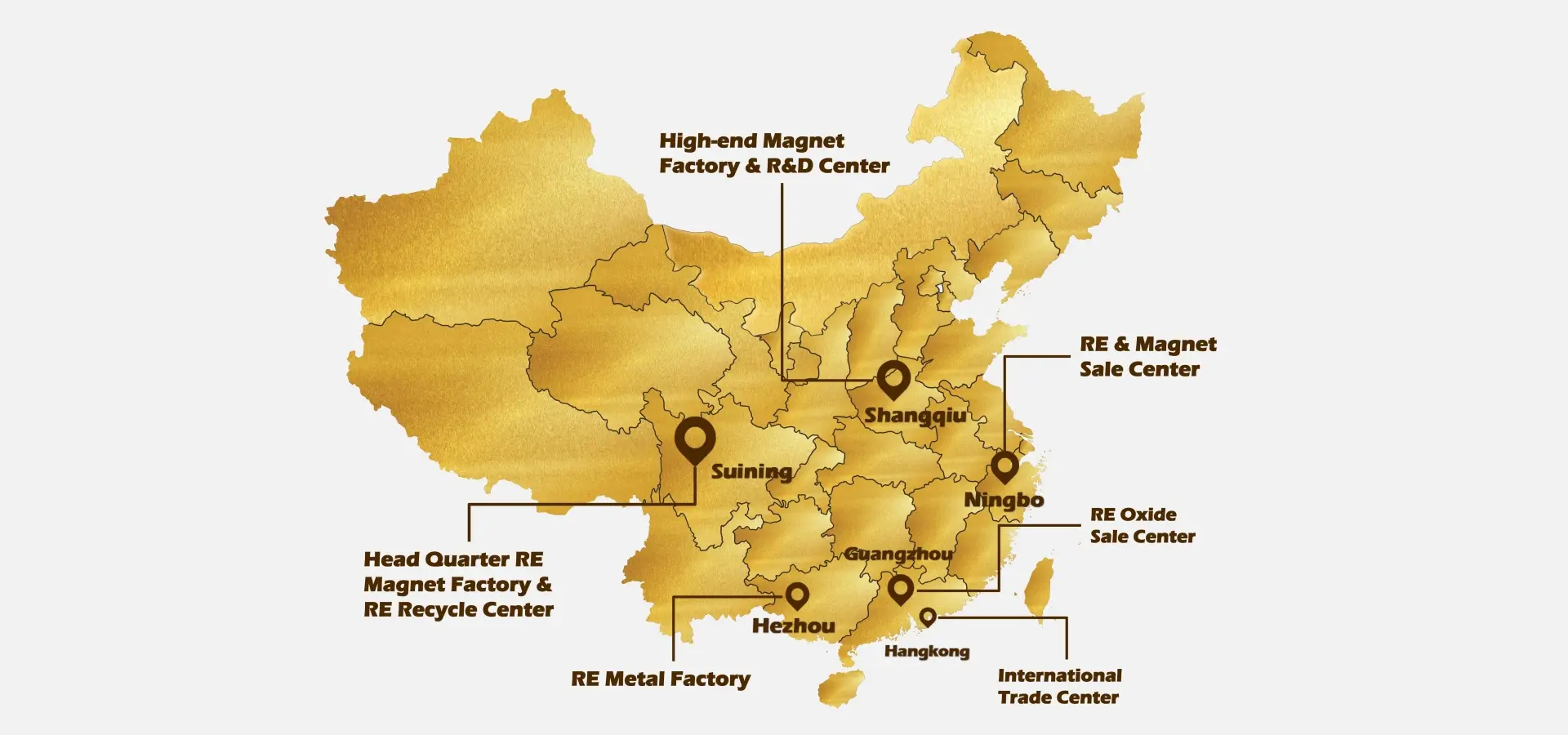
Headquartered in Hangzhou, China, Zhejiang Laysun Magnetics Ltd. is expanding its global footprint to support customers in North America, Europe, and Asia-Pacific.
In-depth responses to common engineering questions regarding magnesium magnetic properties, rare earth alloys, and assembly designs.
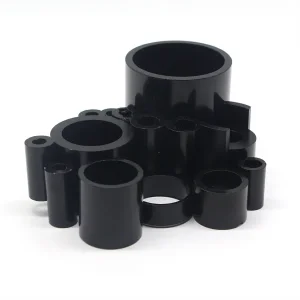
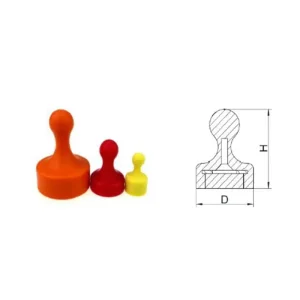
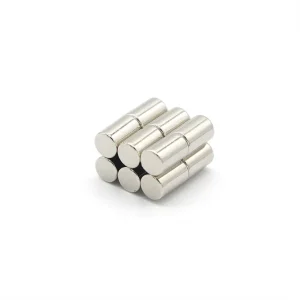
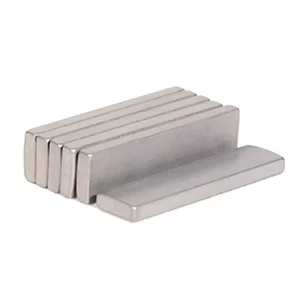
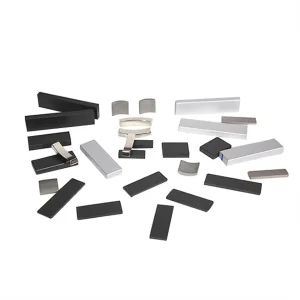
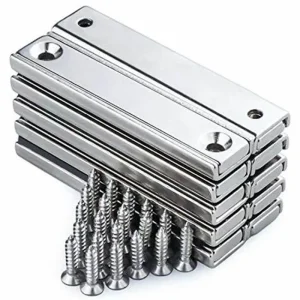
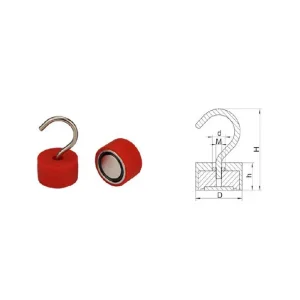
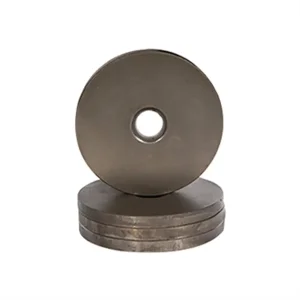
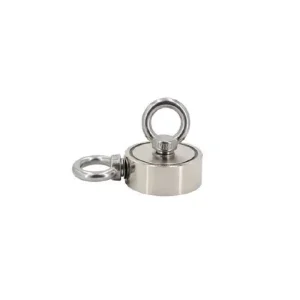
Review our catalog of high-coercivity blocks, rings, discs, and customizable pot assemblies ready for global distribution.
 Laysun Magnetics