Sintered Neodymium-Iron-Boron (NdFeB) rare earth permanent magnets represent the pinnacle of modern magnetic force density, enabling key breakthroughs in electric vehicles (EVs), industrial automation, wind turbines, and miniaturized consumer electronics. However, the metallurgical reality of NdFeB materials presents a significant engineering hurdle: high susceptibility to atmospheric and electrochemical corrosion.
NdFeB possesses a multi-phase microstructure consisting of magnetic Nd2Fe14B grains surrounded by a highly reactive, Nd-rich grain boundary phase. When exposed to humid air, acid, salt spray, or cyclic temperatures, the Nd-rich phase undergoes rapid oxidation, leading to intergranular corrosion. This degradation pathway causes mechanical cracking, loss of magnetic coercivity, and eventually, total component failure.
Information Gain Insight: While typical electroplated options (such as Ni-Cu-Ni or zinc) offer basic barrier shielding, they are vulnerable to microscopic pinholes and thermal expansion mismatch. Titanium Nitride (TiN) deposited via Physical Vapor Deposition (PVD) forms an exceptionally dense, atomically bonded ceramic matrix. With a microhardness of up to 2500 HV and an chemically inert composition, TiN effectively seals the reactive NdFeB substrate from galvanic and atmospheric oxidation, raising performance parameters to unprecedented levels.
As a globally recognized OEM Titanium Nitride Corrosion Resistance Exporter, Zhejiang Laysun Magnetics Ltd. has designed advanced coating architectures that merge the high-flux properties of sintered NdFeB with the high-reliability properties of TiN thin films. This whitepaper details our industrial methodologies, pricing matrix, and systemic integration plans for international procurers.
Developing resilient coatings for rare earth magnets requires a deep understanding of deposition thermodynamics. Laysun Magnetics operates a structured R&D roadmap aimed at optimizing film density, minimizing thermal stress, and improving interface adhesion.
Our deposition sequence relies on advanced reactive magnetron sputtering under vacuum. The NdFeB substrate is first subject to high-energy Argon ion bombardment to strip away any surface oxide layer at an atomic level. A gradient buffer layer of pure Titanium (Ti) is then deposited, serving as a stress-relieving compliant layer. Nitrogen gas (N2) is subsequently introduced, causing reactive deposition of the stoichiometric, golden-colored Titanium Nitride (TiN) phase.
Developing sub-micron multi-layered coatings (Ti/TiN/AlTiN) to interrupt columnar grain growth, blocking pathways for oxygen infiltration.
Applying target bias controls and RF plasma cleaning to reach ASTM class 5B mechanical adhesion scores, avoiding risk of peeling under friction.
Transitioning from wet chemical electroplating to zero-discharge PVD dry coating, aligning with international environmental mandates.
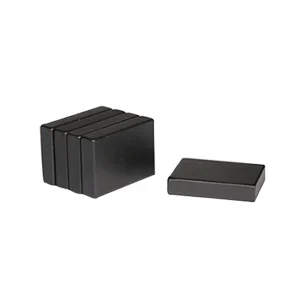
By adjusting the flow rate of nitrogen, our engineers can control the stoichiometry of TiNx, optimizing both the optical aesthetic (true gold finish) and the internal stress state of the film. Future phases of our roadmap aim to incorporate Atomic Layer Deposition (ALD) for high-aspect ratio internal diameters and deep cavities, ensuring 100% conformal coverage for custom geometry block and arc magnets.
| Coating Profile | Avg. Thickness (µm) | Microhardness (HV) | Max Operating Temp (°C) | SST Rust Resistance (Hrs) | Biocompatibility Status |
|---|---|---|---|---|---|
| PVD Titanium Nitride (TiN) | 2.0 - 5.0 | 2200 - 2500 | 500°C | 500 - 1000 | Highly Biocompatible (ISO 10993) |
| Conventional Ni-Cu-Ni | 15.0 - 25.0 | 400 - 550 | 220°C | 48 - 96 | Non-Biocompatible (Nickel Allergen) |
| Epoxy Coating | 10.0 - 30.0 | N/A (Soft) | 150°C | 240 - 500 | Variable (Organic Compounds) |
| Zinc (Zn) Plating | 5.0 - 12.0 | 100 - 150 | 120°C | 24 - 72 | Not Approved |
Different operating environments subject rare earth magnets to distinct mechanical and electrochemical stresses. Our OEM Titanium Nitride coated solutions are engineered to solve specific failure modes across major global industry sectors.
In EV traction motors and Electronic Power Steering (EPS) units, magnets encounter high thermal spikes, continuous vibration, and potential exposure to moisture and oil mist. Traditional plating layers are susceptible to micro-cracking due to mismatched coefficients of thermal expansion (CTE). Our OEM TiN barrier layer matches the thermal stability requirements of high-coercivity NdFeB, ensuring zero peeling and maintaining magnetic flux stability under continuous operation up to 240°C.
High-speed drone motors and collaborative robot joints operate in varying outdoor conditions, including coastal salt air and industrial chemical fumes. The high hardness of TiN protects magnets from mechanical abrasion caused by airborne particulates, while its chemical inertness prevents galvanic corrosion when in direct contact with structural aluminum or steel housings.
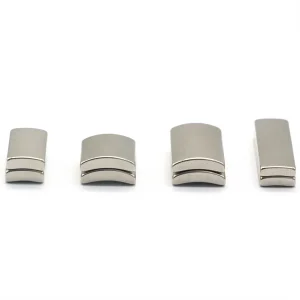
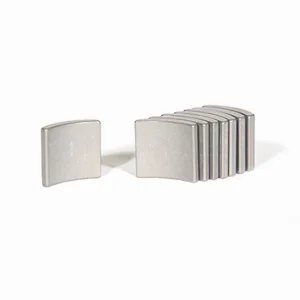
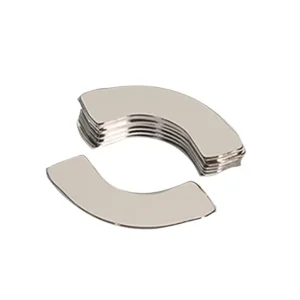
Wind turbine rotators operate in highly humid, inaccessible marine offshore environments where maintenance cycles are costly. Standard NiCuNi fails quickly under salt-spray conditions. Sintered NdFeB arc segments treated with our advanced TiN formulation resist moisture penetration and surface degradation, guaranteeing a 20-year operational life without magnetic degradation.
Many medical sensors and surgical tools require high-strength magnetic fields but must be biocompatible and autoclavable. Raw NdFeB or nickel-coated magnets are toxic to human tissue. Because Titanium Nitride is bio-inert, non-toxic, and highly resistant to autoclaving cycle corrosion, it acts as a reliable protective layer for medical-grade magnetic assemblies.
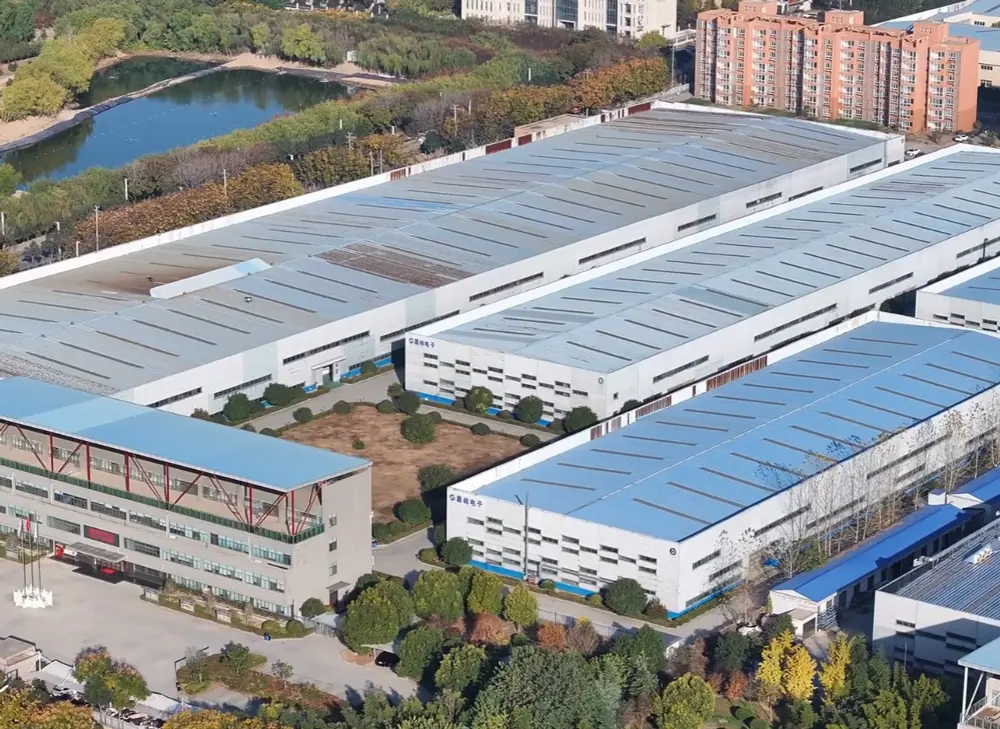
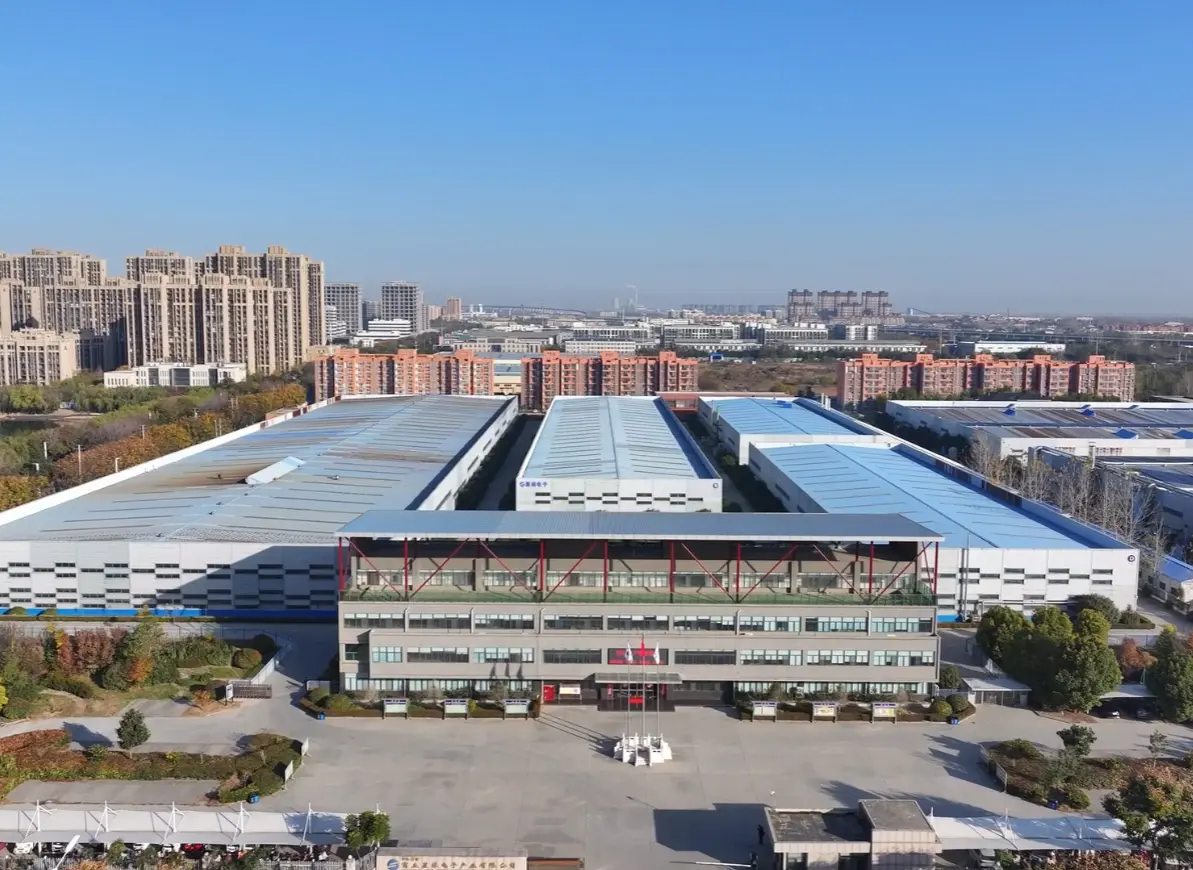
At Zhejiang Laysun Magnetics Ltd., we address supply chain vulnerabilities by integrating the entire production cycle under one operational umbrella. Strategically headquartered in Hangzhou, with our primary 100,000 m² advanced manufacturing facility located in Suining, Sichuan, we occupy a direct link to the regional raw rare-earth material extraction pipelines of China.
This physical proximity translates to a resilient supply chain, shielding global OEMs from raw oxide price fluctuations and export delays. Our factory features fully automated vacuum induction melting furnaces, inert-gas jet mills, isostatic presses, and computerized multi-chamber PVD sputtering lines.
Operating with a staff of over 300 experienced professionals, our facility produces 5,000 tons of rare earth magnets annually. This massive production scale ensures that whether you require custom prototypes or millions of pieces for automated assembly lines, Laysun Magnetics can maintain a stable production rhythm and on-time shipments.
International sourcing managers require clear, structured pricing guidelines and technical accountability to manage total cost of ownership (TCO). A common mistake in purchasing is prioritizing raw unit cost over longevity. Low-cost nickel coatings often lead to premature field failure, generating massive warranty claims that dwarf the initial coating premium.
At Laysun Magnetics, we offer transparent pricing structures based on specific physical and chemical metrics rather than volatile flat rates. Our Titanium Nitride Corrosion Resistance Pricelist is calculated based on the following key cost drivers:
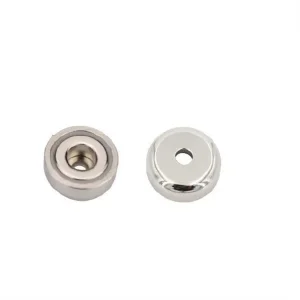
Complex designs (e.g., countersunk rings, thin-wall arc segments) require precise planetary fixturing in the vacuum chamber, modifying batch capacity and cost.
Standard anti-corrosion layers are 2-3 µm. Extreme marine environments require 4-5 µm deposition runs, increasing cycles and gas/target consumption.
High-volume continuous runs minimize vacuum chamber cycling times. This allows us to offer significant unit discounts for large scale OEM annual orders.
Pricelist Inquiry Notice: To receive our current PDF Pricelist and custom quotation, please contact our global export desk. We respond within 24 hours with a comprehensive breakdown of costs, lead times, and free sample options for validation testing.
A reliable exporter must offer more than just a quality product; they must guarantee full regulatory compliance and seamless localization logistics. Laysun Magnetics complies with all major global industry directives, making integration into North American, European, and Asia-Pacific manufacturing ecosystems straightforward.
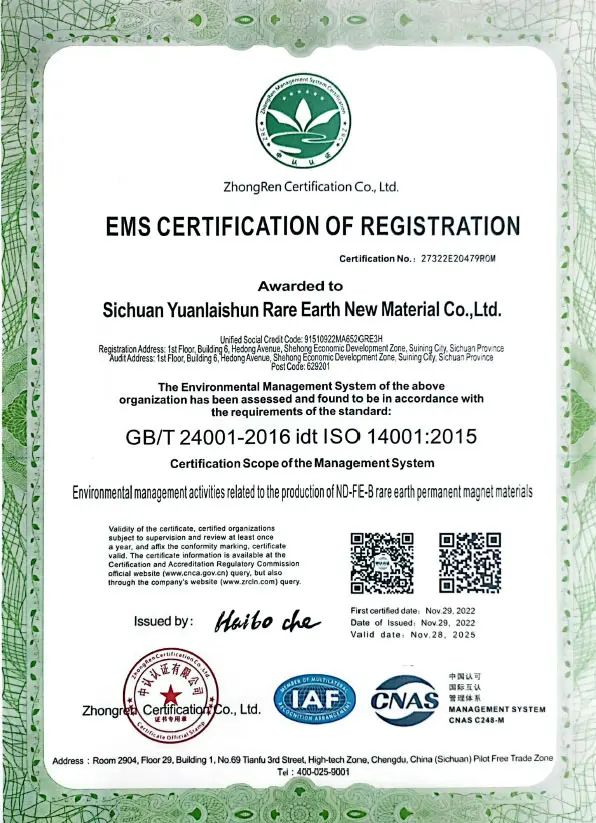
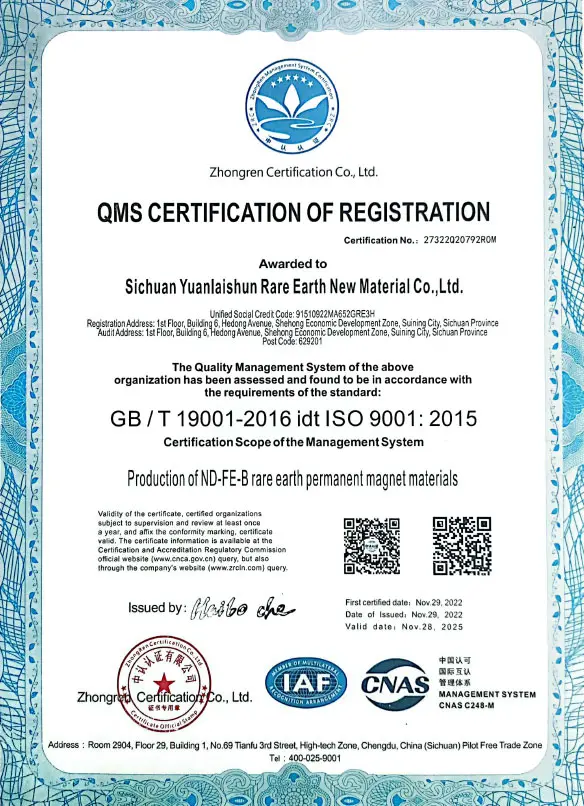
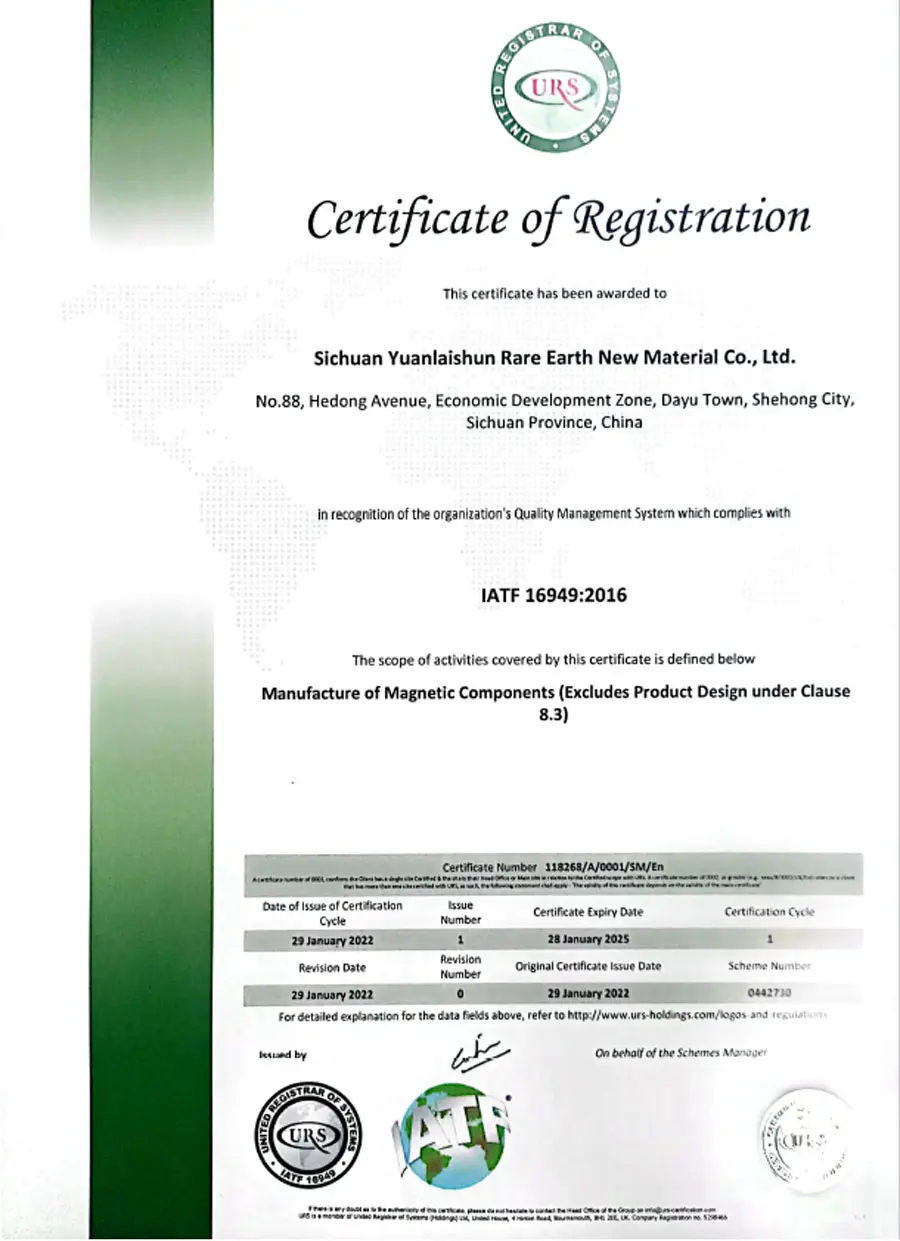
All of our rare earth magnets and protective coatings are fully RoHS and REACH compliant, free from hazardous heavy metals, and designed to meet circular economy requirements. Furthermore, we maintain active quality management system certifications to back up our engineering claims:
We adhere strictly to international manufacturing regulations, holding key certifications including: API 6D, API 607, CE, ISO9001, ISO14001, ISO18001, and TS16949. These certifications ensure that each batch of TiN-coated magnets is traceably sourced and tested for magnetic and surface integrity before dispatch.
To assist our global partners, Laysun Magnetics has established specialized support hubs and partnerships in Europe and North America. We provide multi-modal transport options—including air freight for critical prototypes and cost-efficient sea freight for volume production—complete with customs clearance support.
 Laysun Magnetics