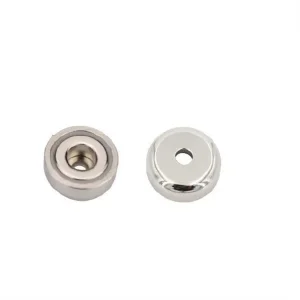
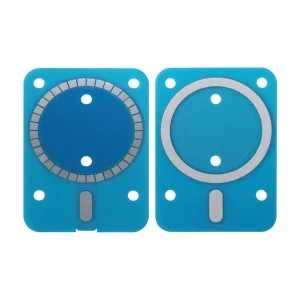
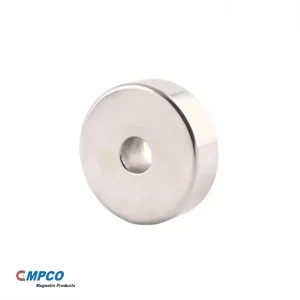
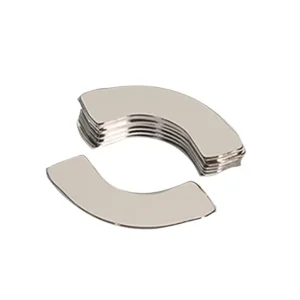
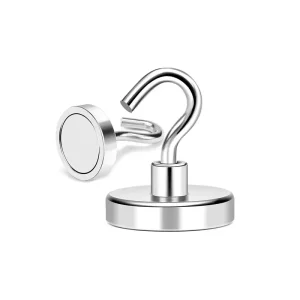
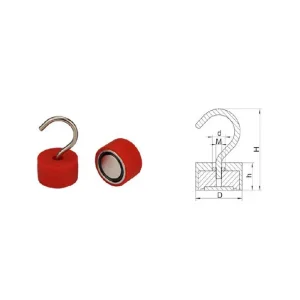
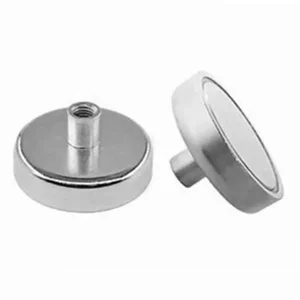
Explore our premium grade NdFeB assemblies, pot magnets, and custom configuration rings engineered for heavy-duty industrial and commercial operations.
Analyzing global demand, micro-metallurgy breakthroughs, and supply chain logistics for modern manufacturing organizations.
Over 80% of global rare earth processing is localized, making supply chain resilience a priority for European and North American OEMs. Partnering with vertically integrated factories ensures raw material priority access and price hedging capabilities.
Grain Boundary Diffusion (GBD) technology allows manufacturers to optimize Dysprosium (Dy) and Terbium (Tb) placement within NdFeB crystalline matrixes, lowering material costs while maintaining superior thermal stability up to 240°C.
The transition toward traceably sourced oxides is no longer optional. Compliance with REACH, RoHS, and TSCA frameworks is critical for seamless customs clearance and modern enterprise risk management.
Since 1999, spearheading high-tech permanent magnet innovations with scalable manufacturing and stringent quality controls.
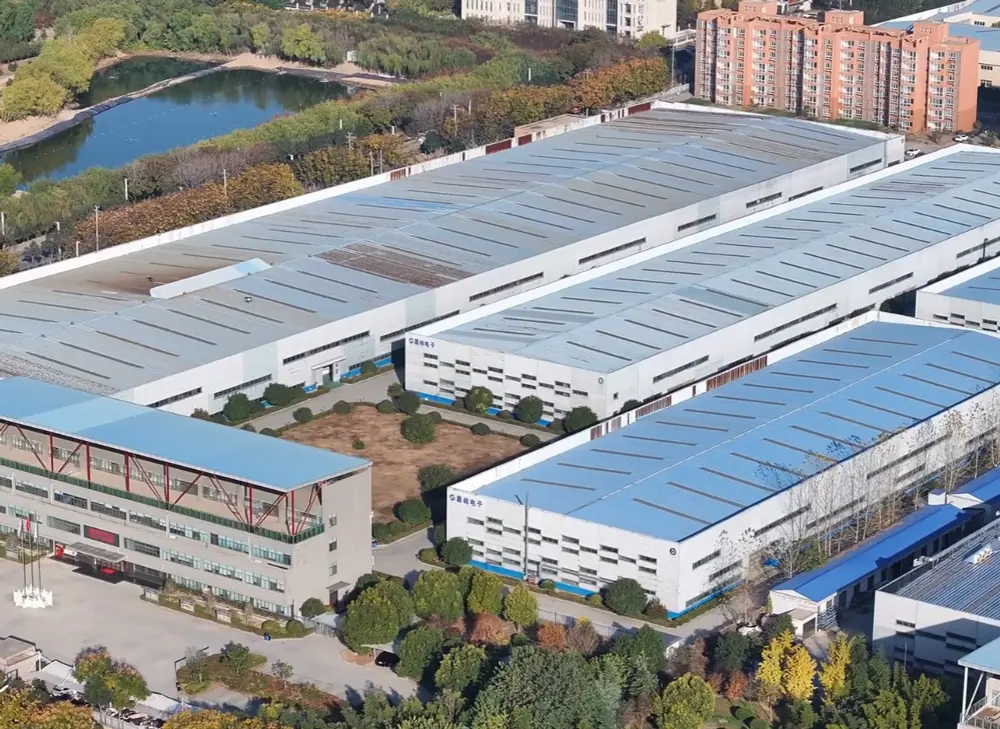
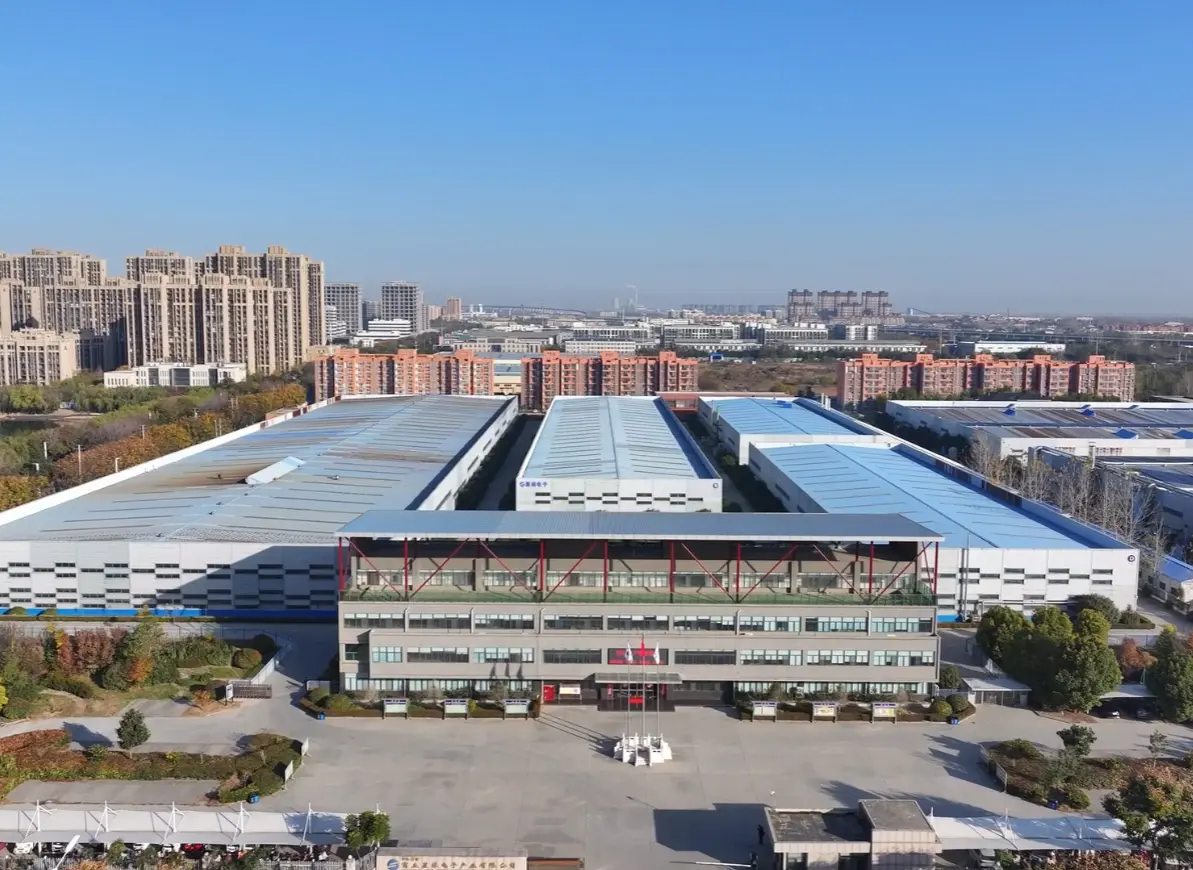
We specialize in complex geometries and challenging environmental applications. Whether our customers require customized high-energy products like N52, high coercive force materials such as UH, EH, or AH grades, or specialized thermal-coefficient magnets for space and aerospace deployment, our metallurgists tailor structural lattice structures to withstand high demagnetizing fields.
| Material Class | Remanence (Br) / kG | Intrinsic Coercivity (Hcj) / kOe | Max Energy Product (BH)max / MGOe | Max Operating Temp (°C) |
|---|---|---|---|---|
| NdFeB N52 | 14.3 - 14.8 | ≥ 11 | 50 - 53 | 80 |
| NdFeB 48SH | 13.7 - 14.3 | ≥ 20 | 45 - 48 | 150 |
| NdFeB 42UH | 12.8 - 13.3 | ≥ 25 | 40 - 43 | 180 |
| NdFeB 38EH | 12.2 - 12.6 | ≥ 30 | 36 - 39 | 200 |
| NdFeB 33AH | 11.3 - 11.7 | ≥ 35 | 31 - 34 | 240 |
Ensuring compliance, chemical consistency, and mechanical reliability through multi-tier testing and verification.
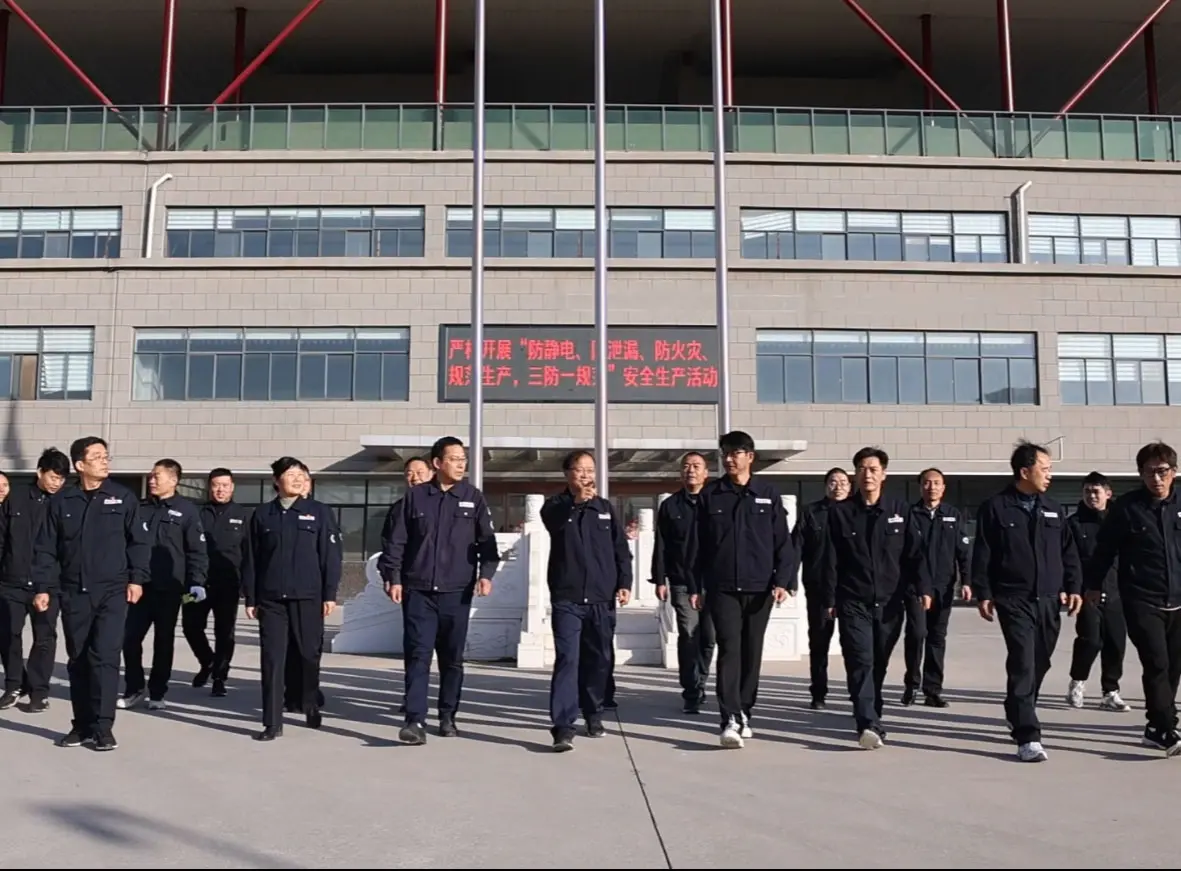
Sintered NdFeB magnets are highly reactive to oxygen and moisture. The key to our reputation as a top-tier OEM factory lies in our closed-loop environmental controls during compaction and sintering. Using multi-stage CNC wire slicing and double-disk grinding, we hold dimensional tolerances down to +/-0.01mm.
Our plating lines offer diverse coating options for hostile environments:
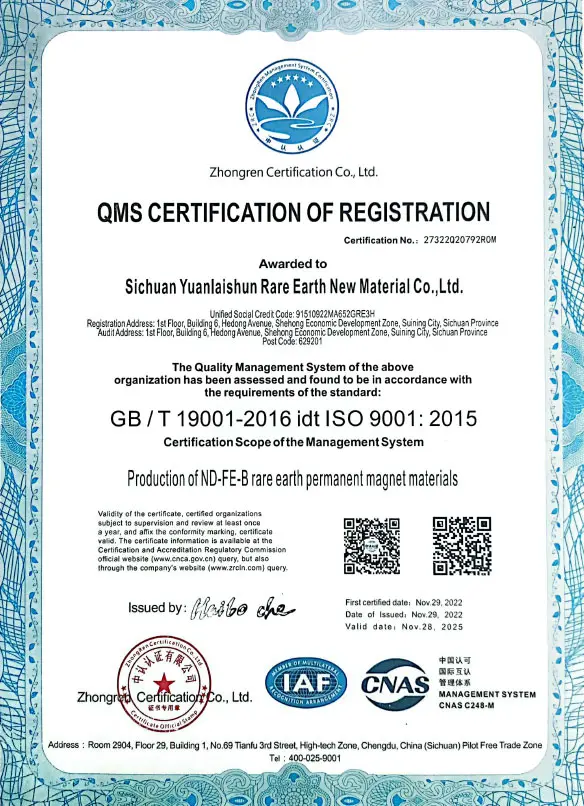
We support automotive, medical, and high-reliability aerospace components through adherence to global certification requirements, including ISO9001, ISO14001, and API standards.
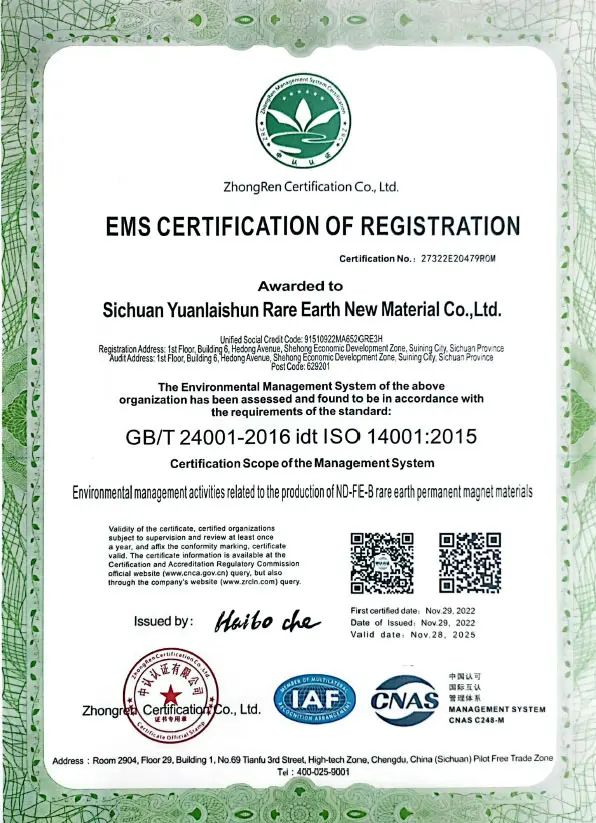 ISO 9001:2015
 ISO 14001:2015
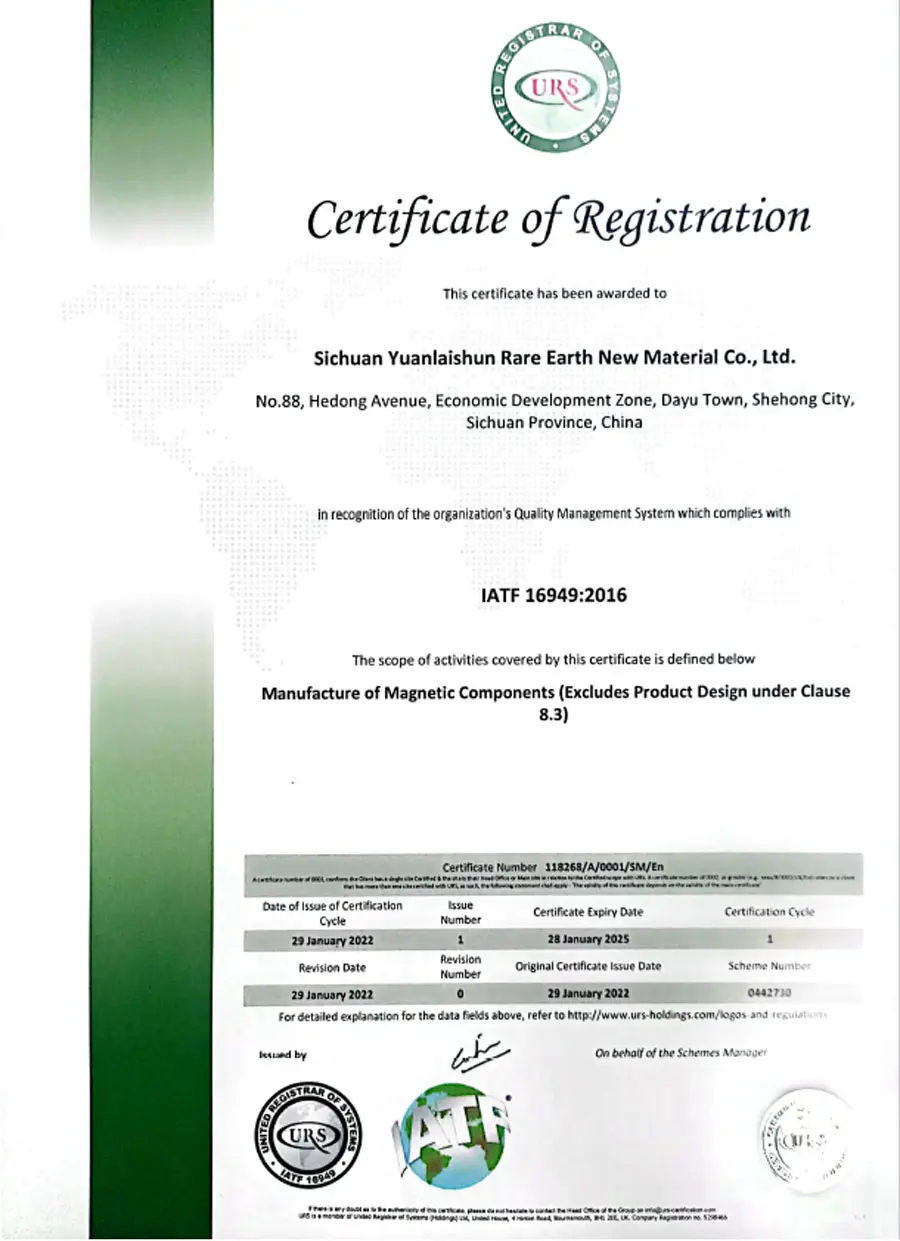 TS / IATF 16949
Providing specialized mechanical solutions across high-growth industries that demand ultra-reliable magnetic coupling.



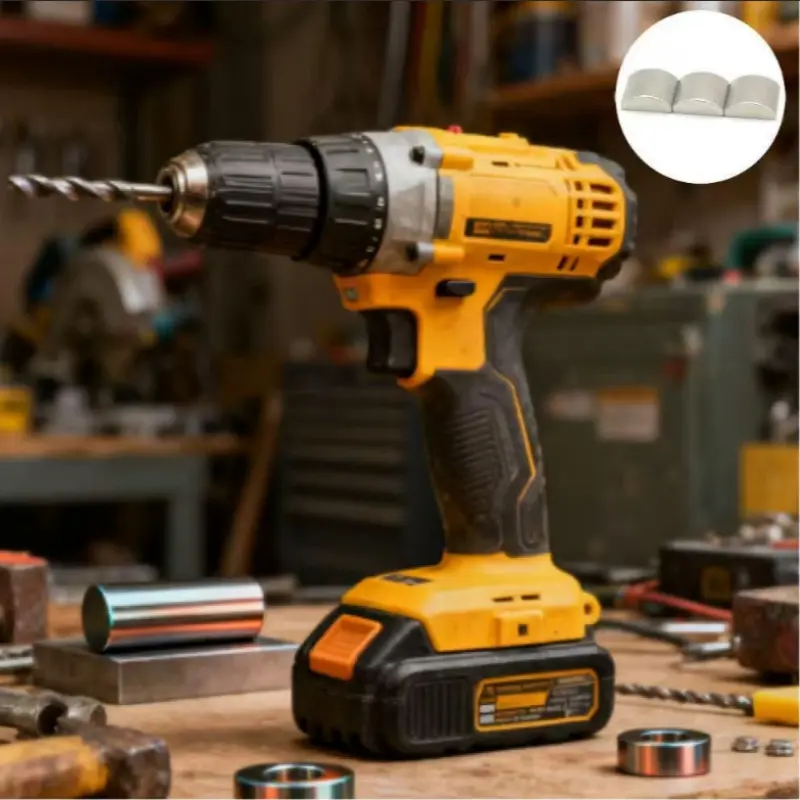

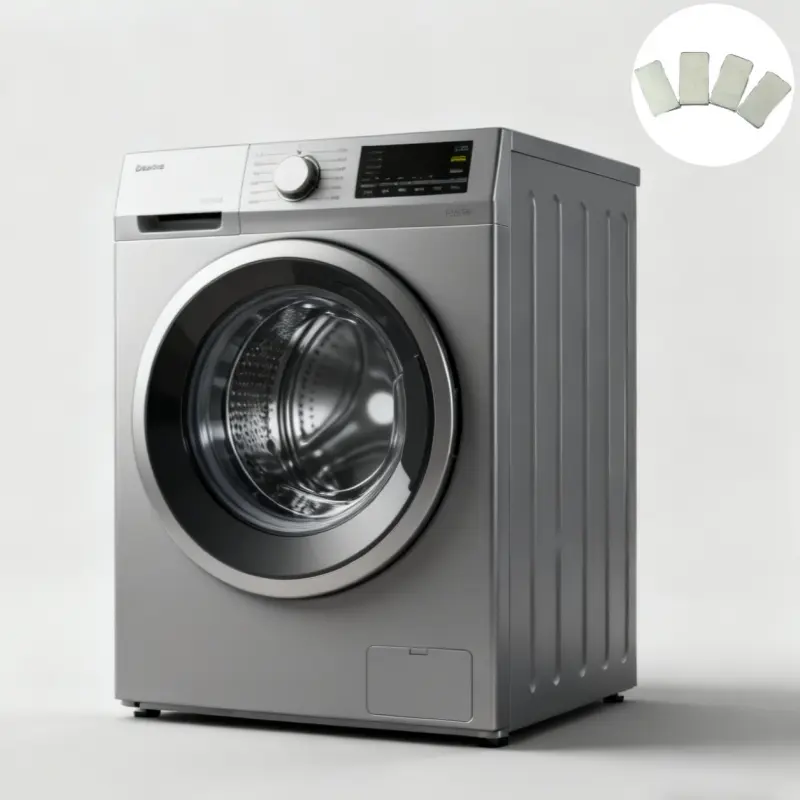
Get in touch with our engineering team today to receive a complete metallurgical analysis and price estimation within 24 hours.
Laysun R&D efforts focused on reducing heavy rare earth reliance, closed-loop recycling, and advanced coatings.
By optimizing microstructural grain orientation, we are actively developing high-coercivity magnets (SH and UH grades) that do not require heavy rare earth elements like Dysprosium and Terbium. This significantly insulates customers from raw material price shocks.
Our upcoming recycling processing pathway will allow our OEM partners to return used permanent magnets back to our Suining metallurgy facility for refinement into certified-grade raw material, drastically reducing corporate carbon footprints.
Combining the high magnetization of iron-cobalt matrices with the stability of neodymium structures to push maximum energy density limits beyond 55 MGOe, supporting next-gen drone and electric aerospace drivetrains.
Why Tier-1 industrial buyers and systems integrators choose Zhejiang Laysun Magnetics.
For global OEMs, procuring magnetic materials goes beyond technical specifications—it requires supply chain reliability, ESG compliance, and clear documentation. With our 5,000-ton annual output, Zhejiang Laysun Magnetics ensures production scale and stability, insulating customers from supply disruptions.
Compliant with candidate list substances of very high concern (SVHC).
Free of Lead, Cadmium, Hexavalent Chromium, and flame retardants.
Guaranteed tin, tantalum, tungsten, and gold sourced only from conflict-free smelters.
Answers to critical engineering and logistical questions asked by global procurement professionals.
Sintered NdFeB magnets are manufactured by melting raw materials under vacuum, casting into strip shape, milling to micro-size powder, aligning in magnetic fields, and then compressing/sintering. They offer the highest energy densities (up to 52 MGOe). Bonded magnets are made by blending magnet powders with polymers (epoxy or nylon), allowing them to be injection molded into complex shapes, but they have lower energy densities (5 to 15 MGOe).
Standard Neodymium magnets start losing strength at 80°C. For high-temperature applications, we substitute Neodymium with Dysprosium (Dy) or Terbium (Tb), which increases the intrinsic coercivity (Hcj). Our M, H, SH, UH, EH, and AH grades are designed to operate at temperatures up to 240°C without irreversible magnetic loss.
Utilizing high-precision CNC slicing, centerless grinding, and double-sided lapping, we routinely hold dimensional tolerances to ±0.05mm, with custom capacity to reach ±0.01mm for high-precision voice coil motor (VCM) and sensor applications.
Grain Boundary Diffusion is a post-sintering process where heavy rare earths (Dy/Tb) are diffused along the grain boundaries of the magnet rather than blended throughout the matrix. This method places the expensive Dy/Tb exactly where it is needed to resist demagnetization, reducing material cost while preserving remanence (Br) and increasing thermal resistance.
We perform systematic chemical analyses on all raw material inputs and finished coatings. Third-party testing certification reports (SGS) are provided with all production shipments, guaranteeing full compliance with RoHS and REACH requirements.
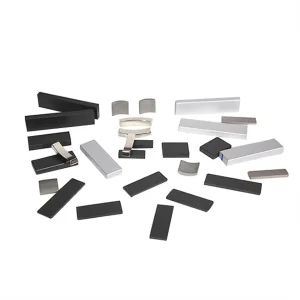
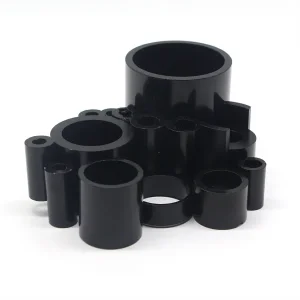
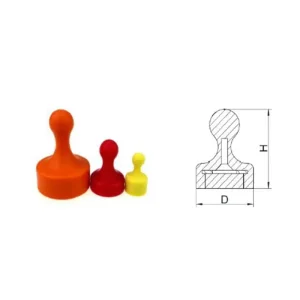
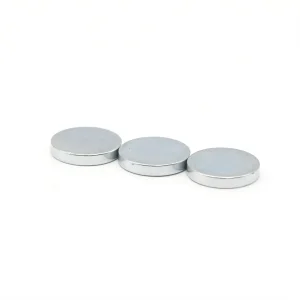
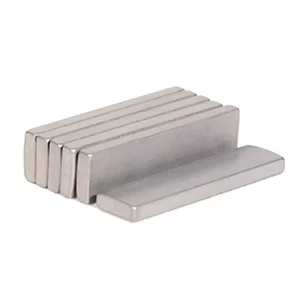
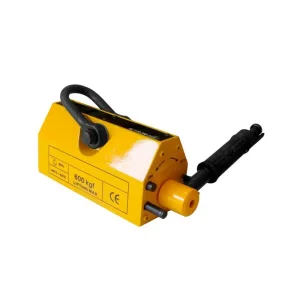
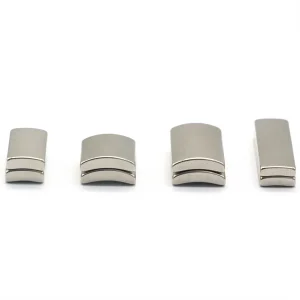
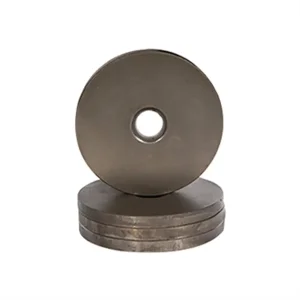
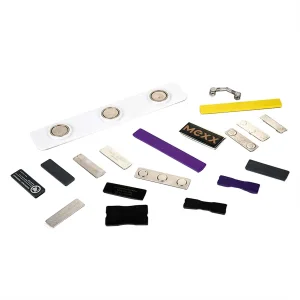
Explore our industrial-grade blocks, rings, segment arcs, and lifting equipment designed to handle high mechanical stresses.
 Laysun Magnetics