Explore our high-performance magnet products engineered for precision manufacturing, automotive architectures, and harsh industrial environments.
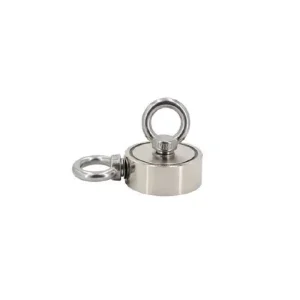
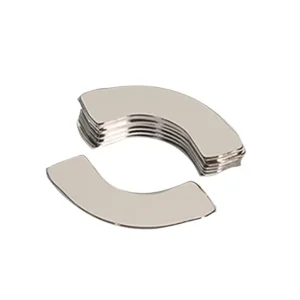
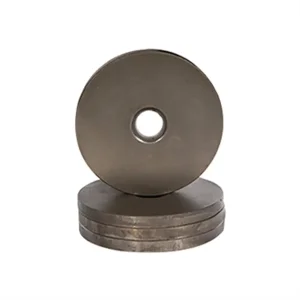
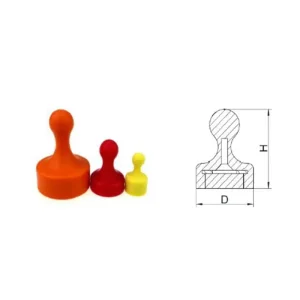
Maraging steels (a portmanteau of "martensitic" and "aging") are iron-nickel alloys recognized for their ultra-high strength, exceptional toughness, and resistance to crack propagation. Primarily utilized in aerospace, defense, and high-speed rotary engineering—such as containment rings and rotor shafts housing NdFeB magnets—these steels leverage intermetallic precipitates (like Ni3Mo, Ni3Ti, and Fe2Mo) rather than carbon content to achieve yield strengths exceeding 2400 MPa.
Engineering Insight: While maraging steels exhibit superior fracture toughness compared to traditional carbon steels at equivalent hardness levels, their lack of significant chromium content makes them susceptible to oxidation and stress corrosion cracking (SCC) in humid, saline, or acidic environments. Effectively mitigating this vulnerability is critical when maraging steel acts as a structural envelope for high-energy permanent magnets.
Unlike stainless steels that spontaneously form a passive, chromium-rich oxide film (Cr2O3), standard maraging steels (typically grades 250, 300, and 350) contain less than 0.5% chromium. In humid or marine air, they form loose iron oxides that do not prevent deep moisture penetration. To resolve this, OEM manufacturers use custom-engineered surface coatings, vacuum heat-treatments, and galvanic isolation to protect high-stress assemblies from premature fatigue and environmental failure.
Delivering high-tech manufacturing capacity and global supply capabilities for critical magnetic assemblies since 1999.
In modern high-speed electric motors, generators, and kinetic energy storage flywheels, permanent magnets (NdFeB) are typically mounted directly to high-RPM rotor shafts. At high rotational velocities, centrifugal forces threaten to detach the brittle sintered magnets. Engineers resolve this by wrapping the magnetic assembly in a thin, high-yield maraging steel containment sleeve.
This design creates a major engineering challenge: Galvanic Corrosion. Sintered NdFeB magnets contain a highly reactive, neodymium-rich grain boundary phase. When placed in physical contact with a maraging steel sleeve in a damp environment, a galvanic cell is established. The magnet acts as a highly reactive anode, while the maraging steel acts as a cathode, accelerating the degradation of both components.
Watch our manufacturing processes and learn how we test our materials to ensure they meet international quality standards.
A direct comparison of standard industrial coatings used to enhance the corrosion resistance of high-strength maraging steels and permanent magnets.
| Coating / Treatment Type | Typical Thickness (μm) | Salt Spray Test Resistance (ASTM B117) | Primary Industrial Application | Key Limitation |
|---|---|---|---|---|
| Multi-Layer Nickel (Ni-Cu-Ni) | 15 – 25 | Up to 96 Hours | Industrial Motors & General Automation | Conductive; risks eddy current heating |
| Epoxy Resin Coating | 12 – 30 | Over 240 Hours | Marine Environments & Automotive Rotors | Reduced heat dissipation capacity |
| Cadmium / Zinc-Nickel Plating | 8 – 15 | Over 500 Hours | Aerospace & High-stress Structural Shells | Subject to environmental regulations (RoHS) |
| Vacuum PVD Aluminum | 3 – 8 | Up to 120 Hours | High-precision Aerospace & Thin-wall Rotors | Relatively high production equipment cost |
| Chemical Passivation | N/A (Conversion) | 24 Hours | Temporary storage & pre-assembly protection | Not suitable as a standalone barrier coating |
A National High-Tech Leader in Advanced Rare Earth Magnetics and Precision Assemblies
Founded at the turn of the millennium in 1999, Zhejiang Laysun Magnetics Ltd. has evolved from a visionary startup into a global industry leader. Our state-of-the-art manufacturing facility, covering 100,000 square meters in Suining, Sichuan, is equipped with advanced automated production lines. Our team of 300 employees produces 5,000 tons of high-performance rare earth NdFeB magnets and complex magnetic assemblies annually.
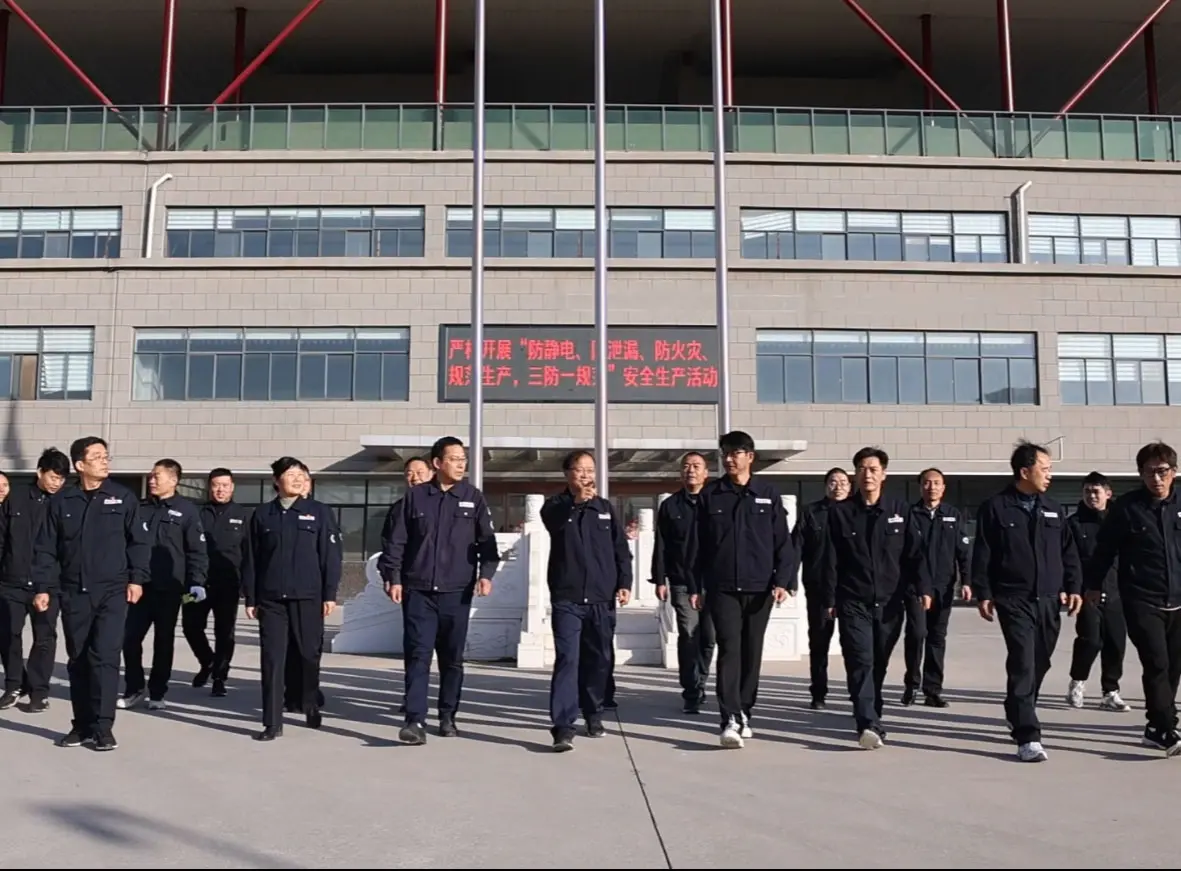
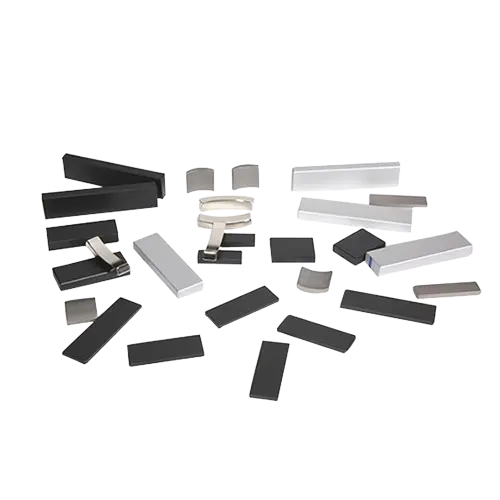
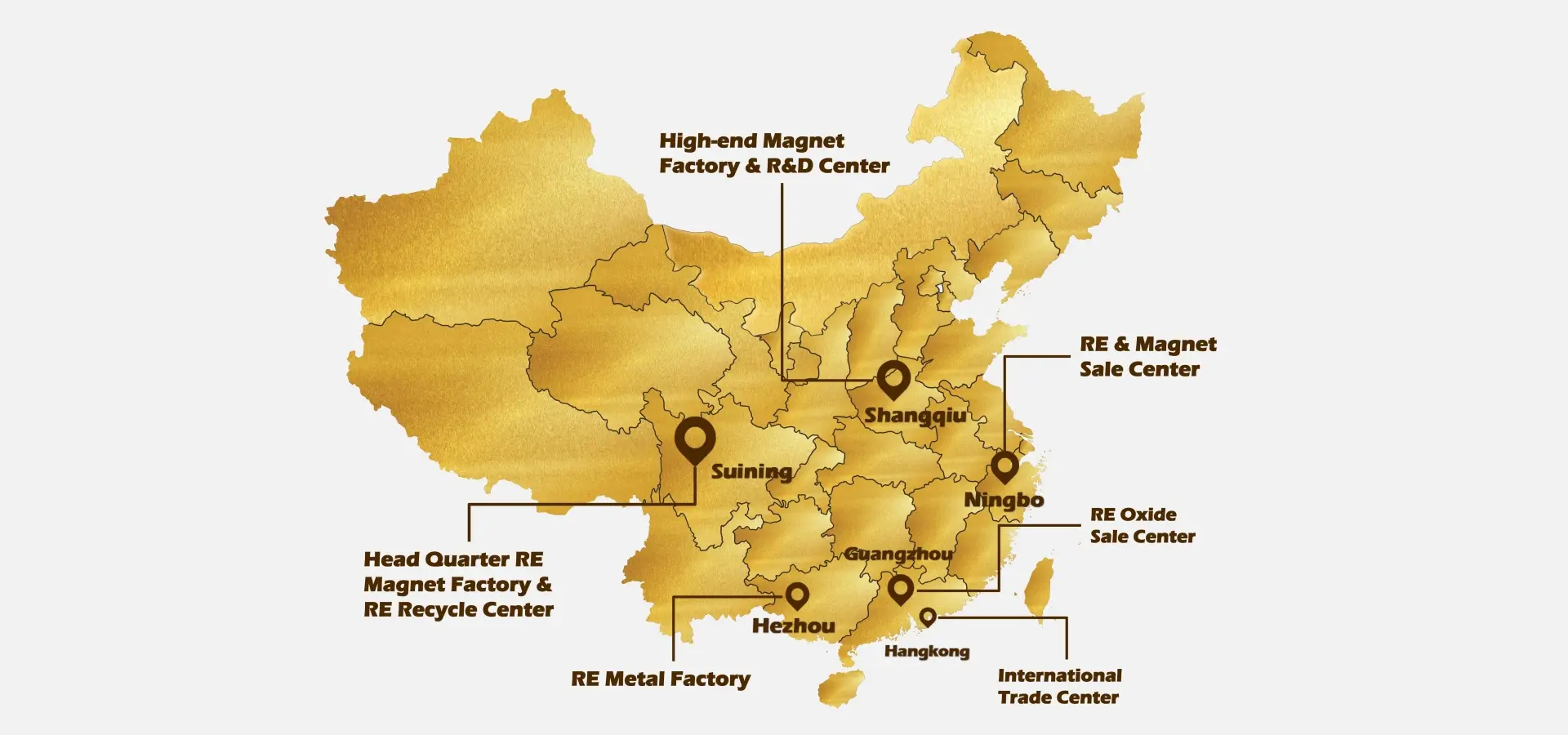
Our operations focus on research, development, production, and sales of high-grade rare earth magnets, magnetic systems, and custom structural assemblies. We supply critical components to sectors like electric vehicles (EVs), industrial automation, computers, consumer electronics, and wind power generation.
Our business is built on four core values: Quality, Credibility, Technology, and Innovation. We are committed to technological advancement and exploring new capabilities for rare earth magnetics and protective coatings, ensuring our products perform reliably in high-stress, corrosive, and elevated-temperature environments.
How our custom-manufactured assemblies perform in harsh industrial environments worldwide.
We provide ultra-lightweight structural casings and precision magnets for robotic joints and high-RPM drone motors that resist corrosion from outdoor exposure and high humidity.
Our NdFeB motor magnets and drive shafts are designed to withstand high thermal loads and salt spray, ensuring long-term reliability in automotive propulsion and EPS systems.
Our robust magnetic structures protect handheld tools and industrial equipment from impact, chemical contamination, and moisture-induced electrical failure.
Sintered NdFeB arc segments for offshore wind turbine generators are designed for longevity, resisting marine atmospheres and reducing long-term maintenance costs.
Micro-magnetic actuators, sensors, and structural assemblies are designed for stable, repeatable performance in tight consumer electronics enclosures.
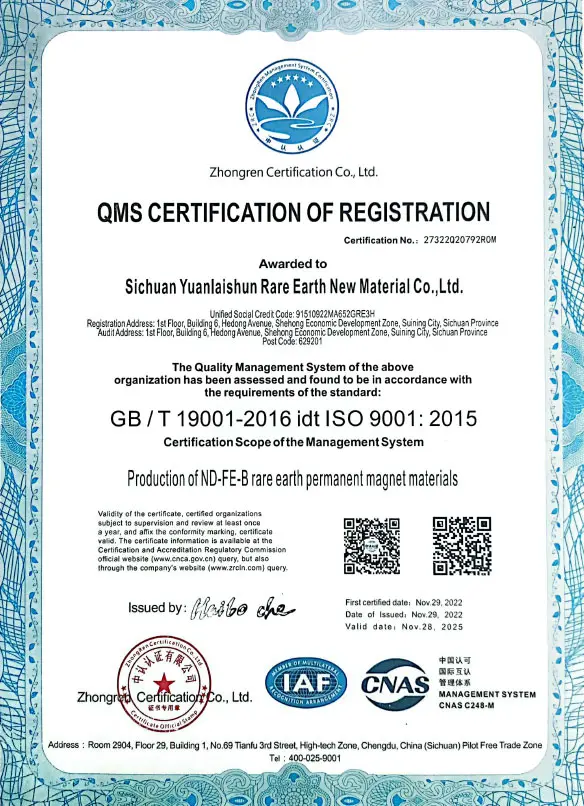
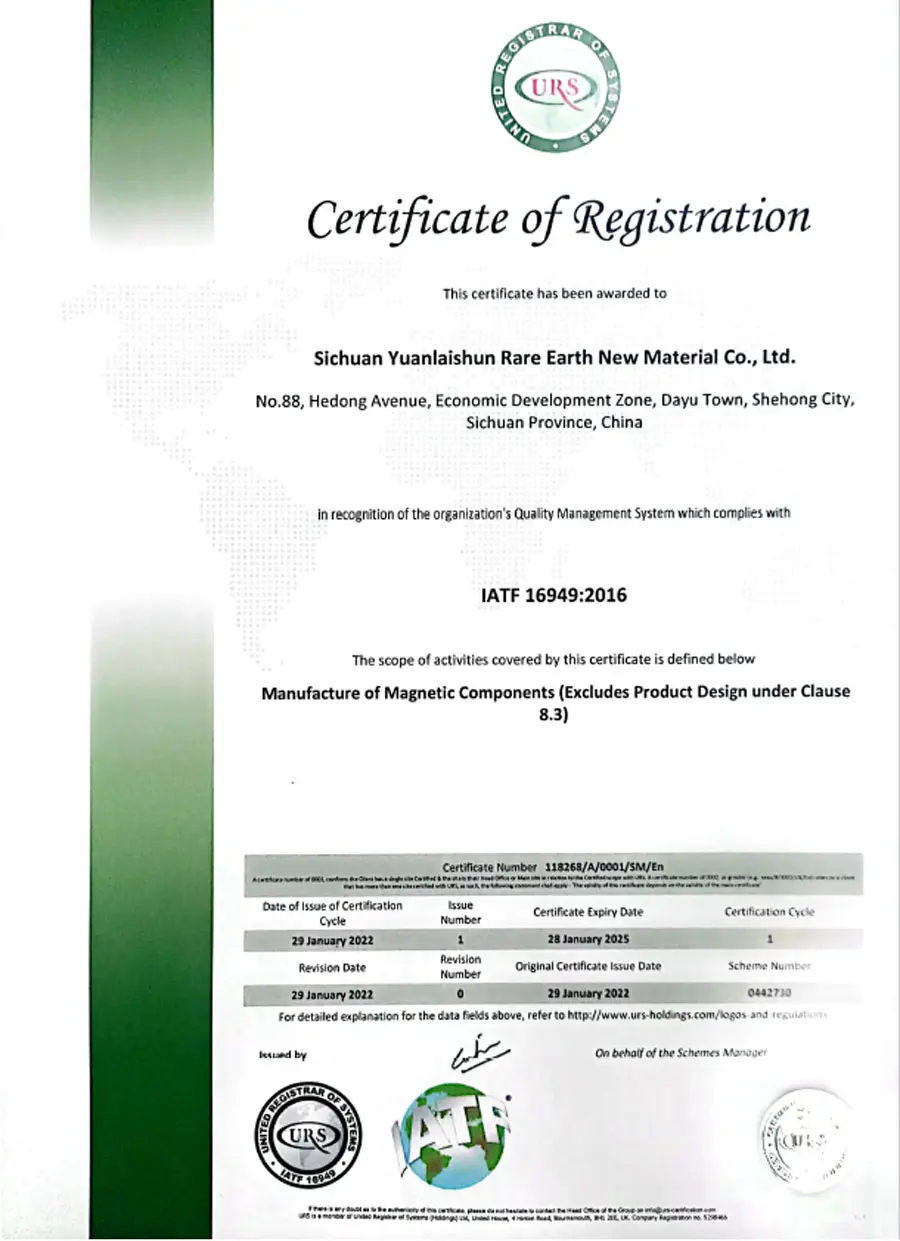
We maintain certified production quality to meet international safety and performance specifications.
At Zhejiang Laysun Magnetics Ltd., we maintain rigorous quality controls at every stage of production, from raw material processing to final product testing. Our testing laboratories carry out salt spray testing (SST), Highly Accelerated Temperature and Humidity Stress Testing (HAST), and non-destructive testing (NDT) to ensure all components meet structural and environmental requirements.
Our Certified Standards Include: API 6D, API 607, CE, ISO9001, ISO14001, ISO18001, and IATF 16949.
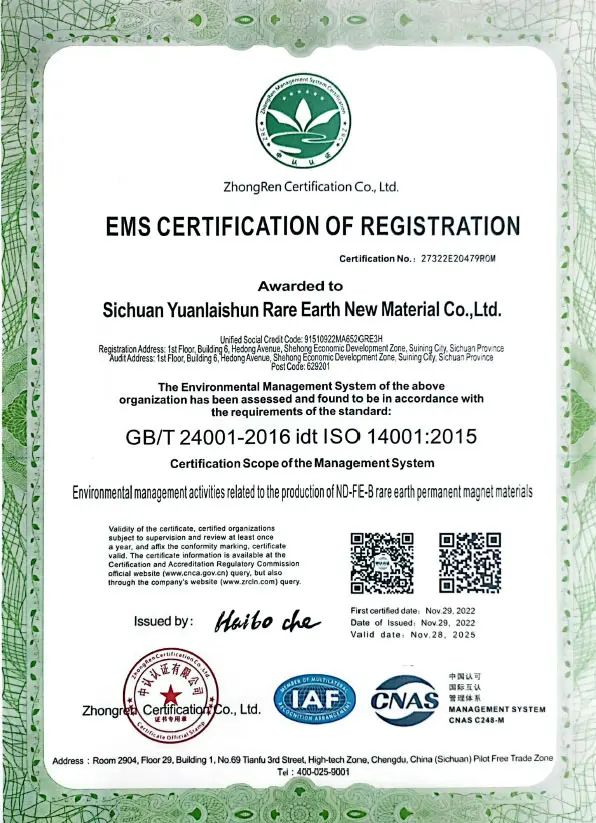
To improve the corrosion resistance of high-strength structural steels without sacrificing their mechanical properties, research focuses on two main areas: alloy composition modifications and advanced surface engineering.
Alloy Modifications: Traditional maraging steels are carbon-free iron-nickel alloys. Researchers are exploring the addition of small amounts of chromium (up to 3-5%) and cobalt to increase rust resistance. However, these additions must be carefully balanced to avoid forming brittle intermetallic phases that reduce fracture toughness.
Surface Treatments: New coating techniques like High-Velocity Oxygen Fuel (HVOF) thermal spraying, ion implantation, and atomic layer deposition (ALD) are being developed. These methods create thin, protective barriers that shield the structural steel from moisture and aggressive chemicals, extending the operational life of high-performance components in marine and chemical processing applications.
Answers to common engineering questions regarding material selection, galvanic protection, and custom manufacturing quotes.
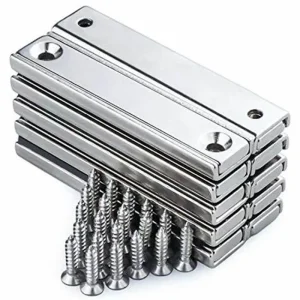
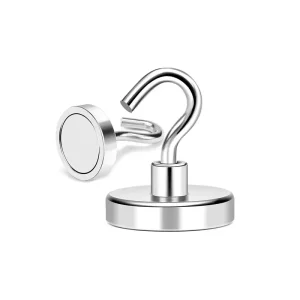
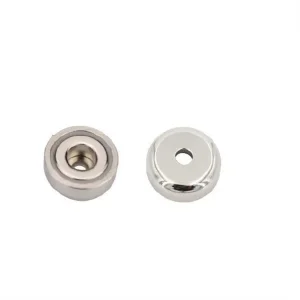
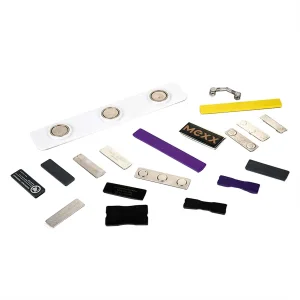
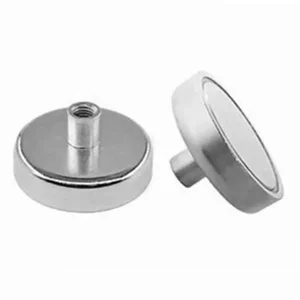
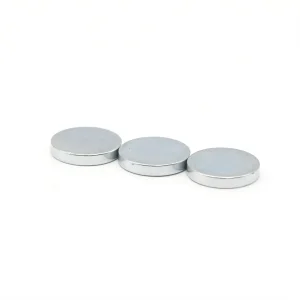
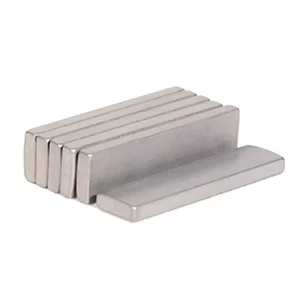
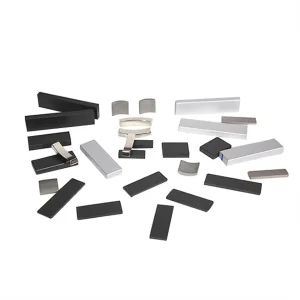
Premium sintered NdFeB blocks, custom pot configurations, and mounting systems for heavy-duty manufacturing and consumer devices.
 Laysun Magnetics