OEM Magnetization of Neodymium Magnets: The Ultimate Industrial Whitepaper

Precision Magnetization Protocols, Advanced Rare Earth Materials Engineering & High-Capacity Industrial Production Dynamics

Premium Magnetization Engineered Products

Explore our high-performance NdFeB permanent magnets configured for industrial applications
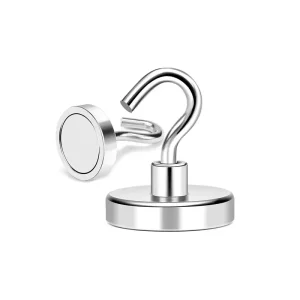
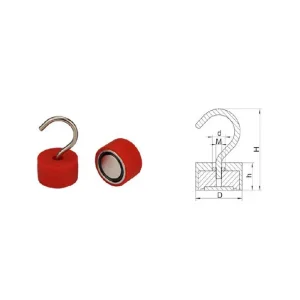
Custom NdFeB Hook Magnet

Custom NdFeB Hook Magnet - Super Strong Magnetic Hook for Hanging

View Details
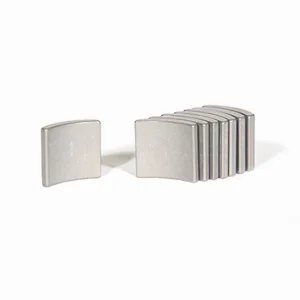
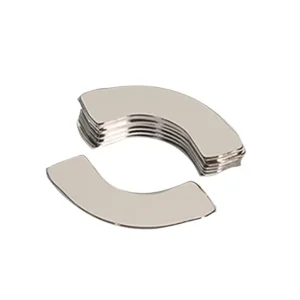
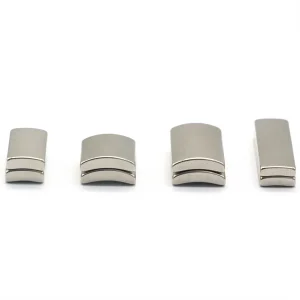
OEM NdFeB Arc Segment

OEM NdFeB Arc Segment - Strong Motor Magnets for Generators

View Details
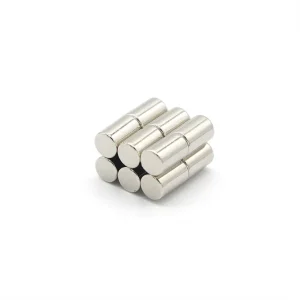
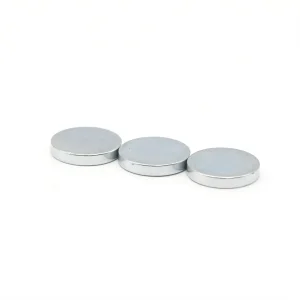
Cylinder Neodymium Magnet

China High Quality Permanent Cylinder Neodymium Magnet

View Details
Wholesale NdFeB Hook Magnet

Wholesale NdFeB Hook Magnet - Powerful Hanging Hook

View Details
Neodymium magnets for automotive EPS

Wholesale Neodymium Magnets for Automotive EPS Supplier

View Details
Neodymium magnets for voice coil motors

OEM Neodymium Magnets for Voice Coil Motors Factory

View Details
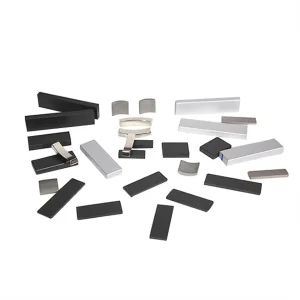
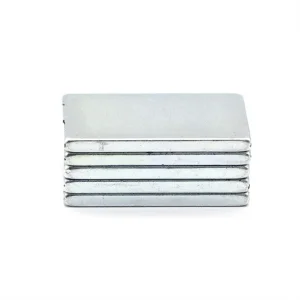
NdFeB Magnet Block

China Permanent NdFeB Magnet Block with Nickel Plating

View Details
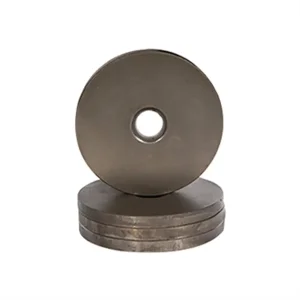
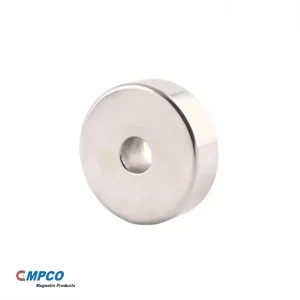
Neodymium Magsafe Magnet

Permanent Ring Strong Neodymium Magsafe Magnet

View Details

Zhejiang Laysun Magnetics Ltd.

Your trusted partner in the world of advanced magnetic solutions. Since our inception in 1999, we have grown to become a national high-tech leader in manufacturing rare earth magnets, a testament to our unwavering commitment to excellence in this niche field.

Specializing in the development, research, production, and sales of high-performance rare earth NdFeB magnets, we cater to a diverse range of applications. Our magnets are integral to various sectors, including electric vehicles, industrial motors, computers, and consumer electronics, enhancing the efficiency and performance of these technologies.

25+
Years Experience
100k
Factory Area (m²)
300+
Employees
5k
Tons Annual Output

Global Commercial & Industrial Landscape

Positioning Neodymium Magnetization at the core of the global green technology transition
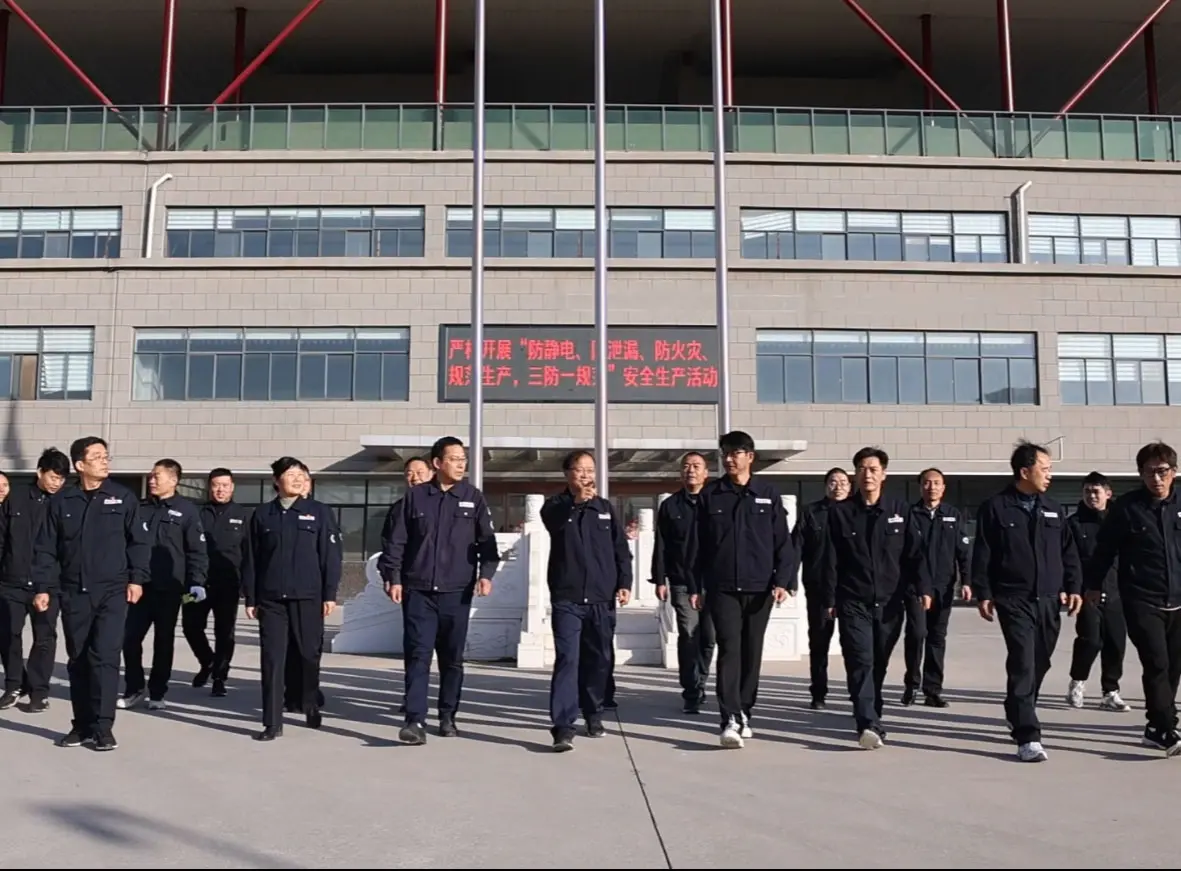
Magnet Production Factory Floor

MARKET TRENDS & COMPLIANCE

The Rare Earth Ecosystem & High-End Magnetization

The demand for Sintered Neodymium-Iron-Boron (NdFeB) magnets has surged exponentially, driven by the global shift toward decarbonization, electrification, and automation. Modern high-efficiency synchronous motors in Electric Vehicles (EVs) and offshore wind turbines rely fundamentally on optimized magnetization patterns to maximize torque density and minimize energy losses.

With the rapid adoption of ESG protocols across European and North American industrial supply chains, magnetization precision has evolved from a basic manufacturing parameter to a critical performance benchmark. Achieving optimal remanence ($B_r$) and coercivity ($H_{cj}$) requires advanced thermal management during magnetization, precise electromagnetic coil configurations, and custom pole setups.

Advanced Magnetization Physics & OEM Methods

Custom field orientation configurations designed for maximum torque and performance stability

Axial Magnetization

The magnetic field is oriented parallel to the axis of the magnet. Frequently utilized in disc, ring, and cylindrical geometries where N and S poles reside on flat parallel faces. Standard for MagSafe components and sensors.

Radial Alignment

Magnetized from the inner diameter to the outer diameter or vice versa. Crucial for high-end brushless DC motors (BLDC) where a smooth sinusoidal field layout minimizes cogging torque and enhances rotation efficiency.

Multi-Pole Magnetization

Involves placing multiple alternating poles on a single magnet surface. This specialized configuration is optimized using custom electromagnetic fixtures to generate concentrated localized field vectors.

Understanding Grain Boundary Diffusion (GBD) & Coercivity Control

As application temperatures rise—especially in automotive electric power steering (EPS) and drivetrain rotors—sintered NdFeB magnets run the risk of permanent thermal demagnetization. Traditionally, heavy rare earths like Dysprosium (Dy) or Terbium (Tb) were added to the entire alloy mixture. However, this dramatically reduces remanence ($B_r$).

Zhejiang Laysun Magnetics Ltd. implements state-of-the-art Grain Boundary Diffusion (GBD) technology. By diffusing Dy/Tb localized into the microcrystalline grain boundaries instead of the main grains, we drastically boost the intrinsic coercivity ($H_{cj}$) without sacrificing the magnet's remanent induction. This allows our OEM clients to design highly efficient, lightweight traction motors that operate reliably at continuous temperatures exceeding 180°C.

Industrial Application Scenarios

Providing high-efficiency magnetic field performance across key high-tech sectors

Robotics automation

Robotics & Actuators

Drones technology

Unmanned Aerial Vehicles (UAVs)

Electric Vehicles

Electric Vehicles (EVs) & Drivetrains

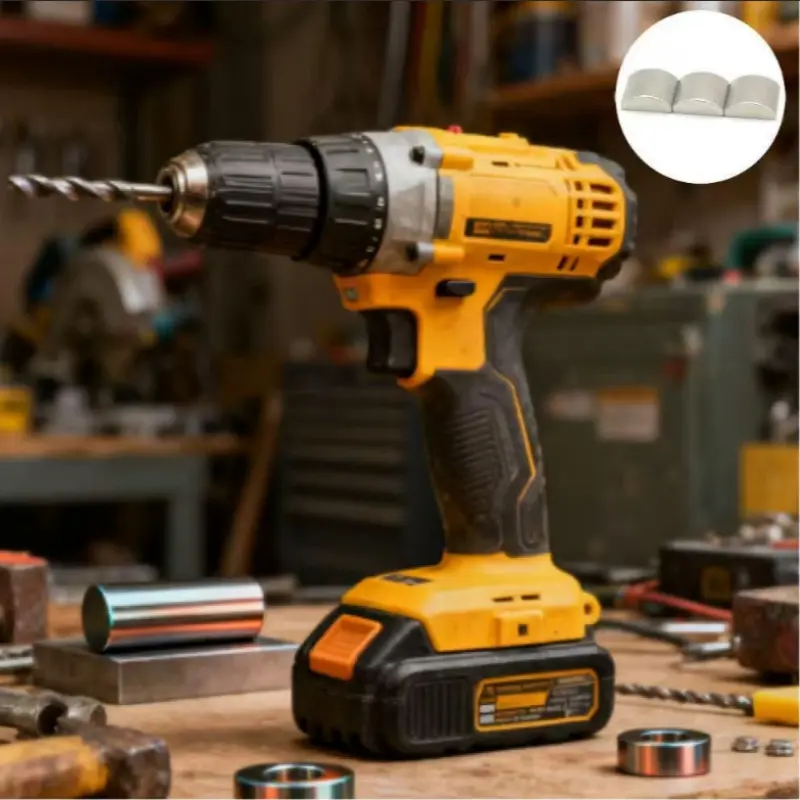
Power tools

High-Torque Power Tools

Consumer Electronics

Consumer Electronics

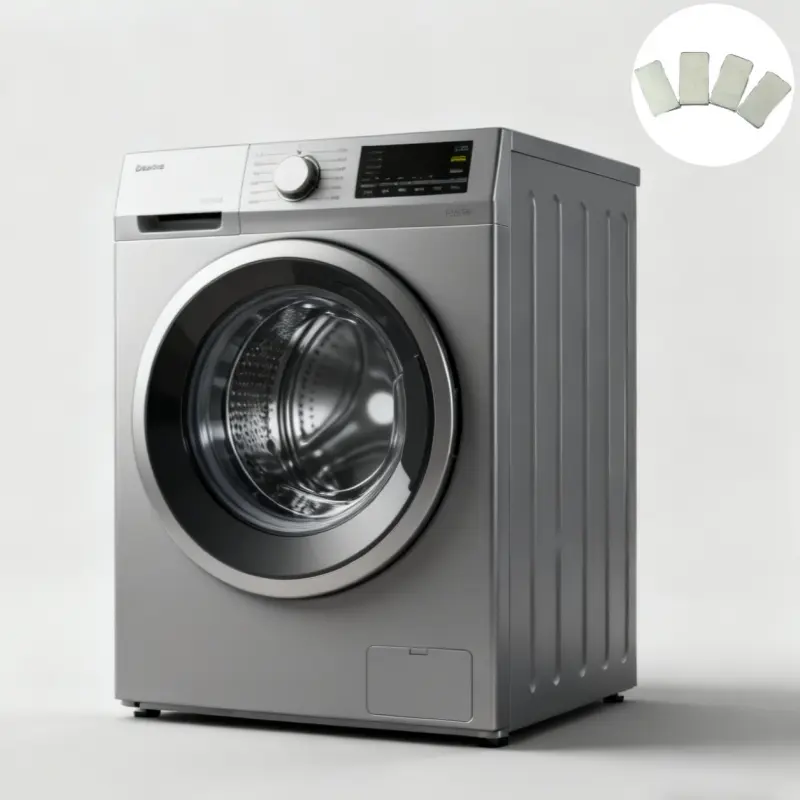
Home Appliances

Smart Home Appliances

Technology Roadmap & Corporate Vision

Pioneering green energy components with zero-defect magnetic output and eco-focused resource chains

Relentless Pursuit of Innovation

At Laysun Magnetics, our ethos is built on four pillars - Quality, Credibility, Technology, and Innovation. These values are the cornerstones of our operations, guiding us in delivering products that not only meet but exceed the expectations of our clients. Our goal is to continue being a beacon of innovation and quality in the magnetic industry, empowering technologies of today and tomorrow.
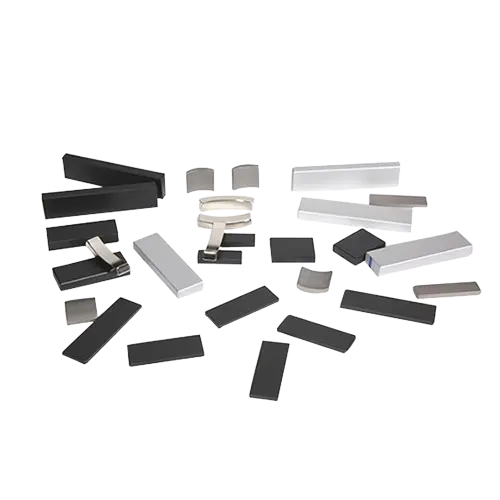
  • Automated Post-Assembly Magnetization: Enhancing assembly efficiency by magnetizing full rotor structures after parts insertion to mitigate workplace hazards.
  • Heavy Rare Earth Optimization: Restructuring sintered alloys to utilize Cerium (Ce) and Lanthanum (La) in low-stress components, preserving Dysprosium resources.
  • Advanced Coatings: Superior salt spray resistance using multilayer Everlube, Epoxy, and chemical vapor deposition Parylene polymers.
Strategic Technology Roadmap diagram

Global Quality Certificates & Manufacturing Standards

Rigorous test protocols validated by recognized international certification institutions

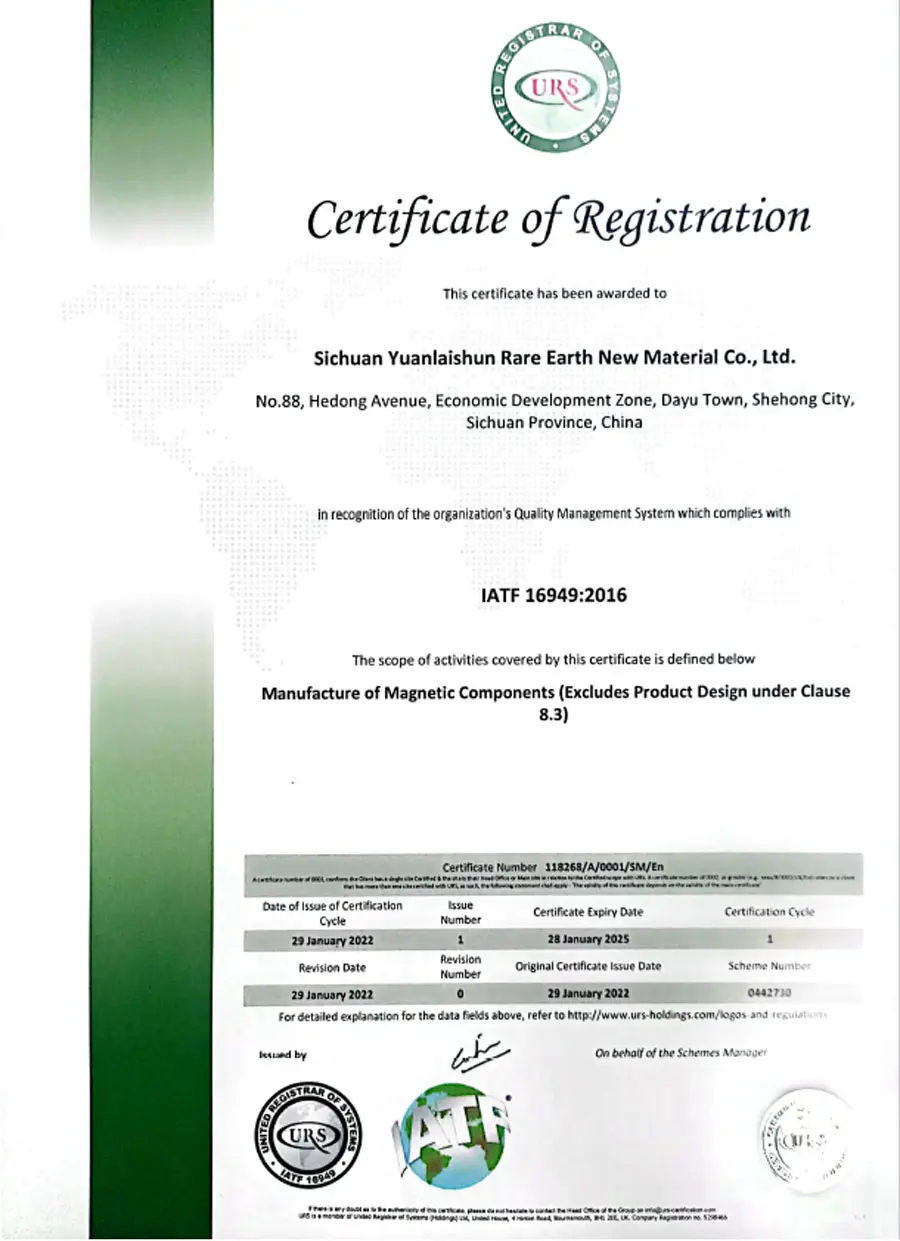
To maintain absolute reliability in safety-critical sectors, Laysun Magnetics complies with rigorous global testing systems: API 6D, API 607, CE, ISO9001, ISO14001, ISO18001, IATF 16949 (TS).
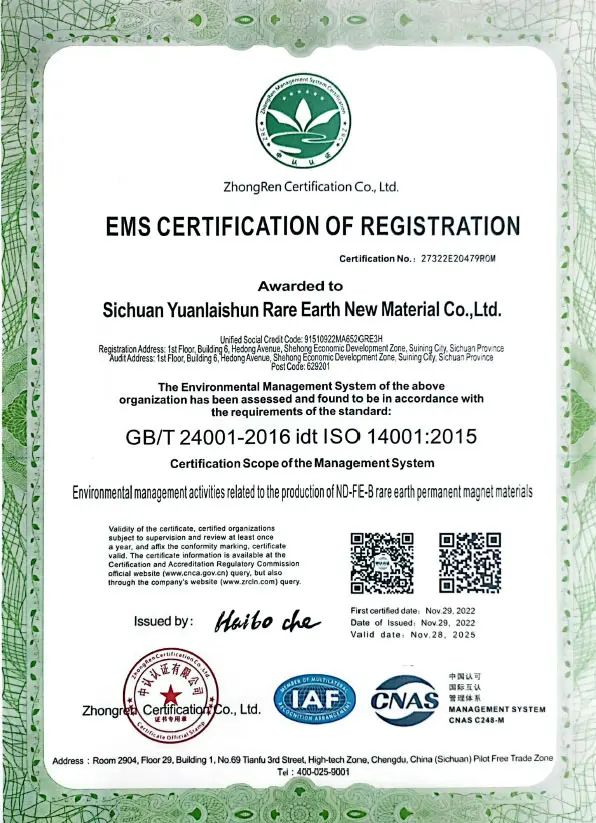
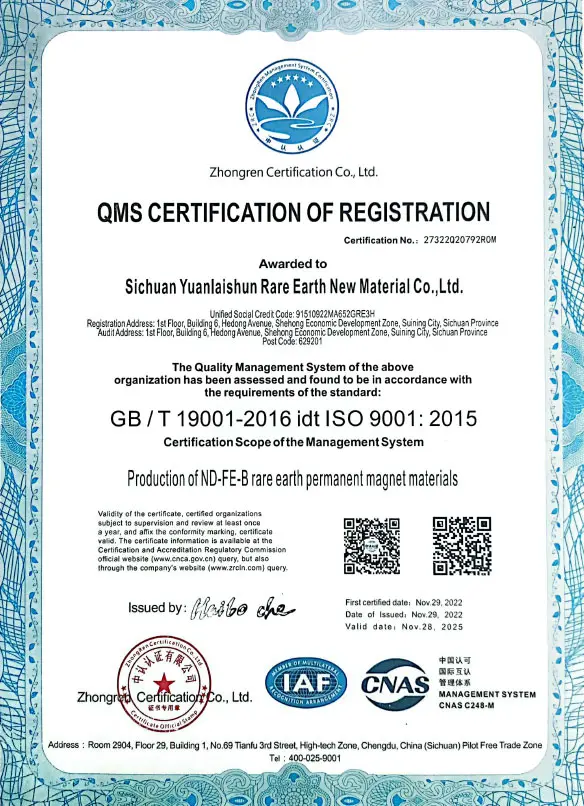
ISO Quality Certificate
CE Certificate Standard
Environmental Compliance Certificate
Compliance Testing Report Document
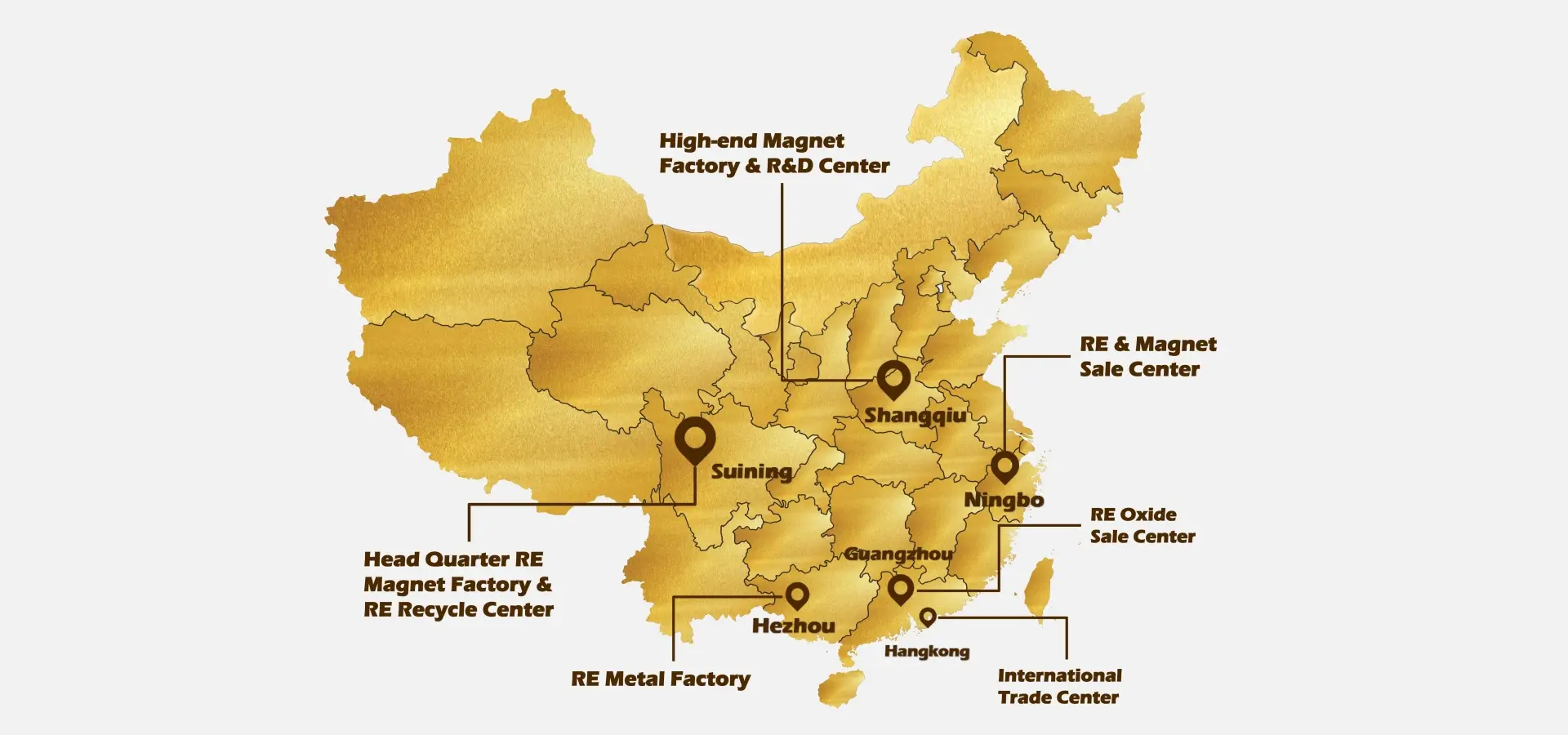
Zhejiang Laysun factory location map

Global Logistics & Localized Technical Support

Headquartered in Zhejiang, China, with state-of-the-art production sites spanning 100,000 square meters in Sichuan, we maintain quick access to crucial ports to guarantee reliable ocean and air supply lines. Our regional partnerships across the EU, North America, and Southeast Asia ensure that on-site engineers are always ready to assist with complex integration, simulation modeling, and post-delivery validation testing.

Expert Q&A: Neodymium Magnetization Dynamics

In-depth technical answers addressing engineering challenges, thermal thresholds, and integration strategies

1. What is the minimum field strength required to fully saturate a NdFeB magnet?
To achieve full magnetic saturation in sintered Neodymium-Iron-Boron magnets, the applied magnetizing field strength must be at least 3 to 4 times the intrinsic coercivity ($H_{cj}$) of the material grade. Typically, this translates to an external magnetic field of 30,000 to 40,000 Oersteds (3.0 to 4.0 Tesla). Inadequate magnetizing field pulses lead to localized regions of unaligned magnetic domains, resulting in poor flux stability, susceptibility to demagnetization, and lower remanence ($B_r$).
2. How does temperature affect the stability of magnetized NdFeB blocks?
Neodymium magnets are temperature-sensitive. Every grade possesses a designated maximum operating temperature and Curie temperature ($T_c$). Standard grades (such as N52) have a temperature threshold of approximately 80°C. High-coercivity grades—demarcated by letters M, H, SH, UH, EH, or AH (e.g., N35AH)—utilize heavy rare earth elements to survive active operation at temperatures up to 220°C. If these limits are breached, thermal energy disrupts the aligned magnetic domains, inducing reversible or irreversible losses in output flux.
3. What is the structural difference between Sintered and Bonded Neodymium magnets?
Sintered NdFeB magnets are manufactured by compressing alloy powders in an orienting magnetic field followed by thermal sintering to merge particles, offering maximum magnetic density and force. Bonded magnets combine magnetic powder with a resin or plastic matrix (such as epoxy or nylon) through injection molding or compression. While bonded magnets have lower magnetic properties, they allow for complex net-shape geometries, intricate multi-pole magnetization profiles, and superior crack resistance.
4. Why is plating or coating essential for Neodymium magnets?
The rich Iron content (roughly 60-65% by volume) in NdFeB makes these magnets highly vulnerable to atmospheric oxidation and intergranular corrosion. Without protective barriers, humidity causes the magnet structure to disintegrate. We offer dynamic coating layers including Nickel-Copper-Nickel (Ni-Cu-Ni), Epoxy, Zinc (Zn), Gold, and chemical Parylene coatings. These configurations pass up to 120-hour Highly Accelerated Stress Tests (HAST) and standard salt spray chambers.
5. What is post-assembly magnetization, and why is it preferred?
Post-assembly magnetization is the practice of inserting unmagnetized NdFeB parts into a rotor stack or stator assembly, and subsequently exposing the entire integrated structure to a massive electromagnetic pulse. This technique eliminates handling safety issues, as assembling pre-magnetized high-force materials poses a severe risk of workplace injury and component damage. It also ensures consistent pole alignment across all components.
6. How does skew magnetization improve electric motor efficiency?
Skew magnetization modifies the layout of magnetic poles so they are angled relative to the axis of rotation. This geometry alters the transition of magnetic flux crossing the air gap in brushless DC motors, mitigating the cogging torque that causes vibrations and audible noise. It results in smoother motor startup, stable torque distribution, and improved acoustic signatures in electric vehicles.
7. What quality control instruments are used to verify magnetic profiles?
To ensure zero-defect distribution, Laysun Magnetics employs 3D Helmholtz Coils to compute total magnetic dipole moments, Fluxmeters to test total surface magnetic flux densities, and advanced Hysteresisgraphs to plot $B-H$ curves. For specialized projects, we use high-speed Hall-effect sensor arrays to map out radial field distribution across individual magnetic poles.
8. How do Halbach array configurations enhance magnetic focus?
A Halbach array is a specialized configuration of permanent magnets that rotates the magnetic field vector. This arrangement focuses the magnetic flux on one side of the array while reducing the field on the opposite side to near zero. It is widely used in linear motor systems, magnetic levitation railways, and particle accelerators, offering high flux density without requiring heavy iron backing plates.

Industrial Magnet Systems Portfolio

Heavy duty and precision engineered magnetic products for global engineering requirements
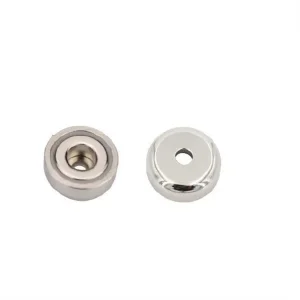
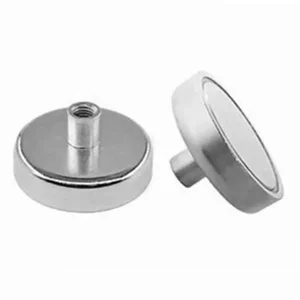
NdFeB Pot Magnet Style A

Buy NdFeB Pot Magnet Style A with Nickel Coating

View Details
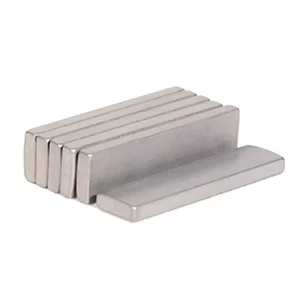
Neodymium Block Magnet

Buy Neodymium Block Magnet Supplier, Quotes

View Details
Custom Ring Neodymium Magnet

Buy Super Strong Custom Ring Neodymium Magnet Manufacturers

View Details
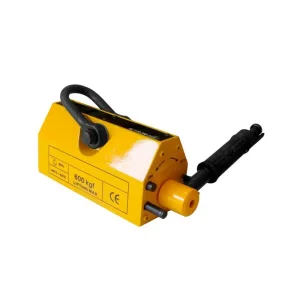
NdFeB Magnet Lifter

China NdFeB Magnet Lifter - 1000KG Lifting Capacity

View Details
Neodymium Magnetic Materials

Cheap Strong Magnet Neodymium Magnetic Materials

View Details
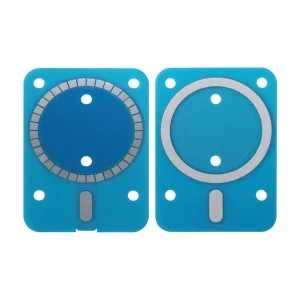
Magnet Circle For Phone

Buy Magnet Circle For Magnetic Ring For Phone Exporter

View Details
NdFeB Pot Magnet Style B

Custom NdFeB Pot Magnet Style B with Nickel Coating

View Details
Neodymium Disc Magnets

China Neodymium Disc Magnets - Permanent Rare Earth Magnets

View Details

Request Technical Consultation & Quote Sheets

Need magnetic field simulation verification, sample runs, or pricing catalogs? Leave your email below and our application engineering team will reply within 24 hours.