Explore our top-tier magnetic and anti-corrosive solutions designed for heavy industrial operations, manufactured under strict international standards.
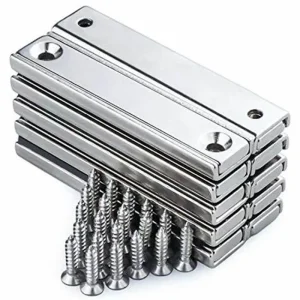
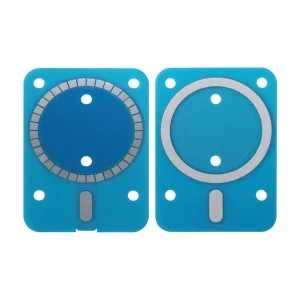
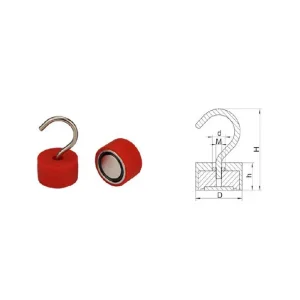
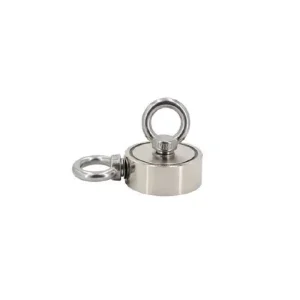
How combining structural hard metals with advanced rare-earth magnetic materials solves heavy industrial challenges in aggressive operational environments.
The corrosion mechanism in Tungsten Carbide is primarily driven by galvanic coupling between the hard hexagonal tungsten carbide (WC) phase and the metallic binder matrix. Traditionally, Cobalt (Co) is used as the binder due to its exceptional wetting characteristics and adhesion to carbide grains. However, Cobalt is highly active and prone to dissolution in acidic (pH < 7) and chloride-rich environments, leading to skeletal collapse of the carbide matrix.
To mitigate this vulnerability, our advanced material systems utilize alternative binder matrices, including Nickel (Ni), Nickel-Chromium (Ni-Cr), and Chromium-Cobalt (Co-Cr) alloys. By introducing chromium, a passive chromium oxide (Cr₂O₃) layer forms across the binder interface, reducing galvanic potential differences and preventing selective binder leaching even in extremely sour environments containing dissolved hydrogen sulfide (H₂S) or organic acids.
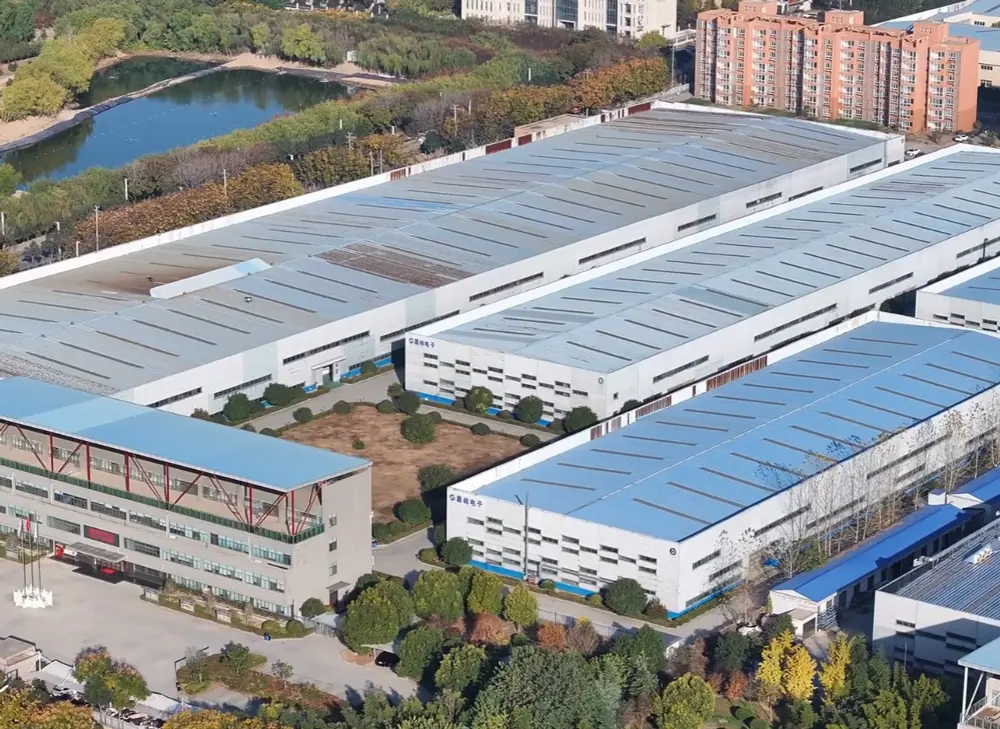
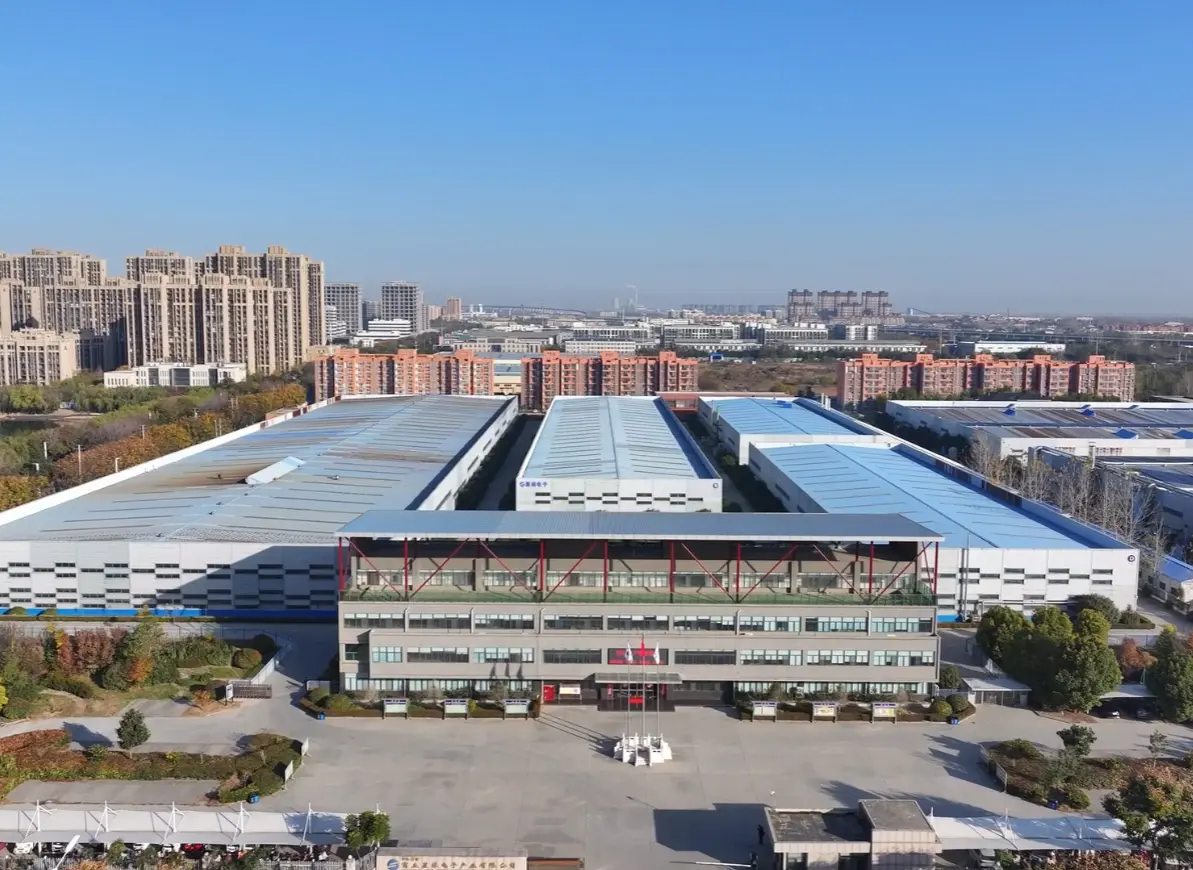
Founded in 1999, Zhejiang Laysun Magnetics Ltd. has evolved from a visionary pioneer to a national high-tech leader in the production and customization of rare earth permanent magnets and engineered protective magnetic assemblies. Spanning across a state-of-the-art 100,000 square meter factory in Suining, Sichuan, our manufacturing hub yields an impressive 5,000 tons of rare earth magnets annually.
We specialize in developing sintered NdFeB, SmCo, and complex integrated assemblies that demand corrosion protection, thermal stability, and precise alignment. Our dedication to innovation has established us as a global manufacturing partner for Tier 1 automotive, energy, subsea engineering, and consumer electronics brands.
Over the past two decades, we have continuously reinvested in R&D to address the mechanical limitations of NdFeB materials. Because sintered magnets are chemically active, we have engineered a suite of coating solutions—ranging from nickel-copper-nickel (Ni-Cu-Ni) and thick epoxy to composite physical vapor deposition (PVD) and robust mechanical canned designs utilizing corrosion-resistant structural materials like Titanium, Stainless steel, and Tungsten Carbide alloys.
Built on Quality, Credibility, Technology, and Innovation, ensuring every structural components and magnet assembly exceeds requirements.
We push boundaries by offering advanced alloy formulations, thermal treatments, and wear protection systems for harsh media.
Empowering the green and heavy-industries of tomorrow with high-reliability magnetic technologies and wear-resistant metal matrix composites.
Why international buyers trust us for their high-stress industrial applications and custom metallurgy specifications.
As a national high-tech enterprise, we adopt vacuum induction melting (VIM), low-oxygen strip casting, and jet milling under inert gas control to yield premium magnetic and alloy matrices.
Our 100,000 square meter factory ensures high yield consistency, robust supply security, and rapid production cycles for large annual contracts.
From aerospace voice coil motors (VCM) and EV powertrains to chemical pumps requiring Tungsten Carbide erosion protection, our product applications cross multiple mission-critical horizons.
Our R&D team consists of metallurgical and magnetics engineering specialists, offering structural simulations, magnetic field analysis, and mechanical stress test validations.
Equipped with modern magnetic characterization testing (hysteresigraphs), corrosion chambers (SST, PCT, HAST), and dimension validation tools (CMM).
Adhering to RoHS, REACH, and critical automotive standards. We ensure direct supply chain compliance and transparency for all target global shipping centers.




As deep-sea hydrocarbon extraction and geothermal energy recovery advance into higher temperature and pressure brackets (HPHT), traditional elastomeric seals and magnetic coatings are no longer sufficient. Laysun’s research pipeline is actively optimizing binder-less Tungsten Carbide structures and nano-crystalline coatings. By utilizing chemical vapor deposition (CVD) to apply micro-layers of protective silicides or carbides directly onto custom sintered magnets, we aim to extend operational life from years to decades, reducing total cost of ownership (TCO) for global energy operators.
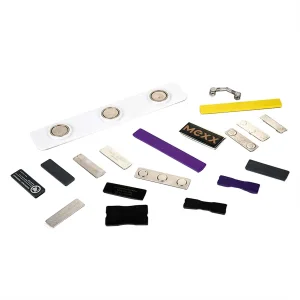
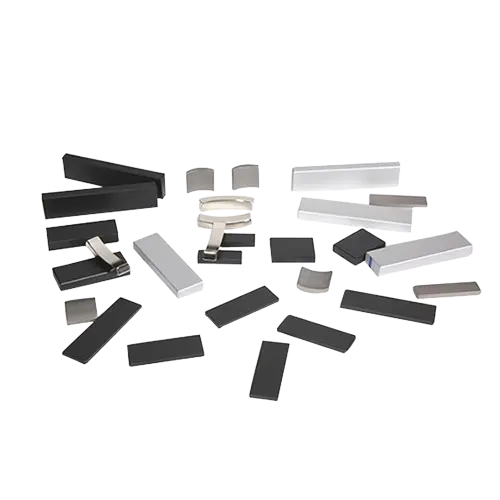
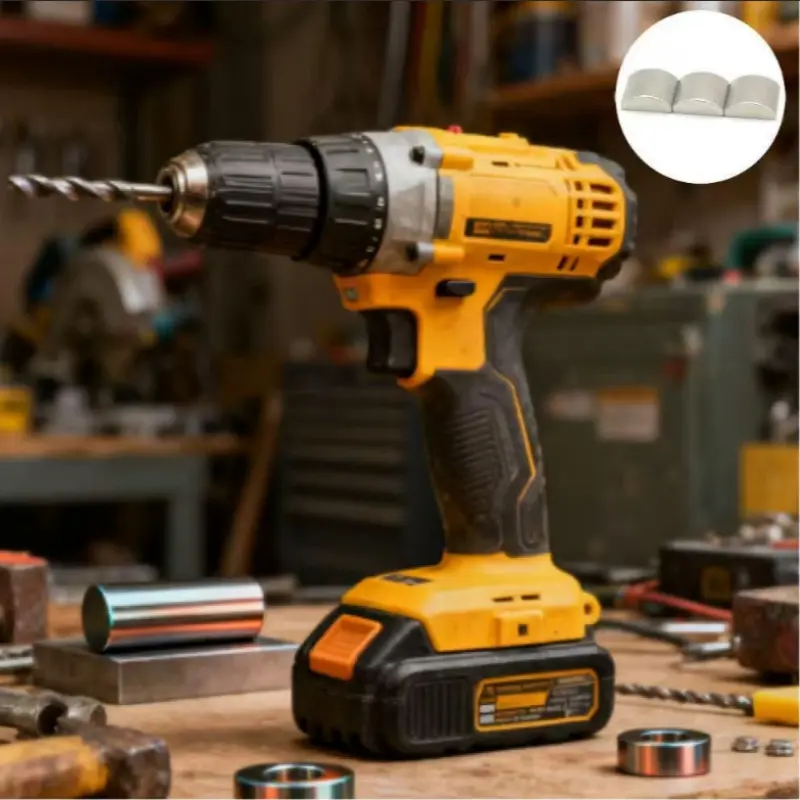
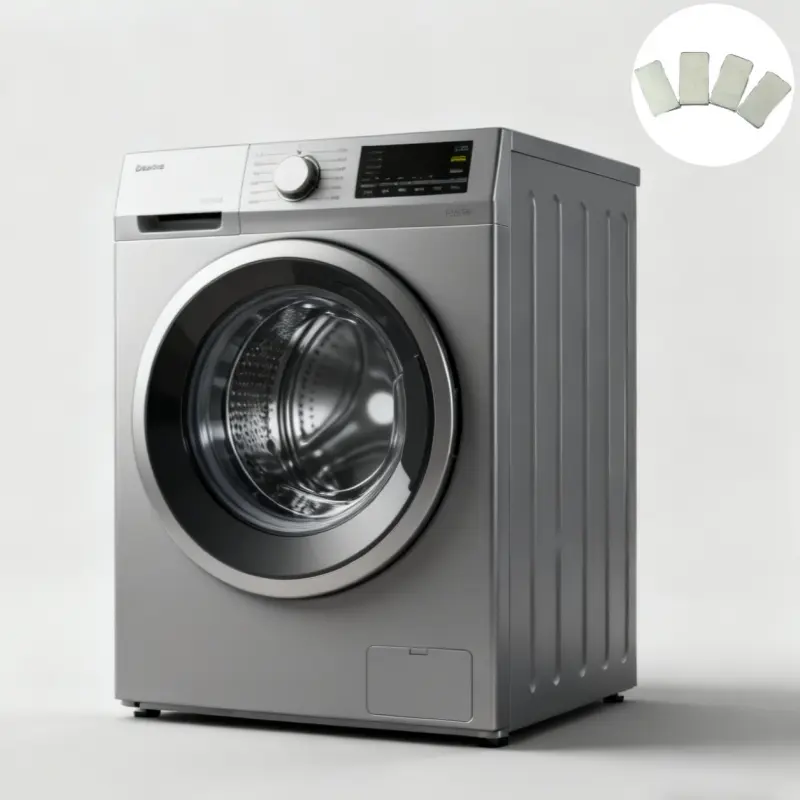
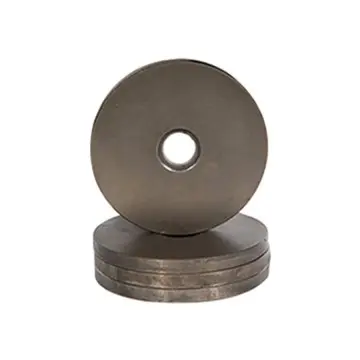
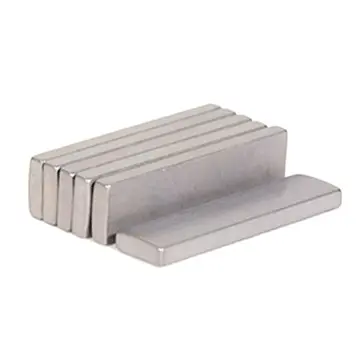
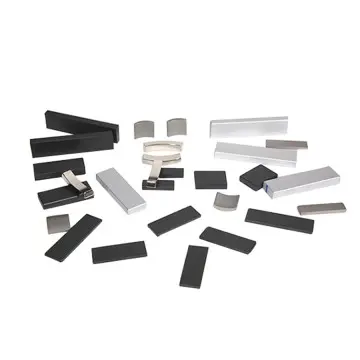
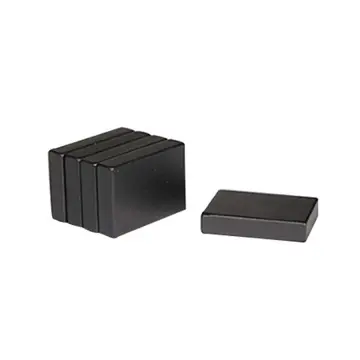
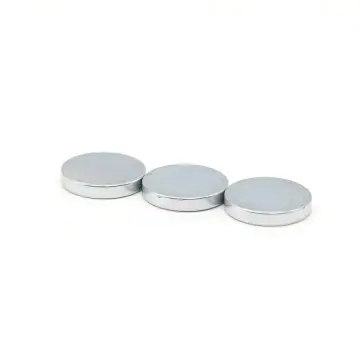
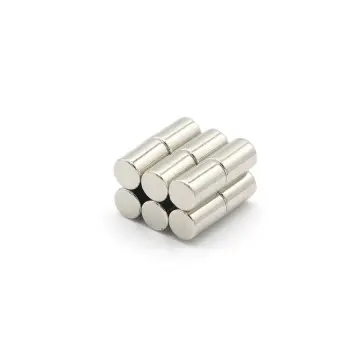
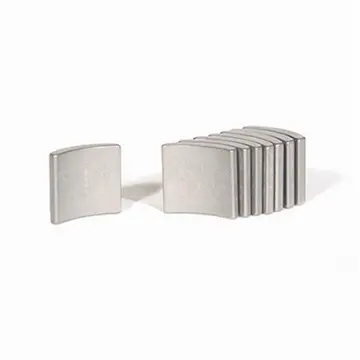
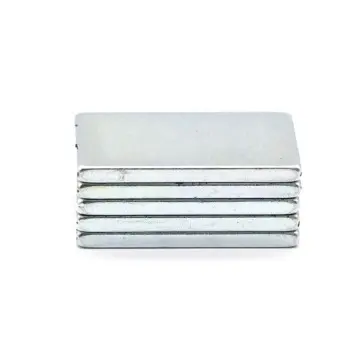
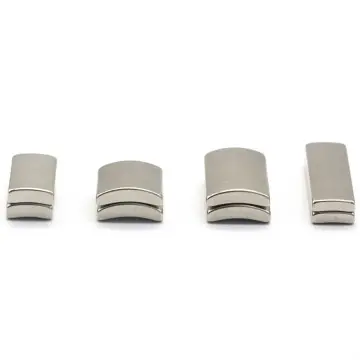
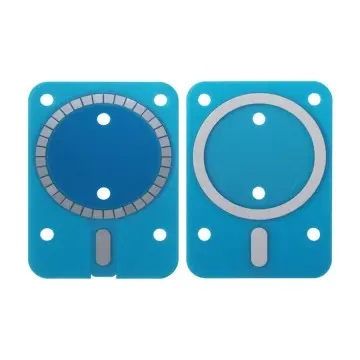
A comprehensive look at our specialized production capacities, ranging from automotive sensors to industrial motors and magsafe arrays.
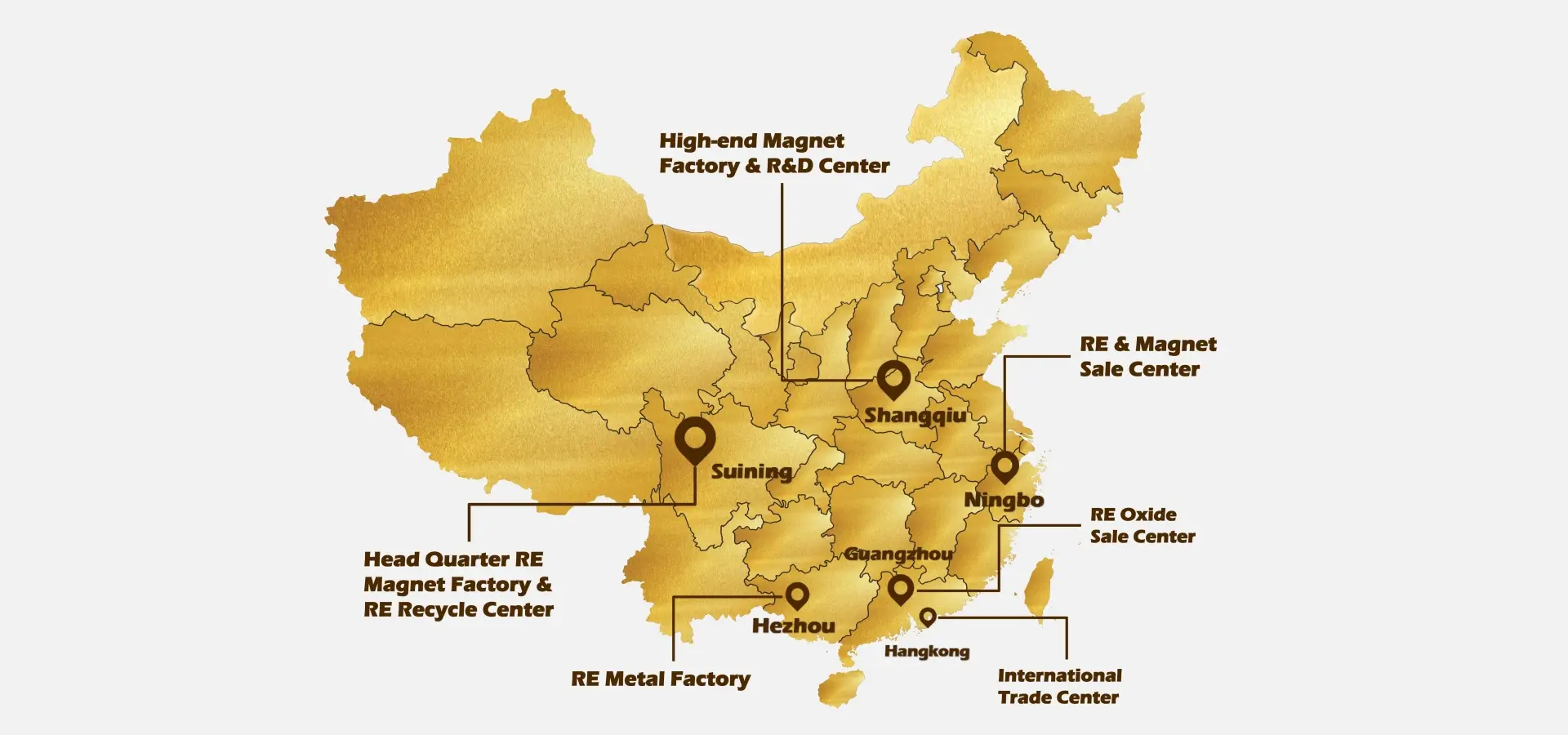
While our manufacturing and smelting operations are located within China, Laysun Magnetics operates dynamic shipping hubs and customer support centers to assist clients across Europe, the Americas, and Southeast Asia. We ensure compliance with environmental and industrial manufacturing guidelines so that all imports meet local customs criteria without delay.
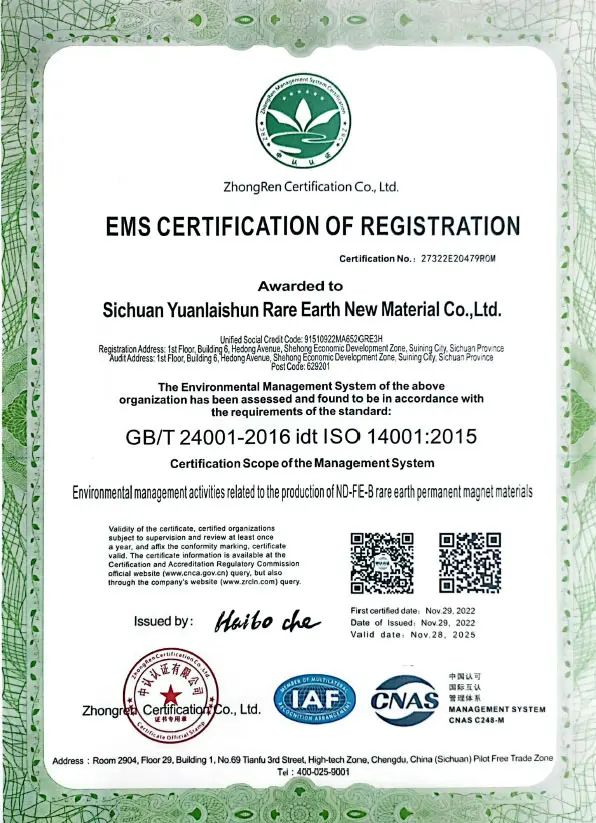
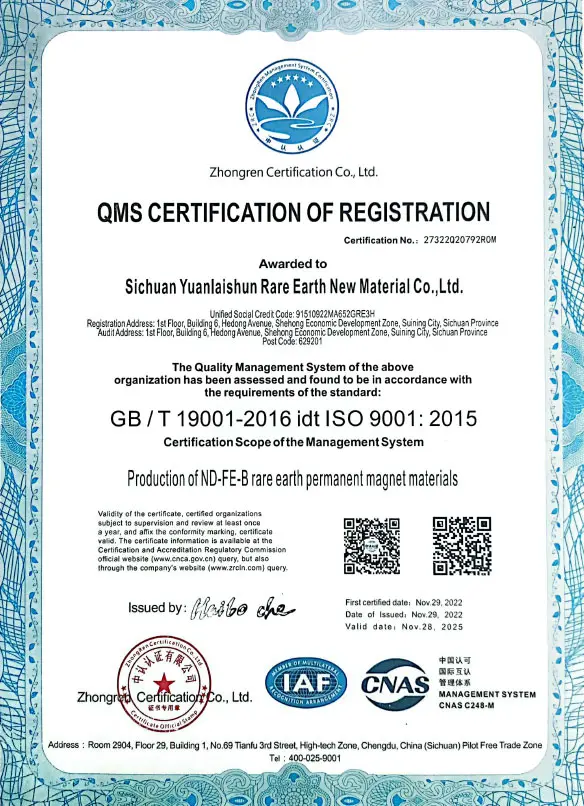
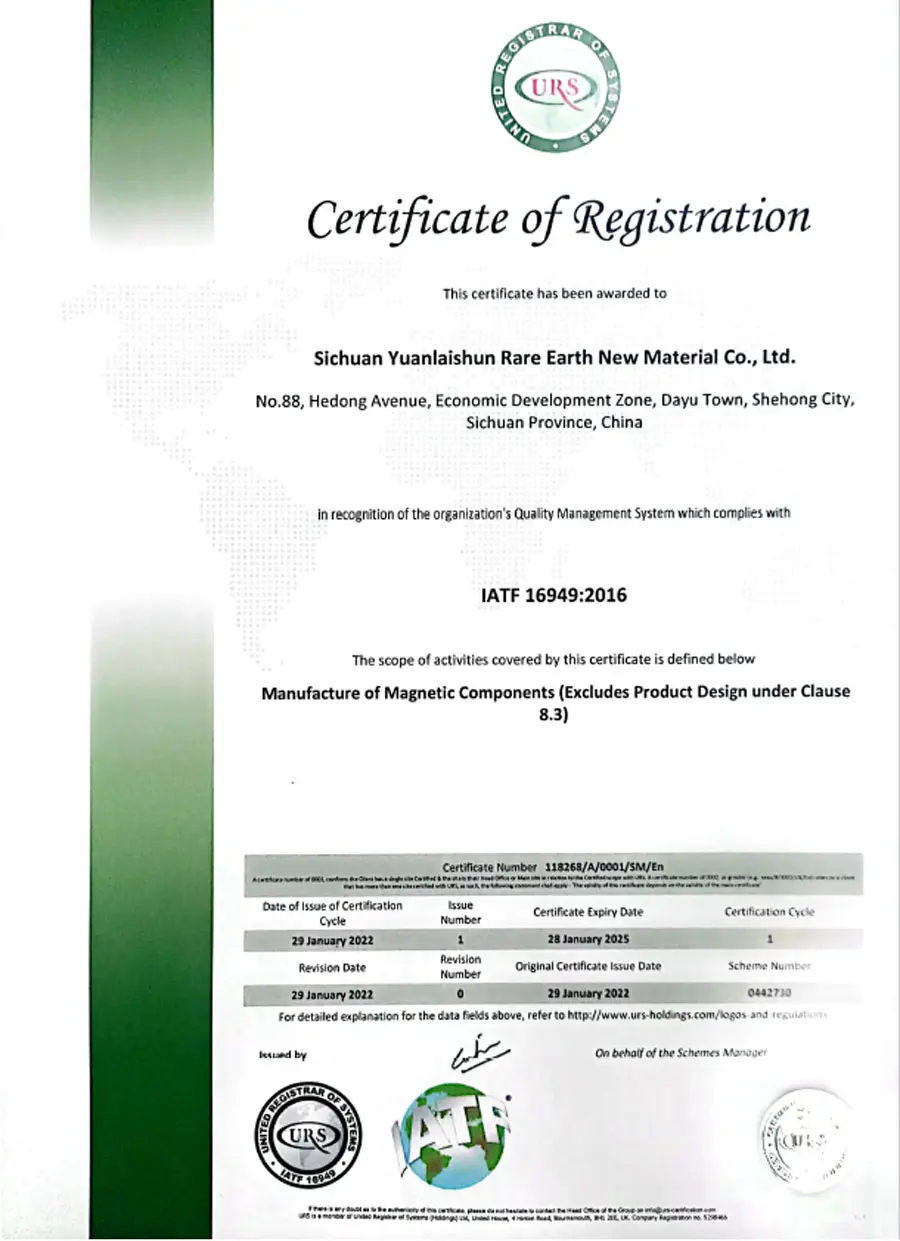
For critical applications, especially within petrochemical, marine, and aerospace setups, raw materials must carry proper credentials. We support certifications such as API 6D, API 607, CE, ISO 9001, ISO 14001, ISO 18001, and IATF 16949 (TS). We provide chemical composition traces, microstructure analysis, and corrosion testing curves to engineering firms during product qualifications.
Frequently asked questions regarding material selection, environmental challenges, and product configuration.
Tungsten Carbide is a composite material consisting of hard tungsten carbide (WC) grains bound by a ductile metal phase (typically Cobalt). Corrosion attacks the binder phase, not the hard carbide particles. In acidic or saline environments, the metal binder behaves as an anode and undergoes galvanic dissolution, causing the carbide framework to break down.
Nickel is more noble than Cobalt and demonstrates superior resistance to oxidation and dissolution in acidic media (down to pH 2.5). Adding small percentages of Chromium to the Nickel binder further increases performance by forming a protective surface oxide film.
Sintered Neodymium magnets are highly reactive. For subsea installations, we utilize hermetic encapsulation—sealing the magnet inside a corrosion-resistant metal canister (such as Titanium, Hastelloy, or 316 Stainless Steel). We also supply specialized multi-layer plating, including copper-nickel with an epoxy overcoat, or utilize SmCo (Samarium Cobalt) magnets for increased stability.
We conduct a series of specialized tests including Salt Spray Testing (SST) per ASTM B117, Highly Accelerated Temperature and Humidity Stress Testing (HAST), Pressurized Cooker Testing (PCT), and electrochemical polarization tests to measure passive current density and corrosion rates in specific media.
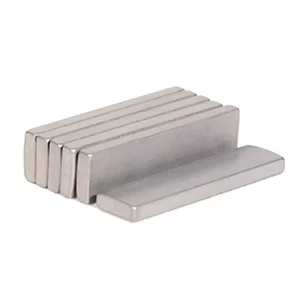
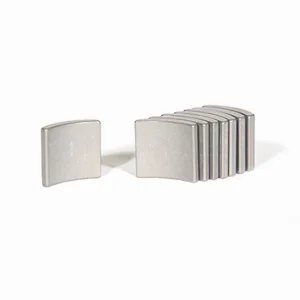
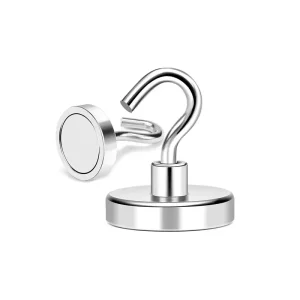
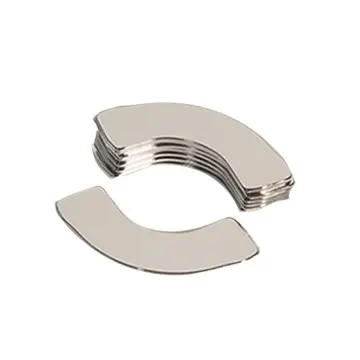
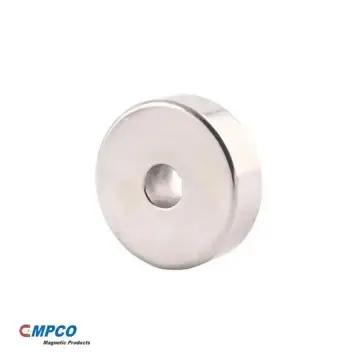
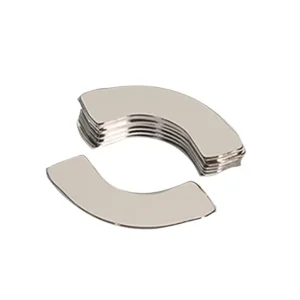
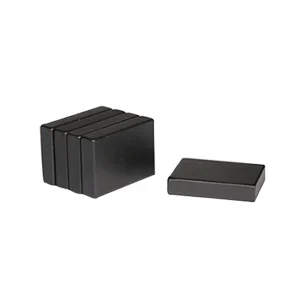
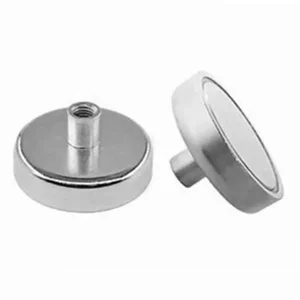
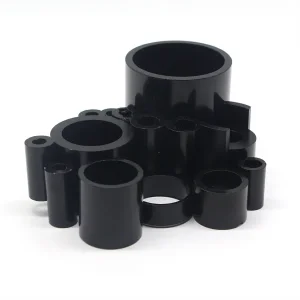
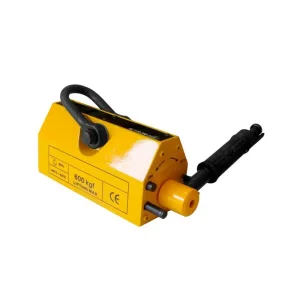
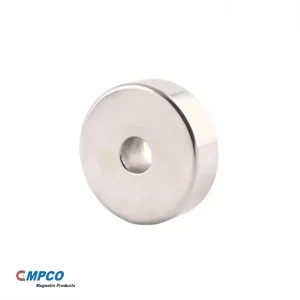
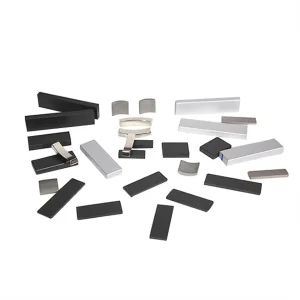
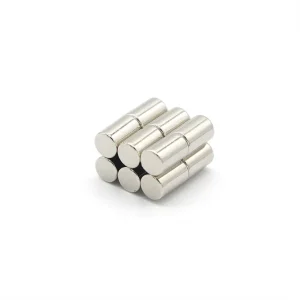
High-strength sintered blocks, precision motor segments, and magnetic lifters suited for extreme torque transmission and holding configurations.
Whether you require specific tungsten carbide compositions or custom NdFeB magnetic architectures, our engineering team is ready to assist. Contact us to receive detailed pricing and data sheets within 24 hours.
Request Quotation & Technical Support Laysun Magnetics