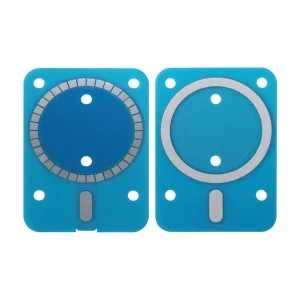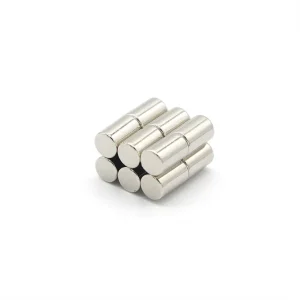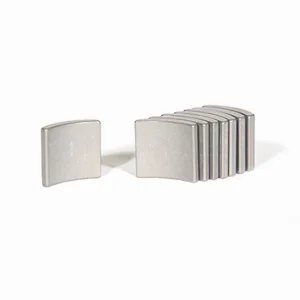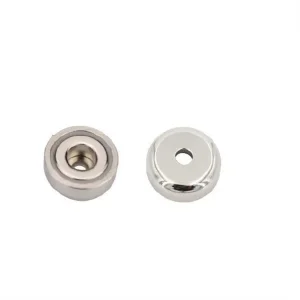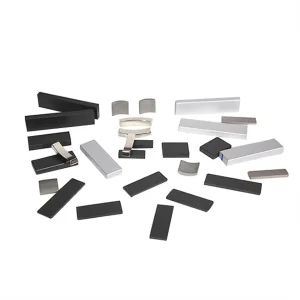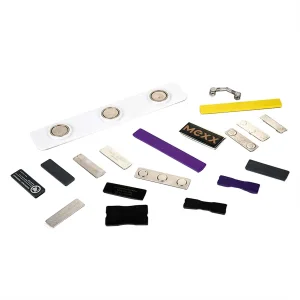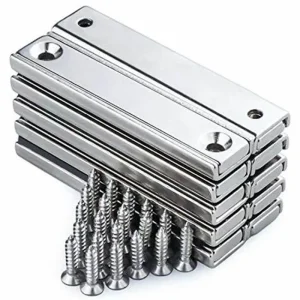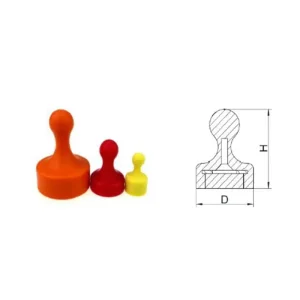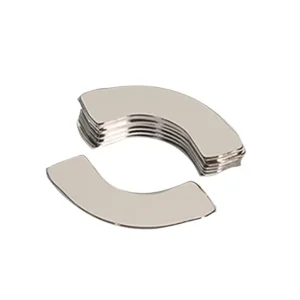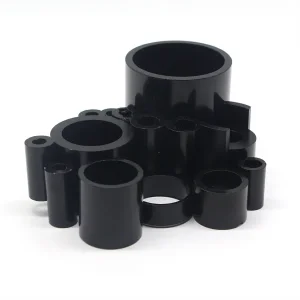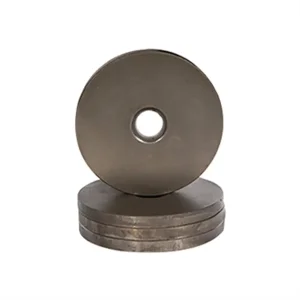
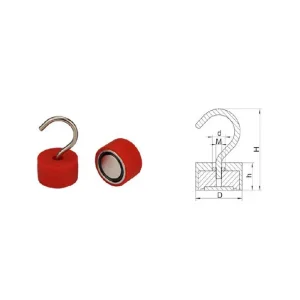
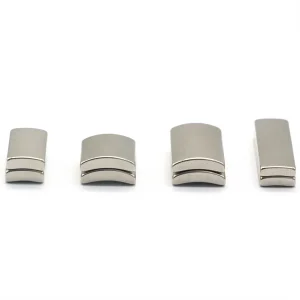
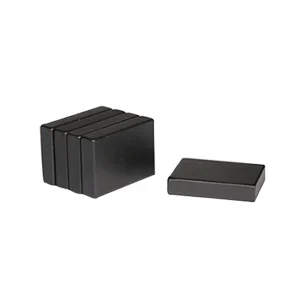
In the modern era of high-tech production and clean energy systems, permanent magnets—particularly Sintered Neodymium-Iron-Boron (NdFeB) elements—serve as the foundation for electromechanical efficiency. Zhejiang Laysun Magnetics Ltd. has dedicated over two decades to researching, engineering, and manufacturing rare earth magnets that satisfy strict tolerances and high mechanical demands.
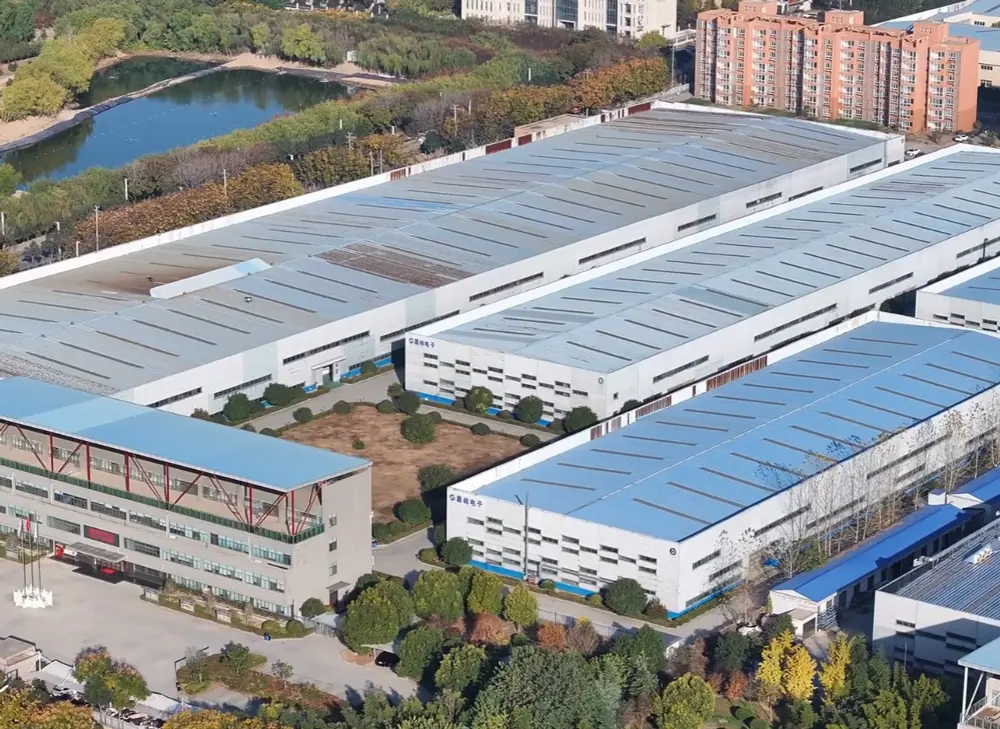
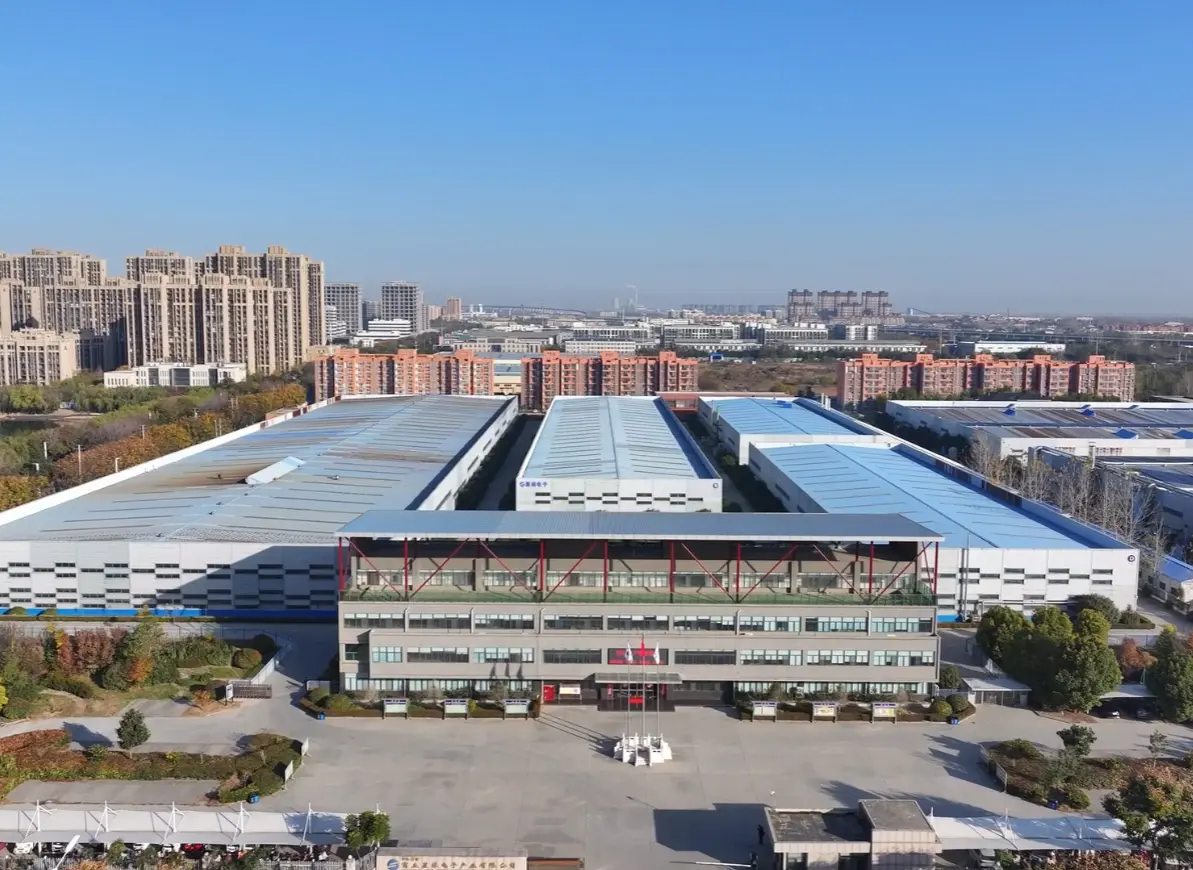
Our state-of-the-art factory spans a massive 100,000 square meters. Backed by 300+ trained engineering professionals and specialists, we maintain a robust annual output exceeding 5,000 tons of rare earth permanent magnets. These high-grade materials power technologies across several key sectors, including industrial servo motors, electric vehicle (EV) drivetrains, acoustic devices, consumer products, and aerospace sub-assemblies.
Strict control over NdFeB crystal phase formation prevents microstructure degradation.
Automated visual checks and HAST chambers guarantee decades of performance.
The term "Permanent Magnets Made Of" primarily references NdFeB (Neodymium-Iron-Boron) systems, Samarium Cobalt (SmCo), AlNiCo, and Ceramic/Ferrite materials. Among these, NdFeB represents the pinnacle of modern magnetics due to its high Maximum Energy Product (BH)max, robust remanent magnetization (Br), and strong intrinsic coercivity (Hcj).
The microcrystalline composition of Nd2Fe14B forms a tetragonal crystal structure. This gives it extremely high magnetocrystalline anisotropy, meaning the crystal magnetizes preferentially along a specific axis. Under our tight control of the sintering environment, we align these magnetic domains to generate maximum output. However, pure NdFeB is prone to oxidation and thermal demagnetization at higher temperatures. To combat this, Laysun Magnetics utilizes advanced grain boundary modification techniques (including Dy/Tb diffusion) to engineer specialized grades that function reliably at temperatures up to 220°C.
We supply standard NdFeB grades from N35 to N52, as well as high-temperature variants including M, H, SH, UH, EH, and AH classifications.
Our multilayer coatings, such as Ni-Cu-Ni, Zn, Gold, Epoxy, Parylene, and chemical passivation, safeguard the base alloy against corrosion in damp or harsh environments.
Utilizing high-precision wire cutting and surface grinding machines, we hold tight tolerances down to ±0.01mm for critical mechanical fits.
Purchasing permanent magnets directly from a seasoned manufacturer in China like Zhejiang Laysun Magnetics offers significant supply chain benefits. China produces a large percentage of the world's rare earth elements. This proximity to raw materials helps insulate buyers from price fluctuations and transport delays.
Furthermore, China’s industrial ecosystem provides comprehensive auxiliary services, such as high-purity plating, precision slicing, and custom magnet wire assemblies. At Laysun Magnetics, we leverage this localized network alongside our advanced manufacturing processes. By integrating melting, strip casting, hydrogen decrepitation, jet milling, magnetic alignment, pressing, sintering, and post-processing in one region, we can optimize costs while maintaining strict quality standards.
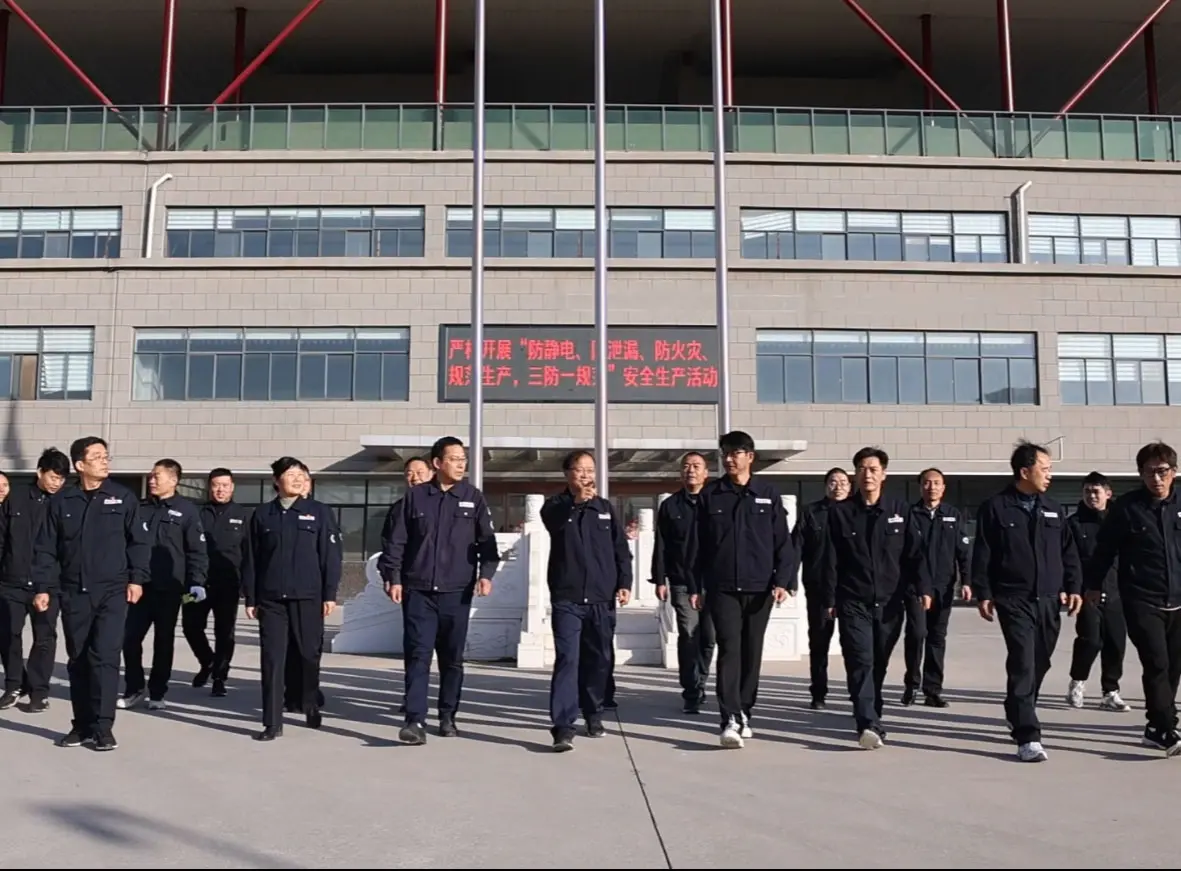
Our facilities use state-of-the-art machinery to ensure consistent performance. Below is a closer look at our physical factory environment, testing facilities, and certification records.
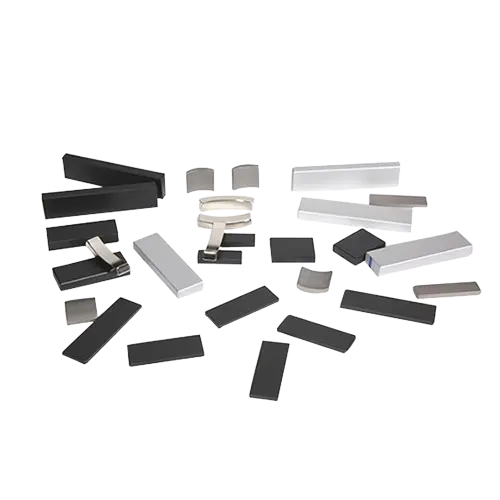
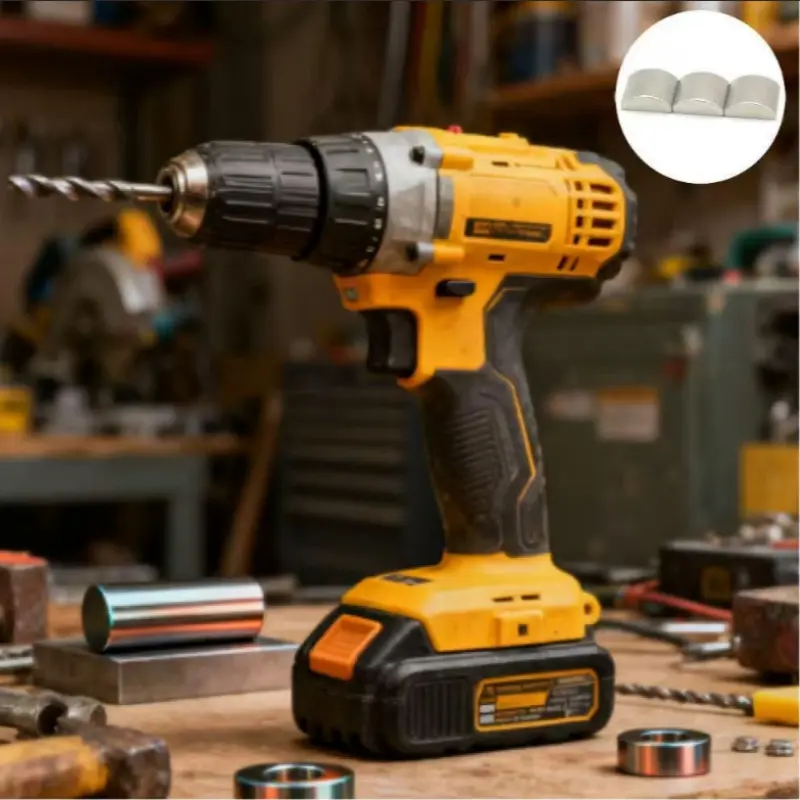
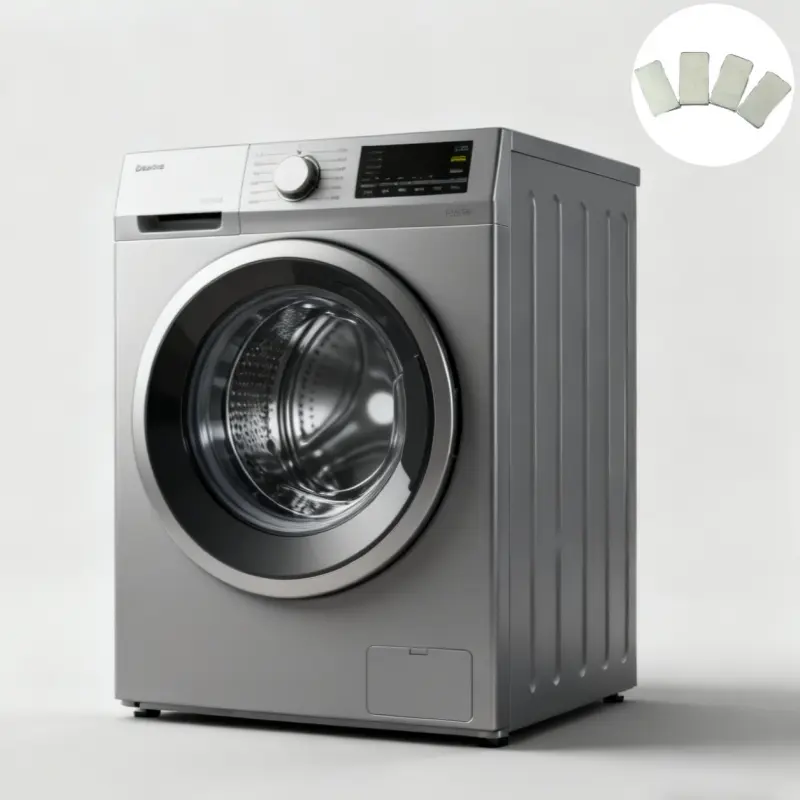
High-grade rare earth magnets are essential across modern tech and manufacturing sectors. At Laysun Magnetics, we provide tailored, application-specific solutions to help optimize device efficiency, reduce footprints, and increase reliability.




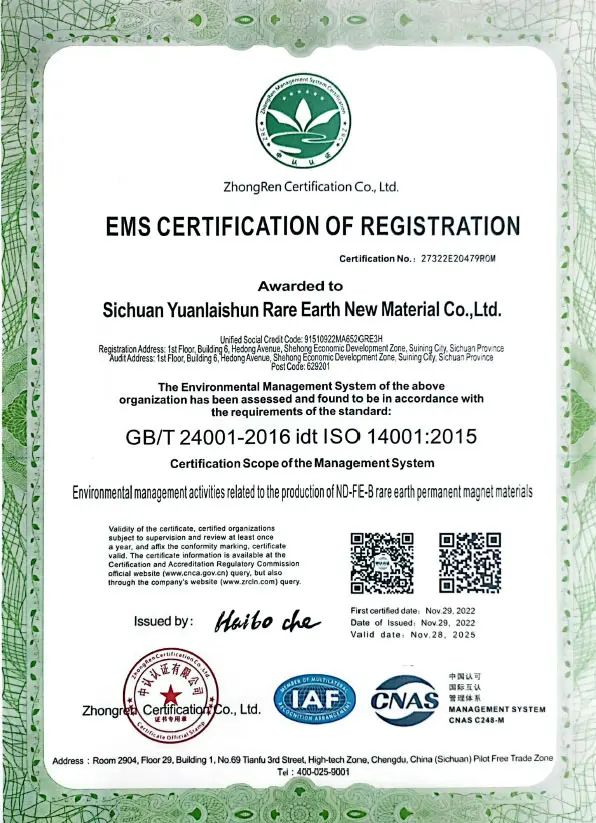
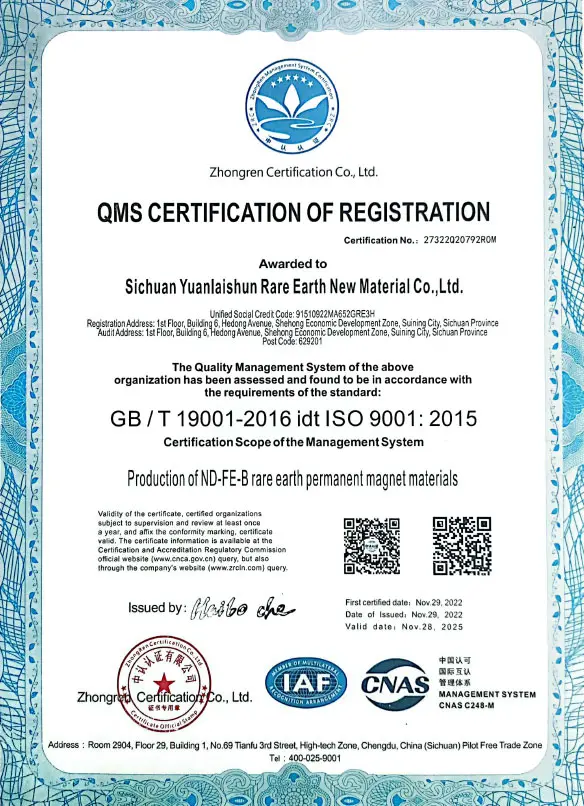
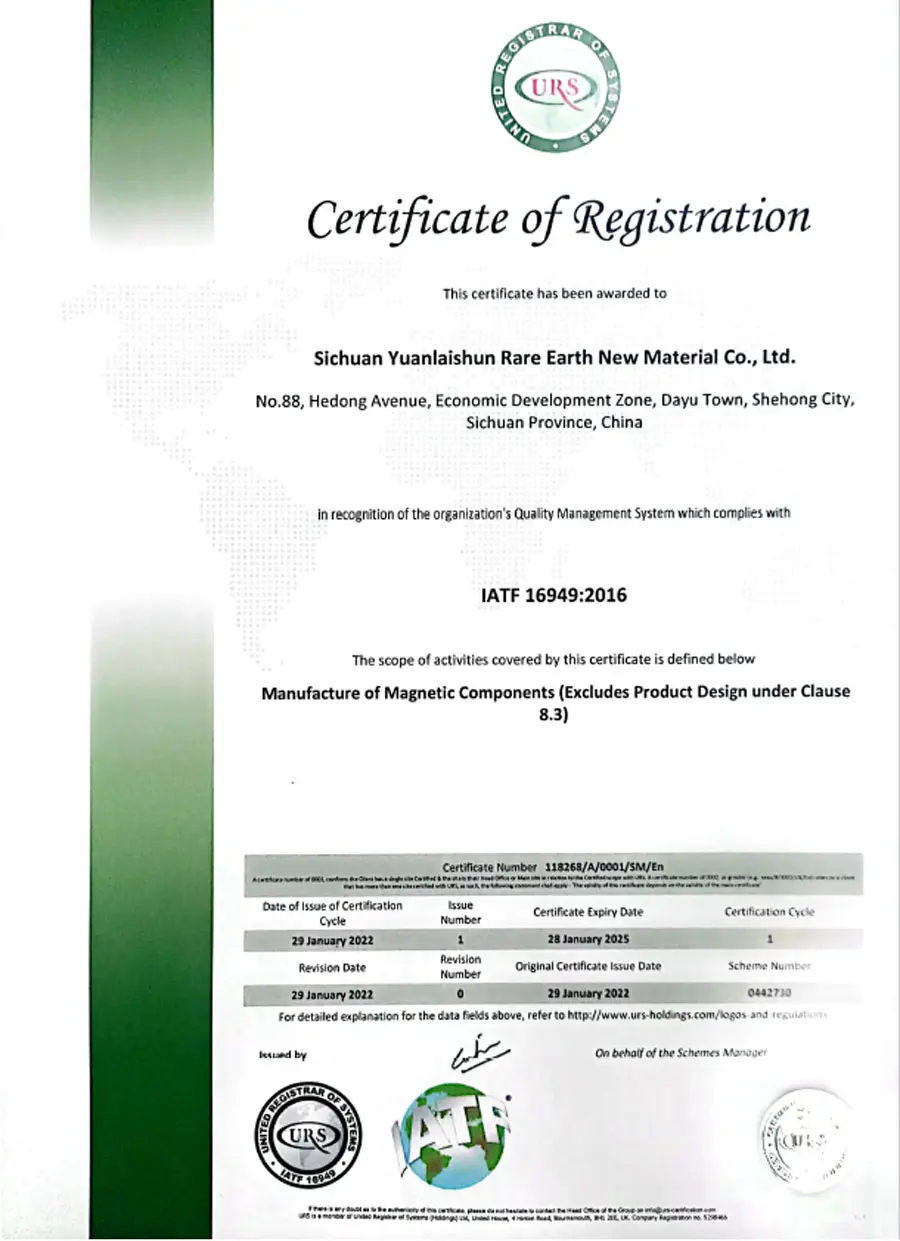
Global enterprise buyers face complex regulatory and compliance hurdles. At Laysun Magnetics, we manage risk by keeping our processes and products fully certified to international standards. We supply full documentation to guarantee that our rare earth magnets meet strict physical and chemical specs.
Our facilities adhere to API 6D, API 607, CE, ISO9001, ISO14001, ISO18001, and IATF/TS automotive guidelines. We utilize advanced diagnostic tools to verify quality at every step, including:
The global magnetics market is shifting toward resource-conscious materials. Two main trends are currently driving innovation: Heavy Rare Earth Reduction (HRE Reduction) and Grain Boundary Diffusion (GBD).
Traditionally, heavy rare earth elements like Dysprosium (Dy) and Terbium (Tb) were alloyed into the magnet melt to enhance high-temperature performance. However, this method reduces overall magnetization (remanence). The modern GBD process instead applies Dy or Tb to the surface of the sintered magnet, diffusing it along the grain boundaries during post-sintering heat cycles. This method concentrates the elements where they are most effective, allowing us to boost coercivity by 30-50% while conserving resources and maintaining high remanence.
Optimizes coercivity (Hcj) without compromising remanence (Br), yielding highly efficient magnets for high-demand motors.
Developing closed-loop recycling systems and lower-heavy-rare-earth options to assist buyers in meeting environmental regulations.
Review answers to common technical and sourcing questions from engineers and procurement teams.
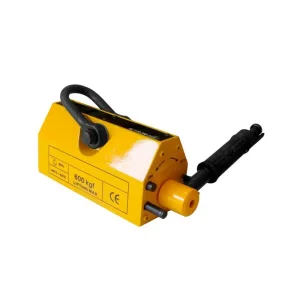
Partner with Zhejiang Laysun Magnetics Ltd. for your custom magnetic requirements. Submit your technical drawings and performance specs, and our engineering team will provide a quote within 24 hours.
Contact Engineering Team Laysun Magnetics