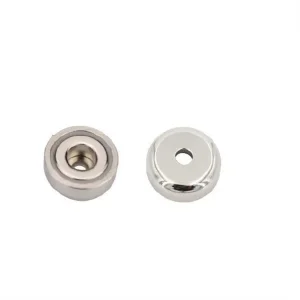
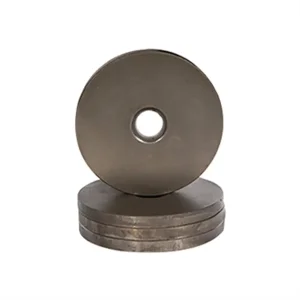
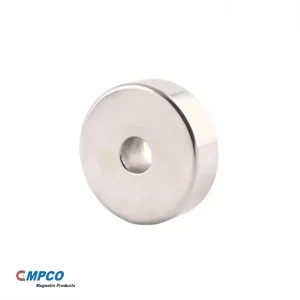
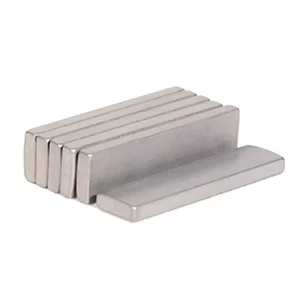
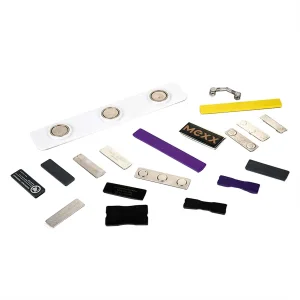
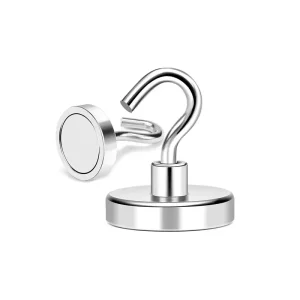
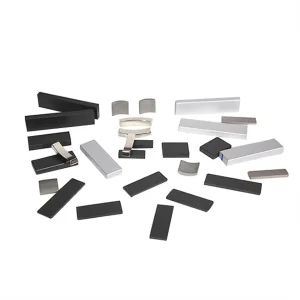
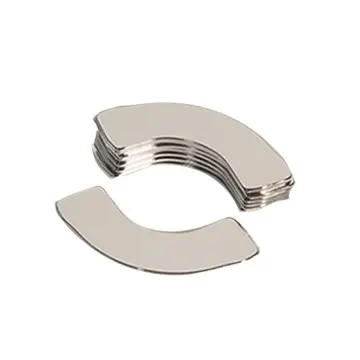
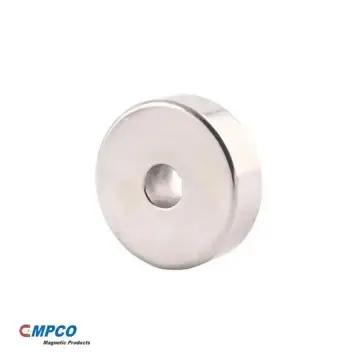
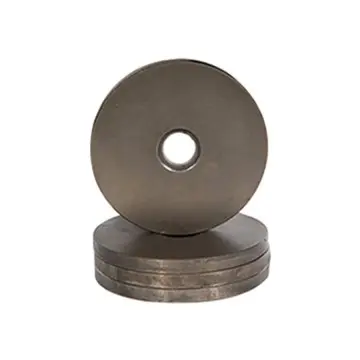
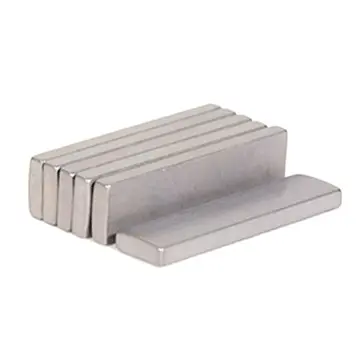
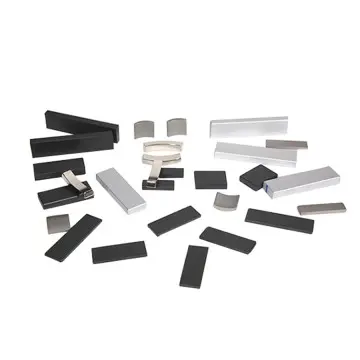
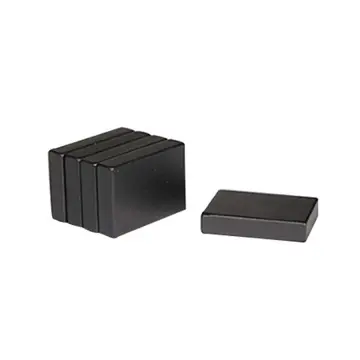
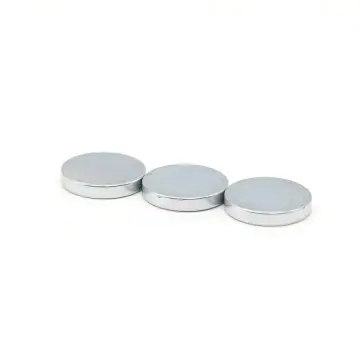
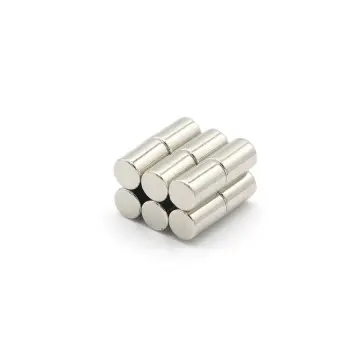
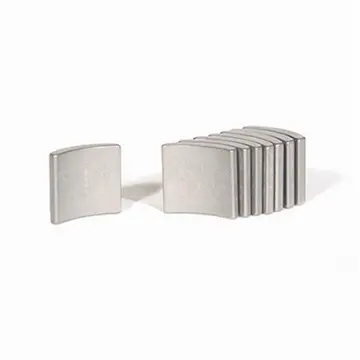
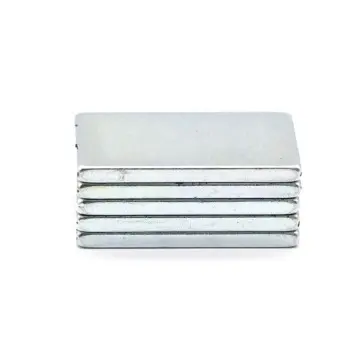
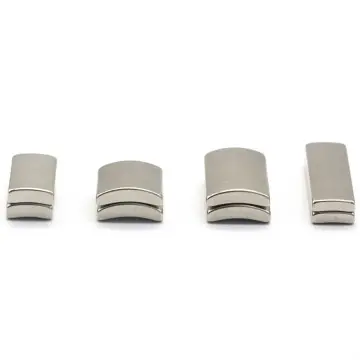
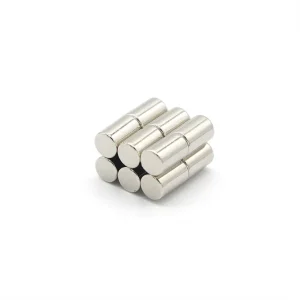
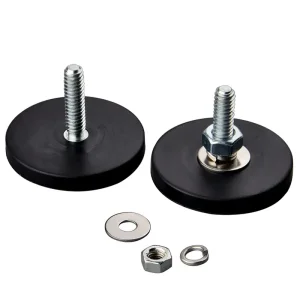
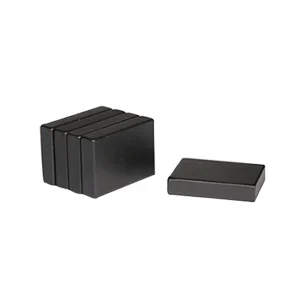
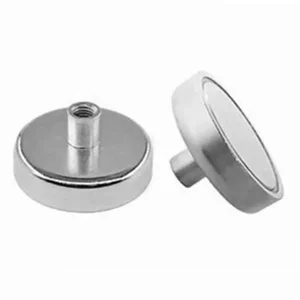
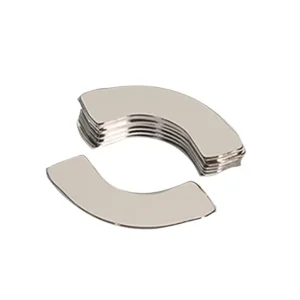
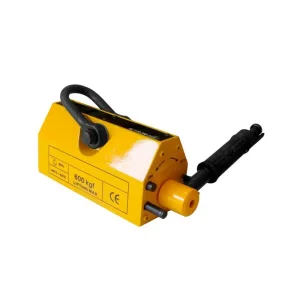
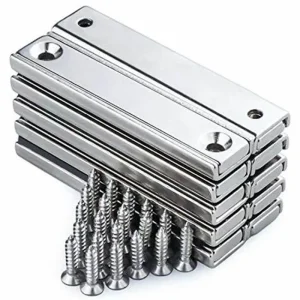
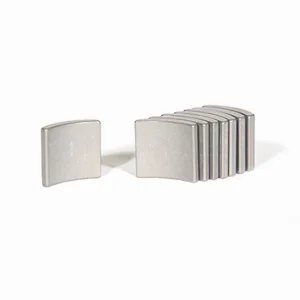
Explore our engineered NdFeB systems with precise geometries and customized magnetic circuits.
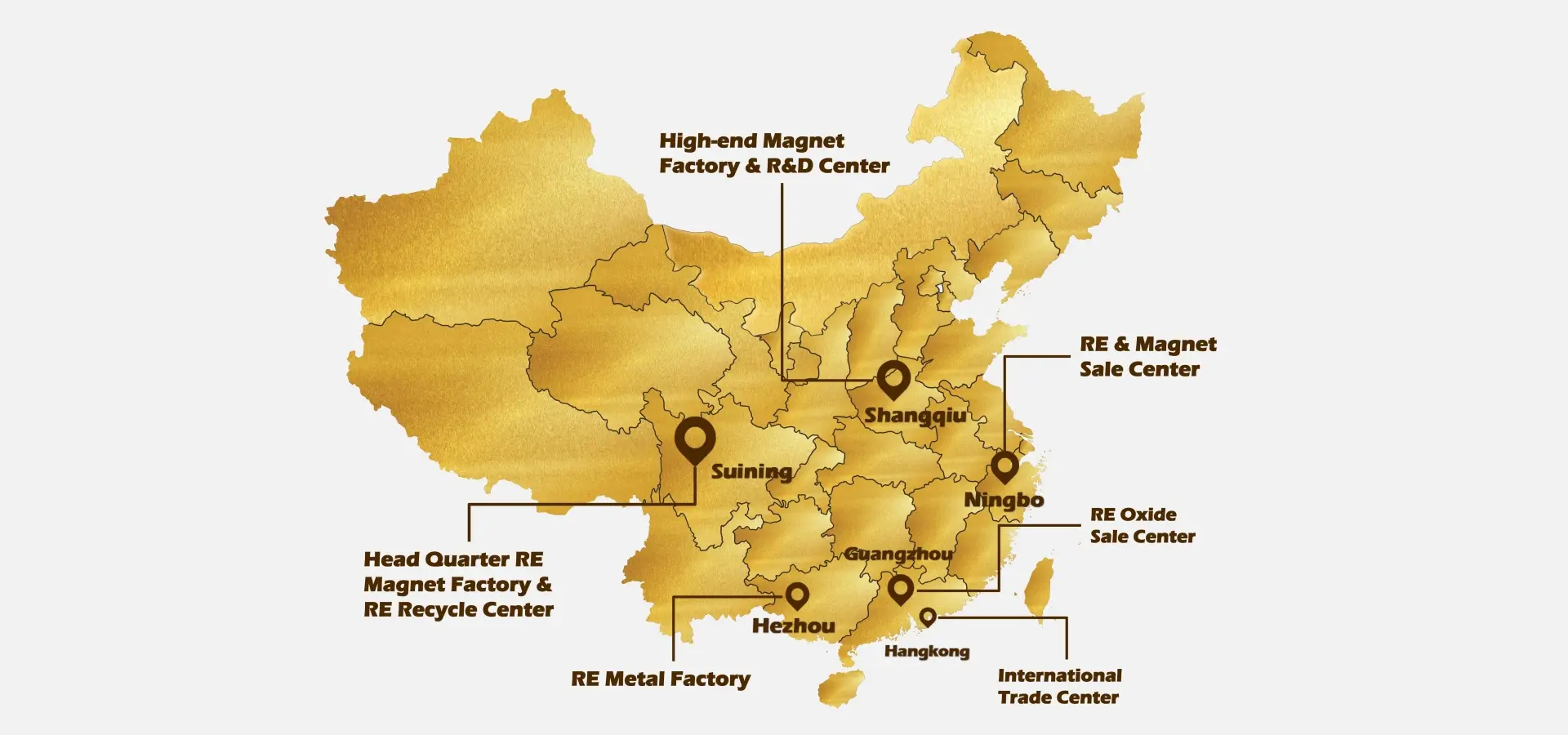
Since our inception in 1999, Zhejiang Laysun Magnetics Ltd. has dedicated over two decades to pushing the frontiers of magnetic material engineering. As a national high-tech enterprise, we operate a state-of-the-art 100,000 m² factory in Sichuan, housing 300+ highly specialized professionals. With an annual production capacity reaching 5,000 tons of sintered NdFeB magnets, we are strategic supply partners to global consumer electronics leaders, EV automotive OEMs, and robotic developers.
Our focus resides at the intersection of high magnetic power density and component micro-miniaturization, enabling device developers to realize thinner profiles, higher acoustic fidelity, and more energy-efficient micro-motors.
The global small consumer electronics sector—encompassing smartphones, true wireless stereo (TWS) earbuds, smart wearables, and virtual reality (VR) headsets—is undergoing a rapid transition. Developers are packing high-resolution cameras, haptic feedback mechanisms, dynamic micro-acoustics, and localized sensor networks into increasingly thin form factors. This transition imposes strict space limitations, forcing engineers to abandon traditional ferrite magnets in favor of high-energy-density Sintered Neodymium-Iron-Boron (NdFeB) materials.
NdFeB magnets provide the maximum magnetic energy product ((BH)max) per unit volume. This makes them highly effective for voice coil motors (VCM) in auto-focus smartphone cameras, linear resonant actuators (LRA) for haptics, and micro-drivers for premium audio. Zhejiang Laysun Magnetics Ltd. provides customized sintered NdFeB formulations that allow design teams to maximize field strength while minimizing mechanical space footprints.
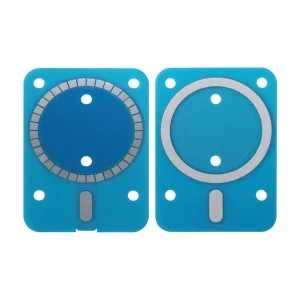
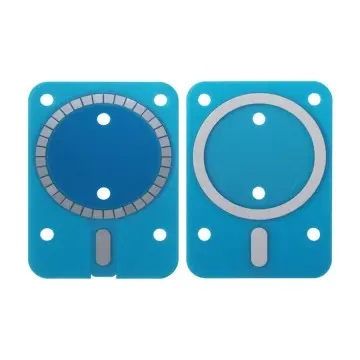
"The shift toward Qi2 and MagSafe ecosystem-compatible magnetic coupling standards has triggered a new paradigm in structural magnet designs. Small electronics now require ring-shaped assemblies with extremely tight dimensional tolerances and highly consistent surface coatings."
B2B procurement teams face the challenge of securing high-purity rare-earth metals (PrNd, Dy, Tb) amidst fluctuating raw material prices. To mitigate these risks, Laysun Magnetics implements precise Grade Engineering. By utilizing advanced grain boundary diffusion (GBD) technologies, we optimize the distribution of heavy rare earths (Dysprosium and Terbium) only along the magnetic crystalline interfaces. This dramatically increases temperature stability (allowing continuous operation up to 200°C) while reducing dependency on volatile heavy rare-earth components—providing a direct cost benefit to our customers.
Precision-molded NdFeB configurations for industrial and electronic system architectures.
Sintered NdFeB has a high iron content (approx. 65%), making it vulnerable to oxidation and corrosive degradation in standard environments. For consumer electronics worn near the human skin or exposed to moisture, standard nickel coatings are often insufficient. Laysun Magnetics offers custom plating options designed for specific environments:
Protects against atmospheric moisture. The copper interlayer prevents pinhole corrosion, and the outer nickel layer provides wear resistance. Passivation treatments ensure it meets 24 to 72-hour salt spray test (SST) standards.
Applied via chemical vapor deposition (CVD), creating a pinhole-free, polymer barrier layer. Ideal for medical wearables and smart rings requiring sweat resistance and biocompatibility.
Combines NdFeB assemblies with overmolded rubber or epoxy resins. Provides excellent impact dampening and IP68 waterproof capabilities for consumer drones and outdoor sensors.
We work closely with engineering teams to select surface treatments that minimize structural eddy currents while maximizing corrosion resistance, extending the operating life of modern consumer electronics.
Our magnets serve as key components across high-performance global industries.



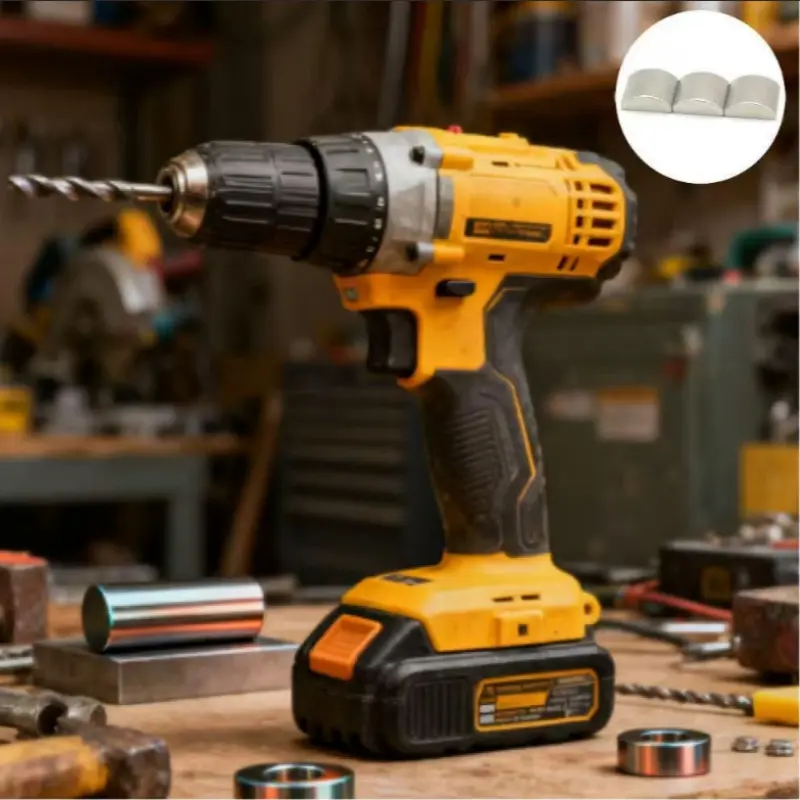

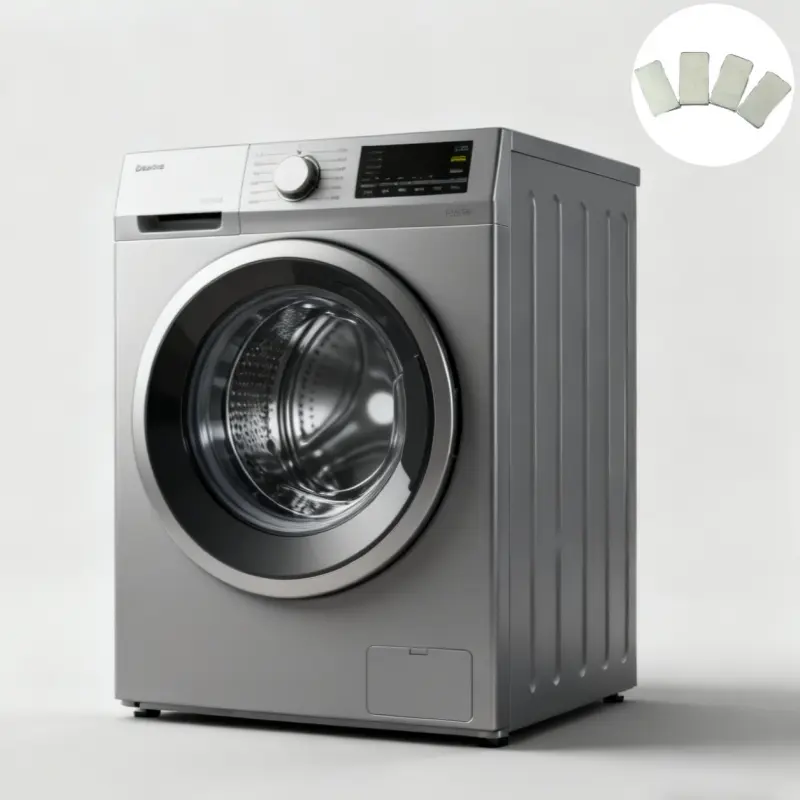
Using finite element analysis (FEA), our design engineers simulate complex magnetic flux paths before tooling begins. This process optimizes magnetization profiles, whether axial, diametrical, or multi-pole, to ensure consistent performance in your assemblies.
By simulating internal flux paths, we prevent regional saturation and locate weak flux zones in multi-pole assemblies. This enables us to design magnets with tighter tolerances, helping customers reduce overall material volume and cost.
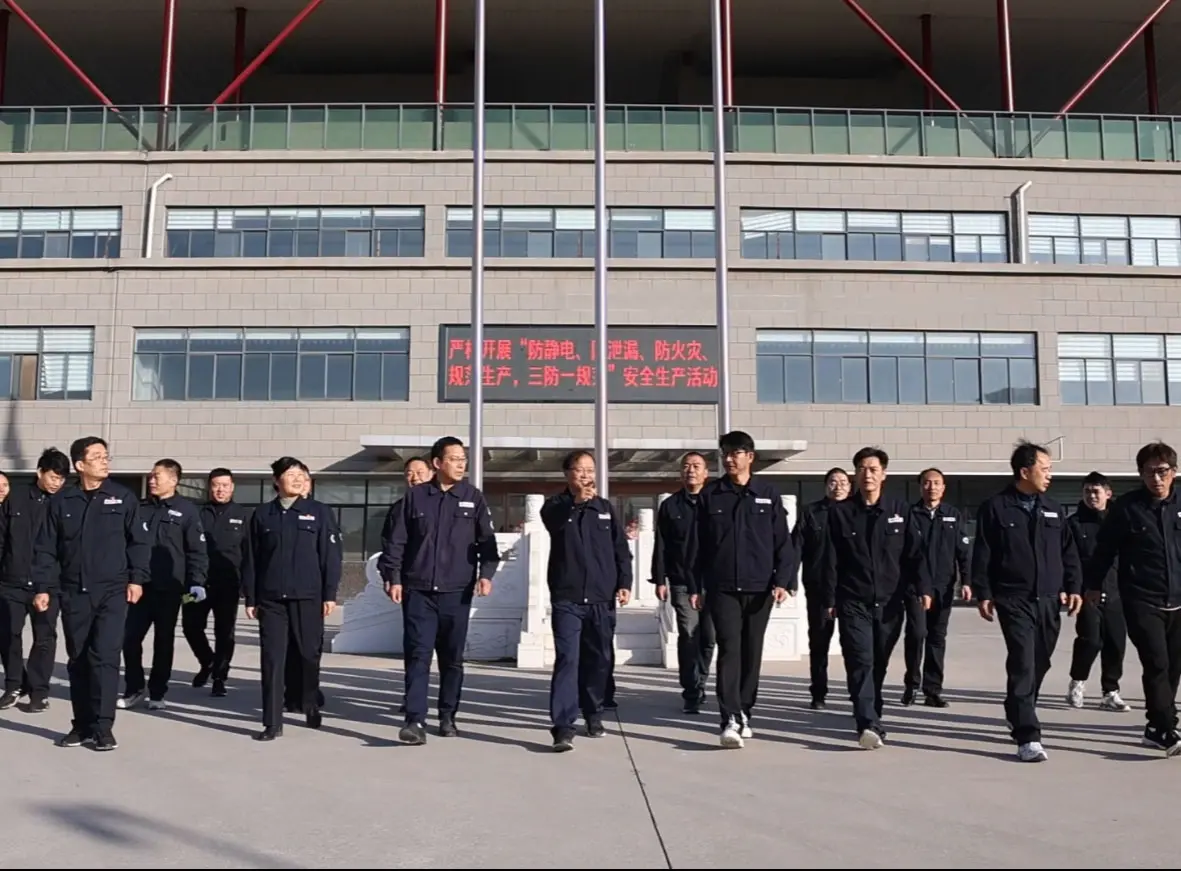
Our quality assurance process uses high-precision Helmholtz coils, coordinate measuring machines (CMM), and automatic fluxmeters to verify that each production batch matches the simulated design specifications.
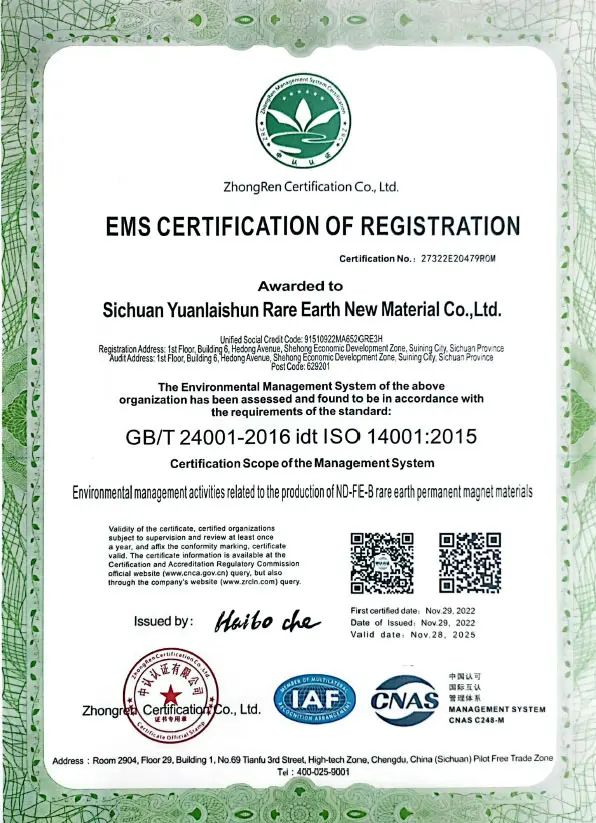
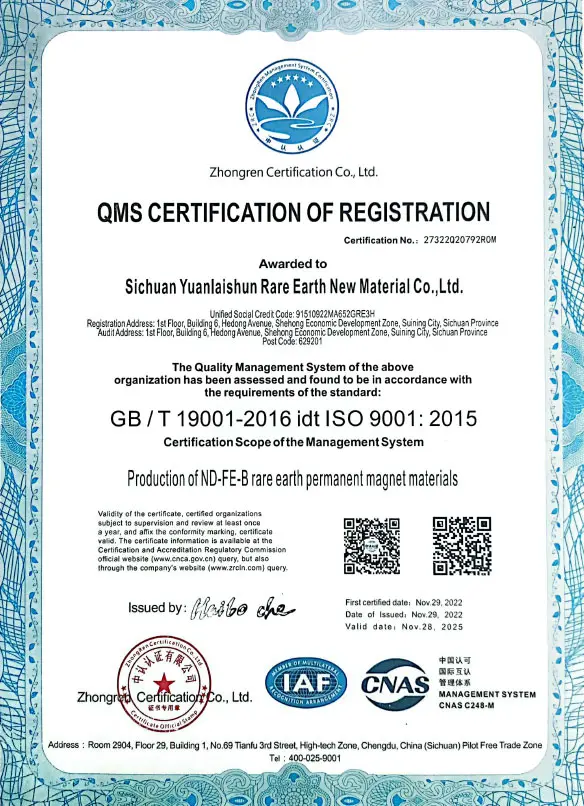
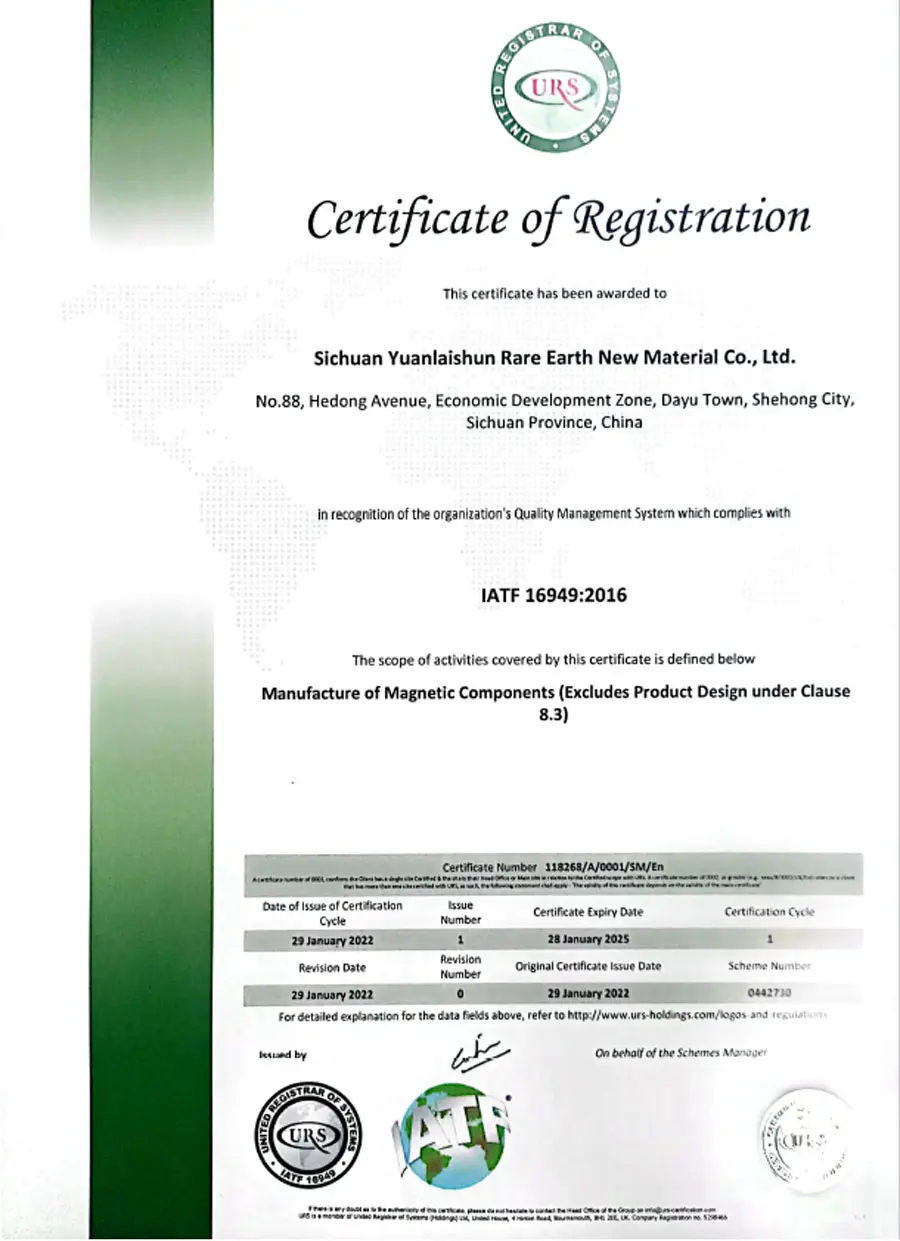
Zhejiang Laysun Magnetics Ltd. maintains standard industry certifications. Our quality management system covers raw material verification, vacuum induction melting, jet milling, pressing, sintering, and final electroplating. We hold ISO 9001 and ISO 14001 certifications, ensuring reliable performance in automotive EPS, industrial VCM systems, and consumer electronics.
For custom dimensions, temperature ratings, coating selections, or volume pricing breaks, contact our engineering office. We provide responses and preliminary FEA models within 24 hours.
Certified: API 6D, API 607, CE, ISO9001, ISO14001, ISO18001, TS.
Premium NdFeB assemblies designed for automotive components, power tools, and high-performance motors.
Technical guidance on temperature stability, plating processes, and custom manufacturing tolerances.
 Laysun Magnetics