Engineered to exact tolerances. Click on individual products to request a catalog, complete datasheets, or a competitive factory quote.
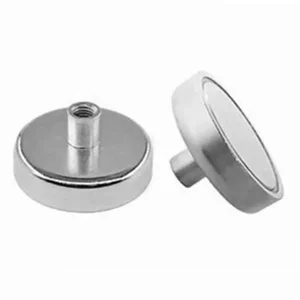
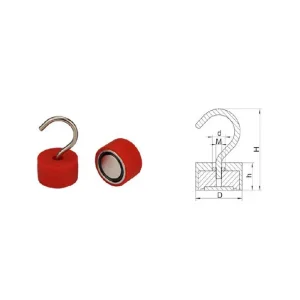
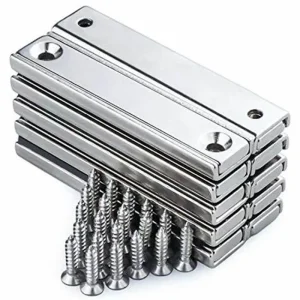
Founded at the turn of the millennium in 1999, Zhejiang Laysun Magnetics Ltd. has matured from a progressive technology startup into an internationally recognized high-tech pacesetter. Specializing in rare-earth materials, we produce high-remanence and high-coercivity Neodymium-Iron-Boron (NdFeB) magnets designed to perform in demanding industrial settings.
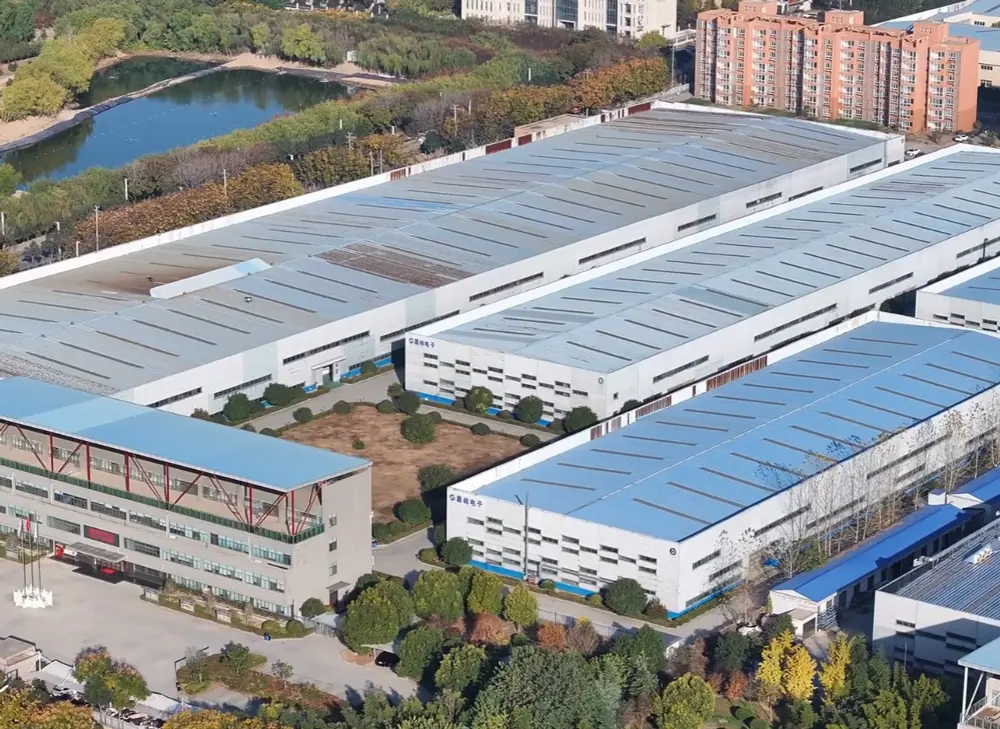
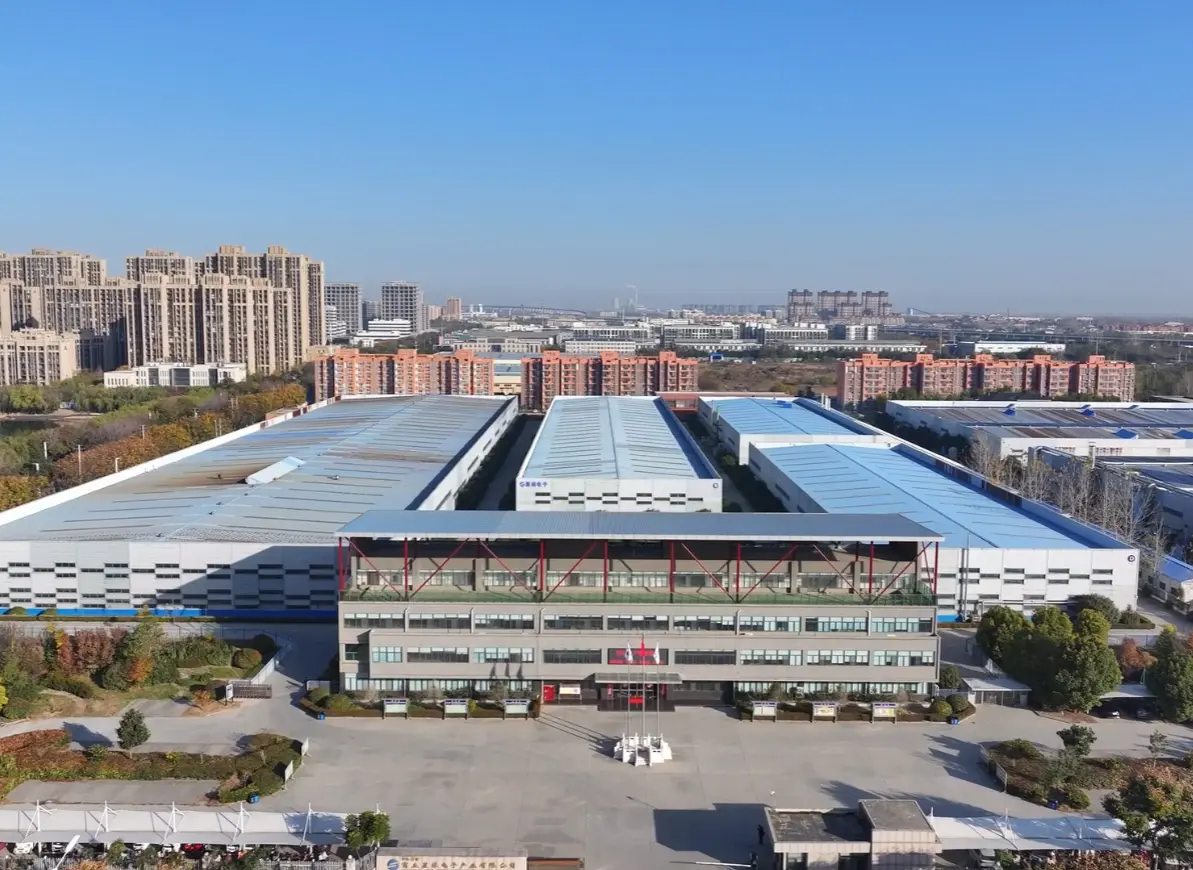
Our key operational asset is our 100,000 square meter factory located in Suining, Sichuan. Operating with a dedicated team of 300 professionals, this high-throughput facility maintains an annual production capacity of 5,000 tons of premium rare-earth magnets, ensuring structured supply-chain stability for our global clients.
Analyzing global demand, supply chain constraints, and technological shifts within the permanent magnet market.
Global manufacturers require reliable partners to secure steady pricing and consistent mineral sourcing. Heavy rare-earth elements like Dysprosium (Dy) and Terbium (Tb) are prone to price volatility. Our factory addresses this challenge by optimizing raw material sourcing and utilizing grain boundary diffusion (GBD) methods to lower heavy rare earth content while maintaining high magnetic performance.
The push for net-zero carbon goals is driving structural growth in the permanent magnet sector. Electric vehicles (traction motors, EPS system modules), high-yield wind generators, and robotics require compact, power-dense NdFeB segments. Our focus on N45SH to N52EH grade magnets supports this shift by improving energy conversion efficiency across motor designs.
Modern applications expose magnetic materials to harsh environmental factors, including marine spray and chemical exposure. We apply advanced coating chemistries to our products, including triple-layer Nickel-Copper-Nickel (Ni-Cu-Ni), high-durability epoxy resins, and vulcanized rubber encapsulations to prevent structural decay and oxidation.
How our magnetic engineering integrates with international value chains across transportation, power generation, and robotics.
Electric Power Steering (EPS) and drivetrain traction motors demand high magnetic flux consistency. Our NdFeB rotor segments provide the low-cogging torque and thermal resistance necessary to prevent demagnetization at temperatures up to 200°C.
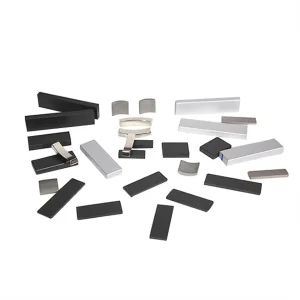
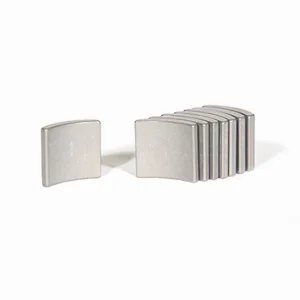
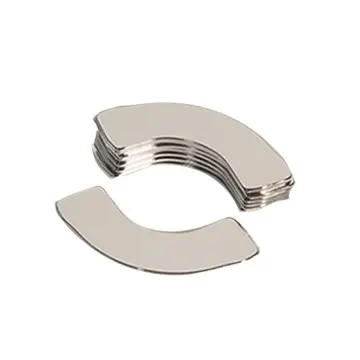
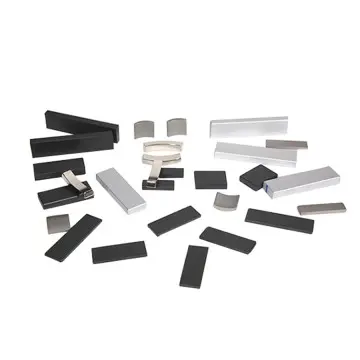
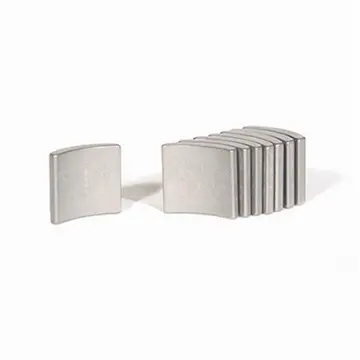
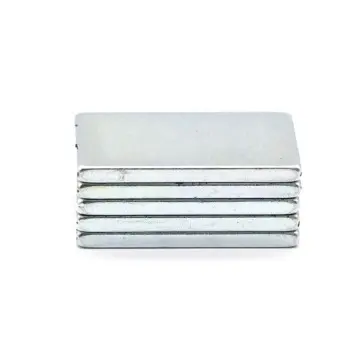
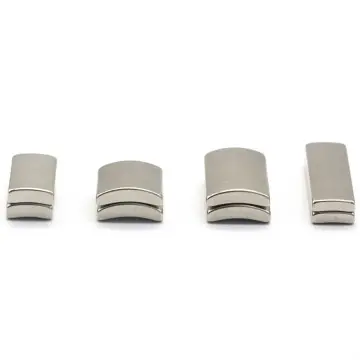
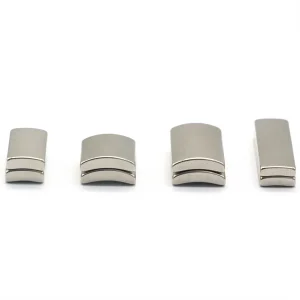
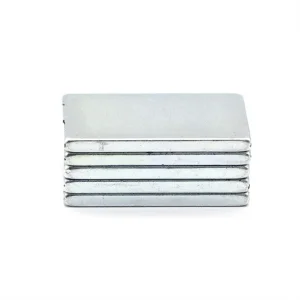
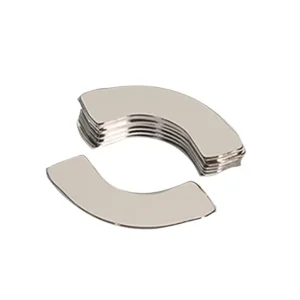
Servo motors require high torque-to-weight ratios to enable rapid, precise joint movements. Our custom-engineered arc and block segment designs minimize inertia while maximizing output power density within compact motor enclosures.
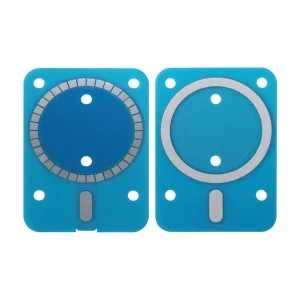
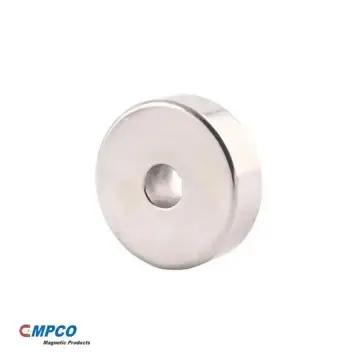
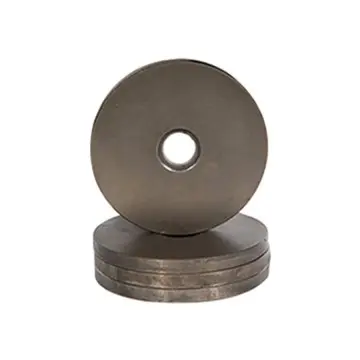
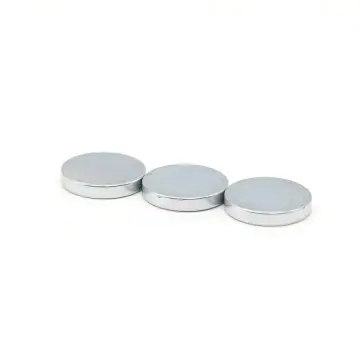
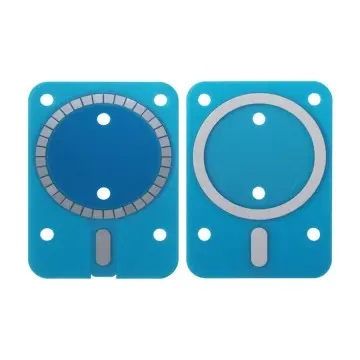
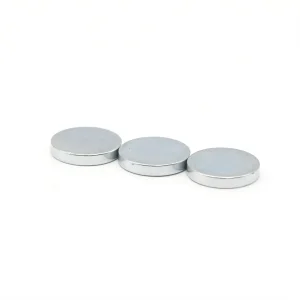
For smart devices, high-end smartphones (Magsafe structures), and high-frequency speakers, we supply ultra-thin magnetic rings and discs (thicknesses down to 0.5mm) with consistent magnetic fields.



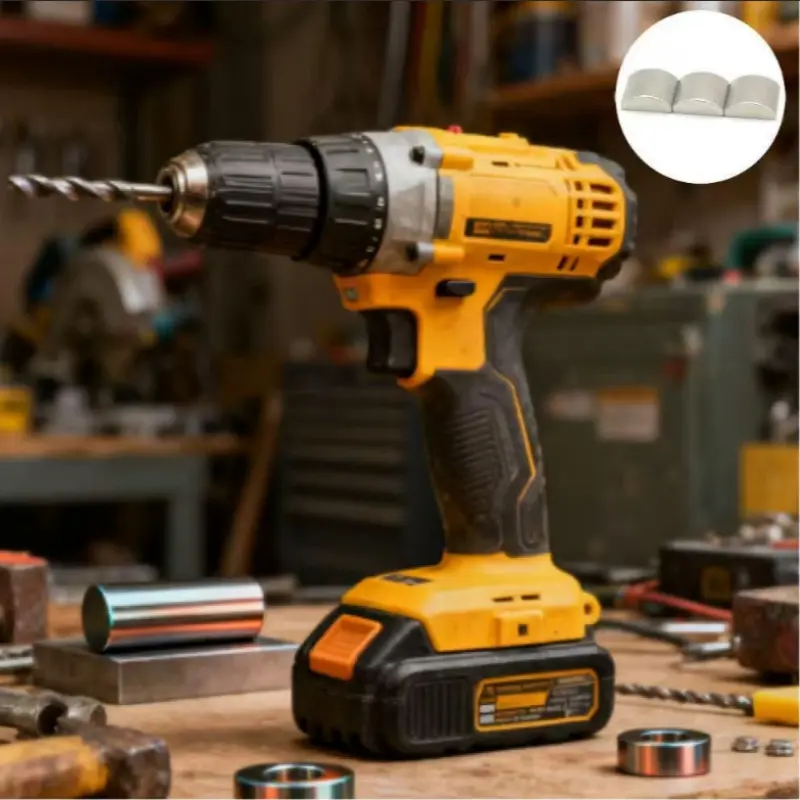

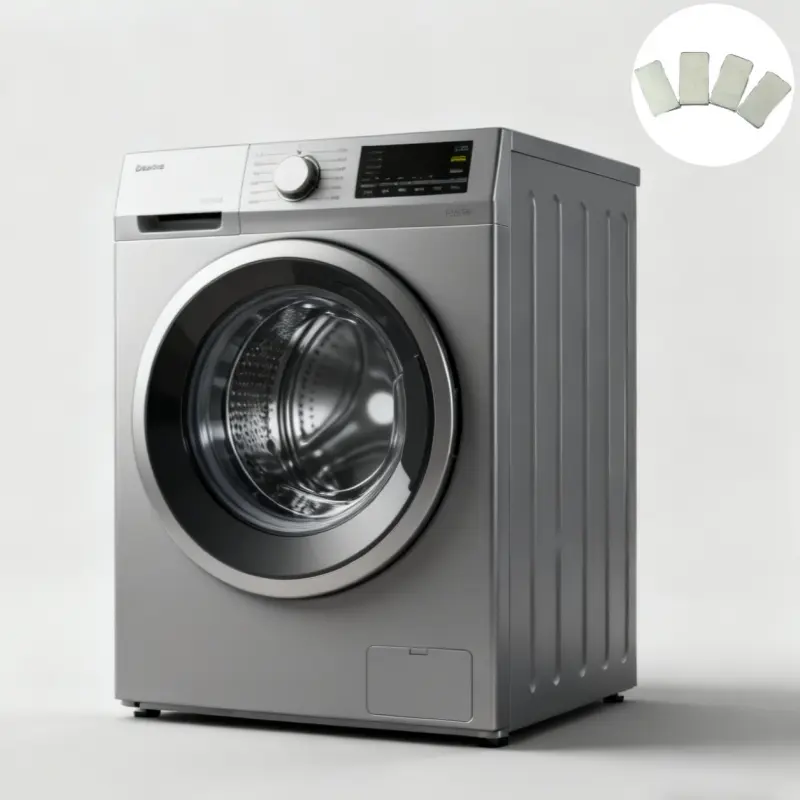
Our quality control program covers the entire production process, from checking incoming rare-earth oxides to testing magnetic field consistency and assessing coating durability. We are committed to global standards, enabling integration into demanding automotive and industrial applications.
Our factories conform to international environmental and safety standards. All permanent magnet materials are produced in compliance with RoHS and REACH requirements, preventing heavy metals or restricted substances from entering your manufacturing processes.
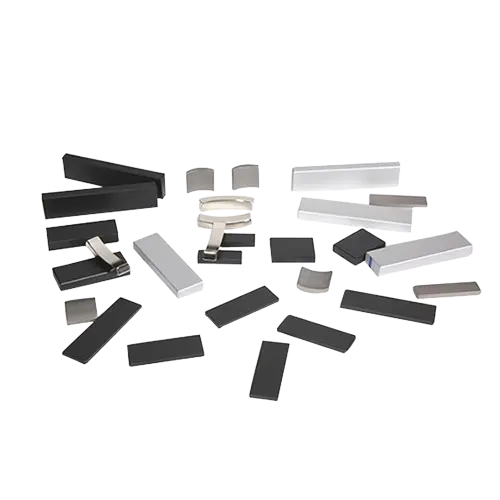
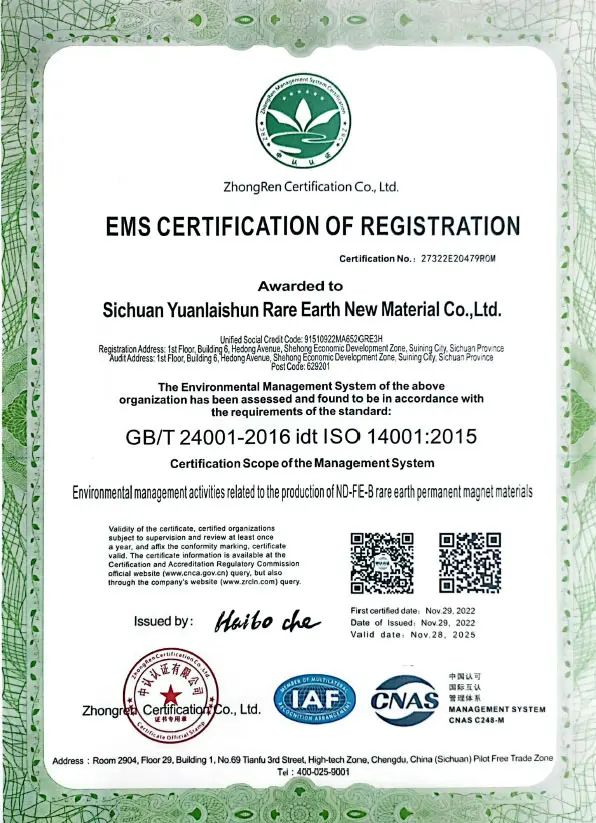
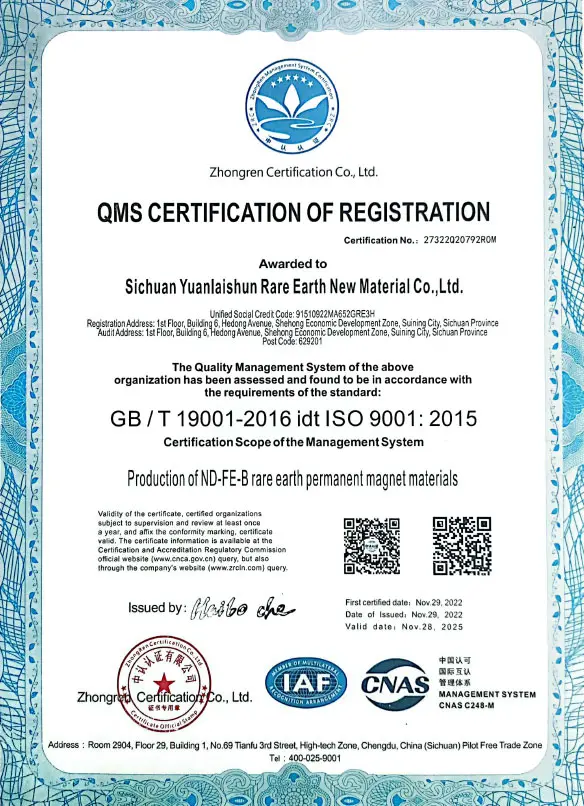
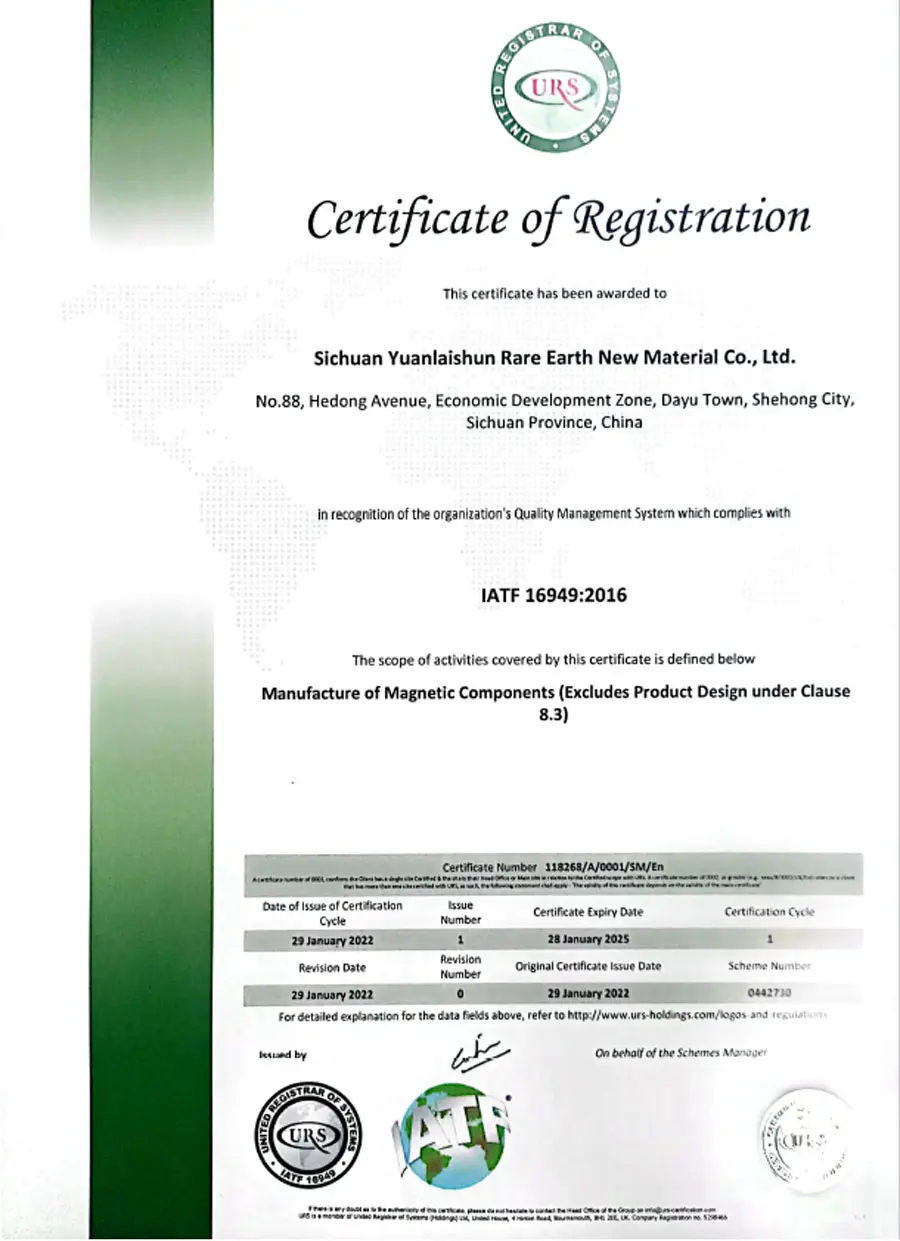
With headquarters in Hangzhou and production facilities in Sichuan, Laysun Magnetics maintains a logistics structure designed for quick support. We provide local technical consultation and assistance with customs clearance and door-to-door delivery for international shipments.
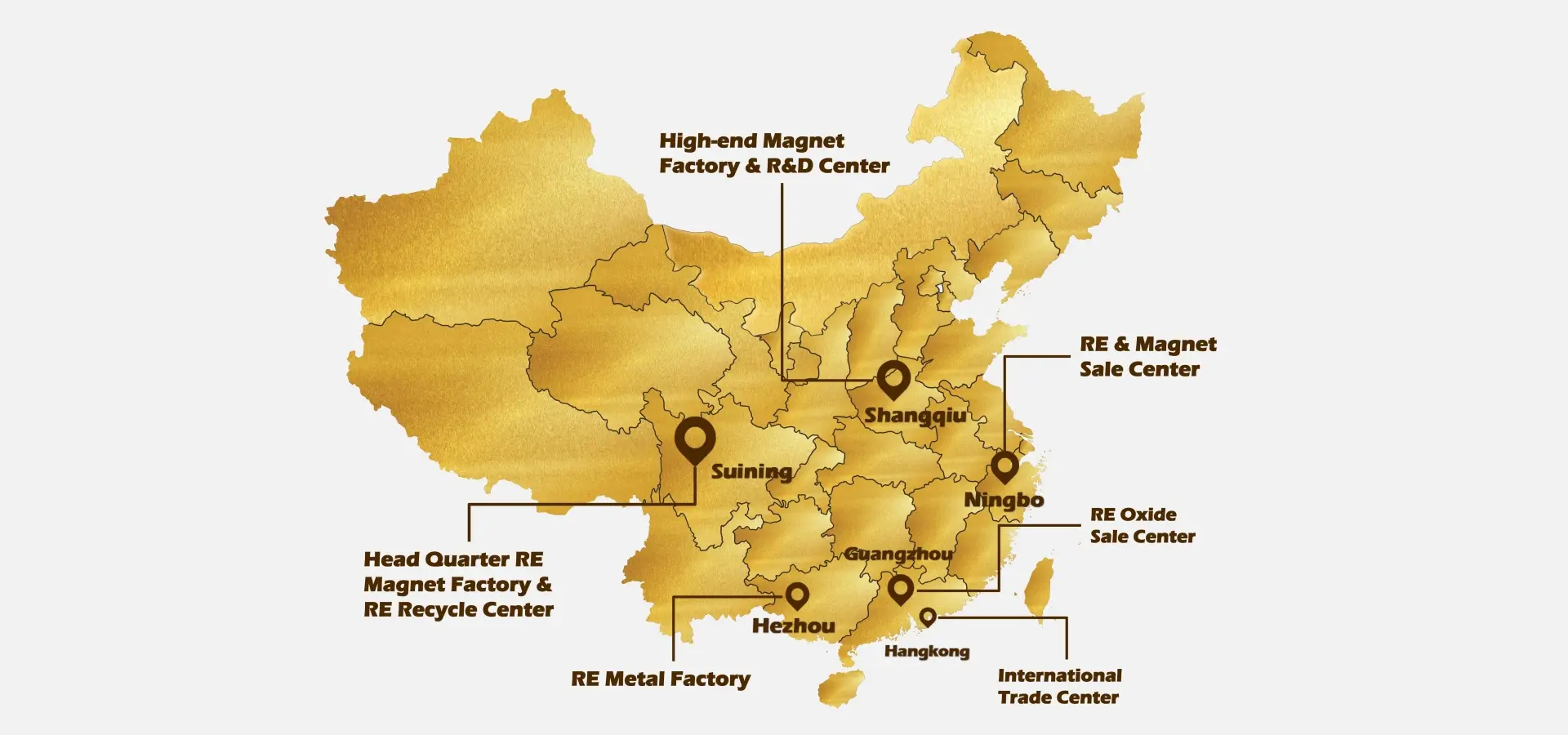
From mineral blending to final magnetization, we follow a structured, multi-step process control pathway.
Raw materials—including Neodymium, Iron, Boron, and dopants like Cobalt, Dysprosium, and Praseodymium—are melted in a vacuum induction furnace to cast uniform alloy strips. This stage sets the basis for the magnet's crystal structure.
The alloy strips undergo hydrogen decrepitation and are then pulverized in a jet mill using high-pressure nitrogen gas. This process reduces the material to micro-scale particles (typically 3 to 5 microns) with a narrow size distribution.
The micron powder is pressed in a hydraulic tool die under a strong magnetic field. This aligns the magnetic domains along the designated anisotropy axis, determining the final direction of magnetization.
The green compacts are heated in high-vacuum sintering furnaces to temperatures near their melting point. This fuses the powder particles into solid, high-density blocks, defining the magnet's magnetic and physical properties.
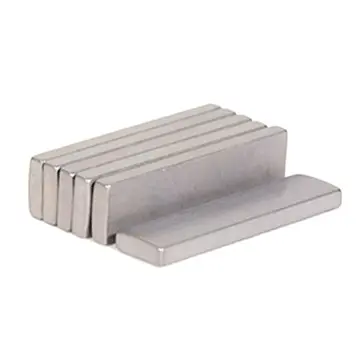
Because sintered NdFeB is hard and brittle, we use diamond-coated slicing wheels, wire-cutting machinery, and grinding systems to shape the material within specified tolerances. Magnets are then plated with Ni, Zn, or Epoxy to prevent environmental oxidation.
Each production run undergoes testing for magnetic properties using hysteresisgraphs, alongside flux measurements, thermal aging tests, salt spray evaluation, and automated optical inspections for dimensions.
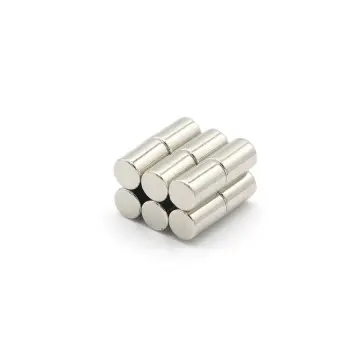
Technical explanations regarding magnet performance, coatings, thermal stability, and custom production options.
Thermal demagnetization occurs when high temperatures disrupt the alignment of magnetic domains. To prevent this, we offer different coercivity classes, such as SH, UH, EH, and AH. By adding Cobalt (Co) to increase the Curie temperature and utilizing Dysprosium (Dy) or Terbium (Tb) through grain boundary diffusion (GBD), our magnets can operate at temperatures up to 220°C without significant loss of flux.
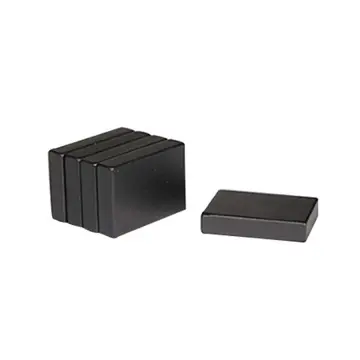
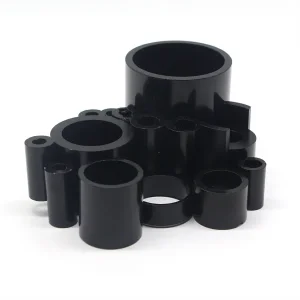
For indoor applications with low moisture levels, standard Zinc (Zn) or Nickel-Copper-Nickel (Ni-Cu-Ni) plating is generally sufficient. For harsh marine, chemical, or outdoor environments, we recommend black or grey Epoxy coatings, or specialized plastics/rubber encapsulation. These coatings act as physical barriers to moisture, salt spray, and oxidation.
Sintered NdFeB is manufactured by heat-compacting magnetic powder, yielding high magnetic energy densities (up to 52 MGOe). However, it is brittle and typically requires diamond machining. Bonded NdFeB mixes magnetic powders with a polymer binder, allowing it to be molded into complex geometries directly, though with a lower maximum magnetic energy density (typically up to 10-12 MGOe).
Using high-precision grinding and wire-cutting machinery, we achieve standard tolerances of +/-0.05mm. For critical applications like electric vehicle EPS motors or computer disc drive assemblies, we can refine tolerances to +/-0.01mm, depending on the geometry and design requirements.
Yes. We customize magnetic orientation according to design requirements. This includes axial, radial, or diametrical orientation, as well as multi-pole configuration rings and complex Halbach arrays to optimize magnetic flux profiles in specialized applications.
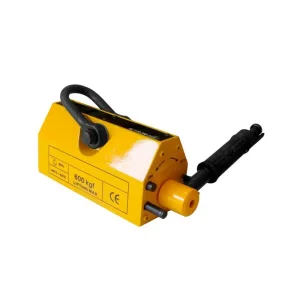
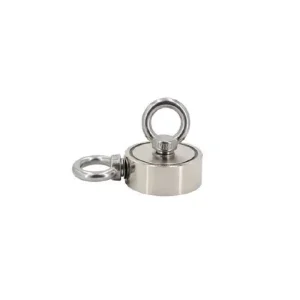
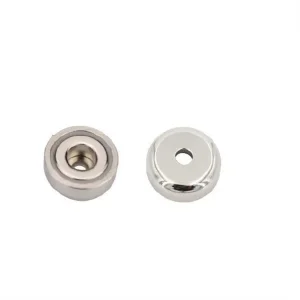
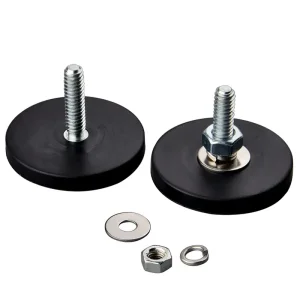
Explore our range of heavy-duty lifters, fishing magnets, generator segments, and specialized voice coil motors.
Submit your design specifications, magnetic orientation preferences, coating choices, and required quantities. Our engineering team will review your request and respond within 24 hours.
Contact Our Engineering Team Laysun Magnetics