Explore our core industrial grade magnetic solutions optimized for high-demand electro-mechanical applications
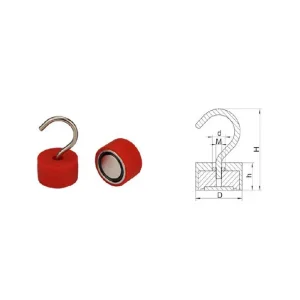
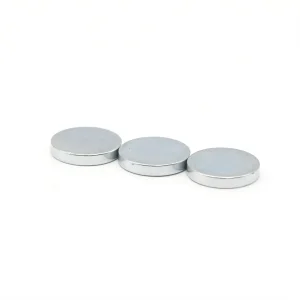
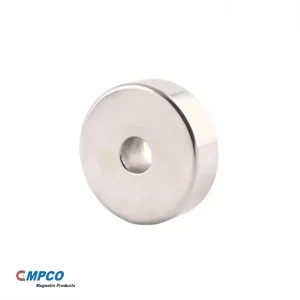
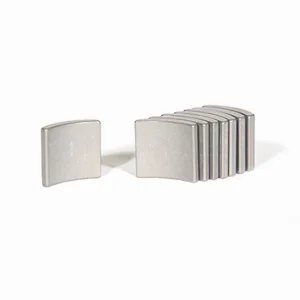
Nitinol (Nickel-Titanium shape memory alloy) is globally recognized for its exceptional superelasticity and shape memory recovery. However, in modern advanced medical engineering and precision robotics, its magnetic susceptibility is of paramount importance. Technically categorized as a paramagnetic material, Nitinol possesses a low magnetic susceptibility ($X_m \approx 3.0 \times 10^{-6} \text{ cm}^3/\text{g}$), which keeps its interaction with external magnetic fields minimal.
This paramagnetic behavior is dictated by the electronic shell structure of the Titanium and Nickel co-atoms. In contrast to ferromagnetic materials (such as Neodymium NdFeB or Cobalt), Nitinol does not retain residual magnetization once the external magnetic field is removed. This makes it highly compatible for biomedical environments and micro-electro-mechanical system (MEMS) actuators where localized magnetic interference must be completely eliminated.
The magnetic susceptibility of Nitinol varies significantly based on its crystal lattice configuration (Martensite vs. Austenite):
| Phase State | Crystal Lattice | Magnetic Response | Susceptibility ($10^{-6} \text{ emu/g}$) |
|---|---|---|---|
| Austenite (B2 Parent Phase) | Ordered Cubic (CsCl-type) | Low Paramagnetic | ~ 2.5 - 2.8 |
| Martensite (B19' Phase) | Monoclinic / Orthorhombic | Higher Paramagnetic | ~ 3.1 - 3.4 |
| R-Phase (Intermediate) | Rhombohedral | Variable Transition | ~ 2.9 - 3.0 |
In clinical and diagnostic medicine, Nitinol is widely utilized for implants, self-expanding vascular stents, and guide wires. A critical engineering design vector is ensuring that these devices do not create severe imaging distortion under Magnetic Resonance Imaging (MRI) scanners.
Because Nitinol's magnetic susceptibility is close to that of human tissue (which is slightly diamagnetic), it exhibits excellent MRI compatibility. When exposed to strong static magnetic fields (e.g., 1.5T or 3.0T), the localized field distortions—known as magnetic susceptibility artifacts—are significantly smaller than those produced by traditional stainless steel implants. This allows radiologists to accurately monitor surrounding anatomical structures without the blurring or signal voids that otherwise render postoperative imaging useless.
However, engineers must account for RF-induced heating. While the magnetic susceptibility controls the spatial image distortion, the high electrical conductivity of Nitinol wires can act as antennas, leading to localized heating. Optimizing the geometries and employing hybrid permanent magnet-shape memory configurations provides a safe mechanism for modern implant designs.
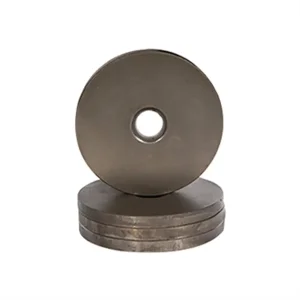
At Zhejiang Laysun Magnetics Ltd., we specialize in developing the next generation of electromagnetic controls. By marrying the structural shape memory capabilities of Nitinol with the raw coercive force of our custom-engineered Sintered Neodymium (NdFeB) Magnets, we unlock revolutionary engineering applications.
Consider smart actuators: a Nitinol wire contracture mechanism triggered by heat or electrical current can work in opposition or harmony with a permanent NdFeB disc or ring magnet. These hybrid systems are utilized in:
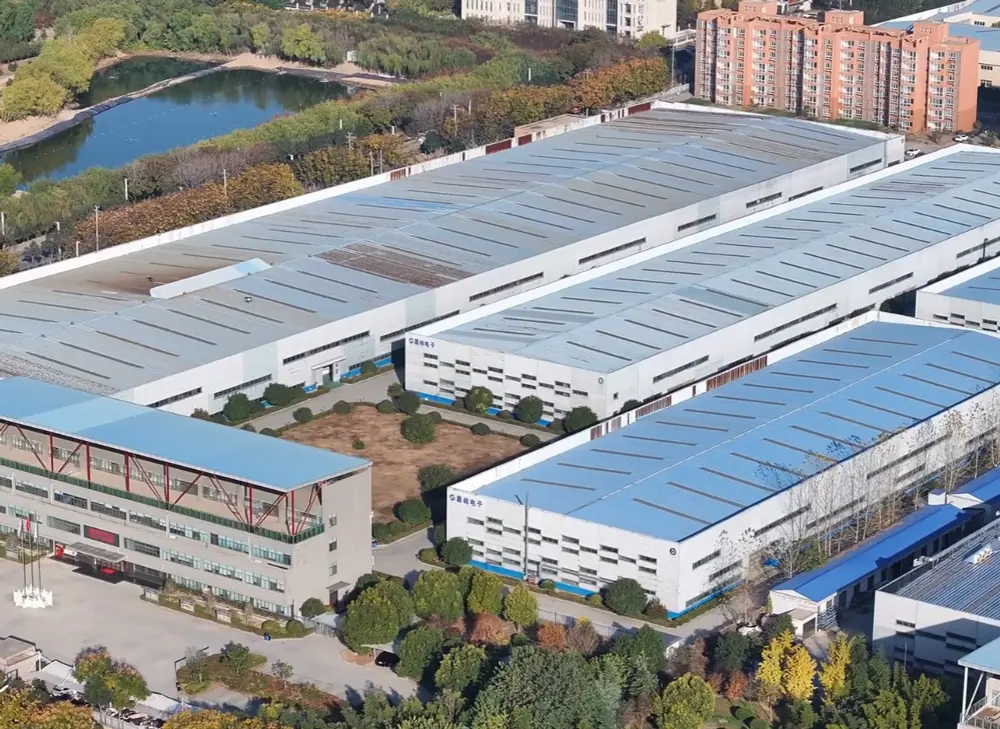
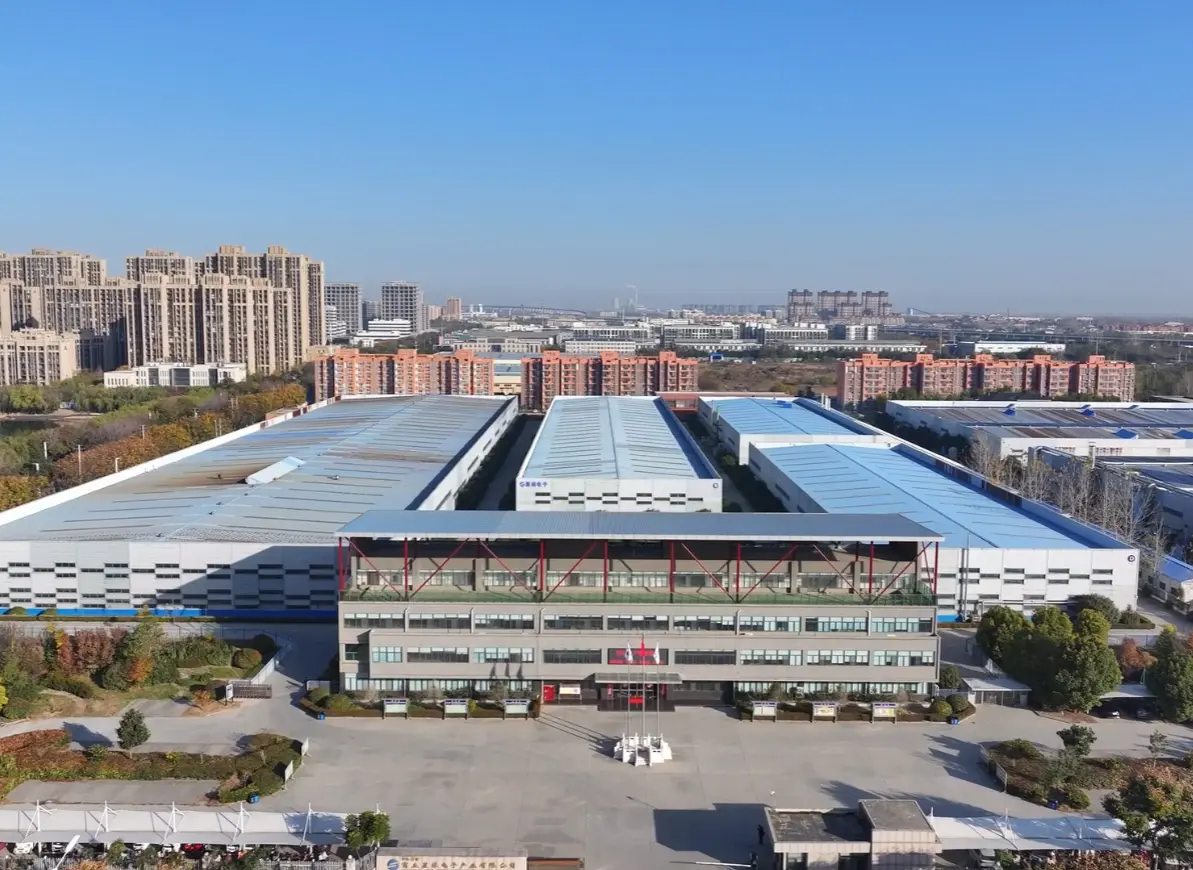
Established in 1999, Zhejiang Laysun Magnetics Ltd. has spent over two decades pioneering advanced rare-earth manufacturing. From our headquarters in China, we manage a massive 100,000 square meter state-of-the-art facility located in Suining, Sichuan, allowing us to output an impressive 5,000 tons of high-performance rare-earth magnetic solutions annually.
Our core competitive advantage is built on complete integration: from raw material processing to final testing under ISO 9001, ISO 14001, and IATF 16949 automotive standards. We ensure strict traceabilty of critical elements. This level of quality assurance is crucial for global OEMs who integrate our products alongside advanced smart alloys like Nitinol.
The global demand for high-precision magnetic assemblies and biocompatible alloys is scaling exponentially. The key drivers are the rapid shift to electric vehicles (EVs), miniaturization of medical implants, and the rise of commercial space flights.
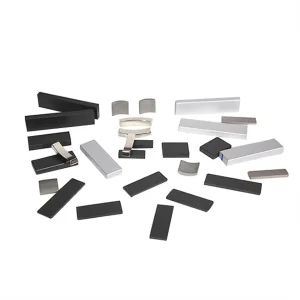
Next-gen electric steering systems require extremely temperature-stable NdFeB block magnets to maintain control during thermal spikes.
Using Nitinol's shape memory properties and biocompatibility paired with safe, high-grade permanent magnets for remote robotic surgery tools.
Extreme environmental tolerances where custom-coated NdFeB assemblies act as robust micro-actuators in harsh outer space deployments.
Global procurement managers must emphasize not just the initial cost but long-term magnetic stability, corrosion resistance, and geometric precision. At Zhejiang Laysun, we provide detailed test curves, demagnetization data, and customized plating solutions (NiCuNi, Epoxy, Rubber, Gold) to guarantee reliability under any operating conditions.


Tour our state-of-the-art facilities implementing modern smart automation standards
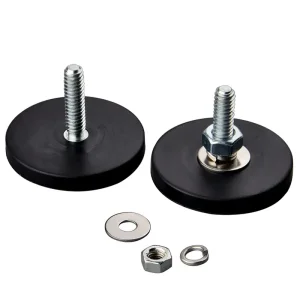
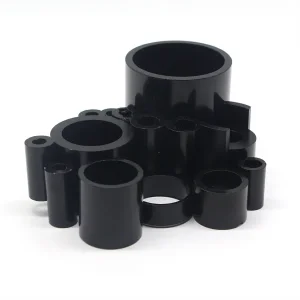
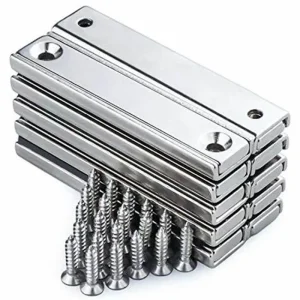
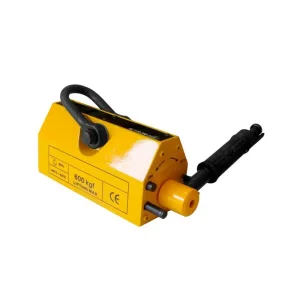
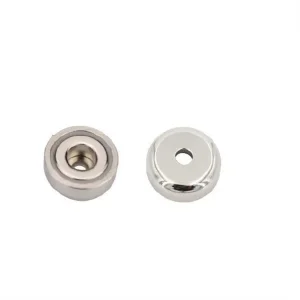
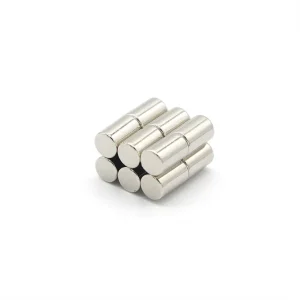
Explore our premium magnetic pot assemblies, multi-polar ring designs, and industrial lifting equipment
 Laysun Magnetics