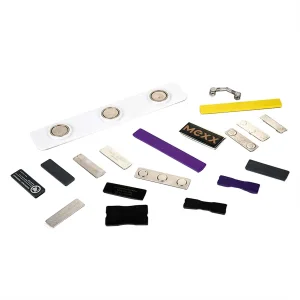
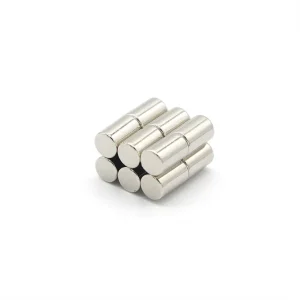
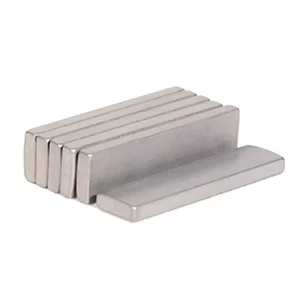
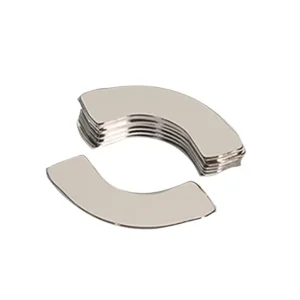
Explore our high-performance sintered and bonded rare-earth products engineered for extreme torque and energy environments.
Neodymium-Iron-Boron (NdFeB) permanent magnets stand at the apex of modern magnetic materials engineering. Since their breakthrough in the early 1980s, these rare-earth magnets have fundamentally redefined electrical engineering. Characterized by unprecedented Maximum Energy Product (BHmax), high remanence (Br), and resilient coercivity (Hcj), NdFeB is the critical enabler of high-efficiency motion control, miniaturized sensors, and powerful energy conversion systems globally.
Today, the commercial significance of Neodymium Magnets cannot be overstated. As the world transitions rapidly toward carbon neutrality, the automotive, energy, and robotics sectors demand magnet solutions that offer optimal volume-to-strength ratios. Industrial analysts estimate that the global NdFeB market is expanding at a Compound Annual Growth Rate (CAGR) of over 8.5%, directly fueled by the electric vehicle (EV) revolution, the widespread installation of direct-drive offshore wind generators, and the rise of autonomous humanoid robotics.
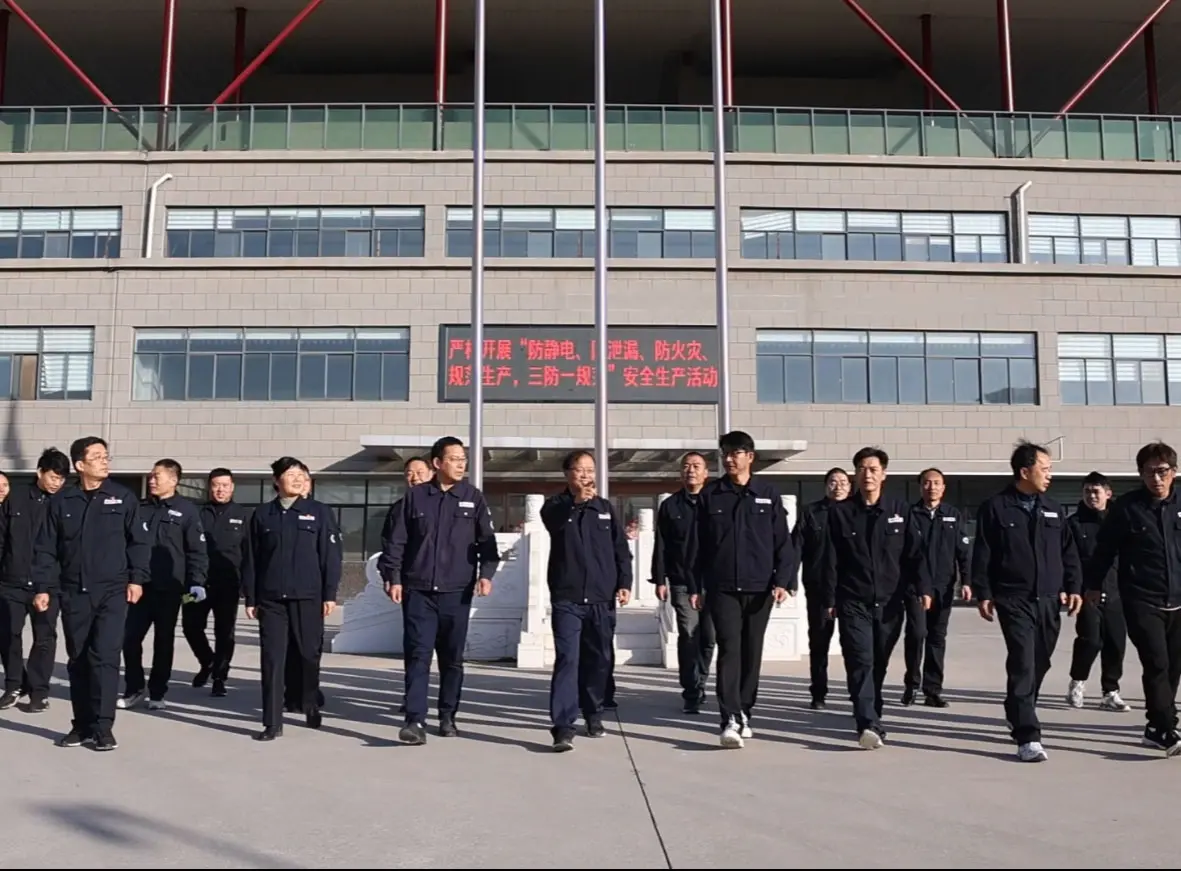
Zhejiang Laysun Magnetics Ltd. represents over two decades of technical brilliance. Here are the core metrics that define our capacity to serve high-volume industrial clients worldwide.
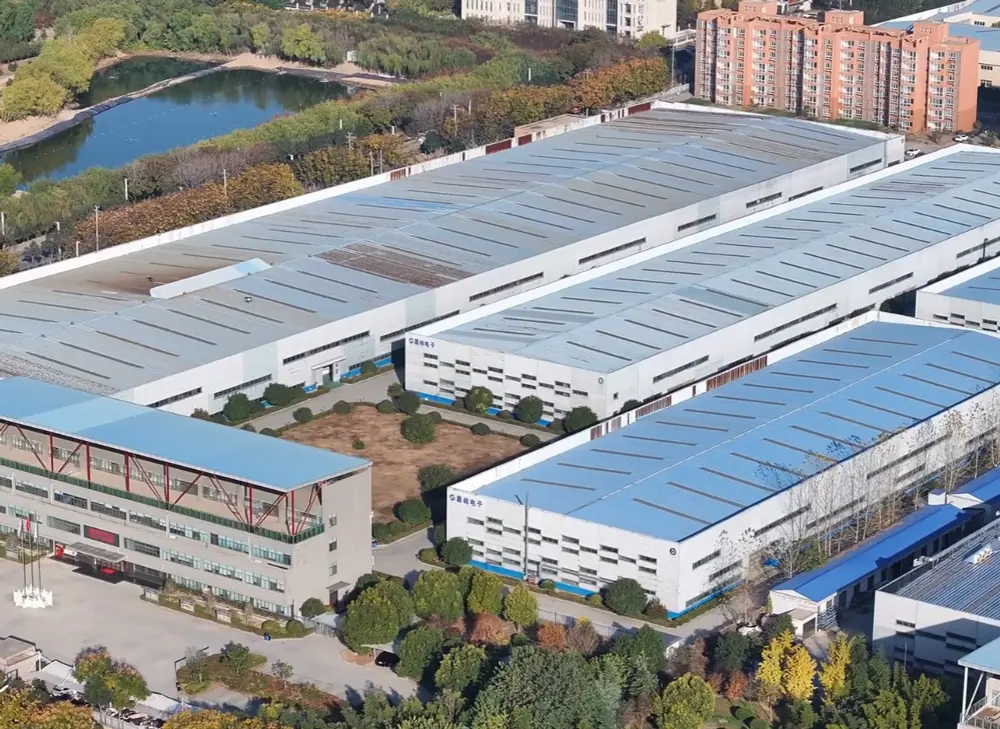
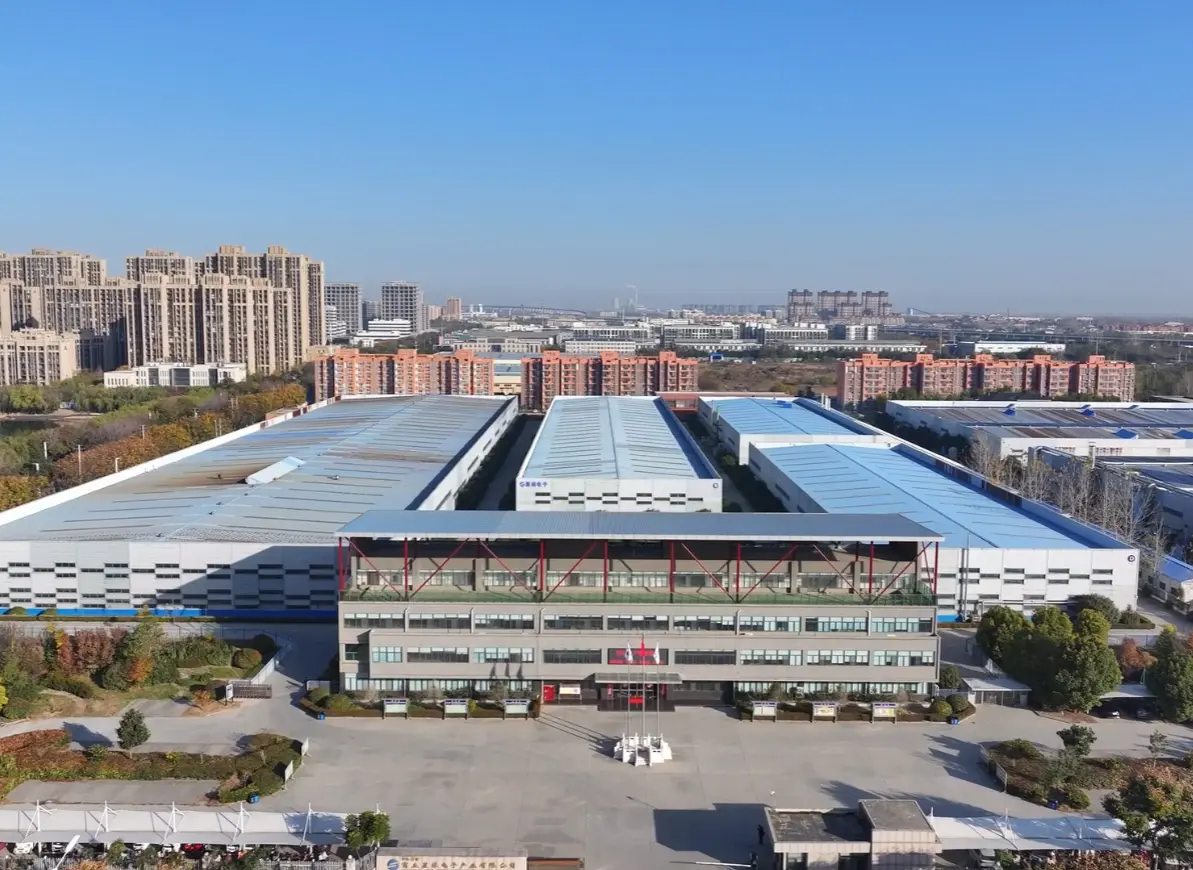
Founded at the turn of the millennium, Zhejiang Laysun Magnetics Ltd. has rapidly evolved from a visionary startup to an industry pacesetter. Our state-of-the-art factory, sprawling across 100,000 square meters in the vibrant city of Suining, Sichuan, is the heart of our operations. Here, our dedicated team of 300 employees works tirelessly to produce an impressive 5,000 tons of rare earth magnets annually.
At Zhejiang Laysun Magnetics Ltd., our corporate ethos is built on four core pillars: Quality, Credibility, Technology, and Innovation. Our relentless pursuit of technological advancement is not just about staying ahead of the curve; it is about establishing new global standards for magnetic efficiency.
Through active research and development, we have pioneered manufacturing technologies that mitigate magnetic losses under high-temperature conditions. Our engineering teams have perfected Grain Boundary Diffusion (GBD) technology. This metallurgical breakthrough allows us to produce ultra-high-coercivity (UH, EH, AH series) neodymium magnets while minimizing the use of scarce heavy rare earth elements like Dysprosium (Dy) and Terbium (Tb), thus maintaining cost efficiency and sustainability for our partners.
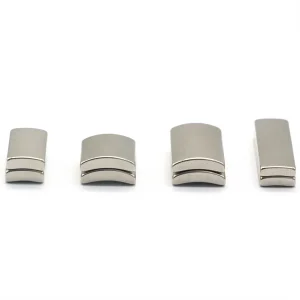
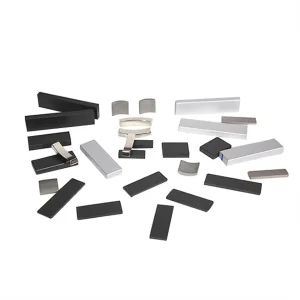
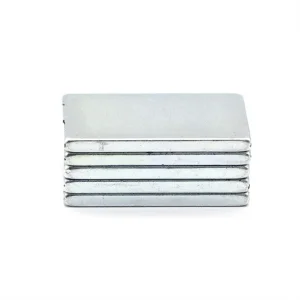
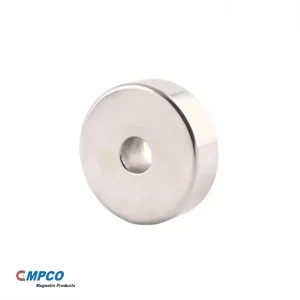
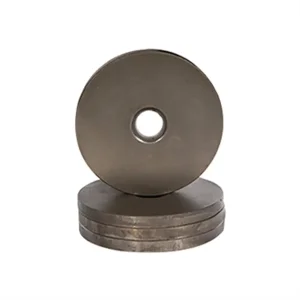
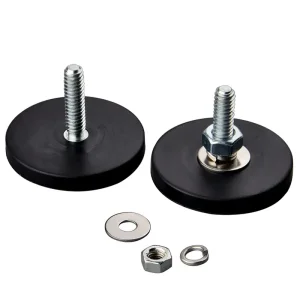
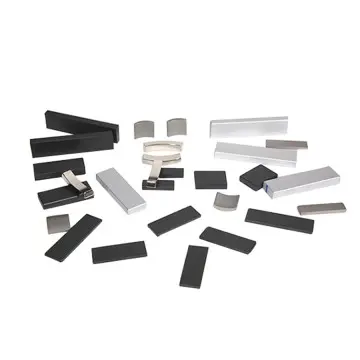
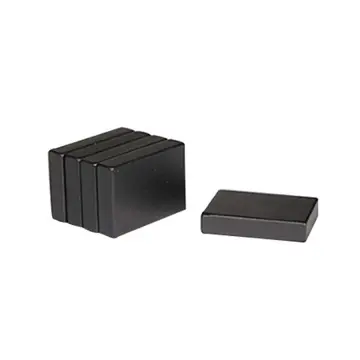
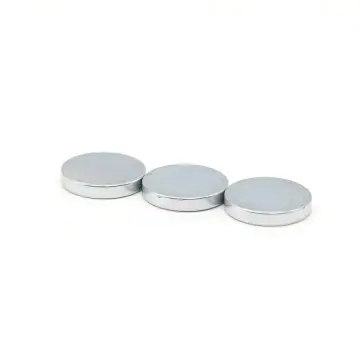
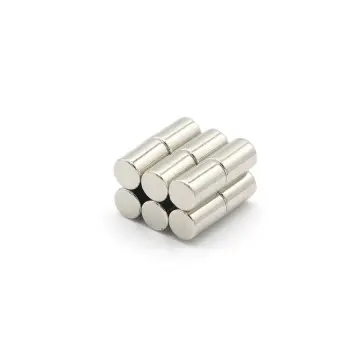
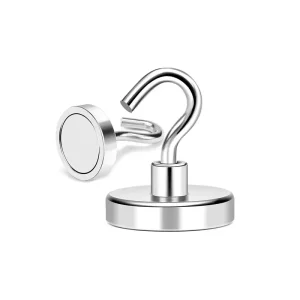
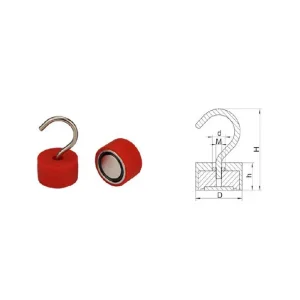
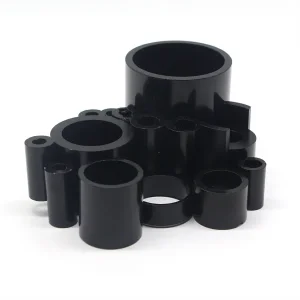
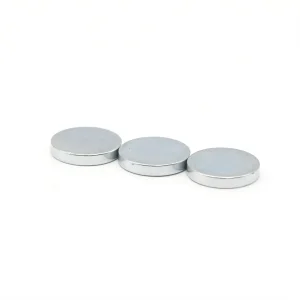
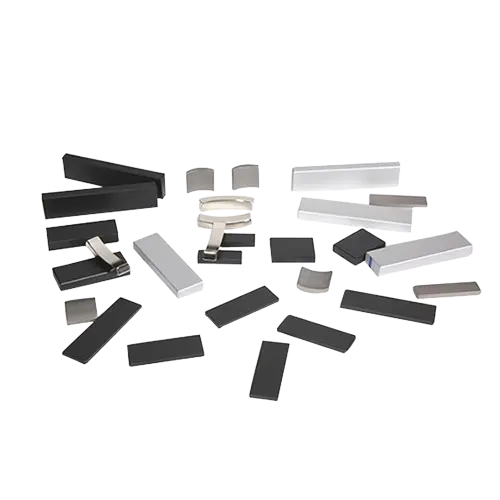
Tailored geometries and surface coatings optimized for premium operational life cycle.
In the high-performance permanent magnet industry, optimization of the BHmax and the operational thermal limit is a continuous pursuit. Sintered Neodymium Magnets are inherently prone to thermal demagnetization when operating environments exceed 80°C unless modified metallurgically. In motor and generator topologies, internal temperatures can exceed 150°C and reach up to 220°C in high-performance automotive EPS (Electric Power Steering) systems or heavy traction drives.
To address this critical physical limitation, Laysun Magnetics focuses on complex alloy modifications:
1. Heavy Rare Earth Substitution & GBD: By strategically diffusing Dysprosium (Dy) or Terbium (Tb) through the crystalline grain boundaries, we can maintain the high residual flux density (Br) of the core Nd2Fe14B grains while drastically reinforcing the coercivity (Hcj) against external demagnetizing fields.
2. Advanced Anti-Oxidation & Protective Coatings: Neodymium magnets contain high concentrations of active iron, making them naturally susceptible to corrosion. We have designed multi-layered electroplating options—including Nickel-Copper-Nickel (Ni-Cu-Ni), Epoxy resin coatings, Parylene encapsulation, and customized Rubber-Coating—to ensure reliable deployment under harsh marine or industrial conditions.
Developing application-specific magnetic systems for mission-critical industrial applications.
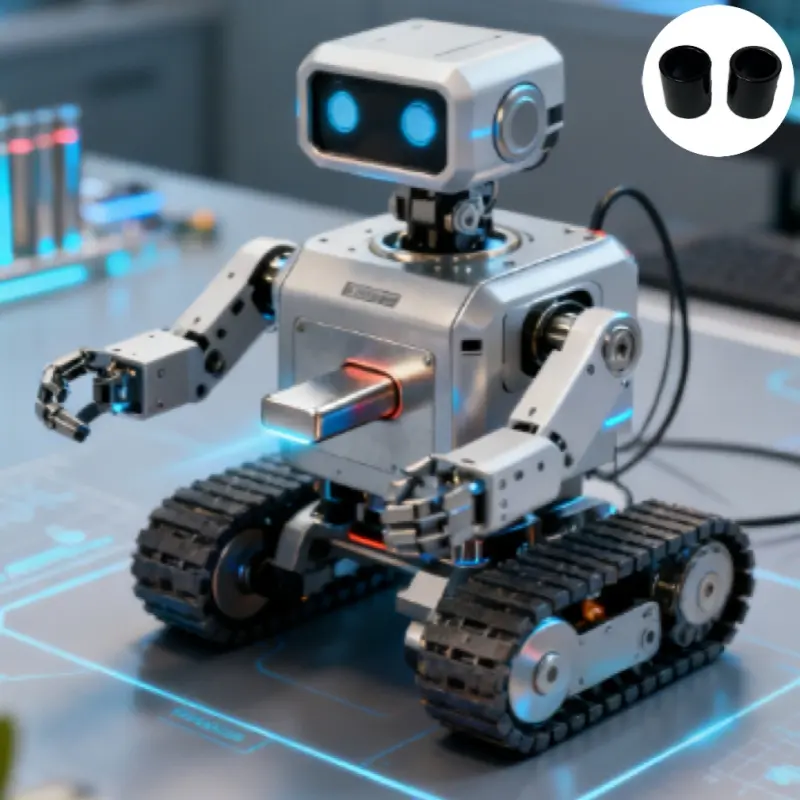
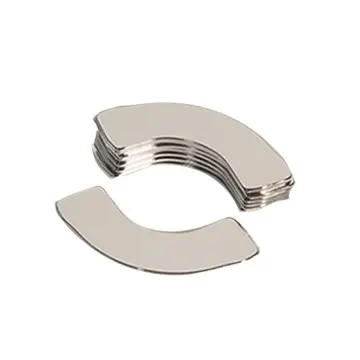
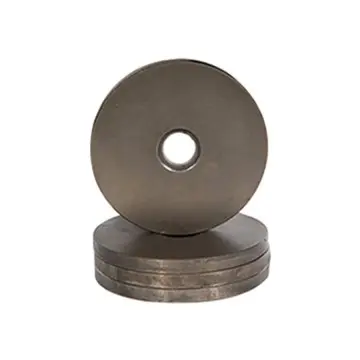
Ultra-precise NdFeB arc and ring assemblies optimized for low torque-ripple in servo actuators and collaborative robotic joints.

High power-to-weight ratios are critical for UAV flight efficiency. Our custom lightweight, high-energy magnets yield maximum thrust.

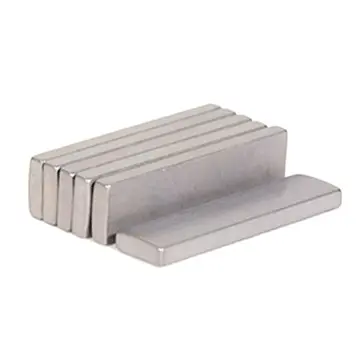
Sintered blocks designed for traction motors, operating reliably in temperatures up to 200°C with minimum demagnetization.
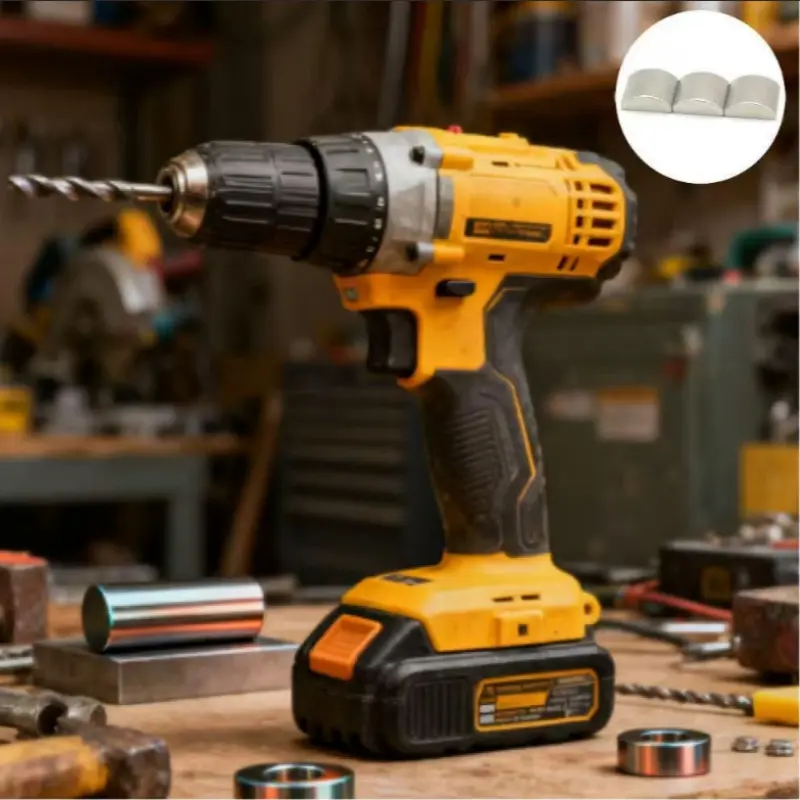
High coercivity magnets that withstand extreme vibrations, shock loads, and transient electrical surges in brushless motor applications.

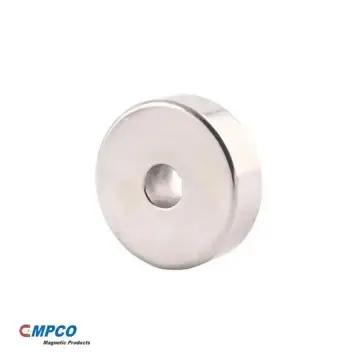
Micro-engineered cylinder and ring magnets for smartphones, audio equipment, voice coil motors, and fast wireless charging systems.
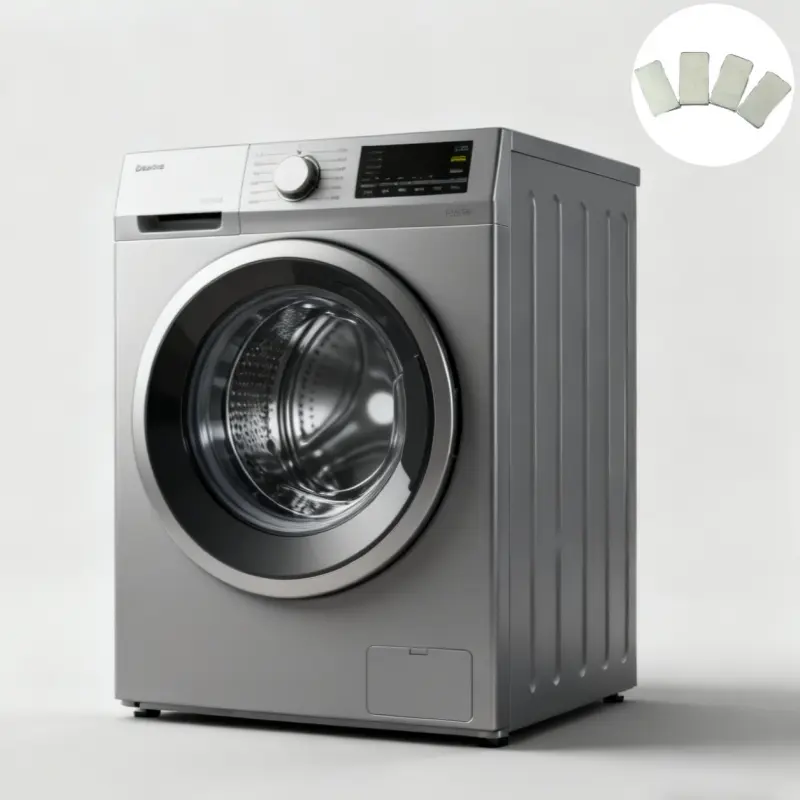
Energy-saving compressor motors in inverter ACs, refrigerators, and washing machines powered by high-efficiency NdFeB magnets.
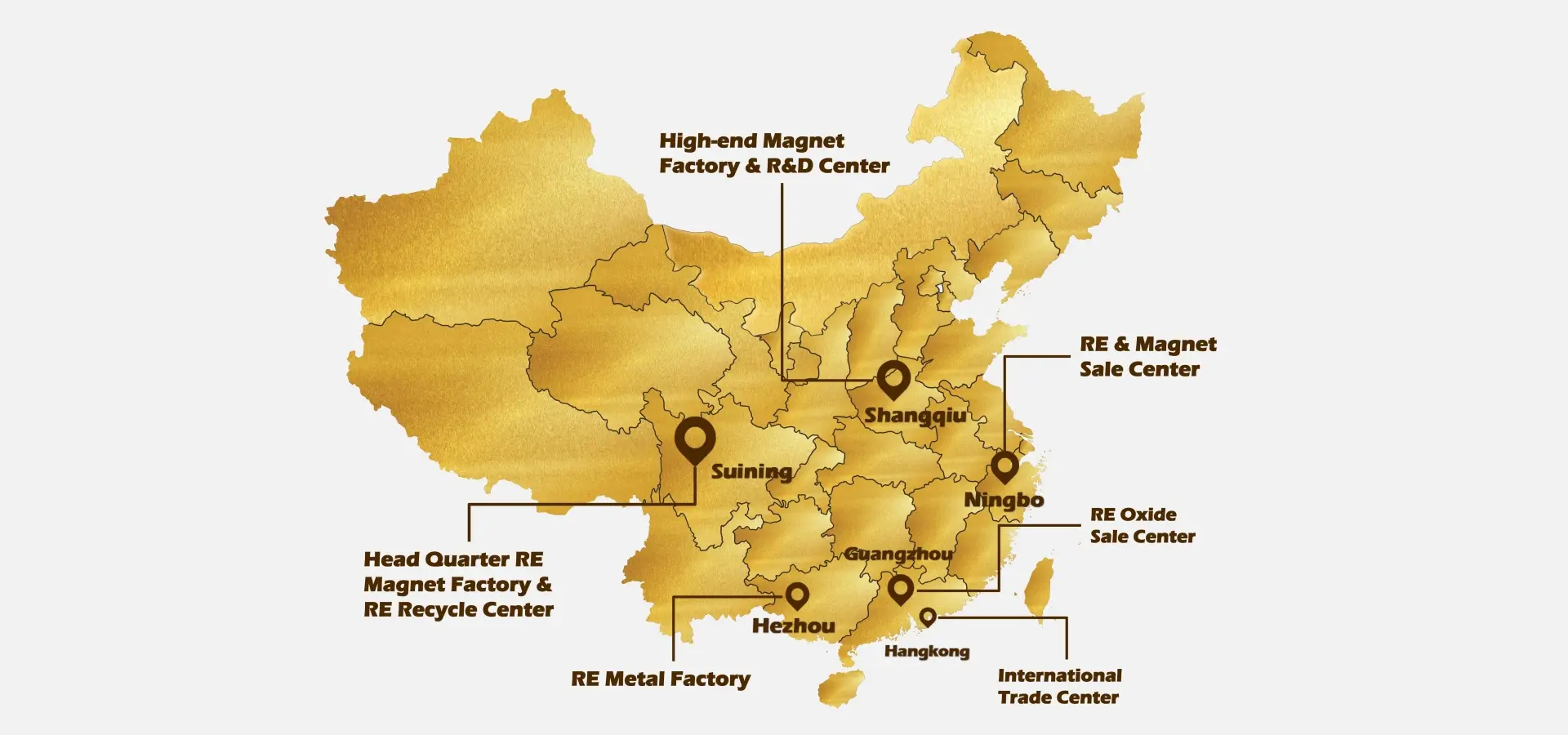
Headquartered in Hangzhou, China, Eneroc (our global partner framework) and Laysun Magnetics are building worldwide subsidiaries and offices to serve our customers. Our location enables quick access to rare earth extraction facilities and streamlined shipping lanes to European, American, and Asian industrial hubs.
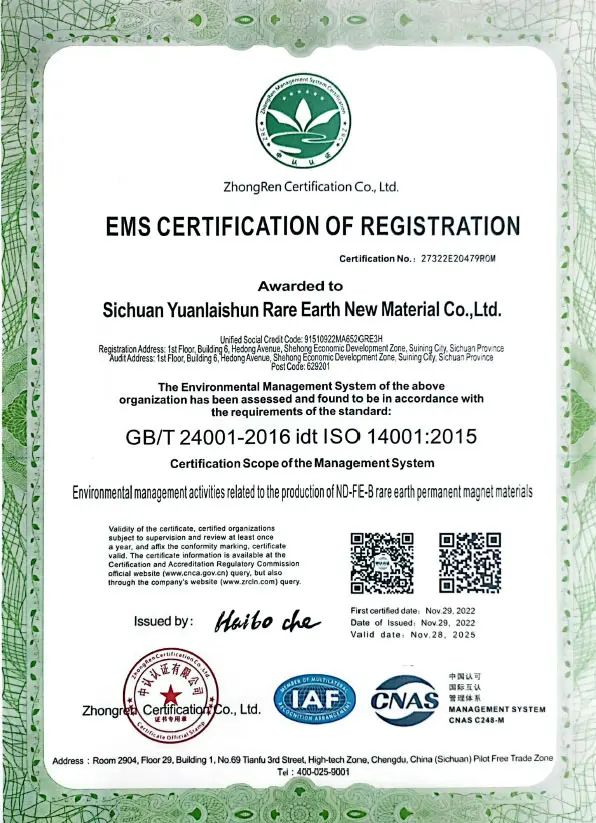
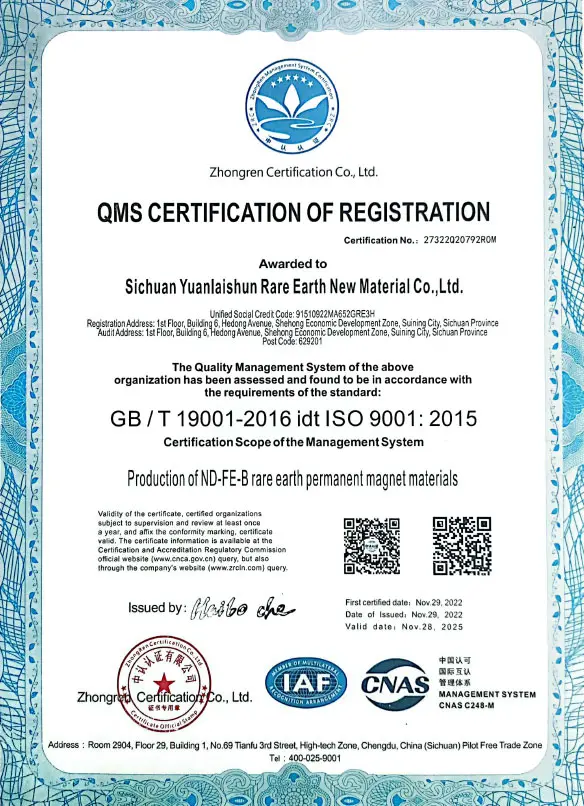
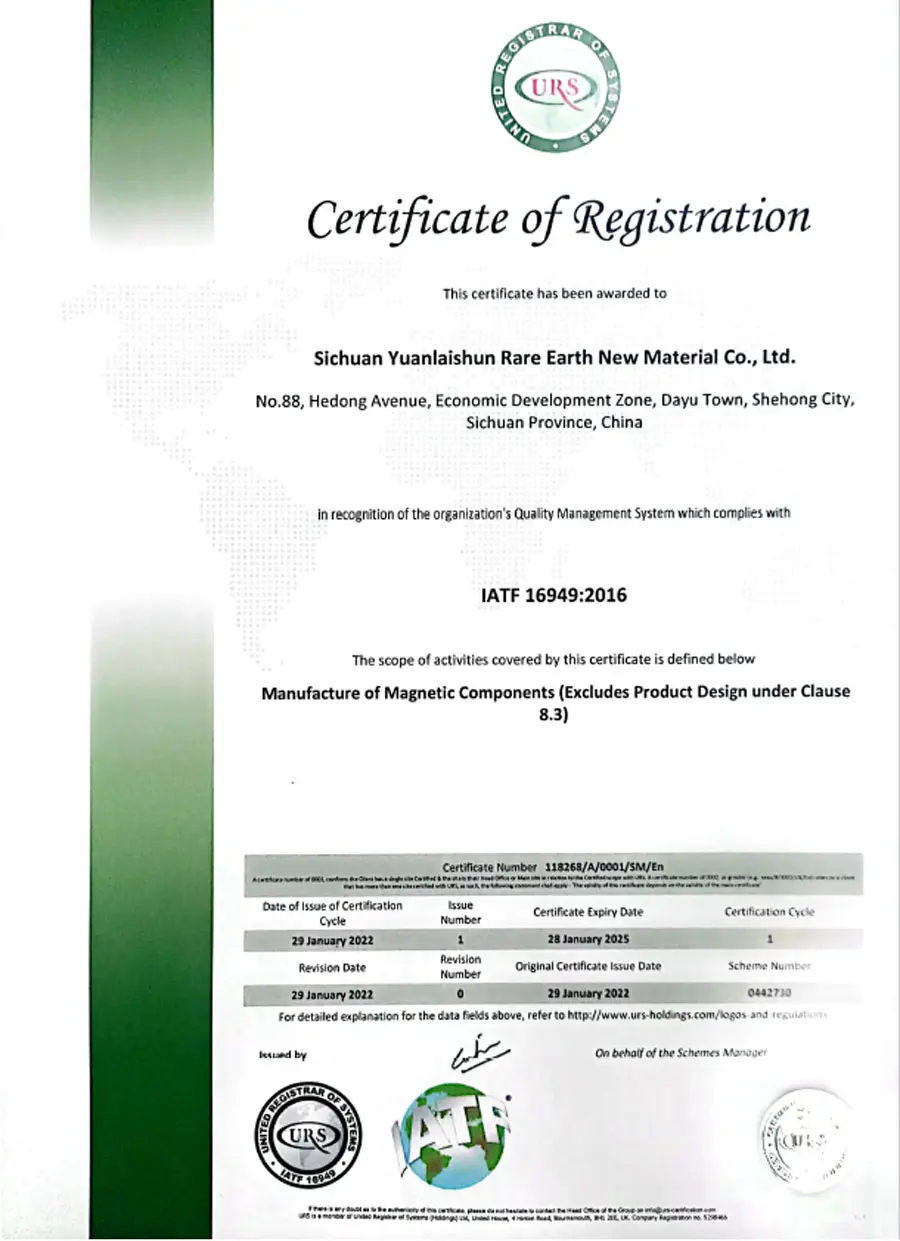
We believe that trust is built on verified quality parameters. Zhejiang Laysun Magnetics Ltd. complies with rigorous global engineering and system audits. We are fully certified to meet the strict guidelines of API 6D, API 607, CE, ISO9001, ISO14001, ISO18001, and IATF 16949 (TS). These standards ensure that every batch of permanent rare earth magnets leaving our facility has undergone 100% magnetic flux and structural integrity testing.
Our commitment to quality, environmental safety, and high occupational management standards.
Answers to crucial structural and design questions when utilizing Neodymium magnets in industrial applications.
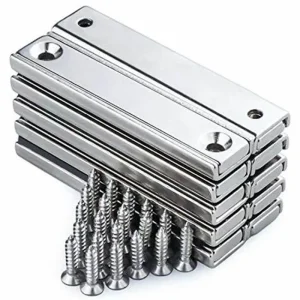
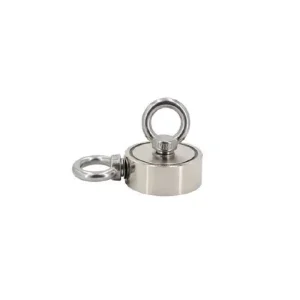
Select specialized assemblies and customized geometries matching your engineering tolerances.
 Laysun Magnetics