Engineered performance across global processing, separation, and custom consumer systems
Industrial Standards, Materials Optimization, and Advanced Magnetic Circuitry for separation engineers
In modern industrial manufacturing, contamination control and high-intensity separation systems are foundational to process safety, component preservation, and product purity. The Neodymium Magnet Tube, also referred to as a magnetic bar or cartridge filter, lies at the heart of modern magnetic separation frameworks. Utilizing the highest remanence and energy density characteristics of Neodymium-Iron-Boron (NdFeB) chemical systems, these tube modules generate localized, extremely dense magnetic fields that capture micro- and macro-ferromagnetic materials from continuous product flows.
Driven by strict food safety regulations (such as FSMA and EHEDG) and the expansion of lithium-ion battery processing (where ppm-level iron contamination can compromise safety), the global demand for magnetic tubes has risen dramatically. These tubes are no longer treated as simple passive filters, but as highly engineered, calibrated process tools.
A standard high-performance Neodymium Magnet Tube is constructed using an alternating circuit configuration of internal NdFeB disc magnets and steel flux directors (pole pieces) sealed within a corrosion-resistant tube, typically 304 or 316L stainless steel. The physics governing this configuration include:
China continues to lead the global supply chain for sintered NdFeB magnets, representing a major portion of raw material mining, refinement, and processing capability. Factories like Zhejiang Laysun Magnetics Ltd. leverage several key structural advantages:
Your trusted partner in the world of advanced magnetic solutions since 1999
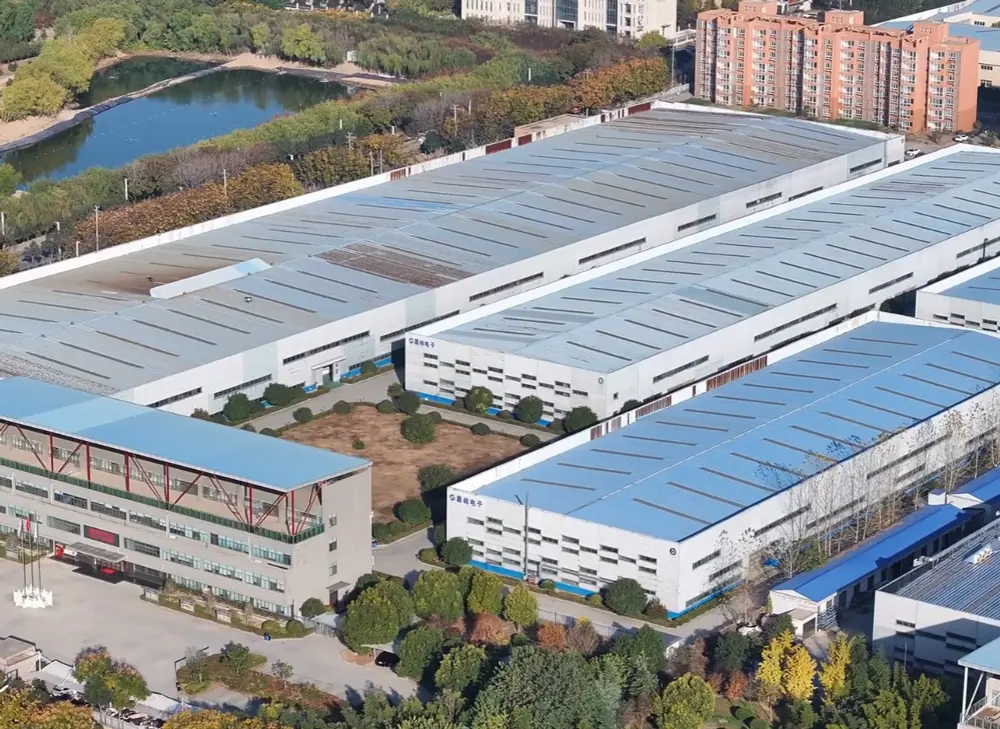
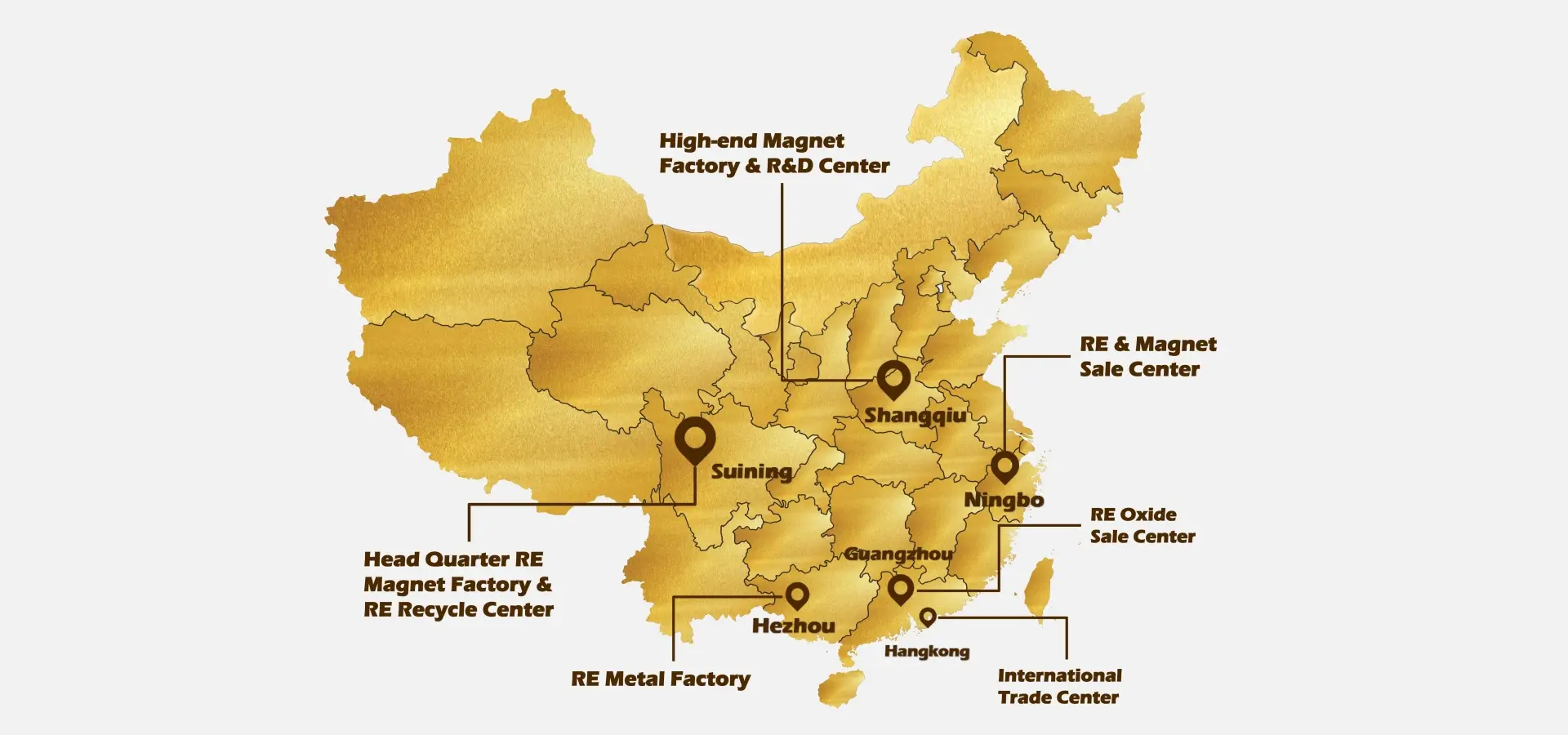
Founded at the turn of the millennium, Zhejiang Laysun Magnetics Ltd. has evolved from a regional manufacturer into a national high-tech leader. Our modern manufacturing facility, sprawling across 100,000 square meters in the city of Suining, Sichuan, serves as the production core. Here, our dedicated team of 300 employees works to produce an annual capacity of 5,000 tons of high-performance rare earth magnets, ensuring stable supply lines for domestic and global buyers alike.
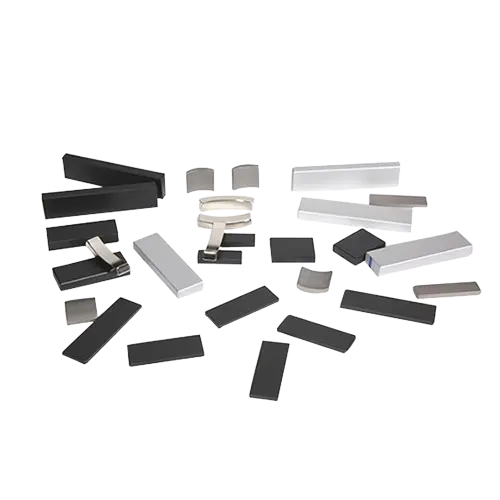
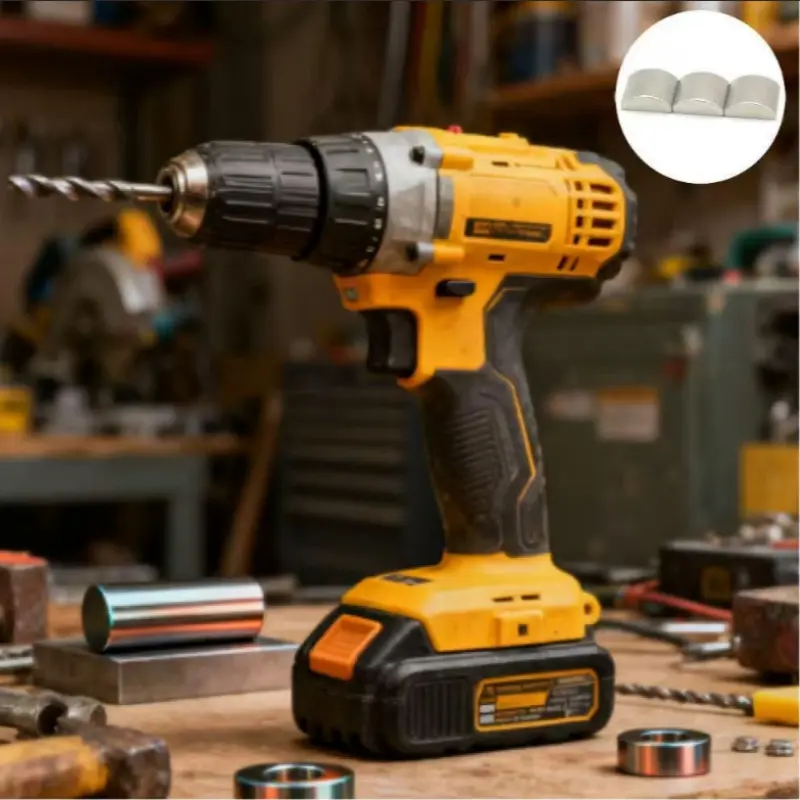
We specialize in the development, research, production, and sales of high-performance rare earth NdFeB magnets. Our products are used across a wide range of industrial applications, including electric vehicles, industrial motors, computers, consumer electronics, and complex magnetic separation grids. By operating under four key pillars—Quality, Credibility, Technology, and Innovation—we work to deliver solutions that meet or exceed customer specifications.
How global industries integrate high-performance Neodymium Magnet Tubes into processing lines
Whether processing dry granular plastics or highly viscous chocolate syrups, the performance of a magnet tube depends on matching the design to the process conditions. Flow velocity, temperature, viscosity, and particle size distribution are key design parameters.
For instance, in automated food processing, magnetic tubes are often grouped in grate assemblies within product chutes to ensure that all material passes through the high-intensity magnetic zone. In heavy industrial environments, such as coal power plants or plastic reclamation yards, heavier-duty sleeves are used to protect internal magnets from mechanical wear and abrasion.
Utilizes sanitary 316L stainless steel, fine-finish welds, and EHEDG-compliant seals to eliminate crevices where bacteria can grow, ensuring reliable contamination control.
Features wear-resistant protective outer sleeves to process raw quartz, sand, silica, and mineral ores without compromising the structural integrity of the tube.
Utilizes corrosion-resistant alloys and fluoropolymer coatings to withstand aggressive solvents, acidic suspensions, and hot petrochemical streams.
Where high-performance magnetic assemblies drive productivity and device reliability




Headquartered in Hangzhou, China, with production facilities in Sichuan, Zhejiang Laysun Magnetics Ltd. builds global support networks to serve industrial customers. Our infrastructure allows us to manage logistics across international borders, helping clients secure volume orders with stable lead times.
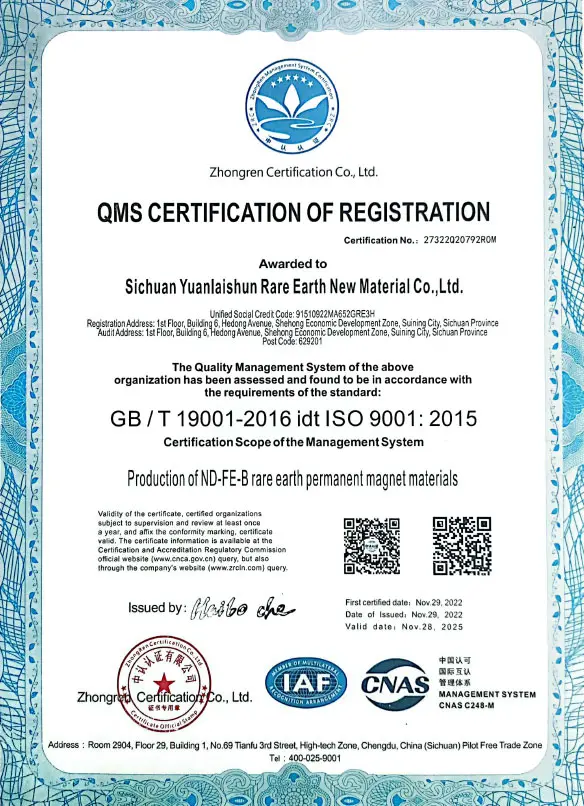
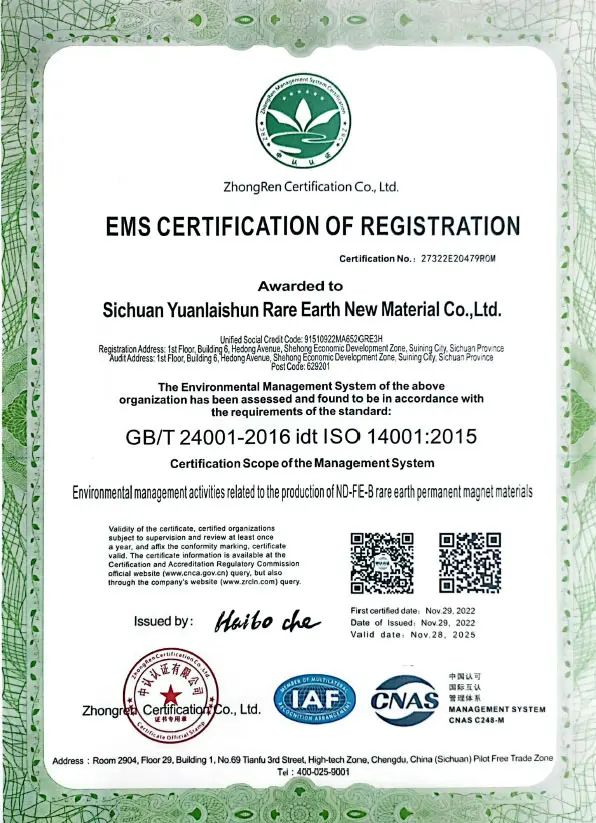
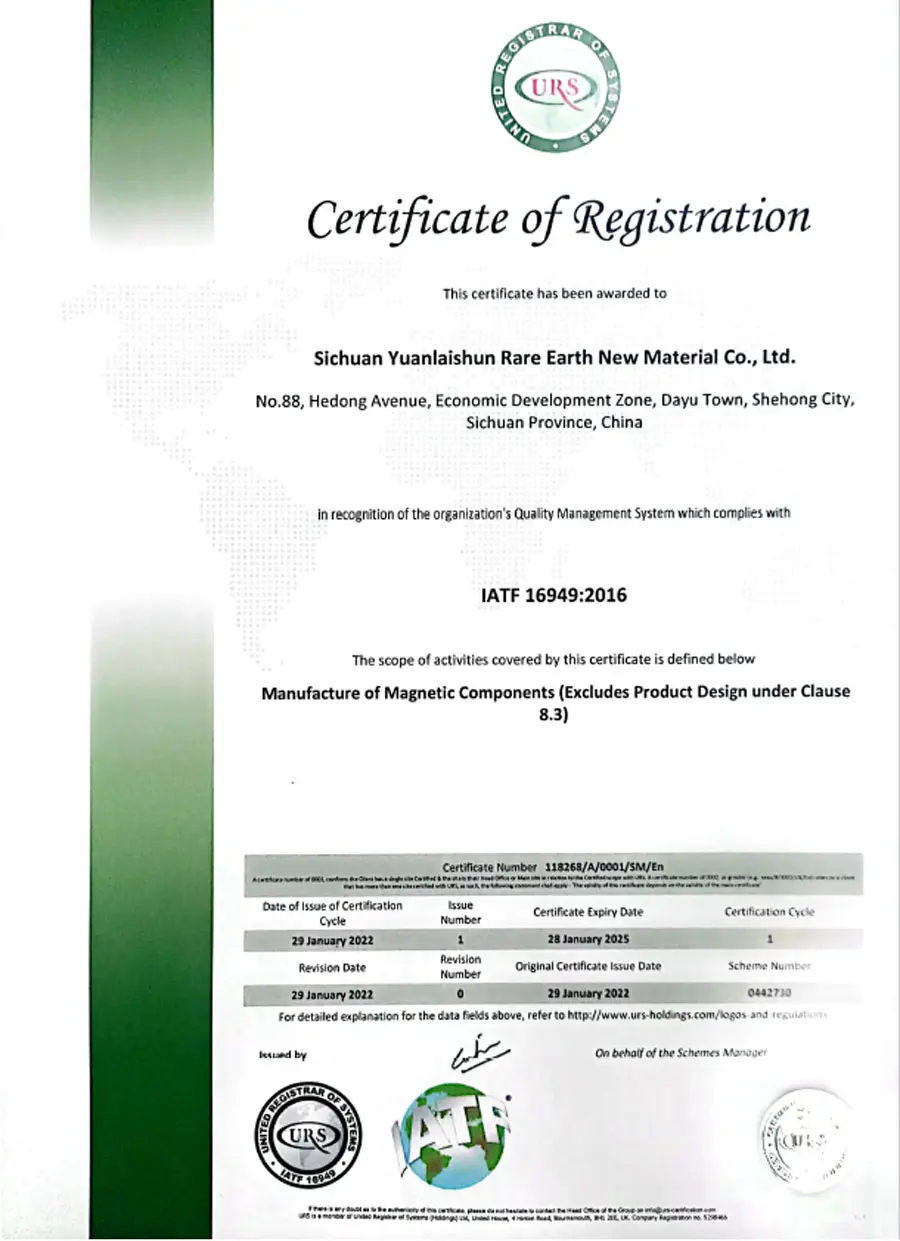
For global industrial buyers, security of supply requires strict adherence to quality testing standards. Zhejiang Laysun Magnetics meets international norms, carrying certifications including API 6D, API 607, CE, ISO9001, ISO14001, ISO18001, and TS certifications.
Our engineering teams conduct demagnetization testing, environmental chamber thermal analysis, salt spray testing, and surface Gauss mapping to verify that every magnetic tube performs to its rating upon delivery.
Critical design, operational, and procurement queries answered by magnetics engineers
A: SUS304 is suitable for dry applications and mildly humid environments. SUS316L contains molybdenum, providing higher corrosion resistance against chlorides and acids. We recommend SUS316L for food processing, chemical, and pharmaceutical applications to prevent pitting corrosion and maintain sanitary processing standards.
A: Standard Neodymium magnets (N grade) can experience permanent demagnetization if they exceed their maximum working temperature of 80°C. For hotter processing environments, we formulate custom NdFeB grades with Dysprosium additions—such as M (100°C), H (120°C), SH (150°C), UH (180°C), EH (200°C), or AH (220°C)—to ensure magnetic stability under process temperature cycles.
A: Surface Gauss readings depend on the thickness of the stainless steel tube sleeve and the calibration of the transverse Hall probe. A thick tube sleeve reduces the surface flux density. During quality control, we measure peak Gauss at the pole boundaries with calibrated probes to verify the values.
A: For manual clean tubes, wiping the surface with a cloth or scraper is effective. For continuous automated lines, we recommend scraper-ring assemblies or dual-tube configurations where the internal magnetic core is retracted from the outer sleeve, allowing collected iron contaminants to drop away.
A: The lifespan depends on cladding integrity, operating temperatures, and abrasion levels. If the hermetic seal is compromised by chemical attack or abrasive wear, moisture can oxidize the internal NdFeB magnets, causing swelling and magnetic loss. Under normal operating conditions, NdFeB magnets experience less than 1% flux loss over a ten-year period.
High-coercivity, customizable magnetic components for heavy machinery, automotive, and holding systems
 Laysun Magnetics