Engineered to match precise magnetic susceptibility and coercivity parameters
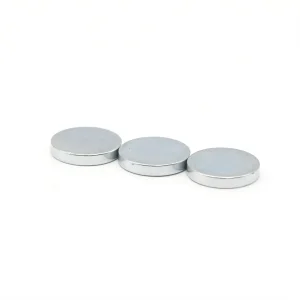

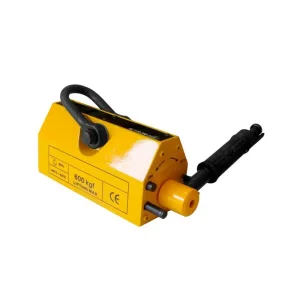
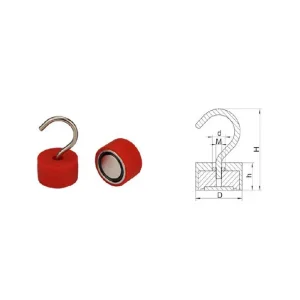
Leveraging decades of engineering mastery in manufacturing high-performance rare earth magnets
Aligning natural cosmic magnetic phenomena with sintered rare-earth magnet innovation
The study of meteorite magnetic properties serves as a profound foundation for modern advanced magnetism. Iron meteorites contain unique, ordered iron-nickel phases—primarily kamacite (a low-nickel α-ferrite phase, typically <7.5% Ni) and taenite (a high-nickel γ-austenite phase, ranging from 25% to over 50% Ni). Over millions of years of slow cooling in space, these alloys form a micro-laminated structure known as the Widmanstätten pattern.
From an industrial engineering standpoint, this slow cooling rate creates tetrataenite, an ordered L10 crystal structure. Tetrataenite exhibits high magnetic anisotropy, coercivity, and susceptibility, making it the holy grail for scientists attempting to engineer rare-earth-free permanent magnets. At Zhejiang Laysun Magnetics Ltd., our R&D department leverages these natural crystallographic principles. By controlling the cooling and alignment processes of sintered Neodymium-Iron-Boron (NdFeB) crystal lattices, we replicate the high remanence and environmental resilience historically found in extraterrestrial structures.
Did you know? Remanent magnetization ($J_r$) and magnetic susceptibility ($\chi$) of meteorites are measured to understand early solar system magnetic fields. These same parameters dictate the precision calibration required for aerospace navigation sensors and high-accuracy VCMs (Voice Coil Motors).
To understand how meteorite magnetism translates to consumer and industrial applications, it is vital to contrast natural magnetic minerals against engineered sintered NdFeB. The following comparison matrix details these structural differences:
| Magnetic Medium | Predominant Crystal Phase | Coercivity ($H_c$) Range | Max Energy Product ($(BH)_{max}$) | Primary Modern Use Cases |
|---|---|---|---|---|
| Kamacite / Taenite | BCC (α-Fe,Ni) / FCC (γ-Fe,Ni) | Low to Medium (10–100 Oe) | < 0.5 MGOe | Geological Paleomagnetic Dating, Space Science Sensors |
| Tetrataenite (Cosmic L10) | Ordered Tetragonal L10 FeNi | High (up to 2,000+ Oe) | 10 - 15 MGOe (Theoretical) | Research into Rare-Earth-Free Alternatives |
| Sintered NdFeB (Laysun Magnetics) | Tetragonal $Nd_2Fe_{14}B$ Phase | Ultra-High (10,000–35,000 Oe) | 35 - 54 MGOe | EV Traction Motors, Robotics, Automotive EPS, VCMs |
The global demand for high-grade permanent magnets with properties resembling the stability of cosmic alloys has surged. Key industries such as automotive electrification, renewable energy, and aerospace engineering require magnetic components that resist thermal demagnetization and physical stress. Synthetic rare earth NdFeB magnets, engineered using Zhejiang Laysun's proprietary thermal and composition technologies, serve as the backbone for these applications.
As European and North American buyers look to secure stable supplies of custom magnets, specialized manufacturers in China provide the required industrial scale. Crucially, the optimization of magnetic properties (such as lowering eddy currents through segmented structures and high-temperature tolerance up to 240°C in the AH series) ensures that these magnets perform reliably in demanding environments.
China is the undisputed hub for rare earth processing and magnet production. Within this landscape, Zhejiang Laysun Magnetics Ltd. provides distinct advantages:
Vertical Supply Chain Integration: Positioned alongside key rare earth extraction and refining facilities in China, Laysun enjoys a stable and cost-effective raw material supply chain of Neodymium, Praseodymium, Dysprosium, and Terbium. This shields our international partners from supply disruptions.
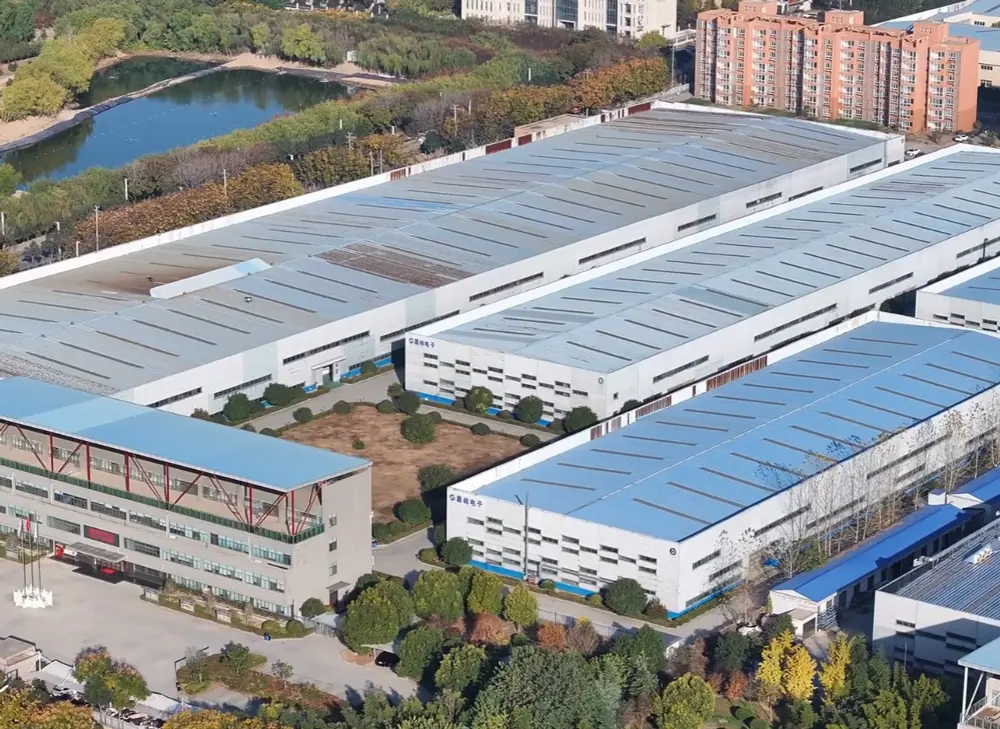
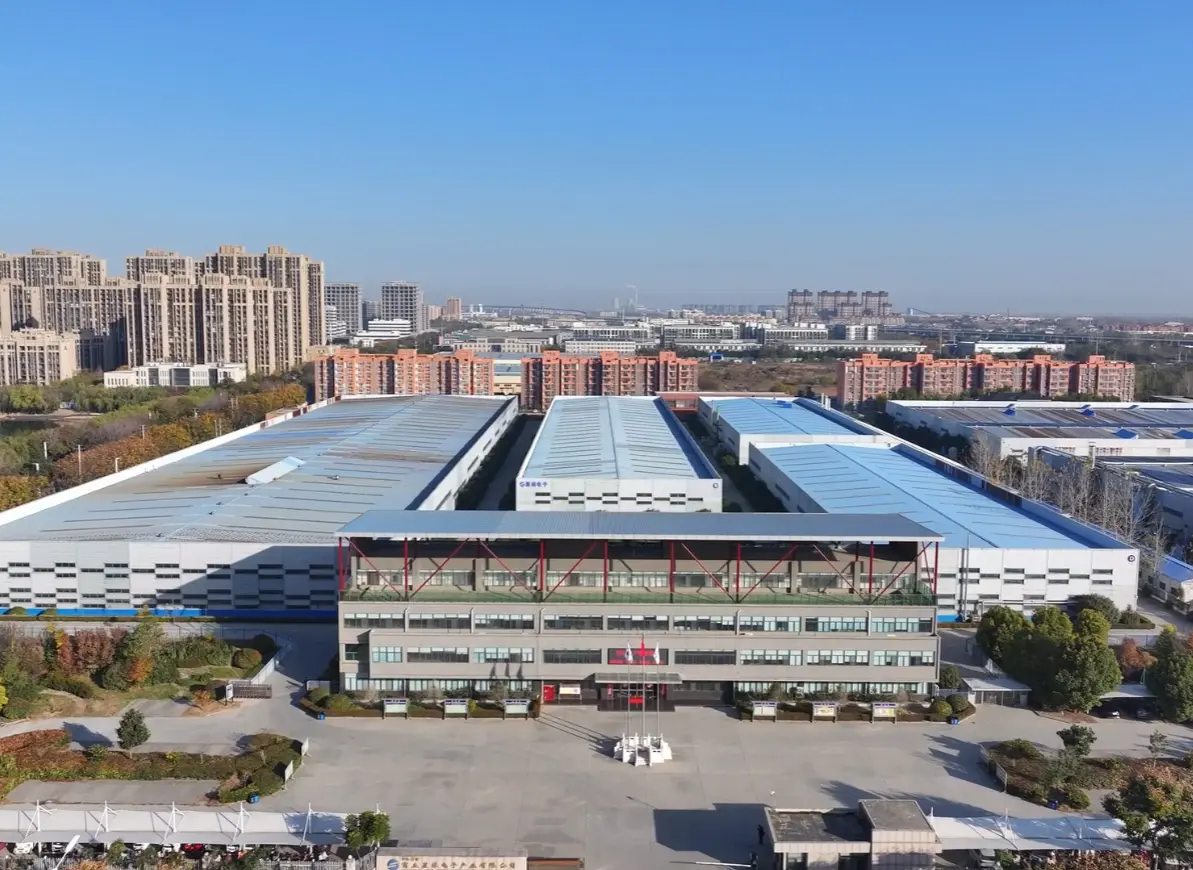
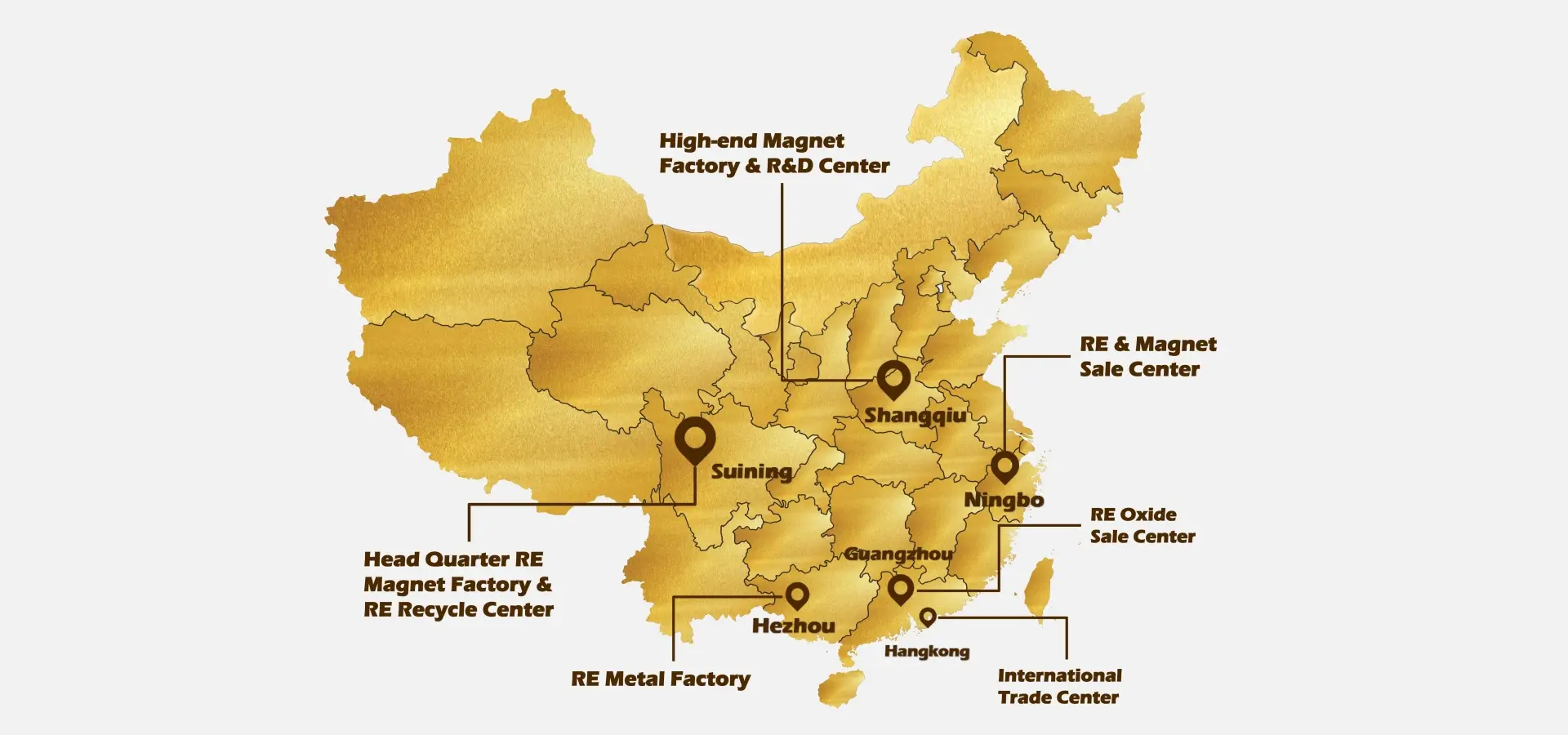
Advanced Production Scale: Our massive 100,000 square meter factory in Suining, Sichuan, operates automated continuous sintering furnaces, strip casting machines, and multi-station CNC grinding machines. This massive infrastructure yields an annual capacity of 5,000 tons, accommodating both high-volume automotive OEM pipelines and specialized custom runs.
Take an inside look at our state-of-the-art facility, precision testing labs, and certified workflows
Our magnets are integrated across critical technologies requiring peak magnetic force and longevity

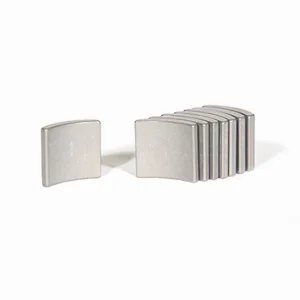
High-torque, low-weight neodymium ring and arc segment magnets for joints and precision brushless servo motors.

Exceptional power-to-weight ratio magnets optimizing propulsion systems for industrial drones and eVTOL aircraft.

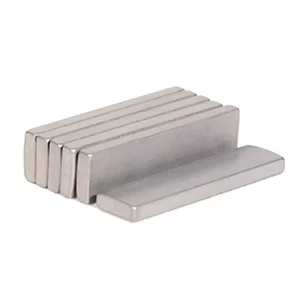
Sintered NdFeB blocks with grain boundary diffusion (GBD) designed to resist thermal demagnetization in traction drivetrains.
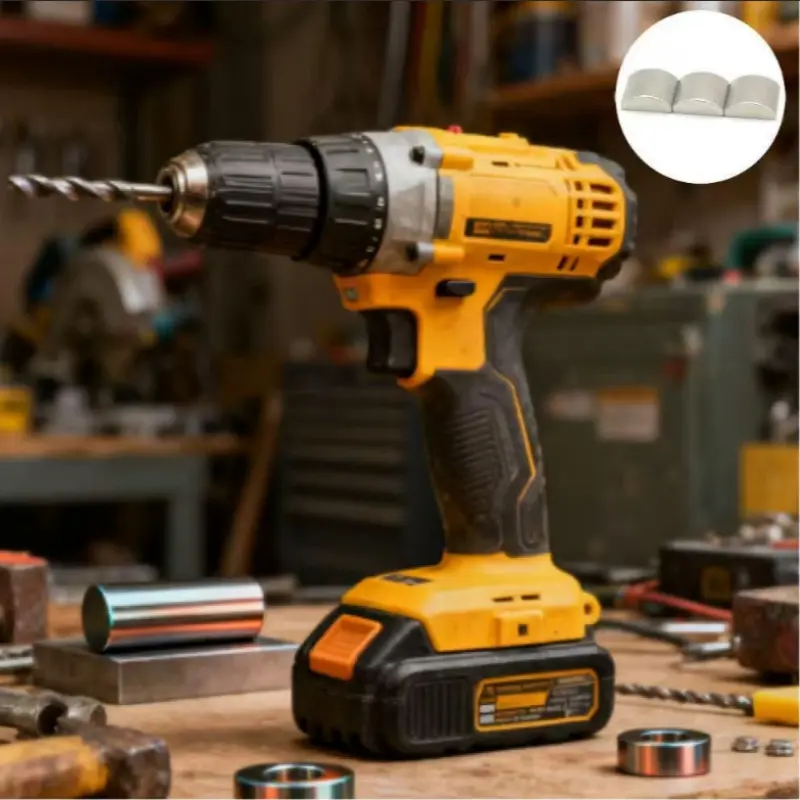
High-impact resistant magnetic solutions that handle intense vibration and continuous cyclical operation.

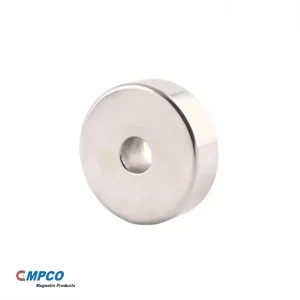
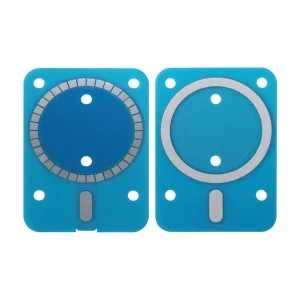
Ultra-thin magsafe rings, disc arrays, and micro-magnets tailored for smartphone ecosystems and acoustic drivers.

Energy-efficient motor magnets for inverter air conditioners, washing machines, and smart compressor units.
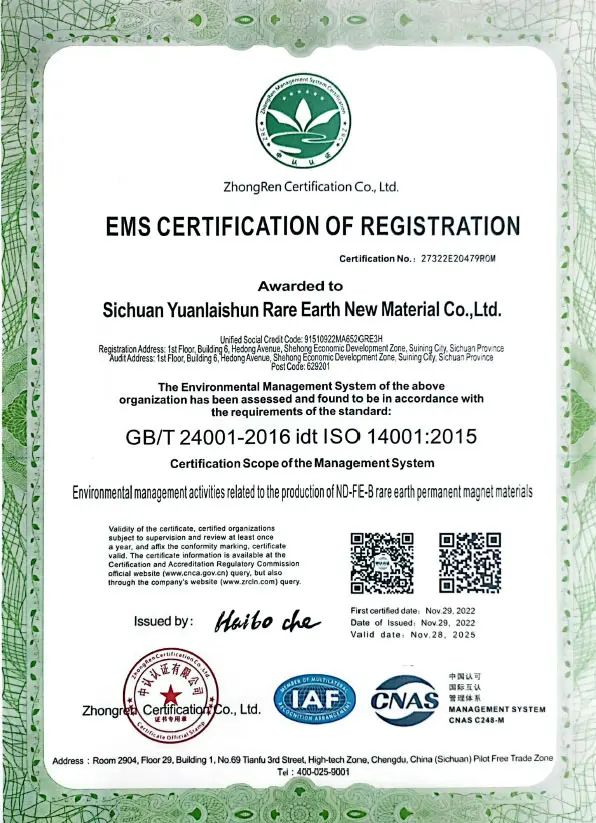
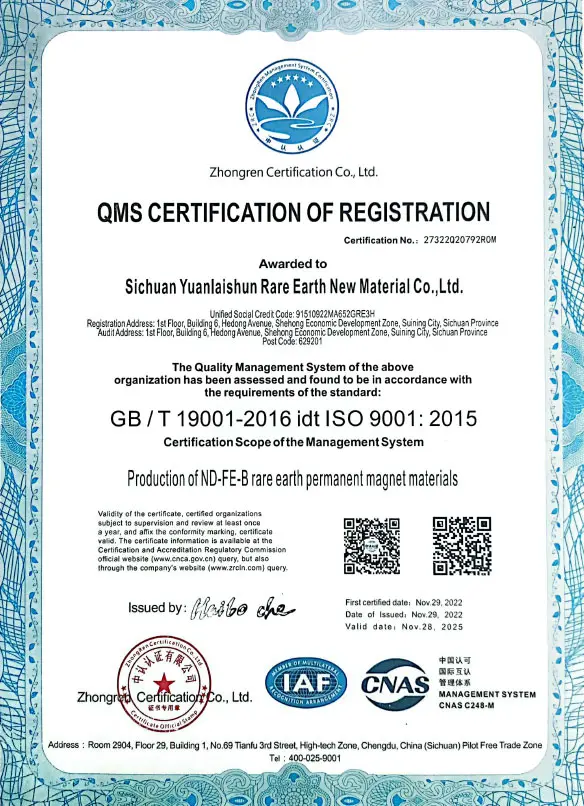
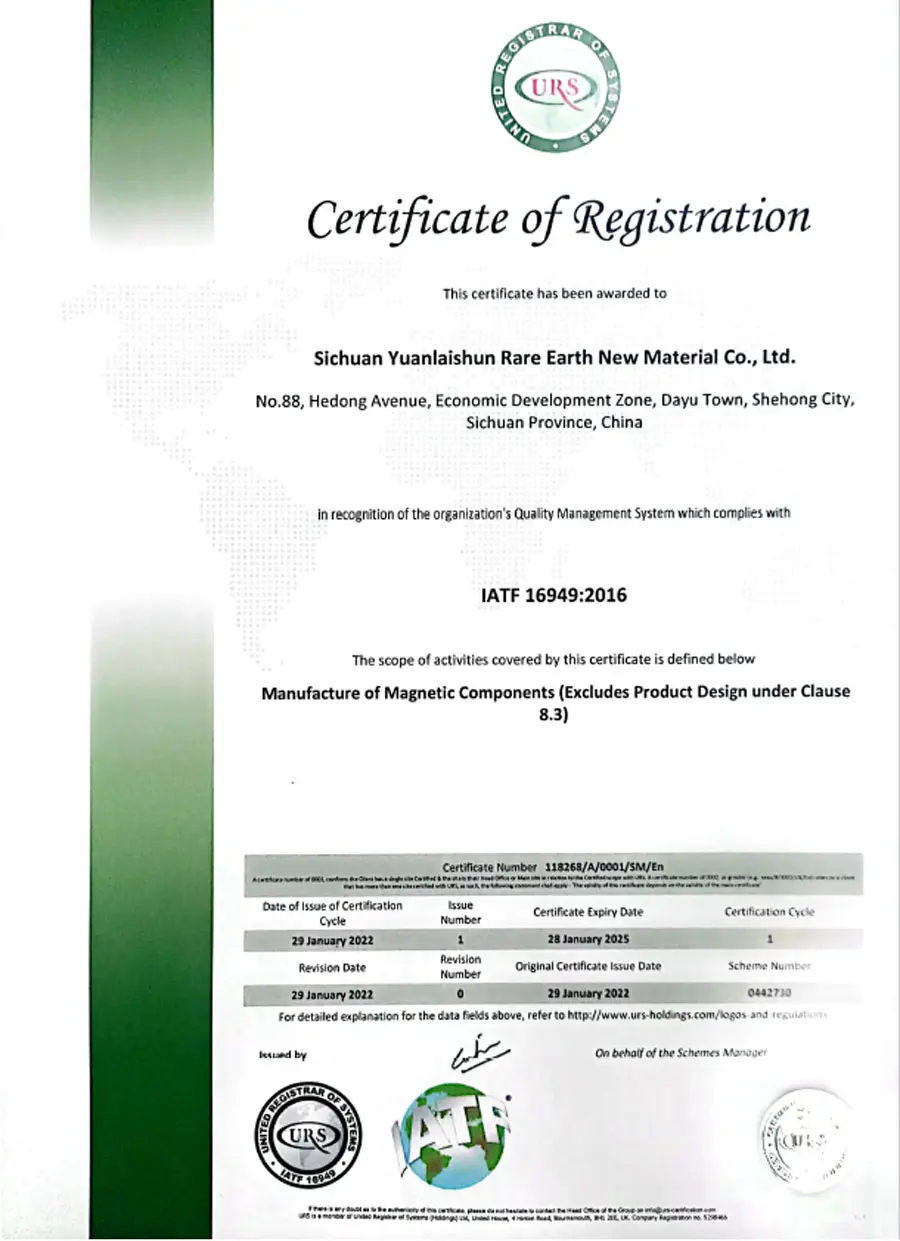
Adhering to strict international standards for environment, quality, and industrial systems
Modern research is focused on reducing reliance on heavy rare earths (HRE) such as Dysprosium (Dy) and Terbium (Tb), which are volatile in cost and scarce. Grain Boundary Diffusion (GBD) is a cutting-edge technological development that allows manufacturers to selectively diffuse Dy or Tb only along the grain boundaries of the tetragonal $Nd_2Fe_{14}B$ crystal rather than distributing it throughout the entire grain volume.
This process achieves high coercivity (crucial for high-temperature motor applications) while preserving raw material efficiency and reducing total cost. At Zhejiang Laysun, our R&D incorporates these optimization methodologies, yielding high-grade magnets like N52, 50EH, and 45AH, which display excellent resistance to corrosion and structural decay.
For procurement managers in the EU and NA, evaluating rare earth magnet factories requires checking key benchmarks:
Thermal Stability & Testing: Ensure the vendor possesses testing facilities equipped with Helmholtz coils, fluxmeters, and hysteresisgraphs (e.g., Demagnetization curve tracer) to verify high-temperature performance and Curie point metrics.
Dimension & Tolerance Quality Control: Modern robotic assembly lines require extremely tight tolerances (down to ±0.02mm). Automatic optical inspection (AOI) systems are essential to screen out dimensional defects.
Surface Treatment Capability: The raw NdFeB alloy is highly prone to oxidation. Advanced multi-layer coatings—such as Nickel-Copper-Nickel (Ni-Cu-Ni), Epoxy resin, Parylene, Zinc, or protective Rubber encapsulation—must be applied based on the operating environment.
Headquartered in Hangzhou, Zhejiang, and featuring our main manufacturing hub in Suining, Sichuan, Zhejiang Laysun Magnetics Ltd. is perfectly positioned to serve global OEMs. We leverage major logistical corridors, ensuring reliable air and sea shipping to key assembly plants worldwide.
Zhejiang Laysun Magnetics Ltd.
Hangzhou Headquarters & Suining Production Complex
API 6D, API 607, CE, ISO9001, ISO14001, ISO18001 Registered Workflow.
Expert answers to the most common queries from procurement departments and mechanical engineers
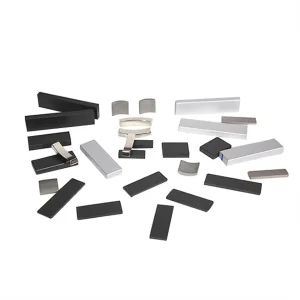
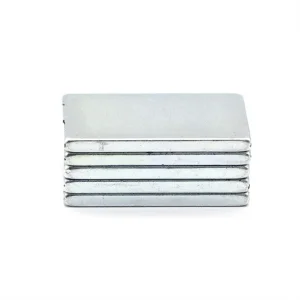
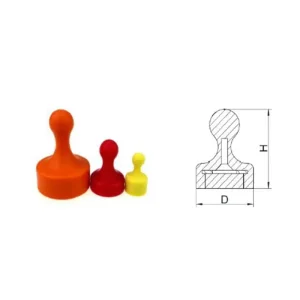
Broad portfolio of magnets, assemblies, and custom configurations manufactured to strict tolerances
 Laysun Magnetics