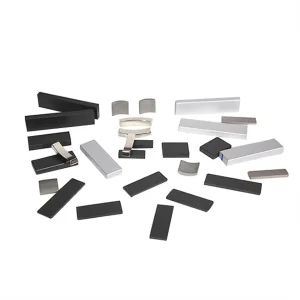
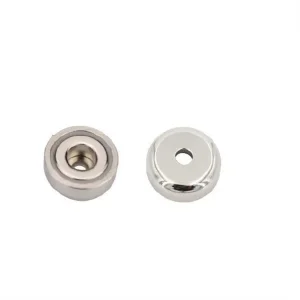
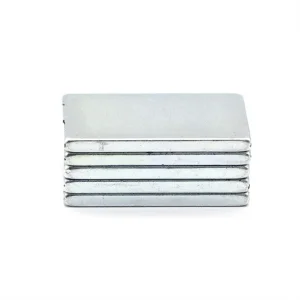
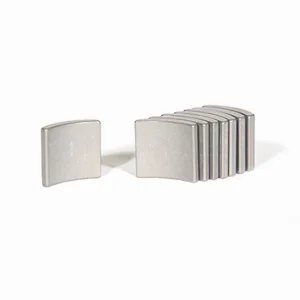
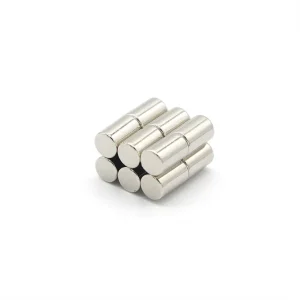
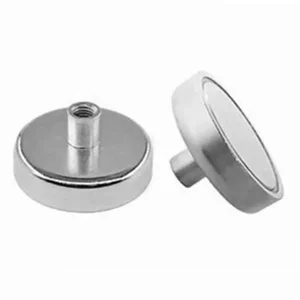
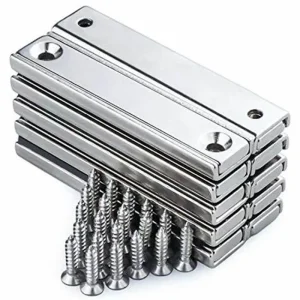
Explore our high-performance magnet assemblies engineered for standard industrial applications, heavy-duty material handling, and custom hardware integration.
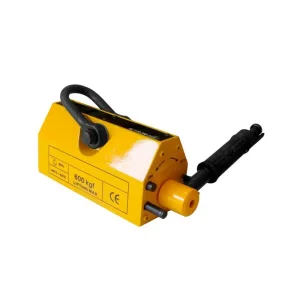
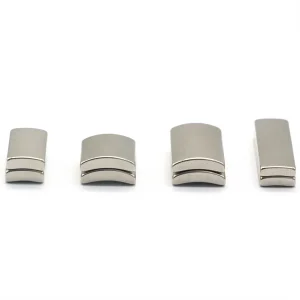
The global industrial landscape is undergoing a massive shift toward green energy transition, electrification, and intelligent automation. At the core of these structural developments lies the demand for high-performance materials that have magnetic properties, specifically Neodymium-Iron-Boron (NdFeB) rare earth permanent magnets. These materials are characterized by their unmatched energy product (BHmax) and high coercivity, which allow engineers to minimize machine footprints while maximizing power output.
From micro-actuators in voice coil motors (VCM) for high-end smartphones to multi-megawatt permanent magnet generators in offshore wind turbines, advanced NdFeB magnets represent a critical node in modern supply chains. Understanding the metallurgical composition, thermodynamic stability, and mechanical design limitations of these materials is crucial for procurement managers and application engineers aiming to secure a competitive edge in today's high-tech landscape.
Different industrial applications require specific magnetic, thermal, and surface treatment formulations to ensure long-term operational integrity.
Automotive Electronic Power Steering (EPS) and traction motors require NdFeB magnets that offer high thermal stability (grades up to 200°C) and resistance to demagnetization. Dynamic magnetic flux consistency is critical to preventing steering vibration and ensuring driver safety under extreme temperatures.
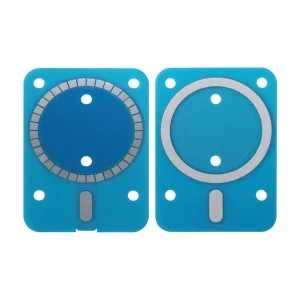
Micro magnets are integrated into Voice Coil Motors (VCM) for optical image stabilization (OIS) in cameras and dynamic haptic feedback engines. The MagSafe standard for magnetic phone accessories relies on thin, sintered NdFeB ring arrays with precise spatial magnetization alignments to maximize holding forces.
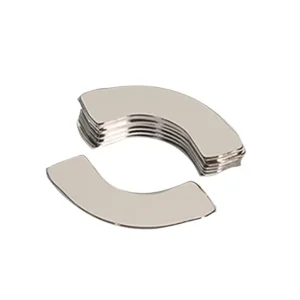
Servo motors used in collaborative robots (cobots) demand compact NdFeB segments with high energy density. This enables lightweight arm joints and high torque-to-weight ratios, which directly improve acceleration rates, cycle times, and operational precision in automated factories.
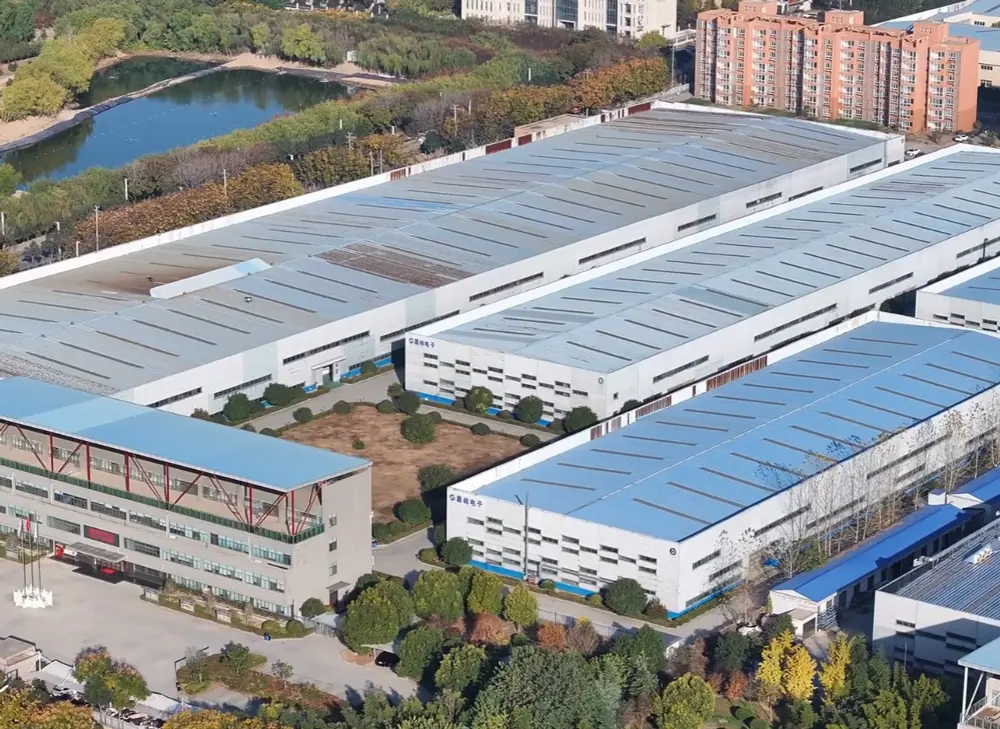
The manufacturing process of high-quality NdFeB magnets at Zhejiang Laysun Magnetics Ltd. utilizes advanced vacuum strip casting, hydrogen decrepitation, and jet milling. By controlling the particle size distributions within the 3.0-5.0 micron range, we ensure optimal grain boundary phases during sintering, which minimizes micro-structural defects.
Our R&D division focuses on heavy rare earth (HRE) reduction technologies, notably Dysprosium (Dy) and Terbium (Tb) Grain Boundary Diffusion (GBD). This technique selectively enriches the outer grain boundaries of NdFeB crystals with HRE, increasing the material's coercivity (Hcj) while maintaining high remanence (Br). The result is high-efficiency magnets that reduce dependance on scarce elements while cutting costs.
Review the technical specifications of standard sintered NdFeB magnet grades. Use this data sheet to match physical requirements with operational limits.
| Material Grade | Remanence (Br) - mT / kGs | Coercivity (Hcb) - kA/m / kOe | Intrinsic Coercivity (Hcj) - kA/m / kOe | Max. Energy Product (BH)max - kJ/m³ / MGOe | Max Operating Temp (°C) |
|---|---|---|---|---|---|
| N52 | 1420 - 1470 / 14.2 - 14.7 | ≥ 796 / ≥ 10.0 | ≥ 875 / ≥ 11.0 | 398 - 414 / 50 - 52 | 80 |
| 45H | 1320 - 1370 / 13.2 - 13.7 | ≥ 955 / ≥ 12.0 | ≥ 1353 / ≥ 17.0 | 342 - 366 / 43 - 46 | 120 |
| 40SH | 1240 - 1280 / 12.4 - 12.8 | ≥ 907 / ≥ 11.4 | ≥ 1592 / ≥ 20.0 | 302 - 326 / 38 - 41 | 150 |
| 38UH | 1200 - 1250 / 12.0 - 12.5 | ≥ 875 / ≥ 11.0 | ≥ 1989 / ≥ 25.0 | 287 - 310 / 36 - 39 | 180 |
| 35EH | 1150 - 1200 / 11.5 - 12.0 | ≥ 836 / ≥ 10.5 | ≥ 2387 / ≥ 30.0 | 263 - 287 / 33 - 36 | 200 |
Zhejiang Laysun Magnetics Ltd. represents a vertically integrated hub for high-performance magnetics. Founded in 1999, we operate a 100,000 square meter manufacturing base in Sichuan, Suining, alongside an export logistics center in Hangzhou. This geographic alignment allows us to secure rare earth raw materials near domestic processing hubs, insulating our global clients from raw material market fluctuations.
Our annual output of 5,000 tons of rare earth NdFeB permanent magnets is supported by our dedicated team of 300 experienced technicians. By maintaining in-house raw material smelting, powder processing, pressing, sintering, machining, and surface coating (such as nickel, zinc, epoxy, and rubber coatings), we minimize process delays and secure complete control over chemical purity and quality.
This vertical integration ensures rapid response times for custom orders, competitive pricing, and reliable delivery, even during periods of volatile global logistics. From prototyping to high-volume commercial production runs, we provide a stable and resilient supply chain you can count on.
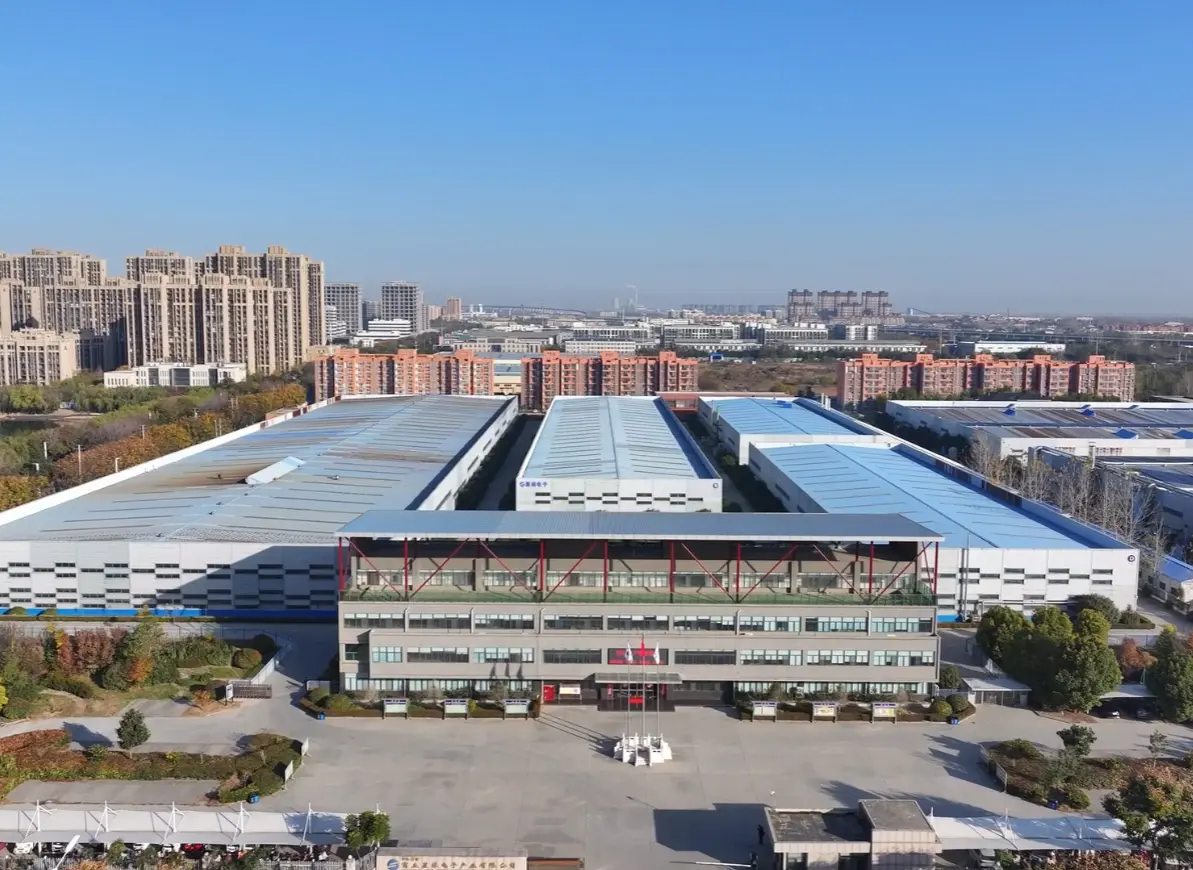
A history of technical innovation and scale expansions built to serve the global high-performance magnetics market.
Founding Year: Established operations focusing on standard sintered NdFeB magnet segments for industrial and mechanical applications.
Capacity Expansion: Built our new 100,000 square meter manufacturing base in Sichuan, expanding our production capacity to meet growing global demand.
R&D and Certification Milestones: Achieved key international quality certifications and developed high-coercivity grades (UH/EH series) for electric vehicle drivetrains.
Advanced GBD Integration: Successfully implemented Dysprosium/Terbium grain boundary diffusion technologies on a commercial scale, achieving 5,000 tons of annual output.
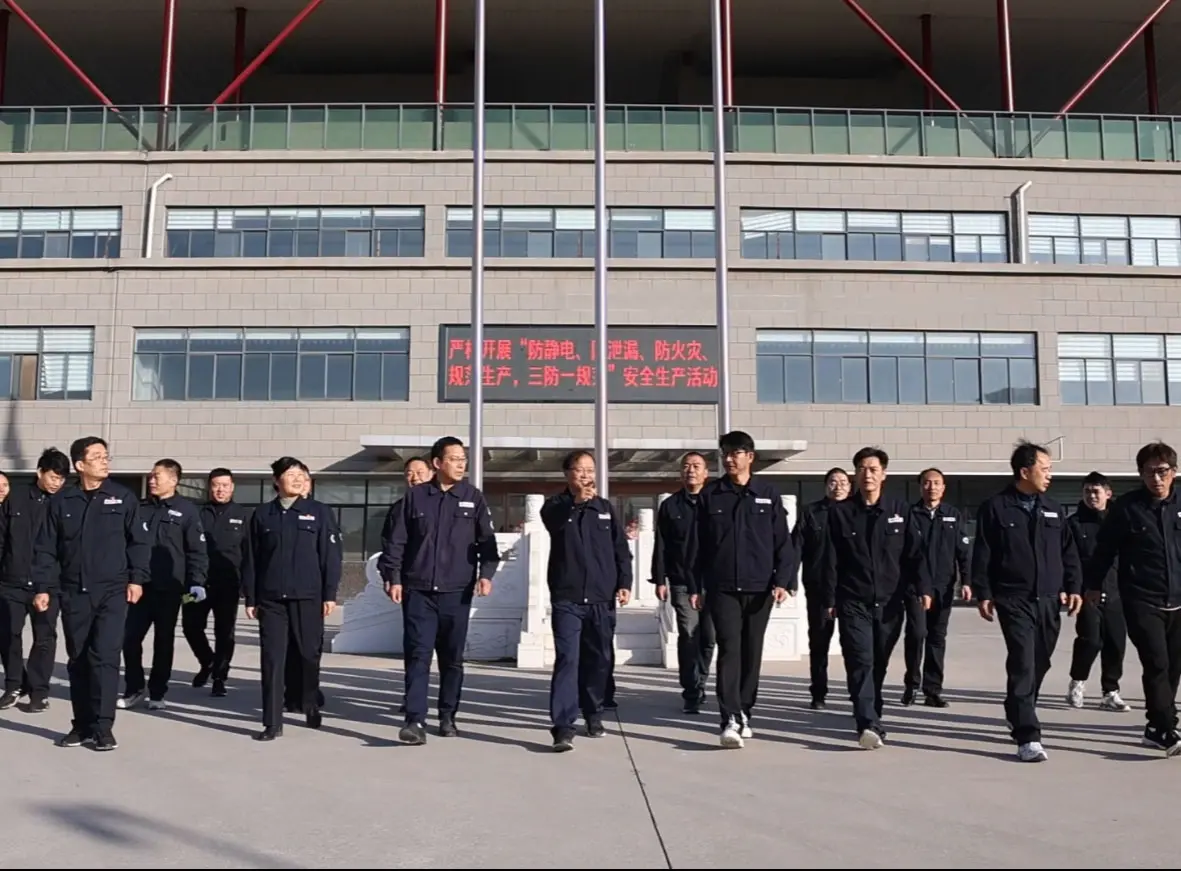
We work closely with customers to support their manufacturing, design, and regulatory compliance needs. Our operations comply with global quality standards and regulatory requirements, including ISO 9001, ISO 14001, and ISO 45001. We also implement design and quality control workflows matching international standards, such as those related to API 6D and API 607 classifications for high-temperature and fire-safe operations.
Every batch of magnets we produce undergoes rigorous testing before shipment, including:
Our quality system is verified by leading international bodies to ensure consistent performance, reliability, and traceibility.
We maintain full process traceability, verifying every batch from raw material mining through chemical refining, sintering, and final coating. We ensure our materials comply with REACH, RoHS, and conflict minerals regulations.
We leverage automated optical sorting machines and 3D coordinate measurement systems to verify critical dimensions on high-volume production runs, meeting our goal of zero defects.
Our engineering support teams in Suining and Hangzhou assist with magnetic circuit modeling (FEA simulations) to optimize magnet shapes, coating selections, and orientation angles for our clients' unique applications.
Key technical answers and design insights from Zhejiang Laysun Magnetics' engineering and quality teams.
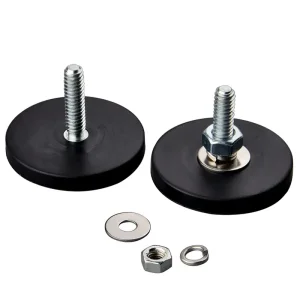
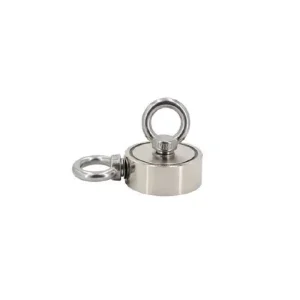
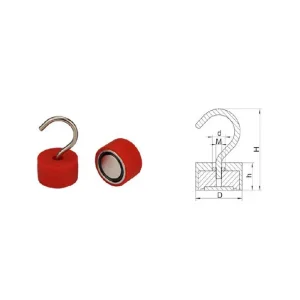
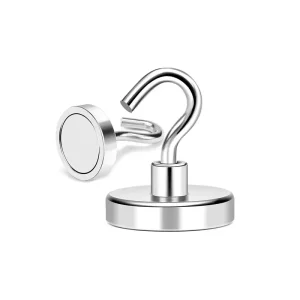
Explore our selection of specialized permanent magnet components, assemblies, and custom-coated mounting magnets.
Partner with Zhejiang Laysun Magnetics Ltd. to access high-quality materials and technical engineering support.
Whether you need custom magnetic orientations, heavy-duty protective coatings, or high-coercivity grades for extreme temperatures, our engineering team is here to assist with design and validation.
Contact Our Engineering Team Laysun Magnetics