In advanced manufacturing, material limits dictate system limits. Maraging steel (a portmanteau of "martensitic" and "aging") represents a class of carbon-free iron-nickel alloys containing significant additions of cobalt, molybdenum, and titanium. Unlike conventional steels that depend on carbon for martensitic hardening, maraging steel relies on intermetallic precipitates to trigger aging transformation. This metallurgical distinction grants these alloys an unprecedented combination of ultra-high yield strength, exceptional fracture toughness, and dimensional stability during heat treatment.
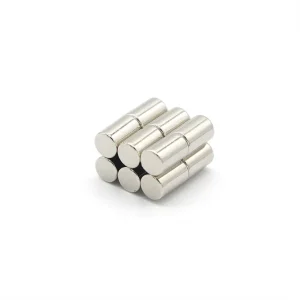
For industries deploying high-speed rotating assemblies, such as electric vehicle (EV) traction motors, robotic servos, and aerospace generators, the mechanical integrity of the protective rotor sleeve is paramount. Centrifugal forces generated at speeds exceeding 20,000 RPM expose sintered rare earth magnets to immense radial stresses. By matching high-performance NdFeB magnets with custom-engineered maraging steel retention sleeves, engineers can guarantee system reliability under dynamic mechanical loads.
Maraging steels (typically classified by nominal yield strengths in ksi, e.g., Grade 250, Grade 300, and Grade 350) possess unique mechanical profiles because of their iron-nickel lath martensite structure. The low carbon content (<0.03% wt) prevents the formation of brittle untempered martensite, eliminating quench-cracking risks during manufacturing.
Upon aging between 480°C and 500°C, intermetallic phases such as Ni3(Mo, Ti) and Fe2Mo precipitate uniformly within the martensitic matrix. This aging reaction hinders dislocation movements, resulting in ultra-high yield strengths (up to 2400 MPa) while retaining high impact energy absorption. The material maintains excellent ductility even at its highest hardness values, presenting a significant upgrade over traditional carbon-hardened tool steels.
| Mechanical Parameter | Maraging Grade 250 | Maraging Grade 300 | Maraging Grade 350 |
|---|---|---|---|
| Yield Strength (MPa) | 1720 - 1800 | 2000 - 2100 | 2300 - 2400 |
| Tensile Strength (MPa) | 1790 - 1850 | 2050 - 2150 | 2400 - 2450 |
| Fracture Toughness (MPa·m1/2) | 75 - 110 | 60 - 90 | 35 - 55 |
| Elongation at Break (%) | 10 - 12 | 8 - 10 | 6 - 8 |
| Modulus of Elasticity (GPa) | 190 | 190 | 200 |
The international market for maraging steel has grown rapidly, driven by strict requirements from the aerospace, military defense, and electric vehicle sectors. Because of its dual-use nature, trading and exporting maraging steel are heavily regulated. High-quality maraging steel exporters must possess robust supply chains and certification structures to serve global manufacturing centers in North America, Europe, and Asia.
The trend shows a shift toward integration. Companies are no longer just metal suppliers; they are vertically integrated manufacturers providing finished components. For example, rather than exporting raw rods of Grade 300 maraging steel, manufacturers now export precision-machined, heat-treated rotor sleeves with custom-fitted sintered NdFeB permanent magnets inside. This integration cuts down on processing errors and ensures that key mechanical dimensions stay within tolerance.
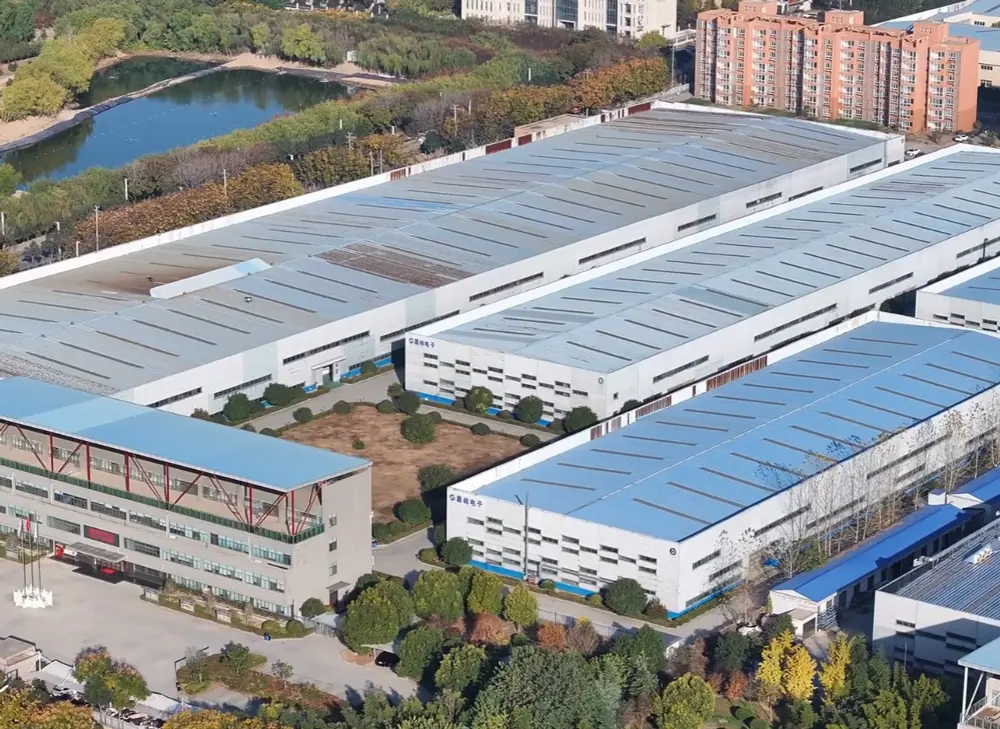
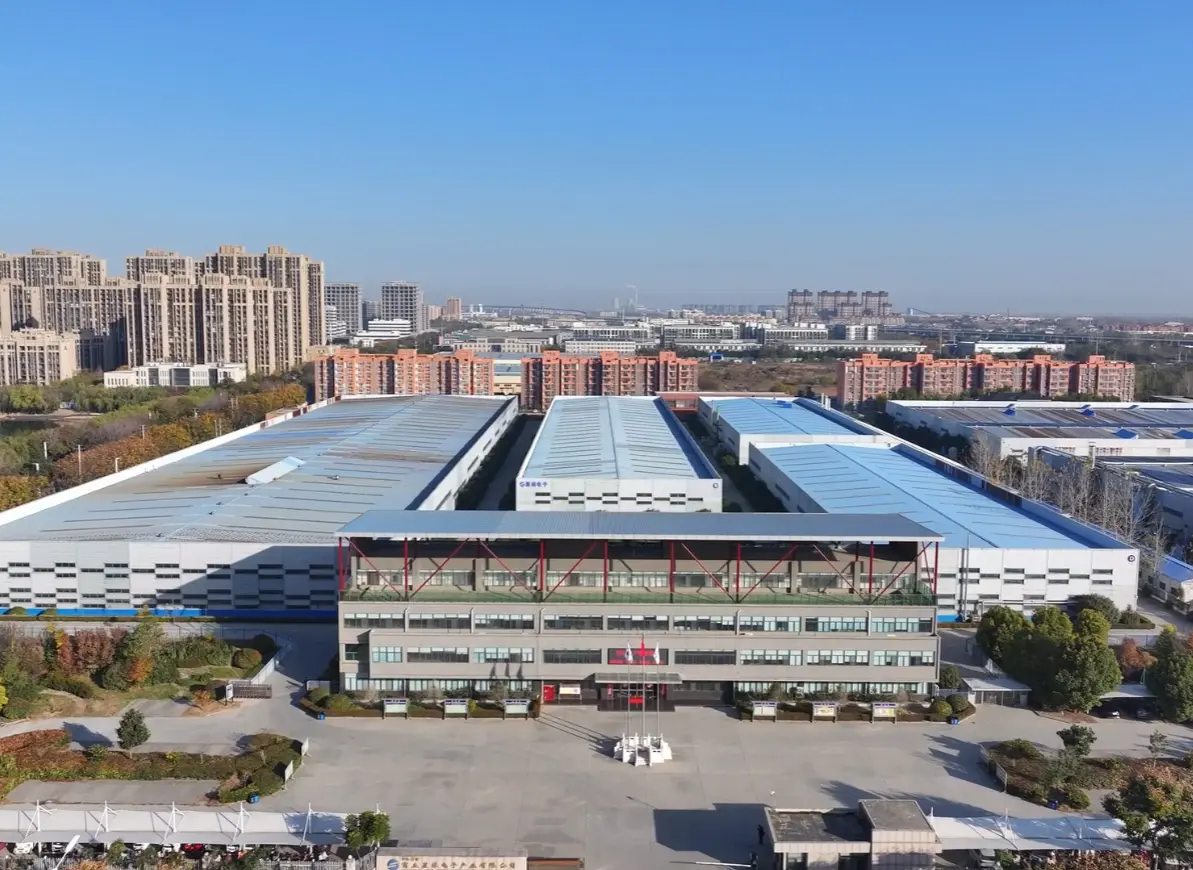
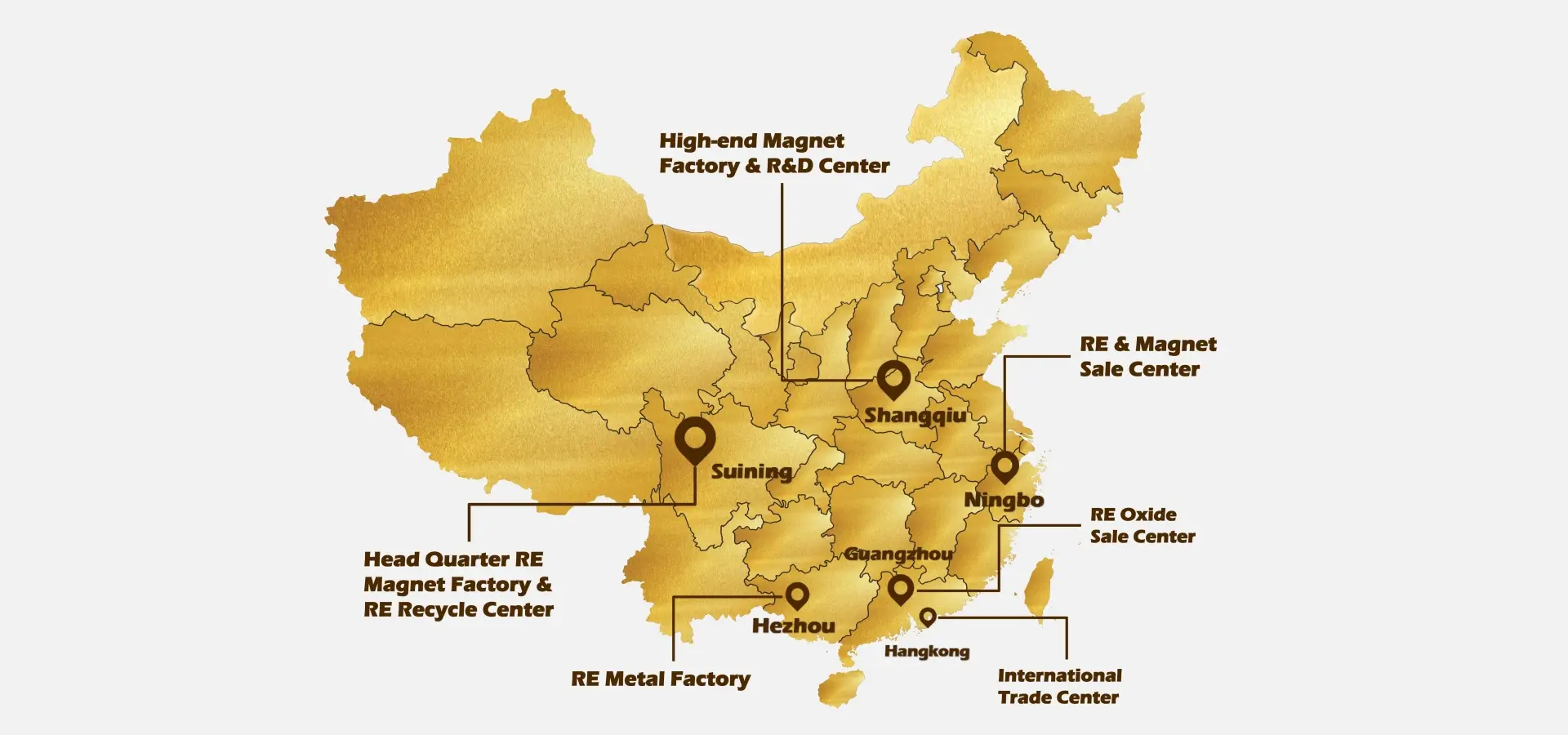
Founded in 1999, Zhejiang Laysun Magnetics Ltd. has established itself as a leading player in advanced magnetic solutions. Spanning over 100,000 square meters in Sichuan, the company operates a state-of-the-art facility supporting an annual production capacity of 5,000 tons of rare earth magnets.
As motors push toward higher speeds and power densities, Zhejiang Laysun Magnetics has combined its neodymium magnet manufacturing expertise with precision rotor structural design. By encasing high-performance NdFeB magnets in custom-milled high-strength maraging steel casings, they deliver rotor assemblies that can withstand extreme centrifugal loads without compromising magnetic flux.
To achieve optimal mechanical performance, maraging steel undergoes a strict two-stage heat treatment protocol:
Different applications require customized maraging steel components to meet their unique thermal and mechanical demands:
As global industries target higher energy efficiency, the demands placed on structural alloys continue to rise. Additive manufacturing (3D printing) of maraging steel has emerged as a key technology, enabling the production of internal cooling channels in high-torque motor shafts.
Simultaneously, researchers are exploring cobalt-free alternatives to lower raw material costs while keeping performance high. Incorporating nanostructured carbo-nitride precipitates helps prevent micro-cracking under cyclic fatigue, paving the way for next-generation electric motor designs.
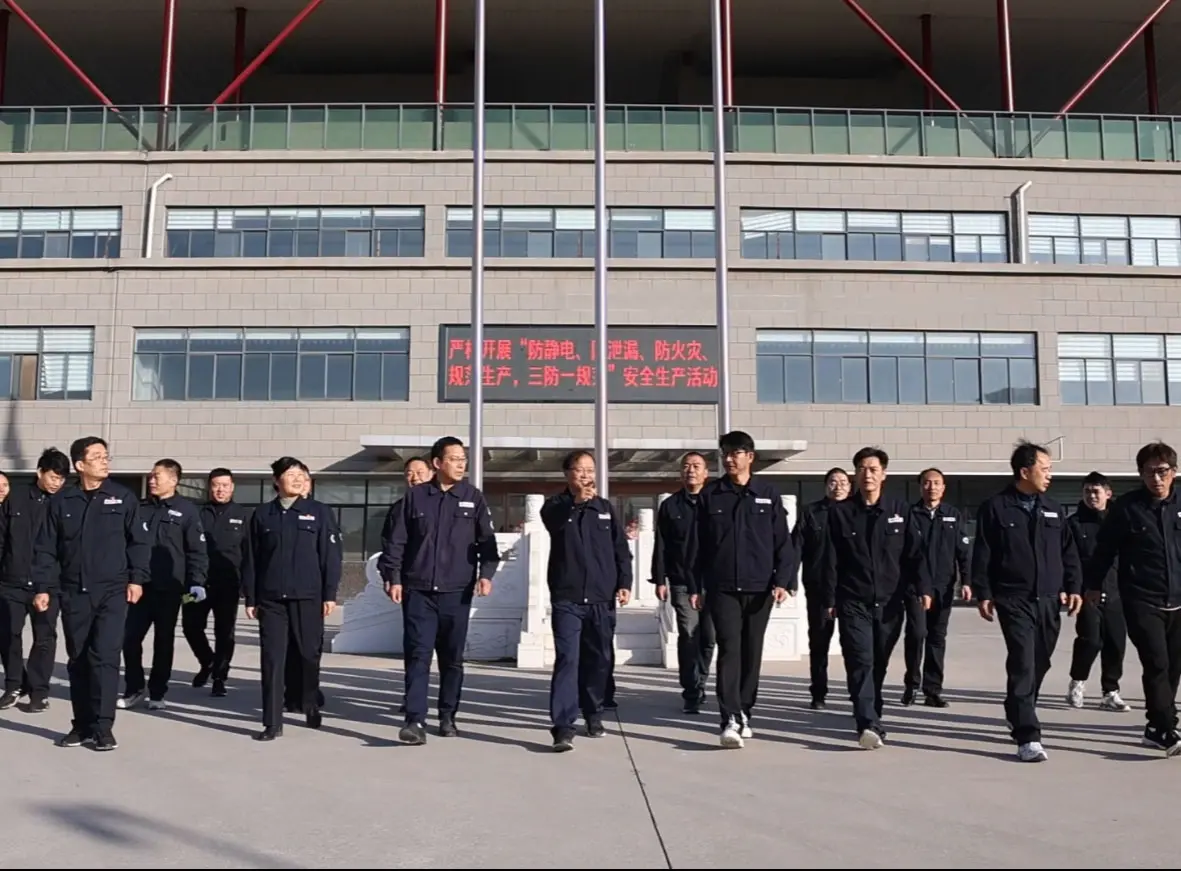
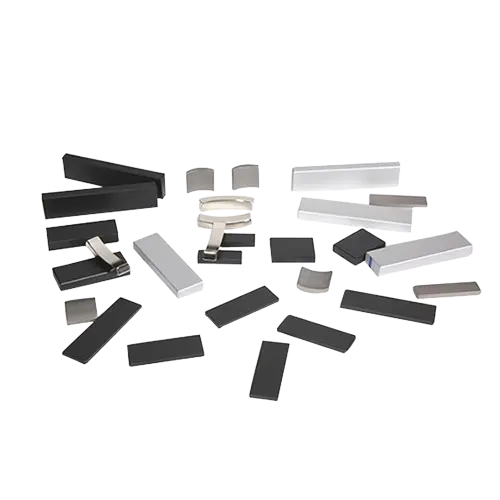
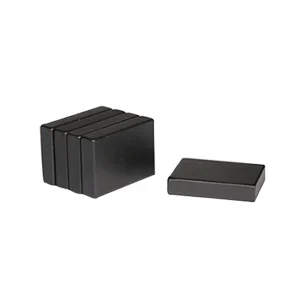
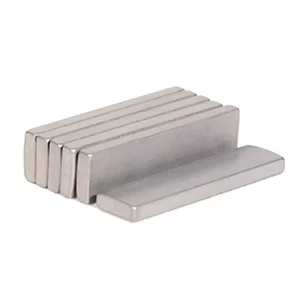
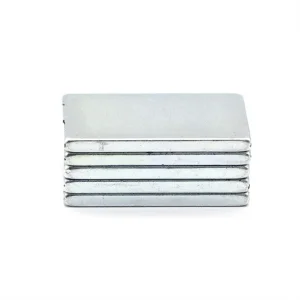
Direct supply of precision sintered NdFeB blocks with protective maraging steel housings, designed for next-generation electric drivetrains and power steering systems.
Miniature high-torque motor sleeves using Grade 300 maraging steel to prevent thermal expansion mismatch and reduce rotational inertia.
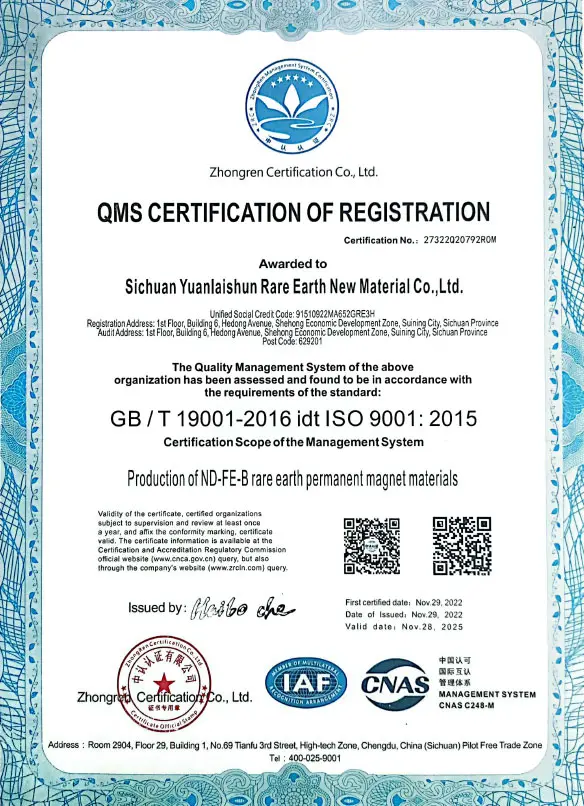
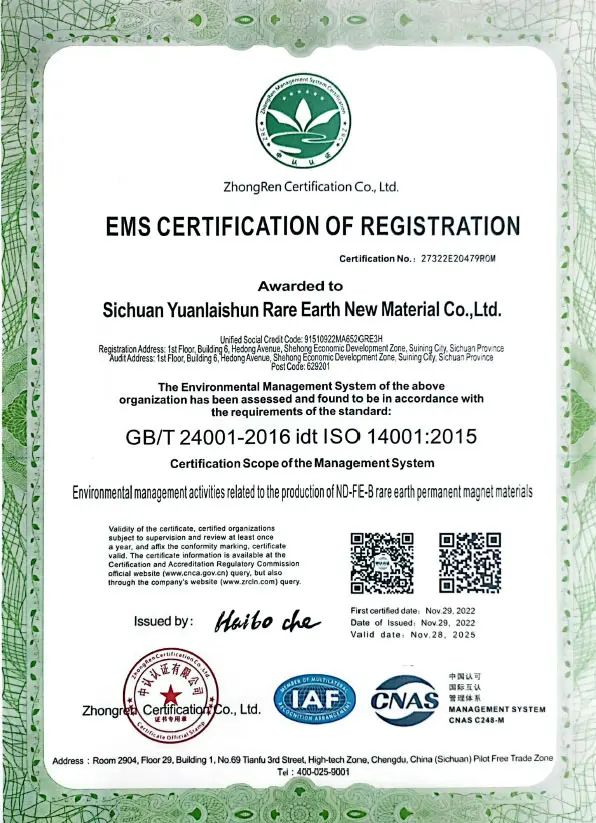
All raw materials and assemblies are fully tracked and certified under API 6D, API 607, CE, ISO9001, and ISO14001 standards.
Headquartered in Hangzhou, Zhejiang, and supported by our manufacturing facility in Sichuan, we ship globally to customers across the Americas, Europe, and the Asia-Pacific region.
Whether you require raw material data, design verification for high-speed rotor sleeves, or custom-sized neodymium components, our technical support team is available 24/7.
Need a quote or structural analysis? Contact our engineering team today to receive a comprehensive technical proposal within 24 hours.
 Laysun Magnetics