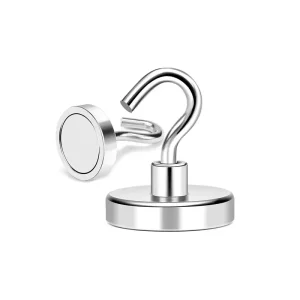
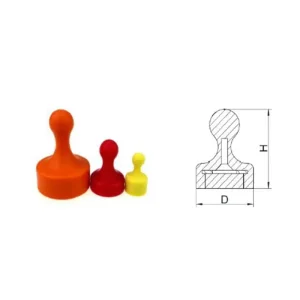
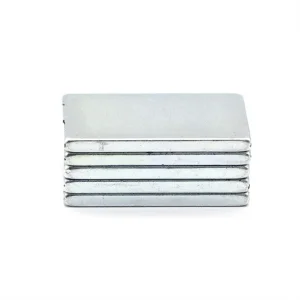
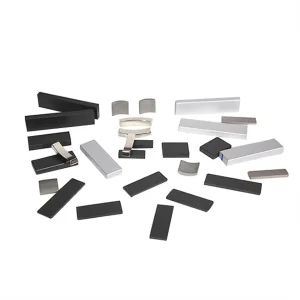
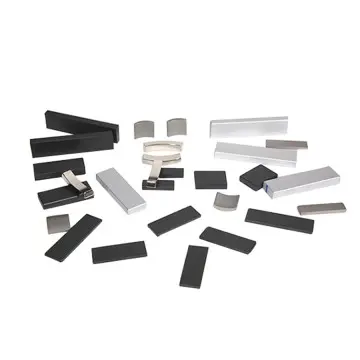
Explore our premium range of industrial magnets, precision engineered for voice coil motors, electric vehicle drives, magnetic arrays, and heavy-duty load separation configurations.
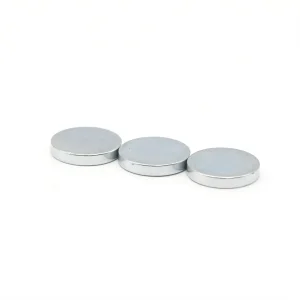
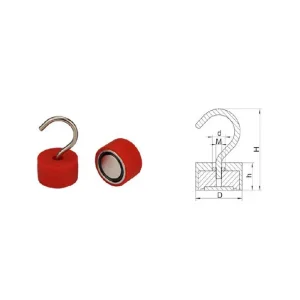
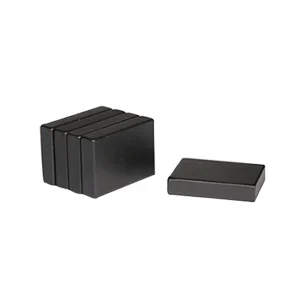
In modern industrial processing, the efficiency of resource recovery and purity compliance relies heavily on magnetic separation setups. Industrial magnetic separators—utilizing high-grade Neodymium Iron Boron (NdFeB) magnetic systems—are vital across mining, plastic recycling, bulk chemical processing, food safety verification, and metallurgy.
The global market is transitioning from simple iron extraction (using low-grade ceramic magnets) to complex separation setups using high-intensity, high-gradient rare earth magnetic matrices. These advanced systems generate magnetic fields exceeding 12,000 to 15,000 Gauss, capturing weak magnetic residues, stainless steel work-hardened particles, and micro-ferrous contaminants down to the micron level.
By leveraging advanced finite element analysis (FEA) modeling, separation specialists optimize pole geometries, magnetic circuits, and Halbach arrays to generate highly focused magnetic gradients. This degree of engineering is essential for minimizing equipment wear, ensuring maximum product purity, and complying with stringent safety regulations like FDA, HACCP, and global environmental standards.
Since our inception in 1999, Zhejiang Laysun Magnetics Ltd. has built a reputation for excellence in the high-performance rare earth magnetic materials industry. As a national high-tech enterprise, we integrate research, development, custom engineering, and scaled manufacturing.
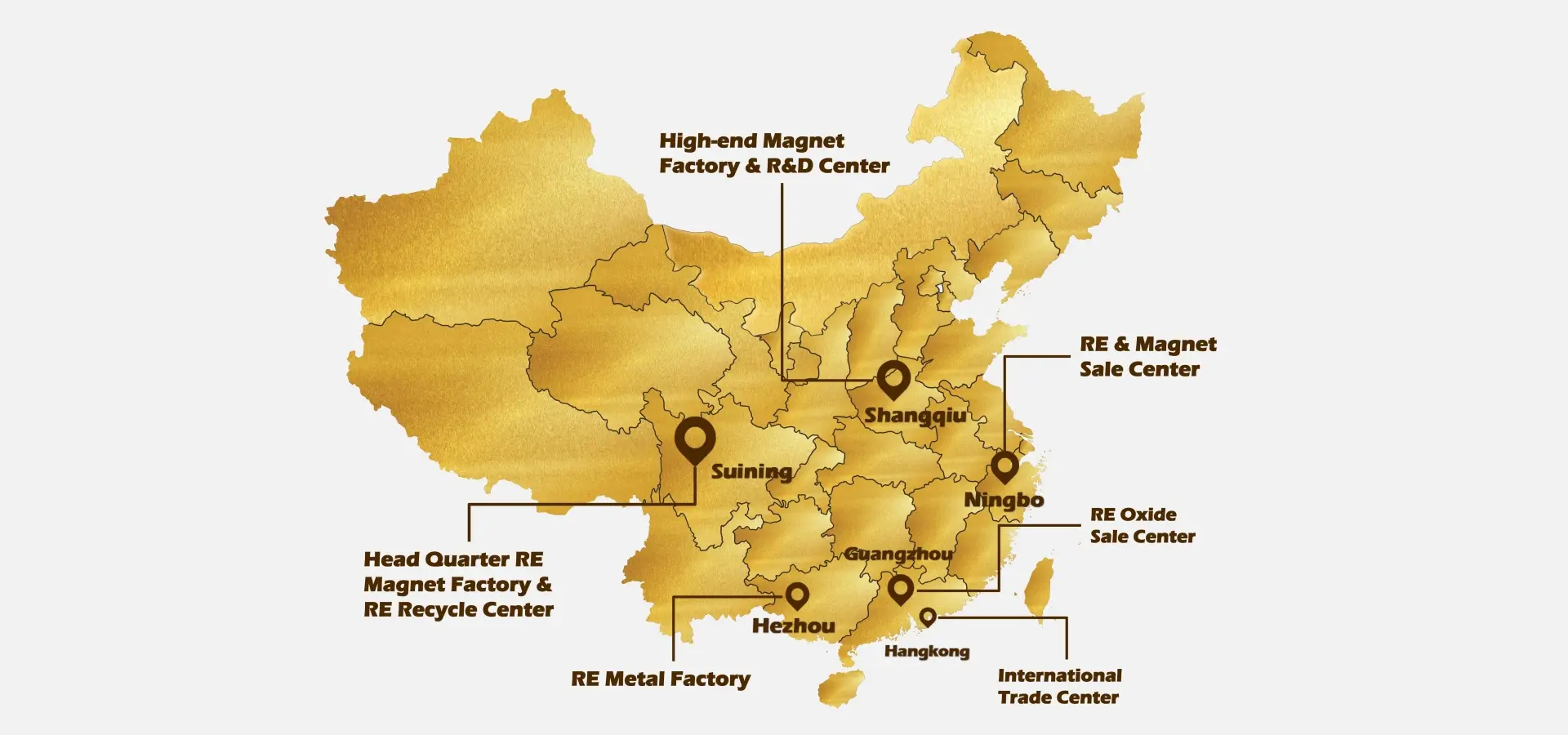
Our production plant covers 100,000 square meters in Suining, Sichuan, supported by our international head office in Hangzhou, China. We supply advanced rare earth magnet assemblies to global companies, serving critical sectors such as EV powertrain drives, electric power steering (EPS), high-efficiency industrial motors, and magnetic sorting setups.
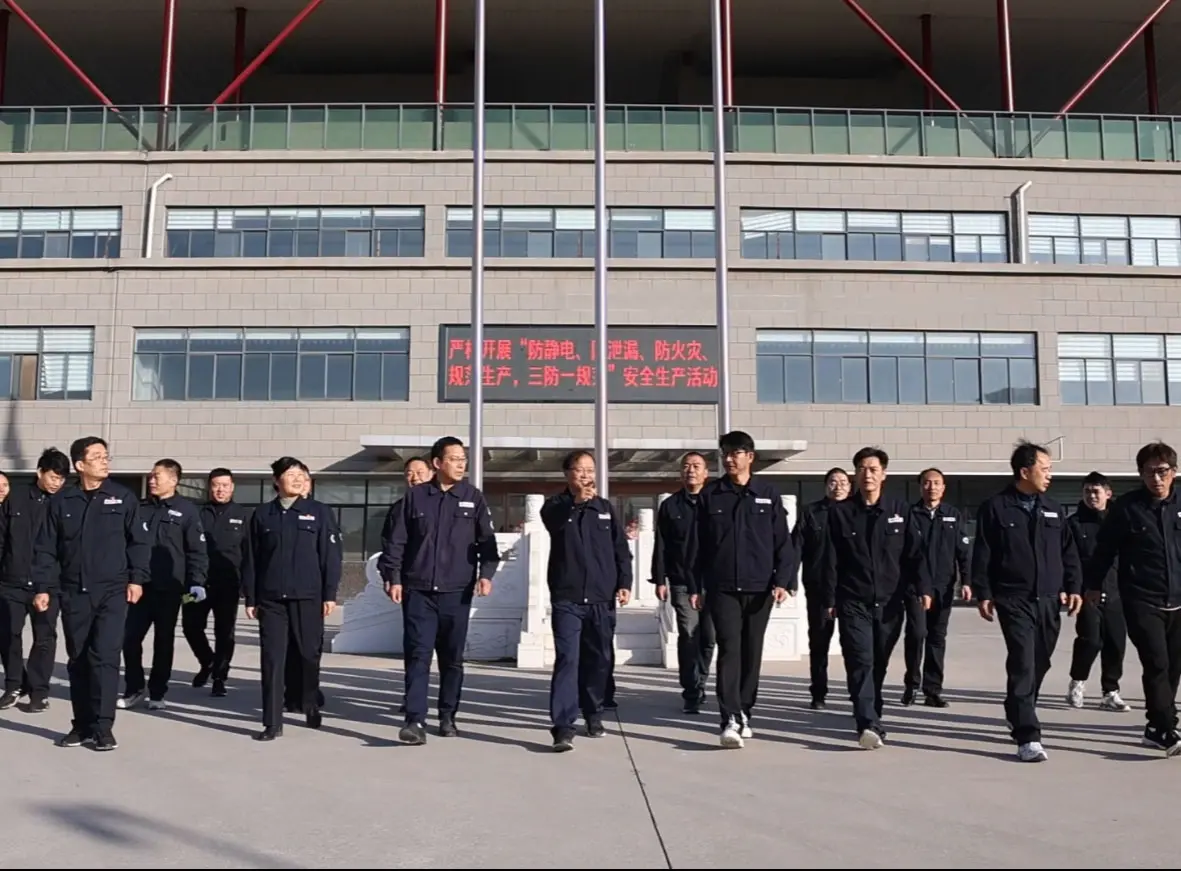
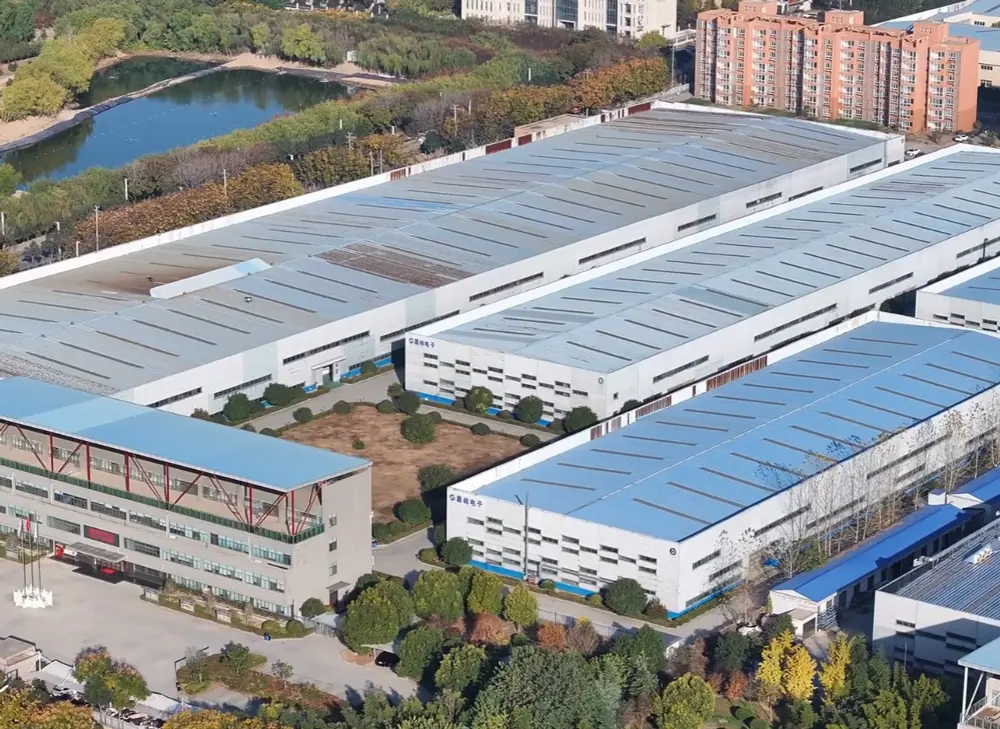
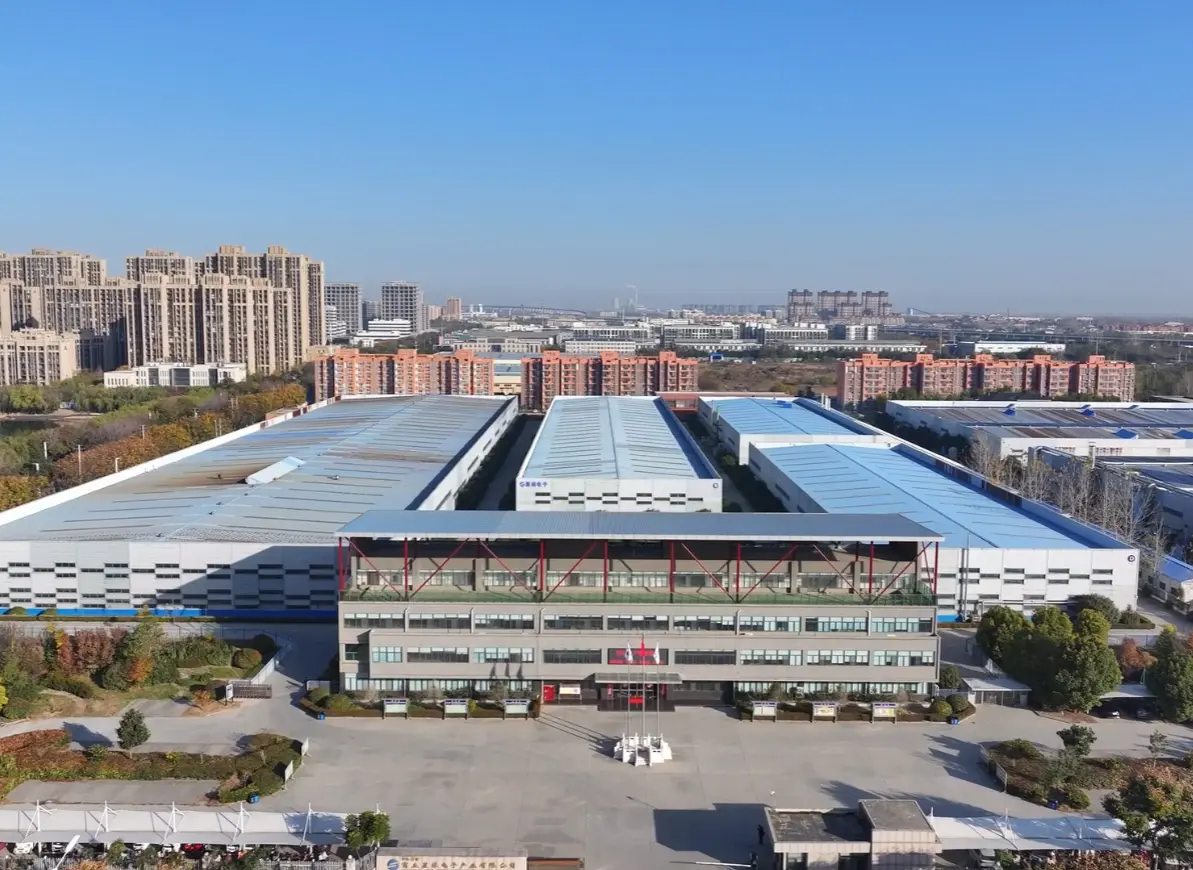
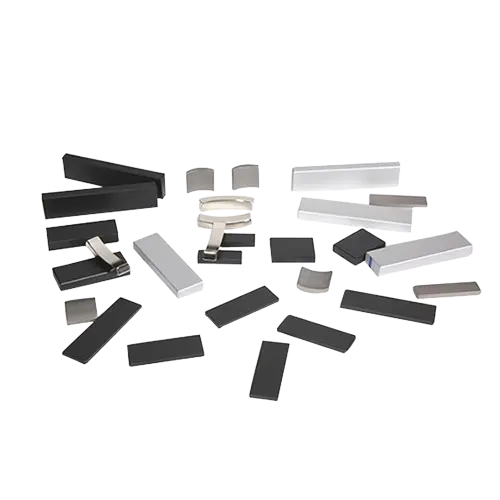
China produces over 80% of the world's rare earth permanent magnets. Zhejiang Laysun Magnetics Ltd. leverages this concentration of resources to secure stable, high-grade raw materials like Neodymium (Nd), Praseodymium (Pr), Dysprosium (Dy), and Terbium (Tb).
Our factory operates highly integrated automated sintering furnaces, wire cutting machines, CNC profile grinders, and multi-station surface coating lines. This vertical integration—from raw material refinement to final magnetized assemblies—reduces material waste, guarantees magnetic consistency, and speeds up production cycles.
By combining Chinese supply chain density with strict quality assurance systems, we deliver cost-effective high-performance NdFeB magnets that meet the international standards required by OEMs and Tier-1 automotive and industrial clients worldwide.
From heavy-duty processing to advanced electronics, our custom magnetic systems are optimized for specific industrial applications.
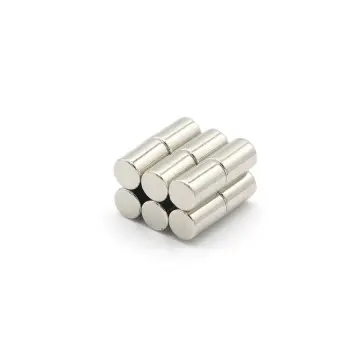
High-precision NdFeB servo motor magnets provide the high torque density and low inertia required for industrial robotic joints, collaborative arms, and automated guided vehicles (AGVs).

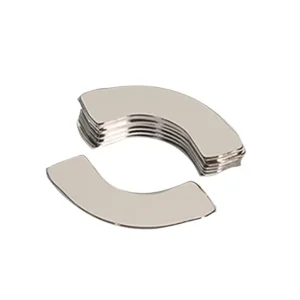
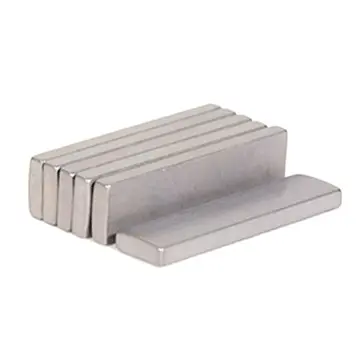
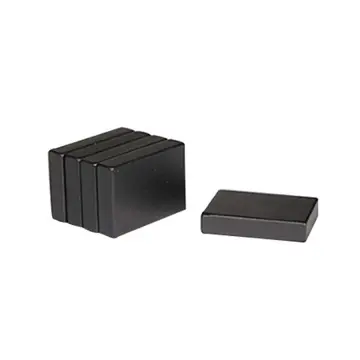
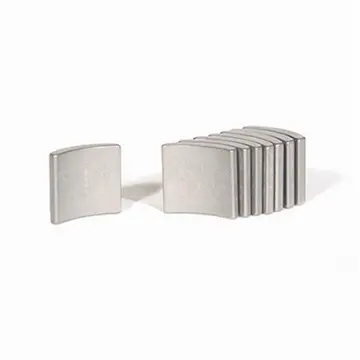
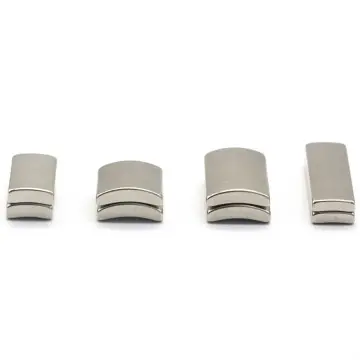
High-coercivity blocks with customized skewed shapes minimize eddy current losses, providing stable power delivery in traction motors and automotive Electronic Power Steering (EPS).

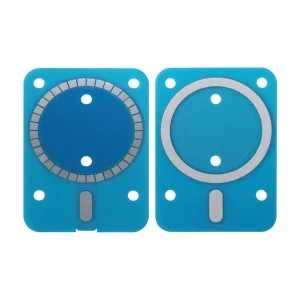
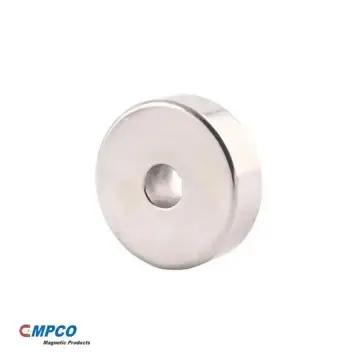
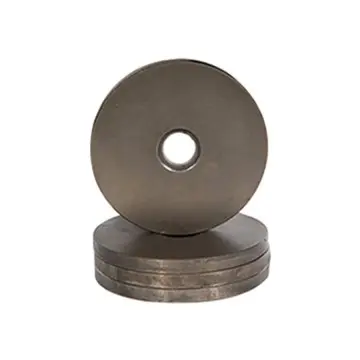
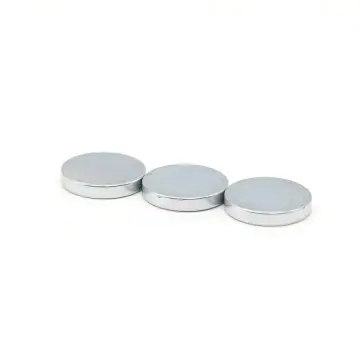
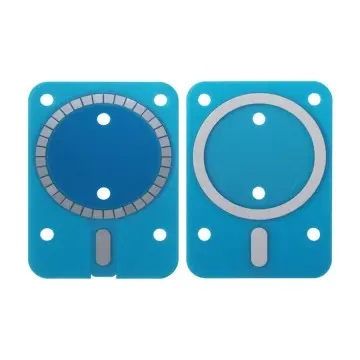
Micro-magnetic rings and precision disc arrays are optimized for smartphone charging circuits, Magsafe accessories, acoustic components, and compact camera stabilization voice coil motors.
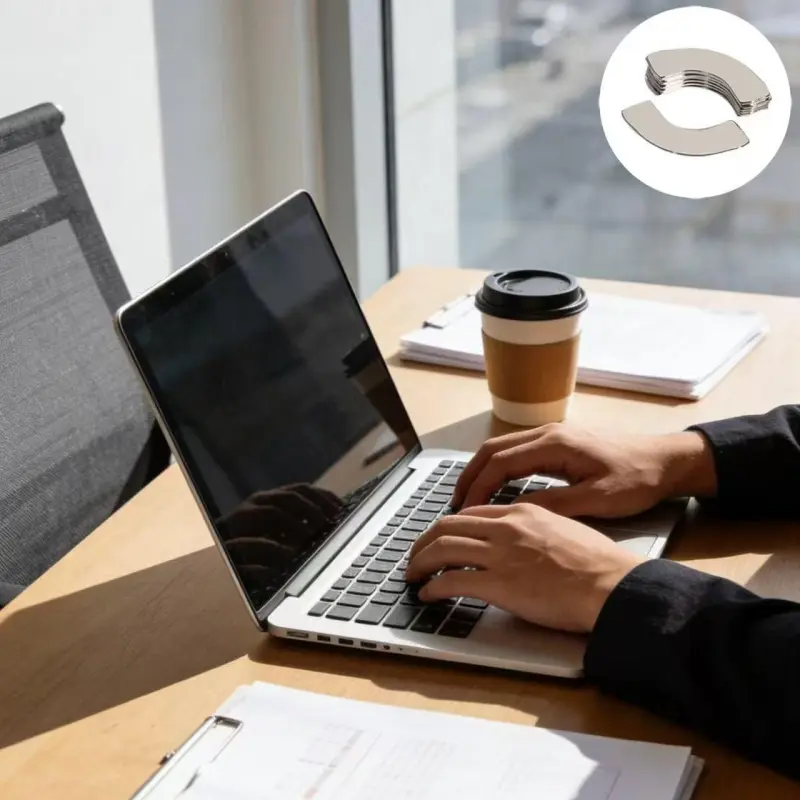
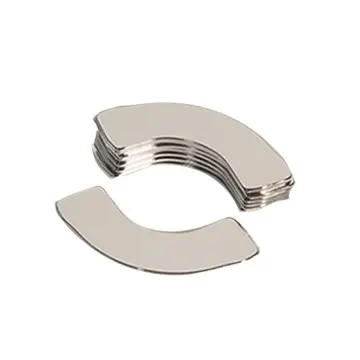
Ultra-lightweight arc segments and high-energy-product magnets supply power and control to drone brushless outrunner motors and stabilization systems.

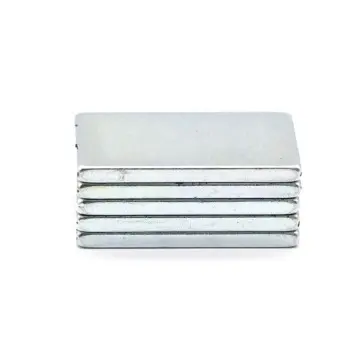
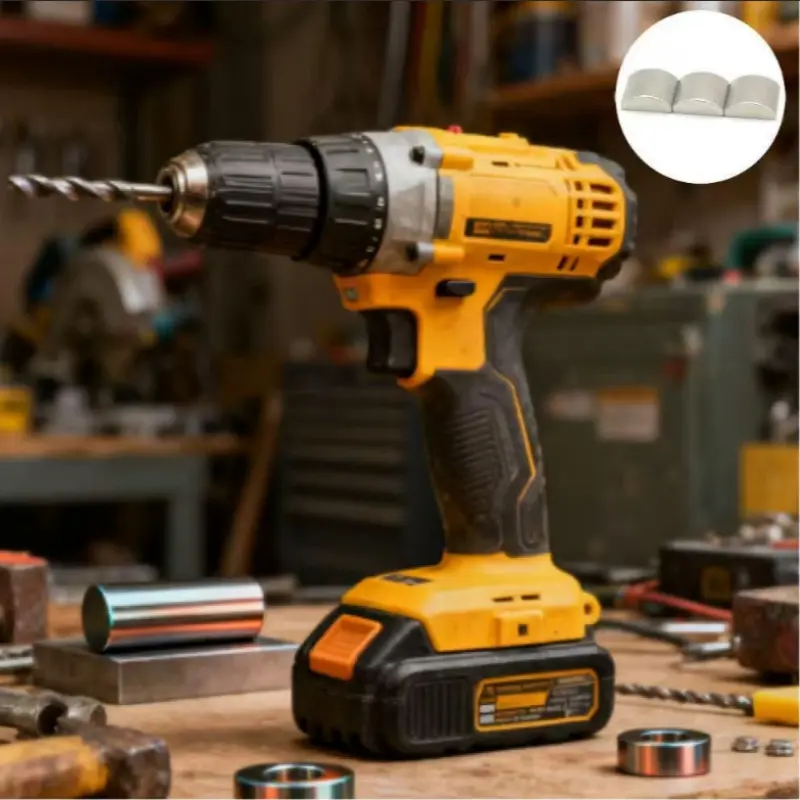
High-efficiency, impact-resistant magnetic block components power compact, high-torque brushless power tools used in construction and assembly environments.
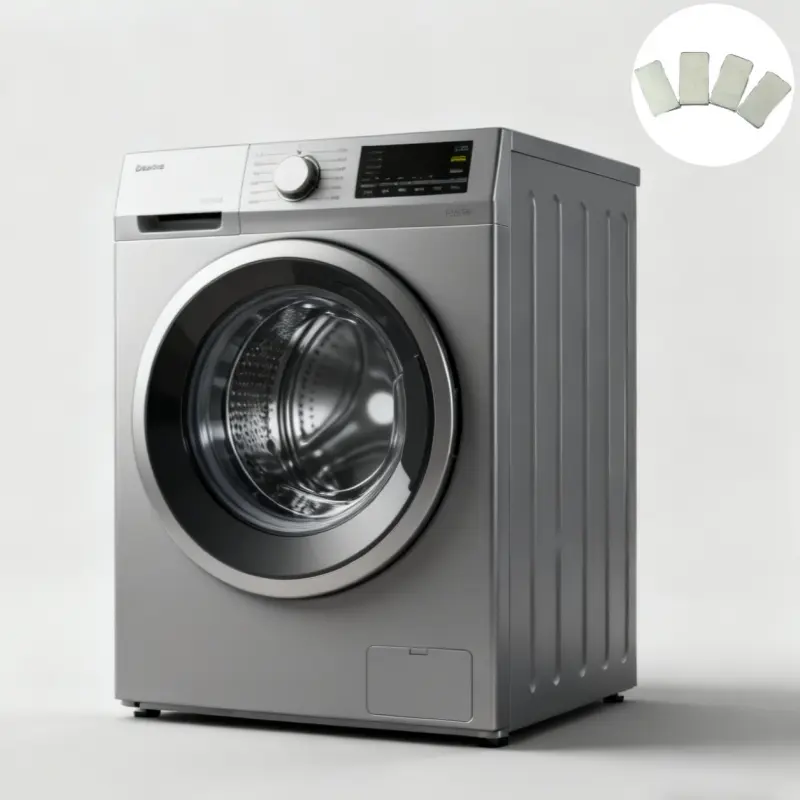
Custom permanent magnets optimize energy efficiency in variable-frequency compressor motors for modern air conditioners, washing machines, and refrigerators.
As global environmental, social, and governance (ESG) standards tighten, industrial processes require higher separation purity. The industry is moving toward automated magnetic separation systems that integrate real-time sensor feedback. These systems monitor iron extraction levels and clean collected contaminants dynamically without shutting down production lines.
Furthermore, advanced applications like lithium-ion battery recycling and electronic waste (WEEE) processing demand separation matrices that target microscopic, weakly paramagnetic particles. In response, manufacturers are designing high-gradient magnetic separators (HGMS) that use optimized NdFeB configurations. These setups generate intense local field gradients, capturing fine iron particles and ensuring high purity.
Sustainability is also driving the adoption of recycled rare earth magnets. By refining closed-loop production techniques, manufacturers can recycle magnet scrap, reducing environmental impact while maintaining raw material performance.
Industrial buyers look for magnetic components that balance technical specs, quality assurance, and supply chain security.
Get authoritative answers to technical questions about magnetic separation setups, magnet selection, and maintenance.
It depends on the application. For ambient applications, Neodymium N52 or N54 grades offer the highest magnetic flux. However, if processing occurs in hot environments (above 80°C), you must specify temperature-resistant grades like M, H, SH, UH, EH, or AH. These prevent permanent thermal demagnetization during operation.
We recommend conducting pull tests or using a calibrated Gauss meter annually. However, in applications with constant mechanical vibration, high temperature, or acidic chemical exposure, we recommend testing every 3 to 6 months to ensure the separation setup maintains target purity levels.
A Halbach array is a specialized configuration of permanent magnets that concentrates the magnetic field on one side of the array while reducing the field on the other to near zero. In separation setups, this configuration maximizes the magnetic pull on the processing side, increasing the efficiency of iron removal without requiring heavier magnets.
Sintered NdFeB is vulnerable to oxidation and corrosion. A triple layer of Ni-Cu-Ni provides durable physical protection for dry processing, while Epoxy, Teflon, or stainless steel encapsulation is recommended for wet slurries and chemical plants to prevent liquid ingress.
Manual setups work well when contaminant levels are low and maintenance is scheduled periodically. If processing high volumes of magnetic contaminants, automatic self-cleaning setups (like rotary drum or cross-belt separators) are preferred. They continuously discharge iron, preventing buildup that can reduce magnetic efficiency.
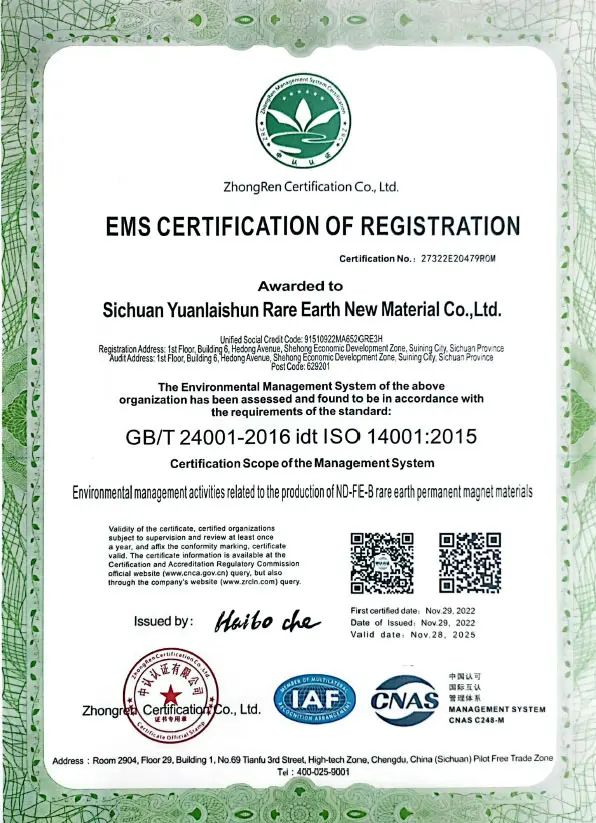
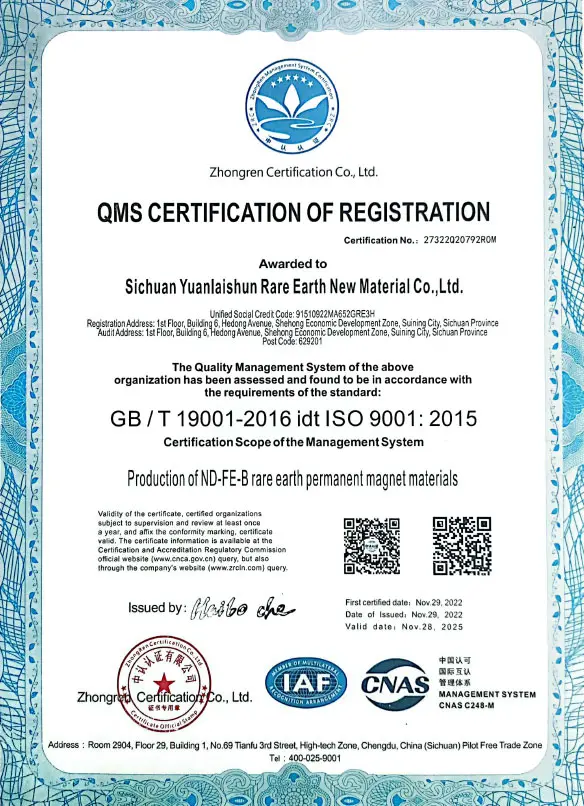
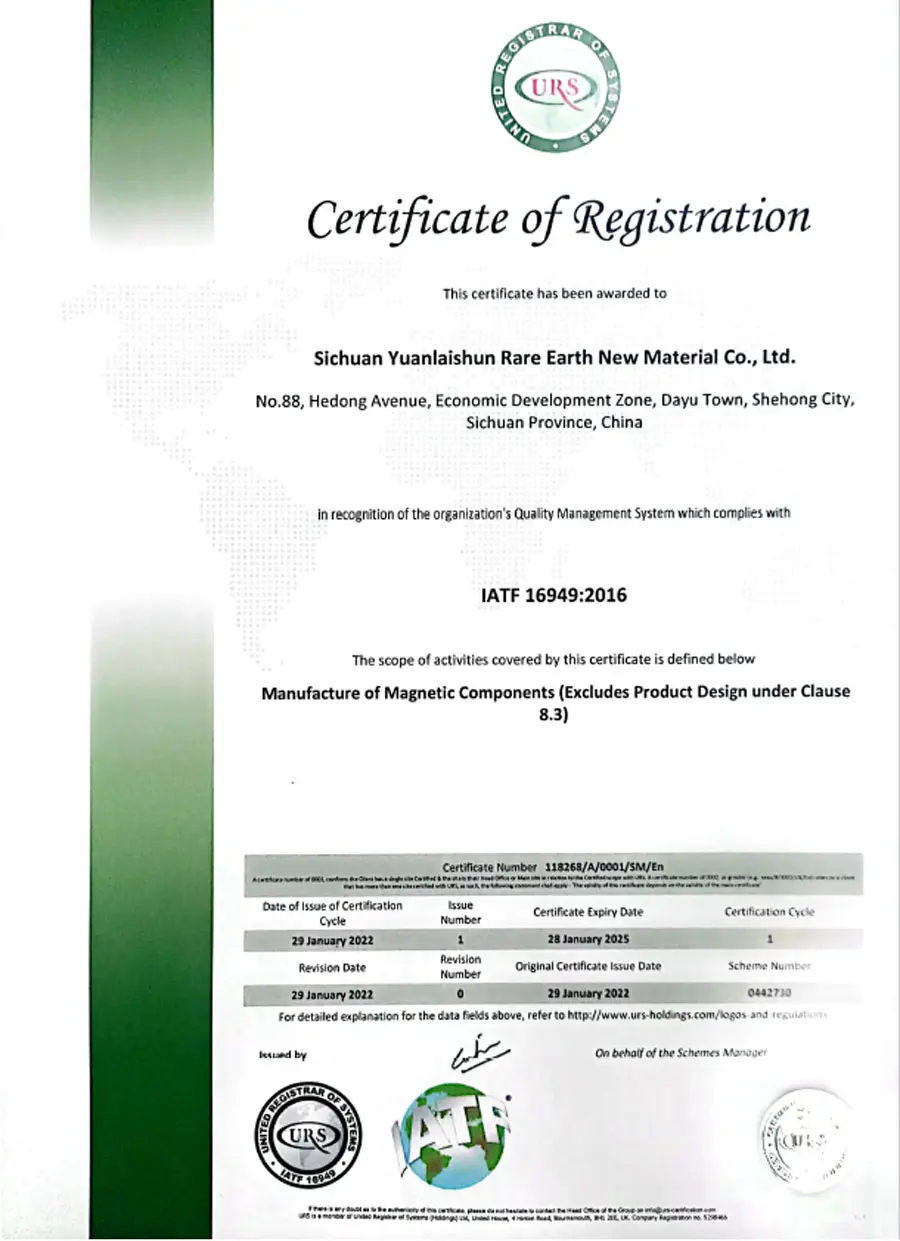
Established in 1999, we bring over two decades of manufacturing experience. Operating a 100,000 m² factory with an annual output of 5,000 tons, we provide the supply security, engineering support, and certifications required by large OEMs worldwide.
While our main production facility is situated in Sichuan, our global headquarters in Hangzhou, China coordinate export compliance, logistics, and technical consulting. We work closely with our worldwide subsidiaries, warehouses, and distribution partners to provide responsive support, timely shipping, and local engineering services.
Our teams are available to assist with custom shape prototyping, magnetic force modeling, and troubleshooting challenges in the field, helping optimize your separation systems.
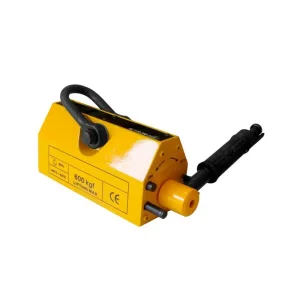
Discover our industrial-grade magnetic solutions, engineered for heavy-duty lifting, wet process separation, magsafe mounting, and customized motor applications.
Click to navigate through specialized magnetic profiles manufactured in-house.
Need customized magnetic separation setups, special coatings, or direct bulk pricing? Reach out to our engineering team. We will analyze your specifications and respond with a technical proposal and quote within 24 hours.
 Laysun Magnetics