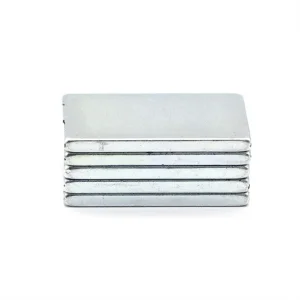
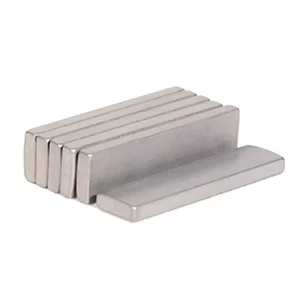
Explore our premium sintered NdFeB and neodymium block magnets engineered to deliver superior magnetic flux density and stability under extreme environments.
In modern quantum mechanics and electrical engineering, the study of the magnetic properties of superconductors represents a core paradigm shift. Superconductors are characterized by their complete absence of electrical resistance and the exclusion of interior magnetic fields—a phenomenon scientifically classified as the Meissner effect. However, to maximize the commercial feasibility of superconducting systems, they must be coupled with state-of-the-art permanent magnet technology.
This interaction becomes critical when dealing with Type-II superconductors, which allow partial penetration of external magnetic fields through quantized magnetic flux lines, known as vortices. The mechanical and electrical stability of these vortices is referred to as flux pinning. High-performance Neodymium Iron Boron (NdFeB) sintered magnets serve as the external magnetic actuators that generate the precise gradient fields necessary to anchor these vortices. The stability of high-field assemblies—such as Magnetic Resonance Imaging (MRI) scanners, high-speed magnetic levitation (Maglev) transit networks, and particle colliders—depends profoundly on the structural integrity, coercivity (Hcj), and remanence (Br) of the permanent magnets that operate in close cryogenic proximity to these superconducting components.
As a pioneer manufacturer, Zhejiang Laysun Magnetics Ltd. specializes in engineering NdFeB alloys that retain exceptional magnetic stability under cryogenic stresses. The integration of high-purity rare earth components allows our custom-engineered magnets to provide consistent flux profiles, shielding high-precision devices against unexpected demagnetization.
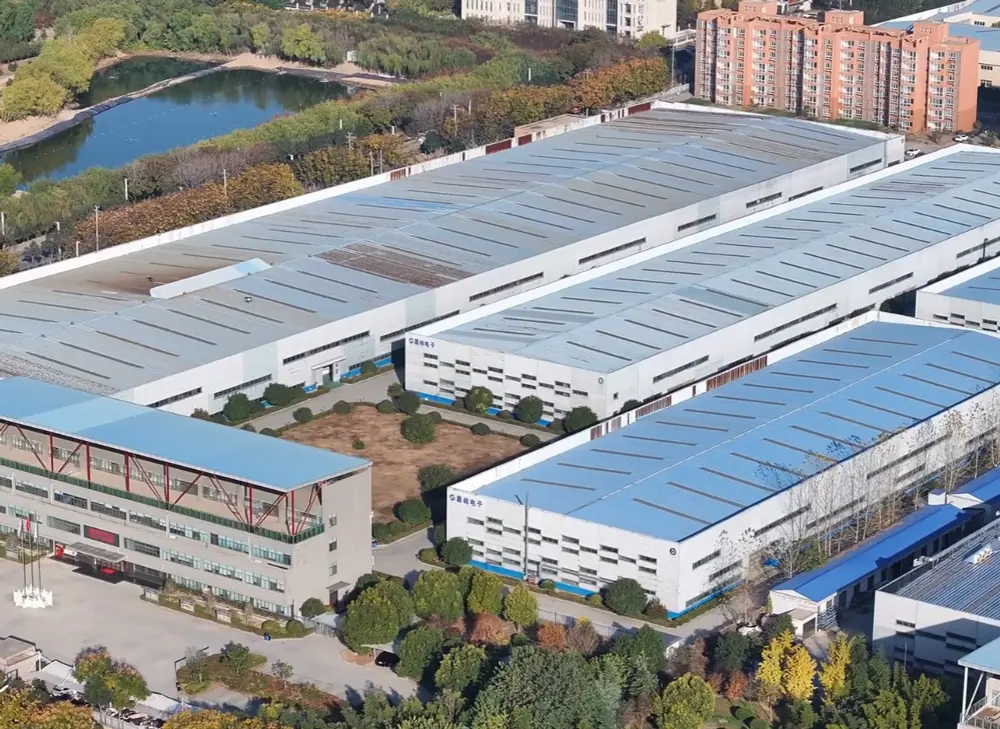
Over two decades of national high-tech manufacturing, pushing the boundaries of magnetic materials engineering.
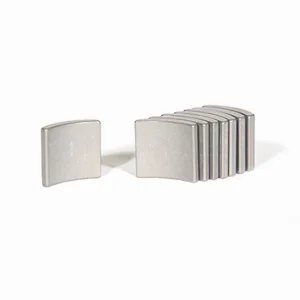
Smart electrical grids require Superconducting Magnetic Energy Storage (SMES) systems to balance peak demands. High-density permanent magnets help configure structural field boundaries to prevent eddy-current losses in hybrid converter assemblies.
Aerospace and cryogenics demand materials that resist irreversible magnetic decay. Sintered magnets processed via Grain Boundary Diffusion (GBD) exhibit elevated coercivity, maintaining operational limits even below 77 Kelvin.
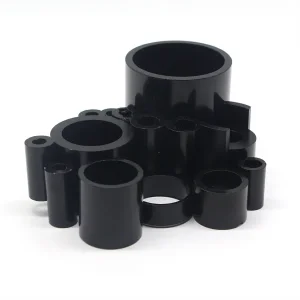
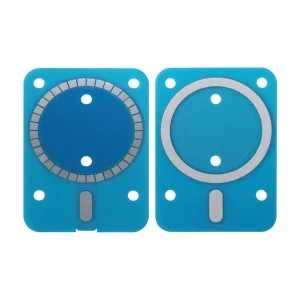
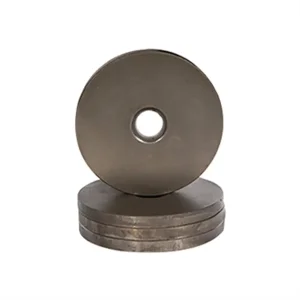
Advanced electronics depend on multi-polar alignments within highly restricted spatial margins. Advanced bonding and sintering technologies allow multi-pole neodymium ring magnets to match complex mathematical field vectors.
As the manufacturing capital for advanced rare earth magnetics, China has transitioned its production paradigm toward Factory 4.0. At Zhejiang Laysun Magnetics Ltd., we have integrated IoT-monitored vacuum induction melting furnaces, automatic chemical analysis stations, and precision slicing machines operating with micrometer accuracy. This digital thread guarantees trace-element uniformity, leading to batch-to-batch predictability that global B2B procurement agents rely on.
This level of automation secures supply chain resilience against geopolitical fluctuations and material shortages. With a 100,000 square meter facility located in Suining, Sichuan—supported by immediate regional raw material supplies—we control the process from raw oxide extraction to the final coating processes (including multi-layer Nickel-Copper-Nickel and advanced epoxy formulations).
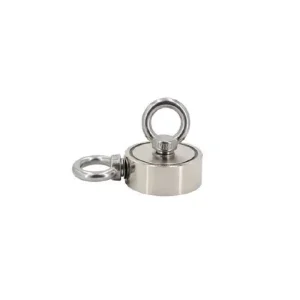
From deep-sea exploration machinery to heavy-industry robotics, our magnetic materials ensure uninterrupted flux fields.



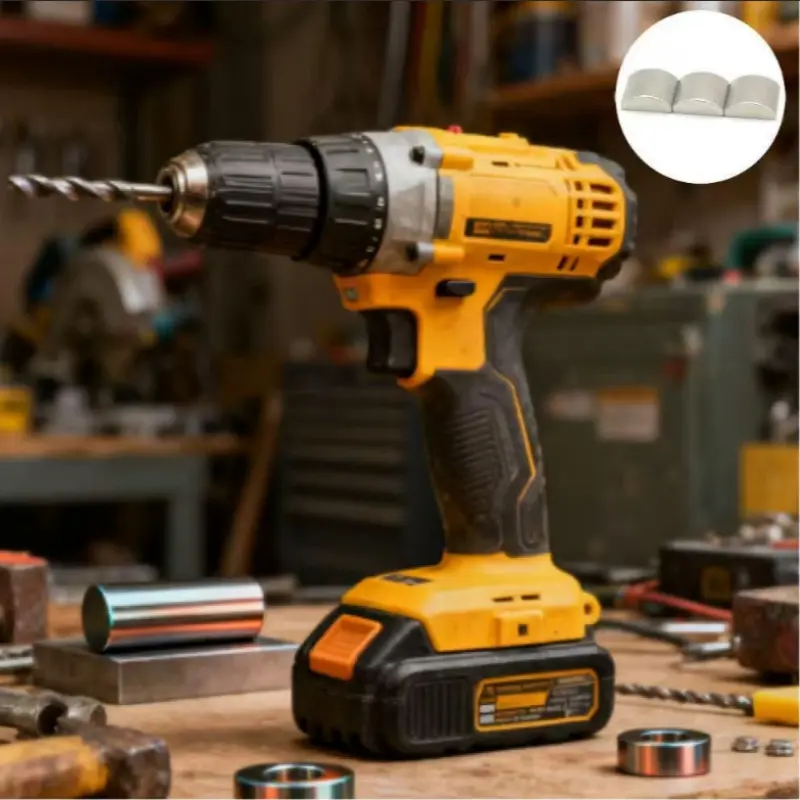

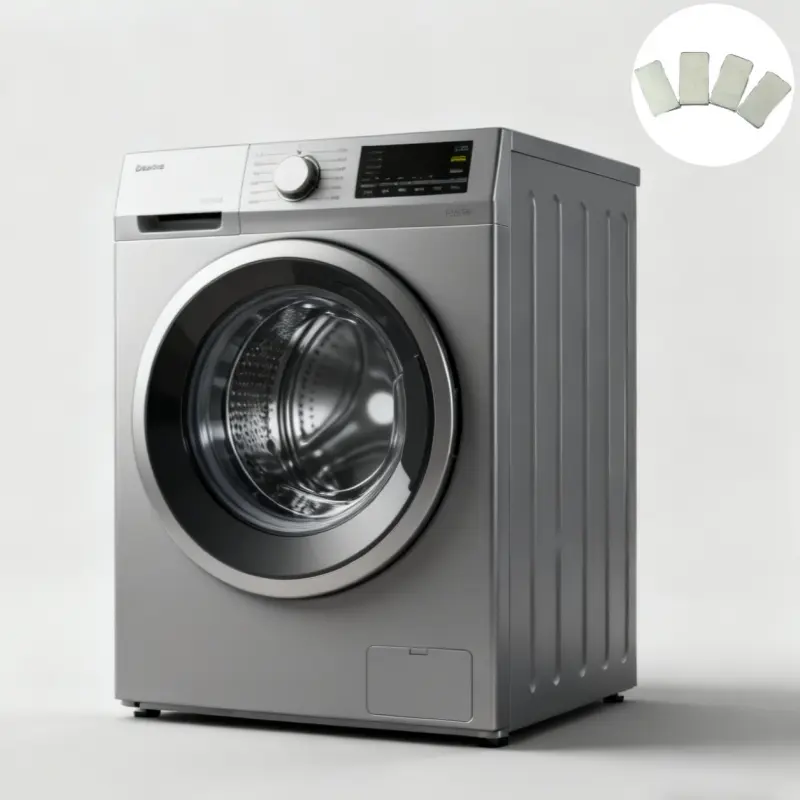
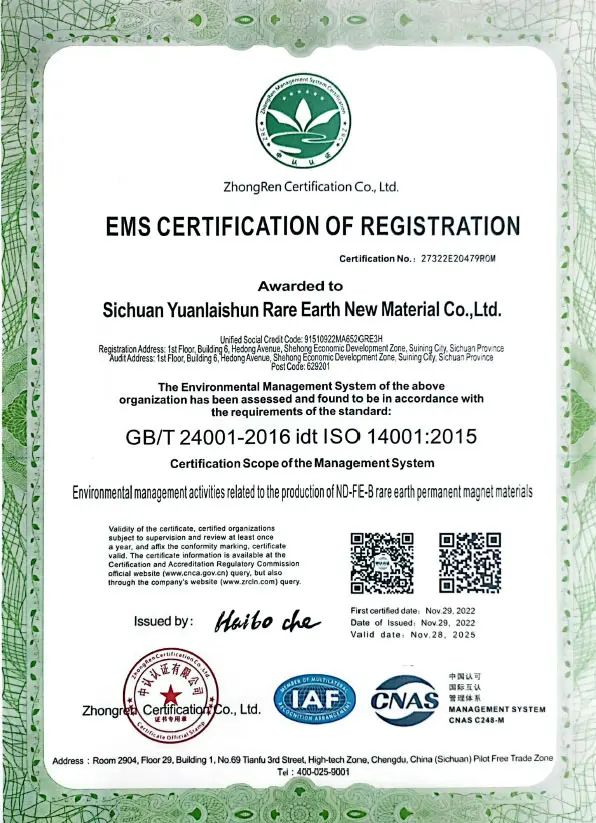
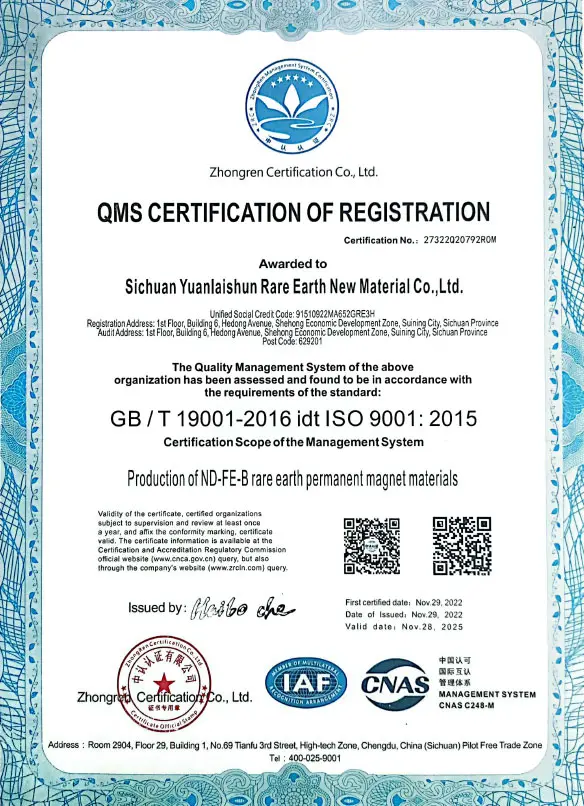
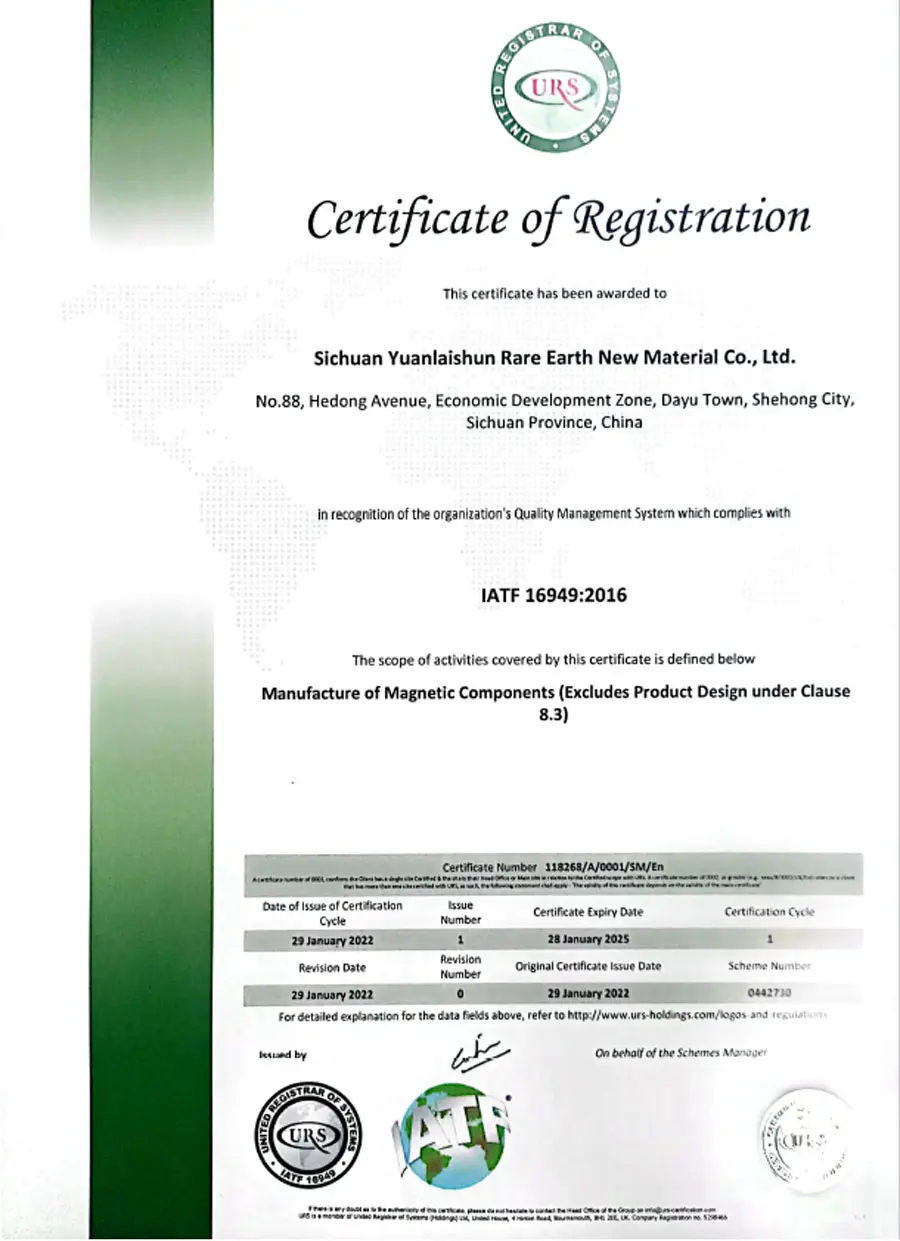
At Zhejiang Laysun Magnetics Ltd., quality control is embedded within our production line. We comply with key international standards including ISO9001, ISO14001, and TS16949 automotive criteria. We also align our heavy engineering magnetic components with API 6D and API 607 specifications for safety and stability.
Each batch undergoes comprehensive testing using modern measurement tools like Hysteresisgraphs, ICP-OES chemical analysis, and environmental chambers. This guarantees that our products consistently maintain their designed magnetic properties in demanding application environments.
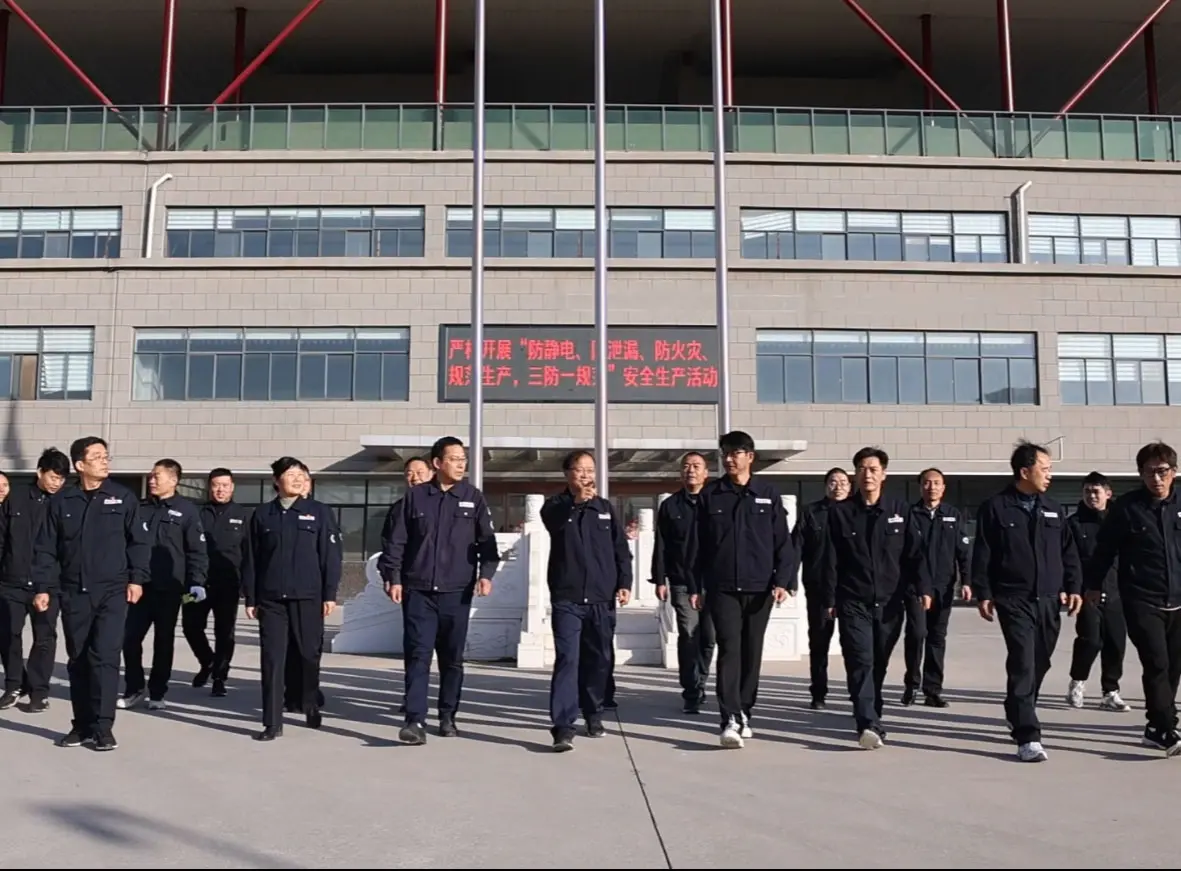
Our rare earth production meets global compliance standards for electrical, automotive, and industrial engineering applications.
Expert engineering insights regarding magnetic properties, flux stabilization, and integration constraints.
At cryogenic temperatures (below 135 Kelvin), NdFeB magnets undergo a Spin Reorientation Transition (SRT). During SRT, the magnetic spin direction tilts away from the primary c-axis, causing a slight dip in remanent magnetization. To prevent this in cryogenic or superconducting systems, we select specific alloys containing Dysprosium (Dy) or Terbium (Tb), which stabilize the magnet's crystal structure and prevent unwanted field changes.
Type-II superconductors allow external magnetic fields to pass through them as quantized flux tubes (Abrikosov vortices). Permanent magnets generate the external magnetic field that interacts with these vortices. High-performance permanent magnets, when positioned correctly, anchor these flux lines to prevent energy loss and support stable levitation or suspension forces in engineering systems.
Sintered NdFeB magnets are processed through powder metallurgy under vacuum, providing high magnetic performance with energy products (BHmax) up to 52 MGOe. Bonded magnets embed magnetic powder in a polymer matrix, allowing for complex geometries and direct molding, though with a lower energy product (typically 5 to 15 MGOe).
We apply high-grade protective coatings to prevent corrosion. Options include chemical vapor deposition (CVD) of parylene, multi-layer Ni-Cu-Ni plating, hot-galvanized tin, or high-insulation epoxy coatings. These barriers shield the underlying rare earth alloy from humidity, salt spray, and oxidation.
Sourced and engineered to meet narrow tolerance metrics for generators, electric vehicle drive units, and mobile electronics.
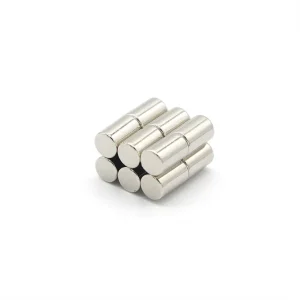
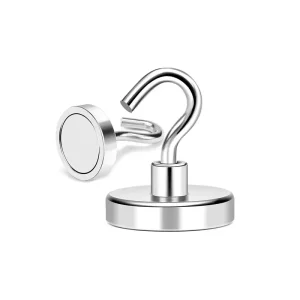
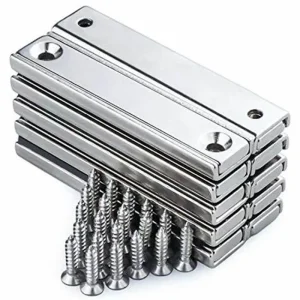
Selecting rare earth magnets for high-power assemblies requires balancing mechanical space, magnetic fields, and operating temperatures. The key parameter to evaluate is the Demagnetization Curve (B-H curve) of the material across its intended operating temperature range.
1. Remanence ($B_r$): This measures the residual magnetic induction remaining in the magnet when the external magnetizing field is reduced to zero. Higher remanence values translate directly to higher magnetic force capability in applications like sensors, motors, and magnetic lifters.
2. Intrinsic Coercivity ($H_{cj}$): This indicates the magnet's ability to resist demagnetization from external fields or high temperatures. For motors and power tools, high $H_{cj}$ values (grades like EH or AH) prevent permanent magnetic loss under high-load conditions.
3. Maximum Energy Product ($(BH)_{max}$): This measures the total magnetic energy density stored within the magnet. Choosing the correct $(BH)_{max}$ helps balance product size and performance, which is key for weight-sensitive applications like aerospace assemblies.
Our manufacturing facilities in Hangzhou and Sichuan work closely with global design engineers to customize magnet dimensions, magnetization directions (axial, radial, or multi-polar), and surface coatings. Standard NdFeB magnets are sensitive to oxidation. To prevent corrosion in marine or humid environments, we apply high-durability coatings like Ni-Cu-Ni electroplating, organic epoxy barriers, or passivated zinc films.
With over 25 years of manufacturing experience, a 100,000 square meter facility, and an annual production capacity of 5,000 tons, we supply high-performance rare earth magnetic solutions worldwide. Contact our engineering team for custom drawings, magnetic simulation data, and volume-discount pricing quotes.
 Laysun Magnetics