Explore our certified range of high-performance sintered NdFeB and magnetic assemblies engineered for global compliance
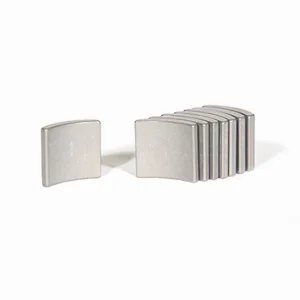
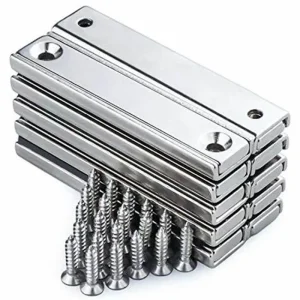
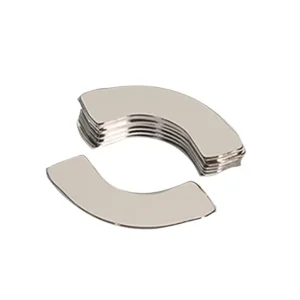
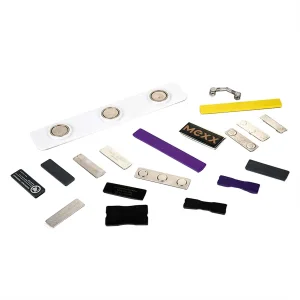
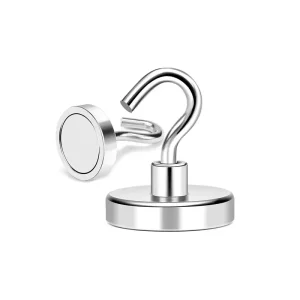
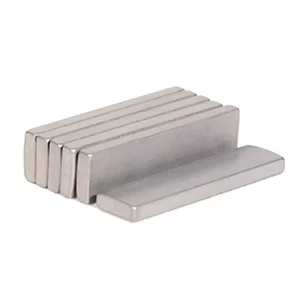
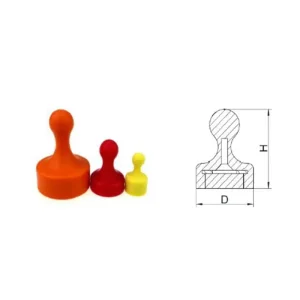
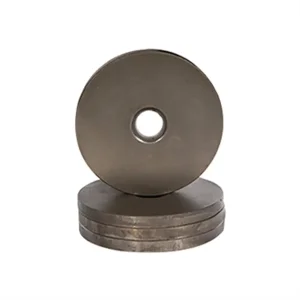
Custom Neodymium Magnets (NdFeB) are the strongest permanent rare earth magnets commercially available. Due to their immense magnetic flux density, they are critical components in high-tech sectors including aerospace, electric vehicles (EV), medical imaging (MRI), and robotics. However, with extreme power comes substantial operational risk.
Unregulated manufacturers, flawed plating methodologies, and cost-cutting designs yield defective or dangerous magnetic materials that fail under stress. This whitepaper systematically breaks down the engineering hazards of sub-standard magnets, the critical importance of safety margins, and how to verify compliance to eliminate catastrophic failures in your supply chain.
Neodymium magnets are not simple mechanical fasteners; they are energy storage components that react dynamically to their environment. Sub-standard manufacturing introduces three primary tiers of risk:
Larger neodymium magnets generate attractive forces exceeding hundreds of kilograms. Untrained handling can cause severe crush injuries. Furthermore, raw NdFeB is highly brittle. High-velocity impacts lead to shattering, projecting razor-sharp metallic shrapnel.
Without high-grade plating (e.g., Ni-Cu-Ni, Epoxy, or Gold), NdFeB oxidizes rapidly when exposed to atmospheric moisture. Poorly managed acid pickling in unregulated factories traps hydrogen in the crystal lattice, leading to spontaneous structural crumble under mechanical load.
If low-coercivity (Hci) material is used in high-temperature applications (e.g., EV EPS or traction motors), the magnet can undergo sudden, irreversible demagnetization. In an electric power steering system, this failure instantly cuts power assistance, causing massive safety hazards.
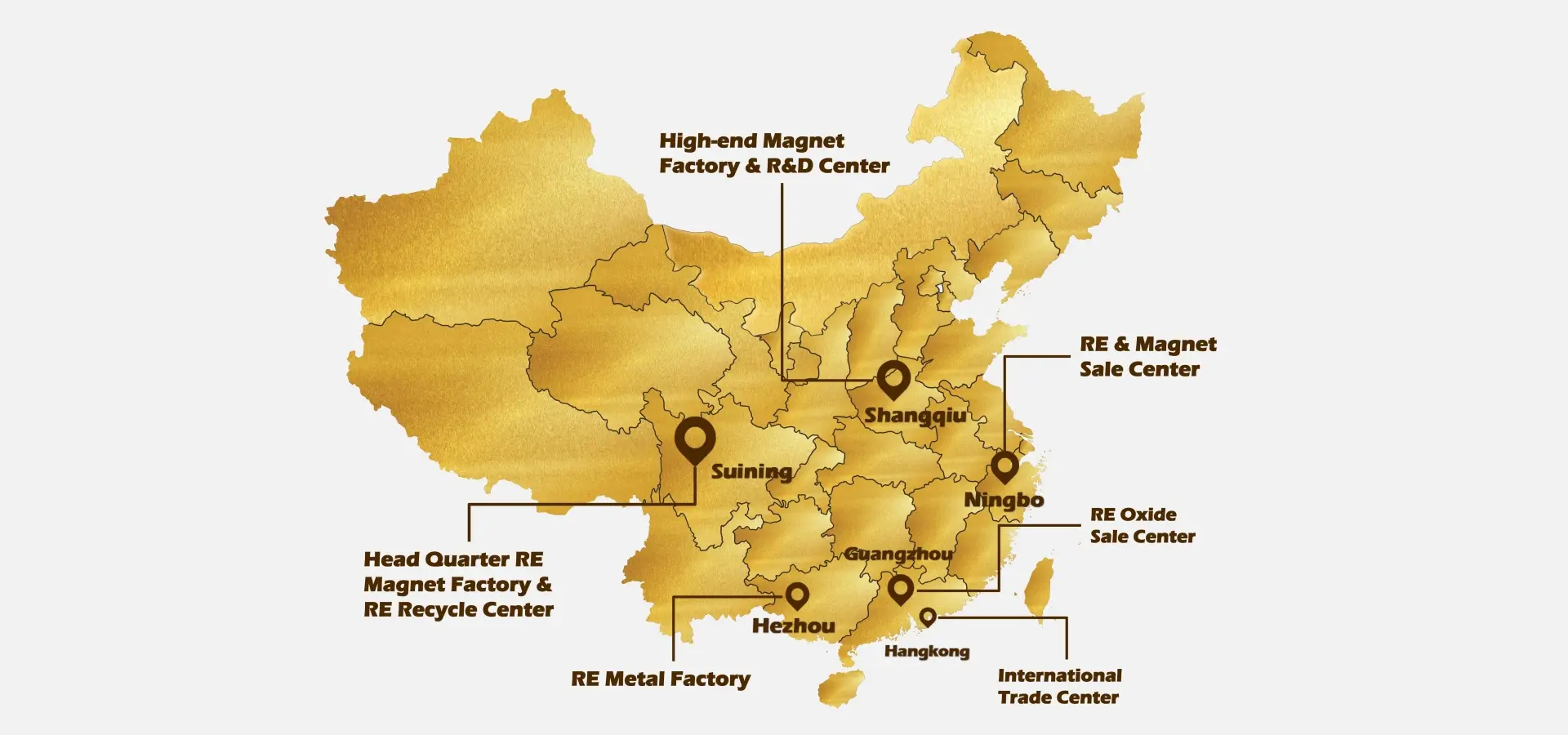
Founded at the turn of the millennium, Zhejiang Laysun Magnetics Ltd. has rapidly evolved from a visionary startup to a global industry pacesetter. Our state-of-the-art manufacturing facility, sprawling across 100,000 square meters in the vibrant industrial hub of Suining, Sichuan, is the core of our technical operations. With a dedicated team of over 300 experienced engineers, scientists, and production specialists, we produce up to 5,000 tons of high-performance rare earth NdFeB magnets annually.
Headquartered in Hangzhou, China, Eneroc (a key division of our global strategy) is building our worldwide subsidiaries and offices to guarantee seamless localized supply chains and prompt engineering support for international partners. Specializing in advanced NdFeB solutions, our products serve electric vehicle drivetrains, servo motors, aerospace instrumentation, medical devices, and clean energy systems.
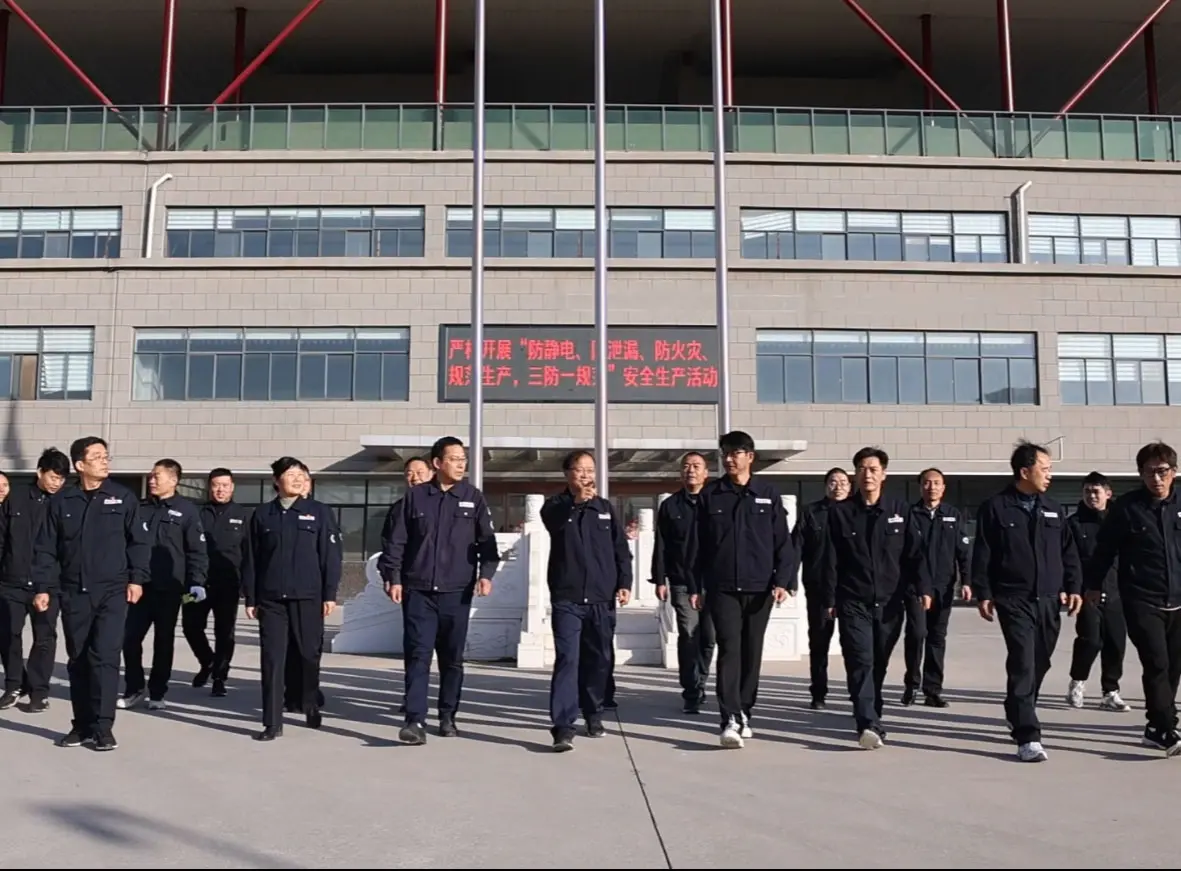
To eliminate the manufacturing flaws that make standard NdFeB magnets hazardous, Zhejiang Laysun Magnetics utilizes a Factory 4.0 production framework. By integrating automation, real-time sensing, and closed-loop data tracking, we ensure physical consistency and magnetic reliability across bulk production runs.
Our oxygen-free vacuum induction furnaces prevent oxidation during the alloy stage. Control of oxygen content (<500 ppm) avoids brittle phases that cause catastrophic cracking in field operations.
Using fluxmeter systems with temperature control, every custom batch undergoes hysteresis loop measurements (demagnetization curves) to confirm intrinsic coercivity (Hcj) limits before shipment.
We deploy fully automated electroplating lines for Ni-Cu-Ni, Epoxy, and Parylene coatings. High-durability salt spray test (SST) chambers verify that our products withstand up to 72-96 hours of harsh exposure without plating degradation.
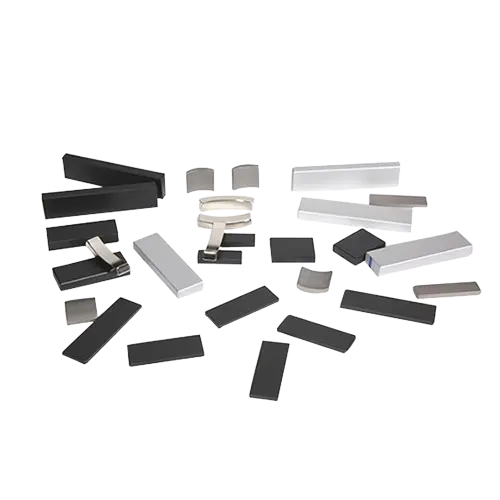
Magnetic designs require localized safety precautions across different application spheres. We supply tailored industrial magnetic configurations configured to prevent core failures:
Utilizing high working temperature NdFeB grades (UH, EH, AH series) with working temperatures up to 220°C. Heavy Rare Earth Grain Boundary Diffusion (GBD) technology is used to minimize Dysprosium dependency while retaining structural coercivity under severe thermal stresses.
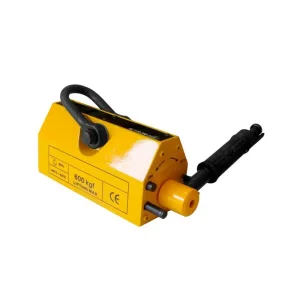
Our heavy-duty magnetic lifters employ robust safety factors (3:1 to 3.5:1). Mechanical locking mechanisms prevent accidental demagnetization, protecting factory personnel from unexpected drops of up to 1000KG loads.
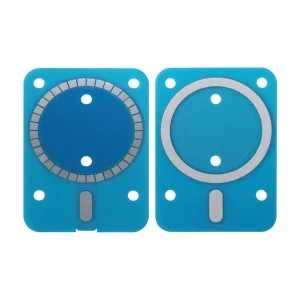
For phones and wearable tech, MagSafe compatibility requires tight dimensional tolerances and corrosion-resistant coatings to shield sensitive components from localized field leakage.
Developing magnetic assemblies across multiple critical technological sectors



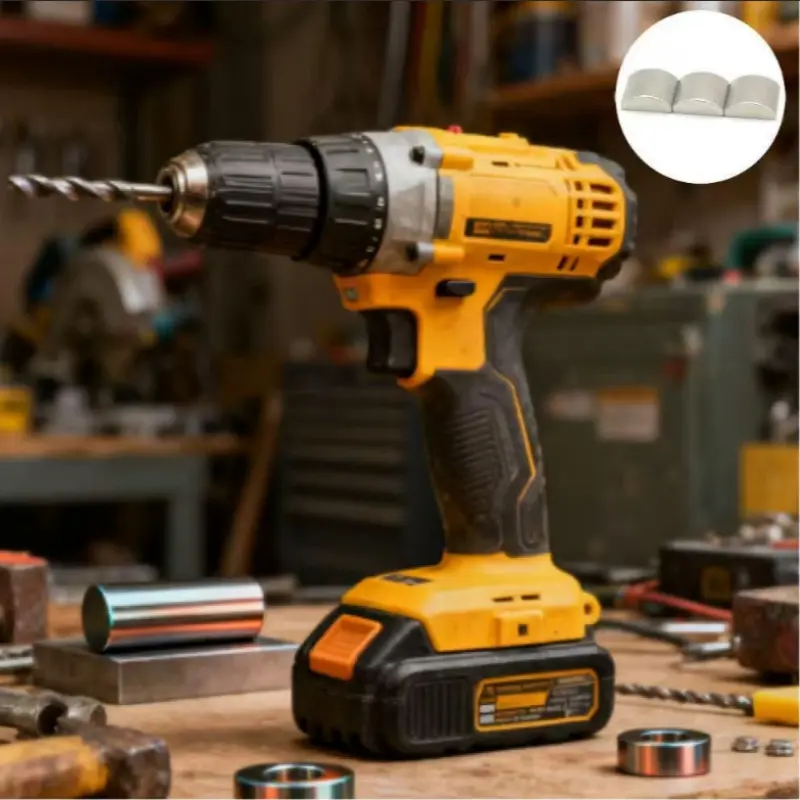

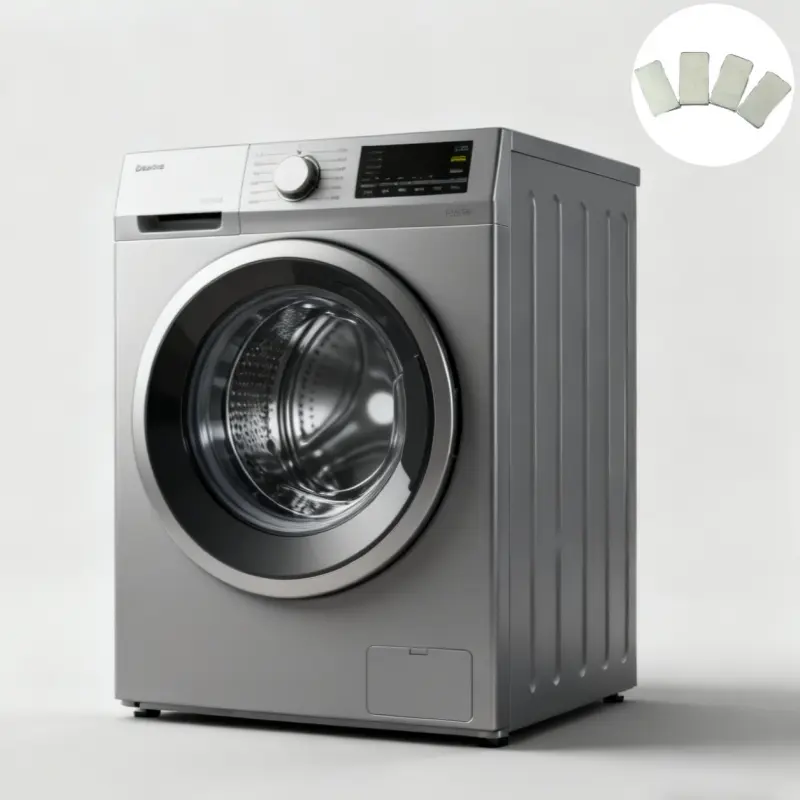
To meet the demands of global engineering firms, Zhejiang Laysun Magnetics maintains a rigorous technology development roadmap focused on enhancing magnetic safety and lowering rare earth resource strain:
Our GBD technology targets the deposition of Dysprosium (Dy) and Terbium (Tb) along the NdFeB crystal grain boundaries rather than alloy-wide dispersal. This improves intrinsic coercivity (Hcj) while maintaining high residual induction (Br), shielding systems against sudden demagnetization under heavy thermal loads.
Developing structural grades for high-speed EV rotors that utilize zero heavy rare earths, mitigating geopolitical and resource supply bottlenecks for key Tier-1 manufacturers.
Integrating closed-loop magnet recycling processes that salvage neodymium oxides from end-of-life electronics and turbine scrap, returning them to high-grade industrial production with a low carbon footprint.
Shipping custom neodymium magnets requires strict compliance with international transport regulations. Strong magnetic fields can disrupt aircraft navigation instrumentation and ship systems, classifying them as Class 9 Dangerous Goods under IATA regulations when shipped by air freight.
Zhejiang Laysun Magnetics applies specialized steel-shielding packaging systems that block magnetic field leakage. Our compliance teams check every cargo shipment to ensure the surface magnetic field measures less than 0.00525 gauss at a distance of 15 feet from the package, guaranteeing safe customs clearance and unhindered global logistics.
Our commitment to rigorous quality control protocols and international engineering standards
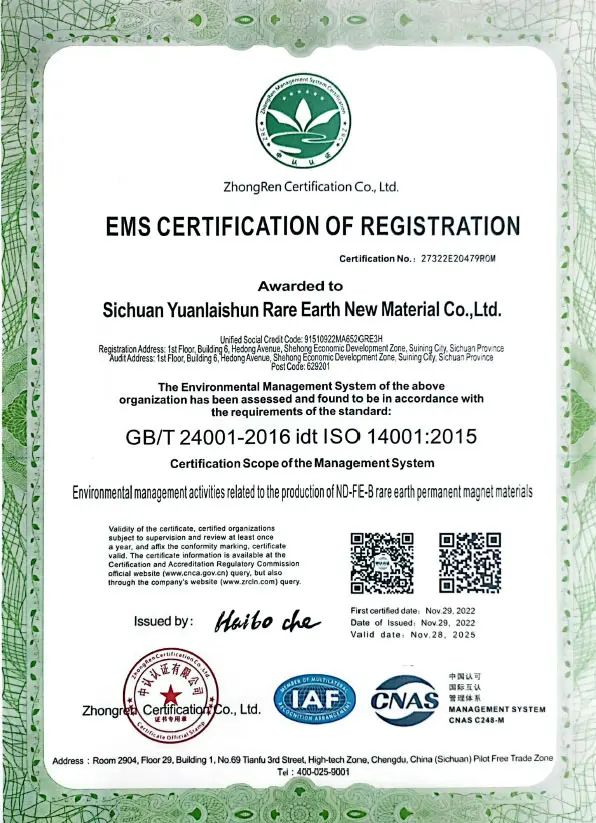
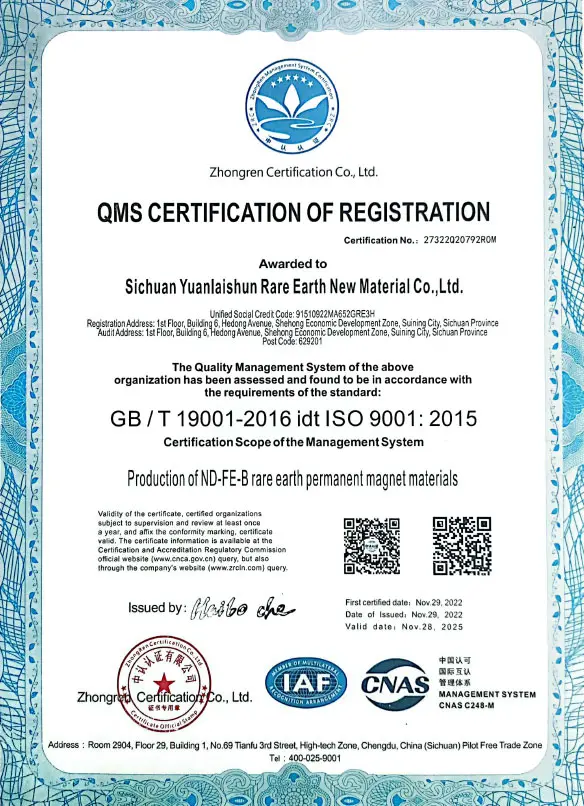
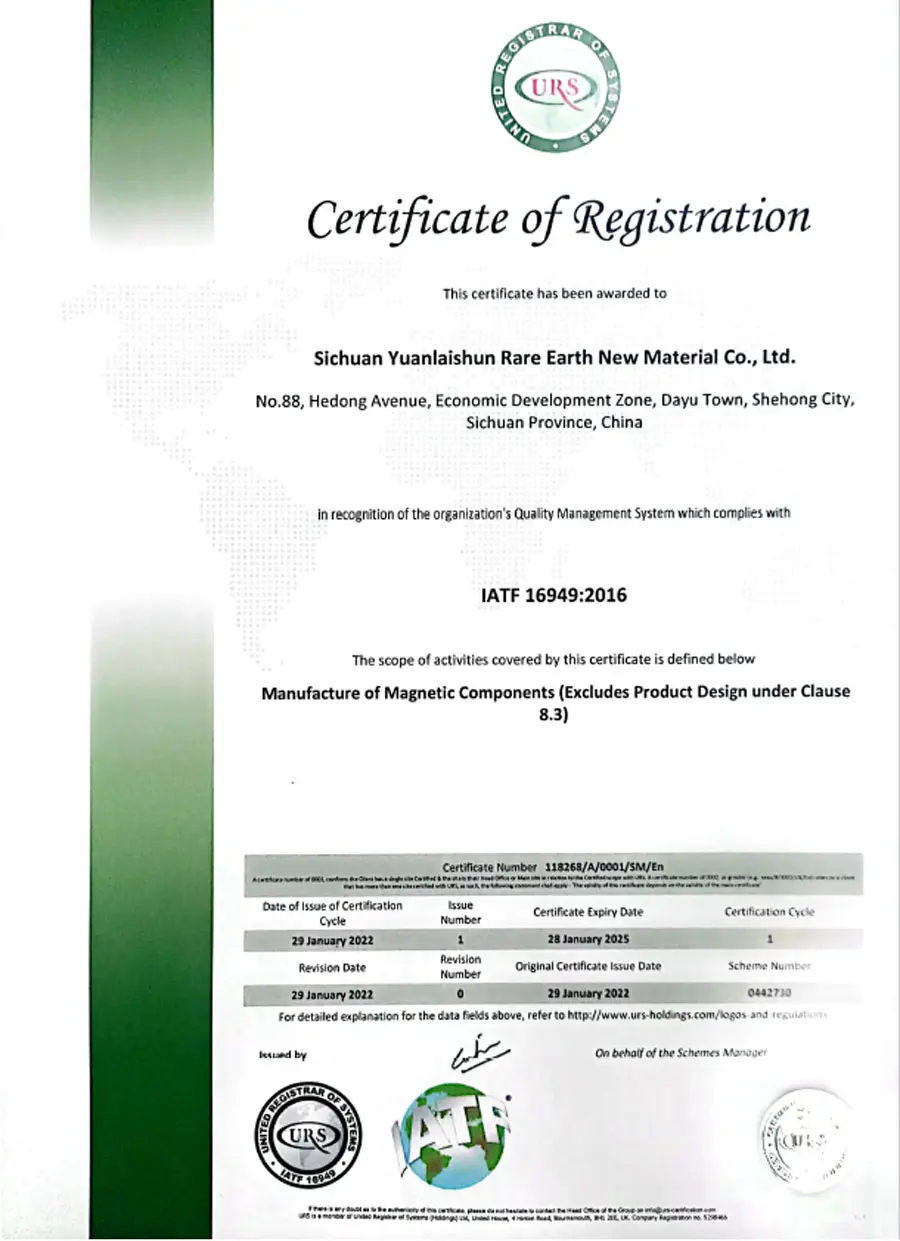
Direct answers from our expert engineering and quality assurance team
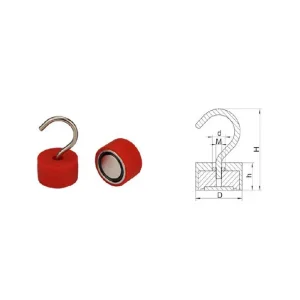
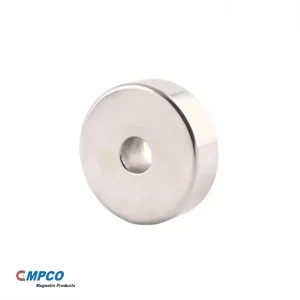
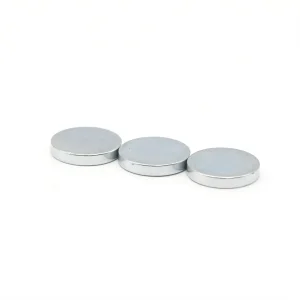
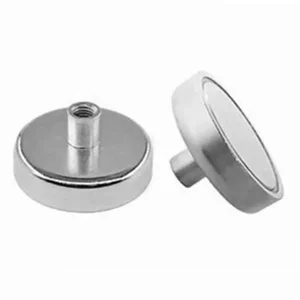
Browse our complete catalog of industrial-grade NdFeB configurations and mounting pot magnets
 Laysun Magnetics