Engineered Components & Raw Magnets Supply
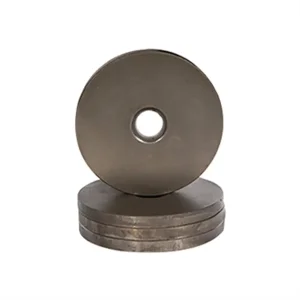
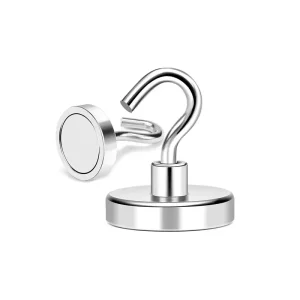
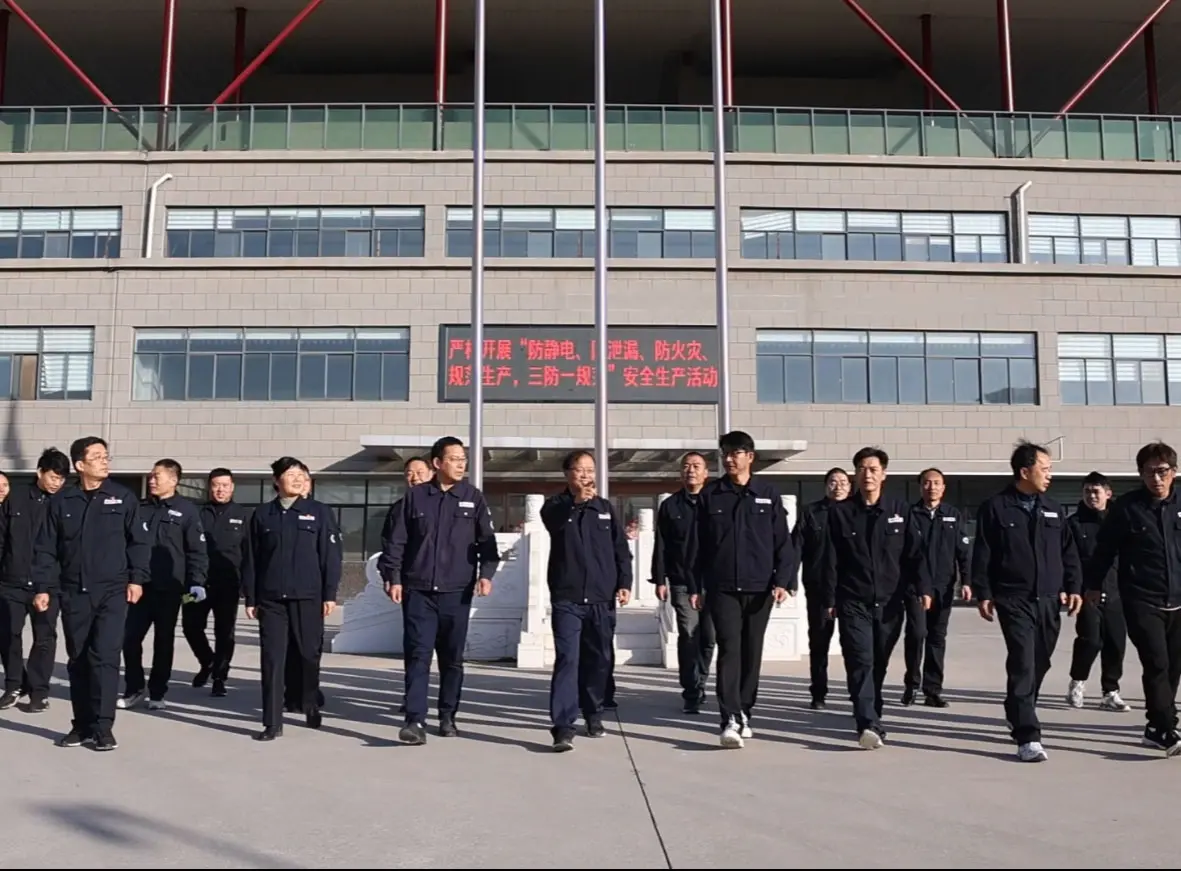
Founded in 1999, Zhejiang Laysun Magnetics Ltd. has evolved from a visionary magnetic materials pioneer into an industry-leading national high-tech enterprise. Our strategic operational base includes a corporate headquarters in Hangzhou, Zhejiang, and a world-class manufacturing facility covering 100,000 square meters in Suining, Sichuan. We specialize in the research, development, custom engineering, and volume production of high-performance sintered and bonded Neodymium-Iron-Boron (NdFeB) permanent magnets.
With an annual production capacity reaching 5,000 tons of premium rare earth magnets and an expert workforce of over 300 technical specialists, scientists, and engineers, we serve critical industrial sectors worldwide. We are dedicated to providing cutting-edge solutions for clean energy systems, automotive electrification, high-precision industrial robotics, aerospace engineering, and advanced consumer electronics.
In modern industrial applications, Neodymium magnets (NdFeB) are rarely utilized in isolation. The integration of high-grade permanent magnets with precision aluminum housings (such as 6061-T6 or 7075 alloys) represents a cornerstone of modern high-efficiency mechanical engineering. This combined system offers an unparalleled strength-to-weight ratio, exceptional thermal management, and highly controlled magnetic field distribution.
Aluminum is structurally robust, easy to machine to sub-micron tolerances, and inherently non-ferromagnetic. By using aluminum housings, engineers can encapsulate Neodymium magnets without distorting the shape of the projected magnetic field lines. Furthermore, aluminum's thermal conductivity facilitates rapid dissipation of eddy-current heat generated within the magnet during high-speed rotation, preventing permanent thermal demagnetization.
One of the primary challenges in structural magnetic assemblies is galvanic corrosion. Sintered Neodymium is highly susceptible to humidity and corrosive chemicals due to its high iron content and intergranular phase. Aluminum, when placed in direct electrical contact with a copper-nickel coated magnet, forms a galvanic couple that can cause rapid oxidation in humid environments.
At Zhejiang Laysun Magnetics, we solve this by applying state-of-the-art multilayer coatings. Our magnet plating portfolio includes multi-stage Nickel-Copper-Nickel (Ni-Cu-Ni), high-durability Epoxy resins, and Everlube coatings. Additionally, we implement anodized surface treatments on the mating aluminum components or utilize structural adhesive barriers to electrically isolate the magnet from the casing, ensuring a lifecycle exceeding 20 years in harsh conditions.
Different industrial verticals require fundamentally distinct physical and magnetic parameters. Understanding these engineering nuances is key to optimizing performance and managing material costs.
Traction motors require ultra-high coercivity grades (such as N42AH or N38UH) to withstand operating temperatures up to 200°C. Lightweight aluminum housings protect the magnets from high centrifugal forces and shock loads.
Servo motors and Electric Power Steering (EPS) systems require tight dimensional tolerances (+/-0.05mm) and high flux consistency. Aluminum housings provide optimal structural alignment and thermal management.
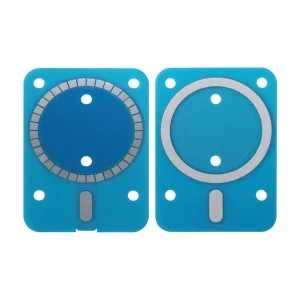
Products like cell phone MagSafe ring assemblies and laptop speakers require miniature magnets with precise geometries. Aluminum alloy layers act as non-conductive mechanical barriers.
To reduce dependency on volatile Heavy Rare Earth Elements (HREE) like Dysprosium (Dy) and Terbium (Tb), Laysun Magnetics utilizes proprietary Grain Boundary Diffusion (GBD) processing. This technique diffuses Dy or Tb selectively along the grain boundaries of the sintered matrix rather than distributing it uniformly throughout the grains. This significantly improves coercivity and high-temperature performance while keeping raw material costs low for global buyers.
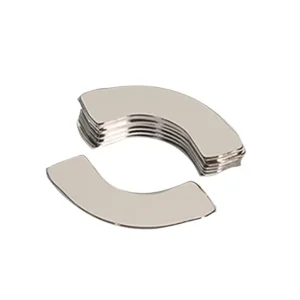
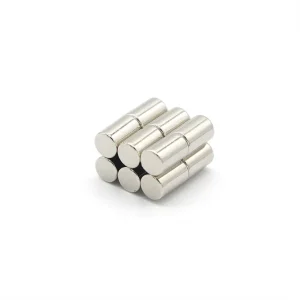
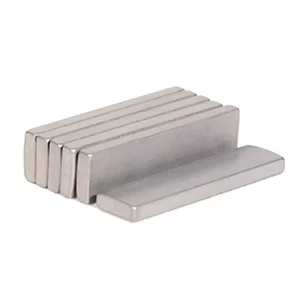
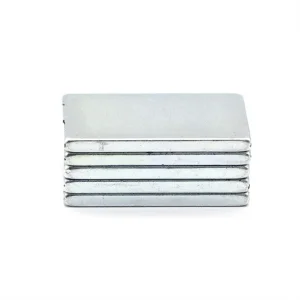
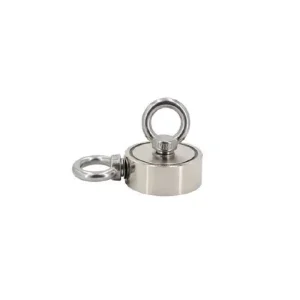
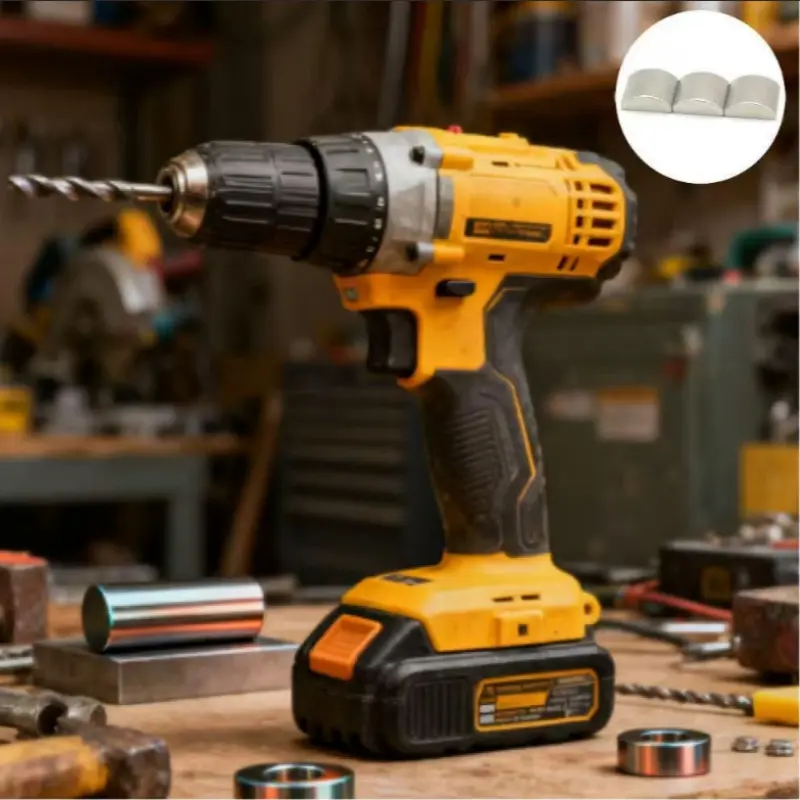
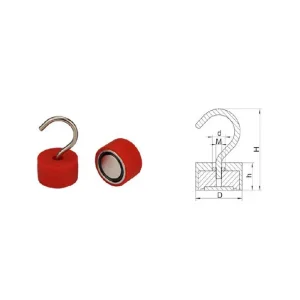
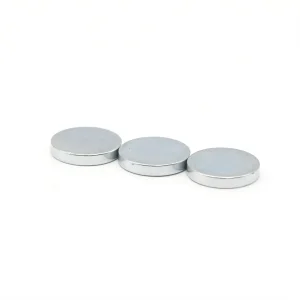
We supply a broad array of standard shapes, custom-molded segments, and specialized assemblies designed to meet challenging operational conditions.




As the transition to global green energy accelerates, the demand for high-performance magnetic assemblies is projected to grow significantly. Zhejiang Laysun Magnetics Ltd. is committed to a multi-phase technological development roadmap:
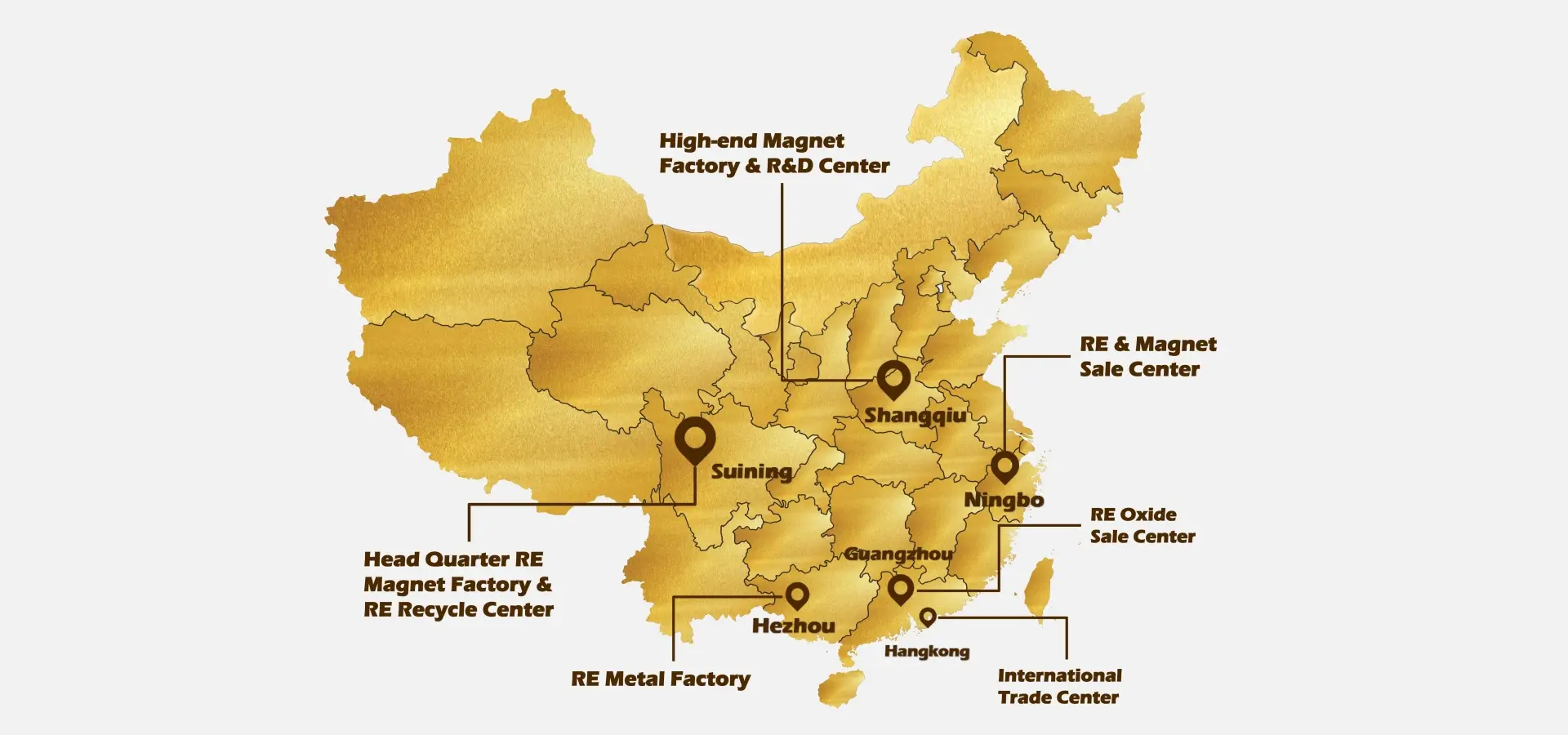
While our production is anchored in our 100,000 m² state-of-the-art facility in Suining, Sichuan, our corporate headquarters in Hangzhou, China, manages worldwide subsidiaries, engineering support offices, and logistical channels. We provide comprehensive warehousing and distribution solutions to key manufacturing regions across North America, Europe, and Southeast Asia.
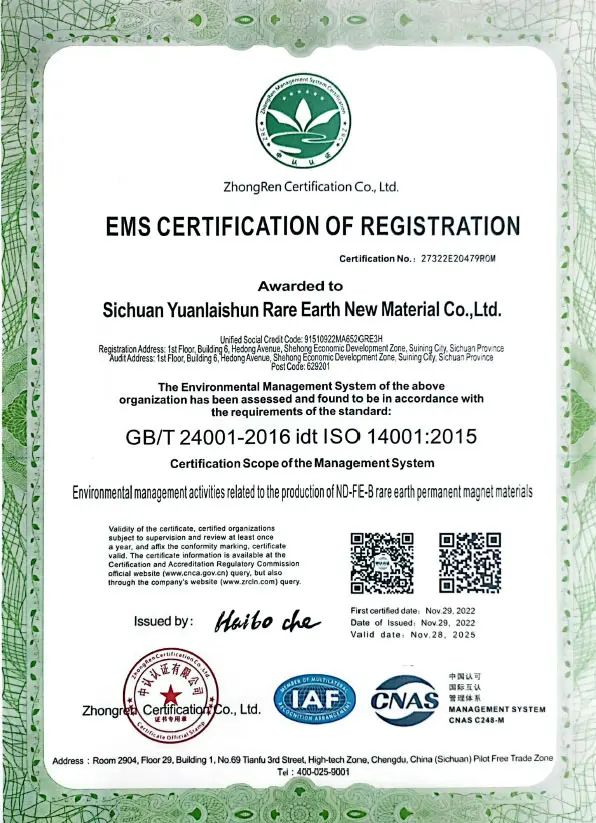
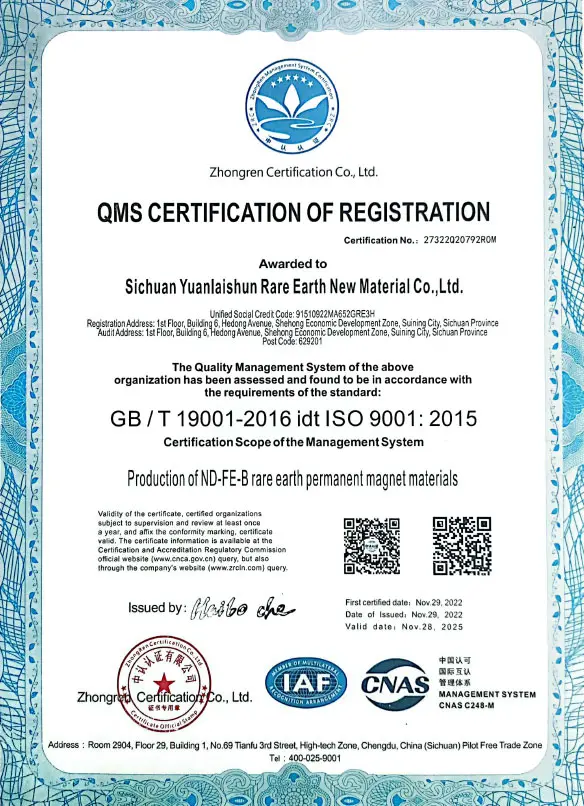
In high-stakes manufacturing fields like automotive and aerospace engineering, component reliability is critical. We support our clients' quality management processes through rigorous testing protocols and compliance certifications.
Our quality management systems are certified to international standards: API 6D, API 607, CE, ISO9001, ISO14001, OHSAS18001, and IATF 16949. If your engineering or procurement teams require specific material mill certificates, environmental declarations (RoHS, REACH, TSCA), or first-article inspection reports (PPAP Level 3), please contact us.
ISO9001 Quality System
ISO14001 Environment
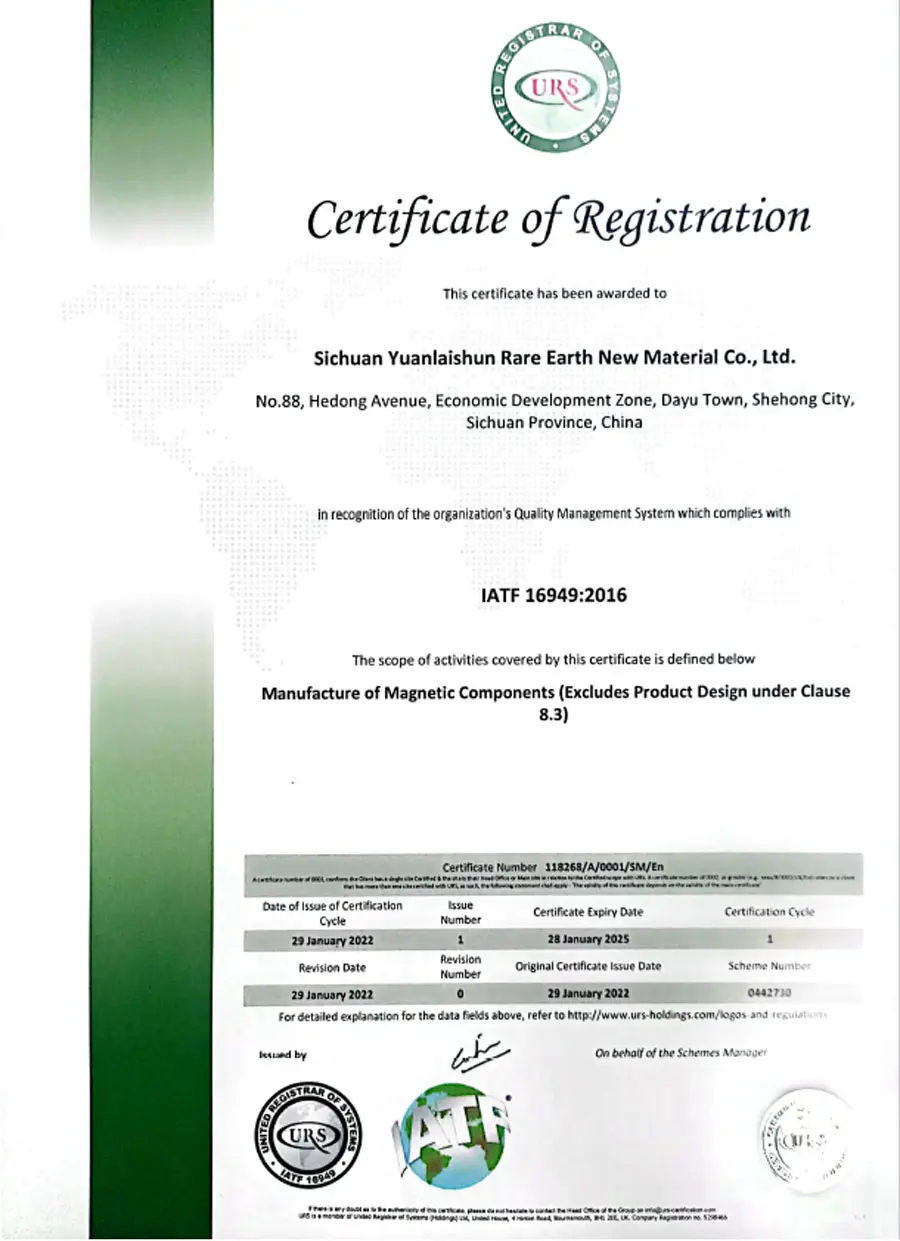
IATF 16949 Automotive
Precision Engineered Custom Products
Insights from our Engineering Specialists
For detailed technical inquiries, custom sizing requests, or to obtain a production quote, contact our engineering sales office. Our response team will contact you within 24 hours.
Inquire for Pricelist & Technical Consultation Laysun Magnetics