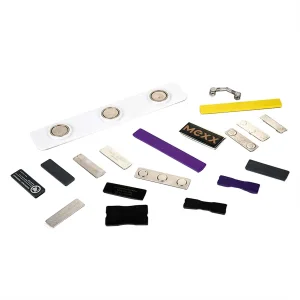
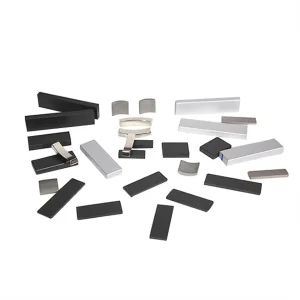
Engineered high-performance NdFeB magnetic parts supplying mining separators, processing mills, and global industrial assemblies.
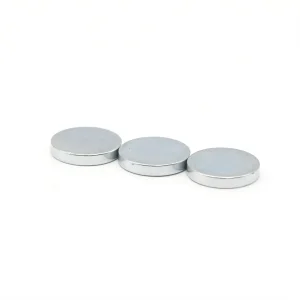
In modern extractive metallurgy and mineral processing, magnetic separation stands as a foundational physical beneficiation process. By exploiting differences in magnetic susceptibility among various minerals, separation systems isolate valuable elements from surrounding gangue. From iron ore upgrading to the purification of non-metallic industrial minerals such as quartz sand, feldspar, and spodumene, magnetic separation plays a central role in achieving high recovery rates.
With the global transition towards clean energy and advanced technologies, the demand for high-gradient magnetic separation systems has escalated. Mineral extraction circuits for spodumene (a major lithium source), cobalt, nickel, and copper ores require precision-engineered permanent magnetic separation circuits. Rare earth magnets, particularly neodymium iron boron (NdFeB) grades, have largely replaced older ferrite systems. This shift is driven by their ability to generate high magnetic field intensities exceeding 1.5 Tesla (15,000 Gauss). This level of force is necessary to capture paramagnetic minerals like iron-bearing silicates, mica, and tourmaline.
"The integration of high-grade NdFeB magnets into mineral separation circuits allows processing plants to capture weakly magnetic impurities that standard electromagnetic and low-intensity separators fail to retain."
Magnetic separators operate under challenging industrial conditions. In the mining fields of Australia, South America, and Africa, machinery is subjected to abrasive dust, heavy slurry flow, high temperatures, and chemical exposure.
Key localized application scenarios for custom permanent magnets include:
Headquartered in Hangzhou, Zhejiang, and operating a dedicated rare earth magnet production facility in Suining, Sichuan, Zhejiang Laysun Magnetics Ltd. leverages regional manufacturing infrastructure to support global supply chains. The facility's location provides access to the raw rare earth mineral corridors of Southwest China. Sourcing neodymium, praseodymium, dysprosium, and terbium near the production site mitigates logistics delays and raw material price fluctuations.
An annual production capacity of 5,000 tons allows Zhejiang Laysun Magnetics to handle high-volume demands. The plant's vertically integrated process—from vacuum induction melting and strip casting to hydrogen decrepitation, jet milling, sintering, and post-machining—ensures traceably consistent magnetic properties across production runs.
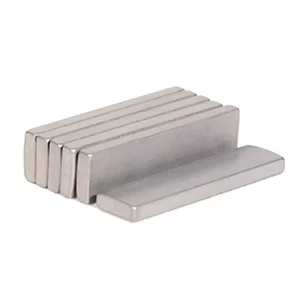
To meet the requirements of high-stress mining environments, sintered NdFeB blocks and segments are tested for:
Global mining and separator OEMs require high magnetic density and mechanical reliability from their magnetic components. A magnetic drum or plate separator's performance depends on the mechanical design of the circuit, where magnets are arranged in alternating polarity arrays to generate a high-gradient field.
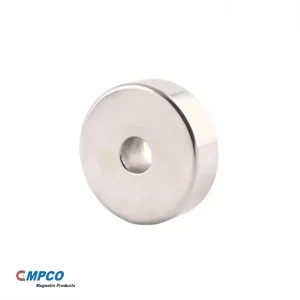
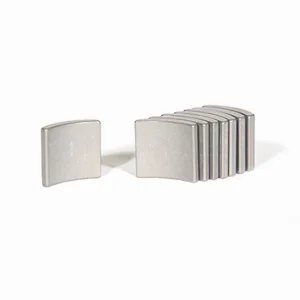
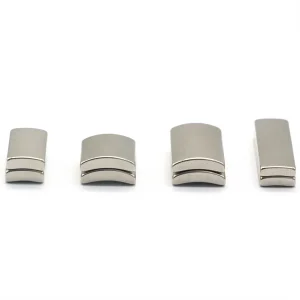
Zhejiang Laysun Magnetics provides custom dimensional tolerances to ±0.05 mm, which is required for tight slip-fit sleeve assemblies. Designers can specify custom arc segments, block plates, and ring assemblies to meet exact project dimensions.
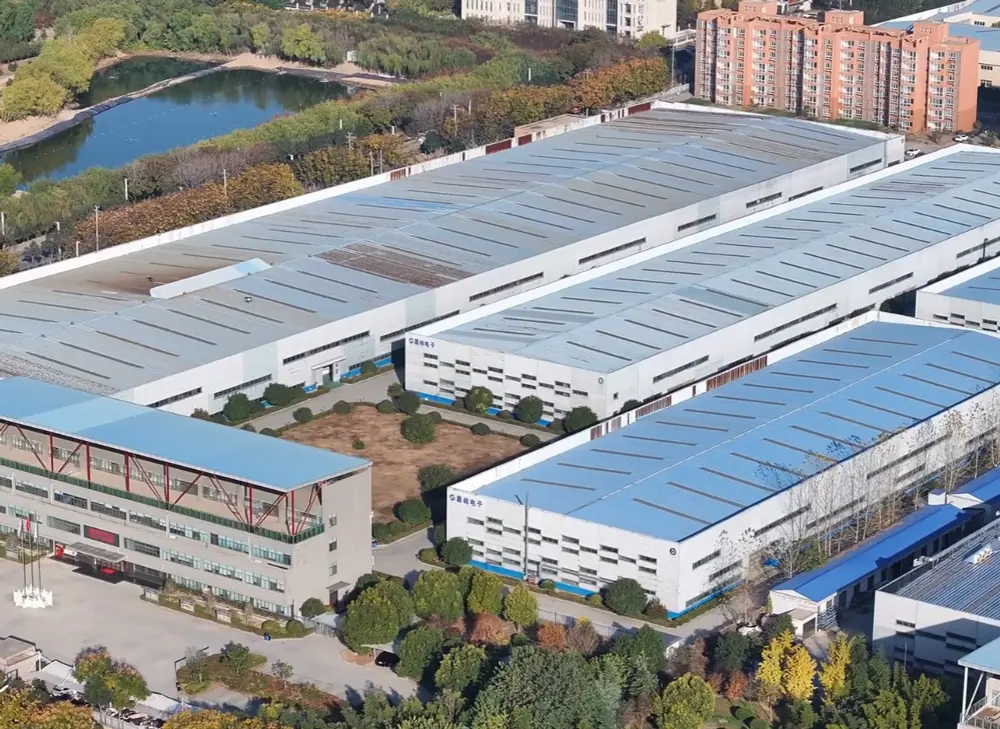
Our rare earth NdFeB permanent magnets are deployed across multiple technology and industrial sectors worldwide.
Highly precise Neodymium ring and arc magnets optimized for high-torque servomotors, rotary joints, and cobot actuator drives.
Ultra-lightweight sintered magnets providing high power-to-weight ratios for brushless DC (BLDC) propulsion motors.
High-temperature NdFeB block magnets designed for traction motors, electric power steering (EPS) sensors, and accessory drives.
High-durability magnets engineered for compact brushless systems that demand high torque density and drop-shock resistance.
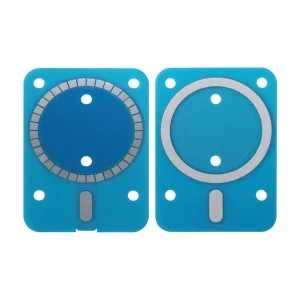
Micro-sized NdFeB magnets, magnetic rings, and customized MagSafe-compatible magnets for smartphones, audio accessories, and cameras.
High-efficiency rotor magnets for variable-frequency compressor motors in air conditioners, refrigerators, and smart home appliances.
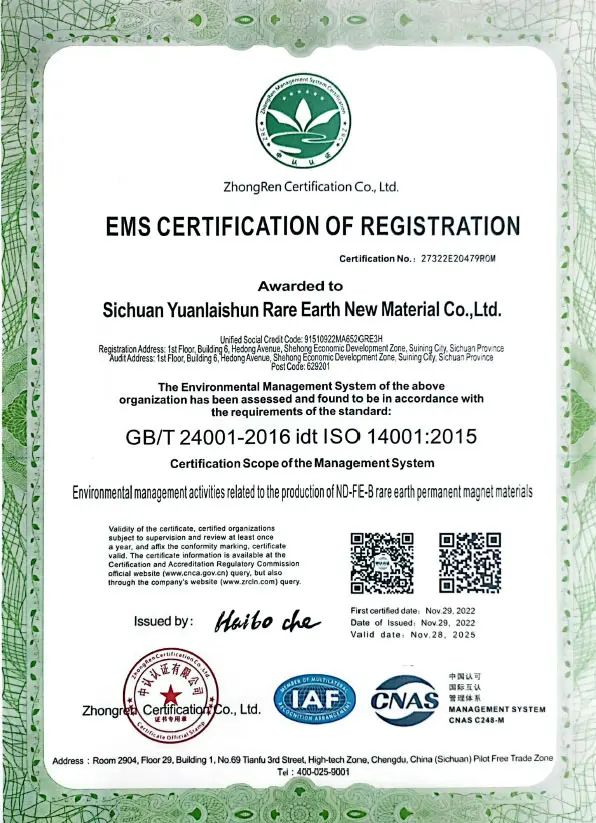
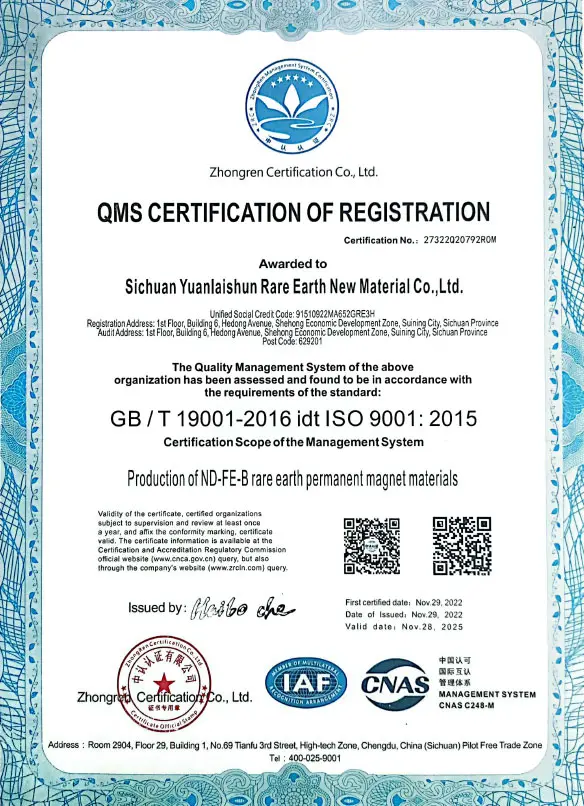
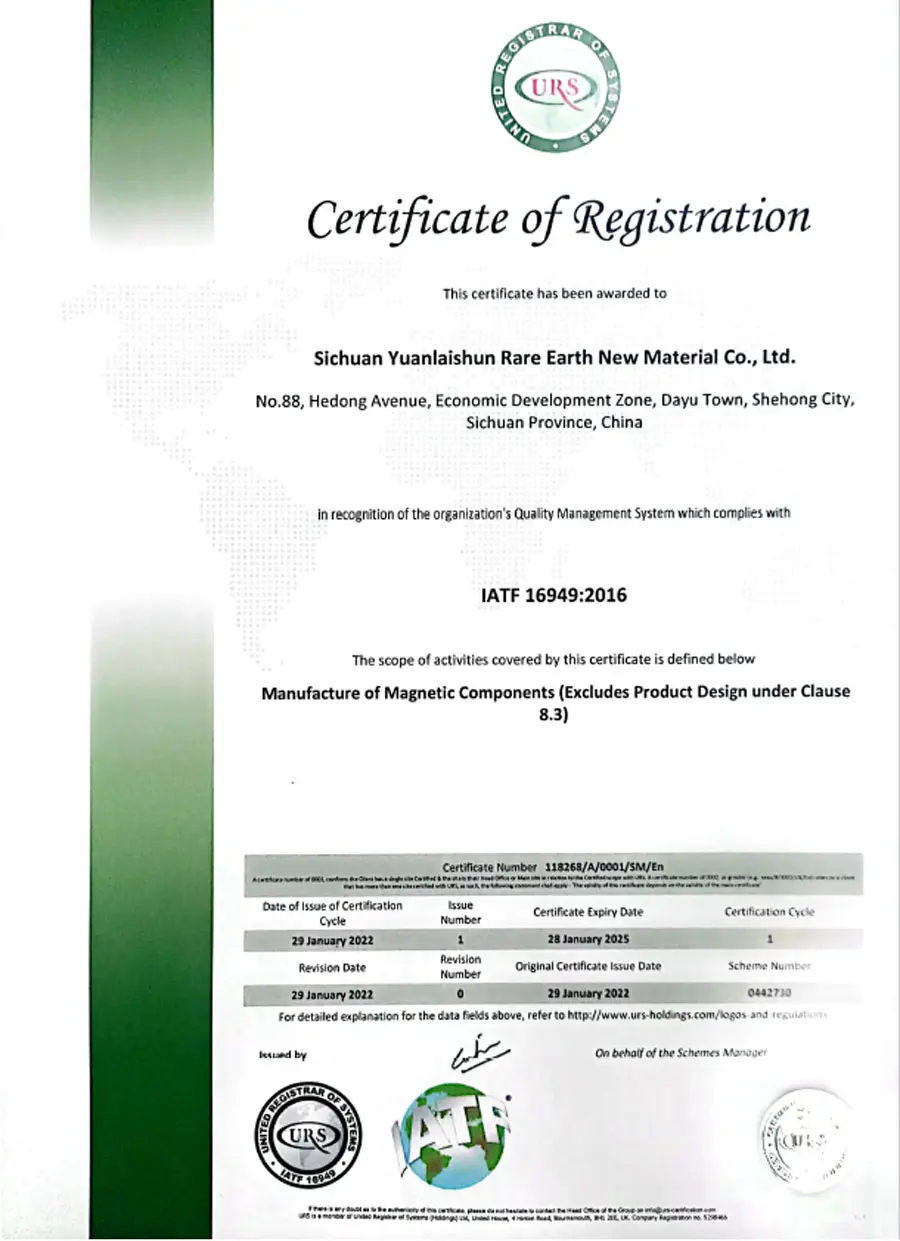
Operating under international management systems: ISO9001, ISO14001, ISO18001, CE, and TS/IATF16949 standards.
Technical reference questions regarding rare earth magnets in mineral separation applications.
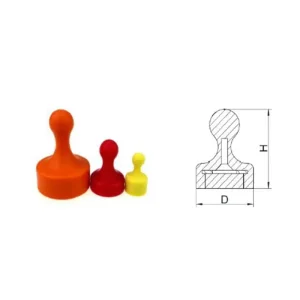
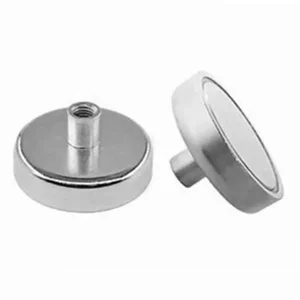
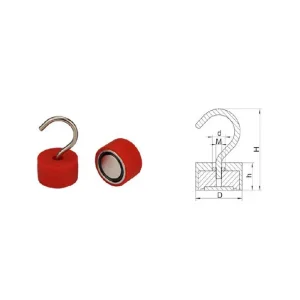
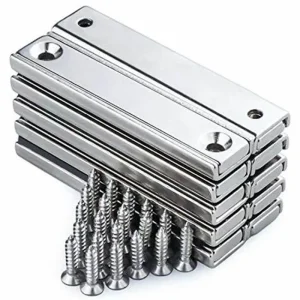
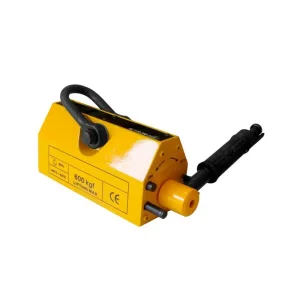
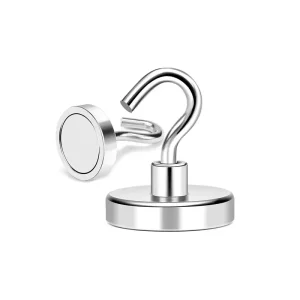
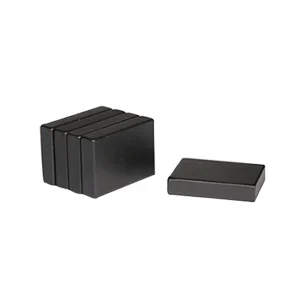
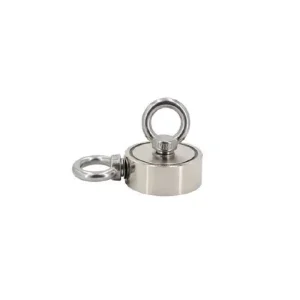
High-capacity magnetic blocks, lifters, pot magnets, and specialized fixtures for manufacturing, recycling, and mining applications.
Send your project drawings (PDF/STEP/DWG), dimensional requirements, magnetic grades, and coating specifications. Our engineering team will review and reply within 24 hours.
 Laysun Magnetics