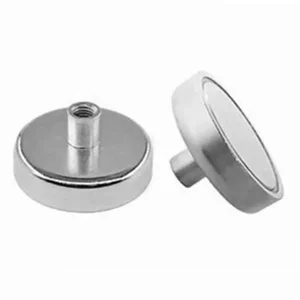
Custom Magnesium Surface Treatment Companies & Factory

Premium Surface Modifications for Advanced Light Alloys, Magnetic Assemblies, and Harsh Environment System Enclosures

The Synergy of Advanced Magnetics and Magnesium Metallurgy

In contemporary industrial design, the intersection of lightweight structural metals and high-energy permanent magnetic systems has driven a paradigm shift in performance. Magnesium, the lightest structural metal available, provides unparalleled strength-to-weight ratios. However, its high thermodynamic reactivity renders it highly susceptible to galvanic, pitting, and atmospheric corrosion.

At Zhejiang Laysun Magnetics Ltd., we bridge the gap between structural integrity and magnetic performance. While our core expertise is centered on manufacturing advanced NdFeB solutions, our integration processes frequently interface with lightweight alloy frameworks. Protecting rare-earth magnets from oxidation and preventing galvanic couples when they contact magnesium alloy structural components requires state-of-the-art magnesium surface treatment procedures.

This comprehensive industry guide addresses the critical engineering methodologies, procurement priorities, and technological innovations shaping the modern surface treatment landscape for magnesium alloys and hybrid magnetic assemblies.
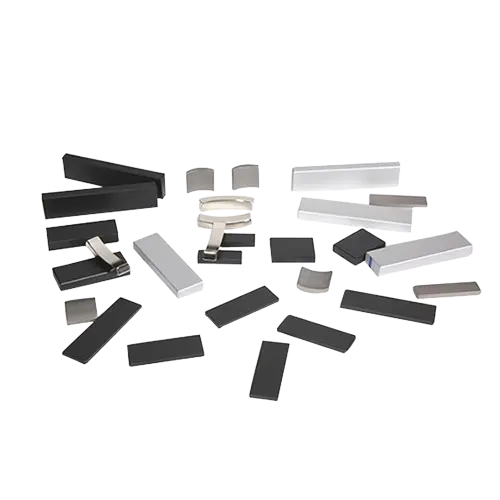
Engineering Innovation Diagram

Global Industry & Engineering Trends in Magnesium Surface Modification

The requirement for advanced magnesium alloy coatings is growing rapidly. Driven by strict carbon reduction standards and the universal demand for product efficiency, sectors such as aerospace, electric vehicles (EVs), defense, and high-end consumer electronics are increasingly adopting magnesium. To ensure durability in harsh environments, companies are relying on advanced coating techniques that replace traditional toxic chromate conversion processes:

  • Micro-Arc Oxidation (MAO): Also known as Plasma Electrolytic Oxidation (PEO), this method uses high-voltage AC current to generate plasma discharges on the alloy surface. The resulting ceramic-like metal oxide coating provides excellent wear resistance, thermal barrier properties, and superior adhesion for subsequent paint layers.
  • Electroless Nickel Plating (ENP): Depositing a uniform layer of nickel-phosphorus alloy directly onto the magnesium substrate provides a protective barrier against galvanic corrosion. This is particularly useful in hybrid magnet-enclosure assemblies where copper or iron contacts the housing.
  • Silane-Based Conversion Coatings: A green alternative to chrome conversions, silane coatings create a thin, highly crosslinked organic-inorganic network that bonds well with the substrate and topcoat.
  • Electro-Coating (E-Coat) & Powder Systems: E-coat provides complete coverage of complex parts, ensuring even protection in recessed areas and deep cavities.

Global Procurement Demands & Quality Engineering Benchmarks

International sourcing directors look for surface treatment suppliers who can provide consistent quality, scale, and compliance with global standards. In marine or automotive environments, parts must endure hundreds of hours of salt spray exposure. Key metrics used to evaluate global suppliers include:

Salt Spray Testing (ASTM B117)

High-reliability coatings must withstand 240 to 1000+ hours of continuous salt fog exposure without blistering, peeling, or showing substrate oxidation.

Adhesion Performance (ASTM D3359)

Cross-hatch tape adhesion tests must score 4B or 5B to guarantee the protective film does not separate under thermal cycles or mechanical stress.

Galvanic Isolation Design

To prevent galvanic corrosion between magnesium and steel screws or copper-coated magnets, coatings must provide high electrical resistance.

China Factory 4.0: Supply Chain Resilience & Manufacturing Prowess

Combining advanced manufacturing processes with reliable raw material sourcing to deliver exceptional precision at scale.
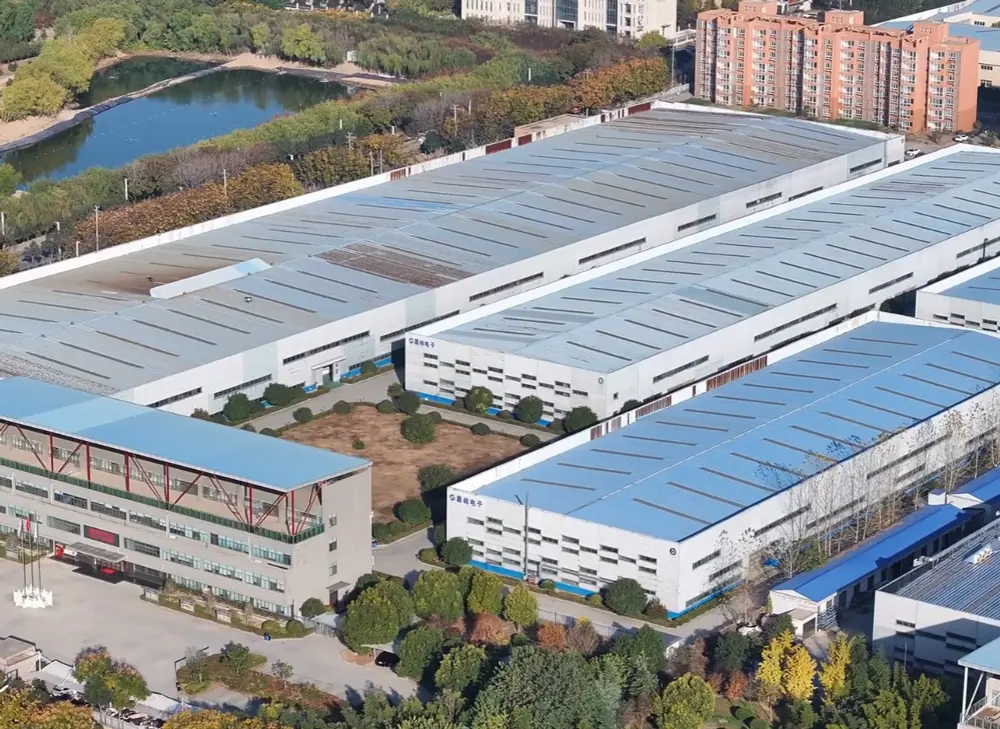
Zhejiang Laysun Magnetics Advanced Facility

China's manufacturing sector has moved beyond low-cost production to embrace Industry 4.0 automation, advanced quality control, and complete supply chain integration.

At Zhejiang Laysun Magnetics Ltd., our facility covers 100,000 m² in Sichuan. It integrates automated NdFeB sintering, machining, and advanced surface coating lines. This layout reduces material handling, controls quality at every stage, and shortens lead times.

With an annual production capacity of 5,000 tons of rare earth magnets, we maintain tight control over magnetic property consistency and coating thickness. Our specialized plating processes—including multi-layer Nickel-Copper-Nickel electroplating, organic epoxy spray coatings, and protective rubber molding—enable our products to perform reliably in demanding environments.

25+
Years of Industry Expertise
100k
Factory Area (m²)
300+
Skilled Professional Employees
5000
Annual Capacity (Tons)

Localized Engineering Applications

Providing specialized protection for components operating in demanding industrial, marine, and high-performance environments.

Automotive Power Steering (EPS)

Under-the-hood components require high resistance to heat, salt, and humidity. Our advanced plating ensures long-term operational safety in EPS systems.

Wind Turbine & Generative Systems

Offshore installations subject components to continuous marine moisture. Multi-layer coatings prevent core degradation and loss of magnetic performance.

Robotics & Drones

Lightweight magnesium frames and brushless outrunner motors require thin, durable coatings to prevent wear without adding extra weight.
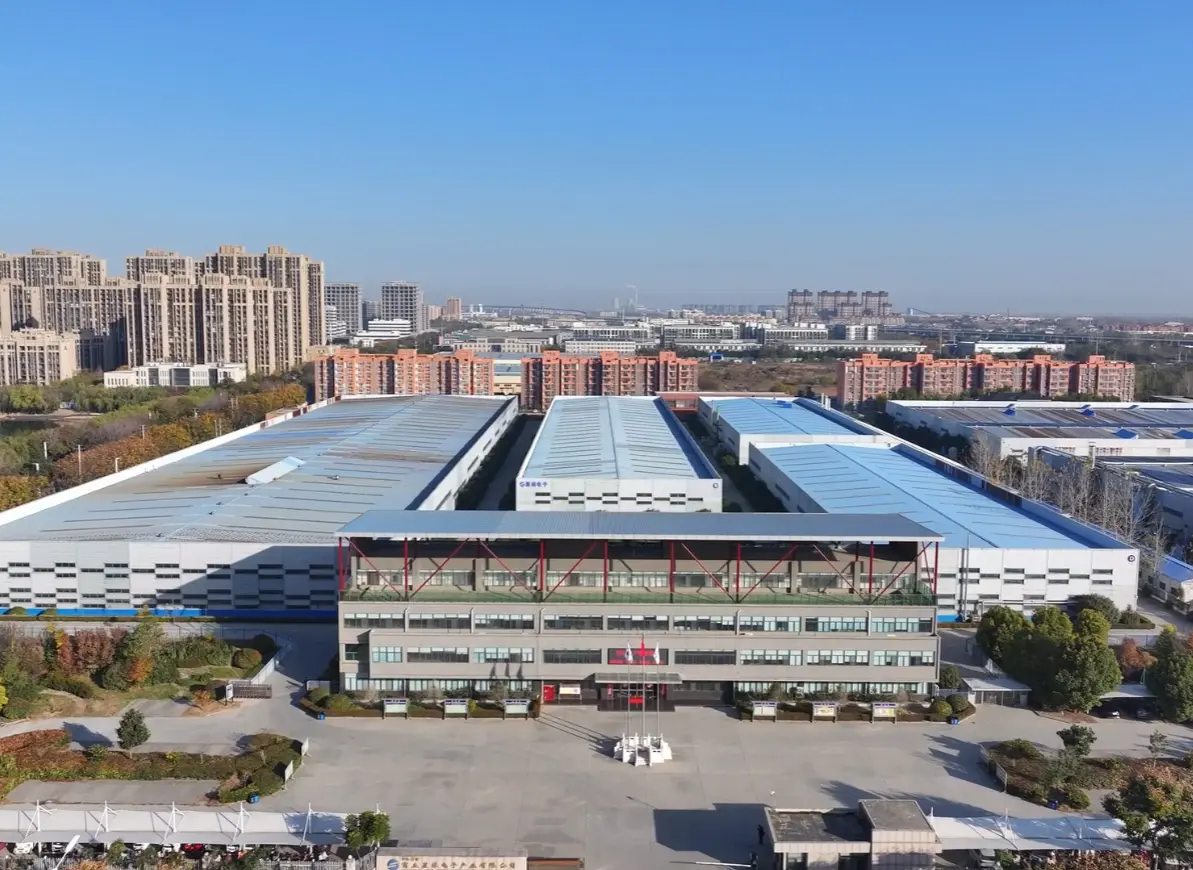
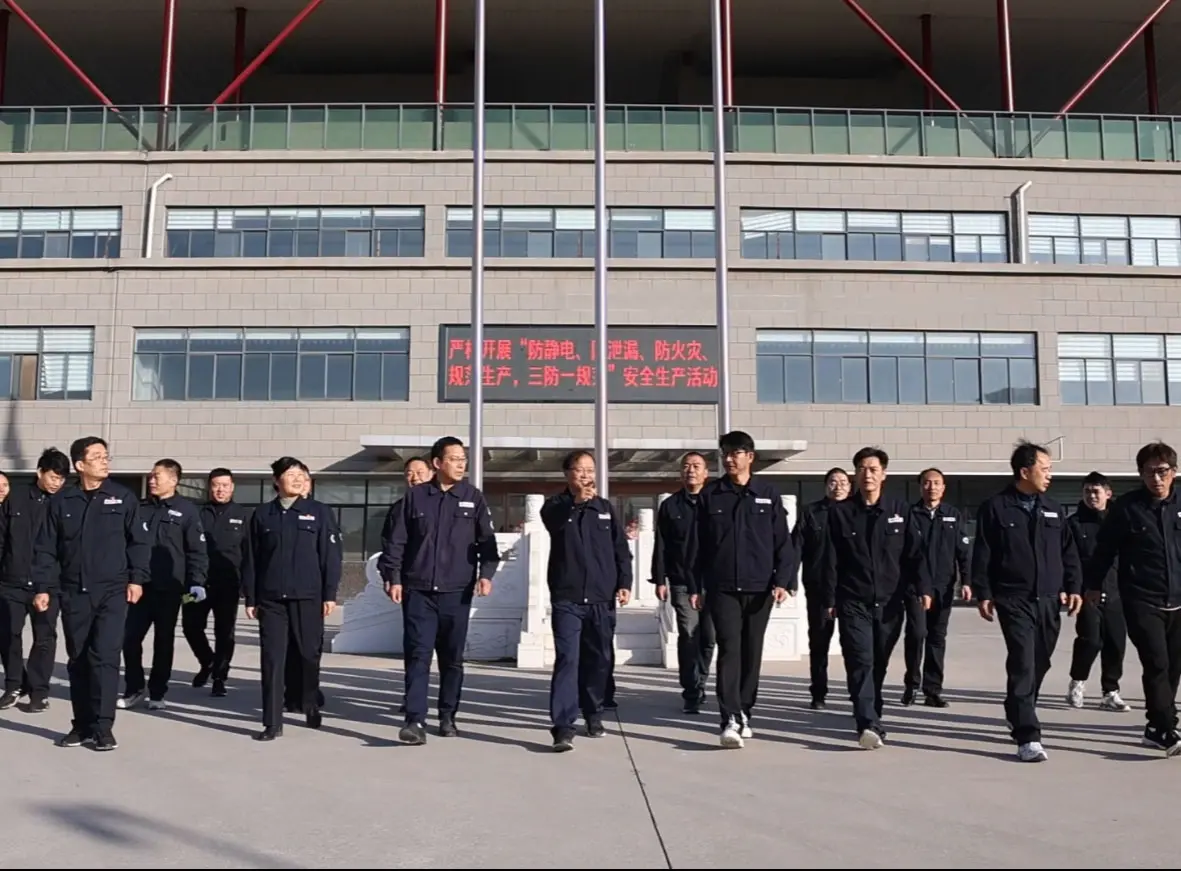
Manufacturing Area and Magnet Inspection High Quality Neodymium Sintering Process

Technical FAQ: Magnesium Surface Treatment & Magnetic Assemblies

Detailed engineering answers addressing corrosion prevention, material properties, and coating processes.

Q1: Why is magnesium highly susceptible to corrosion, and how does surface treatment prevent it?
Magnesium has a highly negative standard electrode potential (-2.37 V vs. SHE). This makes it anodic to almost all other structural metals. In the presence of moisture, it acts as a sacrificial anode. Surface treatment creates a barrier that isolates the magnesium substrate from atmospheric oxygen, moisture, and electrolyte solutions, stopping galvanic and pitting reactions.
Q2: How does Micro-Arc Oxidation (MAO) compare to conventional anodizing?
Unlike standard anodizing, which uses relatively low voltages, MAO uses high voltages that exceed the dielectric breakdown limit of the growing oxide film. This generates micro-discharge arcs that melt and crystallize the oxide coating, converting it into a hard, ceramic-like layer (mostly MgAl2O4 spinel or MgO). This layer offers significantly better wear resistance, impact durability, and corrosion protection.
Q3: What causes galvanic corrosion in hybrid assemblies of magnesium and NdFeB magnets?
Neodymium magnets contain iron, which is cathodic relative to magnesium. If the magnet and magnesium substrate contact each other directly in a humid environment, a galvanic cell forms. The magnesium will corrode rapidly at the contact points. To prevent this, both components must be coated with non-conductive barriers (such as epoxy or rubber) or separated by isolating materials.
Q4: Can electroless nickel plating be applied directly to magnesium?
Direct electroless nickel deposition on magnesium is difficult due to the metal's high reactivity, which can cause displacement reactions and poor coating adhesion. A zinc immersion coating (zincating) or a special acid pickling process is required first to form a thin, protective layer, ensuring the nickel layer adheres correctly.
Q5: What are the environmental concerns with traditional magnesium conversion coatings?
Traditional hexavalent chromium conversion coatings (chromating) are highly toxic and carcinogens. Modern manufacturing facilities use chrome-free alternatives, such as silane, zirconium-titanium, and phosphate conversion coatings. These comply with global RoHS, REACH, and WEEE directives while providing excellent adhesion for topcoat paints.
Q6: What is the typical thickness range for protective coatings on magnesium components?
Coating thickness depends on the method used. Chemical conversion layers are typically very thin (0.1 to 1.5 µm) and serve as a base for painting. Micro-Arc Oxidation (MAO) coatings range from 5 to 30 µm, depending on the required wear resistance. E-coats and powder coatings add 15 to 80+ µm of thickness, providing a robust physical barrier.
Q7: How do temperature variations affect magnesium surface coatings?
Magnesium has a high coefficient of thermal expansion (approx. 26 x 10^-6 /K). If the applied coating is too rigid, thermal cycling can cause stress cracks, leading to adhesion failure. Selecting coatings with matching thermal expansion or using flexible organic layers (like epoxy or polyurethane) prevents cracking during thermal cycles.
Q8: How does Zhejiang Laysun Magnetics Ltd. ensure the quality of its coatings?
We use a rigorous quality management system that includes automated plating thickness measurement, cross-hatch adhesion testing, and regular salt spray performance audits. Our production conforms to ISO 9001 and ISO 14001, ensuring that our products meet high international standards for performance and reliability.

Target Applications & Key Industries

Our magnetic and surface-treated assemblies are utilized across a wide range of demanding industries.


Industrial Robotics

Robotics

Unmanned Aerial Vehicles

Drones

Electric Vehicles (EVs)

Electric Vehicles

Power Tools

Power Tools

Consumer Electronics

Consumer Electronics

Home Appliances

Home Applications

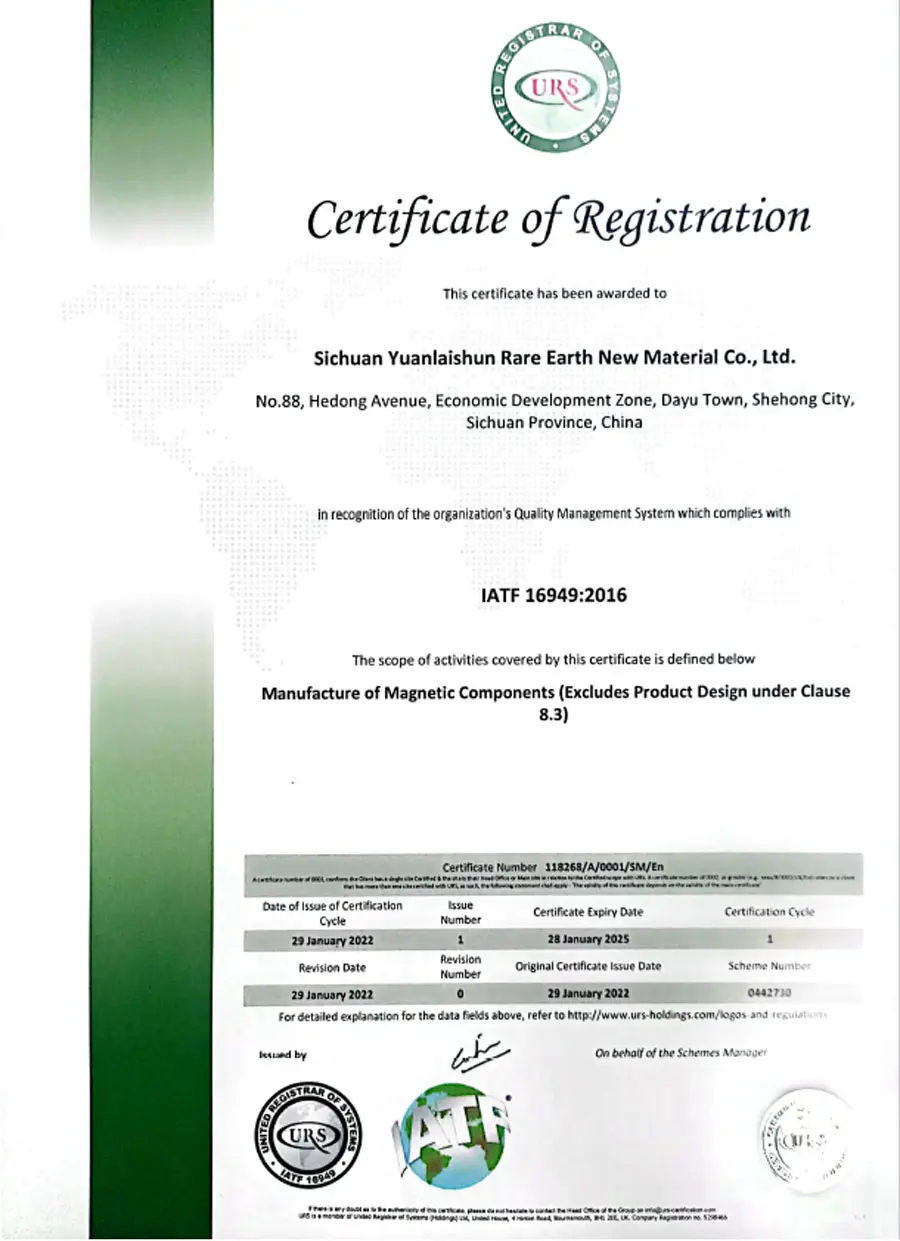
Certified Production Standards

Our quality system is verified by international standard organizations, ensuring reliability and safety.
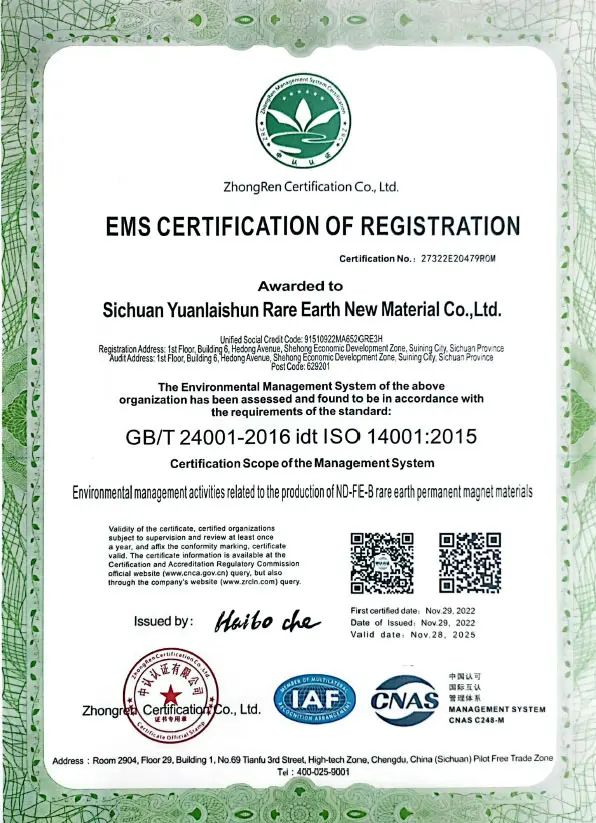
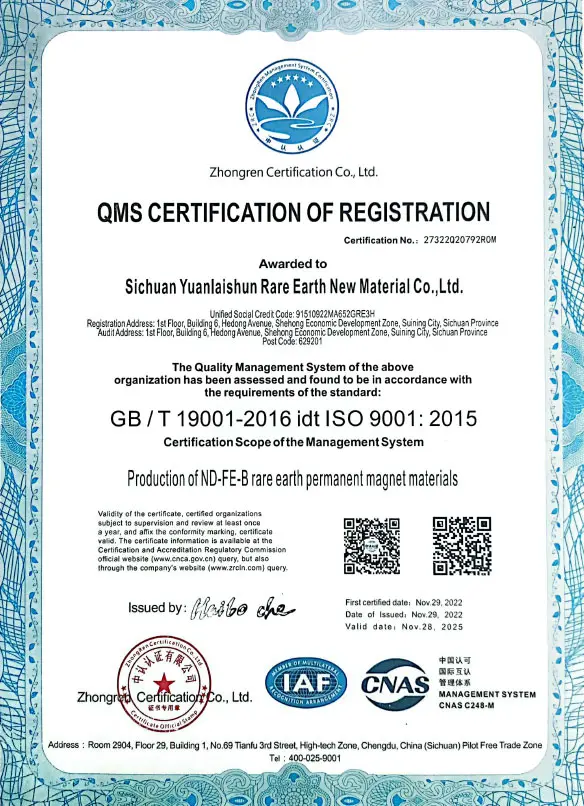
ISO 9001 Certificate

Quality Control System

CE Certificate

CE Conformity Mark

Environmental Management System Certificate

Environmental Audited

Inquire for Pricelist & Detailed Technical Support

Contact our engineering and sales department. We will respond with technical specifications and a quotation within 24 hours.