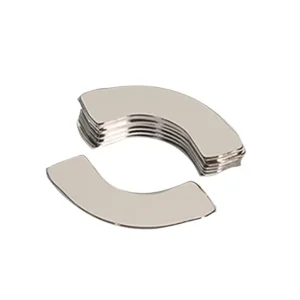
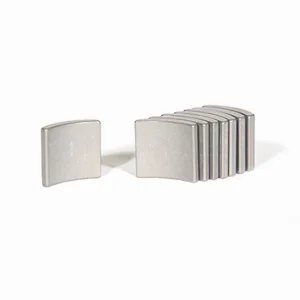
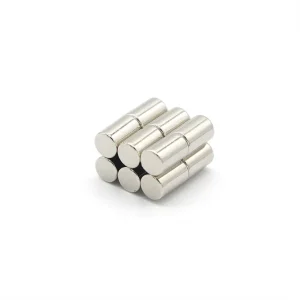
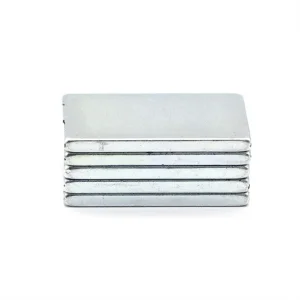
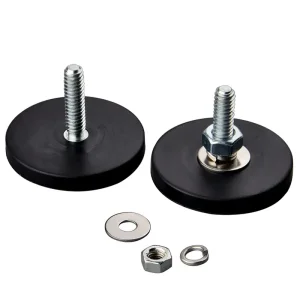
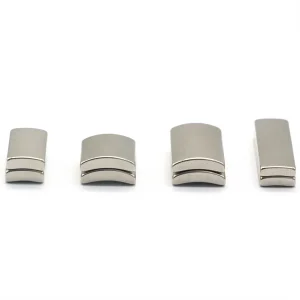
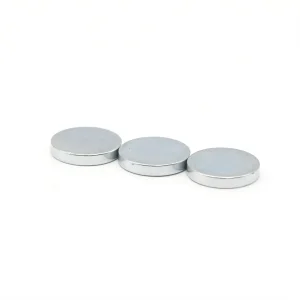
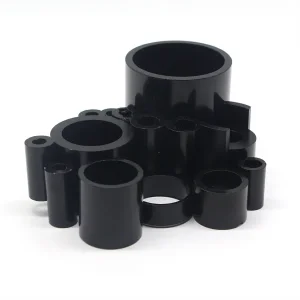
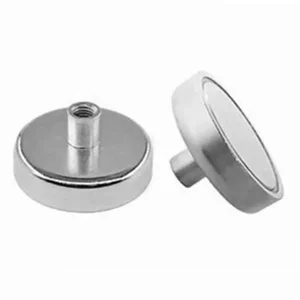
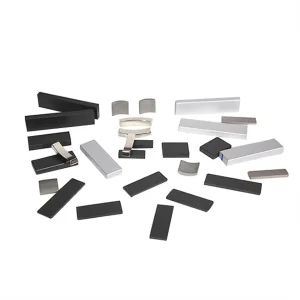
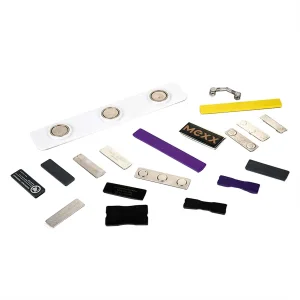
Engineered for extreme performance within spatial constraints. Discover our customized industrial solutions.
A global vanguard in micro-scale NdFeB fabrication, operating out of our high-tech industrial complex.
Founded at the turn of the millennium, Zhejiang Laysun Magnetics Ltd. has evolved from a visionary startup to an industry pacesetter. Our state-of-the-art manufacturing infrastructure covers 100,000 square meters in Suining, Sichuan. Supported by a specialized team of over 300 experts, our facility outputs 5,000 tons of high-grade rare earth magnets annually.
We combine two decades of metallurgy expertise with precision machinery. Our operations focus heavily on sub-millimeter precision tolerances, complex multi-polar magnetization, and proprietary anti-corrosion barrier coatings, positioning us as the go-to manufacturing partner for Global 500 electronics and EV enterprises.
Years Industry Experience
Sqm Factory Area
Highly Skilled Staff
Annual Production Capacity
An Industrial Whitepaper on Sintered NdFeB Technology, Miniature Applications, and Global Supply Stability
In the age of electrification and advanced computing, miniaturization is the key to technological evolution. Tiny rare earth magnets, particularly Sintered Neodymium-Iron-Boron (NdFeB), represent the pinnacle of engineering in confined physical spaces. As modern hardware demands smaller, lighter, and more powerful components, the market value of miniature magnetic solutions has experienced explosive growth.
China's unparalleled rare earth supply chain architecture, spanning raw material extraction, chemical separation, and advanced alloy metallurgy, positions it as the epicenter of global micro-magnet manufacturing. China's factories control not only the basic inputs (Neodymium, Praseodymium, Dysprosium, and Terbium) but also lead the global standards in precision cutting, wire-EDM processing, and chemical passivation. This integration allows Zhejiang Laysun Magnetics Ltd. to guarantee supply chain stability and premium raw material purity, buffering global businesses from volatility.
Note on Miniaturization: When magnet volume drops below 1mm³, conventional mechanical slicing yields micro-cracks. Sintered NdFeB micro-magnets demand non-destructive processing routes, high coercivity formulations, and advanced cleanroom conditions to prevent magnetic performance degradation.
The primary index of magnetic efficiency is the Maximum Energy Product, measured in Mega-Gauss-Oersteds (MGOe). For tiny rare earth magnets, achieving a high (BH)max (up to 52 MGOe for N52 grades) in small geometries requires optimized grain alignment during pressing. In our Suining facility, we utilize advanced transverse-field hydraulic compaction systems to guarantee maximum c-axis alignment of the Nd₂Fe₁₄B tetragonal crystal structure.
To withstand extreme operating environments, heavy rare earths (HRE) such as Dysprosium (Dy) and Terbium (Tb) are introduced into the lattice. Dysprosium increases the magnet's intrinsic coercivity (Hcj), preventing demagnetization under the thermal stress of high-frequency industrial motors. Using advanced Grain Boundary Diffusion (GBD) technology, we selectively introduce Dy/Tb along the grain boundaries rather than throughout the entire matrix, allowing us to maintain a superior remanence (Br) while simultaneously boosting thermal endurance.
Our 100,000 square meter factory layout is optimized to process raw materials from oxide synthesis to finished, coated, and magnetized assemblies. Zhejiang Laysun Magnetics Ltd. runs 12 sintering furnaces, 40 precision multi-axis CNC machines, and a cleanroom division dedicated to micro-slicing and automated optical inspection (AOI).
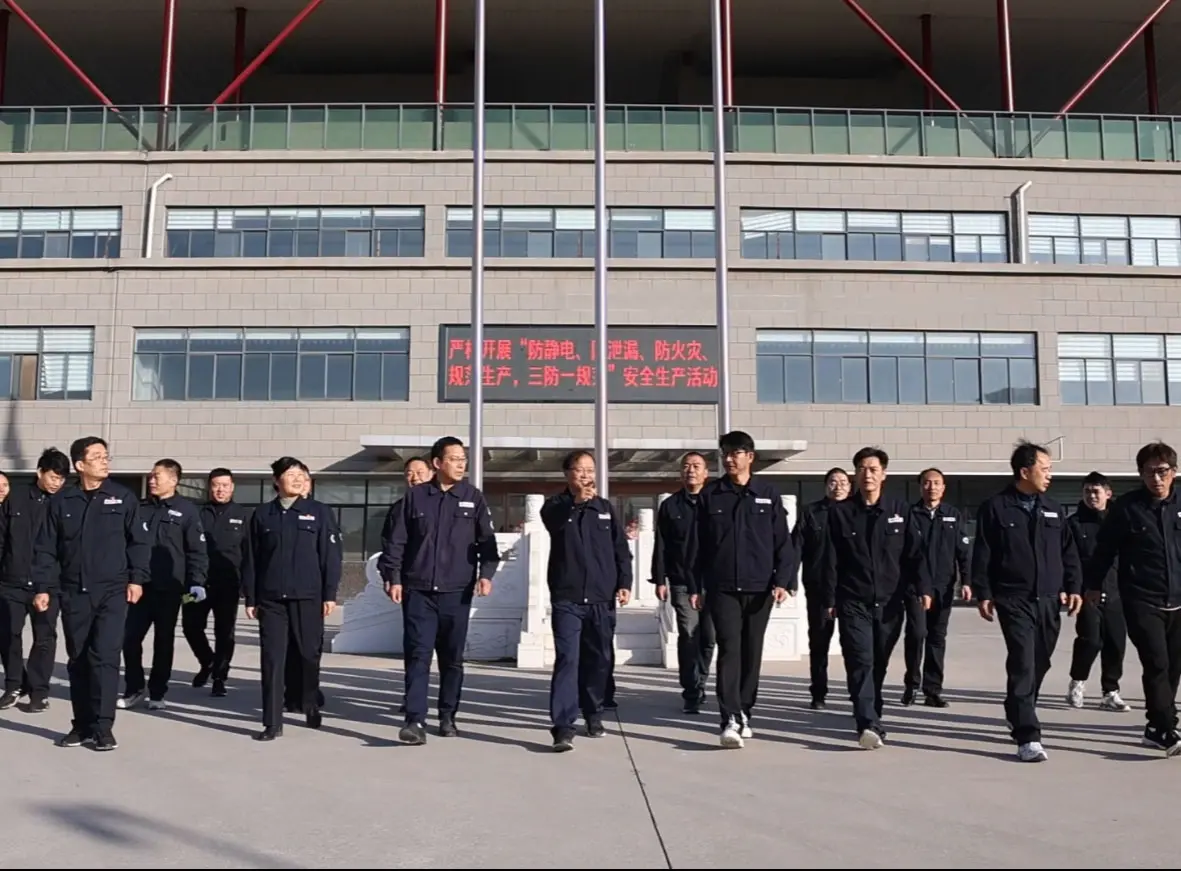
Manufacturing tiny magnets requires sophisticated quality controls. Normal tolerance limits of ±0.05mm are insufficient for high-speed automated assembly lines in consumer electronics. Zhejiang Laysun operates high-speed grinding lines and wire-cut EDM systems that can reliably achieve tolerances of ±0.01mm. Furthermore, we implement automated sorting machines to check and verify the magnetic flux of each piece, guaranteeing zero defective parts reach the field.
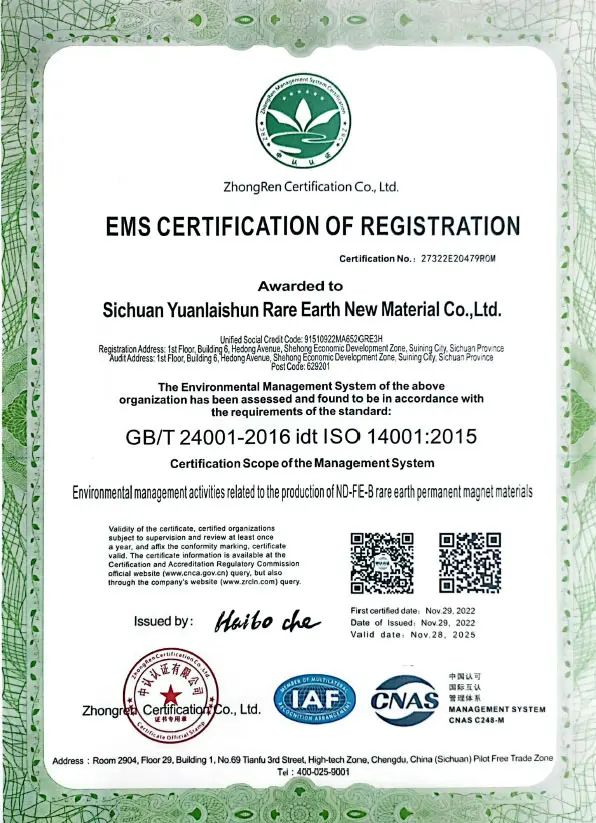
For modern OEMs, manufacturing capability must be accompanied by reliable regulatory compliance. Zhejiang Laysun Magnetics Ltd. meets strict global industrial parameters, ensuring our materials conform to RoHS, REACH, and environmental protection guidelines. Our comprehensive manufacturing process meets the standards for API 6D, API 607, CE, ISO9001, ISO14001, ISO18001, and TS classifications.
Our raw materials are sourced from compliant, auditable supply chains. We minimize the environmental footprint of heavy metal extraction by utilizing state-of-the-art closed-loop water filtration and gas-scrubbing systems in our sintering units. This level of environmental compliance ensures our corporate partners can securely integrate our magnets into their sustainable supply chain networks.
A Commitment to E-E-A-T: With a 25-year operational history, our core engineering team routinely authors scientific literature on magnetics and partners with national laboratories to refine grain structure analysis.
Thermal demagnetization occurs when heat energy breaks down the alignment of magnetic moments within the NdFeB alloy crystal domains. This is characterized by the Operating Temperature limit (ranging from 80°C for standard N-grades up to 220°C for AH-grades). We prevent this by substituting Neodymium with Dysprosium/Terbium and using Grain Boundary Diffusion to increase the intrinsic coercivity (Hcj) without sacrificing remanence (Br).
Standard grinding cannot maintain precision at sub-millimeter scales. We utilize advanced multi-wire slicing machines and specialized double-disk surface grinders under strict temperature control. Linear thermal expansion of the material during grinding can introduce errors, so our processing fluids are kept at a constant temperature to ensure absolute dimensional accuracy.
Neodymium is highly susceptible to oxidation. We offer several barrier coatings: Nickel-Copper-Nickel (NiCuNi), Zinc (Zn), Epoxy, and specialized Rubber coatings. For marine or high-humidity applications, Epoxy provides excellent chemical resistance, while NiCuNi remains the standard for automated pick-and-place electronic assembly lines.
Traditional methods alloy Dysprosium (Dy) throughout the entire magnet body, which consumes a high volume of expensive Dy and reduces overall magnetic flux. GBD diffuses Dy or Terbium (Tb) from the magnet's surface along the grain boundary networks after slicing. This puts the heavy rare earths exactly where they are needed to prevent demagnetization, lowering material costs while maintaining high remanence.
Yes. By utilizing specialized magnetization fixtures with high-precision coil winding and high-voltage capacitor discharge magnetizers, we can produce radially oriented, multi-polar rings. This is critical for high-efficiency miniature brushless DC (BLDC) motors and rotary encoders.
We use automated optical inspection (AOI) to check dimensions, and we employ automated flux testing equipment to verify the magnetic properties of each piece. Statistical Process Control (SPC) software tracks key variables at every stage, from powder size distribution to final sintering density, keeping our yield rates within Six Sigma tolerances.
Our micro-machining lines can produce magnets as small as 0.20mm x 0.20mm x 0.10mm. These micro-magnets are commonly used in medical implants, miniature hearing aids, and high-frequency telecom components.
Yes. Our engineering division utilizes Finite Element Method (FEM) analysis software to simulate magnetic fields, torque curves, and demagnetization behavior. This helps clients optimize their motor or sensor design before tooling begins, reducing R&D cycle times.
Powering next-generation technologies through advanced magnetic engineering.



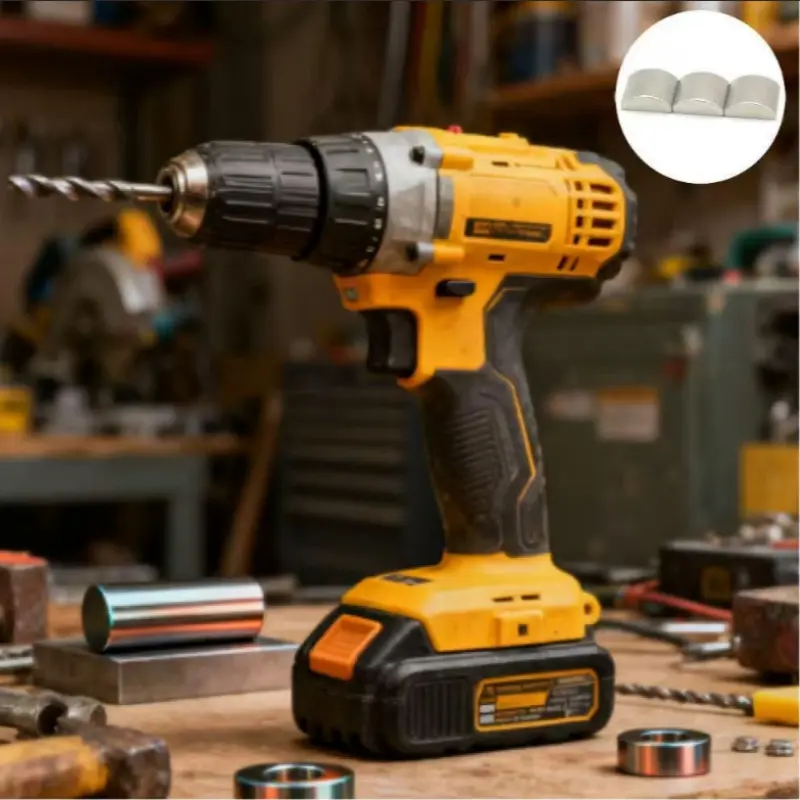

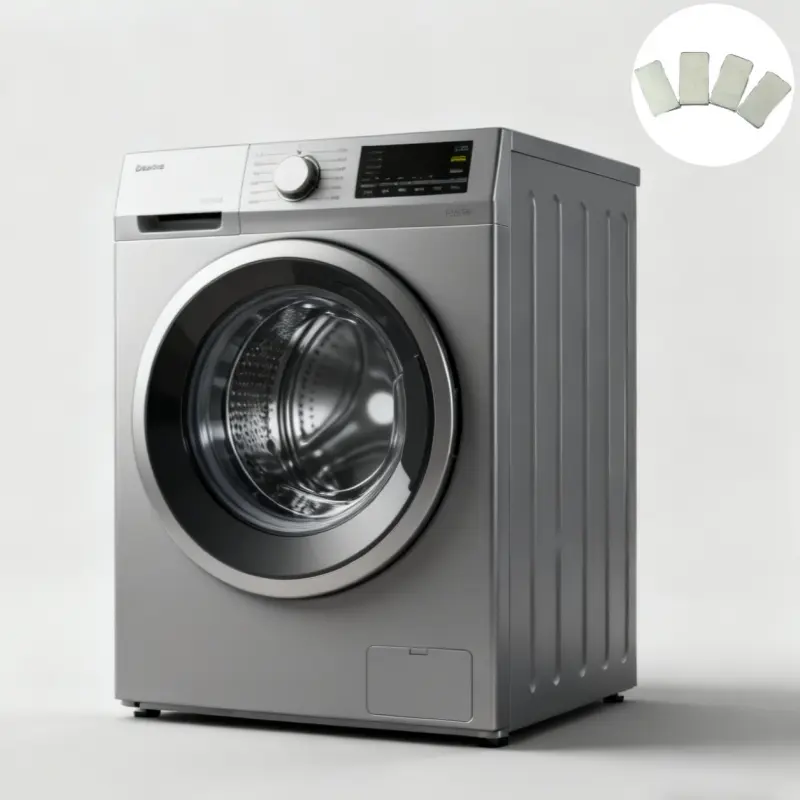
How Zhejiang Laysun is pushing the physical limits of rare earth permanent magnets.
As micro-electromechanical systems (MEMS) continue to advance, we are actively researching next-generation magnetic materials. Our R&D lab is currently developing sintered NdFeB magnets that do not require heavy rare earths (HRE-Free). By refining grain size down to the sub-micron scale, we aim to match the thermal stability of Dy-containing magnets without relying on expensive, scarce heavy rare earth metals.
In addition, we are scaling up our production of isotropic and anisotropic bonded NdFeB rings. These thin-walled rings offer excellent design flexibility, allowing engineers to mold complex shapes directly onto shafts. This eliminates several assembly steps and reduces potential points of failure in precision automotive sensors and micromotors.
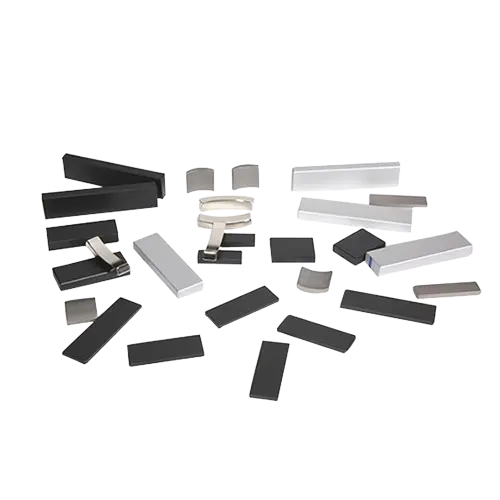
We are also upgrading our automation systems by installing intelligent robotic arms and in-line sorting systems. This smart factory setup links our production machinery directly with our Quality Assurance database, giving us real-time traceability for every batch of magnets shipped worldwide.
Our commitment to internationally recognized manufacturing standards.
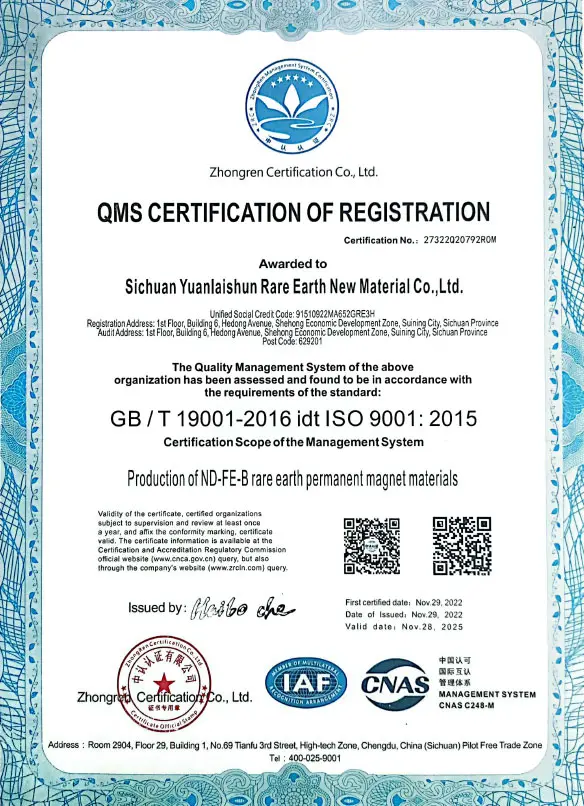
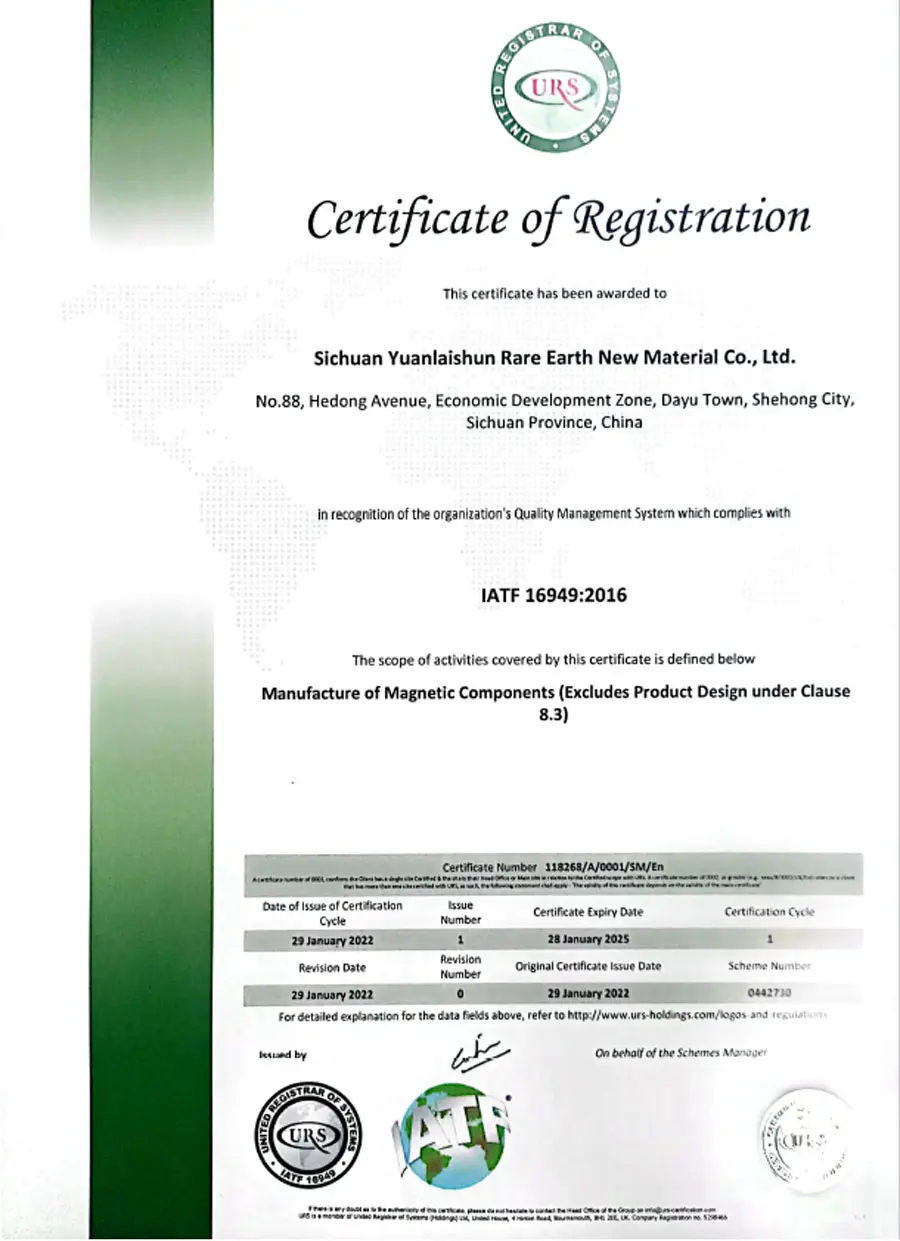
Headquartered in Hangzhou, Zhejiang, and backed by our massive production plant in Suining, Sichuan, Zhejiang Laysun Magnetics Ltd. has built a reliable global distribution network. We work closely with international freight forwarders to provide rapid customs clearance and secure delivery across North America, Europe, and the Asia-Pacific region.
Whether you need customized prototype samples or high-volume production runs, our engineering team can review your 2D/3D CAD models and provide a comprehensive manufacturing quote within 24 hours.
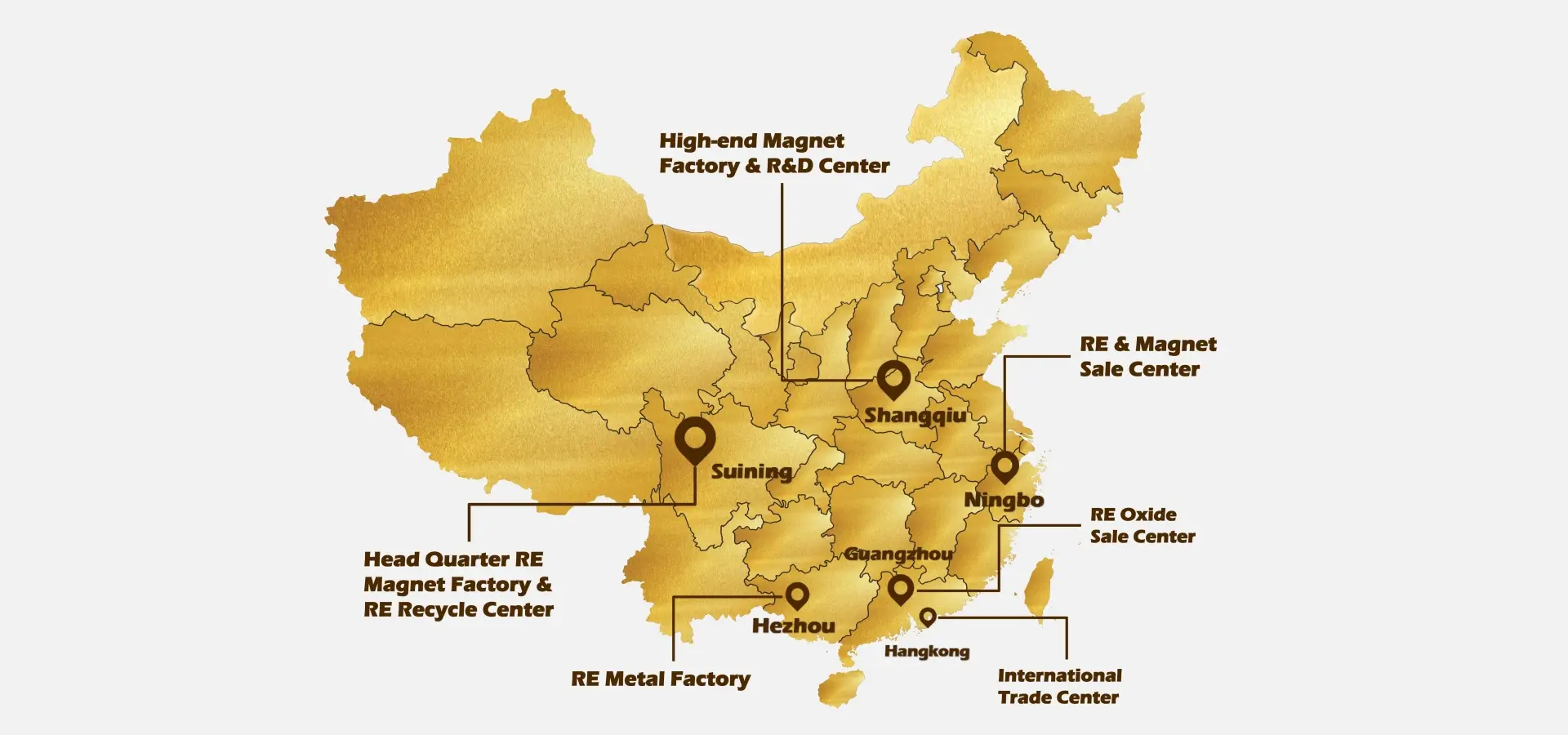
Premium rare earth permanent solutions manufactured to strict international quality standards.
 Laysun Magnetics