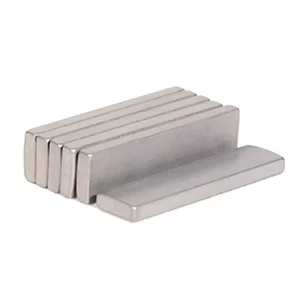
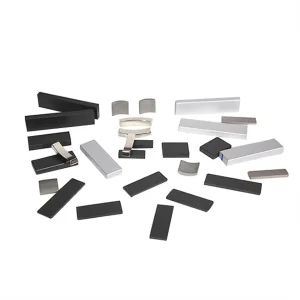
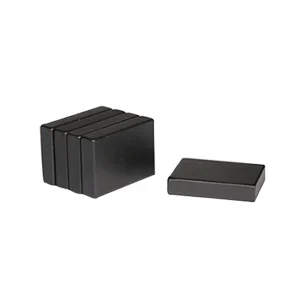
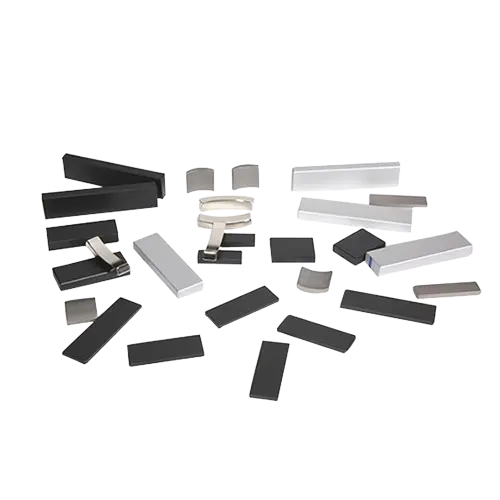
In modern hardware engineering, miniaturization is not merely an aesthetic choice; it is a critical functional requirement. As device architectures grow increasingly compact—spanning next-generation wearables, acoustic devices, implantable medical sensors, and high-performance micro-actuators—the demand for high-strength, thin-profile magnetic solutions has expanded exponentially. Specifically, sintered NdFeB magnets with thicknesses below 0.5 mm (and pushing down to 0.15 mm limits) represent the pinnacle of current powder metallurgy capabilities.
Zhejiang Laysun Magnetics Ltd., founded at the turn of the millennium (1999), operates at the intersection of raw material science and ultra-precise mechanical slicing. Producing ultra-thin Neodymium iron boron magnets involves addressing a fundamental physics challenge: balancing structural integrity and demagnetization resistance (coercivity) against extreme dimension reduction. This whitepaper analyzes the mechanical, chemical, and physical constraints of manufacturing these high-density components, detailing why China is the primary global base for high-yield, premium-grade micro-magnet exports.
SEO Insight & Information Gain: While standard magnetic materials focus strictly on Residual Flux Density (Br), ultra-thin magnets require deep evaluation of the Permeance Coefficient (Pc). As the thickness-to-width ratio approaches zero, the demagnetizing field of the magnet itself surges, demanding advanced Grain Boundary Diffusion (GBD) therapies to prevent self-demagnetization at standard operating limits.
A typical constraint of ultra-thin magnetic rings and blocks is their structural vulnerability. NdFeB is inherently brittle, consisting of a matrix phase (Nd2Fe14B) bound by a soft, neodymium-rich grain boundary phase. Machining parts below 0.3mm without micro-fracturing requires optimized grain alignment during pressing and high-grade wire-saw or internal diameter (ID) slicing systems.
Furthermore, the thermal stability of these components shifts when thickness decreases. The following table showcases standard materials utilized for ultra-thin profiles:
| Material Grade | Remanence (Br) | Intrinsic Coercivity (Hcj) | Max Temp Limit | Min Thickness Limit |
|---|---|---|---|---|
| N52 | 1.43 - 1.48 T | ≥ 11 kOe / ≥ 876 kA/m | 80°C | 0.25 mm |
| N48H | 1.37 - 1.43 T | ≥ 17 kOe / ≥ 1353 kA/m | 120°C | 0.20 mm |
| N42SH (GBD) | 1.28 - 1.34 T | ≥ 20 kOe / ≥ 1592 kA/m | 150°C | 0.15 mm |
| N38UH | 1.22 - 1.28 T | ≥ 25 kOe / ≥ 1990 kA/m | 180°C | 0.15 mm |
How do we reliably achieve a thickness of 0.2 mm? The answer lies in state-of-the-art post-sintering processing. In Zhejiang Laysun Magnetics' factory, block blanks are processed using specialized multi-wire diamond wire saws. Unlike traditional grinding wheels, diamond wire saws minimize kerf loss, reduce mechanical shock, and ensure a parallelism of less than 0.005 mm across the surface.
Because thin magnets possess a high surface-area-to-volume ratio, they are particularly susceptible to atmospheric corrosion. Standard Ni-Cu-Ni plating thickness ranges from 12 to 25 microns. On a 0.2 mm magnet, however, a 25-micron plating on both sides accounts for 25% of the total thickness, significantly degrading active magnetic volume.
To resolve this, we employ Parylene coating or ultra-thin epoxy deposition methods. Parylene provides complete pinhole-free sealing at thicknesses under 5-8 microns, ensuring excellent resistance to moisture and chemical vapor while preserving the magnet's active magnetic output.
China produces over 85% of the world's sintered rare-earth magnets. This market dominance is supported by a comprehensive local supply chain. The proximity to primary mining and refining hubs in Sichuan and Inner Mongolia ensures a reliable supply of heavy rare earth metals (Dysprosium and Terbium), which are essential for high-temperature and high-coercivity formulations.
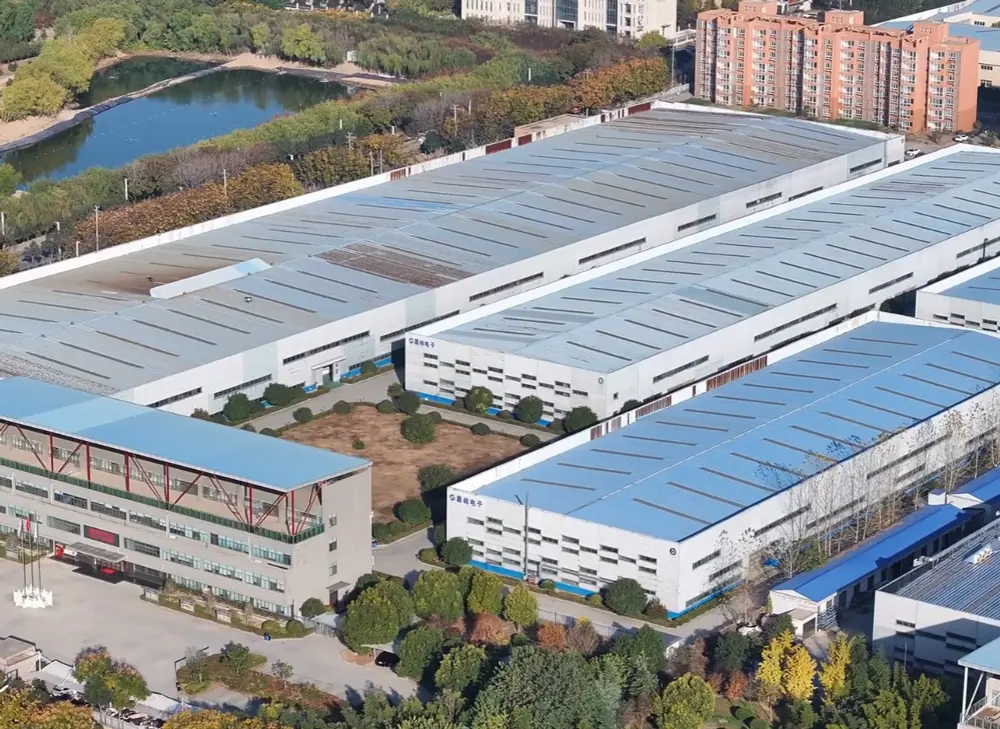
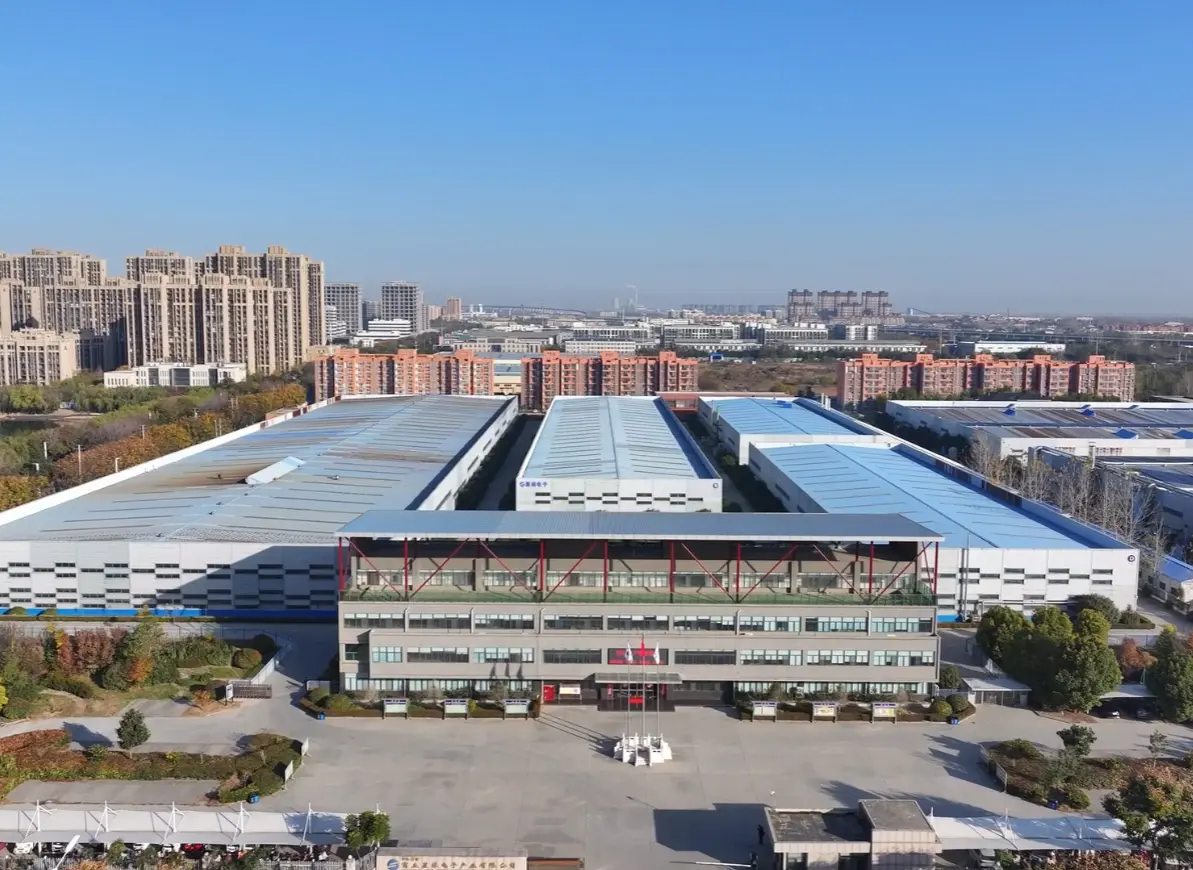
At Zhejiang Laysun Magnetics Ltd., we leverage this vertical integration to offer consistent pricing and stable quality control. Our 100,000 m² production base in Suining, Sichuan, produces up to 5,000 tons of rare earth magnets annually. By handling raw material formulation, vacuum induction melting, hydrogen decrepitation, jet milling, magnetic field pressing, sintering, and post-machining under one roof, we eliminate quality variance across production batches.
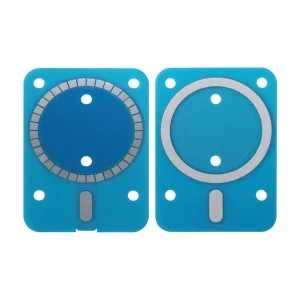
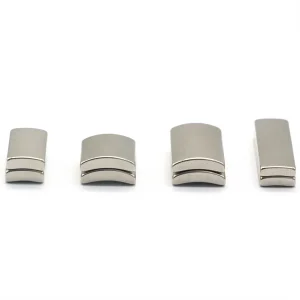
Integrating Halbach arrays into modern phone casings requires extremely flat ring and arc segments. Custom Magsafe arrays and linear vibrator motors rely on our ultra-thin block segments to optimize torque and feedback profiles within 7mm-thin smartphones.
Premium smartphone camera modules use Voice Coil Motors (VCM) for autofocus and optical image stabilization. These micro-actuators require high-remanence NdFeB magnets as thin as 0.20 mm, allowing swift and precise physical lens shifting.
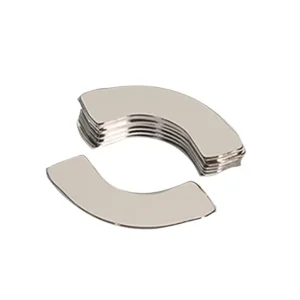
Hollow shaft motors and frameless servo motors used in robotic joints demand high magnetic flux with minimal weight. Ultra-thin arc and ring segments reduce rotating mass, improving motor responsiveness and dynamic efficiency.
Welcome to Zhejiang Laysun Magnetics Ltd., your trusted partner in the world of advanced magnetic solutions. Since our inception in 1999, we have grown to become a national high-tech leader in manufacturing rare earth magnets, a testament to our unwavering commitment to excellence in this niche field. Specializing in the development, research, production, and sales of high-performance rare earth NdFeB magnets, we cater to a diverse range of applications. Our magnets are integral to various sectors, including electric vehicles, industrial motors, computers, and consumer electronics, enhancing the efficiency and performance of these technologies.
Our journey has seen us rapidly evolve from a visionary startup to an industry pacesetter. Our state-of-the-art factory, sprawling across 100,000 square meters in the vibrant city of Suining, Sichuan, is the heart of our operations. Here, our dedicated team of 300 employees works tirelessly to produce an impressive 5,000 tons of rare earth magnets annually.
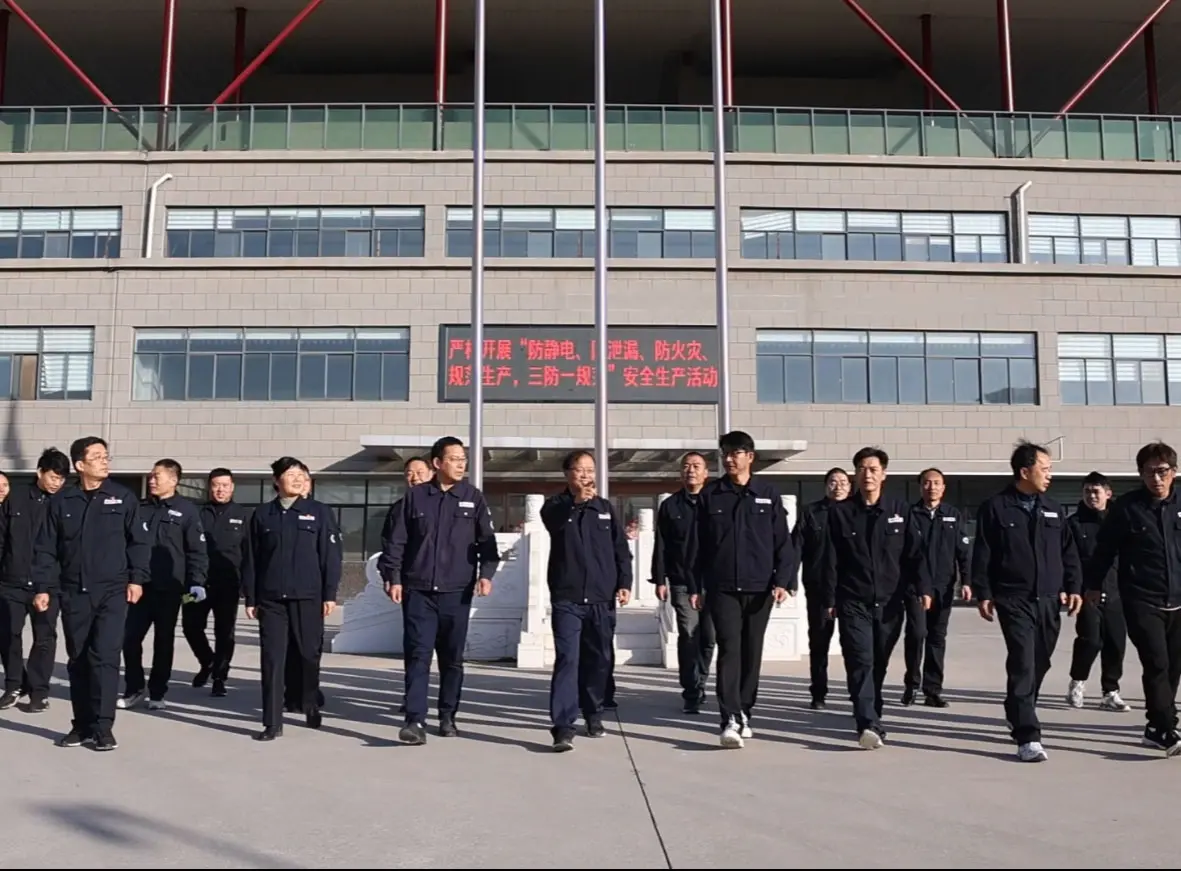
At Laysun Magnetics, our ethos is built on four pillars - Quality, Credibility, Technology, and Innovation. These values are the cornerstones of our operations, guiding us in delivering products that not only meet but exceed the expectations of our clients. Our relentless pursuit of technological advancement is not just about staying ahead of the curve; it's about setting new standards in the magnetic field.
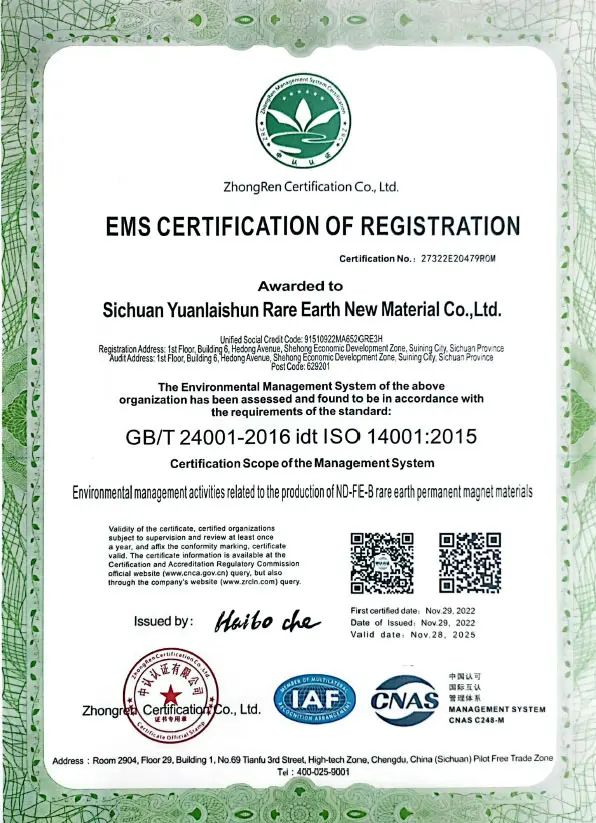
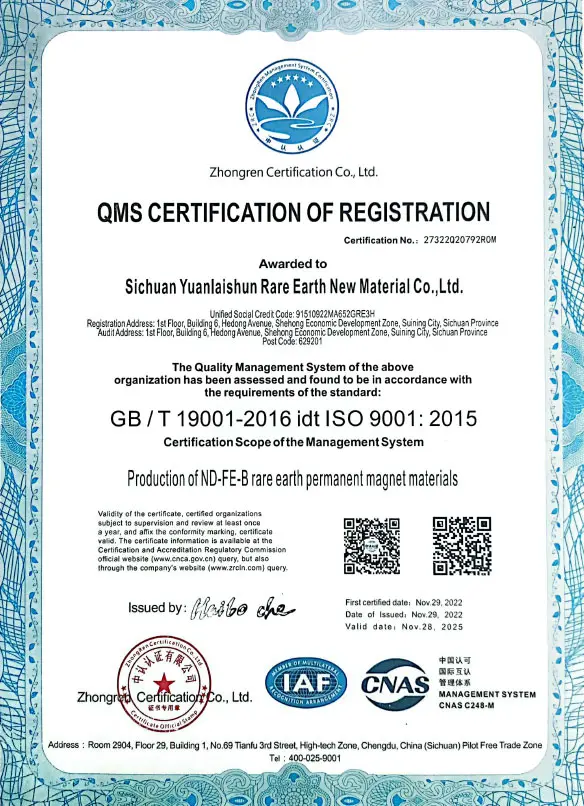
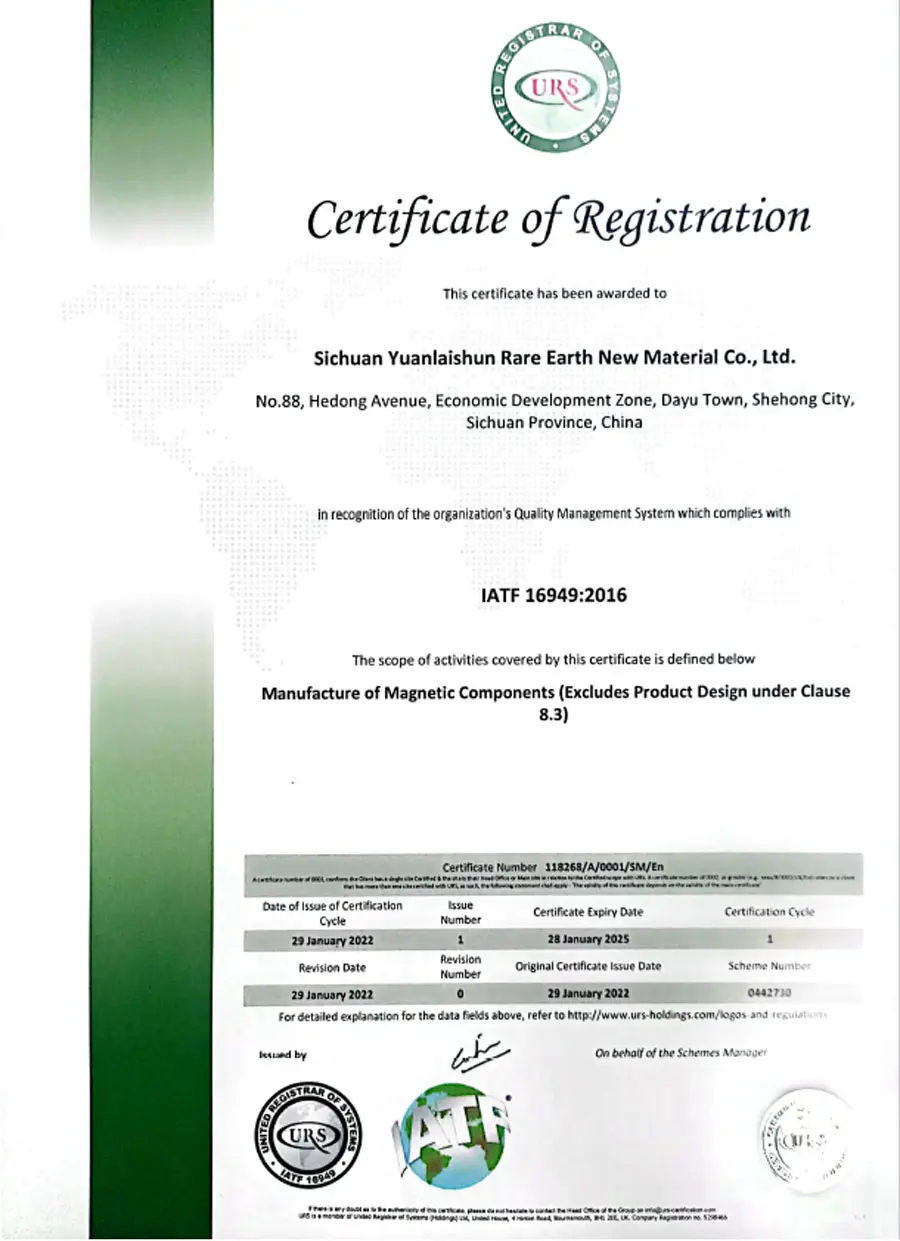
To maintain high reliability, our products undergo rigorous stress testing. Our factory is certified under API 6D, API 607, CE, ISO9001, ISO14001, ISO18001, and TS specifications. We run simulated climate exposure tests, checking for weight loss (HAST / Highly Accelerated Stress Test at 130°C and 95% relative humidity) to verify that our ultra-thin plating protects against raw oxidation over time.
In mass production, the stable limit for sintered NdFeB is between 0.15 mm and 0.20 mm. While thinner profiles can be cut, the risk of structural failure and demagnetization due to low permeance coefficients increases significantly.
As thickness decreases, the working slope (permeance line) of the magnet becomes steeper, crossing the demagnetization curve at a lower point. This makes the magnet more vulnerable to demagnetization when exposed to opposing fields or elevated operating temperatures.
Standard triple-layer Ni-Cu-Ni plating is relatively thick (usually 15-25 microns). On a 0.2 mm magnet, this plating reduces the volume of the magnetic core. Epoxy or Parylene coatings are preferred because they provide reliable protection at a thickness of only 5-10 microns.
GBD is a post-sintering process that diffuses Dysprosium (Dy) or Terbium (Tb) through the grain boundary phase. This increases the magnet's coercivity (Hcj) without sacrificing its remanence (Br), which is crucial for maintaining performance in high-temperature, thin-profile configurations.
 Laysun Magnetics