Engineered to exact magnetic tolerances with superior thermal and anti-corrosion properties.
In modern industrial applications, the concept of a floating neodymium magnet is not merely a novelty; it is a critical breakthrough in frictionless mechanics. True stable levitation of permanent magnets in static fields is restricted by Earnshaw's Theorem, which states that a collection of point charges or static magnetic poles cannot be in a stable stationary equilibrium. However, materials engineered by Zhejiang Laysun Magnetics Ltd. overcome this constraint through dynamic electromagnetic regulation, stabilization configurations, diamagnetic material pairing, or Halbach Array structures.
The core physics of NdFeB (Neodymium-Iron-Boron) magnets revolves around their tetragonal crystal structure ($Nd_2Fe_{14}B$), which offers unparalleled uniaxial magnetocrystalline anisotropy. This anisotropy gives the material an extremely high coercive force ($H_{cj}$), allowing it to resist demagnetization in complex floating configurations. When custom-engineered for maglev tracks, contact-free conveyance, or high-speed rotary levitation, we optimize the Remanence ($B_r$) and Maximum Energy Product ($(BH)_{max}$), pushing the limits of the magnet's lifting-to-weight ratio to maximize stability and air-gap margins.
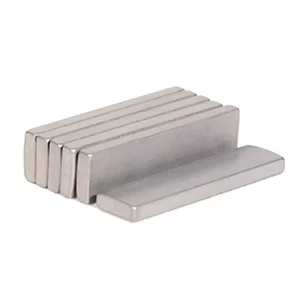
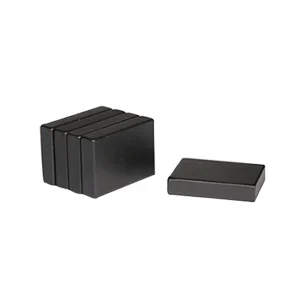
Our R&D labs focus on optimizing magnetic flux distribution. By arranging our sintered NdFeB blocks into a Halbach array, the magnetic field on one side of the array is augmented while the field on the opposite side is cancelled nearly to zero. This spatial distribution of magnetic flux is the foundation of high-efficiency maglev transportation, linear motor tracks, and precision rotary bearings. The resultant force vector ($F_z$) can support massive physical loads without physical mechanical interfaces, eliminating friction, lubrication requirements, and mechanical wear.
At Zhejiang Laysun Magnetics Ltd., we translate materials science into industrial solutions. Our automated production pipelines ensure structural integrity, preventing defects like micro-cracks and void formations that can degrade magnetic performance. By using advanced grain boundaries engineering and vacuum sintering, we ensure our magnets deliver reliable, predictable levitation forces across critical industrial temperature windows.
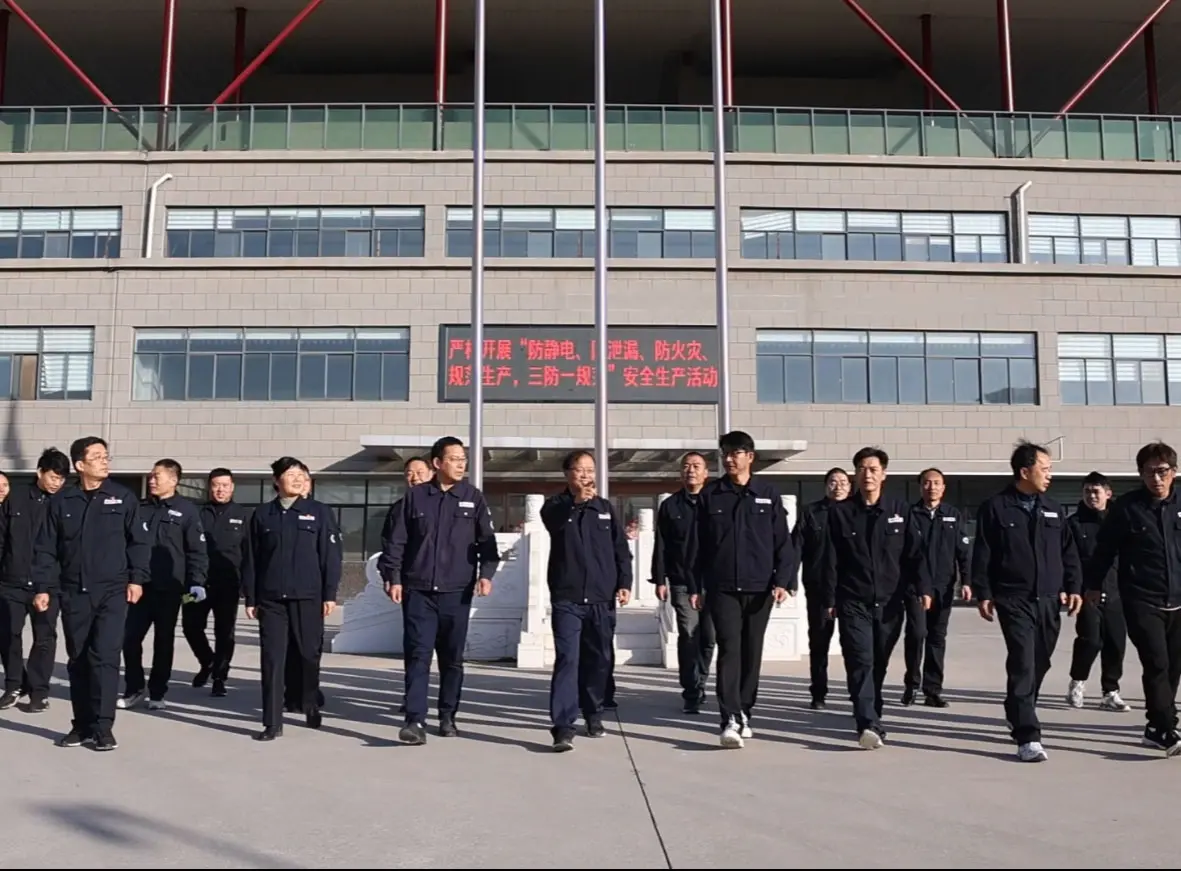
Uncompromising Quality and Substantial Scale in Rare Earth Magnetics Since 1999.
Across North America, Europe, and Asia-Pacific, industrial reliance on frictionless systems has accelerated. The modern semiconductor fab is a primary driver. Within cleanroom environments, physical rollers or guide rails generate micro-particles that contaminate wafers. Contactless magnetic suspension systems powered by custom NdFeB magnet blocks represent the gold standard for cleanroom transport, guaranteeing zero-contamination wafer transport.
Similarly, the high-speed turbomolecular pumps used in chemical processing, oil & gas refining, and aerospace testing chambers require bearings that can survive rotational speeds exceeding 60,000 RPM. Traditional ceramic ball bearings experience severe thermal stress and degradation at these velocities. Active magnetic bearings (AMBs) utilize high-grade Neodymium magnets paired with rapid-response coils to float the rotor in space, reducing thermal loss and extending operating lifespans.
In municipal logistics and public transit, commercialized Maglev lines rely on heavy-duty NdFeB configurations to lift and propel entire trainsets. The demand for sintered neodymium blocks with high coercivity ($H_{cj}$) and low thermal demagnetization coefficients (such as EH and AH grades) is growing. These advanced grades ensure that even under high ambient temperatures or fluctuating currents, the magnetic levitation air gap remains stable, preventing hazardous contact between high-speed vehicles and guidelines.
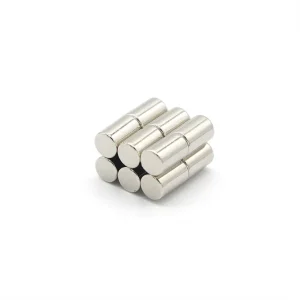
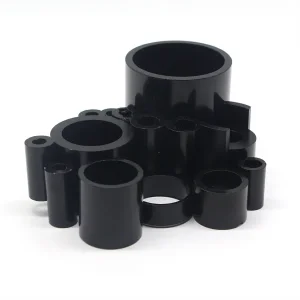
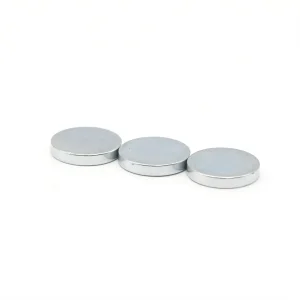
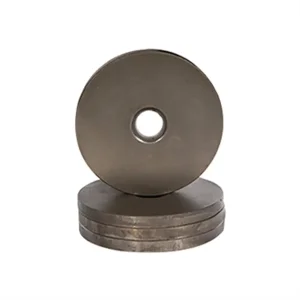
Magnetic bearings require sintered cylindrical magnets with high geometric tolerances to prevent imbalance at ultra-high rotational speeds.
Contactless conveyor lines utilize NdFeB Halbach arrays to lift, stabilize, and guide heavy cargo trays without generating microscopic particulates.
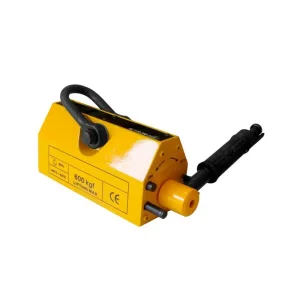
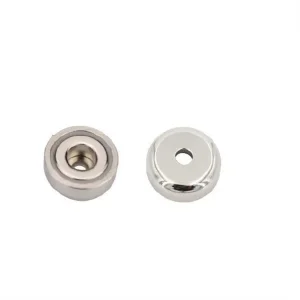
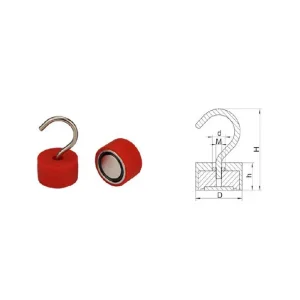
Deploying permanent NdFeB configurations with mechanical lifter structures to safely lift up to 1000kg of ferromagnetic load in steel plants.
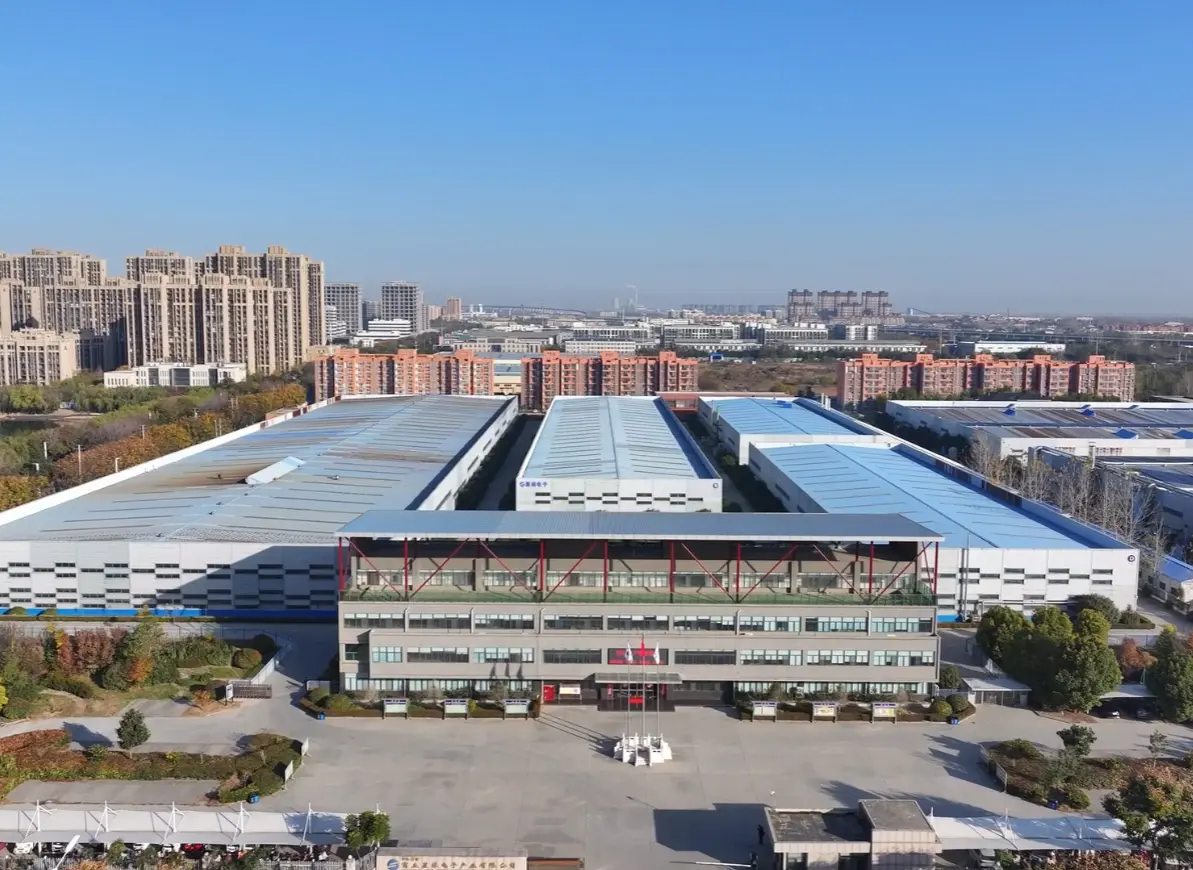
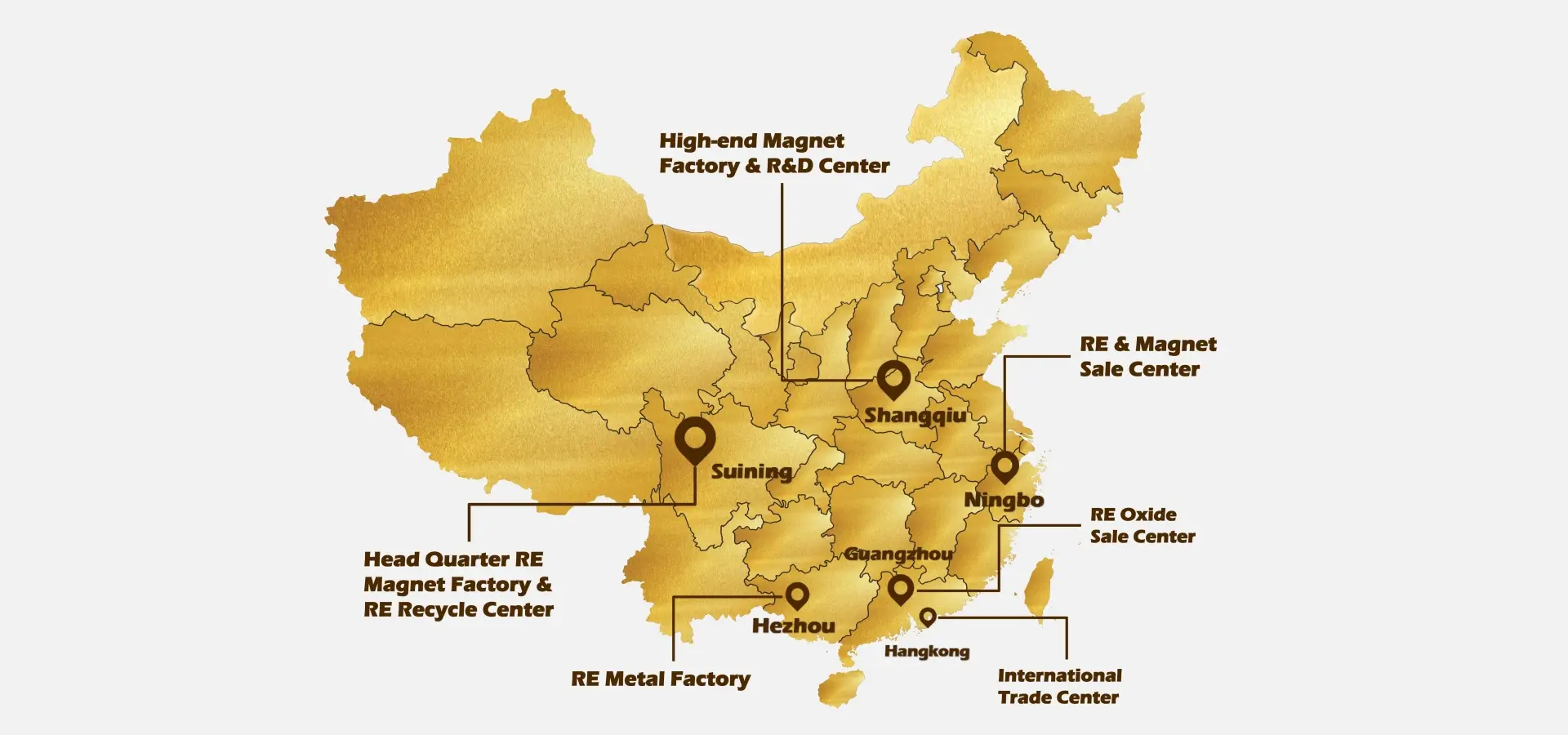
China accounts for approximately 70-80% of the world's rare earth magnet production, a dominance driven by consolidated supply chains, processing expertise, and raw material access. Zhejiang Laysun Magnetics Ltd., operating a 100,000 square meter factory in Suining, Sichuan, leverages this ecosystem. Located near key mineral extraction and refining hubs, we secure stable access to high-purity Praseodymium-Neodymium (PrNd), Dysprosium (Dy), and Terbium (Tb), insulating our international clients from material shortages and price volatility.
Our manufacturing advantage is rooted in precision control over the entire production cycle:
Zhejiang Laysun Magnetics Ltd. has optimized this process to achieve an annual capacity of 5,000 tons of permanent rare earth magnets. This scale allows us to fulfill bulk orders for OEM automotive EPS, VCM manufacturers, and maglev system integrators with short lead times and consistent magnetic properties.
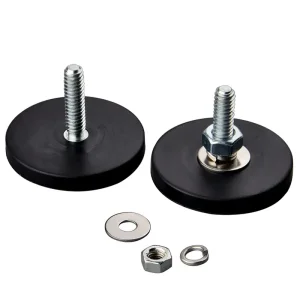
Our quality control protocols comply with key global standards, including API 6D, API 607, CE, ISO9001, ISO14001, and ISO18001. Every production run undergoes automated inspection, helium leak testing, high-temperature testing, and salt-spray testing to verify the long-term integrity of our nickel-copper-nickel (Ni-Cu-Ni), epoxy, and rubber coatings under harsh conditions.
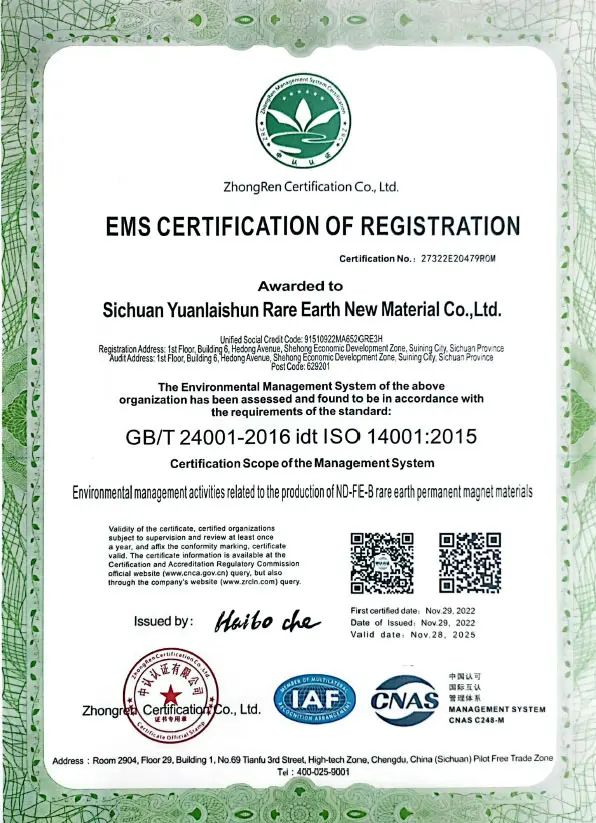
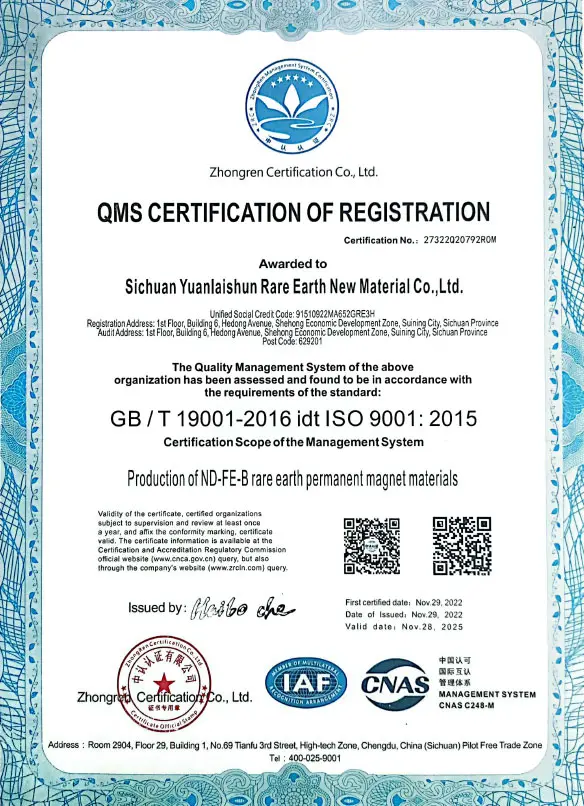
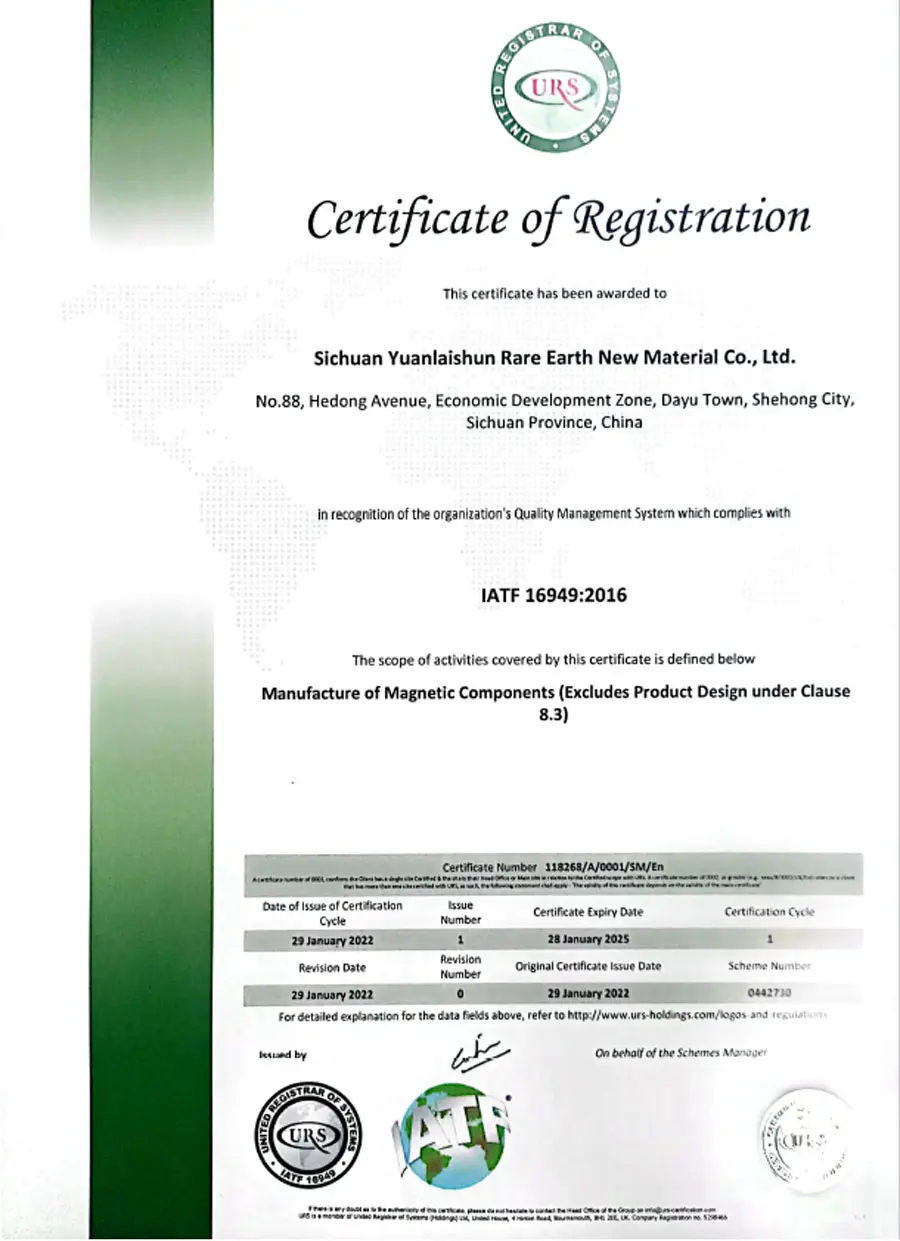
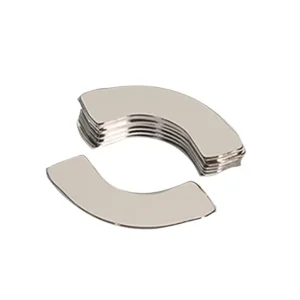
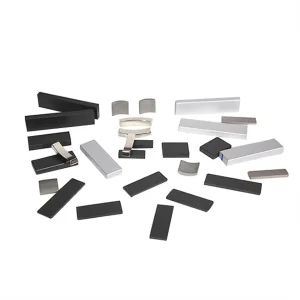
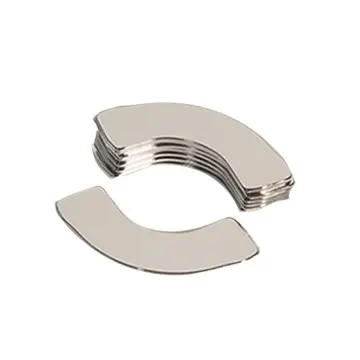
Specialized magnet geometries engineered for high-performance industrial applications.
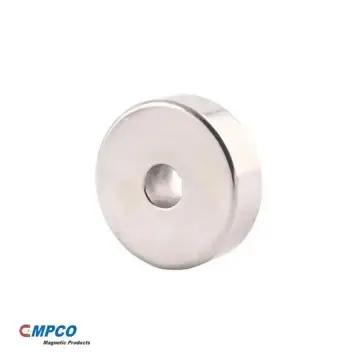
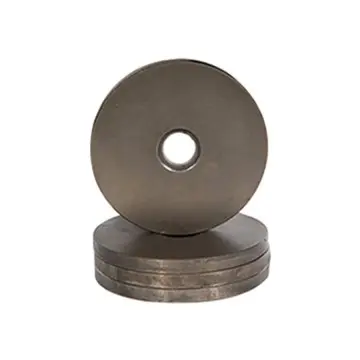
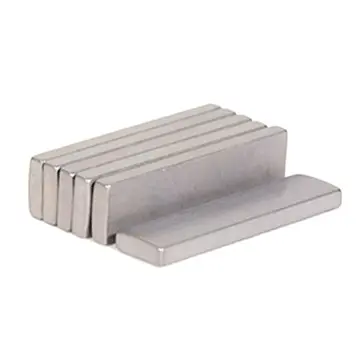
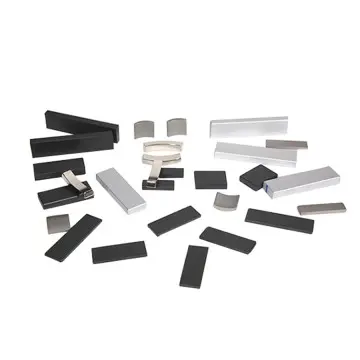
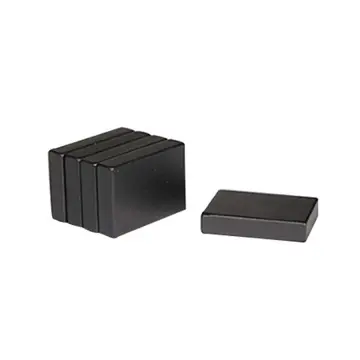
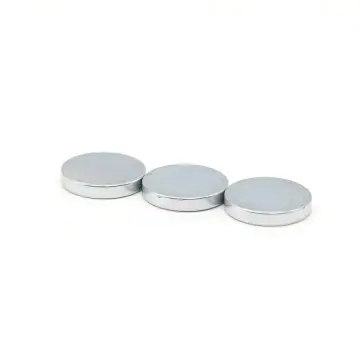
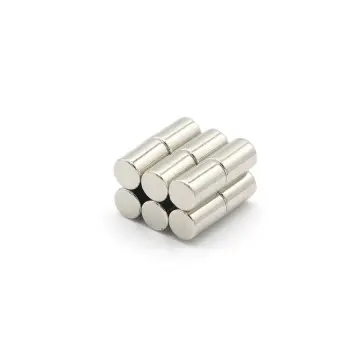
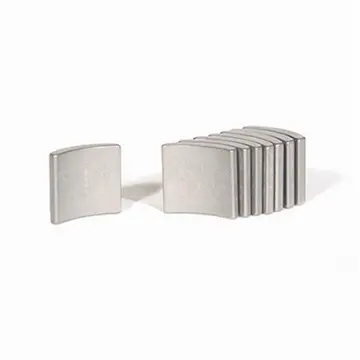
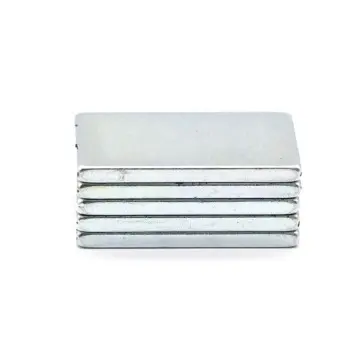
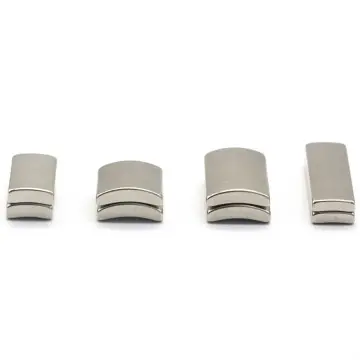
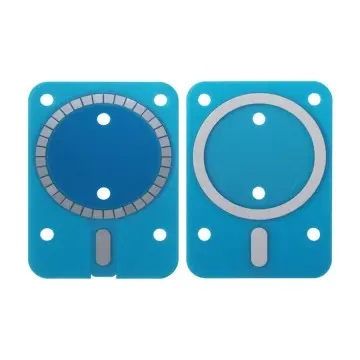
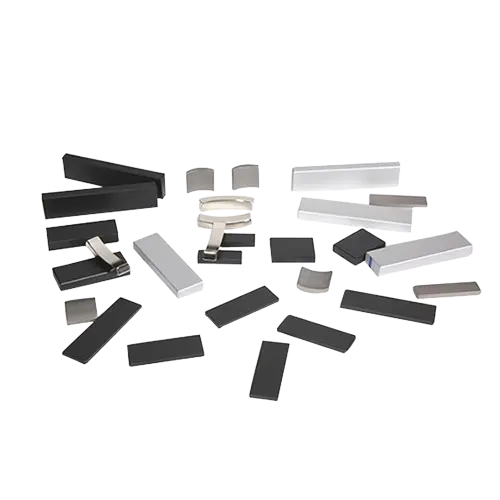
Our permanent magnetic systems provide reliable performance in key high-tech sectors around the globe:
Headquartered in Hangzhou, Zhejiang, and backed by our manufacturing facilities in Sichuan, Zhejiang Laysun Magnetics Ltd. provides comprehensive logistics support for global supply chains. We partner with leading maritime carriers and air freight forwarders to manage multi-modal logistics, customs clearance, and local warehousing in Europe and North America.
Our location provides efficient access to major shipping ports, helping us secure competitive rates for air, sea, and rail transport to keep your production lines running smoothly.
Purchasing rare earth permanent magnets requires balancing material performance with supply chain reliability. As environmental regulations tighten, procurement managers must evaluate several key performance and sustainability criteria:
The operating temperature of magnetic levitation drives or EV motors often exceeds 150°C. Standard Neodymium magnets (grades N35 to N52) experience permanent demagnetization at these temperatures if they exceed their maximum operating limit. To prevent this, specifiers must transition to high-coercivity grades (M, H, SH, UH, EH, AH). Zhejiang Laysun Magnetics Ltd. manufactures AH-grade sintered NdFeB blocks with Curie temperatures up to 380°C, providing structural and magnetic stability in demanding environments.
Neodymium is chemically active and prone to oxidation. In humid or corrosive conditions, moisture can degrade the grain structure of the magnet. Specifying the correct protective coating is critical:
With rare earths categorized as critical raw materials, working with a manufacturer that has integrated access to raw material processing is essential. Our production facility in Suining, Sichuan, maintains direct relationships with state-authorized mining companies. This secure supply chain allows us to lock in material pricing, helping shield our clients from market fluctuations.
Expert engineering advice on rare earth magnet design, stabilization, and sourcing.
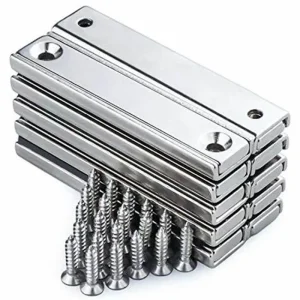
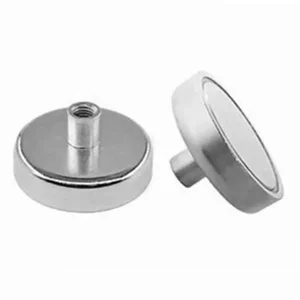
Engineered for high-torque motors, automated lifting, and precision positioning assemblies.
Contact our engineering support team for custom magnet drawings, coating selections, or bulk price quotes.
 Laysun Magnetics