Explore our foundational permanent magnetic components tailored for electric motors, sensory arrays, and holding configurations.
A National High-Tech Pioneer in Sintered Rare Earth Permanent Magnets Since 1999.
Established at the dawn of the new millennium, Zhejiang Laysun Magnetics Ltd. has systematically evolved from a high-precision magnetics engineering laboratory into a prominent global manufacturing force. Our main manufacturing powerhouse spans across a state-of-the-art 100,000 square meters industrial site situated in Suining, Sichuan, supplemented by our strategic administration, R&D, and logistics headquarters in Hangzhou, Zhejiang.
We deploy a workforce of over 300 highly specialized technicians, materials engineers, and quality assurance specialists. We maintain an impressive annual production capacity of 5,000 tons of high-performance sintered and bonded NdFeB magnets, servicing global supply chains across North America, Europe, East Asia, and localized domestic high-technology clusters.
A Comprehensive Scientific Breakdown of the Materials Science behind NdFeB Formulations.
Often referred to scientifically as NdFeB magnets, neodymium magnets are members of the rare-earth permanent magnet family. They are synthesized using an intermetallic alloy consisting primarily of the elements Neodymium (Nd), Iron (Fe), and Boron (B). This chemical formulation creates a specific tetragonal crystalline structure denoted as Nd₂Fe₁₄B, which exhibits extremely high uniaxial magnetocrystalline anisotropy. This specific anisotropy gives the compound its exceptionally high coercivity (resistance to demagnetization).
While the basic formula is Nd₂Fe₁₄B, commercial production requires highly calibrated elemental variations to operate in severe thermal and environmental settings:
Depending on application requirements, manufacturers manipulate the metallurgy using two primary manufacturing paths:
Why China remains the global cornerstone for stable, cost-effective, and technologically advanced rare earth magnet supply chains.
China controls a vast majority of the global rare earth mining, separation, and refining capacity. Operating a factory like Zhejiang Laysun Magnetics means having direct access to domestic raw materials like NdPr oxide, dysprosium-iron (DyFe) alloys, and terbium metal. This proximity protects global buyers from international supply chain disruptions and ensures stable pricing structures.
Chinese manufacturers have established complete, end-to-end industrial clusters. From raw smelting to vacuum sintering, wire-electrode cutting, precision grinding, and advanced surface plating line processes (including electroplated nickel, copper-nickel, epoxy, and rubber coatings), everything is completed under unified quality controls.
Chinese research institutions and manufacturers have pioneered the commercialization of Grain Boundary Diffusion (GBD). This process diffuses Dysprosium (Dy) or Terbium (Tb) selectively into the grain boundaries of the sintered magnet rather than distributing it uniformly. This technique achieves high heat resistance (Hcj) while saving rare heavy elements, lowering production costs.
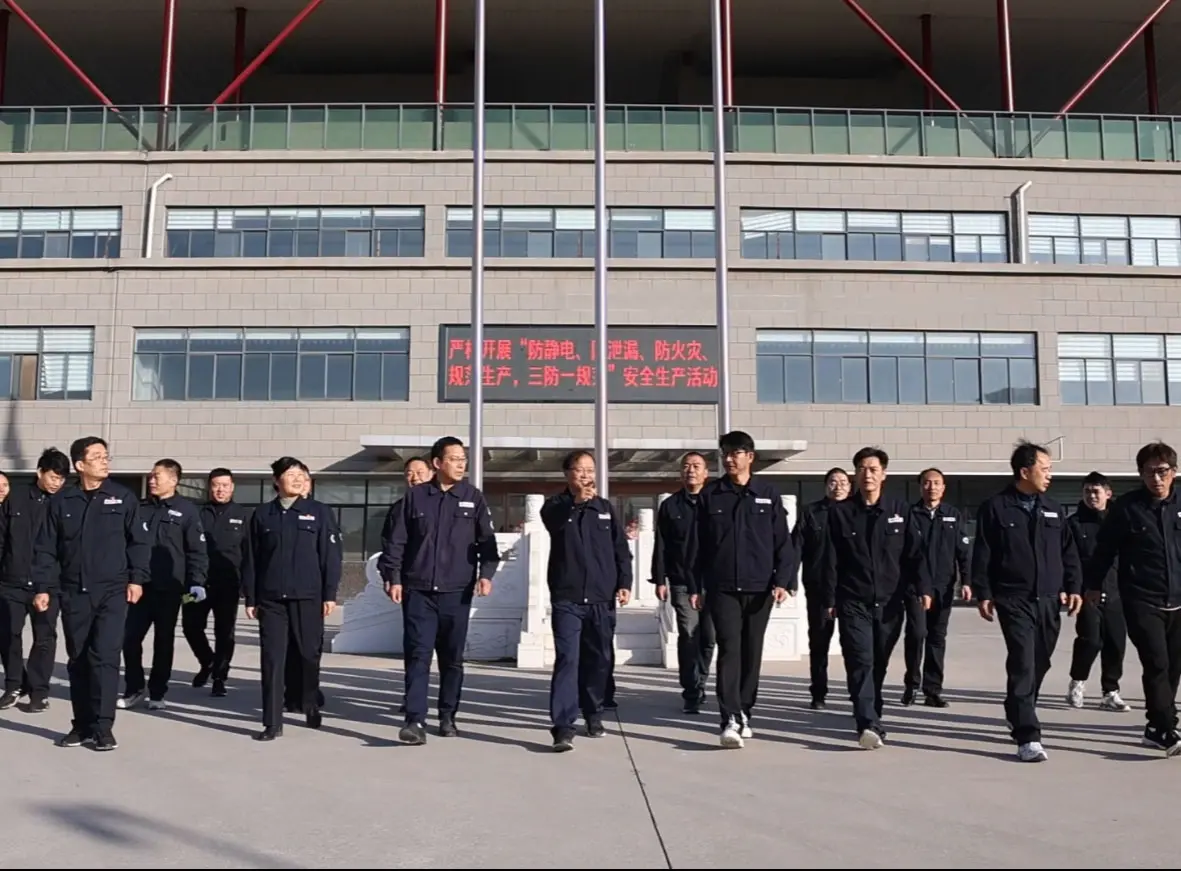
Providing custom, specialized geometries, grades, and coatings designed to meet strict industrial specifications.
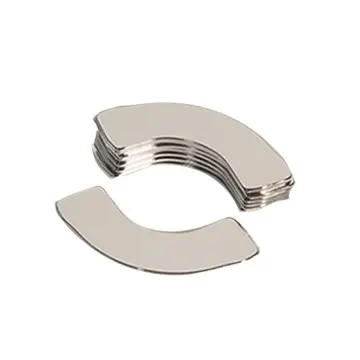
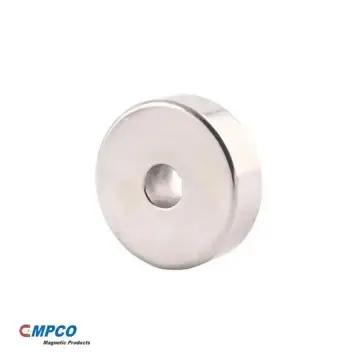
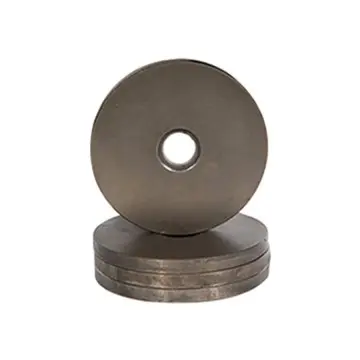
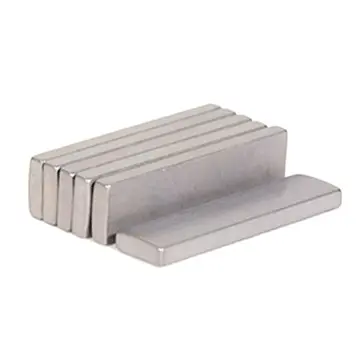
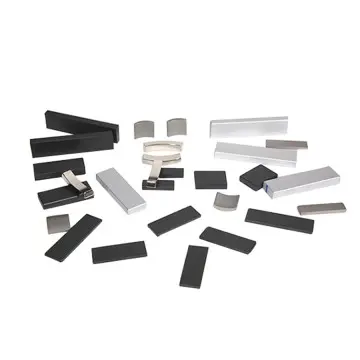
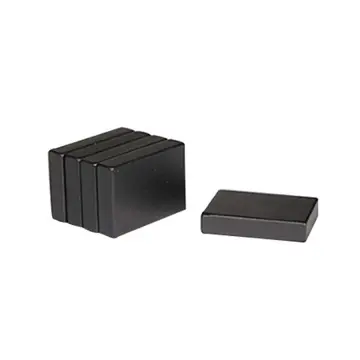
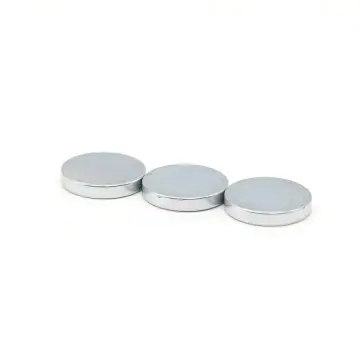
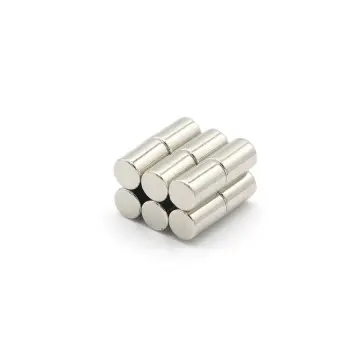
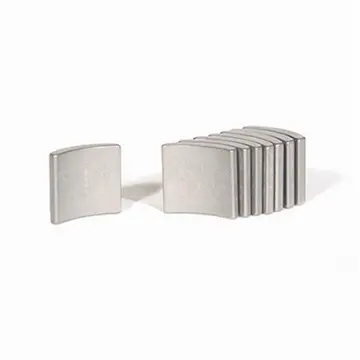
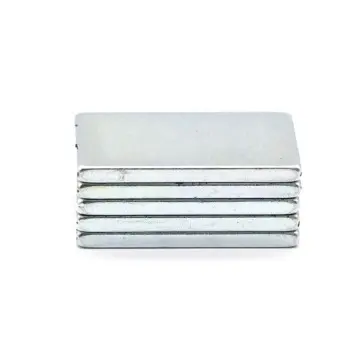
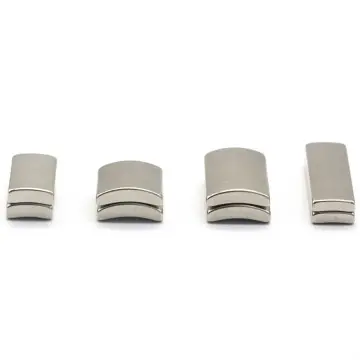
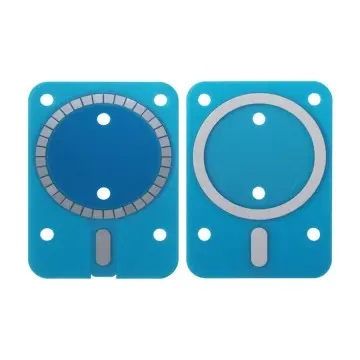
Analyzing the integration of high-coercivity NdFeB magnetic components into modern, automated industrial ecosystems.
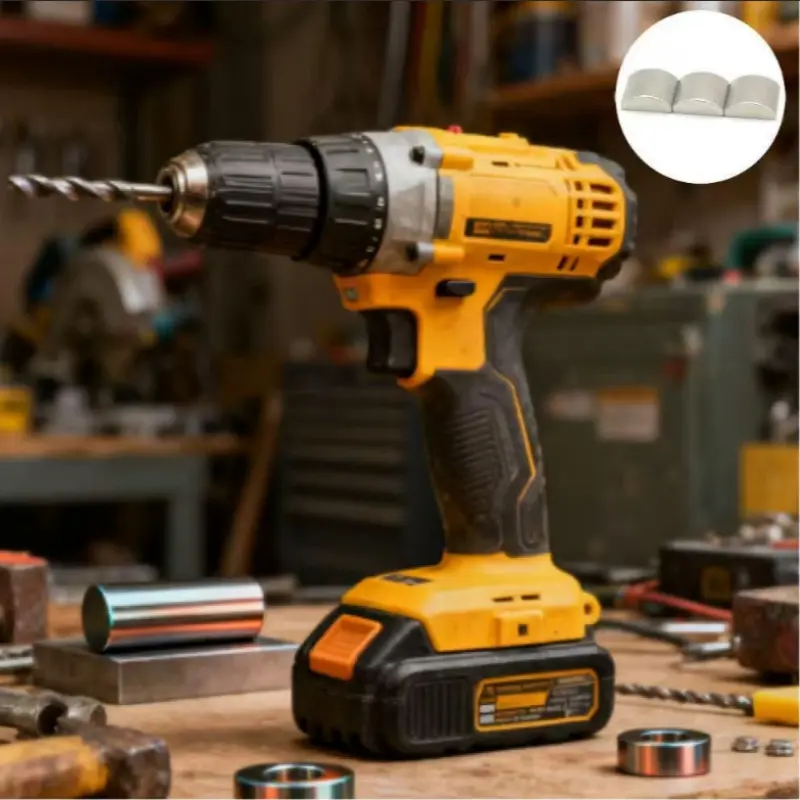
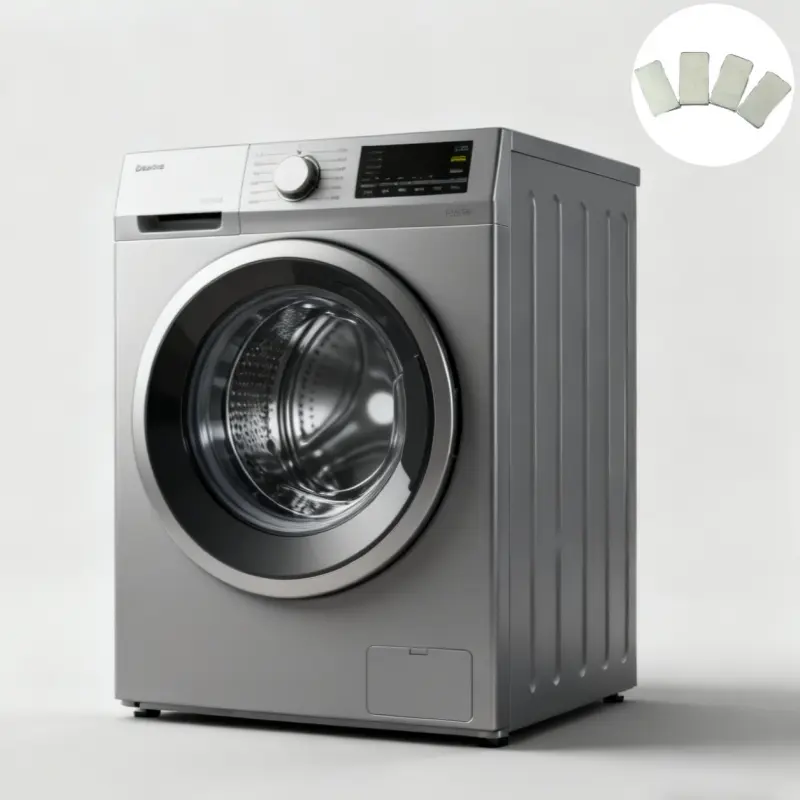
The demand profile for neodymium magnets has shifted toward high-temperature stability, long-term corrosion resistance, and precise magnetic alignment. Key industrial growth trends include:
As electric vehicle (EV) architectures move toward higher voltages and RPMs, motor designers rely on NdFeB magnets that resist demagnetization at temperatures up to 200°C (grades like EH and AH). These magnets are also critical in Electric Power Steering (EPS) systems, requiring precise torque, low cogging, and reliable performance.
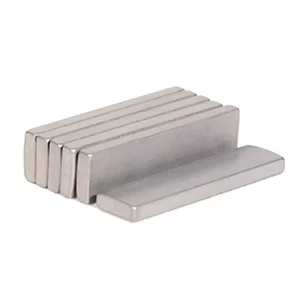
Servo motors and collaborative robots require compact, lightweight designs with high torque density. High-energy sintered NdFeB blocks and cylinders enable these robotic joints to respond with high dynamic precision and speed.
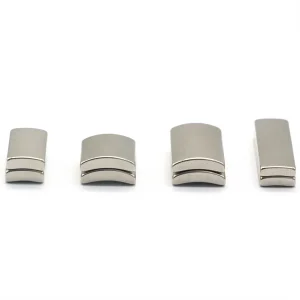
Permanent magnet direct-drive (PMDD) wind turbines eliminate the need for gearboxes, reducing mechanical wear and maintenance costs. High-coercivity NdFeB arc segments are arranged along large turbine rotors to maximize conversion efficiency in demanding offshore marine environments.




How we ensure technical compliance and strict product reliability for global industrial procurement processes.
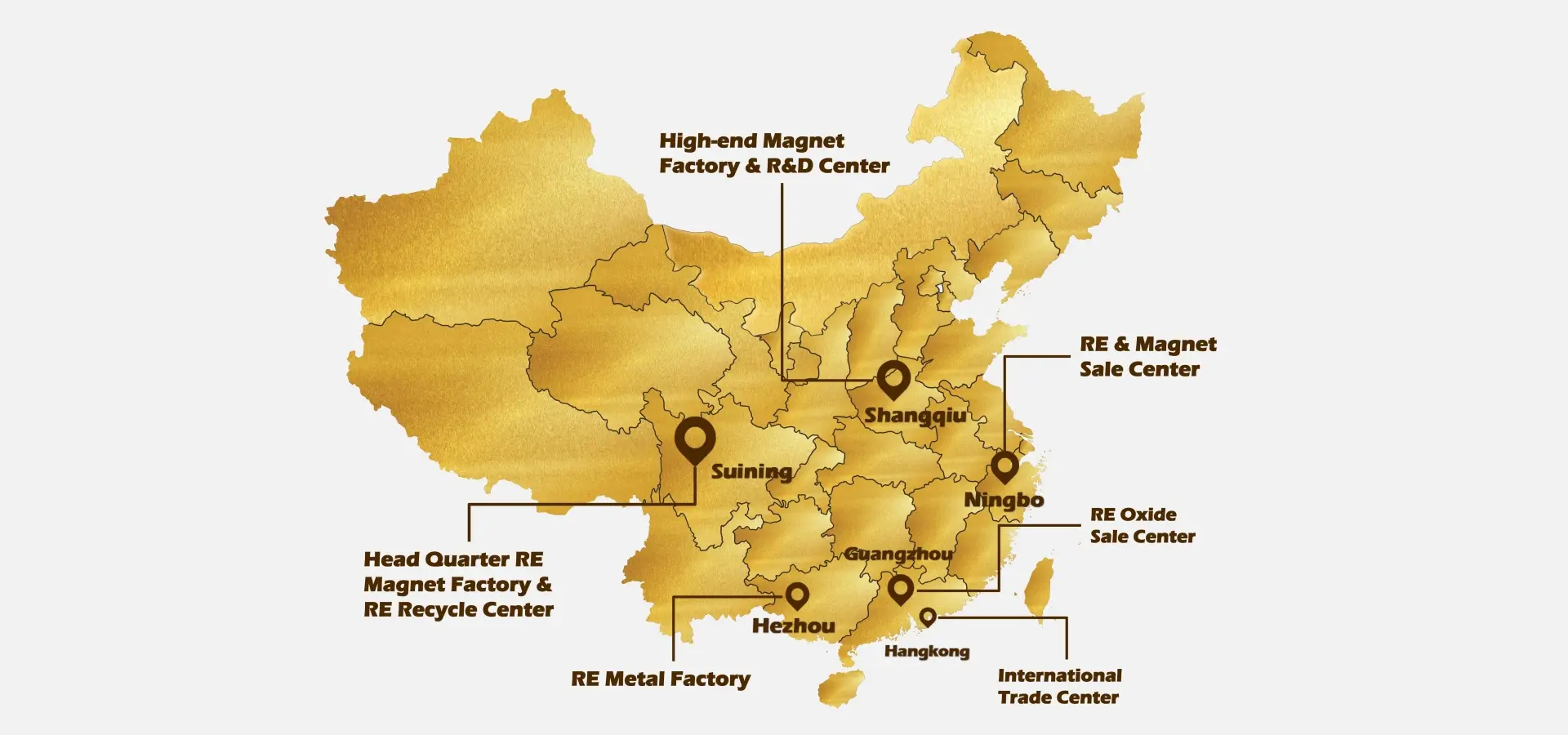
Our operations are headquartered in Hangzhou, China, with manufacturing hubs in Suining, Sichuan.
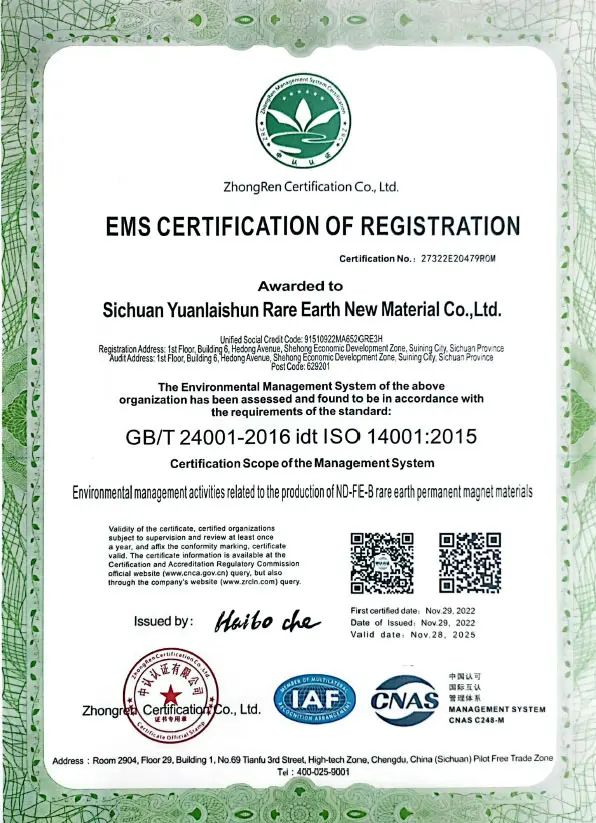
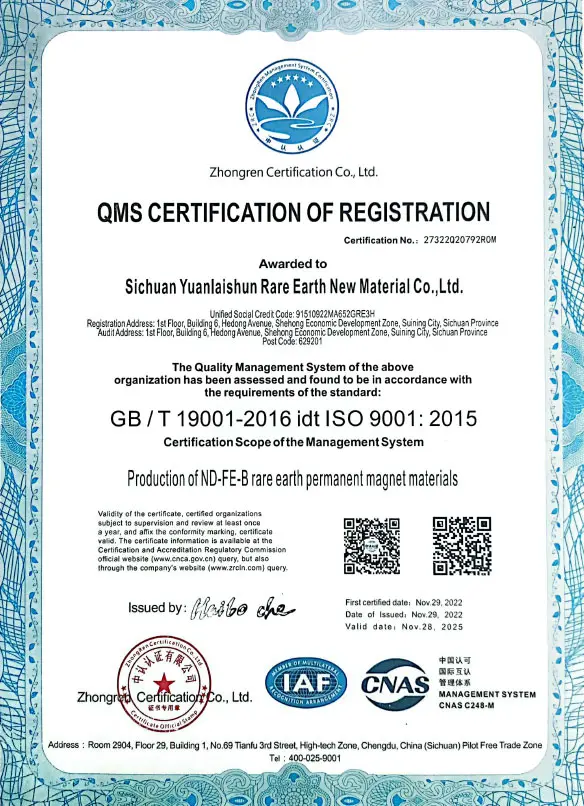
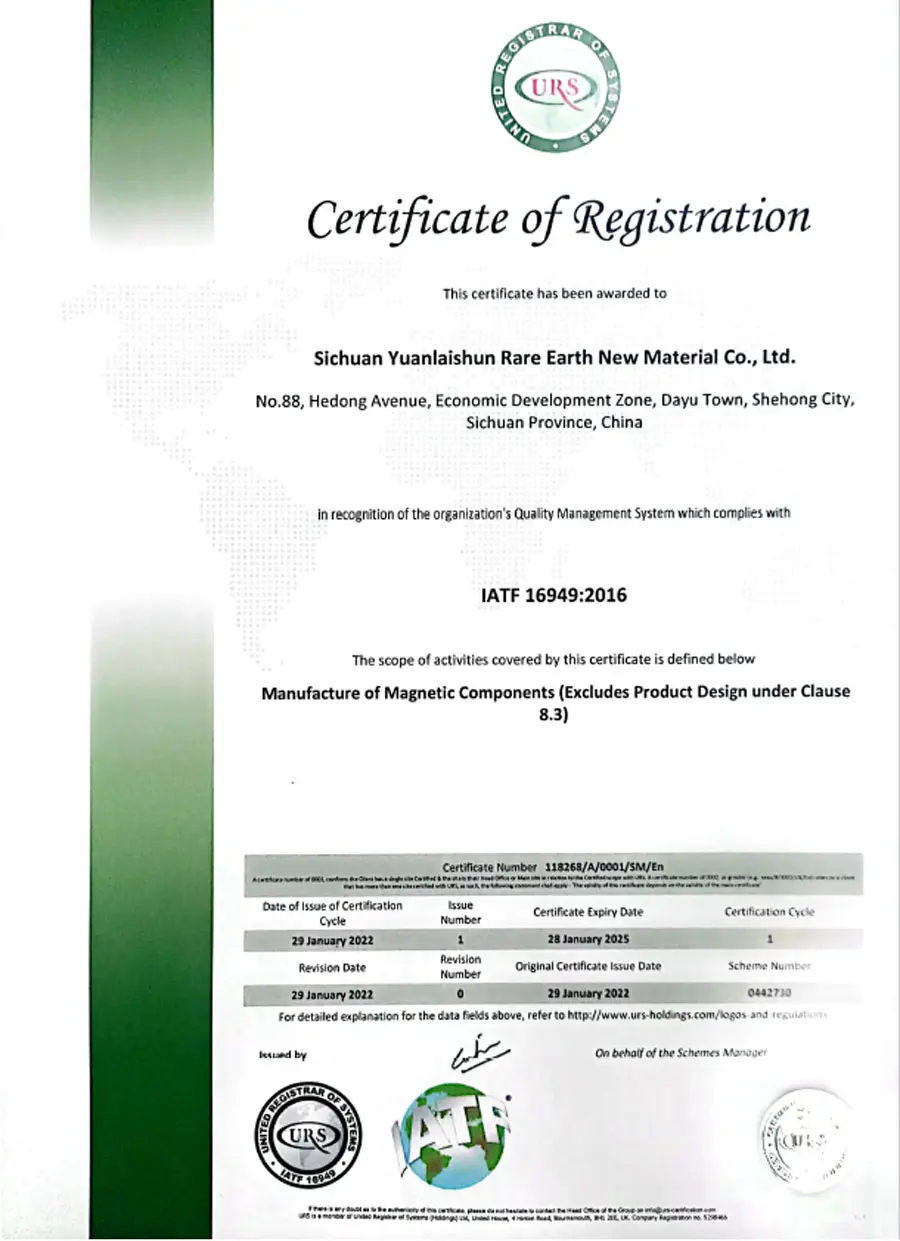
Industrial permanent magnets must meet tight dimensional tolerances (often to ±0.05mm or less) and consistent magnetic output. To guarantee this, our production processes are certified to meet international standards including ISO 9001, ISO 14001, and ISO 45001.
Each manufacturing batch undergoes testing for:
Expert answers to common engineering, procurement, and materials science questions about NdFeB magnets.
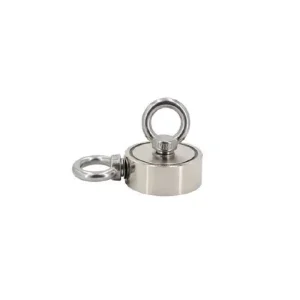
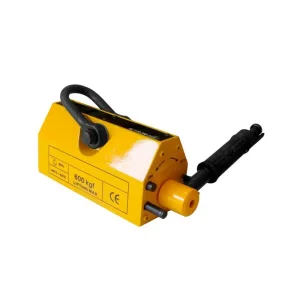
Explore our high-capacity magnetic lifting systems, custom arc segments for generator rotors, and specialized permanent materials.
Connect with our materials engineers to request custom sizing, grading, or volume pricing. We respond to all inquiries within 24 hours.
 Laysun Magnetics