Zhejiang Laysun Magnetics Ltd. manufactures premium rare earth magnetic solutions engineered for motors, actuators, and structural assemblies. Seamlessly integrating magnetic efficiency with lightweight housing solutions.
An Executive Guide on Structural Lightweighting and Electromagnetic Integration
In the modern engineering domain, the quest for efficiency is driven by the synergistic integration of light structural metals and advanced electromechanical systems. As leading exporters, understanding the magnesium alloy mechanical properties is essential to developing the housing shells, stator frames, and structural components that encapsulate rare earth permanent magnets. In environments such as Electric Vehicles (EVs), unmanned aerial vehicles (UAVs), and portable electronics, magnesium alloys serve as the lightest structural metal available, boasting a density that is approximately 33% lighter than aluminum and 77% lighter than steel.
However, successful adoption relies heavily on matching specific application loads with the appropriate magnesium grade. High tensile strength, fatigue resistance, and damping capacity must be balanced with manufacturing criteria like fluid mobility in high-pressure die casting (HPDC) and chemical stability in aggressive environments.
Different industrial challenges require different metallurgical solutions. The table below represents the mechanical characteristics of common structural magnesium grades exported from China, optimized for mechanical strength, elongation, and structural reliability.
| Magnesium Grade | Tensile Strength (MPa) | Yield Strength (MPa) | Elongation (%) | Elastic Modulus (GPa) | Primary Target Applications |
|---|---|---|---|---|---|
| AZ91D | 230 - 245 | 150 - 160 | 3% - 6% | 45 | Standard automotive brackets, powertrain housings, consumer electronics casings. |
| AM60B | 220 - 240 | 120 - 130 | 6% - 10% | 45 | Automotive steering wheels, dashboard supports (demands high crash-impact absorption). |
| AM50A | 210 - 225 | 110 - 120 | 10% - 15% | 45 | Safety components, structural brackets, high ductility shock absorbers. |
| ZK60A | 290 - 310 | 220 - 240 | 8% - 12% | 45 | High-stress structural components, extruded rods, aerospace subframes. |
Magnesium alloys are exceptional at dampening mechanical vibrations. The material absorbs kinetic energy, converting it into micro-thermal energy. This makes it an ideal enclosure material for high-vibration environments, protecting the internal NdFeB permanent magnets from mechanical shock and maintaining acoustic silence.
Unlike carbon-fiber plastics, magnesium alloys provide built-in electromagnetic compatibility (EMC). They block stray magnetic waves and radio frequency interference, isolating high-intensity fields inside permanent magnet motors and protecting sensitive control circuits in close proximity.
With high thermal conductivity (approx. 50-70 W/m·K depending on the alloy), magnesium structures quickly dissipate heat generated by electric motor losses or consumer CPUs. Maintaining a cooler ambient environment is critical to preventing thermal demagnetization in Neodymium magnets.
How China Exporters are Driving the Limits of Magnesium Mechanical Properties
The next generation of lightweight engineering demands properties beyond conventional limits. Key areas of development driving Chinese metallurgical exporters include:
By coordinating the mechanical structural benefits of high-purity magnesium alloys with the magnetic capabilities of customized rare earth magnets, engineering teams can optimize power density, structural strength, and lightweight performance in extreme operating environments.
Your Trusted National High-Tech Leader in Advanced Rare Earth Magnetic Solutions Since 1999
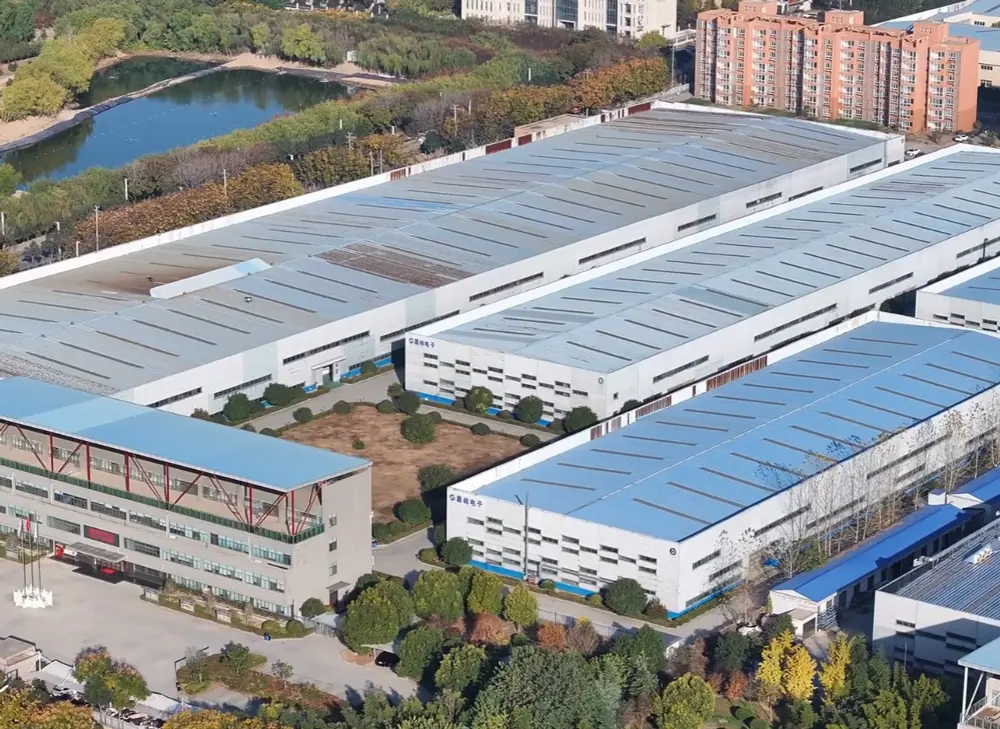
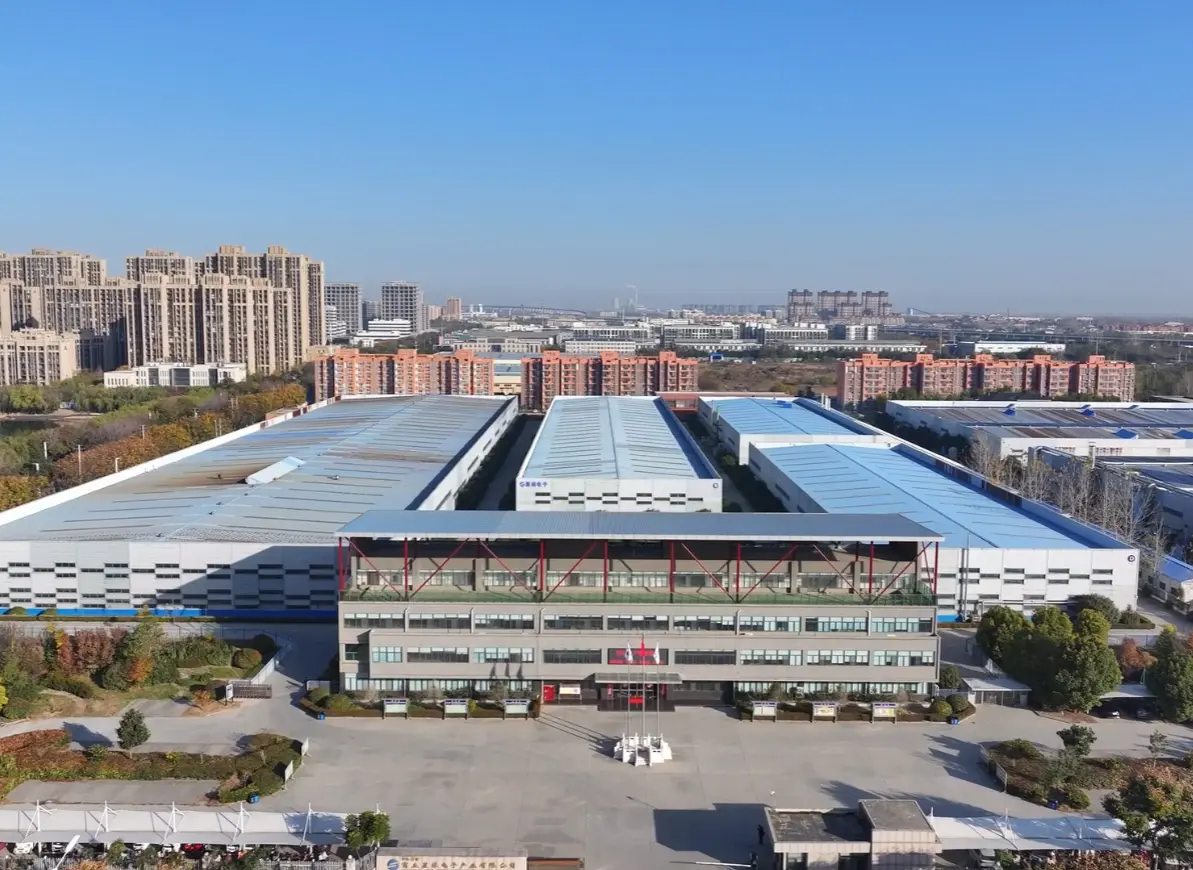
Founded at the turn of the millennium, Zhejiang Laysun Magnetics Ltd. has evolved from a visionary startup into a recognized high-tech leader. Headquartered in Zhejiang with a state-of-the-art 100,000 m² production facility located in Suining, Sichuan, we focus on the research, development, production, and worldwide distribution of high-performance rare earth NdFeB magnets.
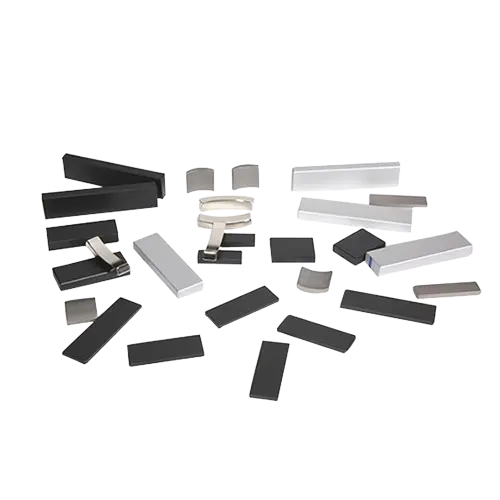
Our permanent magnets are essential elements in electric vehicles, high-speed industrial motors, consumer electronics, and robotic automation, working alongside lightweight structural housings to maximize overall efficiency.
Innovative Technology, Scalable Production, and Uncompromised Quality Standards
Our business is built on four pillars: Quality, Credibility, Technology, and Innovation. These core commitments ensure that we deliver magnetic and structural solutions that meet our clients' exact specifications.
Our active R&D pipeline focuses on materials science, studying the interaction between permanent magnetic fields and lightweight structural casings. We continuously refine our production processes to optimize performance, control costs, and reduce structural weight.
With an annual output of 5,000 tons of NdFeB rare earth magnets, our modern factories handle high-volume demands efficiently. We maintain strict supply chain security and consistent mechanical and magnetic tolerances across all production runs.
Serving Advanced Technology Sectors Where Lightweight Construction Meets High-Performance Electromagnetics

Optimizing robotic joints and servo actuators with high-torque NdFeB magnets housed in lightweight, vibration-damping magnesium casings.

Maximizing flight times and payload capabilities by using lightweight magnesium alloys and power-dense permanent magnet motors.

Enhancing drive units, EPS systems, and structural brackets for improved thermal management and total vehicle weight reduction.
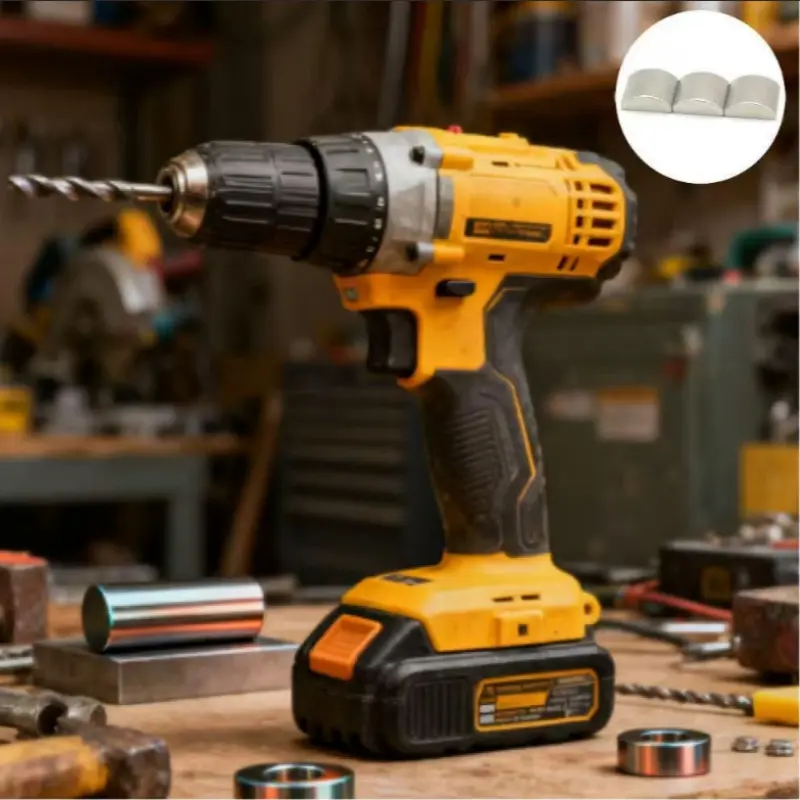
Providing impact-resistant, ergonomic tool housings and motor drives that stand up to tough operating conditions.

Delivering thin-walled magnesium alloy laptop enclosures and phone rings integrated with strong Neodymium assemblies.
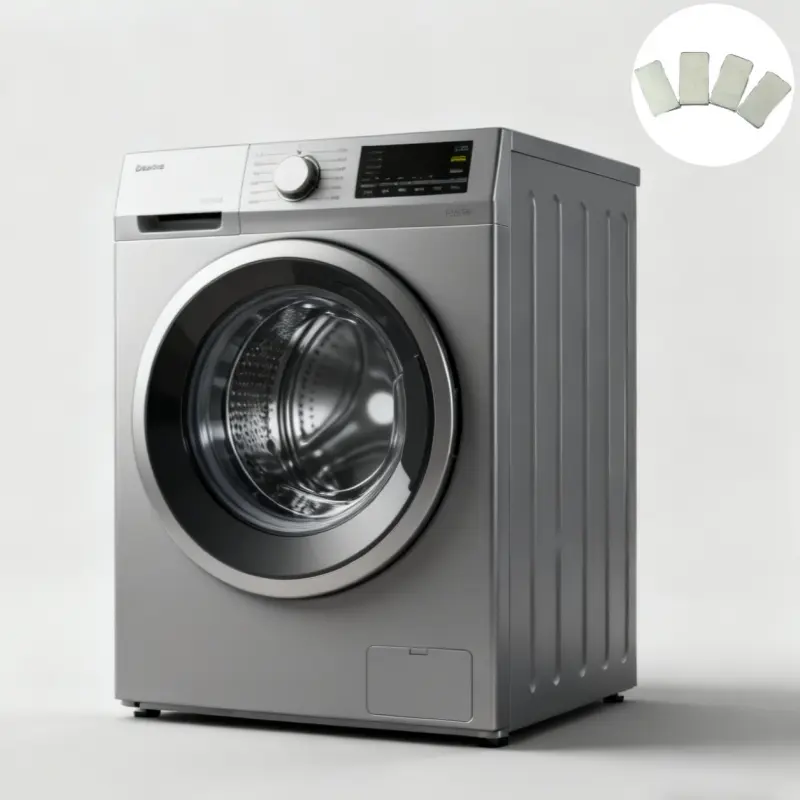
Powering modern smart appliances with energy-efficient brushless motors and noise-dampened structural frames.
Compliant with Global Industrial and Quality Standards
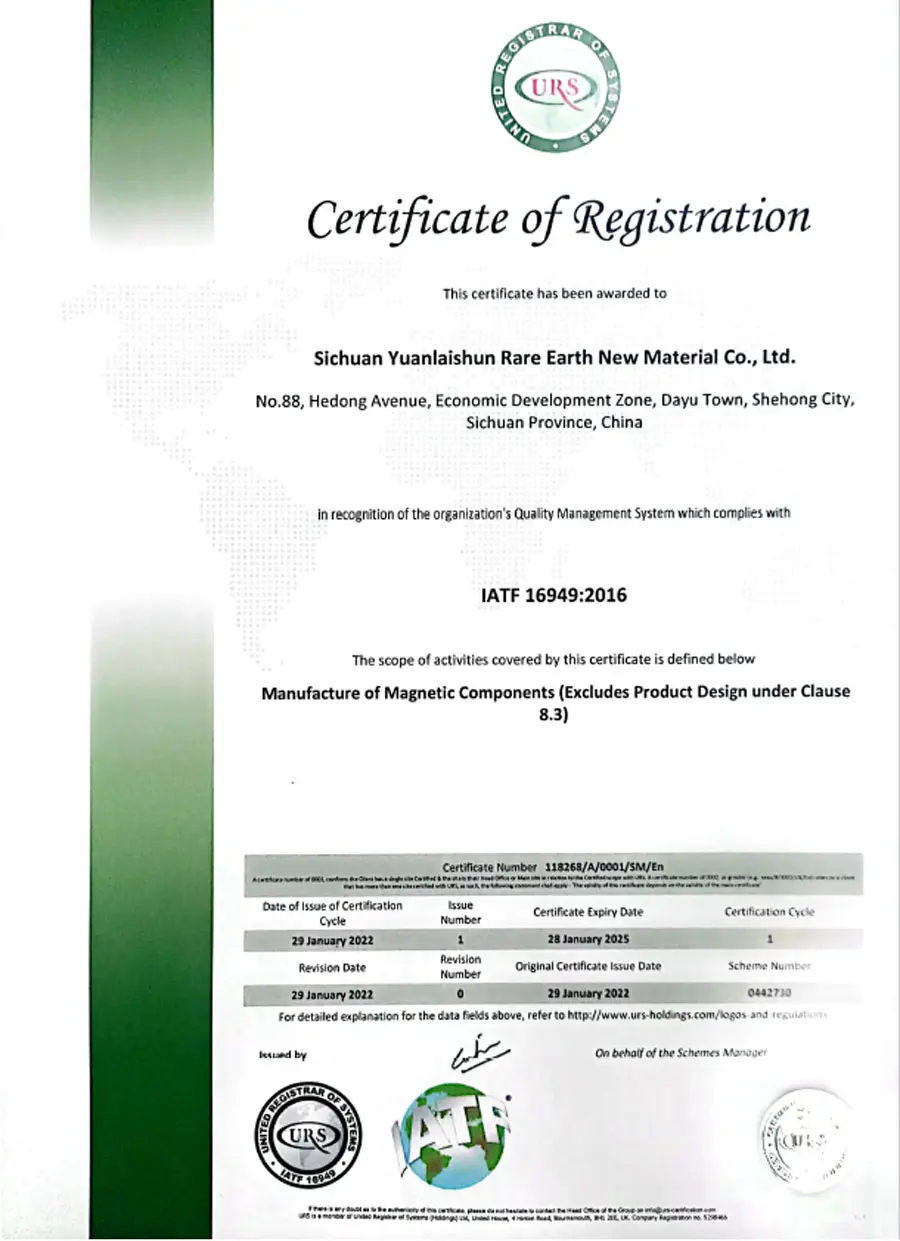
Our production facilities maintain strict quality and environmental certifications, including ISO9001, ISO14001, ISO18001, CE, API 6D, API 607, and TS16949. These rigorous standards ensure consistent mechanical and magnetic performance across all batches.
Whether exporting high-purity magnesium structural parts or high-magnetic-energy NdFeB motor cores, we implement strict traceability protocols and advanced dimensional controls.
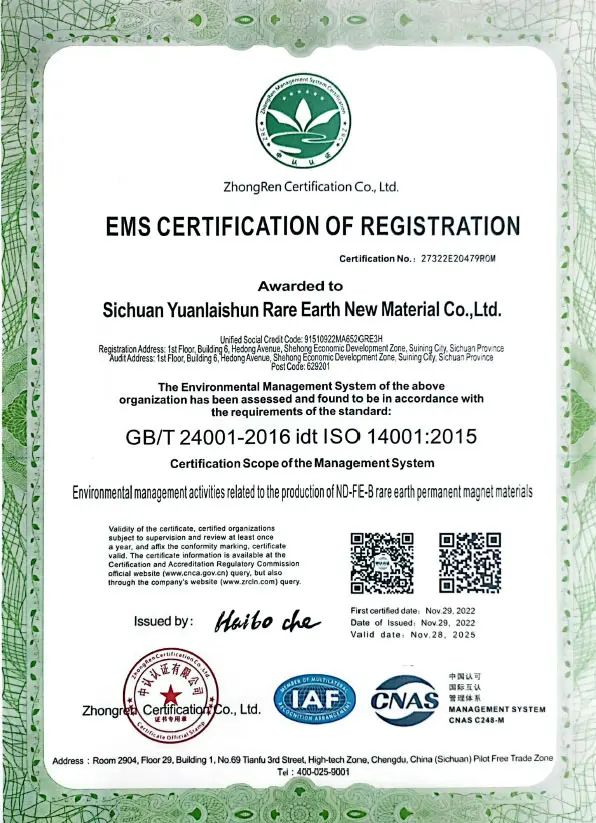
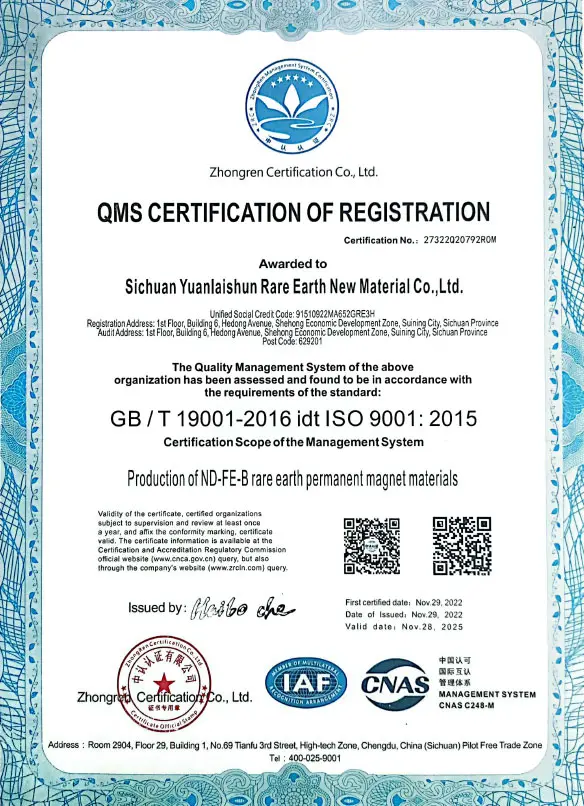
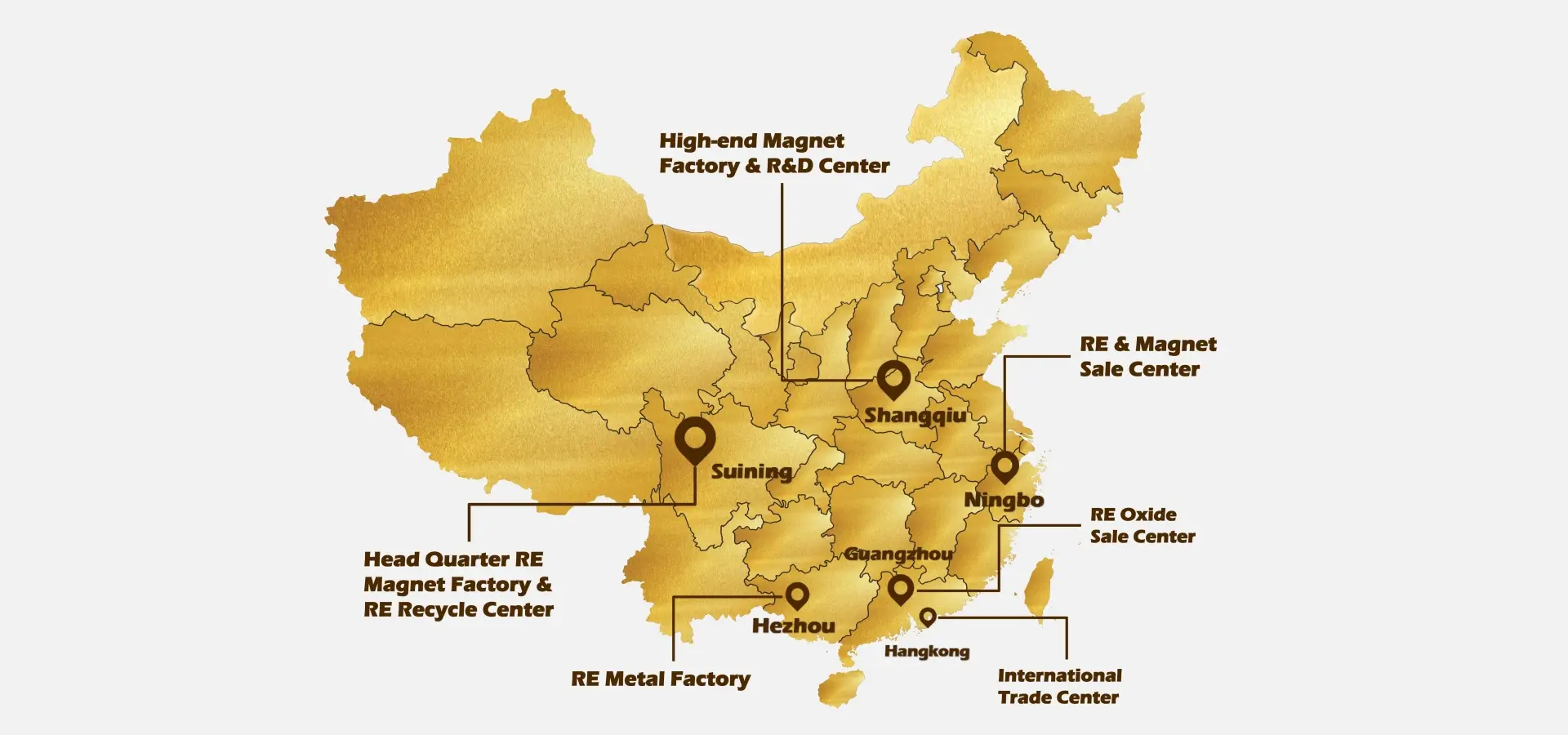
From our headquarters in Hangzhou and our specialized production bases, Zhejiang Laysun Magnetics Ltd. operates a global service network to support clients across North America, Europe, and the Asia-Pacific region.
Answering Key Technical Concerns for Procurement Managers and Systems Engineers
AZ91D is the industry standard for general structural applications. It offers excellent flowability in high-pressure die casting, high corrosion resistance, and good tensile strength (230 MPa). For applications demanding higher impact energy absorption (e.g., crash structures, automotive steering wheels), AM60B or AM50A is preferred due to their higher elongation rates (up to 15%).
Standard magnesium alloys like AZ91D show a decline in tensile strength and yield strength when operating temperatures exceed 120°C. For high-temperature environments (up to 200°C–250°C), engineers specify alloys modified with rare earth elements (RE) or calcium (Ca). These additions stabilize the grain boundaries and reduce creep, maintaining structural integrity at elevated temperatures.
Magnesium alloys provide two key forms of protection: kinetic protection via their excellent vibration-damping capacity, which shields fragile sintered NdFeB magnets from mechanical impacts, and electromagnetic compatibility (EMC), which blocks external electrical noise to maintain stable magnetic performance.
To prevent galvanic corrosion—particularly when magnesium parts are in direct contact with steel fasteners—we use surface treatments like micro-arc oxidation (MAO), chemical conversion coatings, and e-coating. Using aluminum fasteners or non-conductive isolation washers also helps prevent galvanic coupling.
Explore our complete range of specialized permanent magnets, mounting systems, and motor assemblies manufactured to rigorous quality standards.
For inquiries about our high-performance NdFeB magnets, custom assemblies, or structural casing integration solutions, please submit your contact details. Our engineering team will get back to you within 24 hours.
 Laysun Magnetics