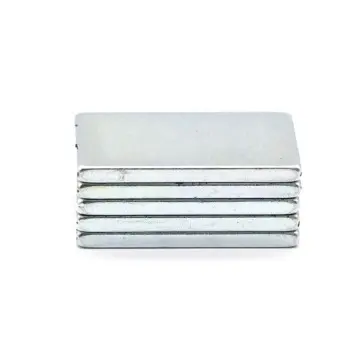
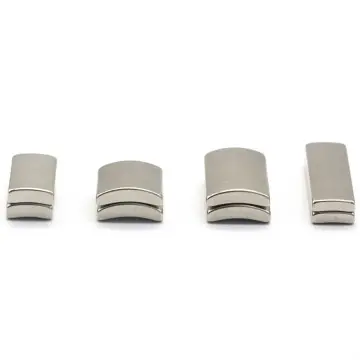
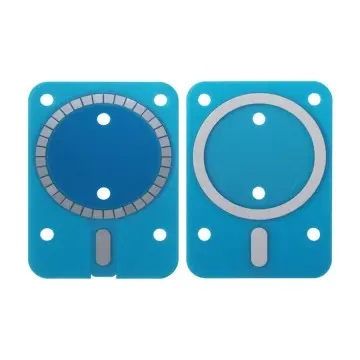
Explore our high-performance industrial NdFeB magnet grades customized for automotive EPS, heavy lifting, and motor generation designs.
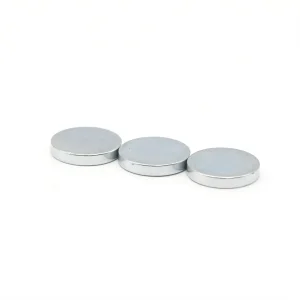
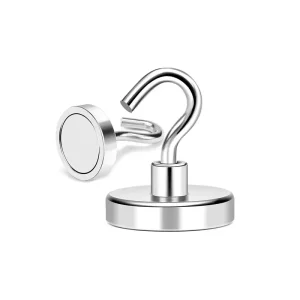
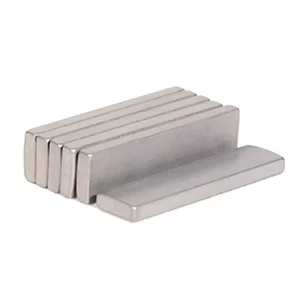
Established in 1999, Zhejiang Laysun Magnetics Ltd. has surfaced as a national high-tech leader in the production and customization of industrial rare earth permanent magnets. Over more than two decades, our operation has scaled to encompass state-of-the-art smelting, sintering, precision slicing, electroplating, and multipolar magnetization systems designed to fulfill high-tolerance iron and NdFeB magnetizations.
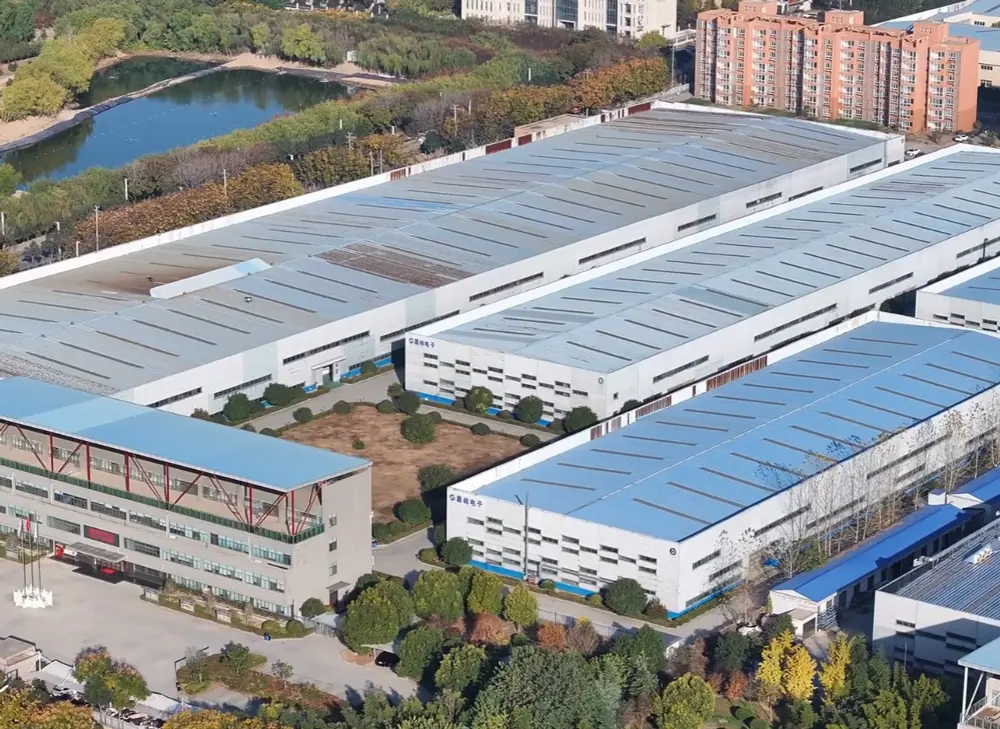
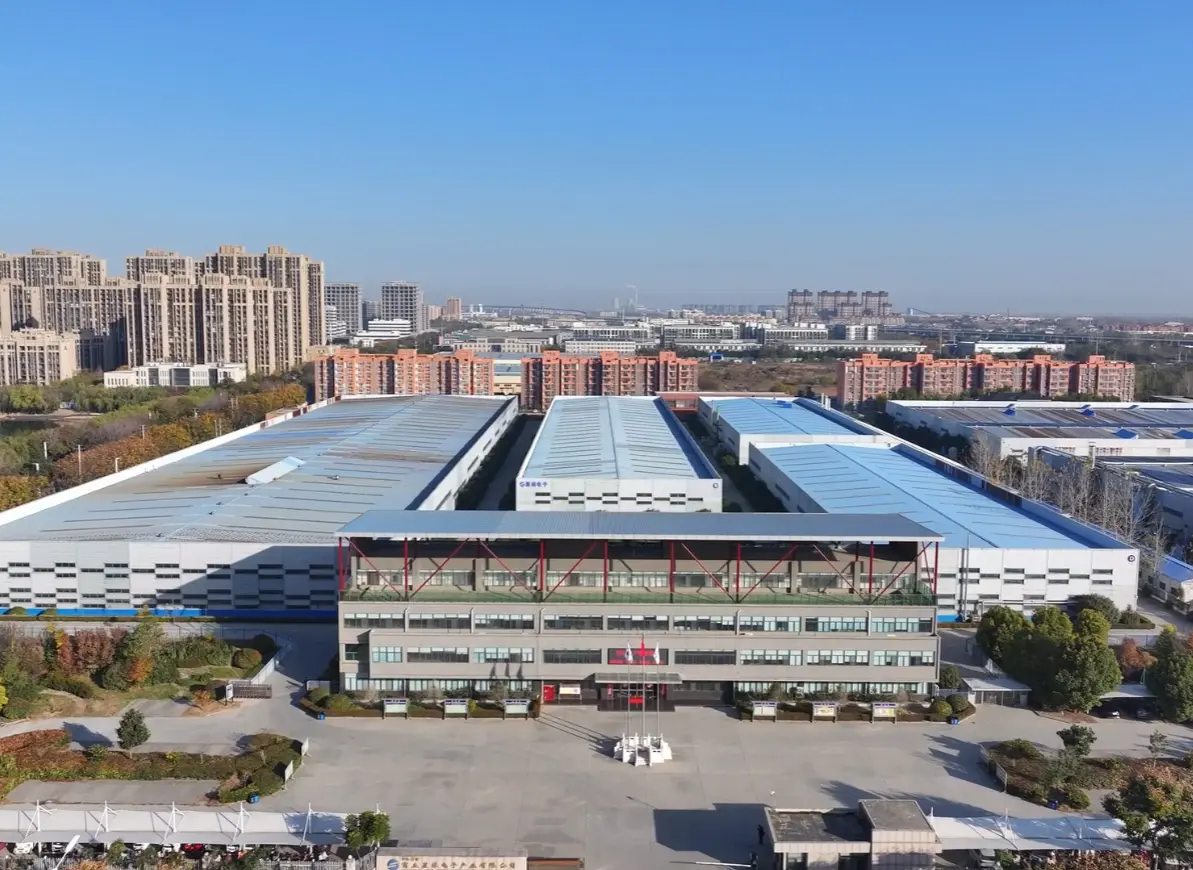
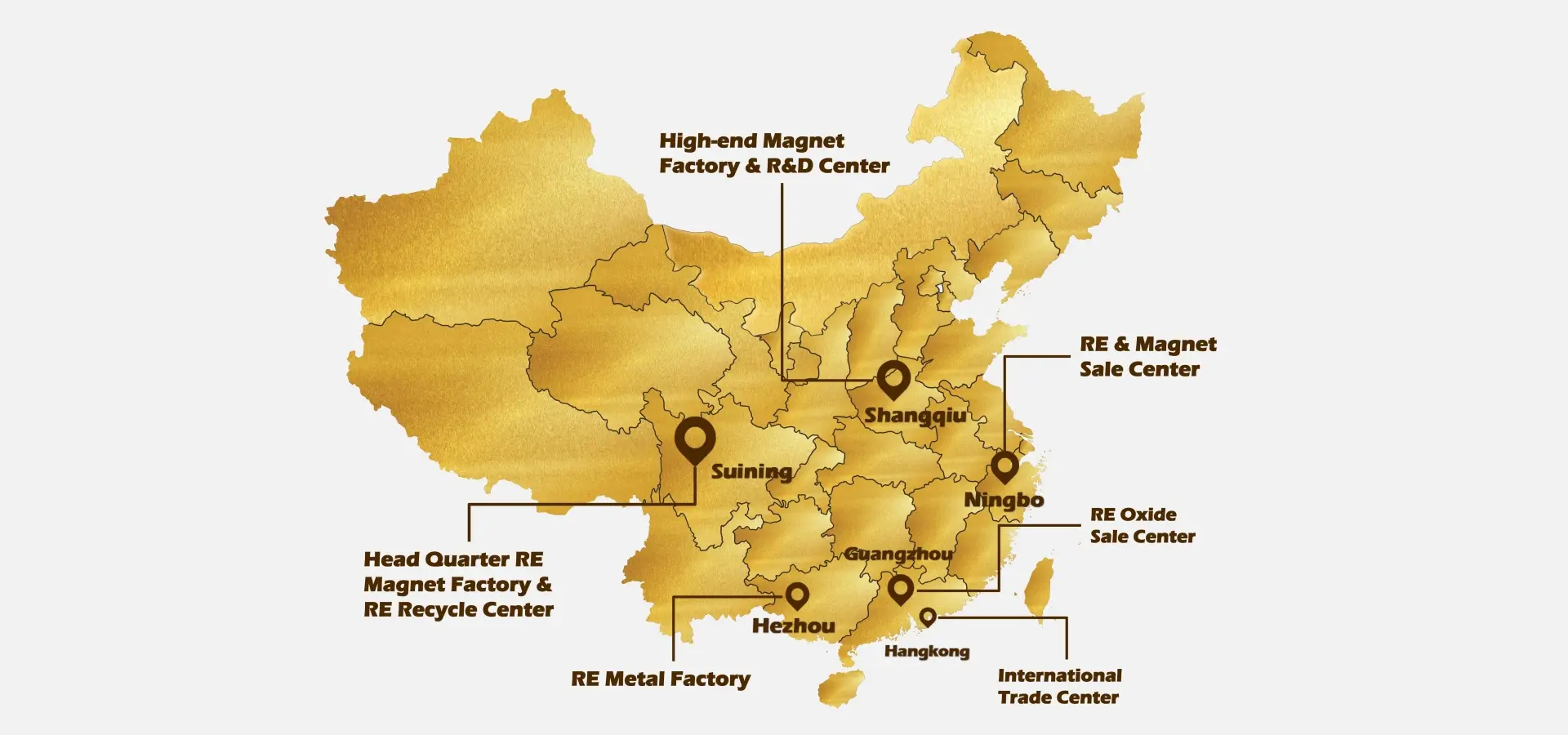
Operating from our comprehensive manufacturing facility encompassing 100,000 square meters in Suining, Sichuan, and supported by our technical sales center in Hangzhou, China, Laysun Magnetics addresses the rigorous procurement requirements of leading developers in Electric Vehicles (EV), robotics, wind turbine rotor generators, and premium consumer electronics.
The physics of iron magnetization in industrial applications concerns the alignment of magnetic moments inside composite ferromagnetic metals, iron matrices, and rare-earth alloys (NdFeB). In its native state, iron-based materials contain randomized magnetic domains resulting in zero net external magnetic flux. The transition to high-performance permanent magnet status requires precise mechanical and electromagnetic conditioning.
Contemporary manufacturing involves generating ultra-high magnetic pulses—frequently exceeding 3 to 5 Tesla—via specialized copper solenoids configured in axial, radial, or complex multi-pole distributions. By adjusting field orientation during the metallurgical sintering phase or utilizing specialized post-sintering impulse magnetizers, exporters manage internal anisotropy. This custom engineering ensures that elements such as Electric Power Steering (EPS) motors or high-efficiency wind turbine rotors realize peak output while limiting internal eddy current generation.
International procurement teams are placing greater technical demands on global suppliers. The integration of NdFeB magnets into traction motors for electric vehicles requires components that resist demagnetization under operating conditions exceeding 150°C to 200°C. Heavy industrial machinery demands robust corrosion protection, and automated medical instruments call for precise dimensional tolerances.
To meet these demanding operating requirements, advanced formulations leverage Grain Boundary Diffusion (GBD) processes. By introducing heavy rare earths like Dysprosium (Dy) or Terbium (Tb) along the material's grain boundaries rather than throughout the entire matrix, manufacturers improve coercivity ($H_{cj}$) without sacrificing remanence ($B_r$) or incurring prohibitive raw material costs. Consequently, international procurement teams are moving from generic magnet specifications to customized solutions where grade, coating thickness, and magnetic profile are configured for the target environment.
As manufacturing transitions toward automated operations, Chinese suppliers are modernizing their facilities to ensure consistency in bulk magnet production. Industrial units like our 100,000 m² Suining plant feature digitized processing lines that govern every stage—from vacuum induction melting and strip casting to hydrogen decrepitation and jet milling.
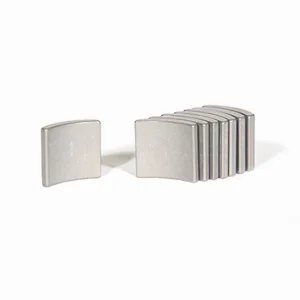
These automated setups help keep oxygen levels low during powder processing, which is vital for preventing the degradation of magnetic characteristics in fine NdFeB particles. In addition, real-time laser monitoring and automated size checks guarantee dimensional precision on custom blocks and arc segments. Multi-layer surface plating lines—depositing protective layers of Ni-Cu-Ni, epoxy, zinc, or specialized aluminum coatings—ensure consistent performance across challenging automotive and industrial environments.
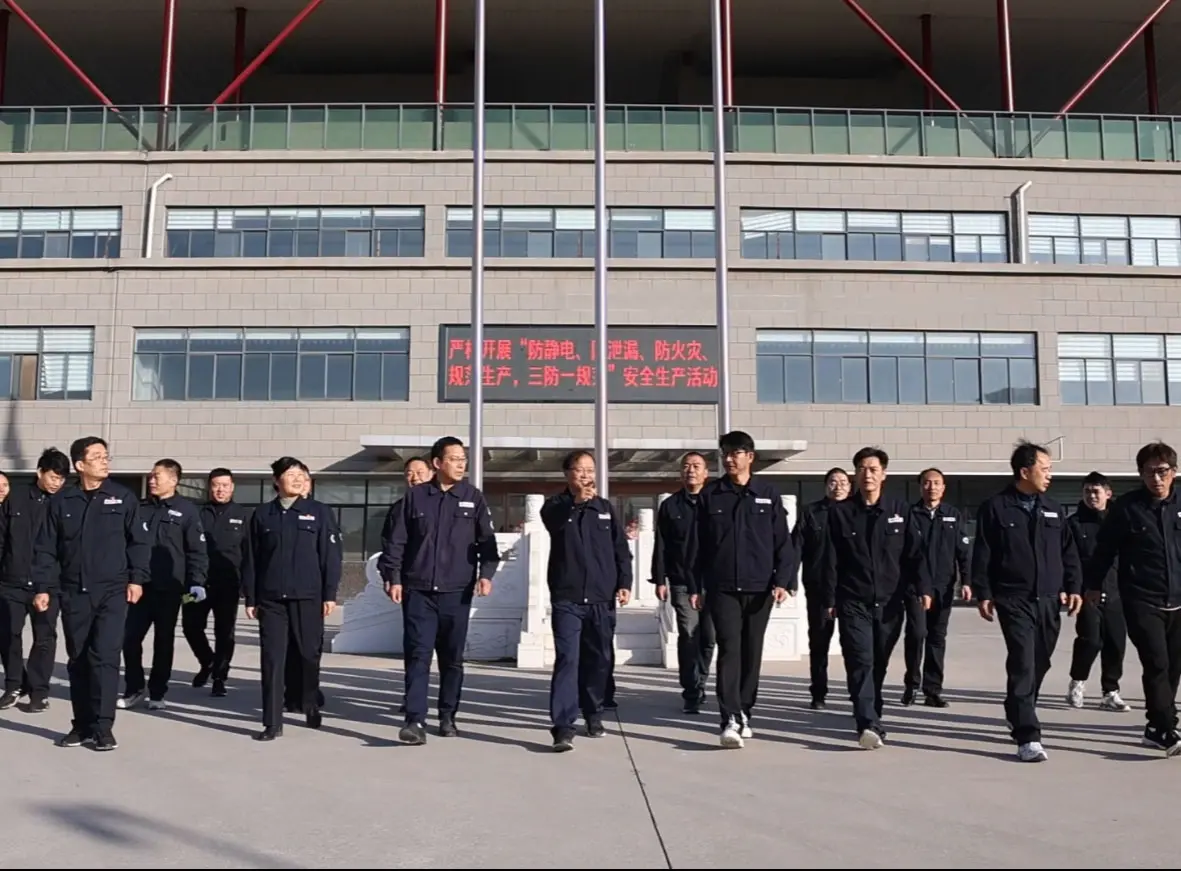
Figure 1: Fully automated vacuum sintering furnace at Zhejiang Laysun Magnetics Ltd.
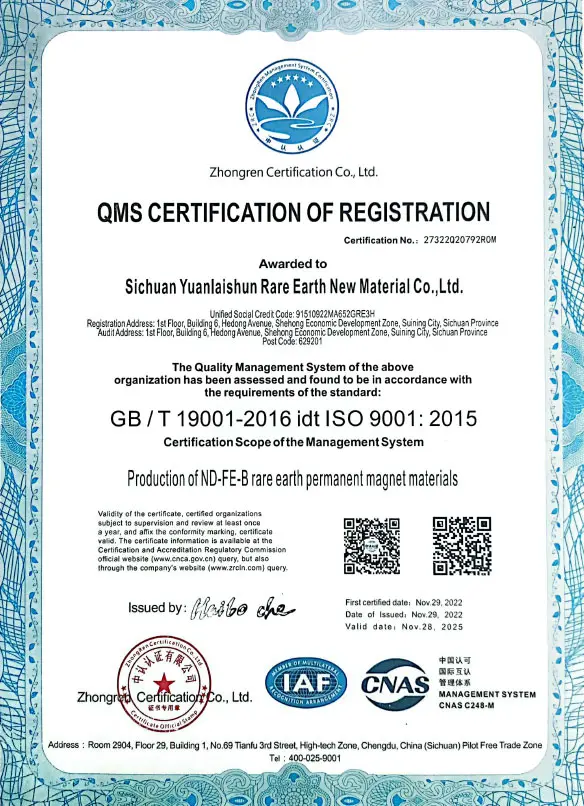
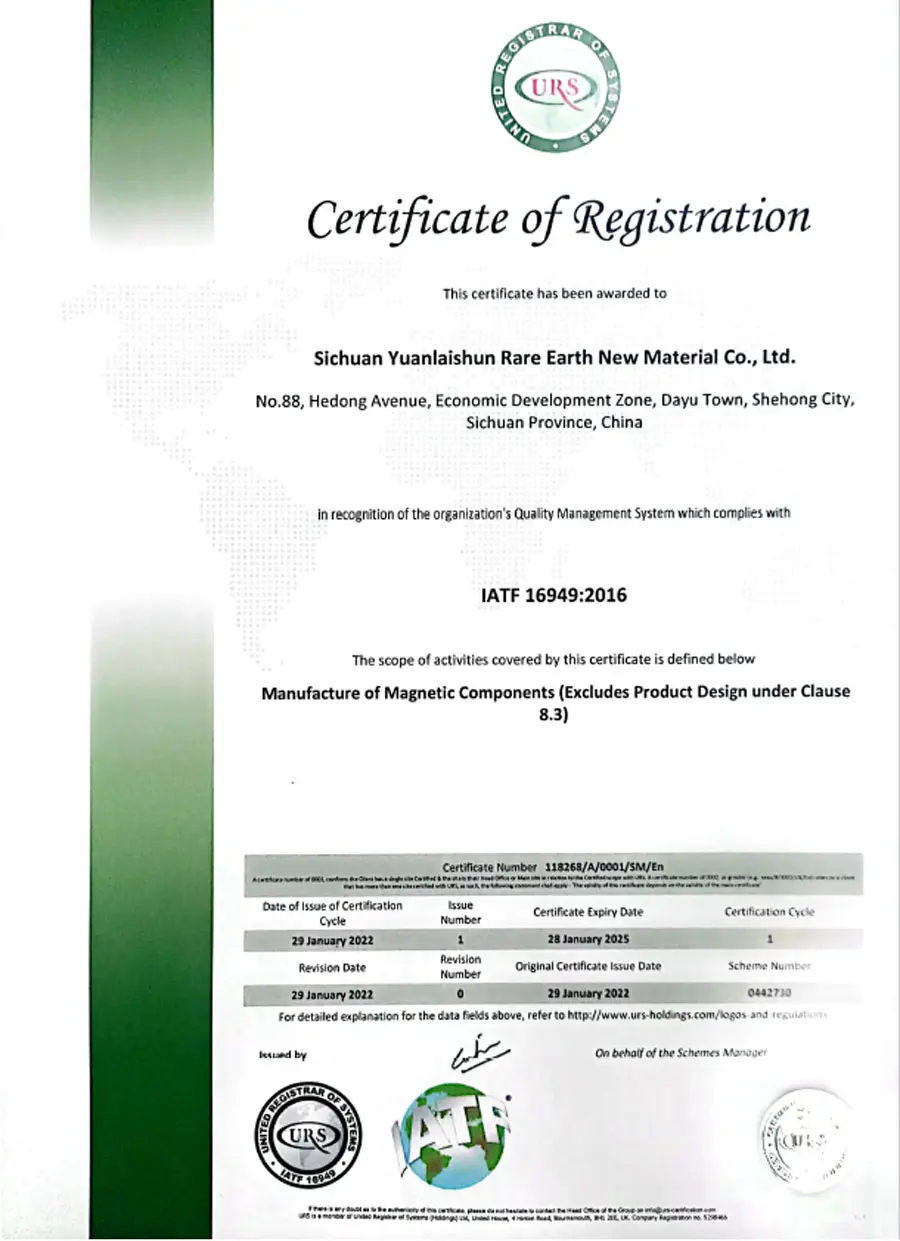
Our manufacturing procedures are certified to meet international industrial benchmarks, including API 6D, API 607, CE, ISO9001, ISO14001, ISO18001, and automotive-level quality standards. We perform comprehensive quality inspections on every batch:
Our rare earth magnets power crucial systems in primary manufacturing, transportation, consumer technology, and clean energy generation.
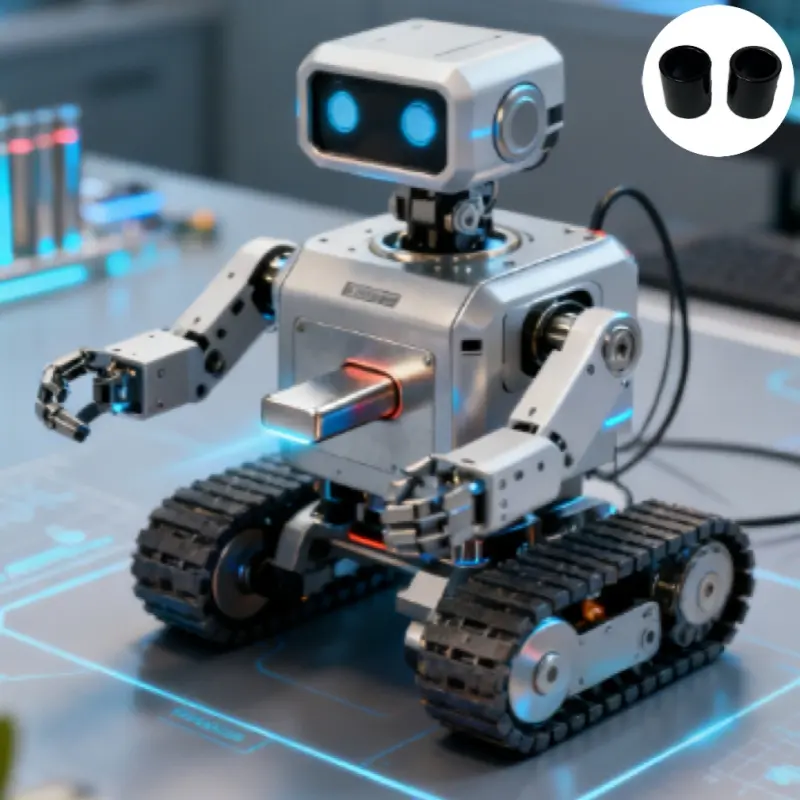
High-torque servo actuators and joint controllers require miniature, high-energy NdFeB components to ensure rapid response times and consistent positional accuracy.
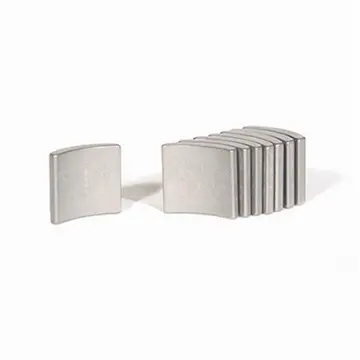
Lightweight brushless outrunner motors utilize custom arc segments to maximize power-to-weight ratios, helping extend flight windows and battery efficiency.
High-grade SH, UH, and EH NdFeB magnets support traction motors and Electronic Power Steering (EPS) columns, maintaining stable operation in high-temperature environments.
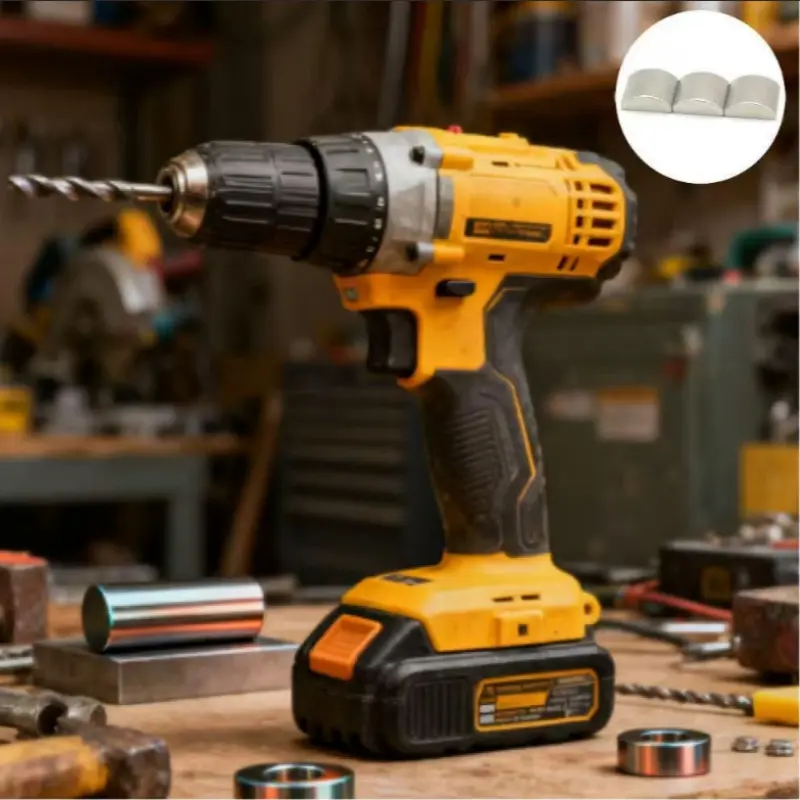
Compact, high-torque brushless motors in cordless drills, saws, and industrial assembly tools use high-coercivity magnets to sustain heavy workloads.
Ultra-thin ring magnets support smartphone speakers, haptic linear vibrators, and magnetic MagSafe mounts with reliable clamping forces.
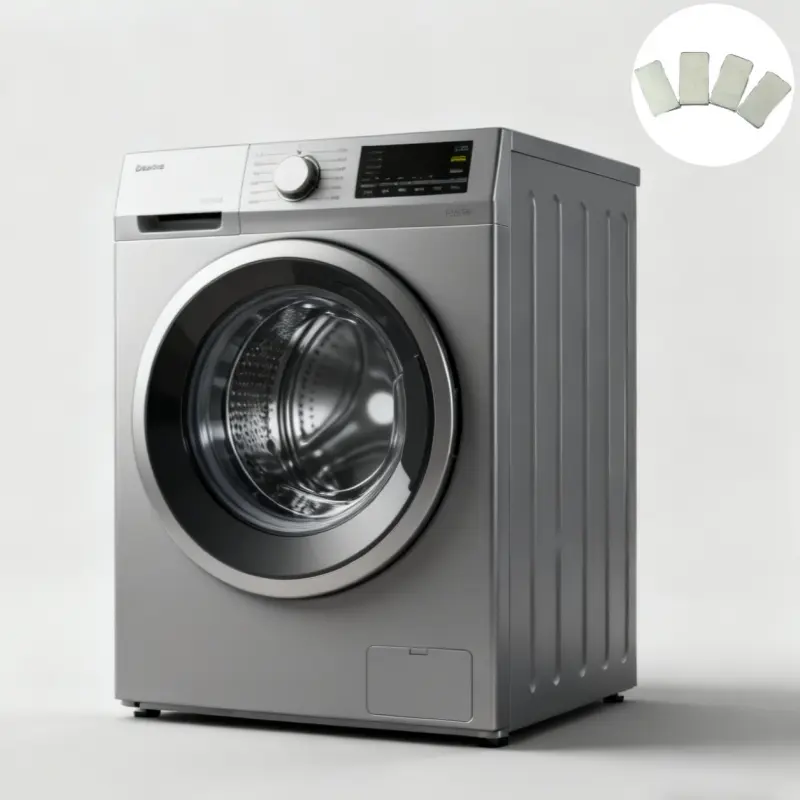
Variable-frequency drive motors in air conditioners, washing machines, and refrigerator compressors rely on permanent magnets to reduce energy consumption.
Headquartered in Hangzhou, China, Eneroc and Laysun Magnetics are building worldwide subsidiaries and offices to support our customers. We provide localized engineering consulting, magnetic modeling, and rapid prototyping services to keep global supply chains moving efficiently.
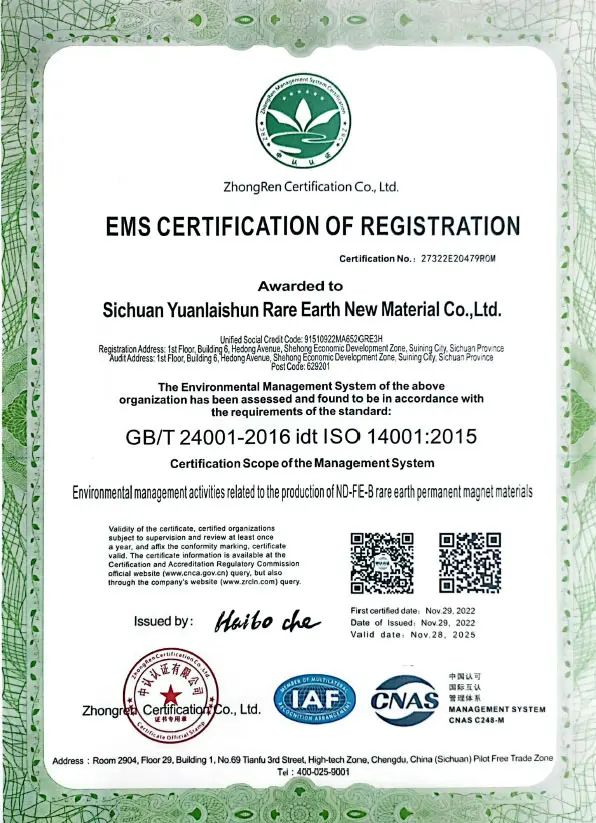
Our manufacturing facilities in Sichuan and Zhejiang have earned a range of international quality and safety certifications. We perform rigorous audits on incoming raw materials, intermediate compounds, and finished magnetic units to ensure compliance with global regulatory and safety standards.
API 6D, API 607, CE, ISO9001, ISO14001, ISO18001, TS. (If you need our certificates, please contact our technical sales team for documentation.)
For inquiries about our custom magnetization services, product specifications, or wholesale price lists, please share your requirements. Our engineering team will follow up within 24 hours.
Provide your design parameters, including required $BH_{max}$, operating temperatures, dimensional tolerances, and volume requirements, to receive a prompt evaluation.
Find answers to technical questions about alloy grades, magnetization options, thermal characteristics, and lead times.
Isotropic magnets have identical magnetic properties in all directions, allowing them to be magnetized along any axis. However, they deliver lower energy output. Anisotropic magnets are aligned along a specific magnetic direction during the pressing stage of manufacturing. This alignment yields significantly higher energy density ($BH_{max}$) along the designated orientation axis.
We leverage Grain Boundary Diffusion (GBD) technology, which introduces dysprosium (Dy) or terbium (Tb) precisely where it is needed along the magnetic grain boundaries. This technique raises the material's intrinsic coercivity ($H_{cj}$), enabling it to resist thermal demagnetization at temperatures up to 220°C (EH and AH series) without lowering the magnet's remanence ($B_r$).
Since NdFeB contains high concentrations of iron, it is susceptible to oxidation. We offer multi-layer coatings to protect the underlying structure, including triple-layer Nickel-Copper-Nickel (Ni-Cu-Ni), epoxy resin, electroplated zinc, tin, gold, and specialized passivated finishes. These coatings are tested in salt spray chambers to ensure durability in marine and humid industrial environments.
Yes. We build custom magnetizing fixtures to generate complex configurations, including multi-pole radial alignments, skewed layouts, and custom concentric arrays. Our engineering team designs these fixtures to match your motor's design, helping minimize cogging torque and maximize operational efficiency.
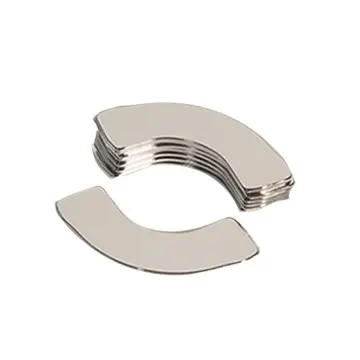
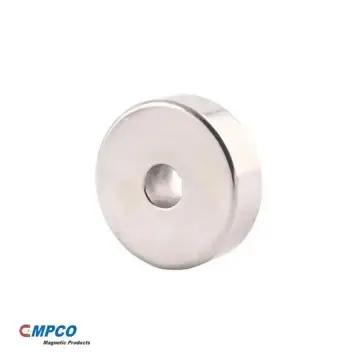
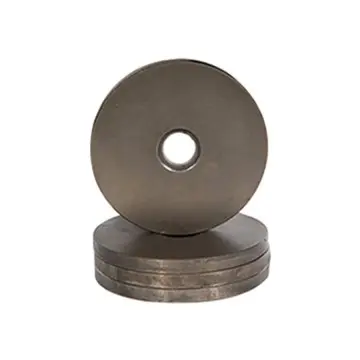
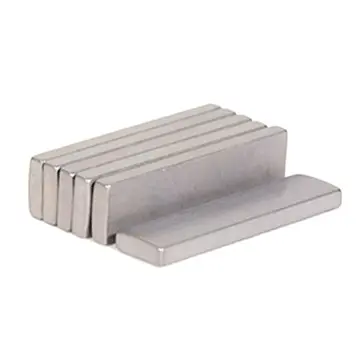
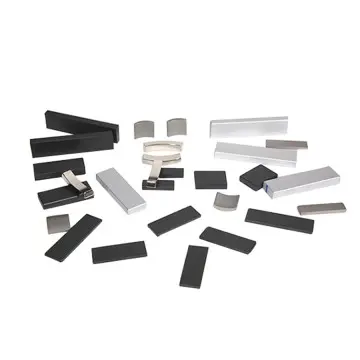
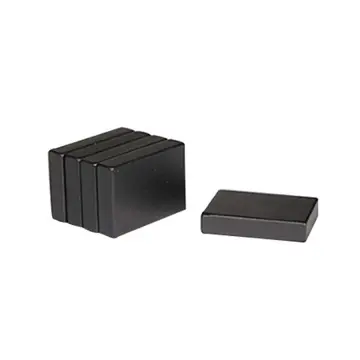
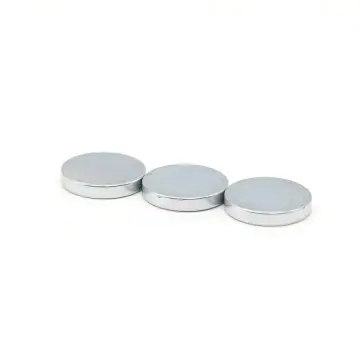
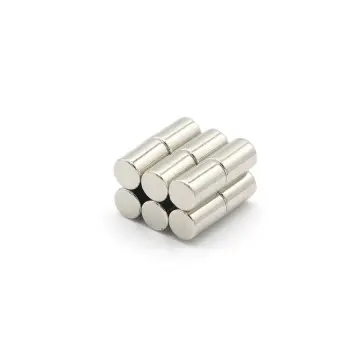
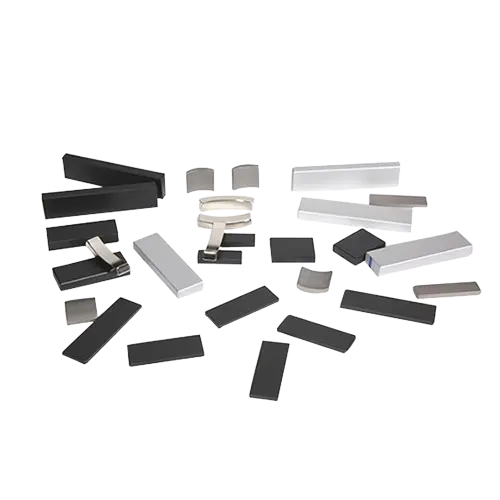
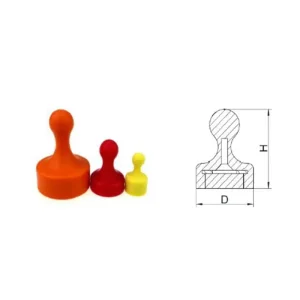
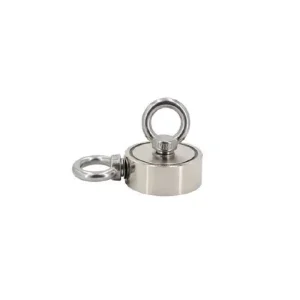
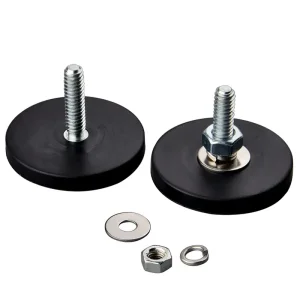
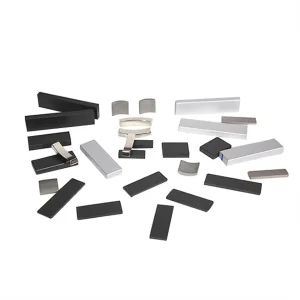
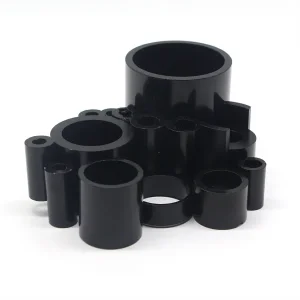
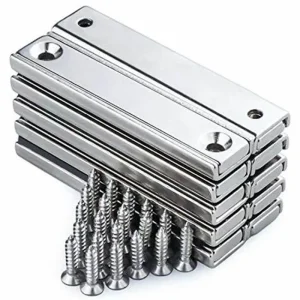
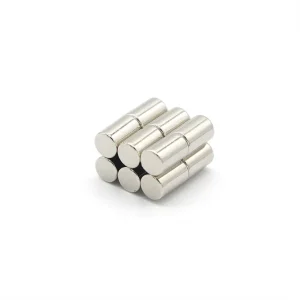
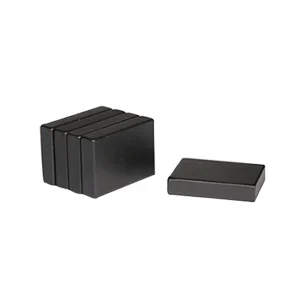
Select from our specialized line of ring, block, cylinder, and rubber-coated permanent magnets built for industrial performance.
 Laysun Magnetics