Cheap Materials Needed For Magnetic Separation

A B2B Strategic Procurement & Material Engineering Guide for High-Efficiency Magnetic Separation Systems

High-Performance Magnetic Separation Components

Premium rare-earth permanent solutions engineered to optimize field gradients and maximize material recovery index.
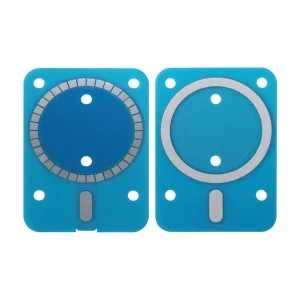
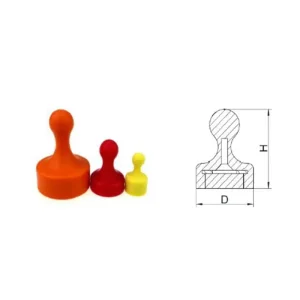
Magnet Circle For Magnetic Ring For Phone

Buy Magnet Circle For Magnetic Ring For Phone Manufacturer, Exporter

Request Quotation →
China Neodymium Pin Magnet

China Neodymium Pin Magnet – Plastic or Nickel coating Product, Exporter

Request Quotation →
OEM Neodymium magnets for voice coil motors

OEM Neodymium magnets for voice coil motors Factory, Suppliers

Request Quotation →
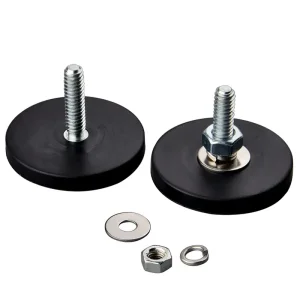
Custom NdFeB Rubber Coated Magnet

Custom NdFeB Rubber Coated Magnet in different styles Factories, Suppliers

Request Quotation →
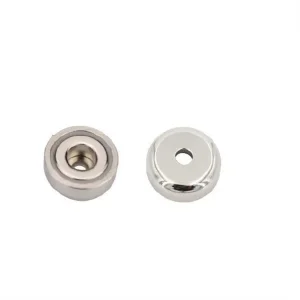
Buy NdFeB Pot Magnet Style A

Buy NdFeB Pot Magnet Style A with nickel coating Company, Suppliers

Request Quotation →
China Neodymium Magsafe Magnet

China Permanent Ring Strong Neodymium Magsafe Magnet Exporters, Quotes

Request Quotation →
OEM NdFeB Pot Magnet Style C

OEM NdFeB Pot Magnet Style C with nickel coating Company, Factory

Request Quotation →
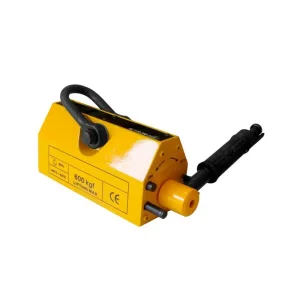
China NdFeB Magnet Lifter 1000kg

China NdFeB Magnet Lifter - 1000KG Lifting Capacity with Strong Neodymium Magnets Company, Exporter

Request Quotation →

Technical Whitepaper: Materials Needed for Magnetic Separation

A comprehensive analysis of raw materials, circuit architectures, and procurement economics in modern industrial purification.

1. Executive Summary & Material Selection Metrics

Magnetic separation is a foundational process across heavy industry, resource reclamation, food hygiene, and electronic purification. Historically, the search for "cheap materials" in this domain was dominated by basic Ferrite/Ceramic matrices. However, modern cost efficiency is not measured by raw cost per metric ton; it is determined by the Lifetime Performance-to-Cost Index (LPCI). Over-reliance on lower-grade permanent magnets often results in premature demagnetization, poor retrieval yields, and catastrophic process contamination downstream.

By strategically combining low-cost base materials with high-gradient permanent rare-earth structures (like Neodymium Iron Boron, or NdFeB), operators can design magnetic separators that provide maximum field force gradients without inflating capital expenditures.

Material Type Relative Raw Cost (Base Index) Magnetic Flux Density (Gauss Range) Maximum Work Temperature (°C) Primary Application Field
Hard Ferrite (Ceramic) 1.0 (Lowest Cost) 1,000 - 3,500 G 250°C Large Tramp Iron Separation, Pulleys, Drum Separators
AlNiCo Alloys 3.5 (Medium Cost) 3,000 - 5,000 G 450°C - 550°C High-Temperature Industrial Furnaces, Foundry Operations
Sintered NdFeB (Rare Earth) 6.0 (High Cost) 6,000 - 15,000+ G 80°C - 200°C Micro-Contamination Removal, Food & Pharma Cleaners, EV Rotors
Samarium Cobalt (SmCo) 9.0 (Highest Cost) 8,000 - 11,000 G 300°C - 350°C Highly Corrosive Chemical Processors, Aerospace Sensors

2. Global Commercial & Industrial Status

The global demand for magnetic separation technology is expanding at an estimated CAGR of 6.2% through 2030, driven by the surge in green technology industries and stringent regulatory standards in bulk processing.

  • North America & Europe: Rigid environmental compliance directives (such as the EU Circular Economy Action Plan) require heavy reclamation of ferrous and non-ferrous fractions from e-waste and municipal solid waste. High-intensity magnetic separation using neodymium arrays is mandatory for battery recycling plants recovering black mass.
  • Asia-Pacific: China remains the manufacturing epicentre for both magnetic separation hardware and raw material refinement. Access to rare-earth mines and vertically integrated processing allows manufacturers to optimize the supply chain, supplying robust industrial arrays at a fraction of the cost of localized Western assembly.
  • Latin America & Africa: Rapid growth in hard-rock mining and tailings processing requires high-throughput wet magnetic drums. Cost constraints demand hybrid configurations where rugged ferrite blocks provide the primary magnetic field, and rare earth inserts concentrate the field at the separation boundary.

3. Strategic Technological Trends & GBD Advancements

Historically, using Neodymium (NdFeB) at scale was prohibitively expensive due to fluctuating rare-earth market volatility. However, recent breakthroughs in Grain Boundary Diffusion (GBD) technology have revolutionized NdFeB manufacturing. By diffusing heavy rare earth elements like Dysprosium (Dy) or Terbium (Tb) only through the grain boundaries instead of alloying them throughout the entire magnet, manufacturers have dramatically reduced the cost of high-coercivity, high-temperature magnets.

In parallel, the rise of custom Halbach Arrays has allowed engineers to optimize cheaper, lower-grade magnets. By arranging magnets in a specific, spatially rotating pattern of magnetic field directions, the magnetic flux on one side of the array is reinforced while canceling the field on the opposite side. This effectively doubles the surface Gauss on the working face of the separator using standard, affordable raw materials.

4. Localized Application Scenarios & Integration

The deployment of magnetic separation equipment varies by industry and operational conditions. Understanding these environments is crucial when specifying material parameters:

  • Primary Metal & Recycling Plants (ASR): Large overhead plate magnets use thick ferrite blocks to pull coarse iron bars and bolts from heavy, high-speed conveyors. The low cost of ferrite makes these large-scale systems economically viable.
  • Food, Pharma, and Chemical Safety: Any iron contaminant, even fine metallic dust, can lead to product recalls. These applications require stainless-steel clad magnetic tubes loaded with high-energy N52 NdFeB magnets, delivering upwards of 12,000 Gauss to trap sub-millimeter iron particles.
  • Municipal Wastewater & Mining Slurry: Acidic and highly humid environments call for protective encasements. Rubber-coated NdFeB magnets or nickel-copper-nickel electroplated coatings prevent oxidation and premature mechanical failure.

5. Technological Roadmap to 2030

The roadmap for industrial separation focuses on smart-system integration and circular-economy resource loops:

  1. Self-Monitoring Magnetic Grids: Integrating Hall-effect sensors within magnetic separation arrays to monitor real-time Gauss output, warning operators of demagnetization due to overheating or impact wear.
  2. 100% Recyclable Magnet Blocks: Developing standardized dismantling procedures for large industrial separators to recover rare-earth blocks, which can be re-processed into new magnetic compounds.
  3. Additive Magnetic Manufacturing: Utilizing 3D-printing technologies to print customized polymer-bonded magnetic cores, optimizing the shape of separation fields to target specific minerals or debris sizes.

Industrial Leadership: Zhejiang Laysun Magnetics Ltd.

Empowering global technology sectors with cutting-edge, cost-optimized rare-earth magnetic solutions since 1999.
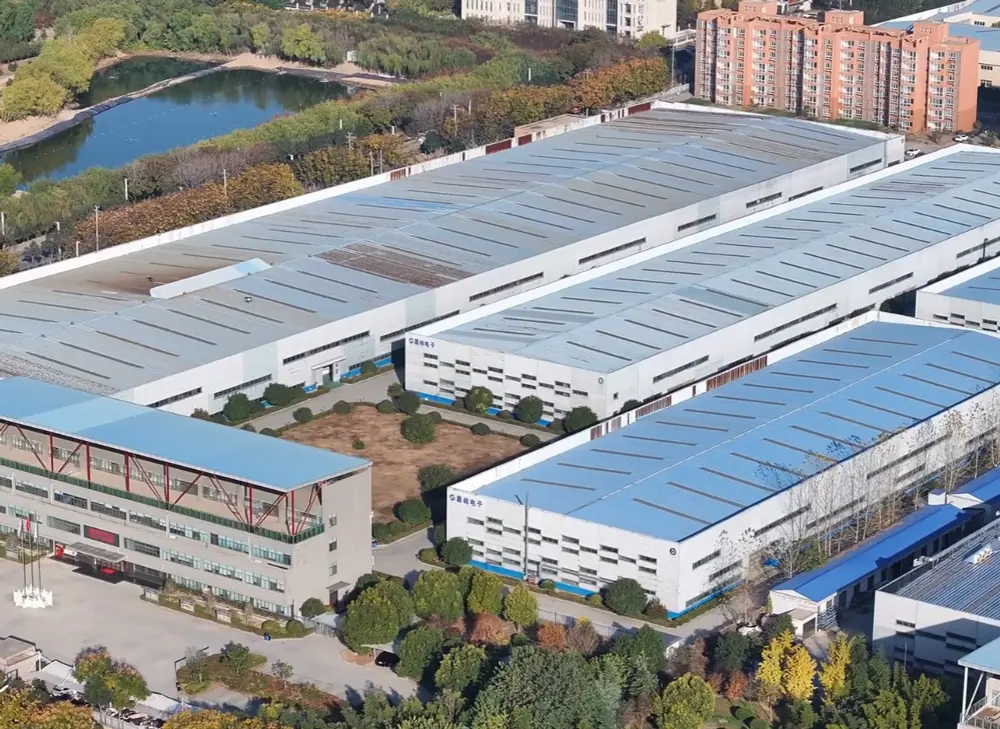
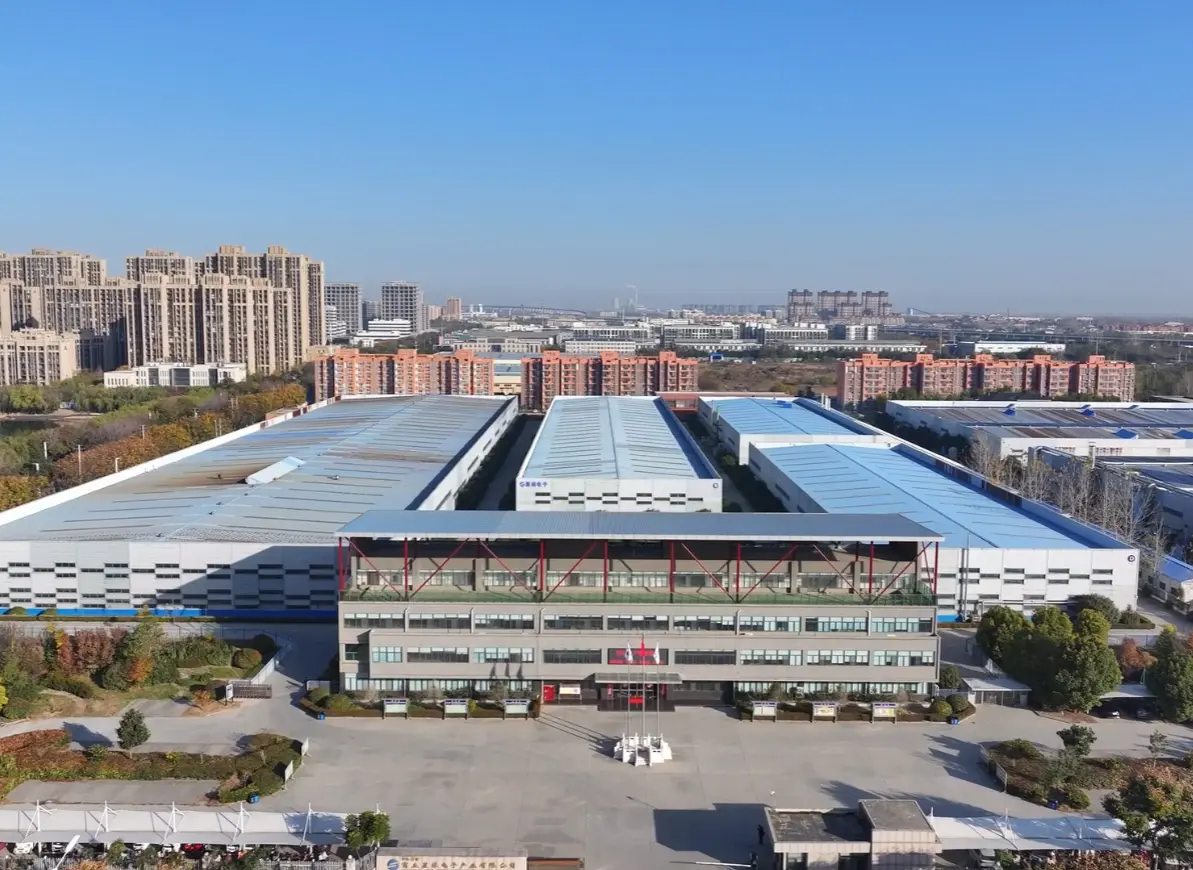
Production Facility
Magnetic Testing Line
25+
Years of Industry Experience
100,000
m² Modern Factory Area
300+
Skilled Professional Employees
5,000
Tons Annual Output Capacity

Our Journey & Quality Commitment

Founded at the turn of the millennium, Zhejiang Laysun Magnetics Ltd. has rapidly evolved from a regional visionary startup into a national high-tech manufacturing leader. Headquartered in Hangzhou, China, with a massive production facility in Suining, Sichuan, we focus on the research, production, and sales of high-performance sintered NdFeB and assembly components.

We operate on four pillars: Quality, Credibility, Technology, and Innovation. By leveraging state-of-the-art production equipment and strict quality inspection standards, we ensure that every magnet batch delivers high magnetic uniformity, thermal stability, and corrosion resistance.
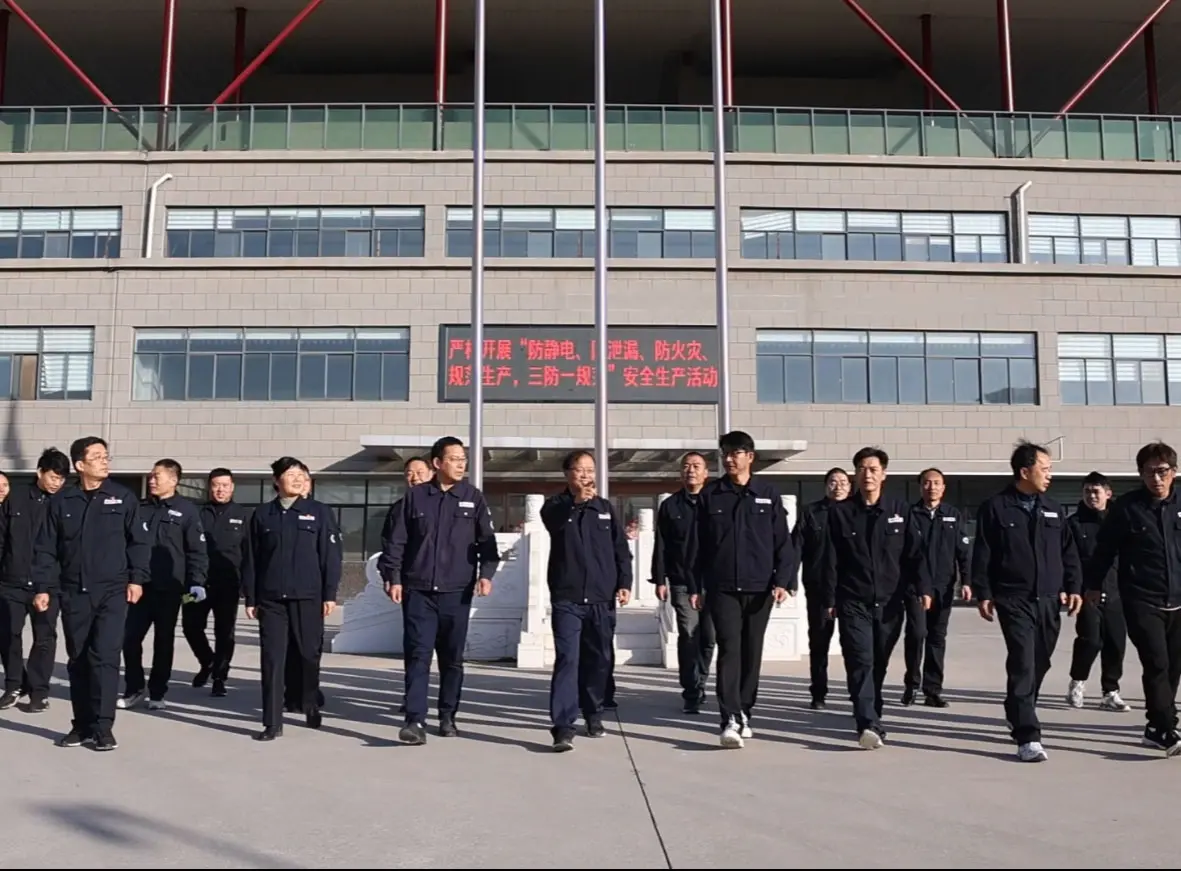
Laysun Factory

Why Choose Zhejiang Laysun Magnetics?

Whether you require high-intensity NdFeB arc segments for electric vehicles, rubber-coated pot magnets, or heavy-duty magnetic lifters, our technical expertise and massive scale guarantee premium quality with competitive pricing.

Macro Industrial Application Sectors

Custom-engineered magnetic systems for optimizing operation lifecycles across key industries.

Robotics

Robotics & Automation

Drones

Drone Propulsion Systems

EVs

Electric Vehicles (EVs)

Power Tools

High-Torque Power Tools

Consumer Electronics

Consumer Electronics

Home Applications

Smart Home Appliances

Technical Q&A / FAQ

Critical design and procurement insights compiled by our lead magnetic integration engineers.

Q1: Which material is best for high-temperature magnetic separation systems?
For operational temperatures exceeding 250°C, AlNiCo or Samarium Cobalt (SmCo) magnets are recommended due to their high thermal stability. While Neodymium magnets offer higher surface Gauss, standard grades demagnetize rapidly above 80°C. High-coercivity NdFeB grades (e.g., EH or AH series) can operate up to 200°C but are considerably more expensive.
Q2: How do you protect magnetic separation materials from corrosion in wet processing?
Raw magnetic materials, particularly sintered NdFeB, are highly susceptible to oxidation. To prevent deterioration, we apply specialized protective barriers such as triple Ni-Cu-Ni plating, epoxy resin coatings, Teflon layers, or rubber casing. For food processing and chemical applications, the entire magnet array is hermetically sealed within a heavy-gauge 304 or 316 stainless-steel tube.
Q3: What is the optimal magnetic circuit design to get the highest magnetic force at the lowest cost?
Utilizing a Halbach Array is the most cost-effective way to maximize working magnetic field strength. By orienting the magnetic pole directions in a specific sequence, the magnetic field is concentrated on one working side while canceling the field on the non-working side. This allows developers to use lower-cost materials while matching the output of larger, unoptimized high-grade blocks.
Q4: How does surface Gauss relate to magnetic gradient and pull strength?
Surface Gauss measures the magnetic flux density at the immediate surface of the magnet casing. However, the true cleaning power of a separator is determined by the magnetic field gradient (the rate of change of field strength over distance). High-gradient arrays pull particles from a distance, whereas high surface Gauss without a gradient will only hold particles that make direct contact.
Q5: Can NdFeB magnets be re-magnetized after losing magnetic strength?
Yes, if the loss of magnet strength is due to exposure to high temperatures or reverse fields (below the material's Curie point), they can be re-magnetized. However, if the demagnetization is due to structural corrosion, oxidation of the Nd-rich boundary phases, or structural cracking, the physical integrity of the magnet is lost, and it must be replaced.
Q6: What certifications are necessary for magnetic separators in export markets?
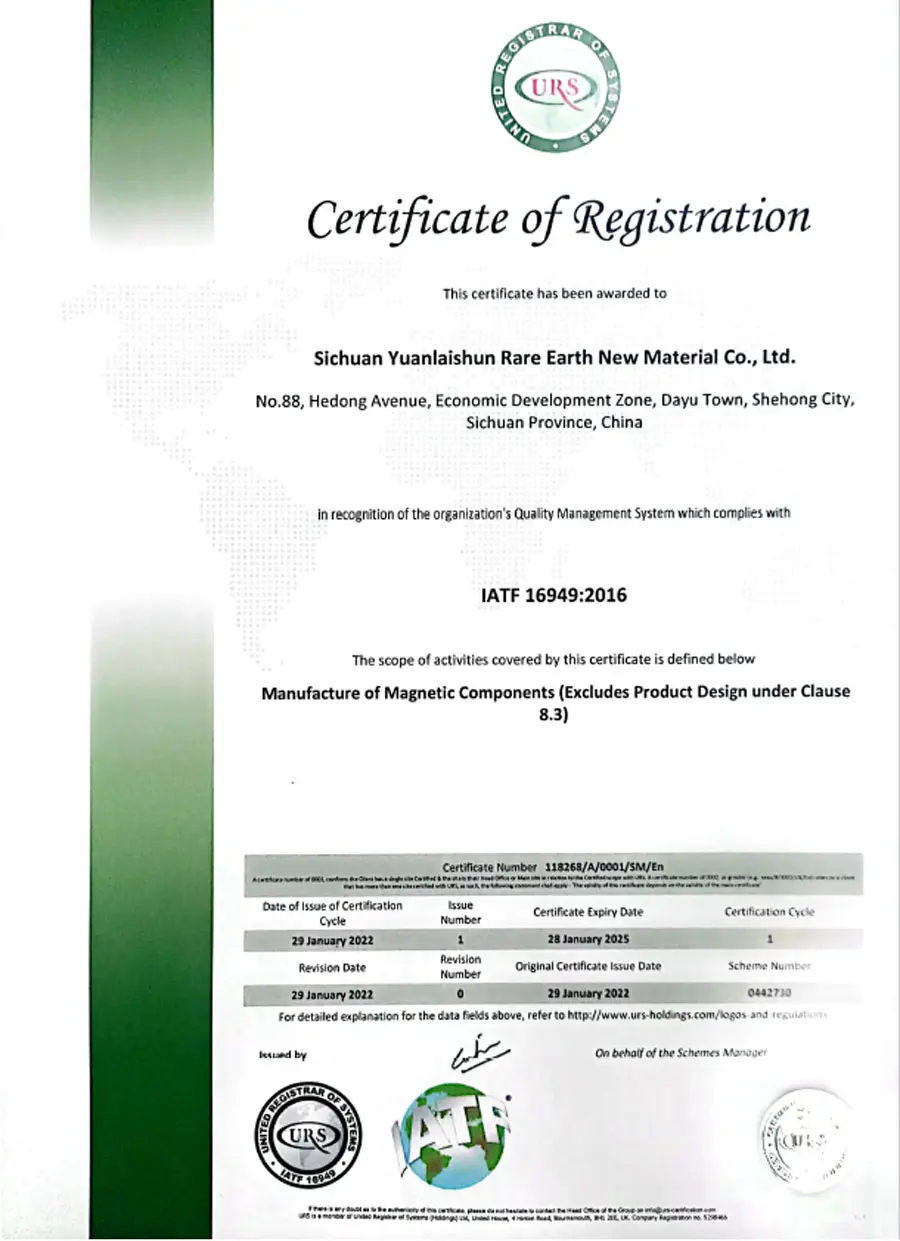
For global heavy industries and mining operations, compliance with ISO 9001 quality management, ISO 14001 environmental standards, and ISO 45001 safety frameworks is essential. Zhejiang Laysun Magnetics Ltd. maintains API 6D, API 607, CE, ISO9001, ISO14001, ISO18001, and TS certifications to satisfy import requirements across the EU, North America, and APAC.

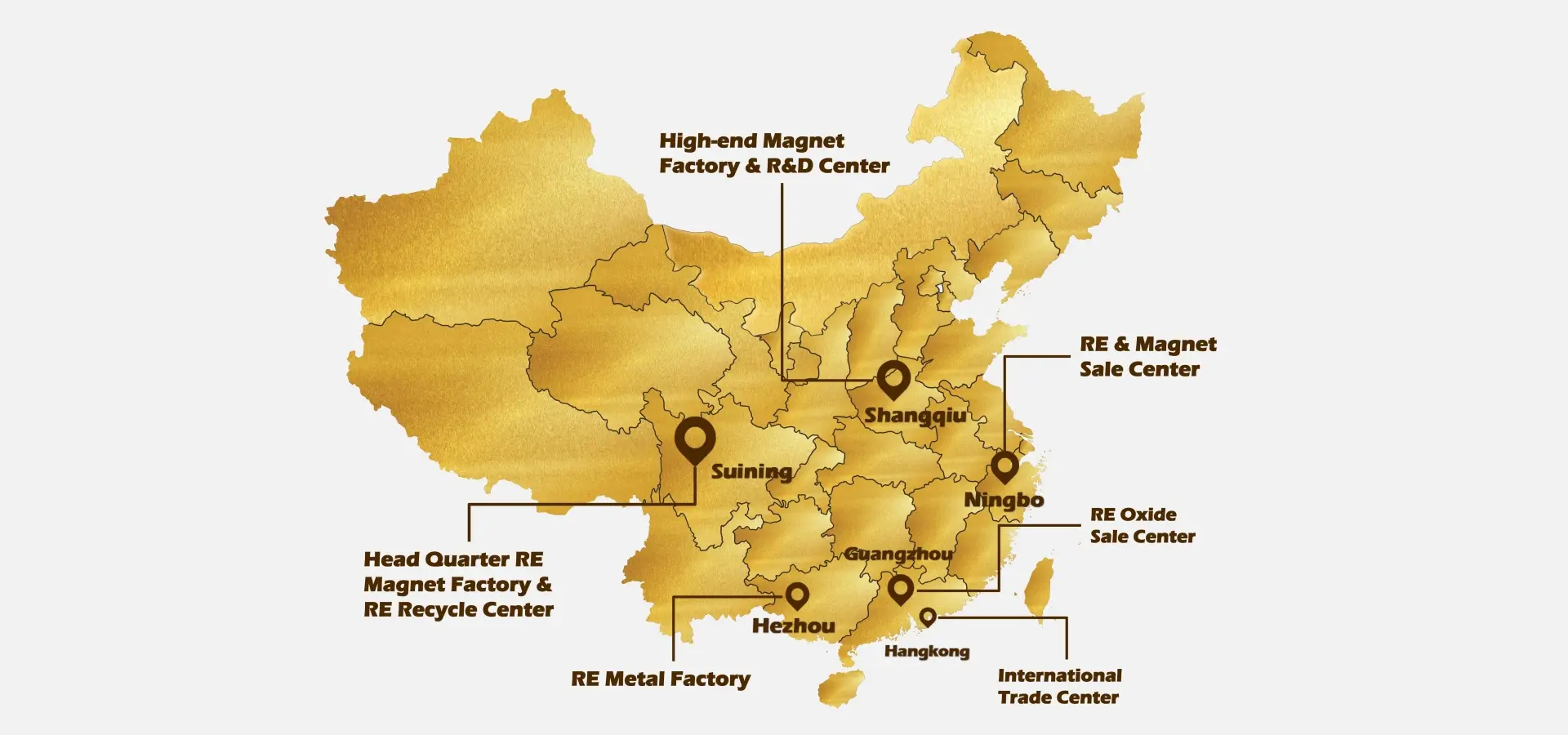
Global Office & Production Network

Headquartered in the technological hub of Hangzhou, China, Zhejiang Laysun Magnetics Ltd. has built global supply channels and engineering support offices to serve international B2B clients. Our major domestic factory in Suining, Sichuan handles large-scale raw material processing, ensuring reliable, long-term supply capacities.
Company Values Chart
Global Operations Map

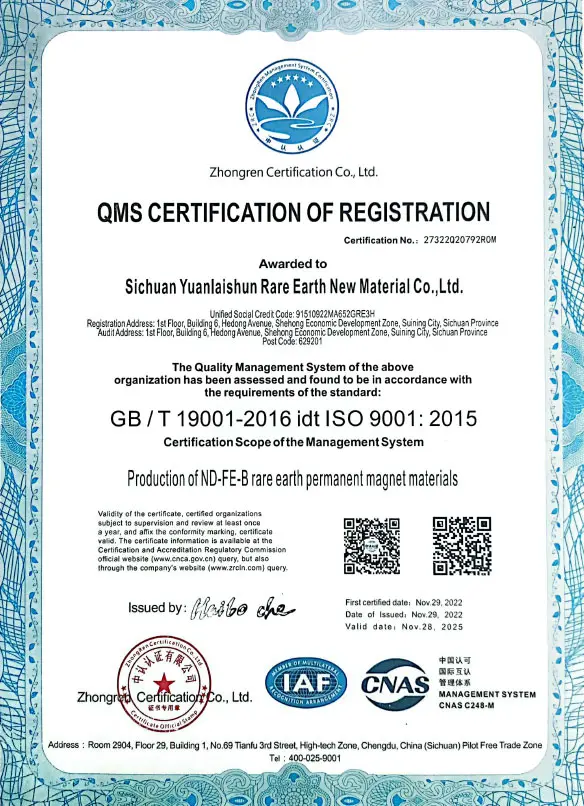
International Quality Certifications

Compliance standards for industrial processing: API 6D, API 607, CE, ISO9001, ISO14001, ISO18001, and IATF 16949.
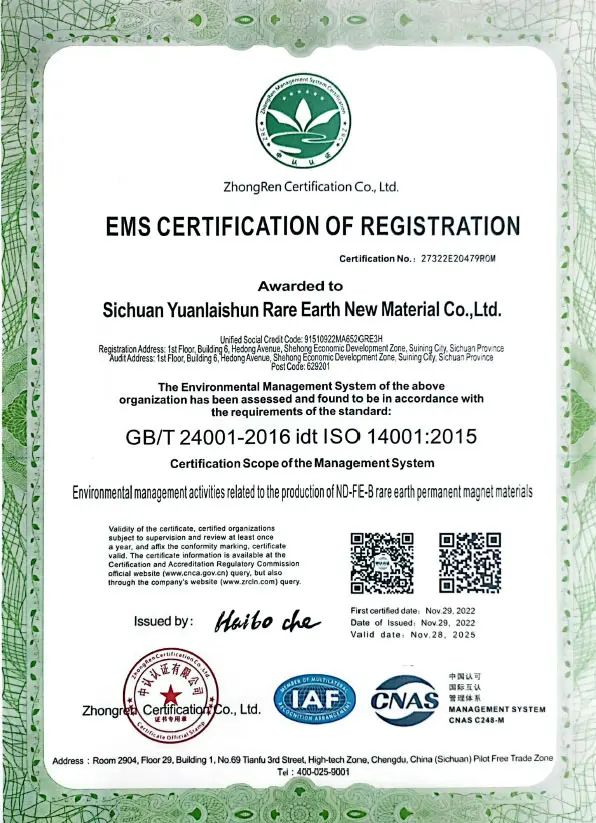
ISO Certification Document 1
ISO Certification Document 2
ISO Certification Document 3

High-Force Magnet Series & Industrial Separator Parts

Heavy duty magnets, mounting blocks, and magnetic segments optimized for bulk flow material extraction and handling.
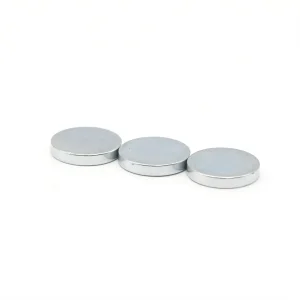
China Neodymium Disc Magnets

China Neodymium Disc Magnets - Permanent Rare Earth Magnets in Disc Shape Manufacturers, Exporter

Request Quotation →
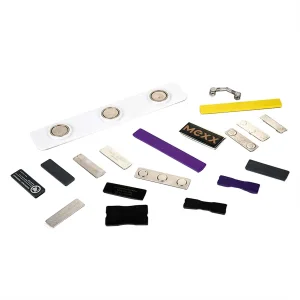
Cheap NdFeB Magnetic ID Badges

Cheap NdFeB Magnetic Badge - Reusable Strong ID Badges Products, Factory

Request Quotation →
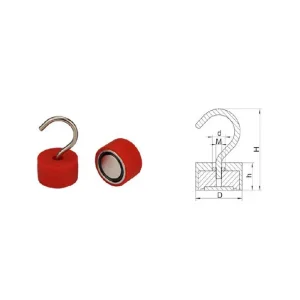
Wholesale NdFeB Hook Magnet

Wholesale NdFeB Hook Magnet - Extremely powerful magnetic hanging hook Companies, Factories

Request Quotation →
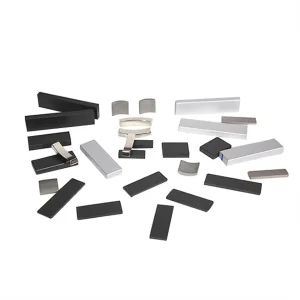
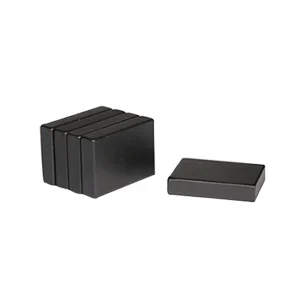
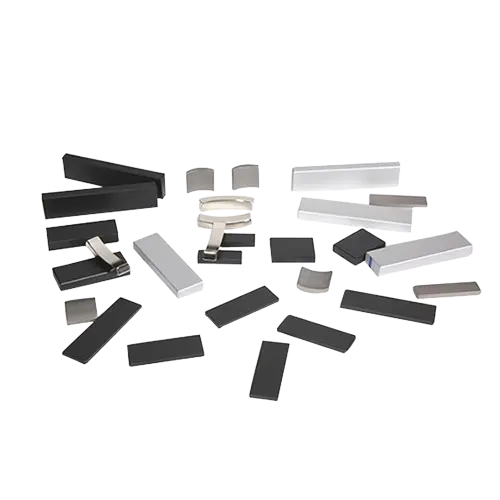
OEM Neodymium NdFeB Block Magnet

OEM Sintered Neodymium NdFeB Block Magnet for Electric Vehicle Motor Pricelist, Factory

Request Quotation →
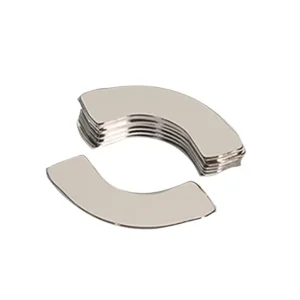
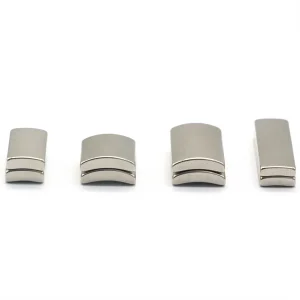
OEM NdFeB Arc Segment

OEM NdFeB Arc Segment - Strong Motor Magnets for Generators and Wind Turbine Rotors Products, Product

Request Quotation →
Super Strong Custom Ring Neodymium Magnet

Buy Super Strong Custom Ring Neodymium Magnet Manufacturers, Company

Request Quotation →
China Multi-Poles Ring Magnets

China Multi-Poles Ring Magnets Made of Bonded NdFeB Manufacturer, Suppliers

Request Quotation →
China NdFeB Fishing Magnet

China NdFeB Fishing Magnet for Retrieving in River and Magnetic Fishing Manufacturers, Quotes

Request Quotation →

Get a Custom Material Quotation Within 24 Hours

Zhejiang Laysun Magnetics Ltd. provides technical solutions for material engineering challenges, custom configurations, and volume discounts. Reach out to our application engineers today.

Email: [email protected]