Cheap Magnetization of Nickel Manufacturers & Company

High-Performance Rare Earth NdFeB Magnets & Precision Surface Engineering Solutions Since 1999

Whitepaper & Technical Analysis

Deep Analysis: Magnetization of Nickel Coated NdFeB Magnets

1. Understanding Nickel Magnetization and NdFeB Surface Plating

Nickel (Ni) is a classic ferromagnetic transition metal with an intrinsic Curie temperature of 358°C. In the field of modern magnetic materials, the phrase "magnetization of nickel" refers to two interrelated engineering disciplines: the alignment of magnetic domains within pure or alloyed nickel materials, and the magnetization processes applied to rare-earth Neodymium-Iron-Boron (NdFeB) magnets protected by electroplated nickel layers (typically Ni-Cu-Ni).

Sintered NdFeB is highly susceptible to intergranular corrosion and atmospheric oxidation. Utilizing a multi-layer nickel electroplating finish solves this challenge. The nickel layers must not only provide physical protection, but they also interact with the strong magnetic flux lines during the heavy pulse magnetization phase. Achieving high coercivity while maintaining cost-effective manufacturing requires specialized knowledge of field orientation, saturation limits, and surface coating thickness control.

Key Engineering Formula: The magnetic properties of nickel are temperature-dependent. At room temperature, pure nickel displays saturation magnetization ($M_s \approx 0.6 \text{ Tesla}$ or $485 \text{ kA/m}$). When electroplated as a microscopic barrier (10–20 microns) on NdFeB magnets, it must be carefully controlled to prevent magnetic shunting—a phenomenon where the protective metallic coating short-circuits a portion of the functional magnetic flux.

2. Zhejiang Laysun Magnetics: Two Decades of Pioneering Expertise

Zhejiang Laysun Magnetics Ltd. is an industry-leading manufacturer specializing in rare-earth NdFeB permanent magnets. Established in 1999, we have transitioned from a specialized regional enterprise into a national high-tech manufacturing leader.

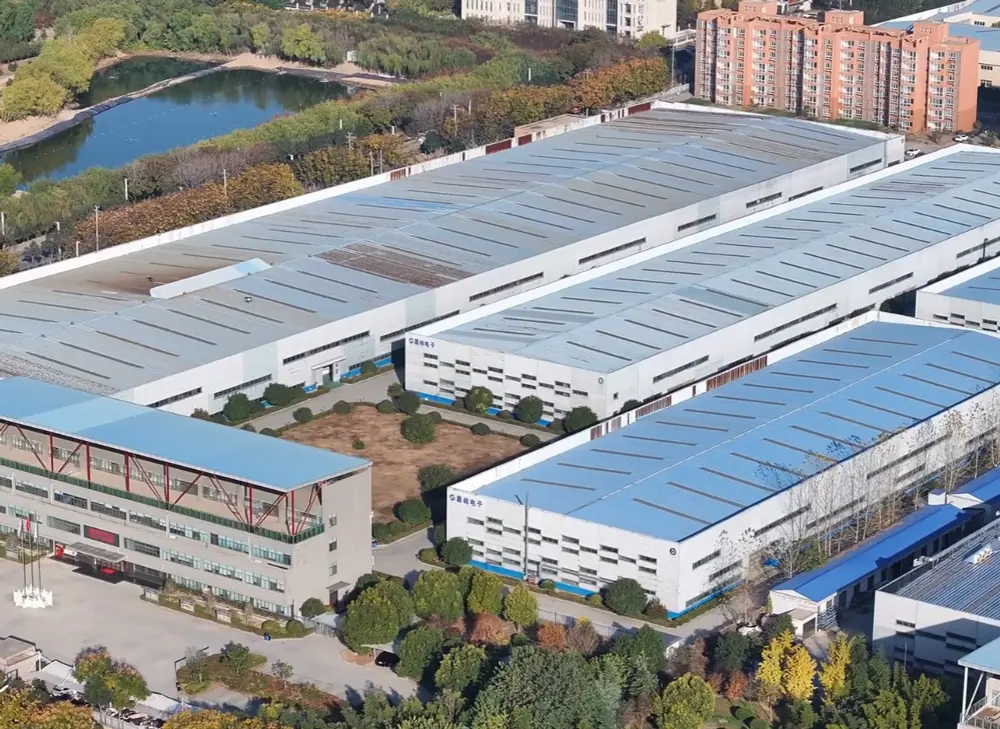
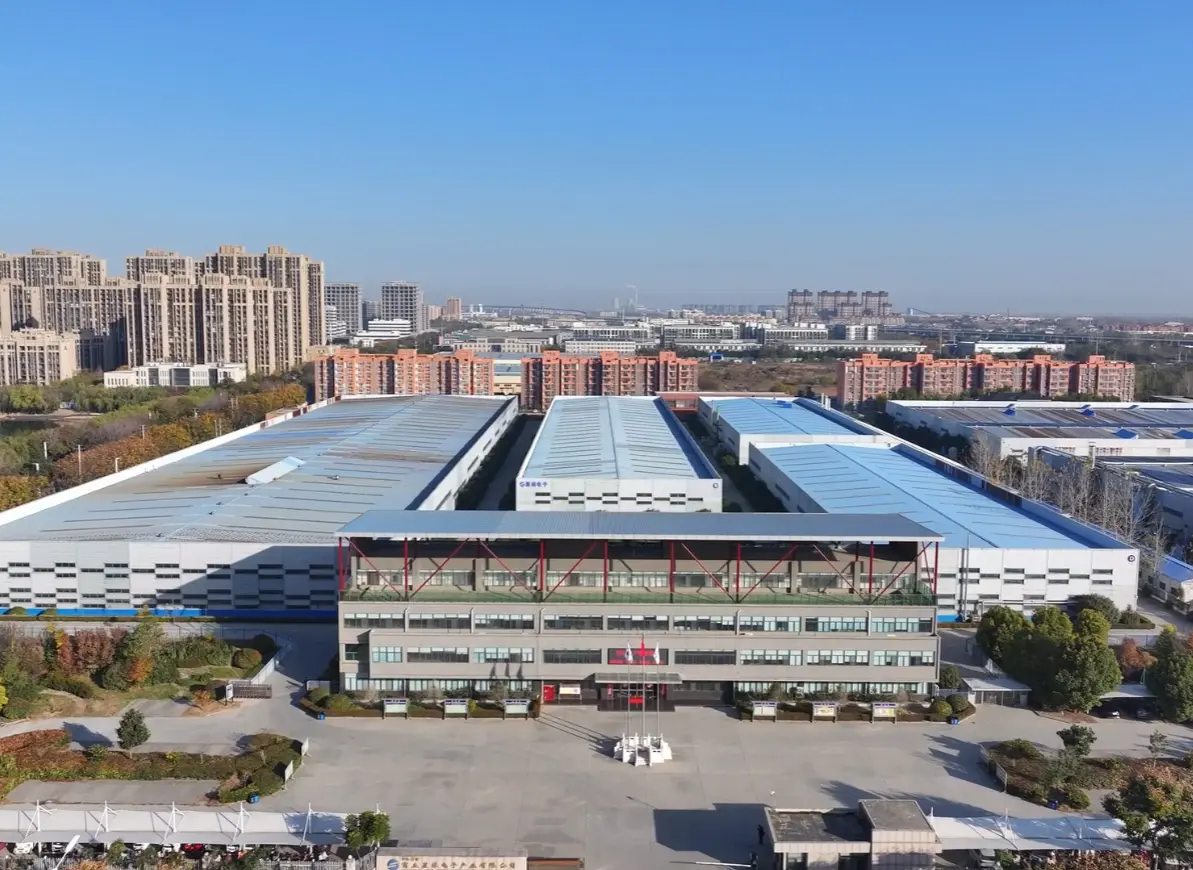
Spanning over 100,000 square meters, our state-of-the-art production facility in Suining, Sichuan, produces up to 5,000 tons of rare earth magnets annually. Backed by 300 skilled professionals, we manage the entire value chain from vacuum induction melting and strip casting to hydrogen decrepitation, jet milling, magnetic-field-aligned pressing, vacuum sintering, and automatic electroplating.

25+
Years Experience
100k m²
Factory Space
5000T
Annual Output
300+
Expert Staff

3. Chinese Manufacturing Advantages: Delivering Value and Quality

Our manufacturing advantage is anchored by several factors that allow us to provide high-performance magnets at scale:
  • Integrated Supply Chain: Our proximity to rare-earth mining and separation centers in Sichuan and Inner Mongolia ensures a stable supply of Neodymium, Praseodymium, Dysprosium, and Terbium.
  • In-house Electroplating: Zhejiang Laysun Magnetics operates advanced, fully automated Ni-Cu-Ni and chemical plating lines, ensuring consistent coating thickness, excellent adhesion, and strong corrosion resistance.
  • Lean Production: Modern automation reduces labor costs, while state-of-the-art sintering technology ensures high yield and material efficiency.
  • Global Logistics Infrastructure: With operations in Hangzhou and Ningbo, we offer streamlined shipping options, including sea freight and express air transport, ensuring reliable international delivery.
Laysun Magnetics Factory Production Line Advanced NdFeB Sintering Equipment

4. Industry Trends: Future of Rare Earth Sintered Magnets

The permanent magnet market is undergoing rapid evolution driven by international regulatory requirements, electrification, and manufacturing automation. Key industry trends include:

  • Grain Boundary Diffusion (GBD) Technology: This technique diffuses heavy rare earth elements (Dy or Tb) into the NdFeB matrix grain boundaries. It significantly increases magnetic coercivity and heat resistance while reducing overall material costs.
  • High-Efficiency EV Powertrains: The shift toward high-voltage electric vehicle architectures requires magnets that maintain structural integrity and magnetic stability under thermal stress and high vibration.
  • Circular Economy & Green Sourcing: Industrial buyers increasingly prioritize post-consumer recycled NdFeB material and energy-efficient vacuum processing systems to minimize environmental impact.

5. Localized Industrial Applications & Macro Enterprise Solutions

We provide tailored magnetic solutions designed for specific operational environments:

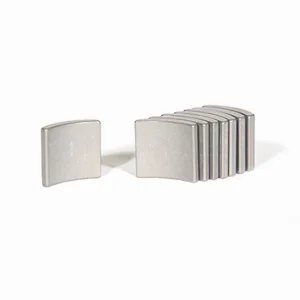
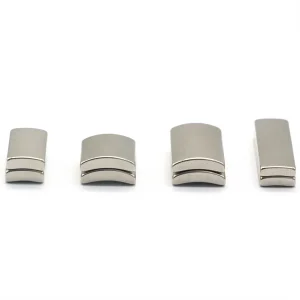
Automotive & Electric Mobility: Our high-coercivity NdFeB arc segments are optimized for automotive Electric Power Steering (EPS) and main drive motors, offering low eddy-current losses and long-term thermal stability.

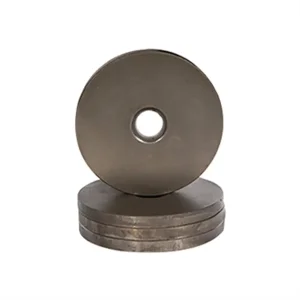
Industrial Automation & Robotics: Precision servo motors rely on our neodymium rings and blocks to deliver high torque-to-weight ratios, enabling precise movement in multi-axis robotic joints.

Consumer Electronics: From thin MagSafe-compatible ring magnets to high-flux actuators for voice coil motors (VCM), our customized geometries support modern compact designs.

Certifications & Standards

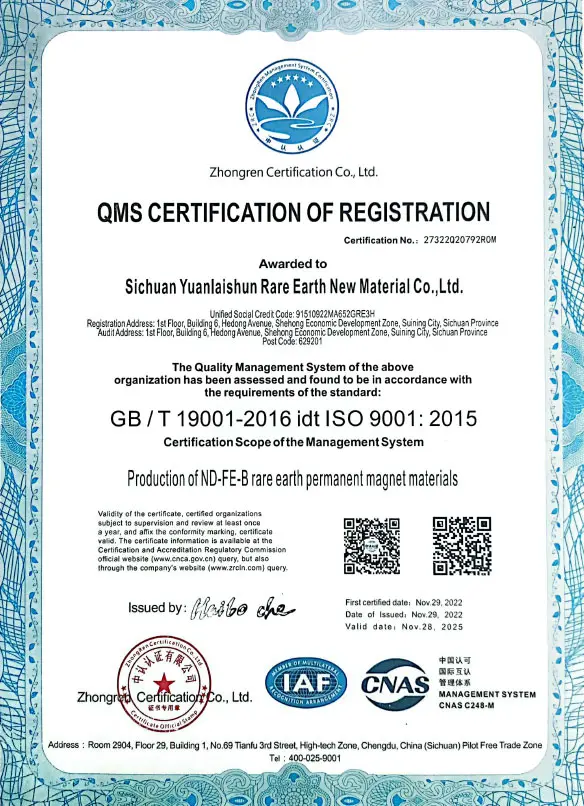
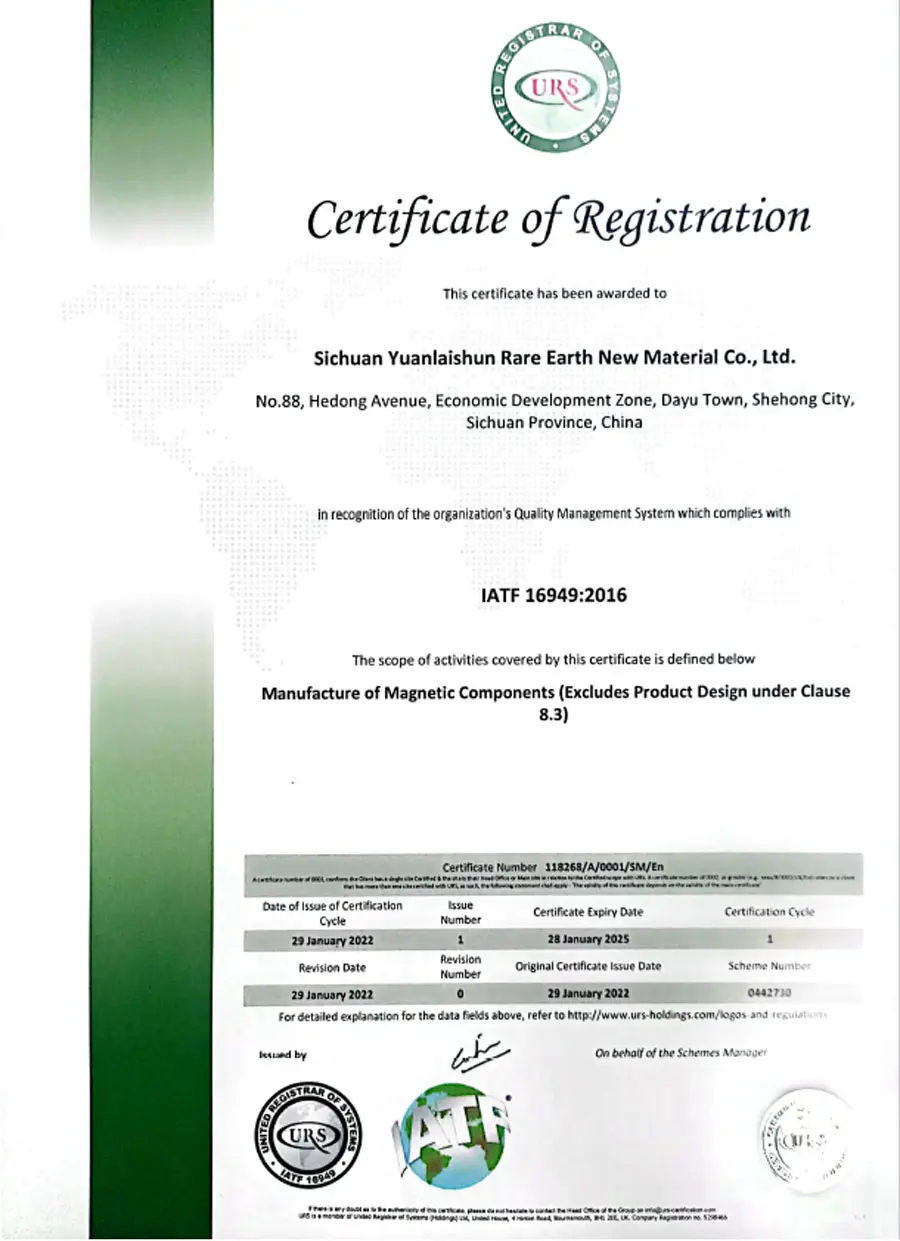
Our operations comply with key international quality and management standards, including API 6D, API 607, CE, ISO9001, ISO14001, ISO18001, and IATF 16949.

Custom Engineering

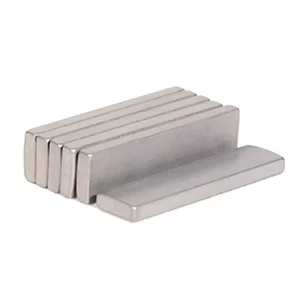
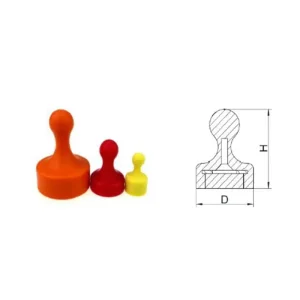
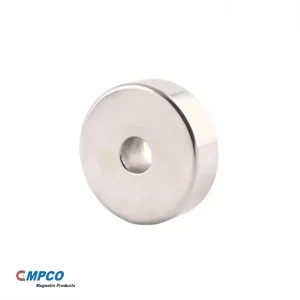
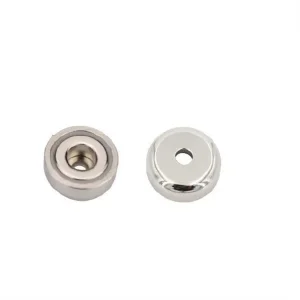
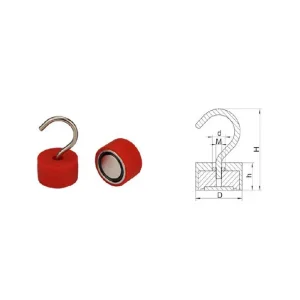
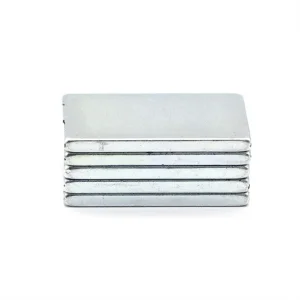
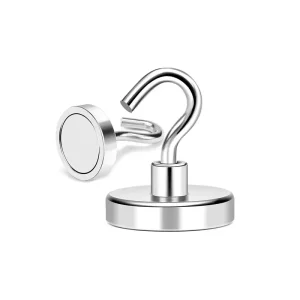
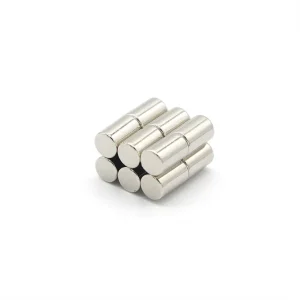
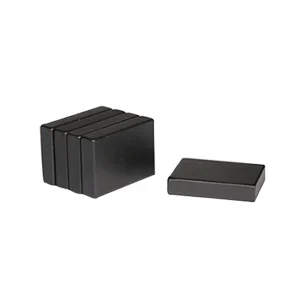
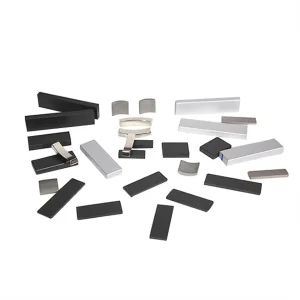
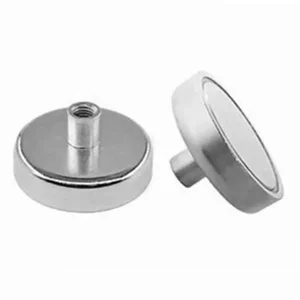
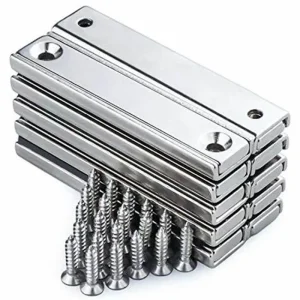
We supply custom-shaped NdFeB magnets, including pots, hooks, blocks, rings, and complex segments, customized to exact engineering designs and tolerances.

Large-Scale Production

With our 100,000 m² manufacturing plant and 5,000-ton annual capacity, we offer reliable volume supply for major industrial and commercial projects.

Verified Quality Assurance

International Standard Certificates

We maintain strict alignment with global engineering and environmental requirements.
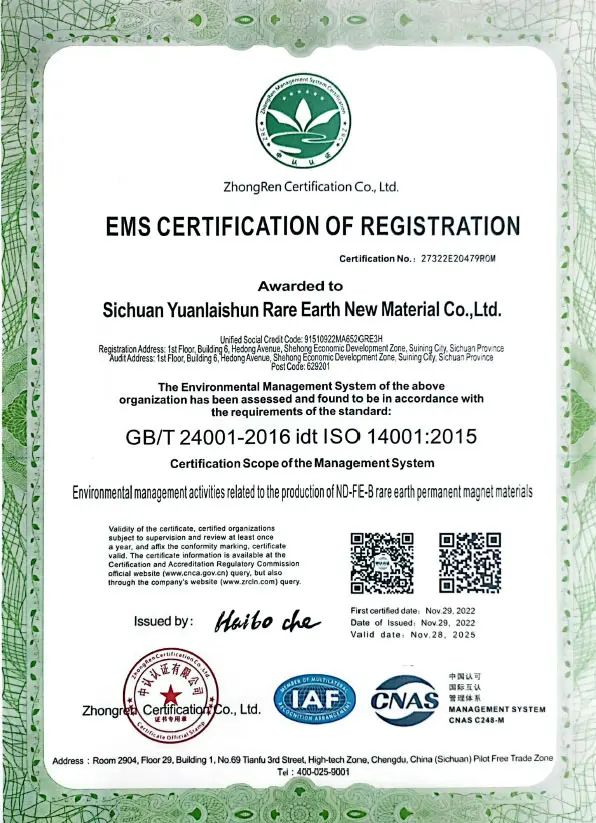
Zhejiang Laysun Magnetics Certificate 1
Zhejiang Laysun Magnetics Certificate 2
Zhejiang Laysun Magnetics Certificate 3
Technical FAQ

Deep-Dive Answers on Nickel-Plated Magnets & Sourcing

How does the nickel coating protect sintered NdFeB magnets?
Sintered Neodymium-Iron-Boron magnets are highly reactive and prone to oxidation. A multi-layer coating, typically consisting of Nickel-Copper-Nickel (Ni-Cu-Ni), acts as a physical barrier. The copper layer provides ductile sealing and helps mitigate thermal expansion stresses, while the outer nickel layers offer corrosion resistance and mechanical protection, safeguarding the core magnet.
What is the typical thickness of industrial nickel coatings?
For standard applications, the thickness of a Ni-Cu-Ni coating ranges from 12 to 25 microns (μm). In high-performance marine or chemical environments, electroless nickel plating (ENP) or combined epoxy-nickel coatings are applied to meet strict salt spray test requirements (e.g., up to 48 or 72 hours).
Does nickel electroplating affect the magnet's thermal limit?
The nickel coating itself can withstand temperatures up to 300°C without peeling. However, the maximum operating temperature is determined by the specific grade of the underlying NdFeB magnet (e.g., AH grades can operate up to 220°C, while standard N grades are limited to 80°C).
How does Laysun Magnetics ensure magnet quality?
Our quality control program utilizes state-of-the-art diagnostic equipment. We use demagnetization curves to verify magnetic properties, X-ray fluorescence (XRF) to measure coating thickness, and environmental chambers for salt spray and highly accelerated stress tests (HAST) to ensure product durability.
What is the standard lead time for custom volume orders?
For standard grades and common geometries, lead time is typically 15 to 25 days. Custom shapes, advanced finishes, or grain boundary diffusion processing may require 30 to 45 days, depending on tooling requirements and batch size.