Engineered for high thermal stability, exceptional coercivity, and cost-optimized industrial performance.
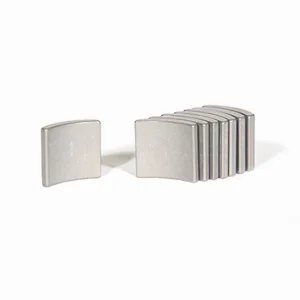
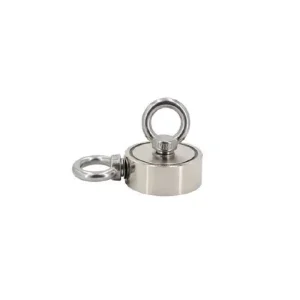
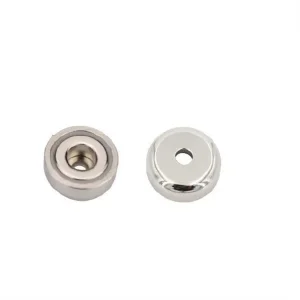
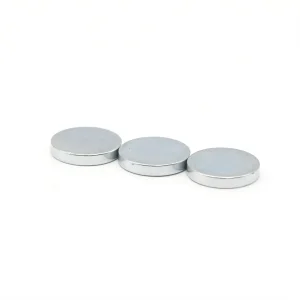
Understanding key thermodynamic and electromagnetic parameters to ensure optimal procurement choices.
When sourcing permanent magnetic materials globally, balancing cost and performance is not merely a matter of finding the "cheapest" unit price. It requires a rigorous technical evaluation of magnetic properties relative to operational environments. For industrial procurement teams, electrical engineers, and product developers, selecting the correct grade of Neodymium Iron Boron (NdFeB) or alternative permanent magnets directly dictates system efficiency, longevity, and structural safety.
Zhejiang Laysun Magnetics Ltd. provides this analytical white paper to clarify how magnetic metrics—such as Remanence ($B_r$), Coercivity ($H_{cj}$), Maximum Energy Product ($(BH)_{max}$), and thermal coefficients—affect real-world industrial systems. Our specialized manufacturing lines optimize raw material consumption to deliver cost-effective, high-grade magnetic solutions without compromising quality or reliability.
| Magnet Class | Material Base | Remanence ($B_r$, kG) | Intrinsic Coercivity ($H_{cj}$, kOe) | Max Operating Temp (°C) | Key Applications |
|---|---|---|---|---|---|
| Sintered NdFeB | Neodymium-Iron-Boron (Rare Earth) | 10.3 - 14.8 | ≥ 12.0 (up to 35 for AH grades) | 80 to 230 | EV Motors, Automotive EPS, Wind Turbine Generators |
| Bonded NdFeB | Isotropic/Anisotropic Resin Matrix | 6.0 - 8.5 | 8.0 - 15.0 | 120 to 150 | Precision Micro-Motors, Multi-Pole Rotor Rings, Office Automation |
| SmCo (Samarium Cobalt) | Samarium-Cobalt (Rare Earth) | 9.0 - 11.5 | 15.0 - 30.0 | 250 to 350 | Aerospace Actuators, High-temp Sensors, Military Systems |
| Ferrite / Ceramic | Iron Oxide & Strontium/Barium | 2.0 - 4.5 | 2.5 - 4.0 | 250 | Loudspeakers, Household Appliances, Simple Magnetic Couplings |
A major challenge in current market procurement is the balance of heavy rare earths. Traditional high-temperature NdFeB magnets require Dysprosium (Dy) or Terbium (Tb) additions to resist thermal demagnetization. Through our advanced Grain Boundary Diffusion (GBD) technologies, Zhejiang Laysun Magnetics Ltd. reduces heavy rare earth content in our custom magnets by up to 70%, offering a highly competitive price structure with minimal thermal degradation.
A national high-tech leader delivering robust magnetic solutions globally since 1999.
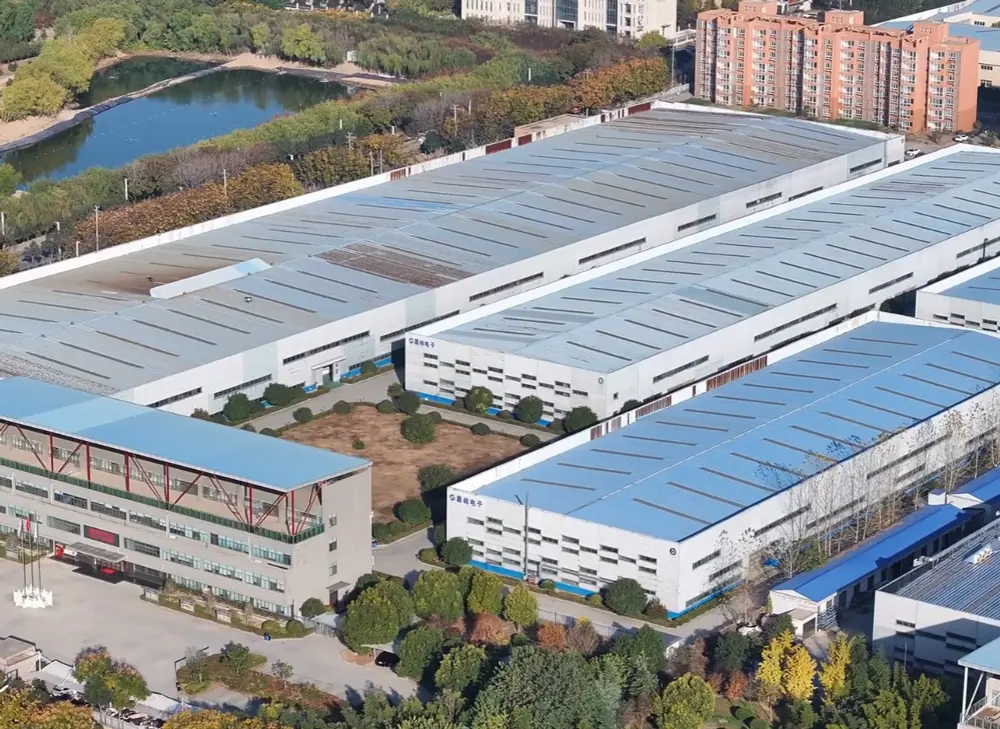
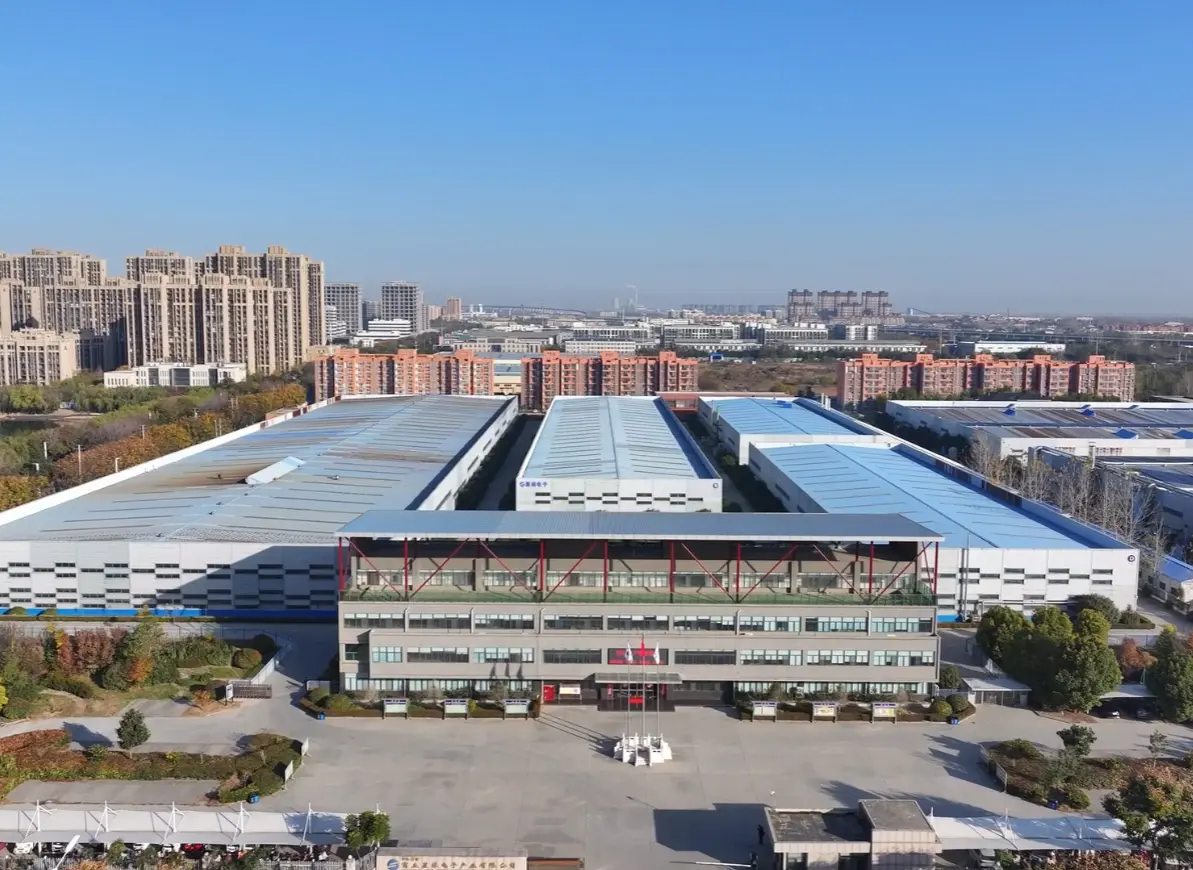
Established in 1999, Zhejiang Laysun Magnetics Ltd. has evolved from a regional pioneer into a globally recognized manufacturing authority in advanced rare earth permanent magnet systems. Our main production site covers 100,000 square meters in Suining, Sichuan. This state-of-the-art facility integrates raw material melting, strip casting, hydrogen decrepitation, jet milling, vacuum sintering, and precision machining under a unified quality management system.
With headquarters based in Hangzhou, China, our global distribution networks and engineering support branches work in tandem with industrial innovators. We support key clients in Europe, North America, and Southeast Asia. Our workforce of 300+ skilled personnel, including a dedicated metallurgical research and development department, secures our position at the forefront of the permanent magnet supply chain.
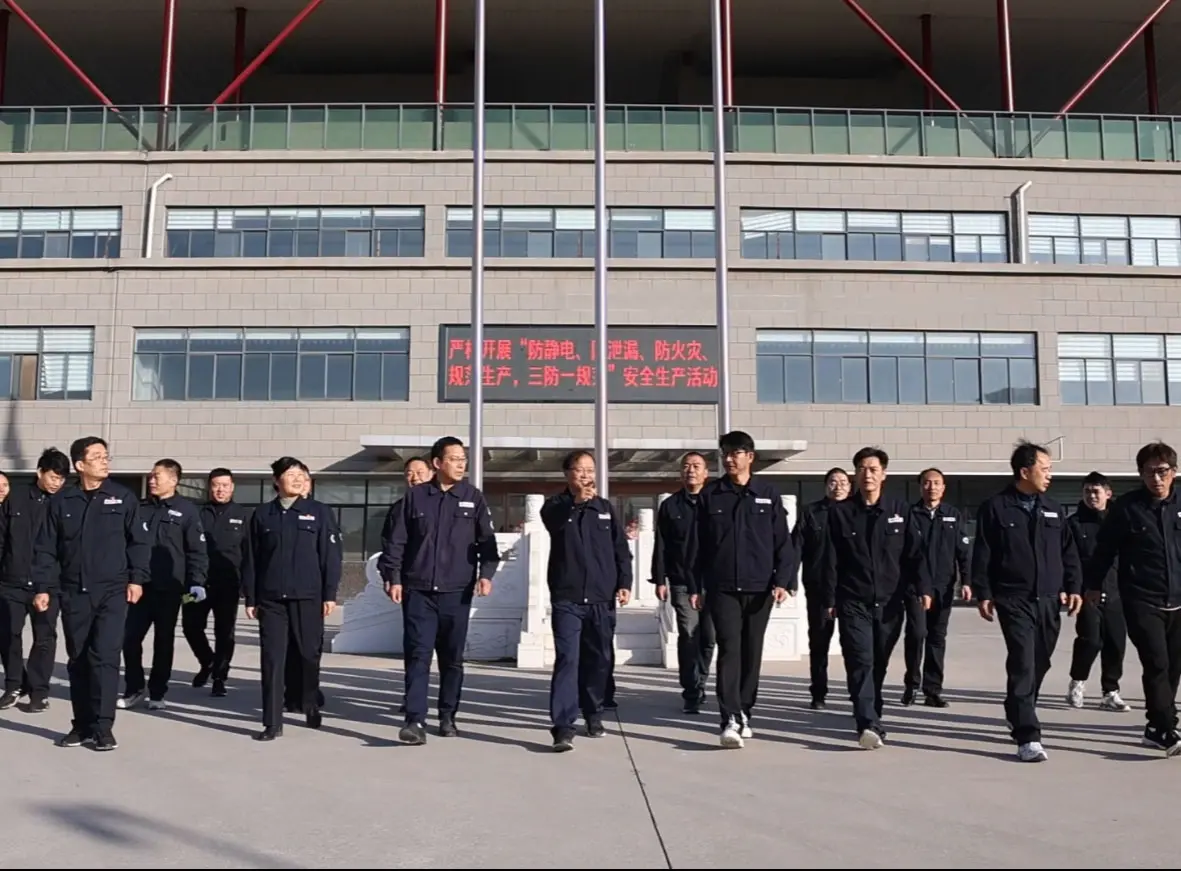
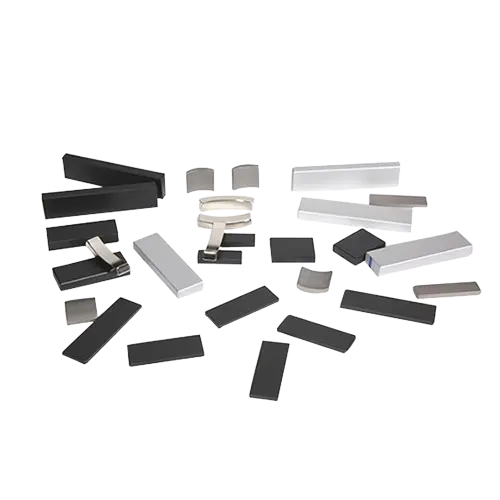
Custom-engineered magnetic systems responding to global clean-energy and automation demands.
Electric Vehicle (EV) traction motors demand high-energy magnets with stable magnetic properties at operational temperatures up to 200°C. Our sintered NdFeB solutions, designed for automotive Electronic Power Steering (EPS) and drivetrain assemblies, utilize grain-refined alloys to prevent high-speed demagnetization.
Servo motors, robotic joint actuators, and high-frequency voice coil motors (VCMs) require complex magnetic configurations, such as custom multi-pole ring magnets. Our bonded and sintered NdFeB magnets ensure precise torque, rapid response, and high positioning accuracy in automated environments.
Modern mobile hardware and magnetic interfaces demand compact magnetic solutions. We supply thin-walled, high-flux rings and discs, such as MagSafe-compatible magnets and miniature speakers, produced in high-volume runs with thin anti-oxidation coatings.

Addressing material degradation, corrosion prevention, and metallurgical advancements.
A primary concern for design engineers procuring permanent magnets is the risk of corrosion, particularly in humid or chemically aggressive environments. Uncoated NdFeB is highly susceptible to oxidation due to its high iron content. To resolve this, Zhejiang Laysun Magnetics Ltd. provides various surface finish options, adapting protective layers to different operational challenges:
The standard industrial protection choice. Offering excellent mechanical durability and resistance to salt spray tests for up to 96 hours. Ideal for dry and slightly damp industrial assemblies.
Provides outstanding chemical and moisture resistance. The black or grey epoxy coating offers excellent electrical insulation, which is critical in motor applications to prevent eddy-current transmission.
For outdoor or extreme marine environments, we offer custom rubber-molded and plastic-jacketed assemblies. These absorb impact, prevent mechanical fracturing, and seal the inner core against moisture ingress.
Looking forward, the global magnetic material sector is moving toward resource conservation and sustainable production. We are actively developing advanced Heavy Rare-Earth-Free (HREF) formulas. By optimizing grain boundary geometry during the sintering phase, we aim to match the coercivity performance of traditional Dy-containing magnets, offering lower, more stable pricing structures that bypass volatile rare-earth raw material markets.
Strict production control systems certified to international automotive, chemical, and industrial safety standards.
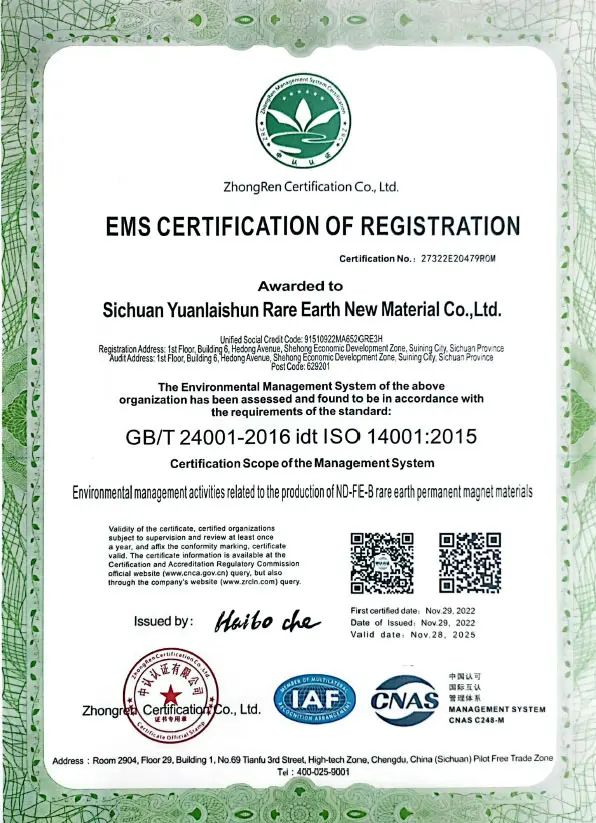
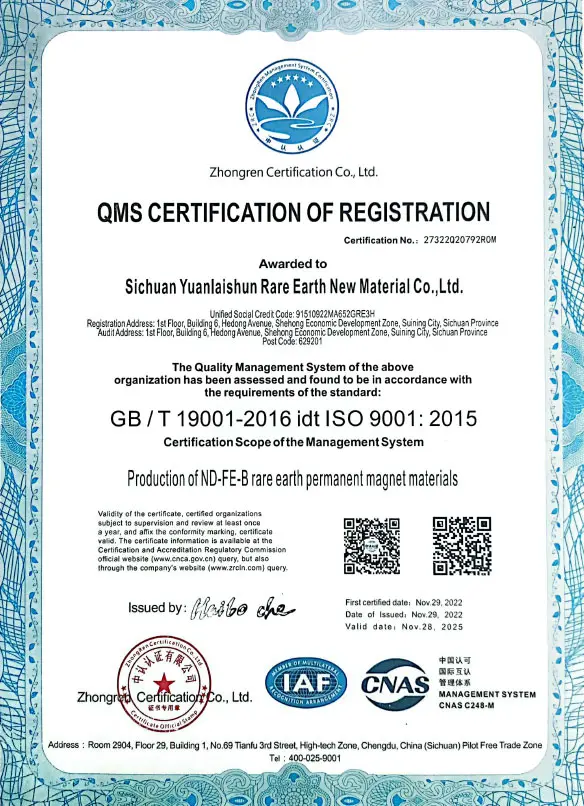
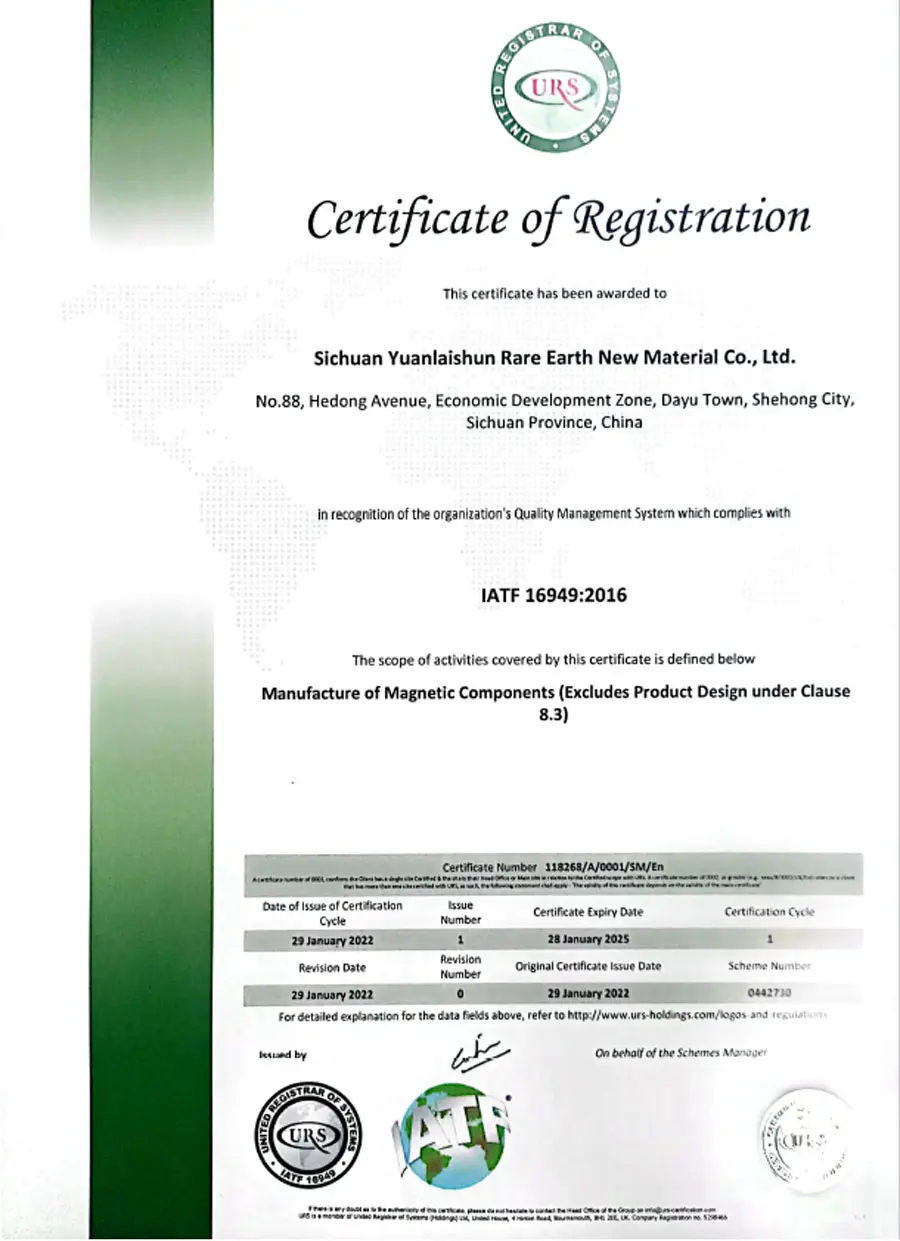
Industrial engineering and B2B purchasing agents require complete traceability and compliance verification. Our operations are governed by strict quality standards. We hold active registrations for ISO 9001, ISO 14001, ISO 18001, and comply with international regulations such as RoHS, REACH, and TS (IATF 16949) frameworks. Additionally, our industrial valve-specific and specialty product lines meet API 6D and API 607 safety requirements.
From raw material receipt to chemical analysis, particle size determination, and final hysteresisgraph testing, each production lot is issued a detailed inspection report. This strict quality control ensures our magnets maintain tight tolerance profiles, stable flux characteristics, and uniform mechanical geometry.
Direct technical answers to the most common questions raised by industrial buyers and engineering teams.
The cost of NdFeB magnets is heavily dependent on raw material pricing (especially Neodymium, Praseodymium, Dysprosium, and Terbium) and machining complexity. Buyers can optimize costs by selecting the lowest temperature rating (e.g., opting for N-grade instead of H or SH if operating temperatures remain below 80°C) and choosing standard shapes (discs, blocks) that do not require EDM wire cutting or complex grinding.
Sintered NdFeB is manufactured by pressing powdered metal under vacuum, providing high magnetic energy density ($(BH)_{max}$ from 35 to 52 MGOe). Bonded NdFeB mixes magnetic powder with thermoplastic resins, allowing for complex geometries and multi-pole magnetization, though it offers a lower energy density (typically 6 to 10 MGOe). Bonded magnets are ideal for precision micro-motors, whereas sintered magnets are preferred for power-intensive applications.
Standard engineering samples are generally processed and delivered within 10 to 15 days. For high-volume custom production runs requiring specialized molds or multi-axis grinding, typical factory lead times range from 25 to 35 days, including testing, plating, magnetization, and certified shipping container packaging.
We implement strict SPC (Statistical Process Control) systems. In our state-of-the-art facility, we continuously monitor oxygen content during milling and sinter densities during heat treatment. Each delivery batch is tested using automatic flux-measuring equipment to ensure that variations in magnetic properties remain within ±2% of customer specifications.
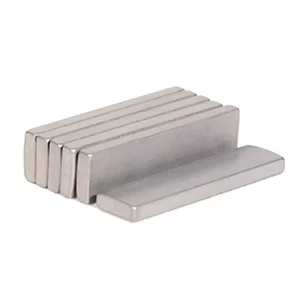
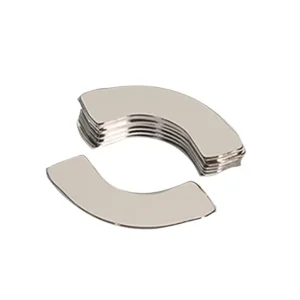
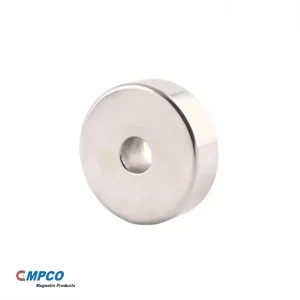
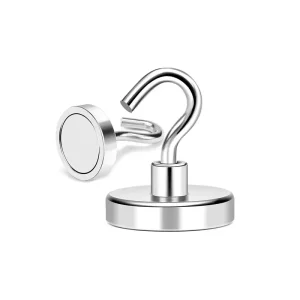
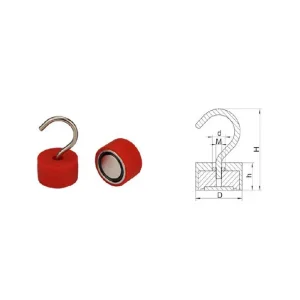
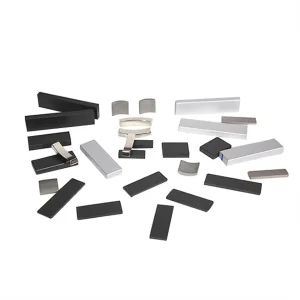
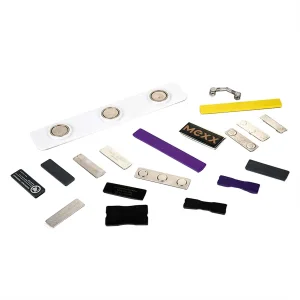
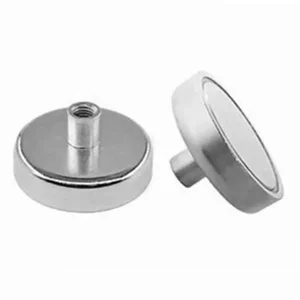
Factory-direct custom configurations, high-tolerance block designs, and specialized magnetic mount solutions.
 Laysun Magnetics