Engineered rare earth magnet systems optimized for stability, high coercivity, and extreme thermal conditions

An authoritative analysis of magnetostriction, thermal expansion, and precision magnetics engineering
In precision mechanical designs and optoelectronic applications, structural expansion represents one of the most critical causes of device misalignment. Invar (FeNi36), an iron-nickel alloy discovered by Charles Édouard Guillaume, exhibits a coefficient of thermal expansion (CTE) close to zero within ambient temperature ranges. This unique behavior, known as the Invar Effect, is deeply rooted in the materials' quantum magnetic properties. At the atomic scale, the spontaneous magnetostriction of the alloy compensates for the normal thermal vibration of the crystal lattice. As temperature increases, the spin-flipping mechanism in Invar reduces the atomic distance offset, neutralizing thermal expansion.
"Understanding the magnetic behavior of Fe-Ni alloys, particularly their saturation magnetization and magnetic permeability, is critical when designing structural housings for high-flux density permanent magnets like Neodymium-Iron-Boron (NdFeB)."
Permanent magnet assemblies that operate in dynamic, high-speed, or variable temperature environments require structural mounting materials that do not expand, warp, or conduct stray magnetic paths destructively. Pairing neodymium magnets with Invar structures allows engineers to maintain precise air gaps in voice coil motors (VCMs), industrial linear actuators, and aerospace sensors. In these setups, cheap Invar alloy options with optimized magnetic properties serve as passive structural regulators, ensuring the spatial integrity of high-coercivity magnetic fields.
While Invar is primarily specified for its structural stability, it remains a ferromagnetic material below its Curie temperature of approximately 230°C. Therefore, magnetic design engineers must evaluate properties such as magnetic permeability (μ), saturation magnetization (Bs), and coercivity (Hc). When cheap Invar parts are used near strong rare earth fields, secondary induced magnetic paths can arise, altering local flux lines.
| Magnetic Property | Value / Range (FeNi36 Standard) | Impact on Magnetic Assemblies |
|---|---|---|
| Curie Temperature (Tc) | 230°C (446°F) | Defines the point of ferromagnetic to paramagnetic transition. |
| Saturation Induction (Bs) | 1.2 - 1.5 Tesla | Limits the amount of magnetic flux the Invar structure can divert. |
| Initial Permeability (μi) | 1,000 - 2,500 H/m | Determines the ease of magnetization under external fields. |
| Thermal Expansion Coeff. (20-100°C) | 1.2 × 10⁻⁶ K⁻¹ | Maintains air-gap tolerances in micro-positioning stages. |
A National High-Tech Pioneer in Rare Earth Magnetic Engineering & Custom Manufacturing Since 1999
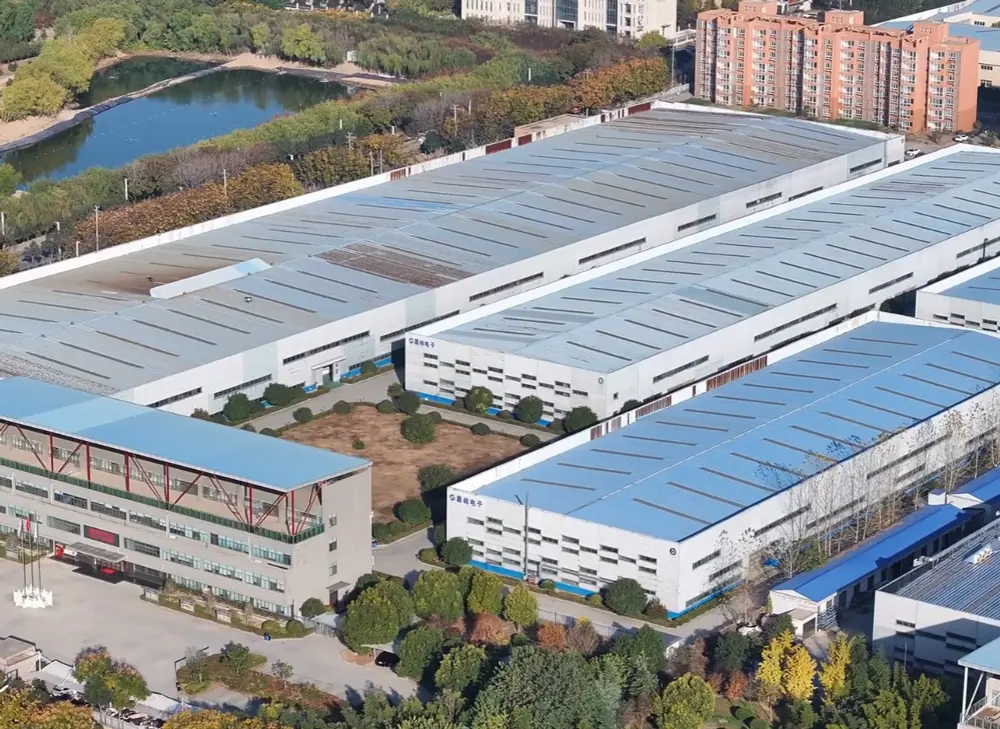
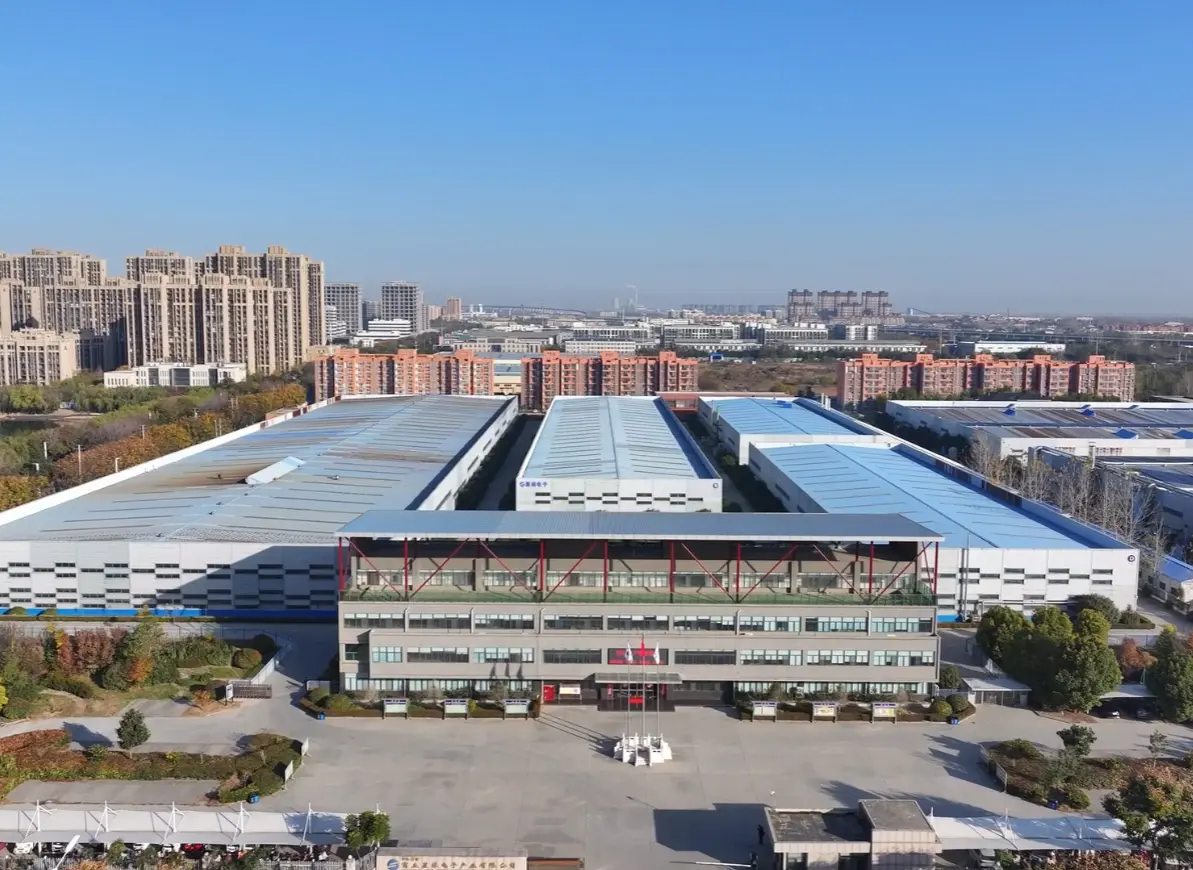
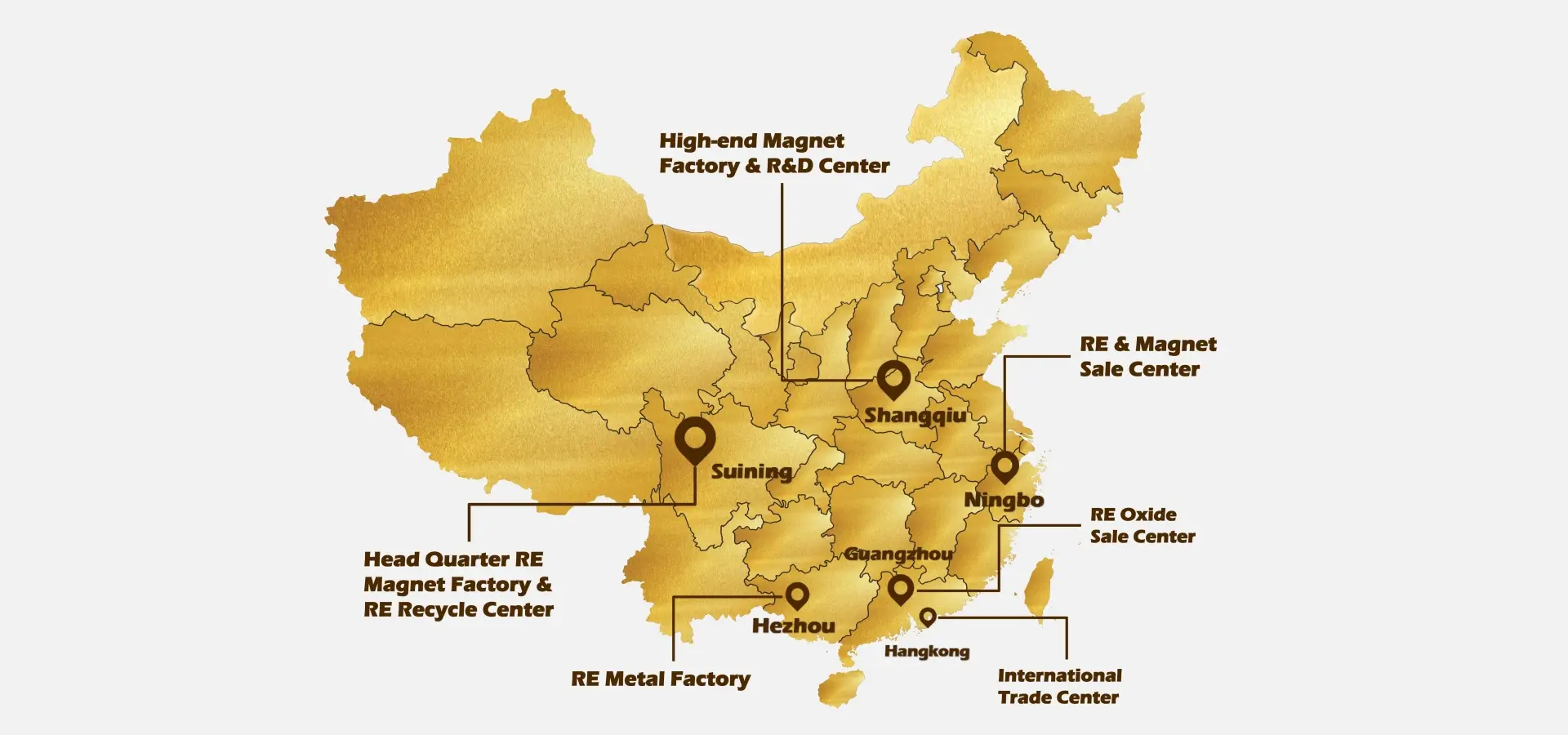
Established at the turn of the millennium, Zhejiang Laysun Magnetics Ltd. has evolved into an international pacesetter in the field of rare earth permanent magnets. Our advanced production center in Suining, Sichuan, represents a masterclass in automated sintering, precision grinding, and surface coating. By specializing in high-performance permanent NdFeB magnets, we provide industrial partners with components that excel under the most challenging thermal and electromagnetic conditions.
Our core philosophy stands on four solid pillars: Quality, Credibility, Technology, and Innovation. Our research divisions constantly test materials compatibility, ensuring that when clients combine our permanent NdFeB products with low-expansion structural alloys like Invar, the resultant system delivers maximum flux density with zero dimensional slippage.
Analyzing how Invar's low expansion interfaces with rare-earth magnetic forces in key fields
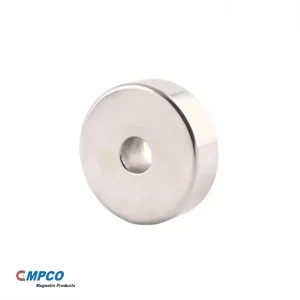
In optical imaging and high-resolution camera modules, focusing actuators rely on sub-micron alignment. Standard mounting metals expand under heat generated by continuous coil currents, causing focus drift. Employing Invar frames paired with Laysun custom ring neodymium magnets stabilizes the magnetic air gap, guaranteeing precise focus even in extreme field conditions.
Instruments operating on orbital satellites endure temperature shifts from -150°C to +120°C. Magnetic telemetry sensors must maintain constant alignment relative to magnetic shields. Invar's low thermal coefficient prevents thermal expansion stresses, protecting brittle sintered NdFeB blocks from mechanical cracking.
Superconducting setups and liquid nitrogen containment valves require magnetic shut-offs that function reliably at cryogenic scales. Unlike structural carbon steels which embrittle and shift shape significantly, special-grade cheap Invar ensures dimensional stability, operating alongside Laysun nickel-plated neodymium blocks down to 77K.
Leveraging deep industrial clustering, raw material access, and advanced sintering technology
Global manufacturing faces ongoing challenges with supply chain volatility, fluctuating raw material costs, and strict environmental regulations. Zhejiang Laysun Magnetics Ltd. addresses these problems by leveraging China's extensive rare-earth supply chain. Located in Sichuan, one of China's primary extraction and processing centers for heavy and light rare-earth oxides, our production facility enjoys direct access to key elements like Neodymium, Dysprosium, and Praseodymium.
By optimizing our supply chain, we bypass multiple intermediary layers, resulting in lower costs for high-grade raw elements. Our Sichuan refinery processes these oxides directly, feeding our vacuum induction melting furnaces without delay. This vertical integration allows us to offer cheap, high-performance permanent magnets without sacrificing the purity of the chemical composition.
Additionally, our close partnerships with local alloy manufacturers allow us to supply customized Invar structural components pre-machined and matched to the specifications of the ordered magnets. This one-stop service model minimizes logistics costs and ensures consistent physical dimensions.
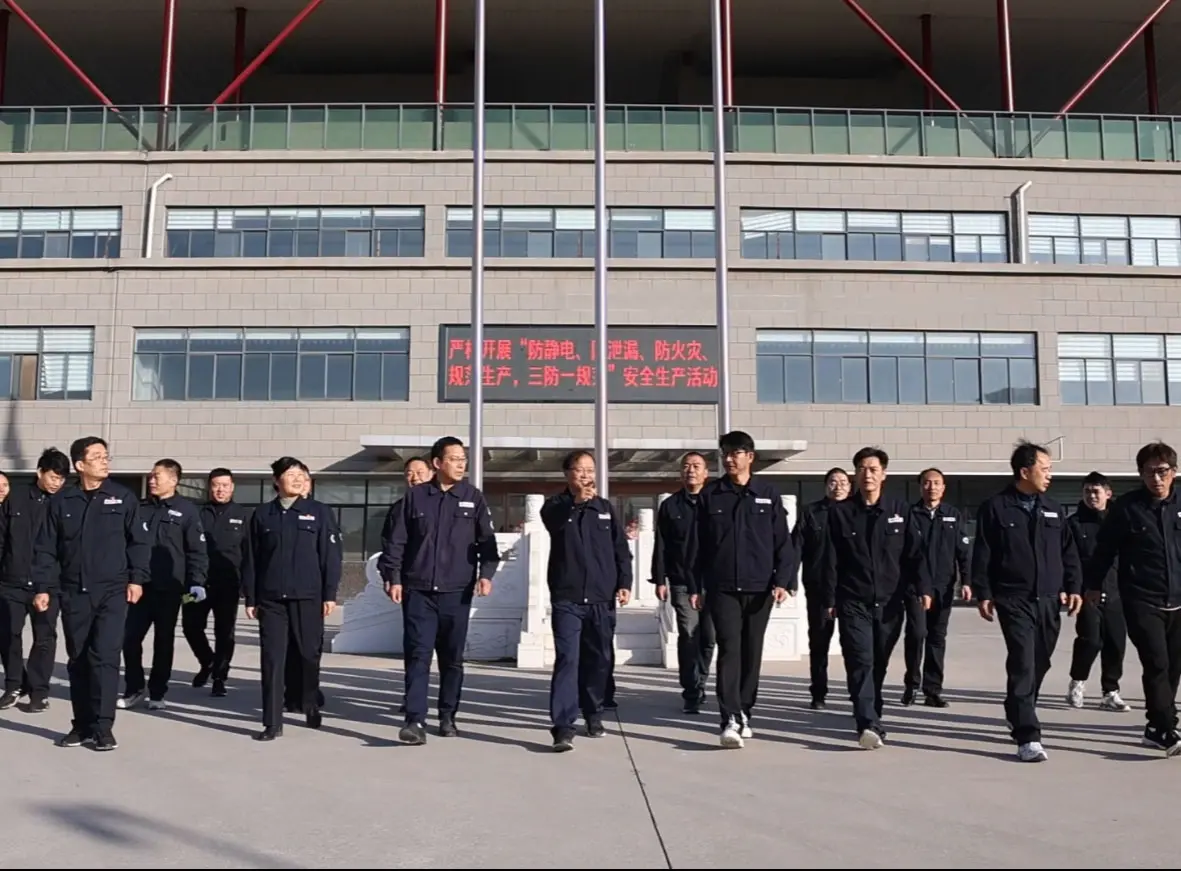
To achieve reliable tolerances, our factory relies on automated hydrogen decrepitation (HD) and jet milling processes. These methods yield sub-micron powders with uniform particle sizes. Our subsequent alignment presses utilize precise magnetic fields to align easy-axis domains before the green compact is subjected to high-vacuum sintering.
Our magnets are integrated into high-reliability systems worldwide




Aligning future material sciences with rigorous international manufacturing codes
The future of low-expansion magnetic systems lies in the additive manufacturing of Invar alloys directly integrated with permanent magnetic layers. Zhejiang Laysun Magnetics is currently researching selective laser melting (SLM) patterns to print complex Invar housings with integrated cavities designed to receive custom-shaped NdFeB magnets. This method eliminates assembly steps, reduces material waste, and enhances local magnetic circuit pathways.
Concurrently, we are working to reduce the need for heavy rare earths like Dysprosium (Dy) and Terbium (Tb) by employing advanced grain boundary diffusion (GBD) technology. This technique allows our permanent magnets to maintain high coercivity at elevated operating temperatures, matching the performance profiles of more expensive, heavily-alloyed alternatives.
"By using grain boundary diffusion, we reduce dependency on volatile heavy rare earth markets, ensuring our clients receive long-term, stable, and cost-effective pricing structures."
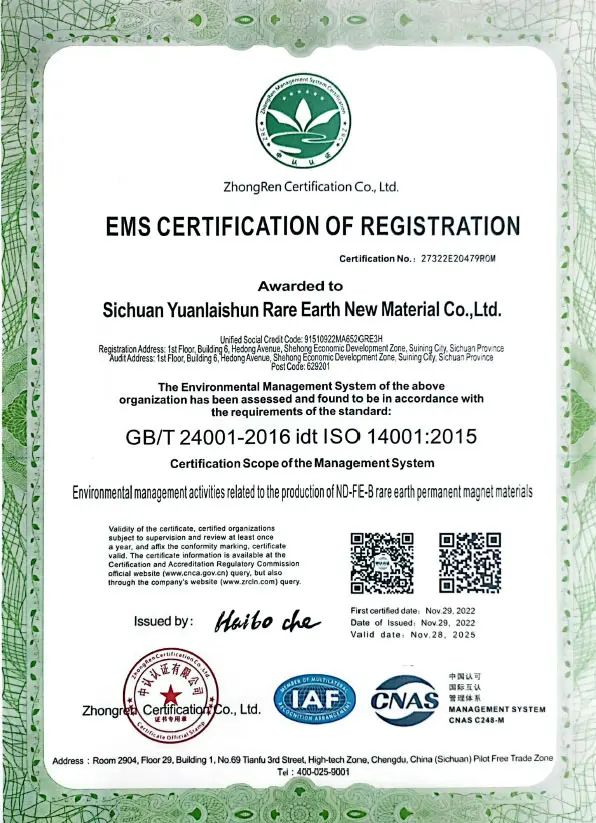
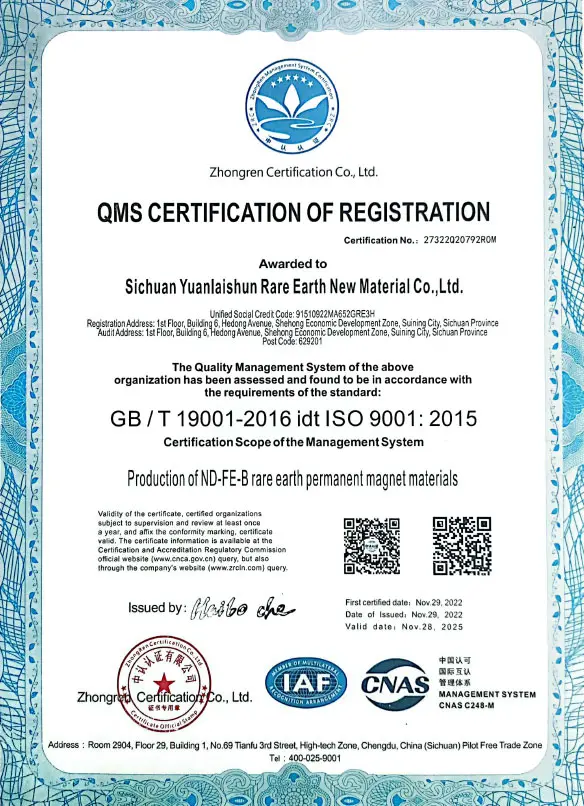
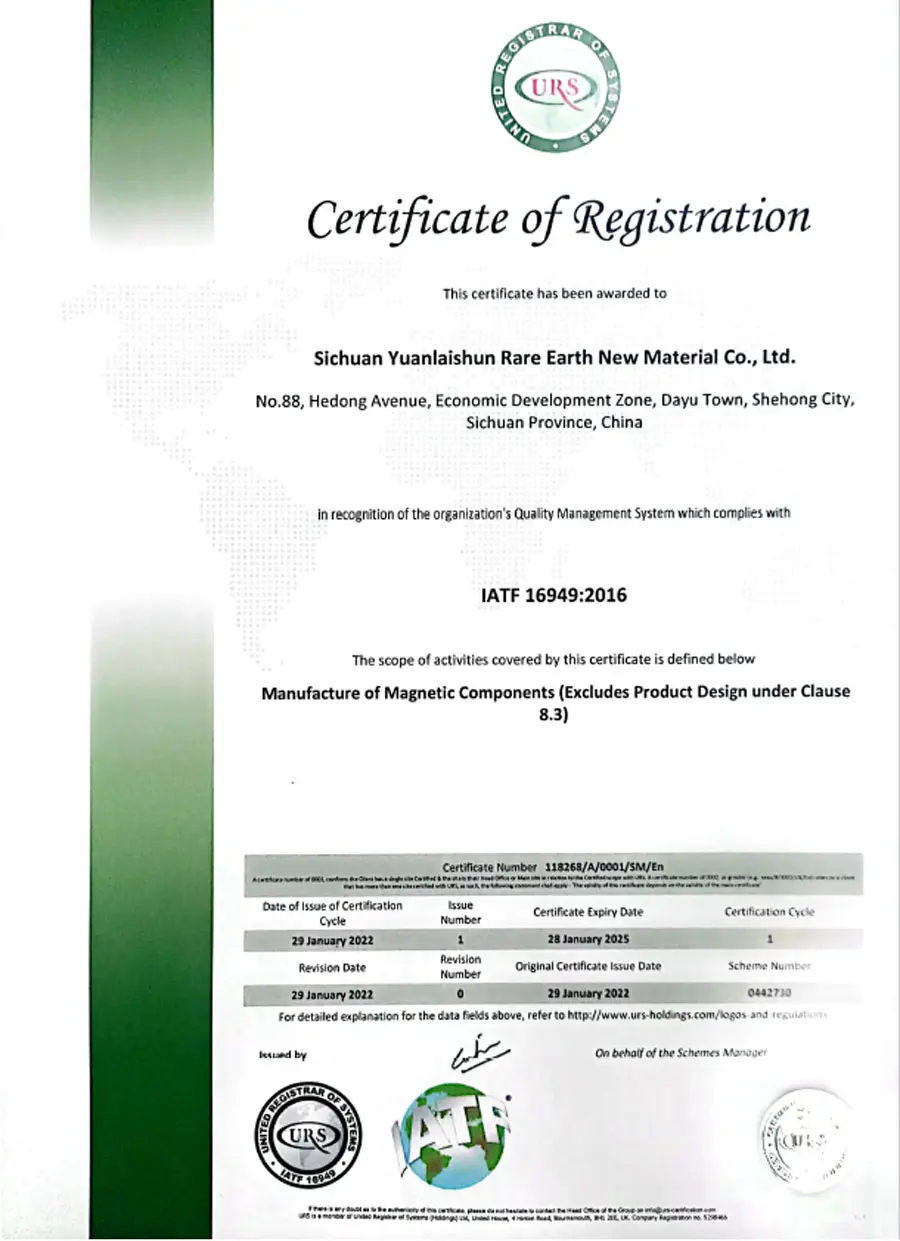
To serve critical markets like automotive, aerospace, and petrochemical systems, our manufacturing processes are audited and certified against rigorous international standards. Our facility maintains active certificates for API 6D, API 607, CE, ISO9001, ISO14001, and ISO45001. These certifications ensure that every phase of manufacturing, from alloying to packaging, operates with strict environmental compliance and reliable quality control.
Expert answers addressing the interface of Invar alloys and high-coercivity rare earth magnets
Invar is a ferromagnetic material with a relative permeability of 1,000 to 2,500. When placed in proximity to permanent NdFeB magnets, it acts as a magnetic conduit, absorbing and routing local flux lines. Designers must run finite element analysis (FEA) to ensure that the structural Invar components do not create undesired magnetic shunts or alter the expected magnetic flux profile across active air gaps.
Above its Curie temperature of approximately 230°C, Invar transitions from a ferromagnetic state to a paramagnetic state. When this occurs, the spin-compensating magnetostrictive mechanism that prevents thermal expansion degrades. Consequently, its coefficient of thermal expansion increases rapidly, behaving like standard nickel-iron alloys. Maintaining operating temperatures below 200°C is critical to preserve the low-expansion properties of Invar.
Yes. We specialize in producing complete magnetic assemblies. This includes sourcing and machining precision-grade Invar housings, manufacturing and magnetizing high-performance NdFeB magnets, and bonding the elements using specialized high-strength structural epoxies designed for thermal stability and high shear resistance.
For aggressive environments, we recommend a multi-layer Electroless Nickel-Copper-Nickel (Ni-Cu-Ni) coating or an organic Epoxy coating. In high-humidity applications, Parylene coating provides excellent barrier properties and electrical insulation, preventing galvanic corrosion between the sintered NdFeB magnet and the metallic Invar housing.
Contact our engineering support team for detailed drawings, magnetics simulation, or bulk pricing within 24 hours.
Precision-engineered magnetic products for industrial motors, generators, and electronics
 Laysun Magnetics