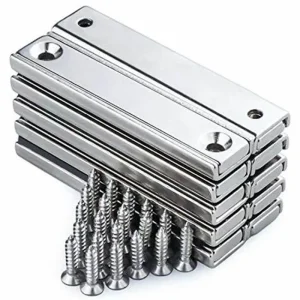
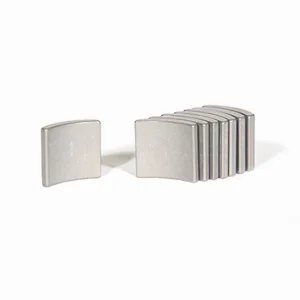
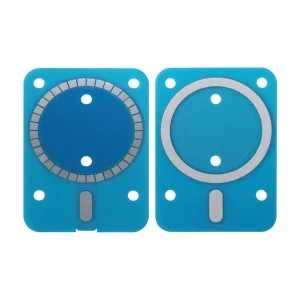
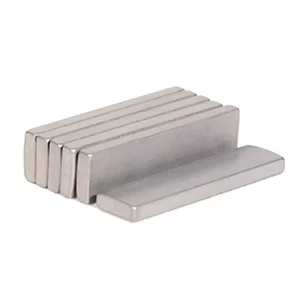
In high-performance industrial applications, structural integrity and magnetic performance under extreme temperatures are critical. Cobalt magnetization technology is a cornerstone for advanced material sciences, specifically within Samarium Cobalt (SmCo) alloys and hybrid Iron-Cobalt (Fe-Co) magnetic matrix systems.
While Neodymium-Iron-Boron (NdFeB) dominates consumer electronics due to high room-temperature energy products, cobalt-enhanced and SmCo magnets provide unparalleled thermal stability, possessing Curie temperatures of up to 800°C. This makes them indispensable in aerospace actuators, automotive EPS (Electric Power Steering), downhole oil exploration sensors, and wind turbine generators.
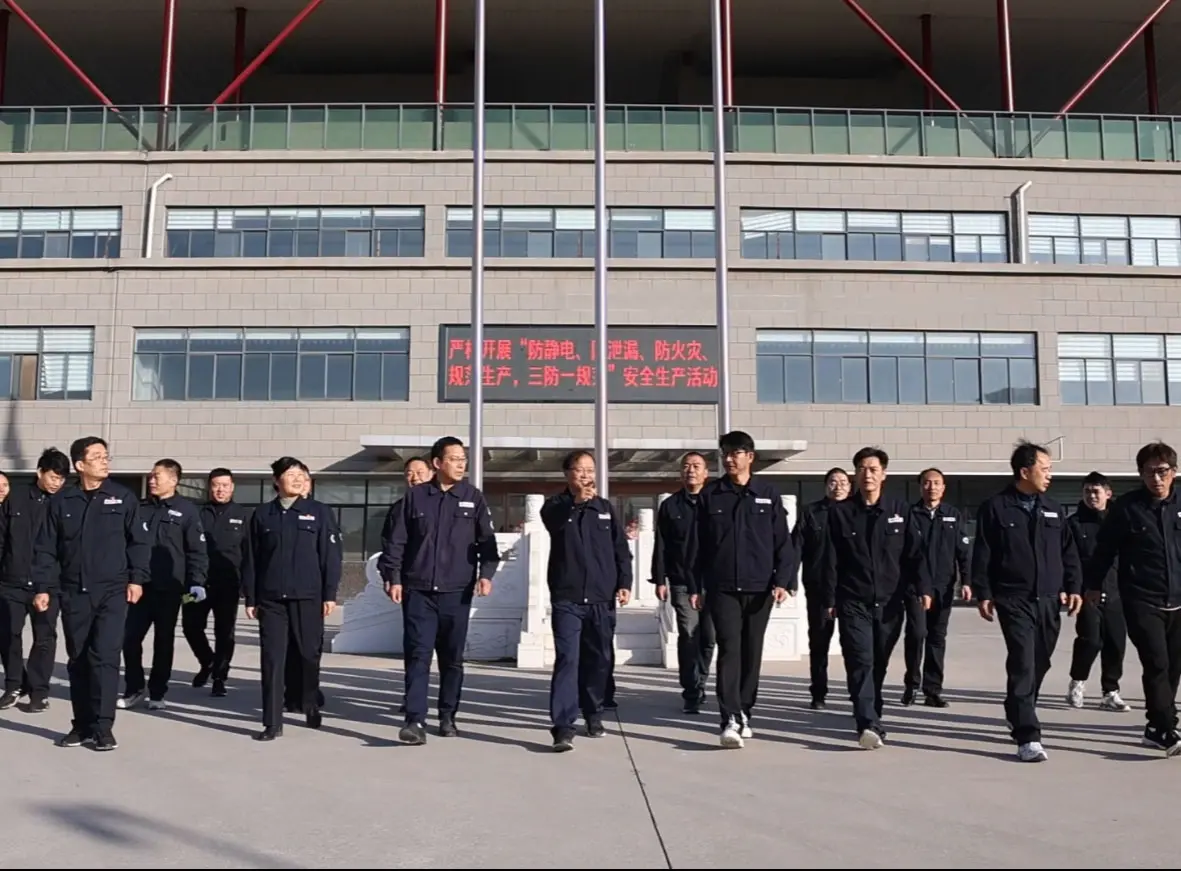
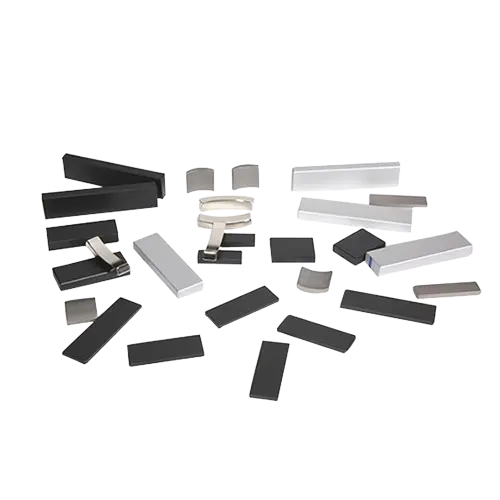
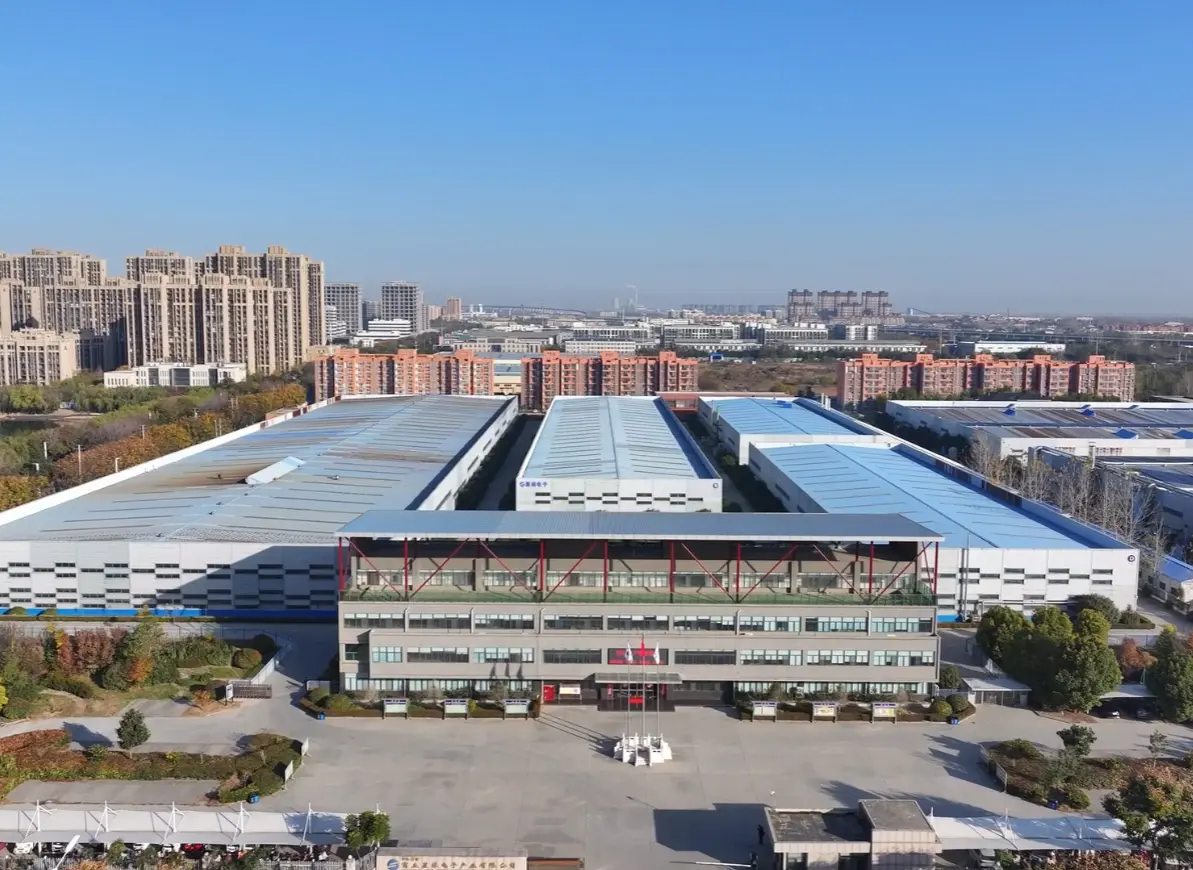
Zhejiang Laysun Magnetics Ltd. is a national high-tech enterprise specializing in the R&D, design, and manufacture of advanced permanent magnets and assembly solutions. Established in 1999, the company has spent over two decades developing high-coercivity rare earth magnets.
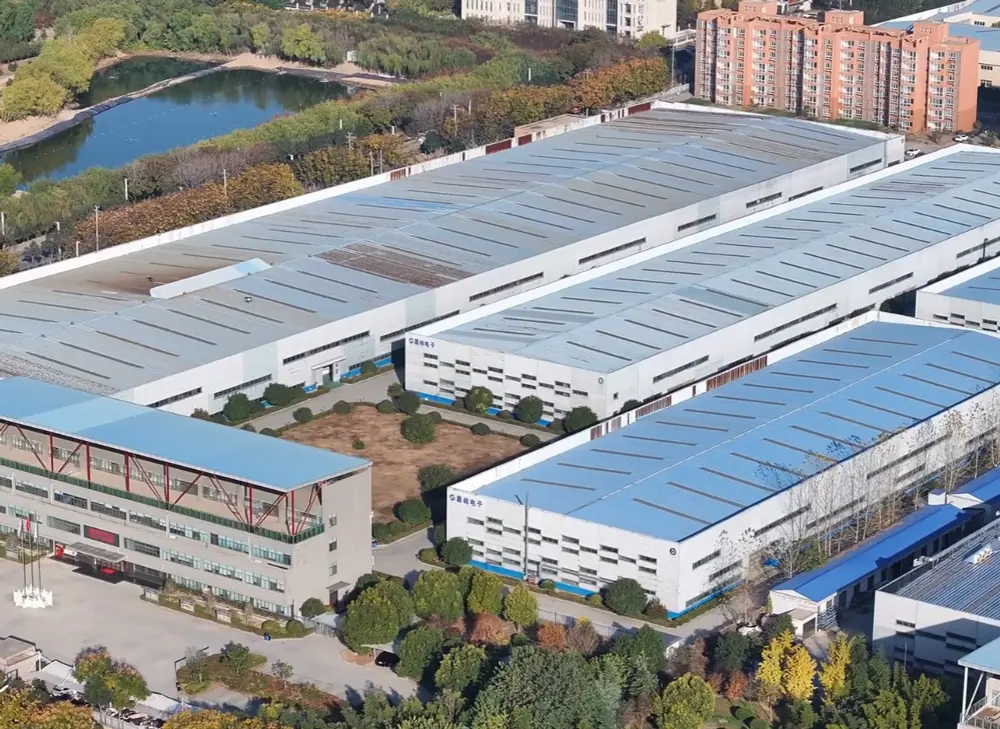
Our state-of-the-art facility covers 100,000 square meters in Suining, Sichuan, supported by a skilled workforce of 300+ engineering and operational professionals. With a capacity to deliver 5,000 tons of advanced rare earth magnets annually, we supply critical components to global OEMs in electric vehicle drivetrains, industrial automation, medical sensors, and high-frequency acoustic transducers.
Cobalt plays a key role in stabilizing magnetic crystal structures against thermal degradation. Modern manufacturing paths focus on reducing raw material dependency while optimizing magnetic alignment and thermal stability.
Cobalt refinement is concentrated in centralized regions, presenting supply chain risks. High-quality cobalt magnet manufacturers leverage strategic raw material alliances to manage cost fluctuations and deliver stable pricing.
Achieving optimal crystal axis alignment in Samarium-Cobalt ($Sm_2Co_{17}$ or $SmCo_5$) requires high-field pressing environments and vacuum sintering systems, preventing structural micro-cracks.
Unlike NdFeB, SmCo has low iron content, offering strong intrinsic corrosion resistance. However, for specialized environments, nickel, epoxy, or passivated Parylene coatings are applied for long-term reliability.
| Magnetic Material Type | Remanence ($B_r$, kG) | Coercivity ($H_{cj}$, kOe) | Max Energy Product ($(BH)_{max}$, MGOe) | Max Operating Temp (°C) | Corrosion Resistance |
|---|---|---|---|---|---|
| Samarium Cobalt (SmCo2:17) | 9.0 - 12.0 | 15 - 25 | 20 - 32 | 350 | Excellent |
| Samarium Cobalt (SmCo1:5) | 8.2 - 9.8 | 15 - 20 | 15 - 22 | 250 | Excellent |
| Sintered NdFeB (High Temp Grade) | 10.2 - 14.5 | 12 - 33 | 30 - 52 | 80 to 230 | Poor (Requires Coating) |
| Alnico (Cobalt-Alloyed) | 6.0 - 13.5 | 0.5 - 2.2 | 5.0 - 9.0 | 520 | Excellent |
To achieve high coercivity without excessive use of heavy rare earths like Dysprosium (Dy) or Terbium (Tb), our engineering team uses Grain Boundary Diffusion (GBD). By diffusing heavy elements alongside cobalt layers directly into the grain boundary regions, we improve stability against demagnetization at higher temperatures.
This method preserves bulk remanence while increasing high-temperature thermal limit. This approach optimizes manufacturing costs, enabling competitive pricing for critical high-temperature components.
Our rare earth and cobalt magnetic materials serve diverse industrial markets worldwide.



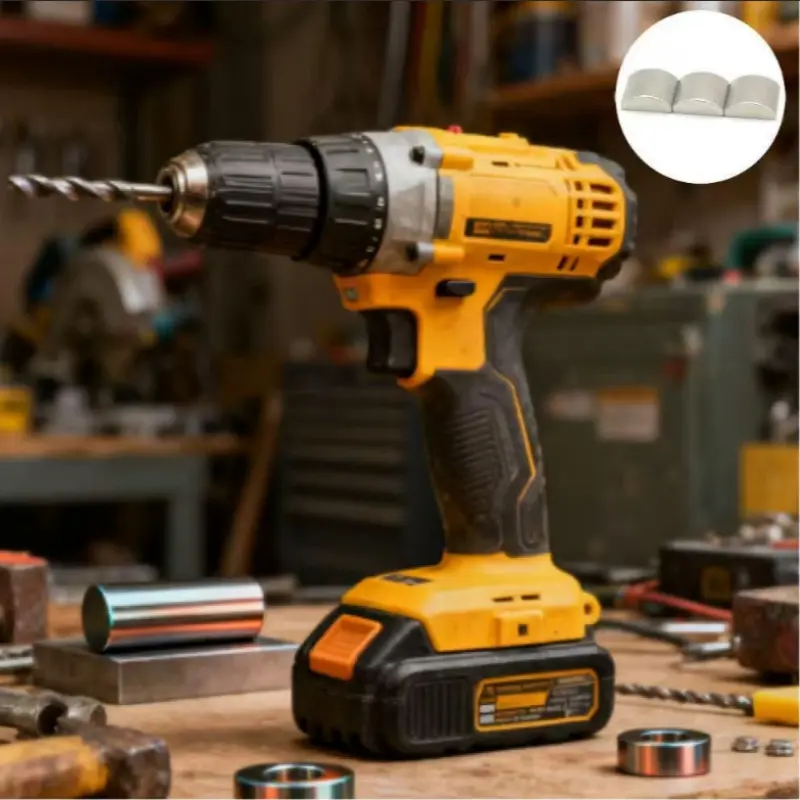

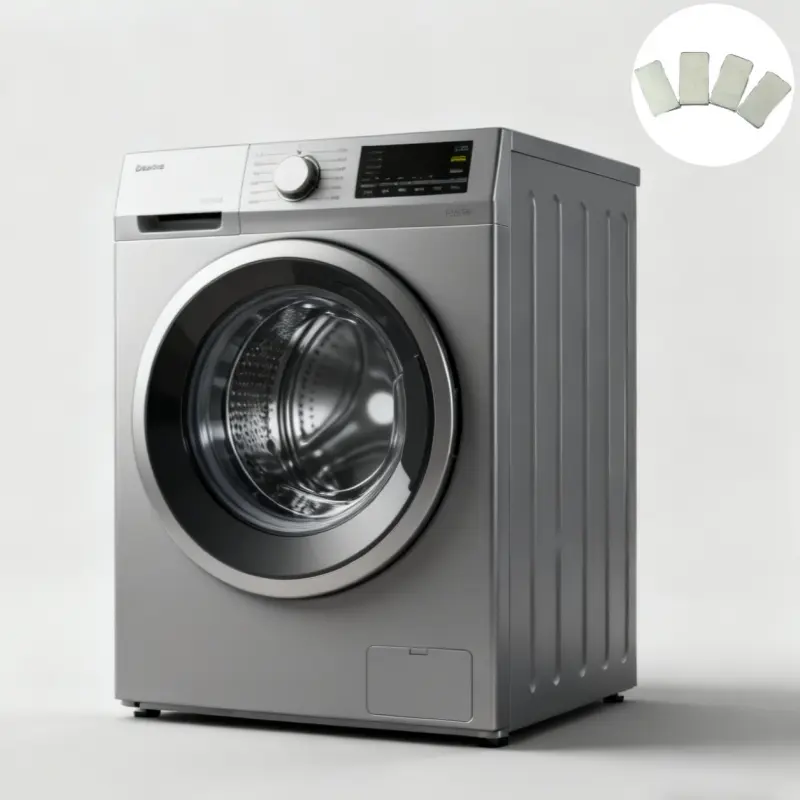
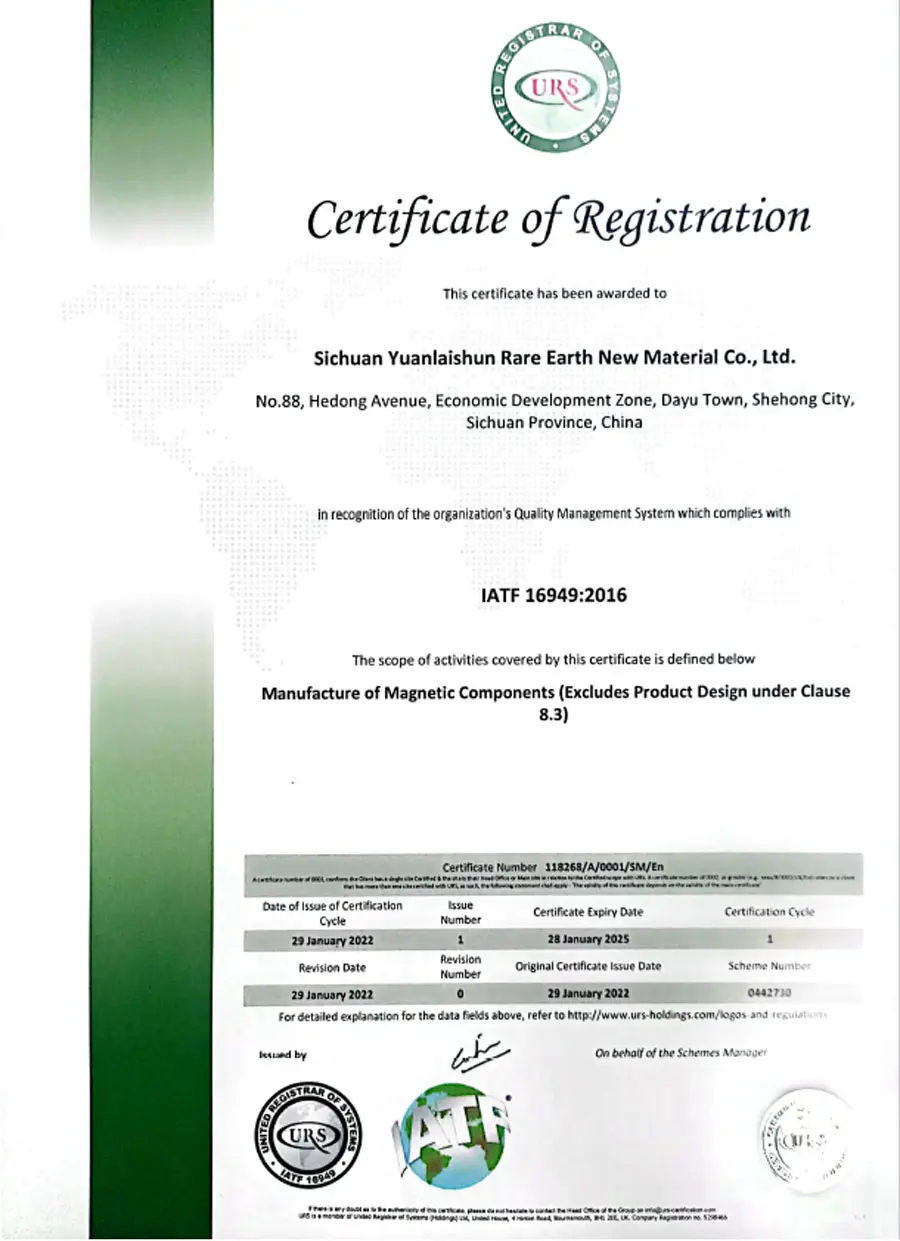
Our manufacturing operations meet global safety, environmental, and engineering standards. We adhere to rigorous verification guidelines to ensure reliable performance.
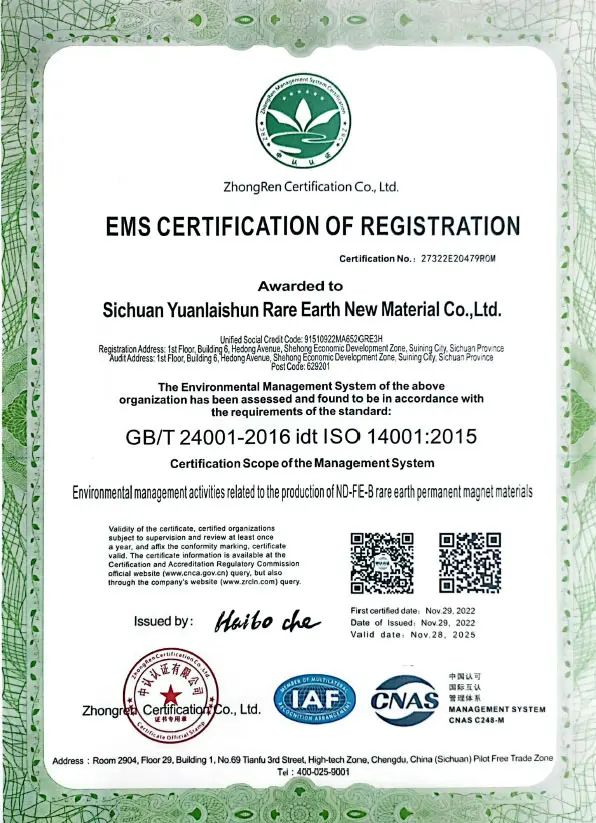
Ensuring stable process control across our entire raw material sourcing and magnet production line.
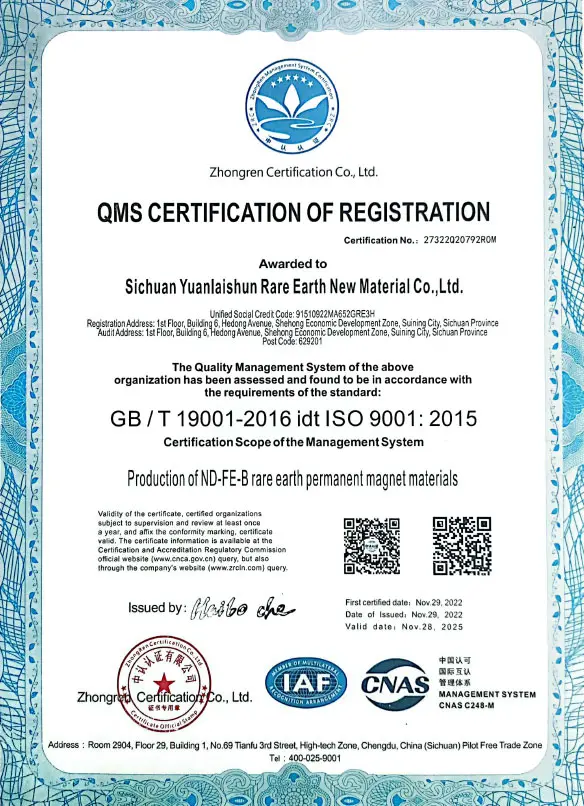
Strict production standards required for automotive-grade traction motors and steering systems.
ISO 14001 and ISO 45001 compliance for safety and ecological responsibility.
Our engineering team can assist you with demagnetization calculations, coating selection, and sample manufacturing.
 Laysun Magnetics