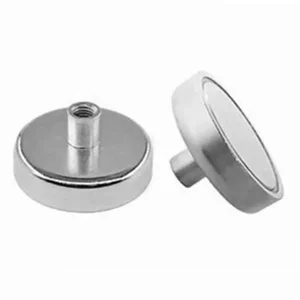
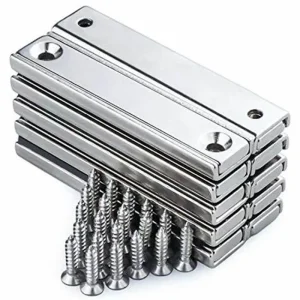
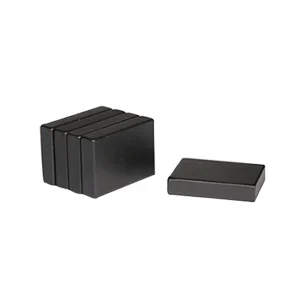
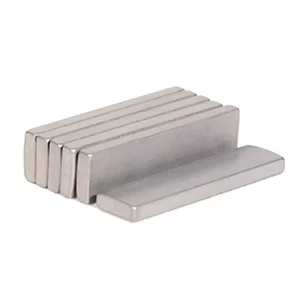
Browse our verified high-performance magnet assemblies and materials engineered for heavy industry operations.
Tungsten carbide (WC), an inorganic chemical compound containing equal parts of tungsten and carbon atoms, stands at the pinnacle of modern powder metallurgy and material science. Often utilized in extreme environments where structural integrity under intense load is critical, tungsten carbide's characteristics are governed by its binder phase, average grain size, and carbon composition. Sourced and manufactured by elite suppliers worldwide, this compound is engineered for maximum performance across diverse industrial verticals.
From a molecular perspective, the sintering process parameters shape the ultimate behavior of the cemented carbide matrix. Cobalt (Co) is the standard binder phase material, though nickel (Ni) and chromium (Cr) are deployed in systems requiring corrosion or oxidation resistance. Adjusting the binder ratio transforms the mechanical limits of the final component, allowing engineers to target specific points on the hardness-toughness scale. For organizations looking to buy Tungsten Carbide components, understanding this trade-off is paramount to project success.
| Mechanical Property | Value / Measurement Range | Industrial Relevance / Test Standard |
|---|---|---|
| Density | 14.0 to 15.5 g/cm³ | Signifies low porosity and optimal alloy purity. (ASTM B311) |
| Hardness | 1500 to 2200 HV (or 88 to 94 HRA) | Exceptional resistance to abrasive wear. (ISO 3878) |
| Compressive Strength | 4000 to 6000 MPa | Withstands immense crushing loads; vital for mechanical seals. |
| Elastic Modulus | 550 to 650 GPa | Nearly triple the stiffness of stainless steel. (ASTM E111) |
| Transverse Rupture Strength (TRS) | 2000 to 4000 N/mm² | Indicates the material's structural resilience under bending stress. |
The synergy between density and hardness determines how the structural matrix performs under persistent friction. When combined with magnetic components in brushless DC (BLDC) motors or heavy industrial rotor assemblies, tungsten carbide provides the crucial rigid sleeve or shaft housing. It ensures that the high magnetic flux of NdFeB Magnets does not cause mechanical misalignment or deflection under high-speed operation.
Modern procurement strategies for advanced materials like tungsten carbide and rare earth magnetic materials have shifted dramatically. Buyers are no longer evaluating options based solely on transactional unit costs; they now analyze total cost of ownership (TCO), supply chain resilience, and environmental, social, and governance (ESG) compliance. As global companies pivot toward localization and secure multi-tier supplier frameworks, certified manufacturing nodes in Asia have stepped up to deliver complex assemblies combining wear-resistant carbide structures with precision-machined NdFeB permanent magnets.
Engineers are increasingly requesting sub-micron (grain size < 0.8 µm) and nano-grained tungsten carbide alloys. These structures exhibit simultaneous improvements in both hardness and transverse rupture strength, breaking the historical trade-off barrier.
High-value industrial sectors, such as defense, oil & gas, and renewable energy, require co-engineered assemblies. Sintered magnets are structurally integrated with tungsten carbide bushings or protective shields to withstand high pressure and aggressive chemical environments.
With tightening international regulations on mineral sourcing, global enterprises mandate detailed compliance tracking from raw ore extraction (Tungsten and Rare Earths) to finalized sintered products.
Zhejiang Laysun Magnetics Ltd., leveraging over two decades of metallurgical research and large-scale manufacturing expertise, is uniquely positioned to handle these shifts. By integrating high-performance NdFeB magnets with heavy-duty structural parts, we support tier-1 suppliers in streamlining their assembly processes and reducing logistical overhead.
Observe our state-of-the-art precision production and assembly environment.
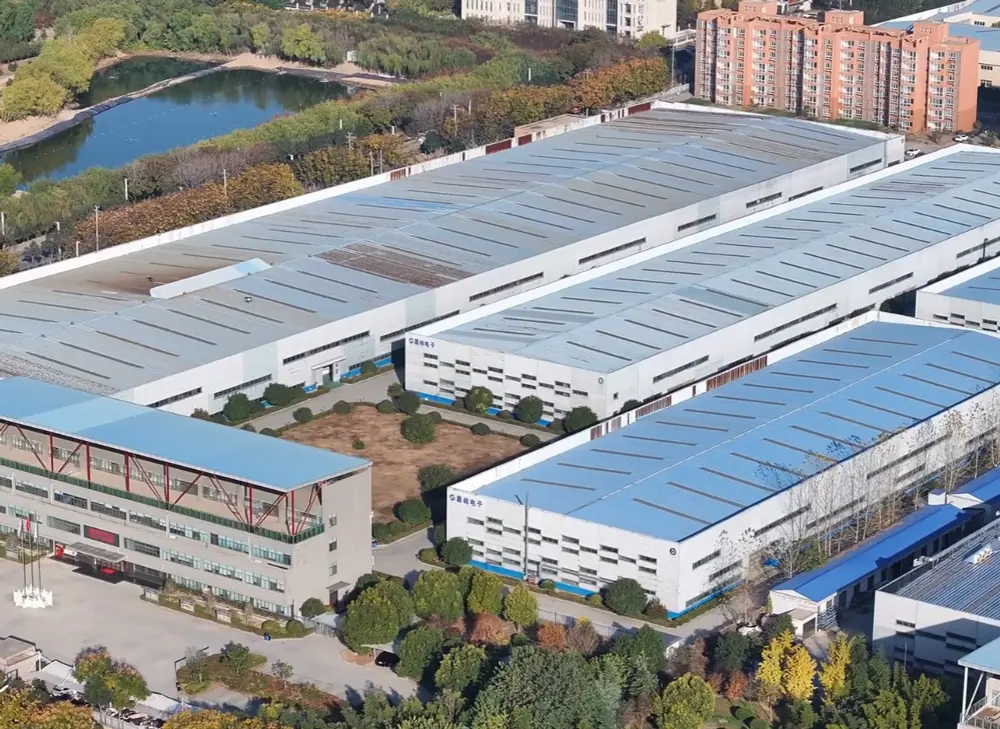
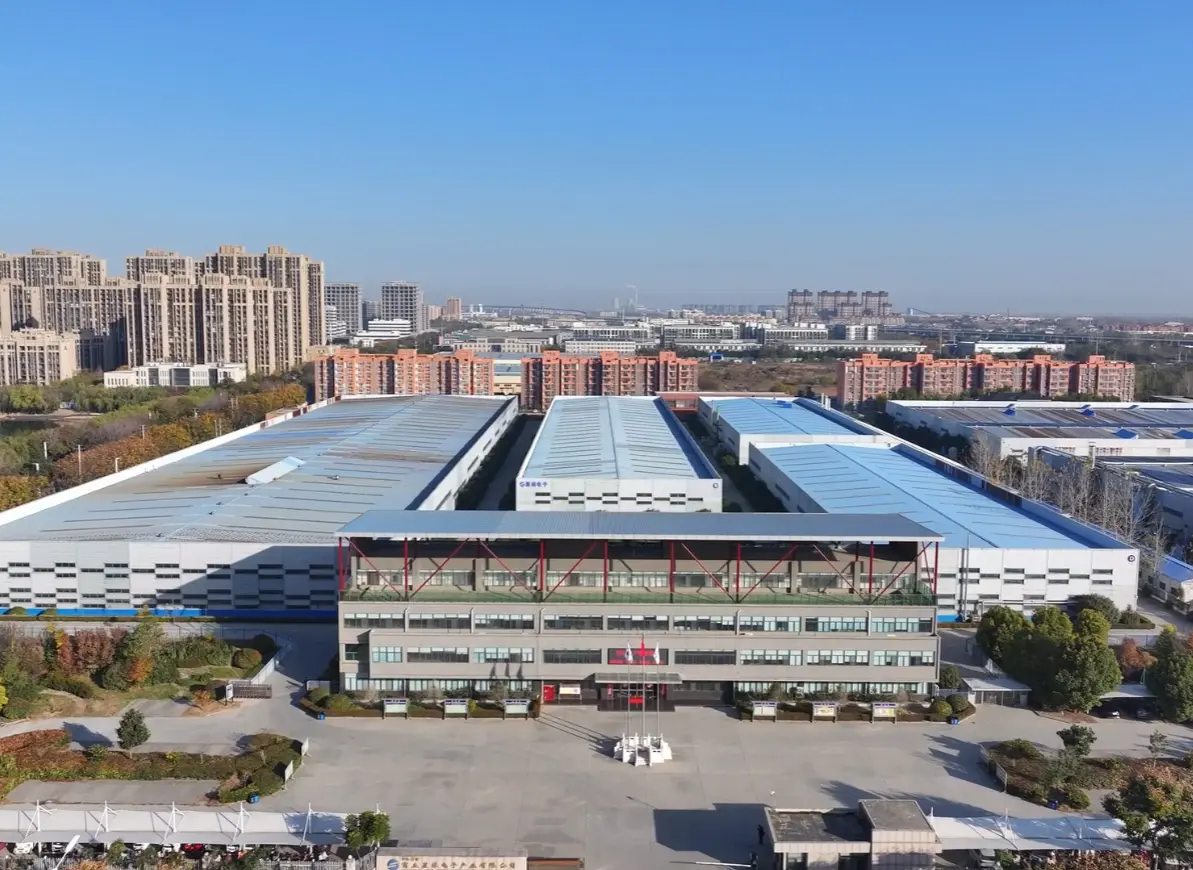
Zhejiang Laysun Magnetics Ltd. is your trusted global partner in high-performance magnetic assemblies and advanced materials. Since our inception in 1999, we have established ourselves as a national high-tech leader. We specialize in the research, development, and mass production of rare earth permanent magnets and structural components. Our mission is to support green energy, automotive electrification, and industrial automation globally.
Our state-of-the-art facility in Sichuan, paired with our corporate center in Zhejiang, combines raw material processing with precision grinding, coating, and quality control systems. This ensures that every magnetic and structural solution meets your exact specifications.
In high-torque electric powertrains, subsea extraction pumps, and robotics, components are subjected to both high electromagnetic forces and extreme mechanical shear. Traditional steels quickly wear out, causing micro-misalignments that degrade performance. By pairing the mechanical strength of Tungsten Carbide with high-flux NdFeB magnets, systems operate reliably for longer. This approach reduces maintenance-related downtime in critical industrial processes.
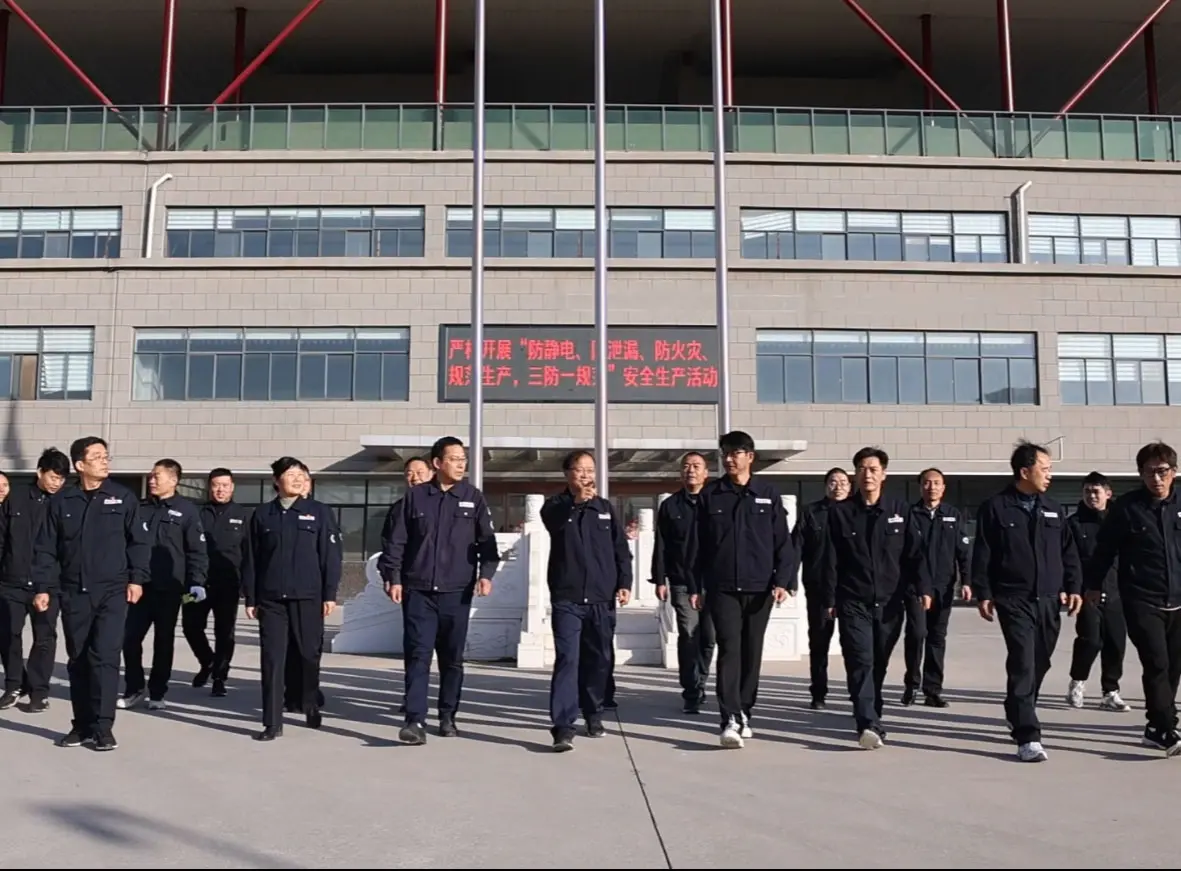
As a national high-tech enterprise, Laysun Magnetics operates advanced vacuum sintering ovens, precision wire-cutting tools, and automated surface finishing systems. This machinery ensures tight tolerances (+/-0.005mm) across production runs.
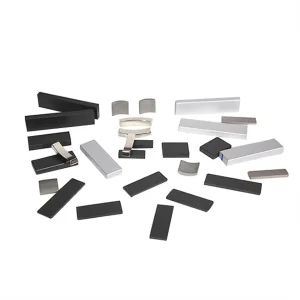
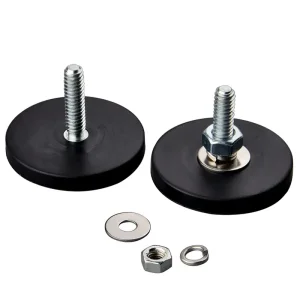
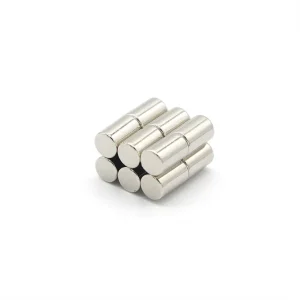
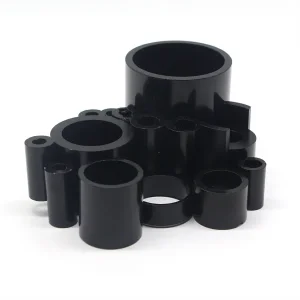
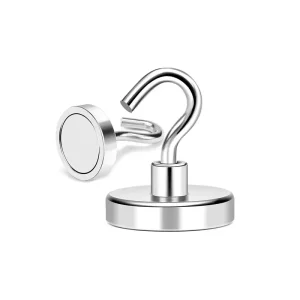
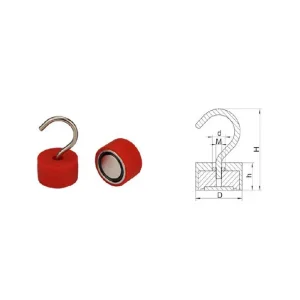
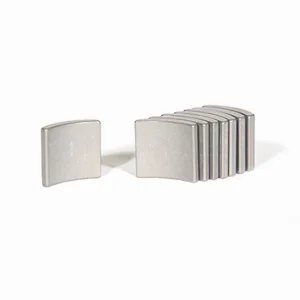
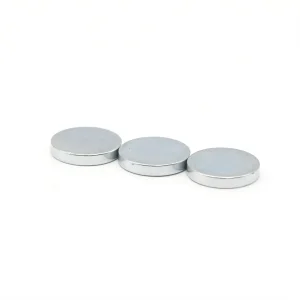
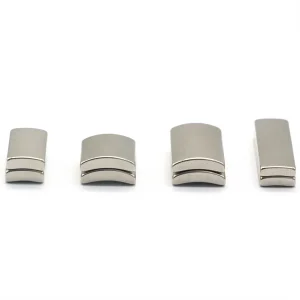
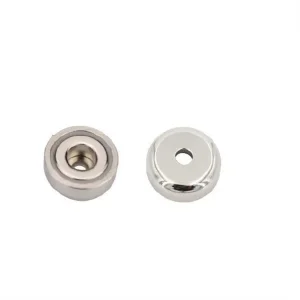
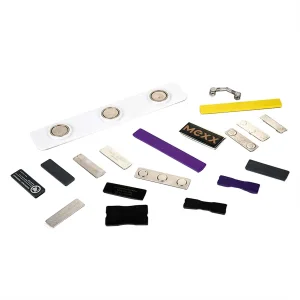
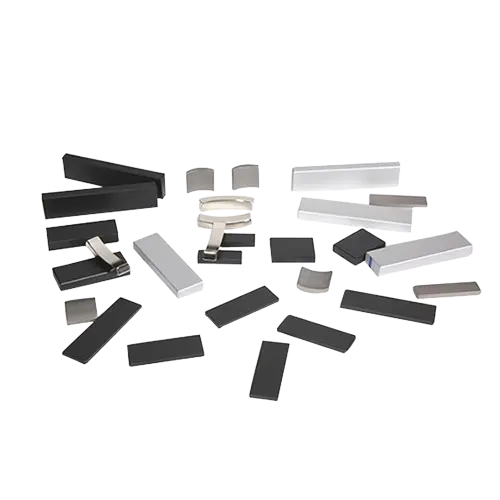
We provide NdFeB blocks, cylinders, rings, and custom arcs, alongside structural mounts, hooks, and pot magnets. This range meets diverse industrial, consumer electronics, and heavy-duty needs.
Quality and credibility guide our research team. We continually optimize the coercivity and thermal stability of our products to meet the evolving demands of our global partners.
Operating across international boundaries requires strict compliance with trade, quality, and environmental regulations. Zhejiang Laysun Magnetics Ltd. offers global localization support, ensuring that our products meet the technical and legal requirements of North American, European, and Asia-Pacific markets.
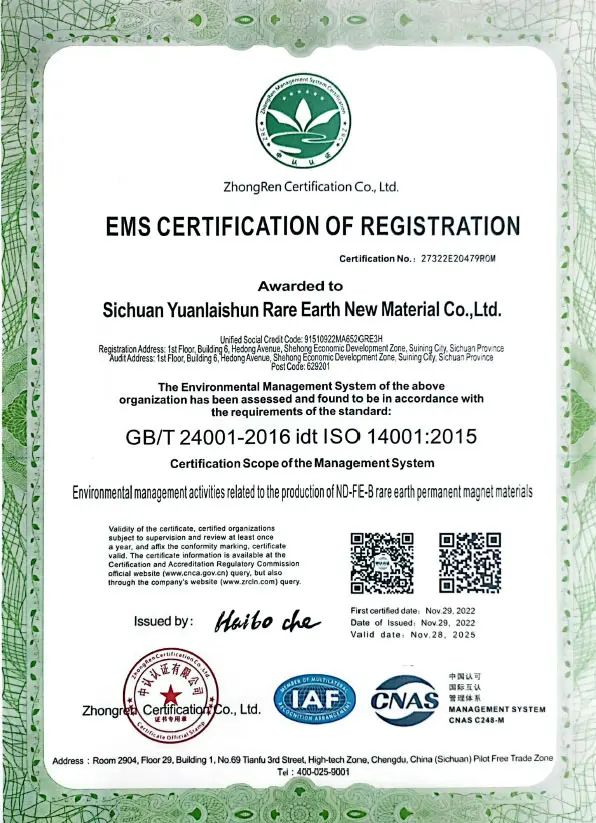
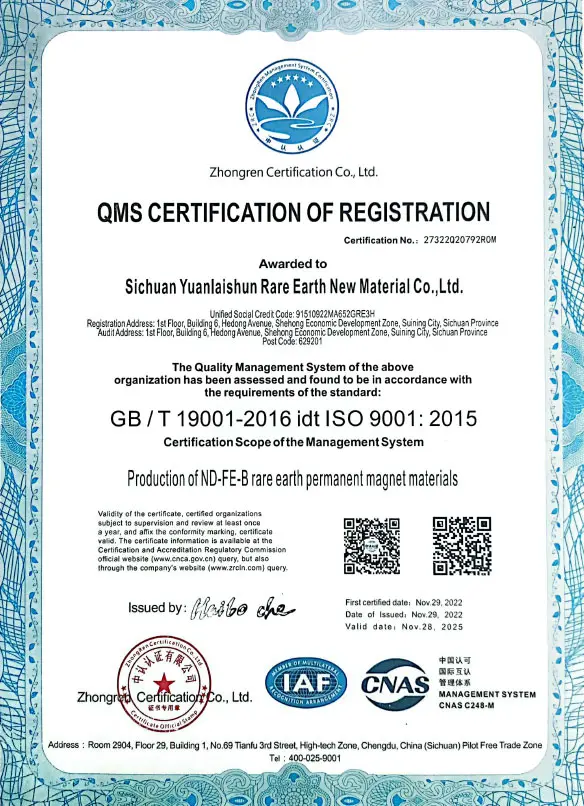
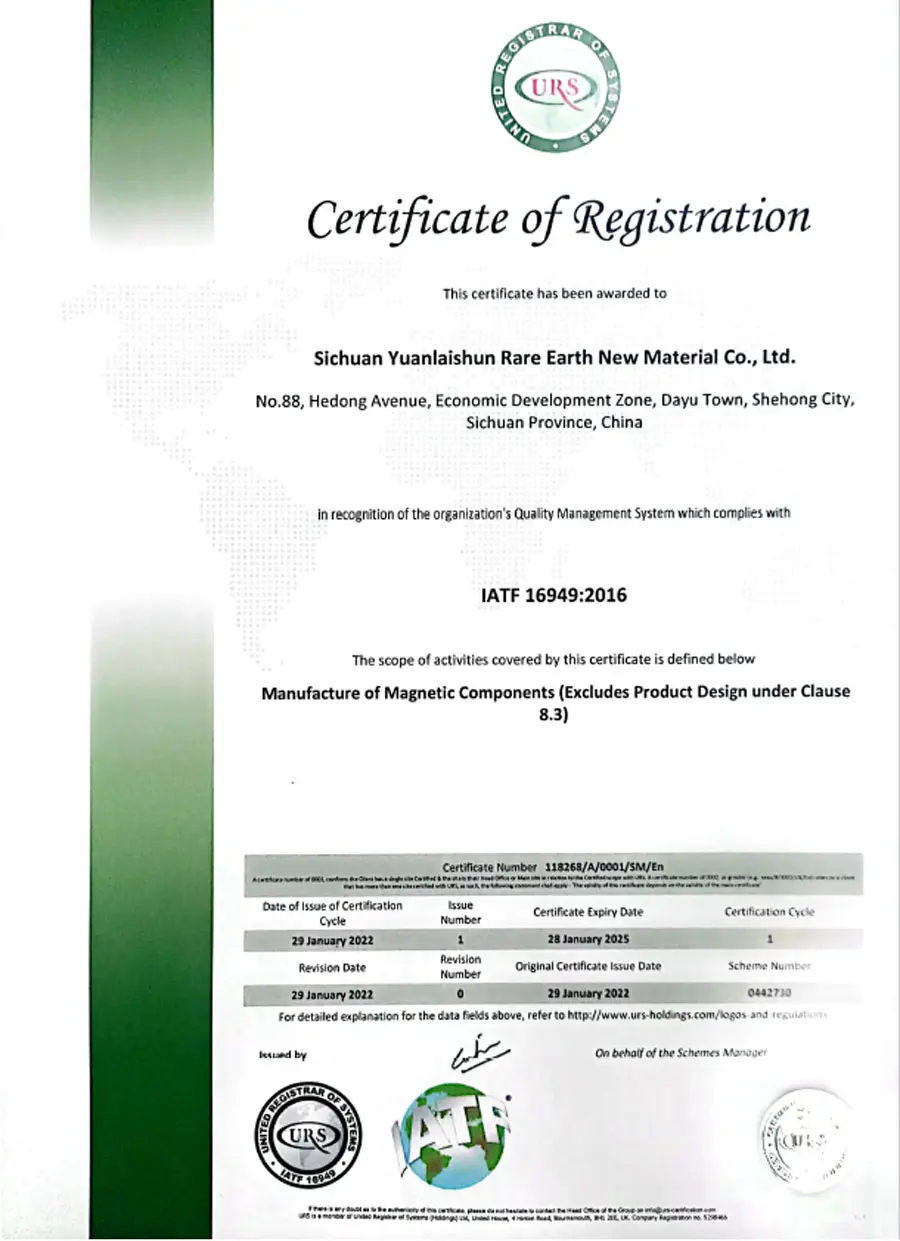
Our quality management systems are certified to leading standards, assuring buyers of our material purity, operational safety, and process repeatability. Whether you require specific ISO standard documentation, REACH declarations, or custom metallurgical testing certificates, our team provides fast compliance support.
We work closely with logistics partners to offer flexible shipping options, including express air freight, consolidated sea freight, and regional warehousing solutions. This network guarantees timely delivery and keeps your production lines running smoothly.
The next decade of industrial growth will be driven by efficiency, sustainability, and miniaturization. To support this transition, we are continually refining our manufacturing methods and materials. Our technical roadmap focuses on three main developments:
By investing in these technologies, Laysun Magnetics ensures that our partners remain competitive in a rapidly changing industrial landscape.
Explore our complete range of magnetic solutions, tailored to improve performance and efficiency in your applications.
 Laysun Magnetics