Explore our top engineered rare earth products, custom built to deliver peak magnetic remanence and high coercive forces under extreme industrial conditions.
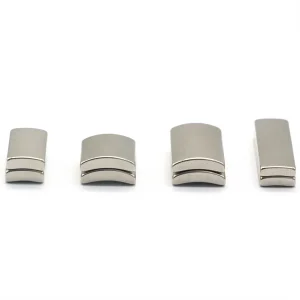
Unlocking Advanced Mechanical Fastening & Magnetic Circuit Principles for Heavy Duty Engineering
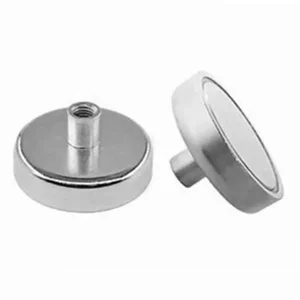
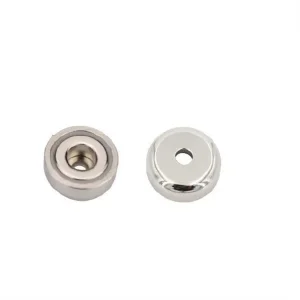
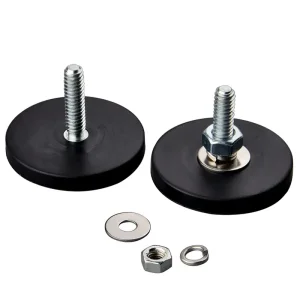
Screw-in rare earth magnets, predominantly engineered using Neodymium Iron Boron (NdFeB) alloys, represent the pinnacle of modern industrial fastening systems. Standard magnets utilize friction or adhesive bonds, which can fail under cyclic thermal expansion, shear strain, or structural vibration. By integrating a threaded steel cup housing (pot magnet configuration) with a central male or female thread, engineers achieve a robust mechanical anchor alongside an optimized magnetic field.
This design utilizes the steel cup to create a closed loop magnetic circuit, shunting the magnetic flux from the back of the magnet back around to the active holding face. This magnetic circuit shunting effectively doubles the direct holding force on flat contact surfaces while protecting the brittle NdFeB core material from mechanical impacts—a critical failure point in high-speed manufacturing environments, automated warehouses, and automotive assembly lines.
Since 1999: Two Decades of Advanced Sintered NdFeB Manufacturing


Founded at the turn of the millennium, Zhejiang Laysun Magnetics Ltd. has evolved from a local magnetic manufacturer into a key global high-tech supplier. Our massive factory, covering 100,000 square meters in Sichuan, houses high-vacuum sintering ovens, automatic slicing machines, and advanced coating lines. This enables us to maintain a consistent output of 5,000 tons of rare earth magnets annually.
We specialize in the development, research, production, and sales of high-performance rare earth NdFeB magnets. Our core mission centers on Quality, Credibility, Technology, and Innovation, guaranteeing that every screw-in pot magnet or custom motor segment complies with strict mechanical tolerances and surface finishing requirements.
Optimizing Remanence (Br), Coercivity (Hcj), and Working Temperature for Heavy Machinery
Sintered Neodymium-Iron-Boron magnets are sensitive to temperature elevations. When purchasing screw-in pot assemblies, selecting the correct grade determines whether your system maintains stable holding force or suffers irreversible demagnetization. We offer a comprehensive suite of material options, utilizing advanced Grain Boundary Diffusion (GBD) technology to optimize Dy/Tb distribution, which significantly increases coercivity (Hcj) without sacrificing remanence (Br).
| Class Group | Remanence (Br) - T | Coercivity (Hcj) - kOe | Max Operating Temp | Recommended Applications |
|---|---|---|---|---|
| N35 - N52 (Standard) | 1.17 - 1.48 | ≥ 12 | 80°C / 176°F | Retail fixtures, magnetic mountings, workspace jigs |
| N35M - N50M (Medium Temp) | 1.17 - 1.43 | ≥ 14 | 100°C / 212°F | Sensor mounting brackets, tooling jigs |
| N35H - N48H (High Temp) | 1.17 - 1.38 | ≥ 17 | 120°C / 248°F | Automotive EPS, light industrial motors |
| N33SH - N45SH (Super High) | 1.13 - 1.35 | ≥ 20 | 150°C / 302°F | Wind turbine rotors, hybrid vehicle power-trains |
| N28UH - N40UH (Ultra High) | 1.02 - 1.25 | ≥ 25 | 180°C / 356°F | Robotic actuator joints, under-hood automotive systems |
| N28EH - N38EH (Extra High) | 1.02 - 1.22 | ≥ 30 | 200°C / 392°F | Aerospace actuators, downhole drilling tools |
Where Mechanical Fastening Meets High-Performance Magnetic Systems

Our screw-in pot assemblies serve as heavy-duty magnetic couplers and quick-change end effectors for industrial robotic arms, providing reliable holding capacity without wiring footprints.

Weight-optimized, high-coercivity mini pot magnets are deployed in cargo release mechanisms and docking systems for drone applications where low mass and high locking force are critical.

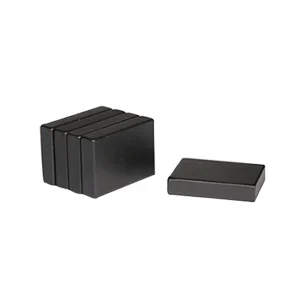
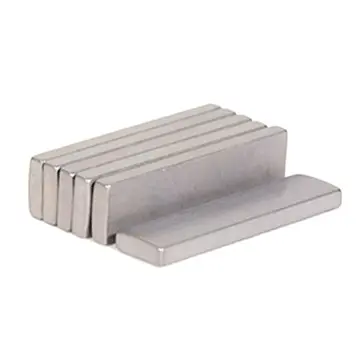
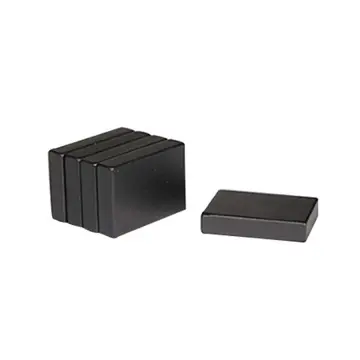
From auxiliary pump motors and electric power steering (EPS) systems to direct cabin mountings, our ISO/TS compliant sintered NdFeB blocks and threaded pots support demanding automotive tasks.
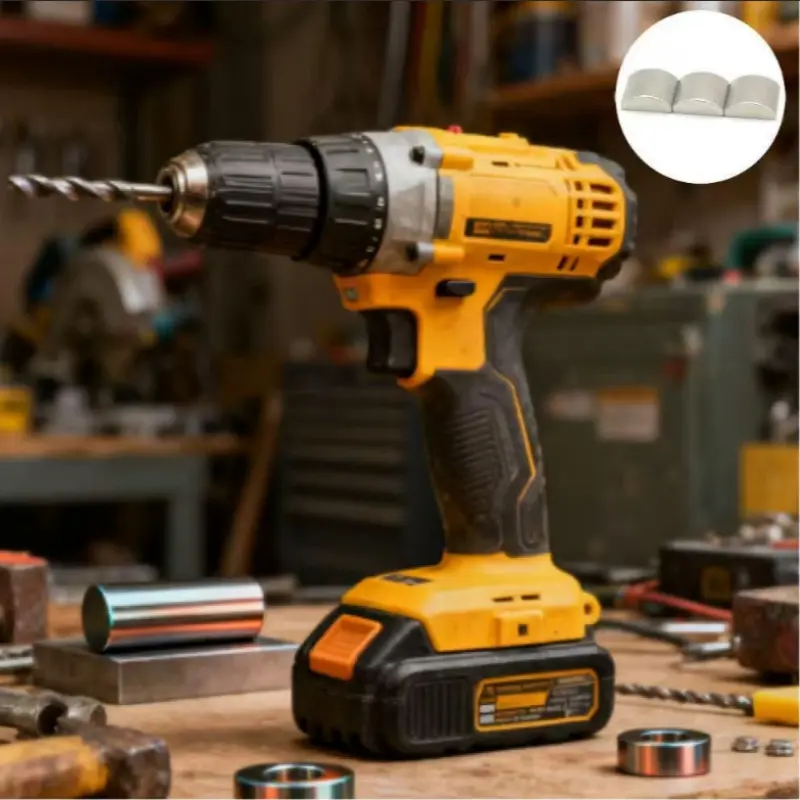
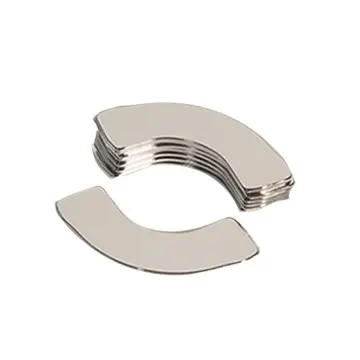
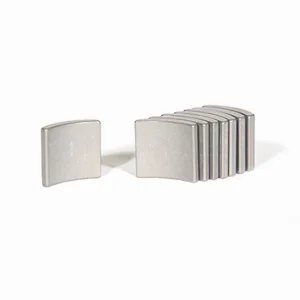
Brushless motors require stable magnetic flux. Our sintered segments withstand continuous micro-shocks and fast rotation speeds without mechanical degradation or field loss.

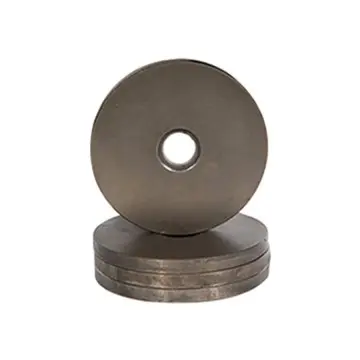
Precision ring magnets, high-tolerance cylinder magnets, and MagSafe-compatible multi-pole assemblies are produced at scale for electronic manufacturers worldwide.
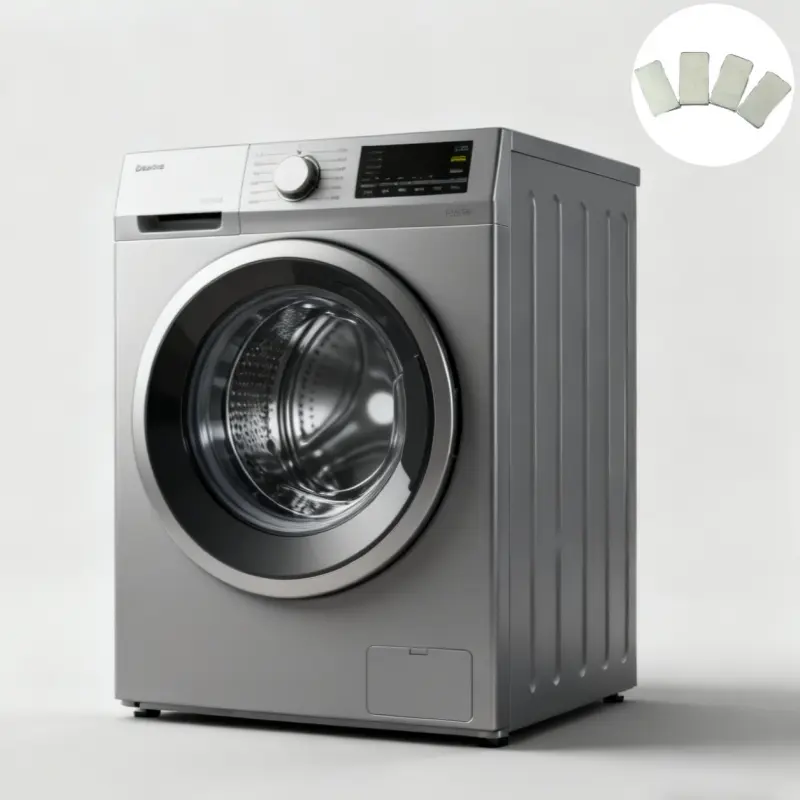
Corrosion-resistant pot magnets, rubber-coated threaded styles, and specialized sensor assemblies are integrated into modern smart kitchen locks and white goods systems.
Engineered to Meet International Compliance Standards
Our production operations align with ISO 9001, ISO 14001, ISO 18001, CE, and TS/IATF 16949 standards, ensuring batch-to-batch consistency and process control. We offer API 6D and API 607 qualified manufacturing processes for demanding subsea and industrial valve systems.
Every shipment undergoes rigorous testing, including demagnetization curve analysis using hysteresigraphs, salt spray corrosion testing for nickel coatings, and 3D coordinate dimensional inspections, ensuring trouble-free installation on assembly lines.
To support global supply chains, we offer air cargo shielding for magnetic transport, optimized sea freight warehousing, and customs clearance support, ensuring seamless delivery from our production hubs to international facilities.
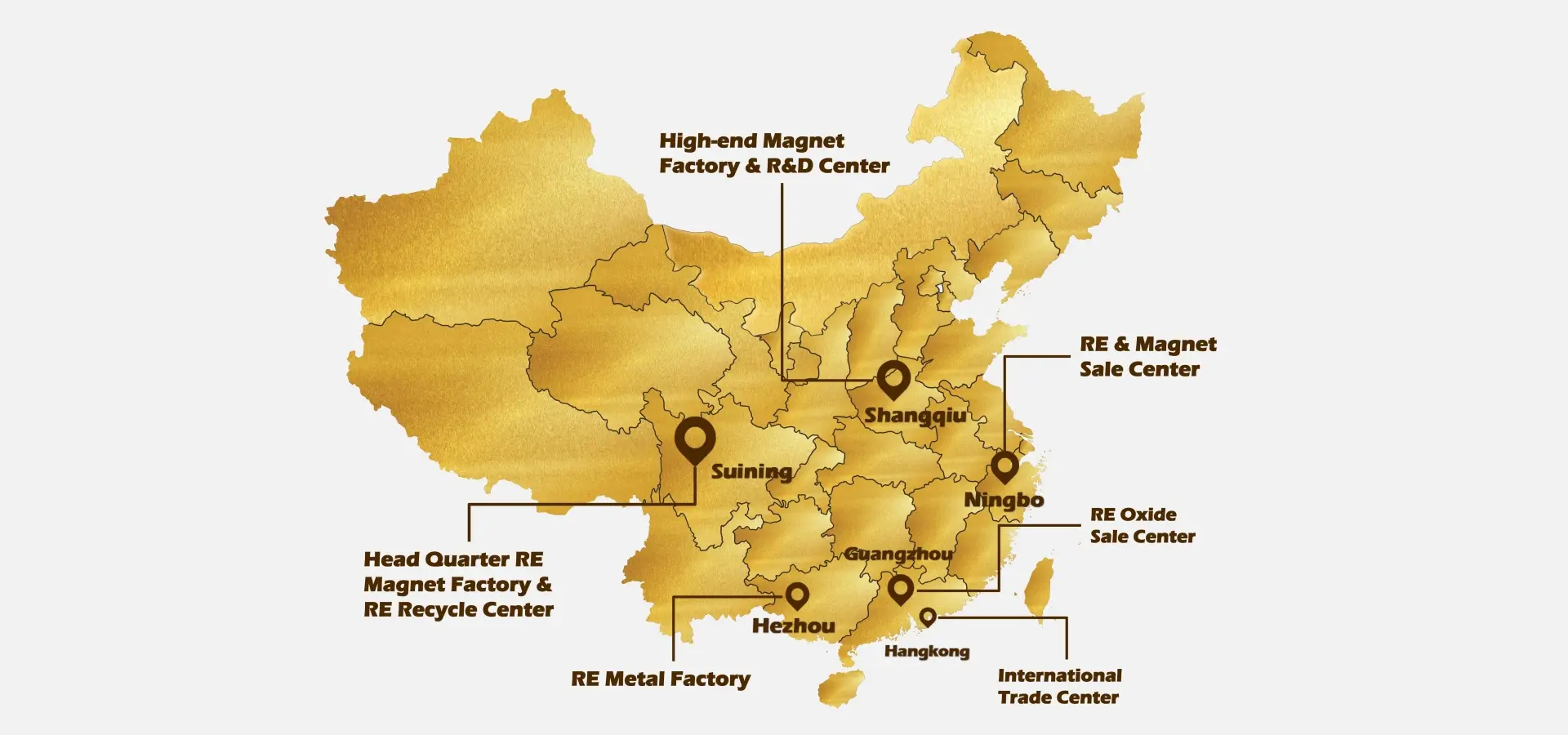
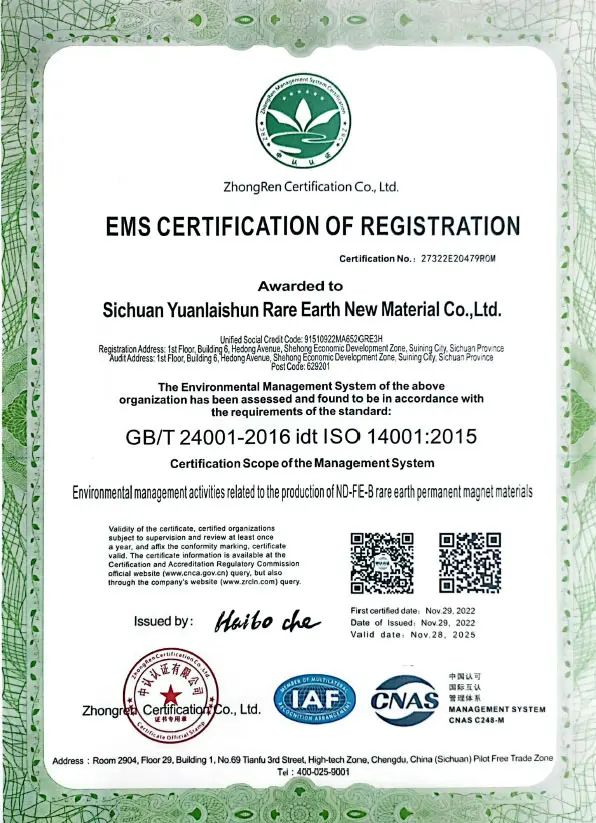
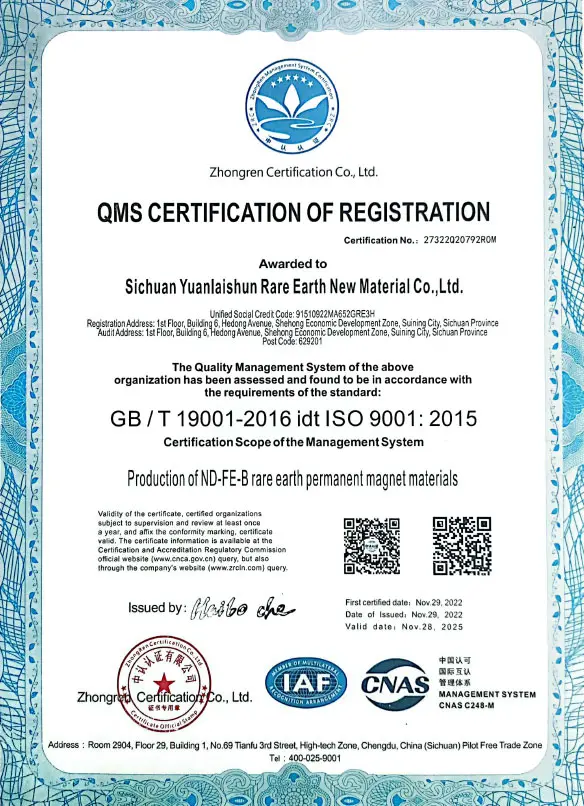
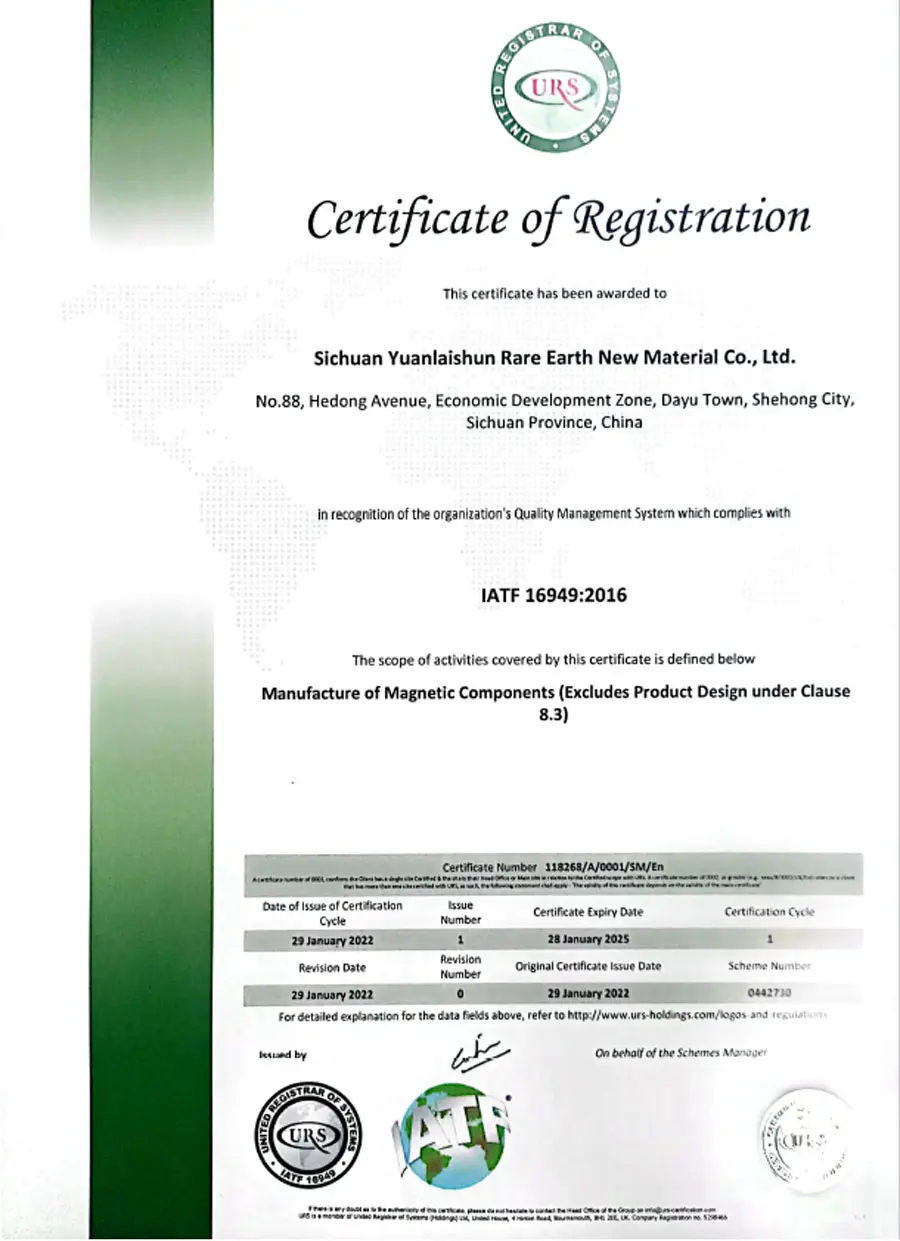
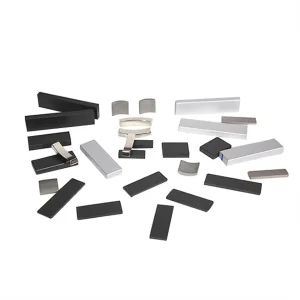
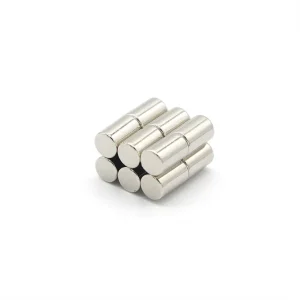
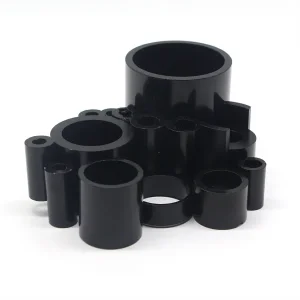
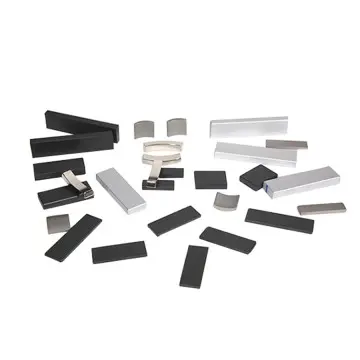
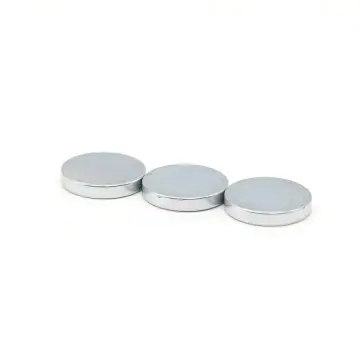
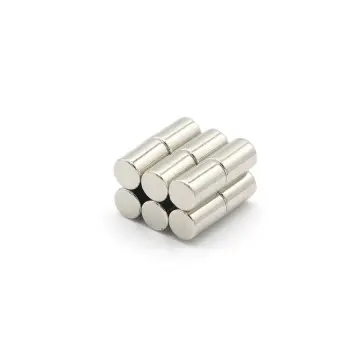
Our comprehensive production capabilities cover all custom geometries and magnetic structures.
Pioneering the Next Generation of High Coercivity, Environmentally Sustainable Magnetics
By diffusing Dysprosium (Dy) or Terbium (Tb) along the NdFeB crystal boundary phase instead of alloy homogenizing, we reduce heavy rare earth consumption by 60% while maintaining high thermal stability and energy products up to N52SH level.
We are expanding coating methodologies to include multilayer Ni-Cu-Ni electroplating, chemical vapor deposition (CVD) Parylene coatings, and marine-grade epoxy sprays, achieving over 1000 hours in continuous salt spray tests.
Aligned with global sustainability initiatives, Zhejiang Laysun Magnetics has designed a circular closed-loop manufacturing pilot program to recover and re-sinter neodymium materials from retired EV drivetrains and wind generators, minimizing environmental impact.
Technical Answers from Our Magnetic Design Engineers
A raw neodymium magnet disperses its magnetic field in all directions. When encased in a CNC-machined steel pot, the magnetic flux lines originating from the rear pole are shunted forward. This redirects the flux lines to the active contact face, concentrating the field lines. On direct contact with a thick steel target plate, this closed magnetic circuit can double the holding force compared to a raw magnet of the same size.
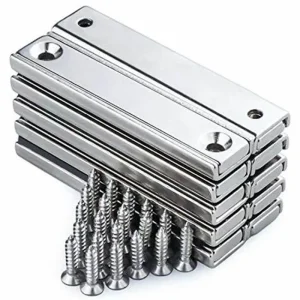
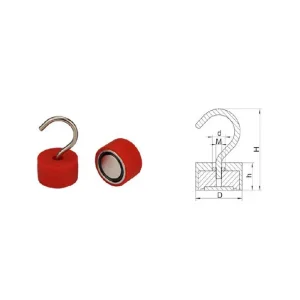
Selecting the correct mounting interface is determined by your assembly design. Male thread pots feature an integrated threaded stud that projects outwards, ideal for locking into threaded apertures. Female thread configurations feature a tapped socket, allowing bolts to secure the magnet from the rear. Countersunk designs feature a central countersunk clearance bore, allowing traditional flat-head screws to mount the magnet flat against non-magnetic surfaces.
Under typical magnetic properties, shear force is only 15% to 20% of the rated vertical holding force. Neodymium pot magnets rely on friction to resist lateral movement. To mitigate sliding in high-shear environments, we recommend utilizing custom rubber-coated screw-in pot designs. The rubber coating significantly increases the friction coefficient, increasing lateral holding power while protecting the mating surface from scratches.
Raw NdFeB is highly susceptible to oxidation. We address this by applying a standard, industrial Ni-Cu-Ni triple plating, which provides robust defense in dry environments. For humid, maritime, or chemical exposures, we supply epoxy coatings, polyurethane encapsulation, or fully enclosed stainless-steel (SUS304/SUS316) pot housings to guarantee long-term field stability.
For standard screw-in pot magnets, our MOQ ranges from 1,000 to 5,000 units depending on size, with lead times of 15 to 25 days. Custom dimensions, unique thread specifications (metric or imperial), and high-temperature grades (SH, UH, EH) require 25 to 35 days for sintering, machining, plating, and testing.
Premium sintered NdFeB hardware solutions optimized for commercial, industrial, and heavy-duty manufacturing applications.
 Laysun Magnetics