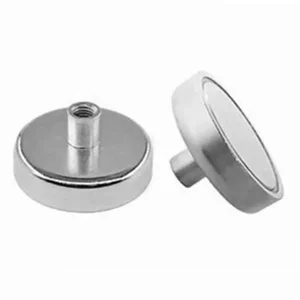
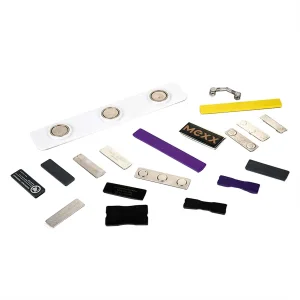
Explore high-performance industrial magnets engineered for severe applications, available direct-from-manufacturer.
Founded at the turn of the millennium in 1999, Zhejiang Laysun Magnetics Ltd. has evolved from a visionary developer to a renowned national high-tech enterprise. We focus heavily on the research, advanced sintering, testing, and distribution of high-performance sintered and bonded NdFeB magnets.
Driven by our core values—Quality, Credibility, Technology, and Innovation—we operate a robust state-of-the-art manufacturing campus spanning over 100,000 square meters. By integrating our extraction, refining, smelting, shaping, and surface-treatment workflows, we generate an impressive annual output of 5,000 tons of rare earth magnets for critical industrial uses globally.
A professional breakdown of the microstructural and chemical composition of NdFeB.
Neodymium-Iron-Boron (NdFeB) magnets, representing the most powerful class of permanent magnetic materials currently known, are characterized by their tetragonal crystalline structure. The core stoichiometric composition is formulated as Nd₂Fe₁₄B. To achieve specialized capabilities—such as high intrinsic coercivity, chemical corrosion resistance, and thermal tolerance—metallurgists supplement this core formula with secondary rare earth and transition elements.
Typical composition by weight percentages:
• Neodymium (Nd): ~29% - 32% (Often combined with Praseodymium to form Didymium)
• Iron (Fe): ~64% - 68% (Provides the principal ferromagnetic coupling)
• Boron (B): ~1.0% - 1.2% (Enables the creation of the tetragonal grain phase)
• Heavy Rare Earths (Dy, Tb): 0.5% - 8% (Added to raise intrinsic coercivity for high-temperature service)
• Transition Metal Modifiers (Al, Nb, Cu, Co): <2% (Regulates grain boundaries and inhibits oxidation)
Within the sintered material, the primary phase is the matrix phase of ferromagnetic Nd₂Fe₁₄B grains. However, the sintering process relies heavily on a Neodymium-rich grain boundary phase (Nd-rich phase). The Nd-rich phase exhibits a lower melting point, filling the gaps between Nd₂Fe₁₄B crystals, isolating them magnetically, and smoothing out nucleation sites. If this phase is compromised by oxidation or chemical impurities, the magnetic performance, particularly the coercivity ($H_{cj}$), drops dramatically.
Depending on application requirements, NdFeB magnets are produced using one of two primary pathways:
Sintered NdFeB: Alloy powders are compressed within an orienting magnetic field and subsequently sintered under high vacuum conditions. This results in fully dense, highly anisotropic magnets offering maximum energy products ($BH_{max}$) from 35 MGOe up to 55 MGOe. They require protective coatings to shield the iron-rich phase from oxidation.
Bonded NdFeB: Isotropic magnetic powders are mixed with polymeric binders (like epoxy or nylon) and injection-molded or compression-molded. While their energy product is lower (typically 4 MGOe to 12 MGOe), they permit complex, multi-pole magnetization profiles and net-shape geometries without requiring secondary machining.
Analyzing macro trends, supply chain strategies, and industrial transformations.
The global demand for high-performance neodymium magnets is expanding exponentially, driven by transition targets in green transportation, automation, and distributed energy generation. Modern engineering fields prioritize materials that deliver higher torque and thermal durability with minimal weight, making NdFeB the preferred alloy for advanced engineering design.
Furthermore, ESG (Environmental, Social, and Governance) targets are changing the way international companies source their magnetic components. Industrial clients now demand clear traceability, low carbon footprints, and supply chain resilience. Manufacturers must demonstrate highly efficient raw material utilization, green energy sourcing, and advanced recovery techniques for rare earth oxides.
Procurement teams navigate complex variables when purchasing Neodymium magnets:
Heavy Rare Earth (HRE) Management: With Dysprosium and Terbium subject to supply fluctuations, advancements in Grain Boundary Diffusion (GBD) technology allow manufacturers to maintain high thermal limits while reducing HRE consumption.
Total Cost of Ownership (TCO): Sourcing directly from verified Chinese suppliers reduces structural cost layers, giving buyers access to comprehensive quality management processes, secondary machining, and custom plating services.
Why Zhejiang Laysun Magnetics Ltd. provides superior reliability, precision, and cost control.
Proximity to local refining hubs allows us to secure reliable rare earth supplies, insulating partners from global raw material volatility.
Our GBD processing diffuses Dy or Tb selectively along grain paths, achieving EH and AH temperature classes while reducing reliance on rare inputs.
Equipped with advanced wire EDM, inner-hole slicers, and centerless grinding, we reliably meet dimensional tolerances down to ±0.01mm.
Our automated plating lines deliver robust Ni-Cu-Ni, epoxy, zinc, and Parylene coatings, passing extended salt spray tests.
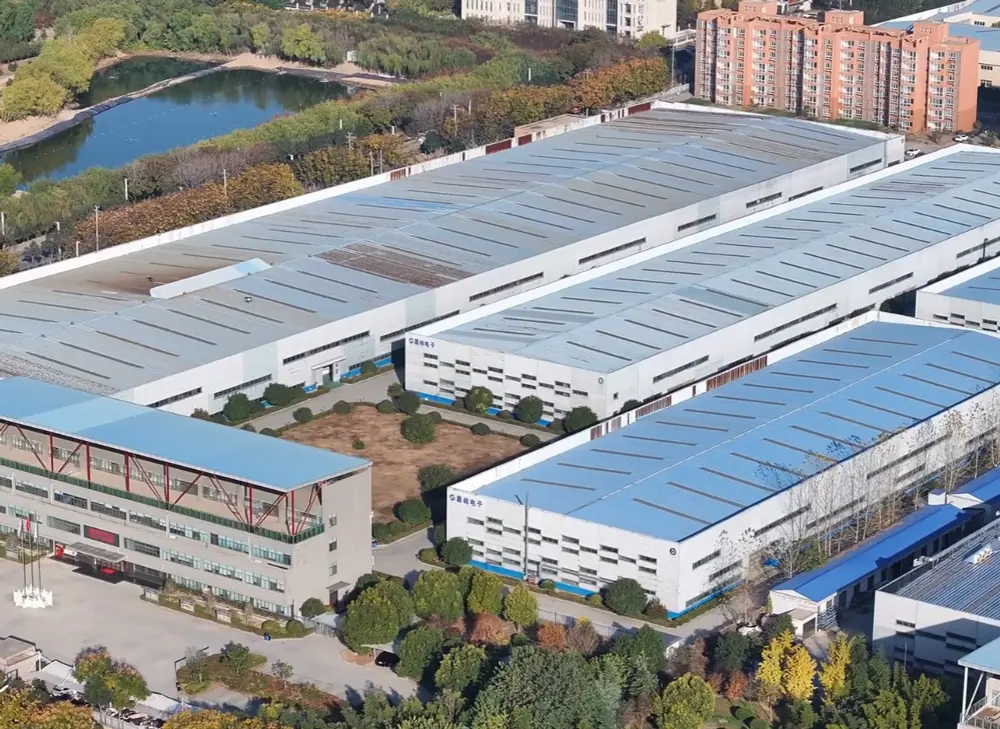
At Zhejiang Laysun Magnetics, we prioritize reliable material testing. Our quality control lab uses demagnetization curve graphers, ICP-OES chemical analyzers, and HAST (Highly Accelerated Stress Test) chambers. Every batch receives comprehensive analysis to ensure it matches engineering blueprints, from flux density values to dimensions and surface coatings.
Our magnets drive innovation across major tech and industrial sectors.
Sintered block magnets designed for high torque densities, high heat limits, and exceptional long-term demagnetization resistance in traction motors.
Compact, high-precision arc and ring segments that optimize feedback loops, dynamic responsiveness, and positioning accuracy in servomotors.
Ultra-thin magnetic rings and arrays configured for smartphones, smart watch attachments, and MagSafe accessories.
Lightweight NdFeB solutions optimized for high-power, weight-sensitive applications in high-altitude environments.
Mechanically resilient motor magnets engineered to withstand mechanical shocks and vibration in high-RPM operations.
Energy-efficient permanent magnets for inverter compressors in air conditioners, washing machine drums, and ventilation fans.
Our structured framework for ensuring zero-defect product delivery.
Purchasing rare earth magnets for critical industrial uses requires strict checking parameters. Below is Laysun's structured quality assurance framework:
Because neodymium magnets generate strong magnetic fields, they require specialized packaging for safe transit. For air transport, we use metal shielding sheets and custom foam layers to contain the flux, meeting IATA902 regulations. For sea shipping, we pack items in wooden crates with desiccant bags to prevent moisture damage during transit.
Select from our specialized configurations, optimized for diverse application criteria.
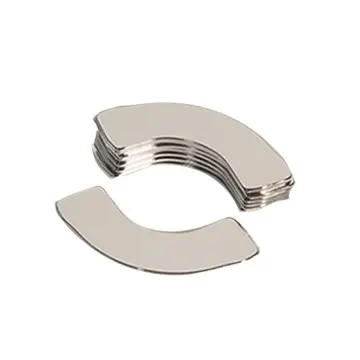
Highly uniform magnetic arrays designed for fast-response actuators.
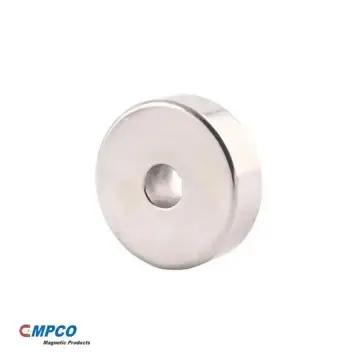
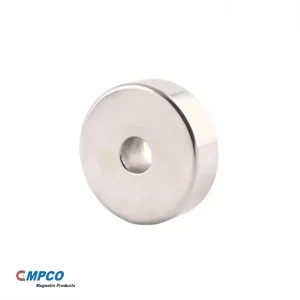
Anisotropic rings with radial orientation for advanced electric motors.
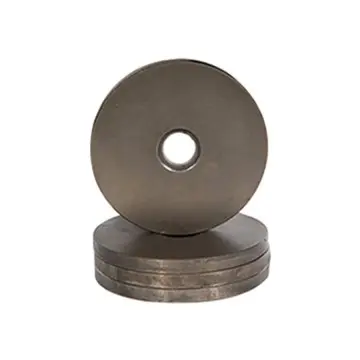
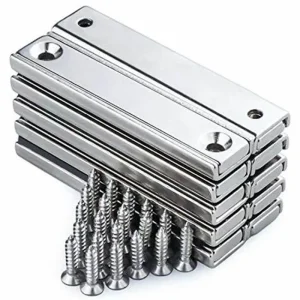
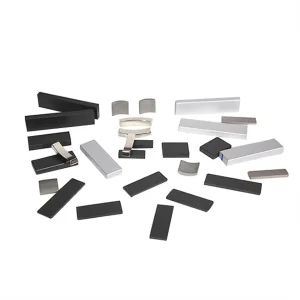
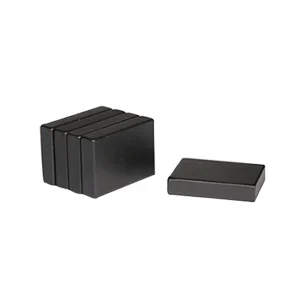
Heavy-duty block designs offering high magnetic force values.
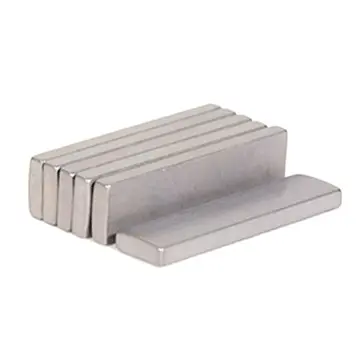
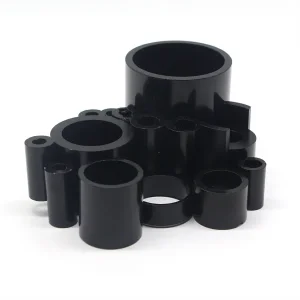
Raw magnetic materials graded for specific industrial applications.
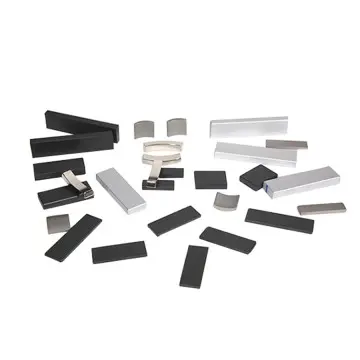
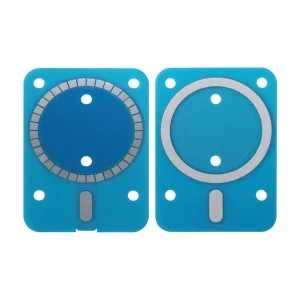
Thin, high-precision ring configurations built for consumer electronics.
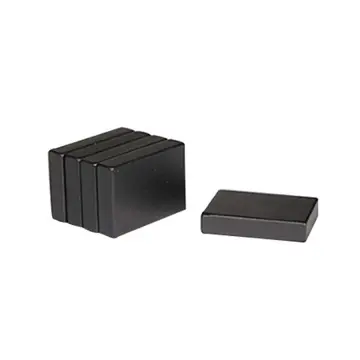
High-coercivity grades developed for electric vehicle propulsion systems.
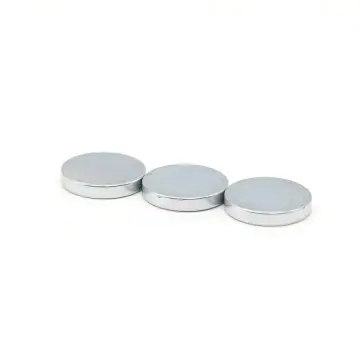
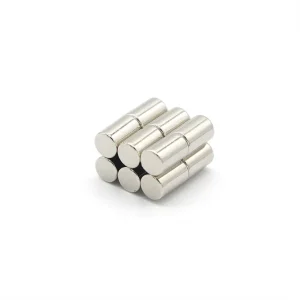
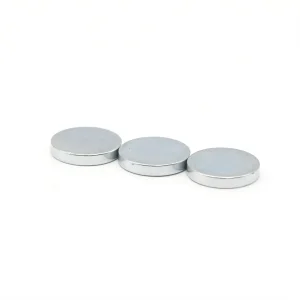
Standard round discs designed for high-density spacing configurations.
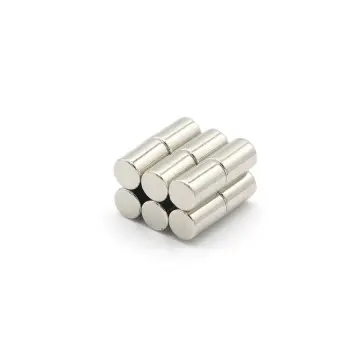
High length-to-diameter cylinders built for sensor trigger components.
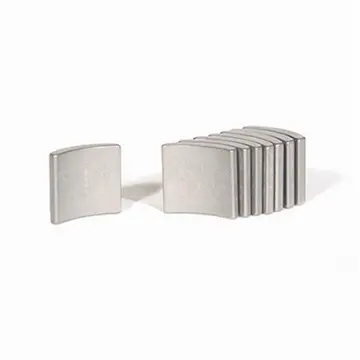
Consistent magnetic properties designed for electric power steering units.
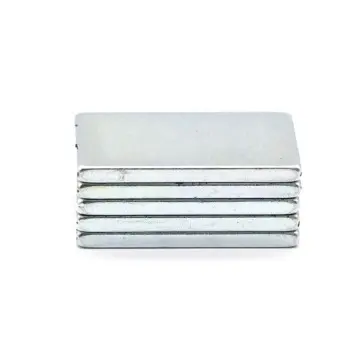
Multi-purpose blocks engineered to hold dynamic tolerances.
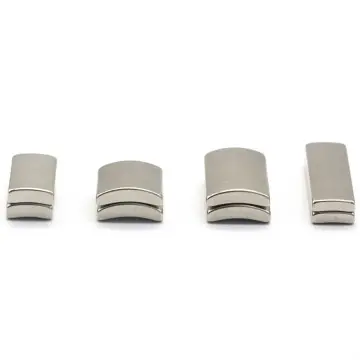
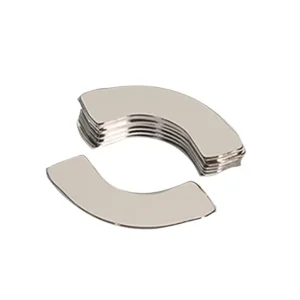
Curved motor magnets optimized for high-power rotor assemblies.
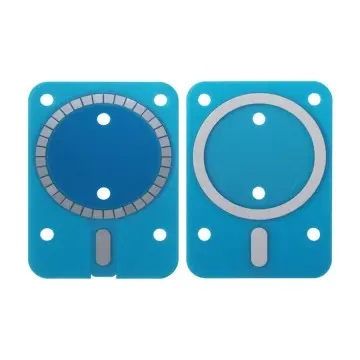
Small, precise ring formats engineered for phone applications.
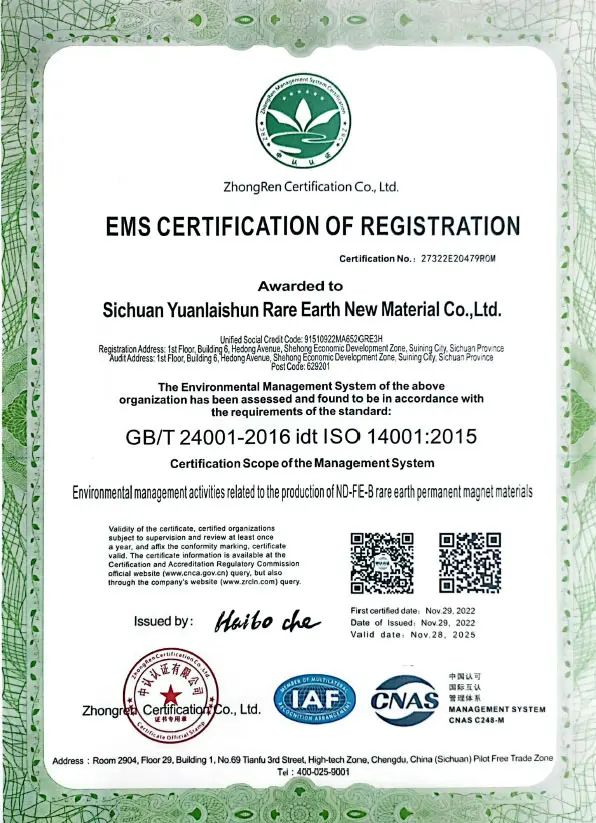
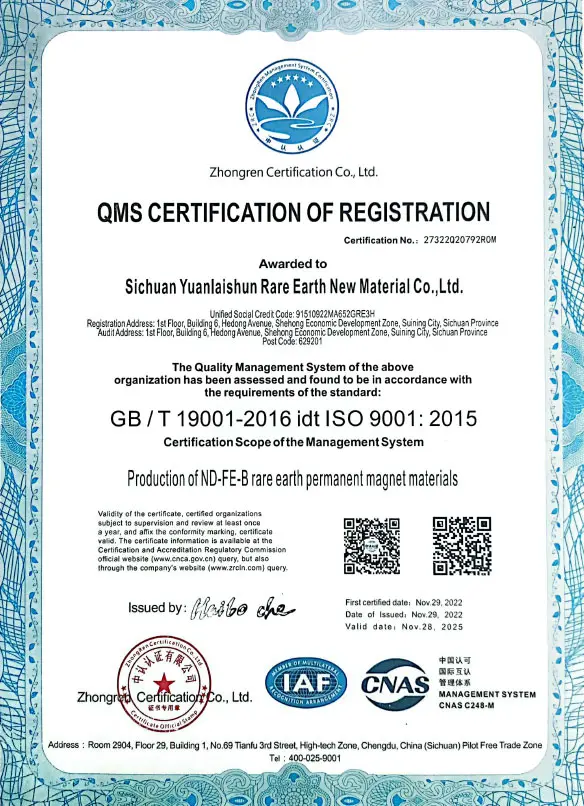
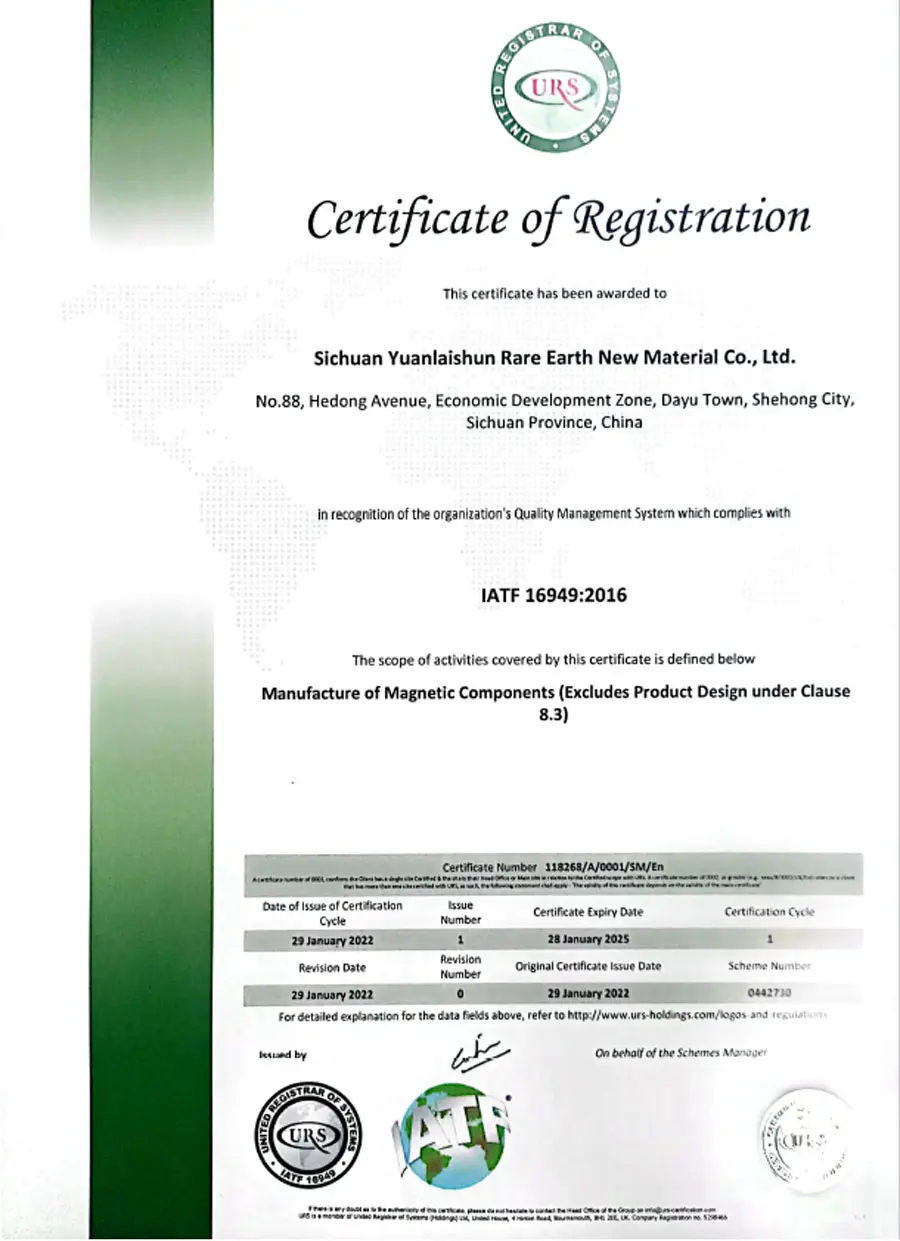
Zhejiang Laysun Magnetics Ltd. meets rigorous international production standards. Our factory is fully certified under ISO9001 and ISO14001, and we maintain key certifications required for industrial components, including CE, API 6D, API 607, and TS testing protocols.
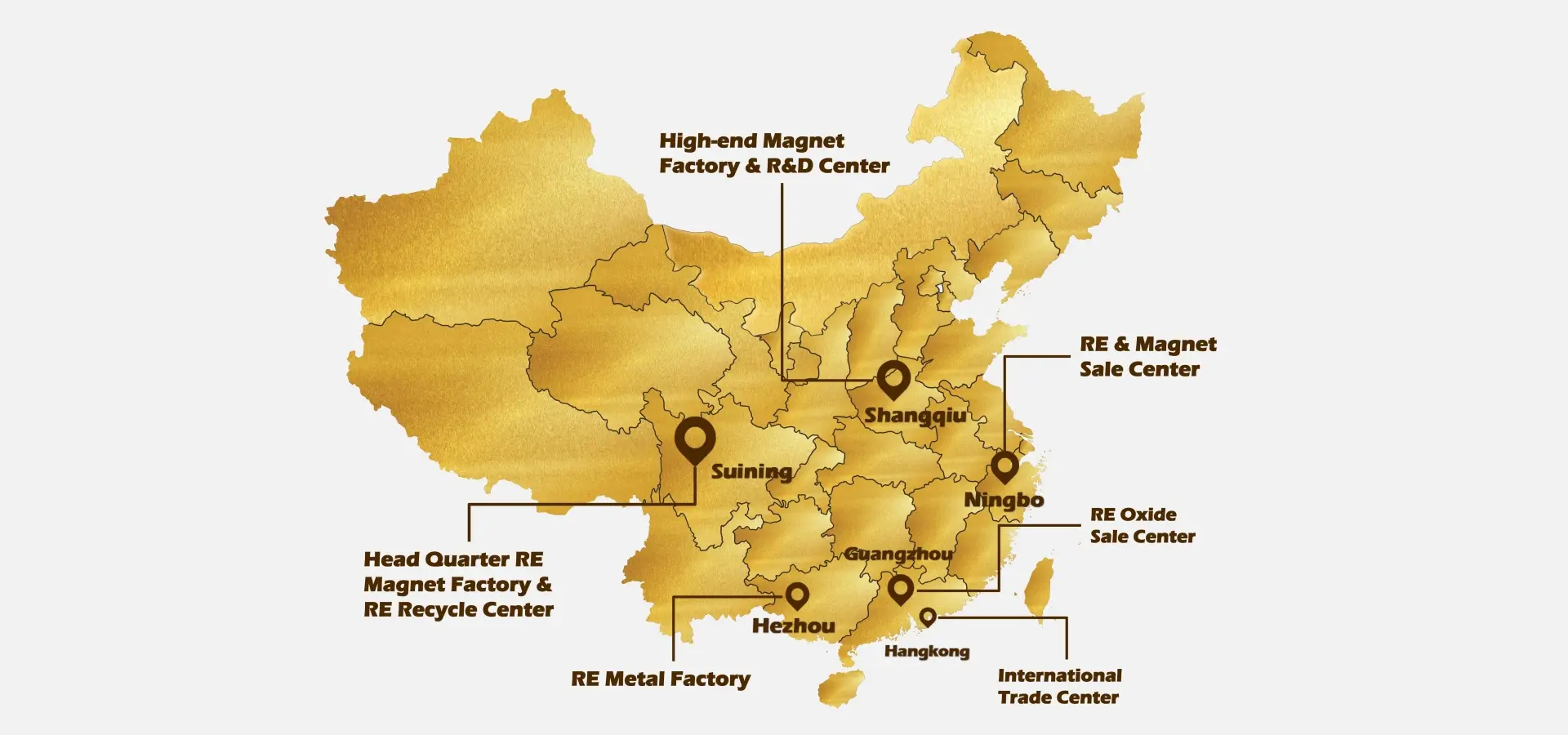
Our global operations, supported by offices in Hangzhou and manufacturing in Suining, Sichuan, ensure prompt support and technical assistance for all international customers.
Emerging shifts in high-temperature applications, material recycling, and sustainability.
The permanent magnet sector is undergoing significant change. Our research and development teams focus on key areas to align with shifting market requirements:
By using advanced diffusion techniques, we can deposit heavy rare earth elements specifically at grain junctions. This allows us to achieve high coercivity levels with significantly lower dysprosium/terbium content, helping stabilize prices for our clients.
Industrial partners prioritise sustainable material lifecycles. We are scaling up processes to recover end-of-life magnetic materials, turning them back into high-performance sintered powders while reducing overall carbon impact.
Modern applications like high-performance motors require reliable operation in demanding environments. Our new AH-grade alloys are designed to work at temperatures up to 240°C with minimal permanent loss of magnetic properties.
Technical clarifications regarding NdFeB material behavior, processing, and procurement.
Select from our production runs of custom magnetic assemblies and raw materials.
 Laysun Magnetics