Explore our top-tier selection of NdFeB components manufactured for optimal magnetic flux density, temperature resistance, and rotational efficiency.
The global transition towards electrification, automation, and green energy has positioned Permanent Magnet Synchronous Motors (PMSMs) and brushless DC (BLDC) motors at the core of industrial engineering. Central to this revolution is the Neodymium-Iron-Boron (NdFeB) magnet. Boasting an unrivaled Maximum Energy Product ($(BH)_{max}$) up to 52 MGOe, Neodymium magnets offer the highest magnetic force per volume unit. This physics constraint directly enables the manufacturing of compact, lightweight, and extremely efficient motors.
Beyond automotive propulsion, neodymium magnet motors dictate the performance of servo systems in precise robotic articulation, variable frequency drives (VFDs) in HVAC systems, wind turbine generators, and lightweight motors for aerospace actuators. The procurement of these components has transformed from simple bulk purchasing into a strategic process where engineering specifications—such as demagnetization curves under load and temperature parameters (grades from N35 up to AH series)—dictate product success.
China controls approximately 70-80% of the worldwide rare earth mining capacity and over 90% of the downstream processing, sintering, and machining infrastructure. Sourcing directly from verified Chinese factories offers unmatched advantages:
Your trusted partner in the world of advanced magnetic solutions. Since our inception in 1999, we have grown to become a national high-tech leader in manufacturing rare earth magnets, a testament to our unwavering commitment to excellence in this niche field.
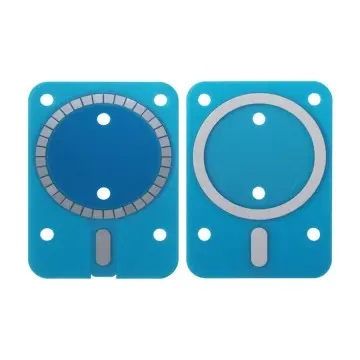
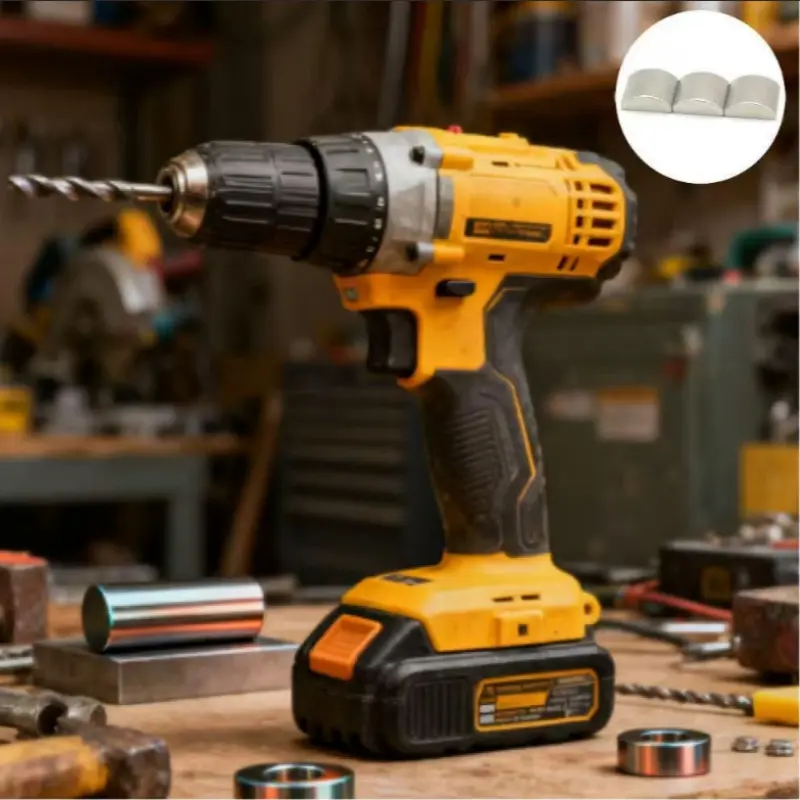
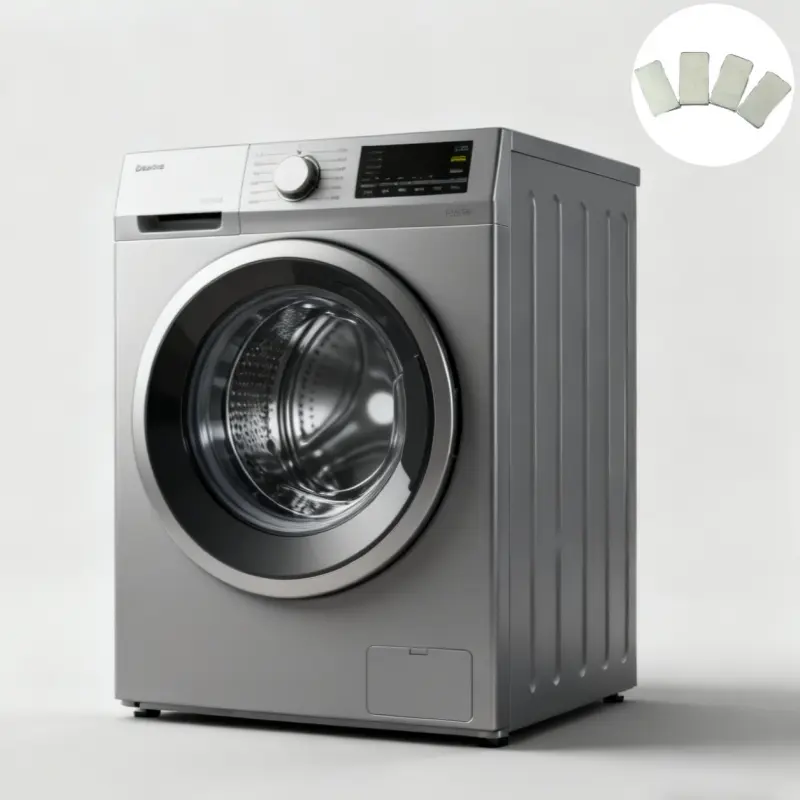
Our magnetic assemblies are engineered specifically for peak performance in diverse industrial and consumer systems.




Engineers specifying permanent magnets for motors must look beyond simple pull force. Motor environments place severe constraints on magnets, primarily via mechanical stress, chemical corrosion, and strong demagnetizing reverse fields. When sourcing NdFeB magnets, four technical vectors are critical:
Every NdFeB grade has a maximum operating temperature and a Curie temperature. For motors operating at high speeds or under load, N-series (80°C) is insufficient. Designers specify SH (150°C), UH (180°C), EH (200°C), or AH (220°C) grades to prevent thermal demagnetization.
Sintered NdFeB is prone to oxidation. Motor applications demand reliable coatings like multi-layer Nickel-Copper-Nickel (Ni-Cu-Ni), Epoxy resin (offering over 500 hours of salt spray testing resistance), or customized rubberized layers for mechanical insulation.
To reduce dependence on heavy rare earths like Dysprosium (Dy) and Terbium (Tb), Laysun Magnetics implements Grain Boundary Diffusion (GBD). This advanced process introduces Dy or Tb specifically along the grain boundary junctions rather than throughout the entire crystalline lattice. The result: high coercivity and thermal performance, but with a 30% reduction in heavy rare earth material costs—a saving passed directly to our OEM and B2B buyers.
A reputable factory should confirm specifications with robust validation equipment. Our Sichuan facility is equipped with:
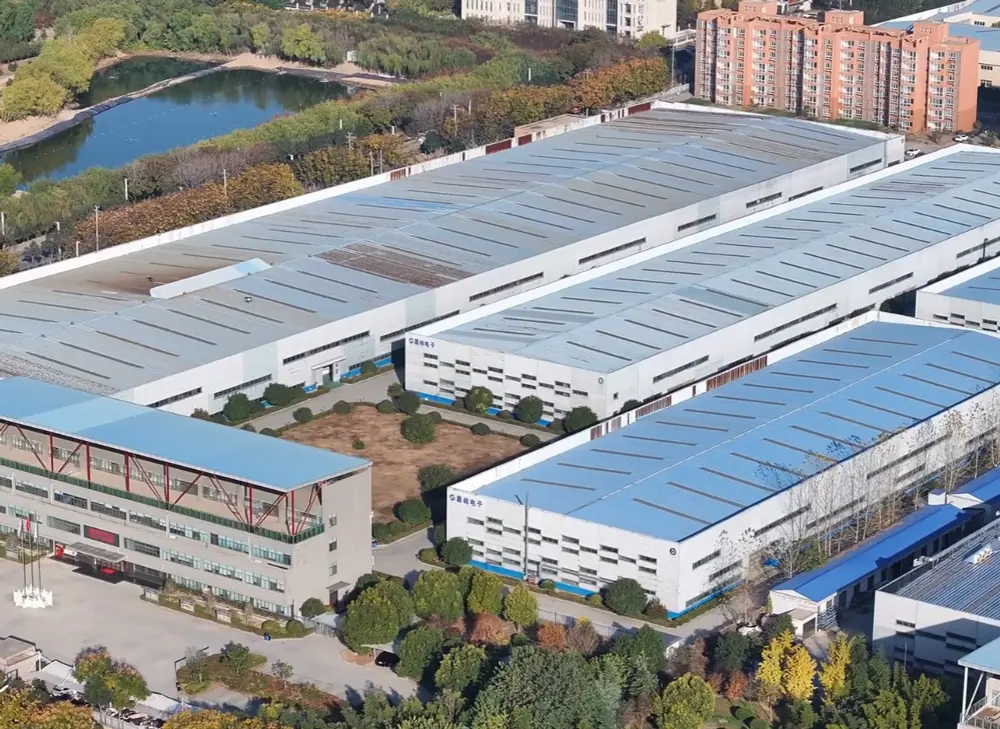
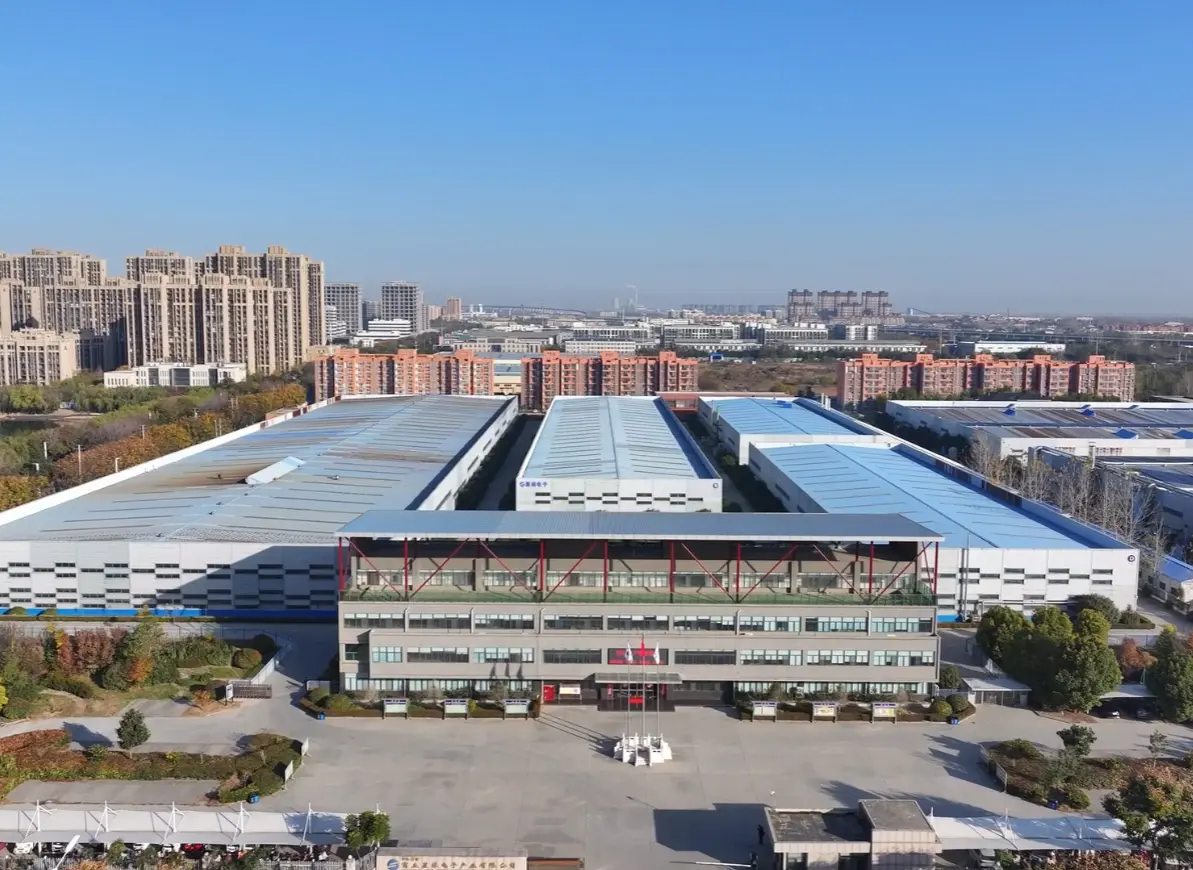
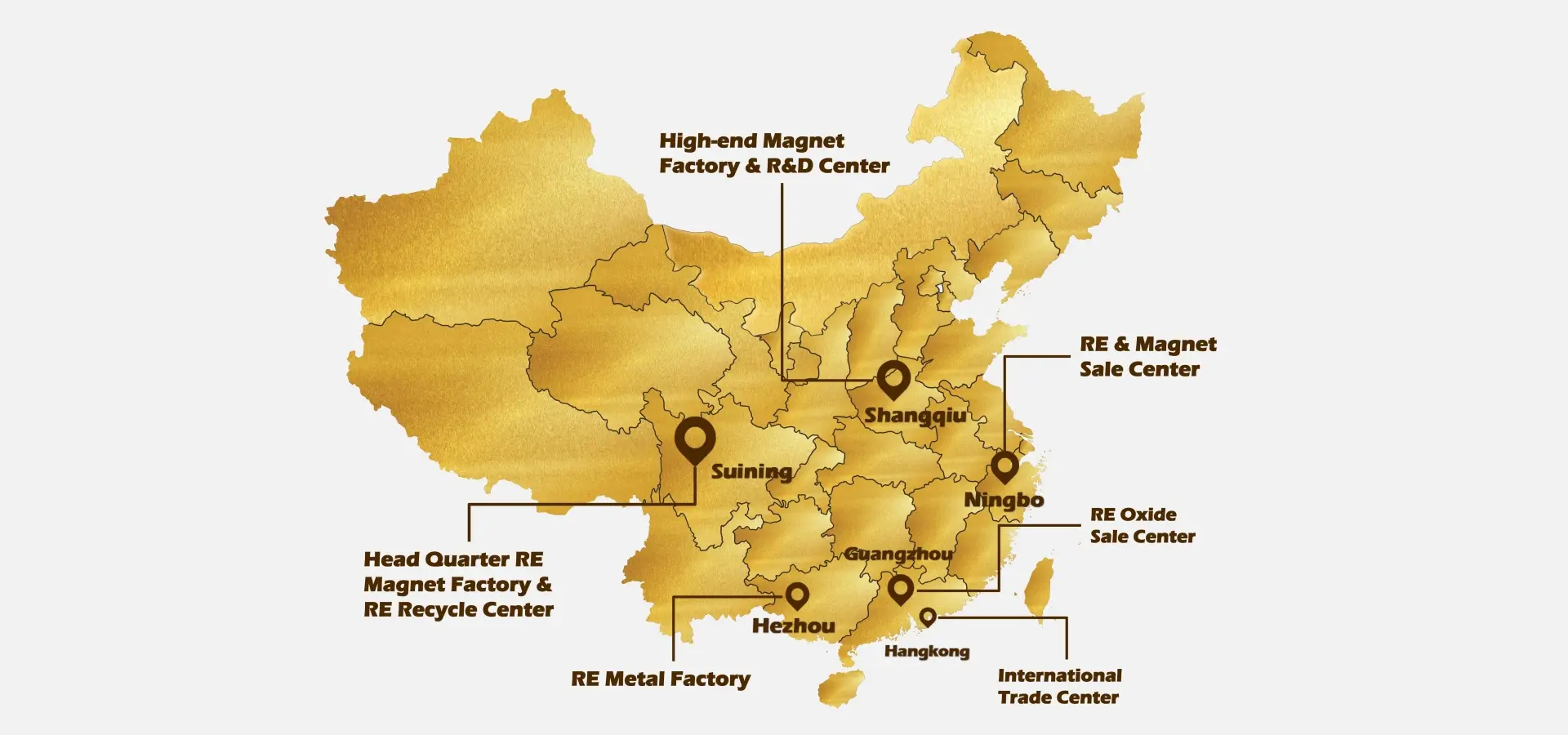
While our corporate and sales headquarters reside in the manufacturing hub of Hangzhou, Zhejiang, Laysun Magnetics' production heart is a massive 100,000 m² factory in Suining, Sichuan. This geographic distribution is strategically chosen:
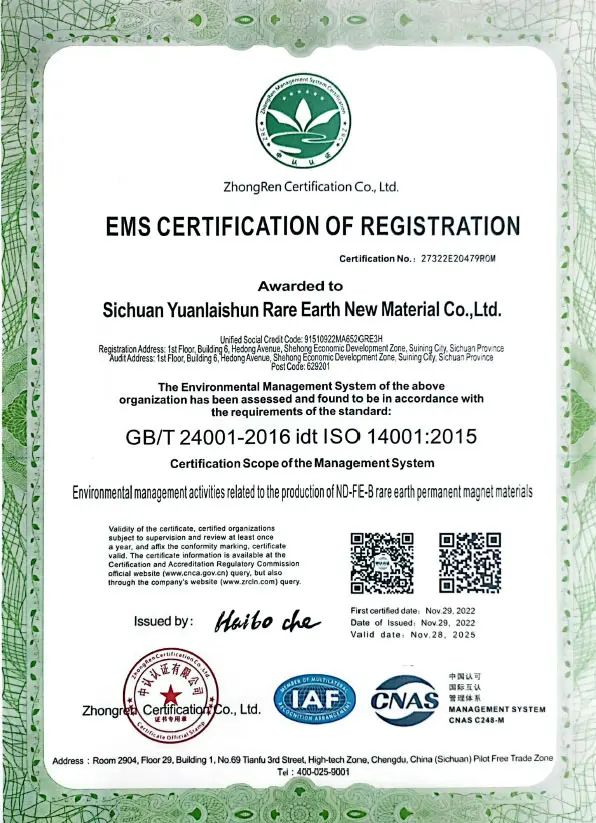
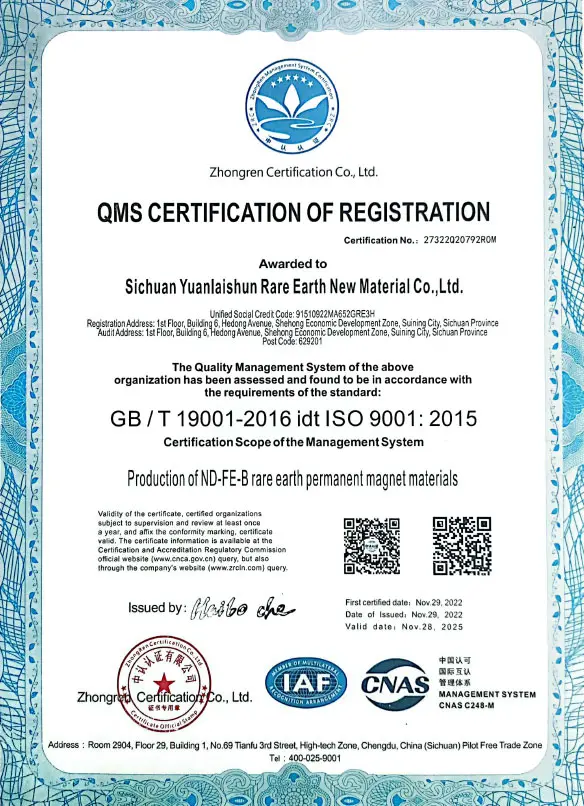
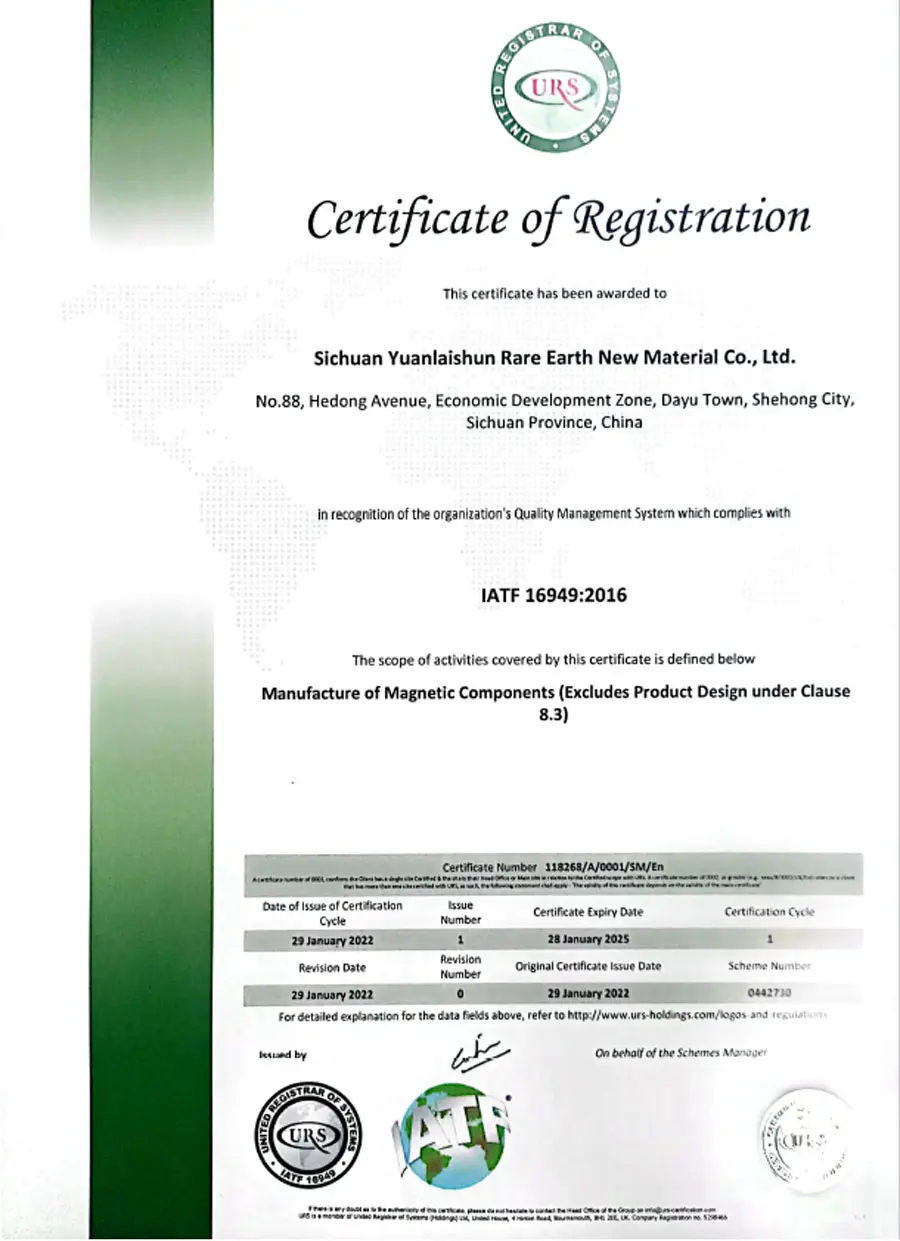
We manufacture and test in accordance with standard compliance matrices: API 6D, API 607, CE, ISO9001, ISO14001, ISO18001, and TS/IATF 16949.
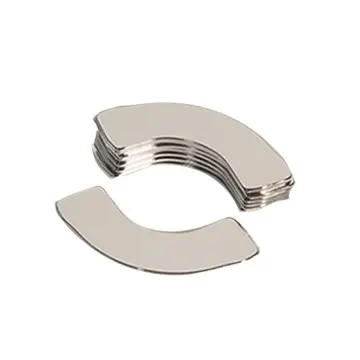
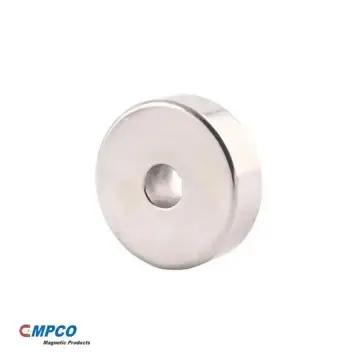
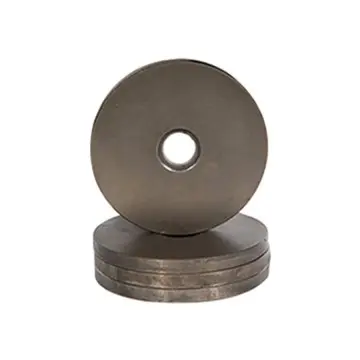
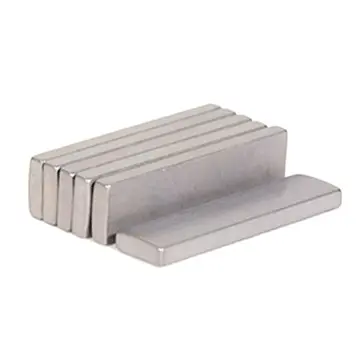
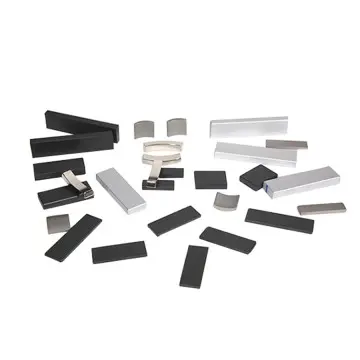
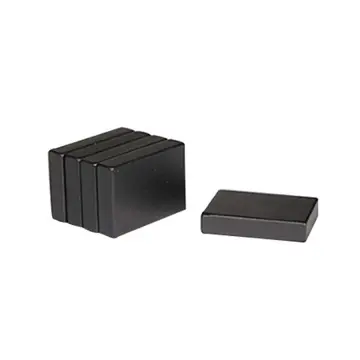
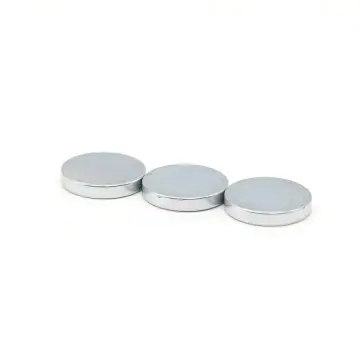
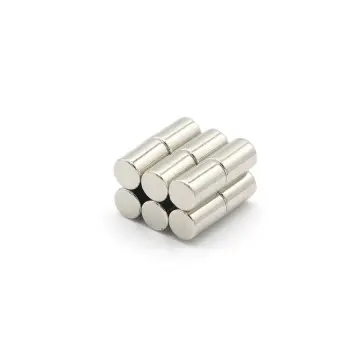
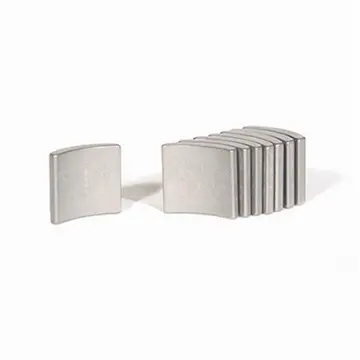
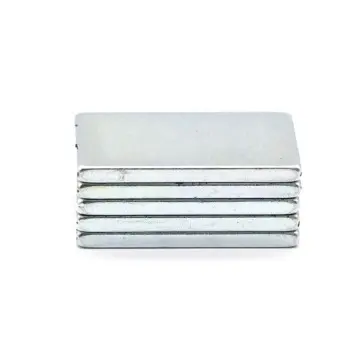
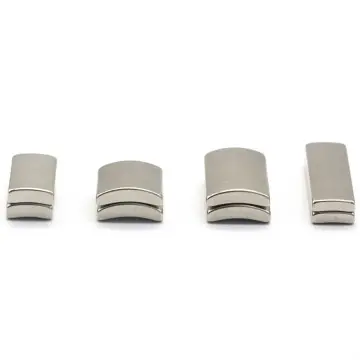
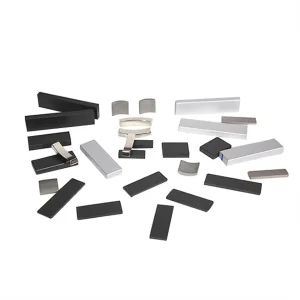
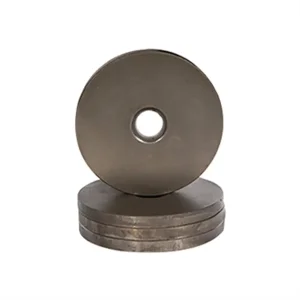
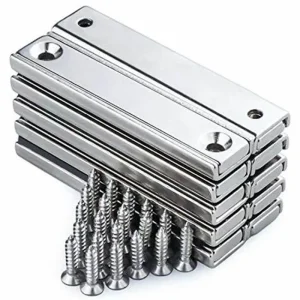
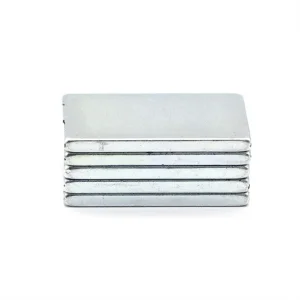
Complete catalog of specialized permanent magnetic shapes, blocks, and rings for high-volume custom applications.
Get answers to the most common engineering and procurement questions regarding NdFeB motor design and factory capability.
Sintered Neodymium magnets are manufactured by compressing fine raw powder under a magnetic field and then fusing it via heat. This yields the highest possible magnetic force ($BH_{max}$ up to 52 MGOe). Bonded magnets, conversely, use magnetic powder mixed with polymer binders (like epoxy). While bonded magnets offer lower magnetic performance, they can be injection-molded into extremely complex, thin-walled geometries with near-zero eddy current losses.
NdFeB magnets exhibit a negative temperature coefficient, meaning magnetic output decreases as temperature increases. Standard grades lose magnetic power above 80°C. To prevent permanent demagnetization, motor manufacturers specify specialty grades enriched with Dysprosium (Dy) or Terbium (Tb), such as UH or EH grades, which operate reliably at up to 180°C and 200°C respectively.
NdFeB alloys contain iron, which makes them susceptible to moisture and oxidation. In motors, humidity can lead to corrosion, swelling, and eventual mechanical failure. Commonly used coatings include Ni-Cu-Ni electroplating and black epoxy. Epoxy is highly favored in harsh environments as it provides an excellent barrier against moisture, oil, and salt spray.
Instead of adding expensive heavy rare earths like Dysprosium throughout the magnet, GBD allows us to diffuse Dy or Tb only into the outer layer of the grains. Since demagnetization is initiated at the grain surfaces, this process yields a magnet with the same high temperature resistance but with significantly reduced consumption of expensive heavy rare earth metals, reducing final unit costs.
Are you designing a new motor or optimizing an existing system? Connect with our technical application engineers for material selection, demagnetization curve simulation, and wholesale quotes within 24 hours.
Headquartered in Hangzhou, China. Worldwide logistics & technical subsidiaries.
 Laysun Magnetics