Explore our foundational range of customized Neodymium and permanent magnets engineered for maximum performance.
A comprehensive analysis of structural dynamics, deposition mechanics, and precision testing parameters.
In the modern landscape of solid-state physics and device engineering, the magnetic properties of thin films serve as the cornerstone for next-generation technological applications. Unlike bulk magnetic materials, thin films—typically ranging from sub-nanometer to several micrometers in thickness—exhibit unique behaviors due to dimensional confinement, interfacial structural strain, and elevated surface-to-volume ratios. When choosing a qualified supplier to buy high-performance thin films or custom plated magnets, engineering teams must evaluate physical phenomena such as magnetocrystalline anisotropy, spin polarization, coercivity, and domain wall pinning.
"The transition from bulk to thin film geometry reduces spatial dimensions, causing atomic coordination changes at interfaces which fundamentally alters the exchange coupling and magnetic anisotropy energy (MAE)."
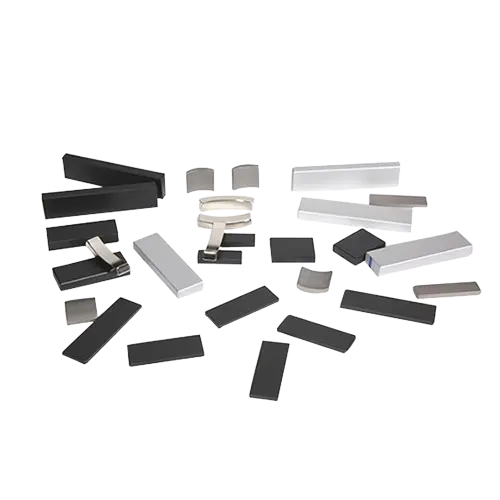
Engineered thin films are pivotal in recording heads, magnetic random-access memory (MRAM), spintronics, sensors, and protective micro-coatings for rare-earth permanent magnets. To achieve optimized performance, specialized fabrication processes like Magnetron Sputtering, Molecular Beam Epitaxy (MBE), and pulsed laser deposition (PLD) are used to carefully tune crystal lattice orientation. For industrial clients purchasing plated NdFeB magnets, the nickel, copper, or polymer protective layers behave as thin film structures where thickness and deposition methods directly prevent oxidation and thermal degradation.
The global market for advanced magnetic thin films and micro-engineered materials is experiencing rapid growth, driven by key sectors:
Thin film magnets provide the micro-actuation forces required for dynamic valves, miniature optical mirrors, and micro-fluidic pumps. High coercivity and reliable saturation magnetization within microscopic volumes are critical design parameters.
Next-generation non-volatile memories rely on spin-transfer torque (STT-MRAM) utilizing magnetic tunnel junctions (MTJ). These structures require sub-nanometer thin magnetic layers with perpendicular magnetic anisotropy (PMA).
Giant Magnetoresistive (GMR) and Tunneling Magnetoresistive (TMR) sensors used in automotive engine control units (ECU), anti-lock braking systems (ABS), and consumer electronics depend heavily on precise thin film thickness and interface quality.
As supply chains localize and industries prioritize carbon neutrality, the optimization of rare-earth resources has become essential. Zhejiang Laysun Magnetics Ltd. addresses this demand by manufacturing advanced sintered NdFeB magnets with precision thin film protective coatings. This process ensures resource optimization by minimizing magnetic volume while maximizing localized magnetic flux density.
Achieving precise magnetic properties in thin films requires careful calibration of several physical variables:
By employing advanced electrodeposition and vacuum sputtering techniques, we can deposit multi-layer nickel and copper thin coatings on NdFeB magnets. These coatings act as structural barriers against oxidation and maintain magnetic integrity in high-temperature environments.
Zhejiang Laysun Magnetics Ltd. stands as a pioneer in advanced magnetic production and engineering solutions.
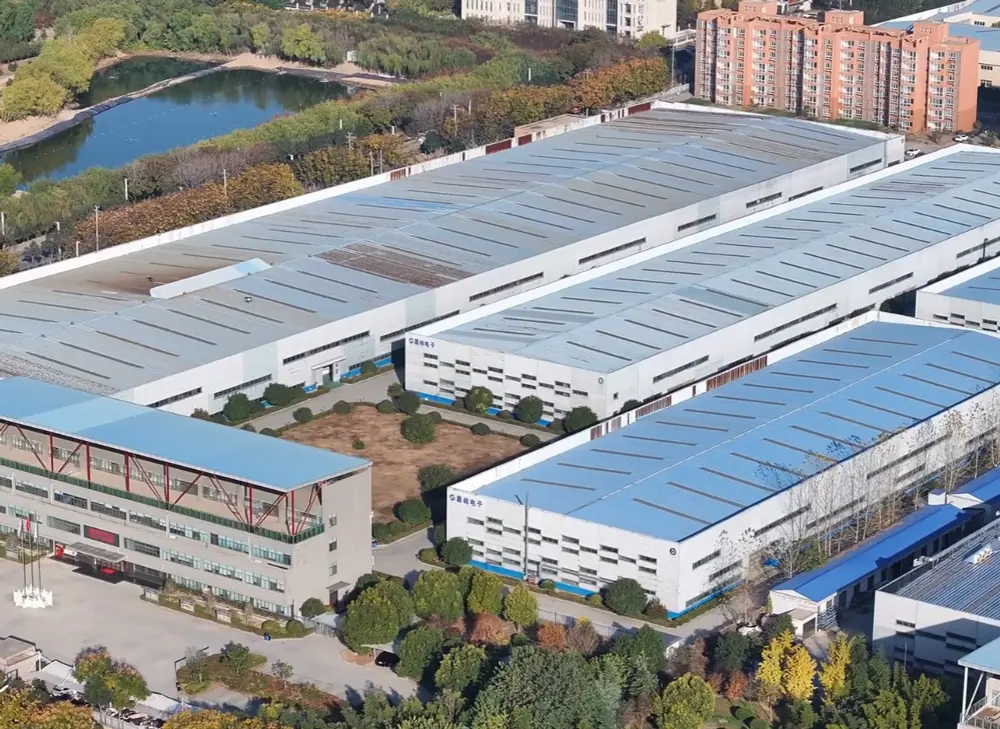

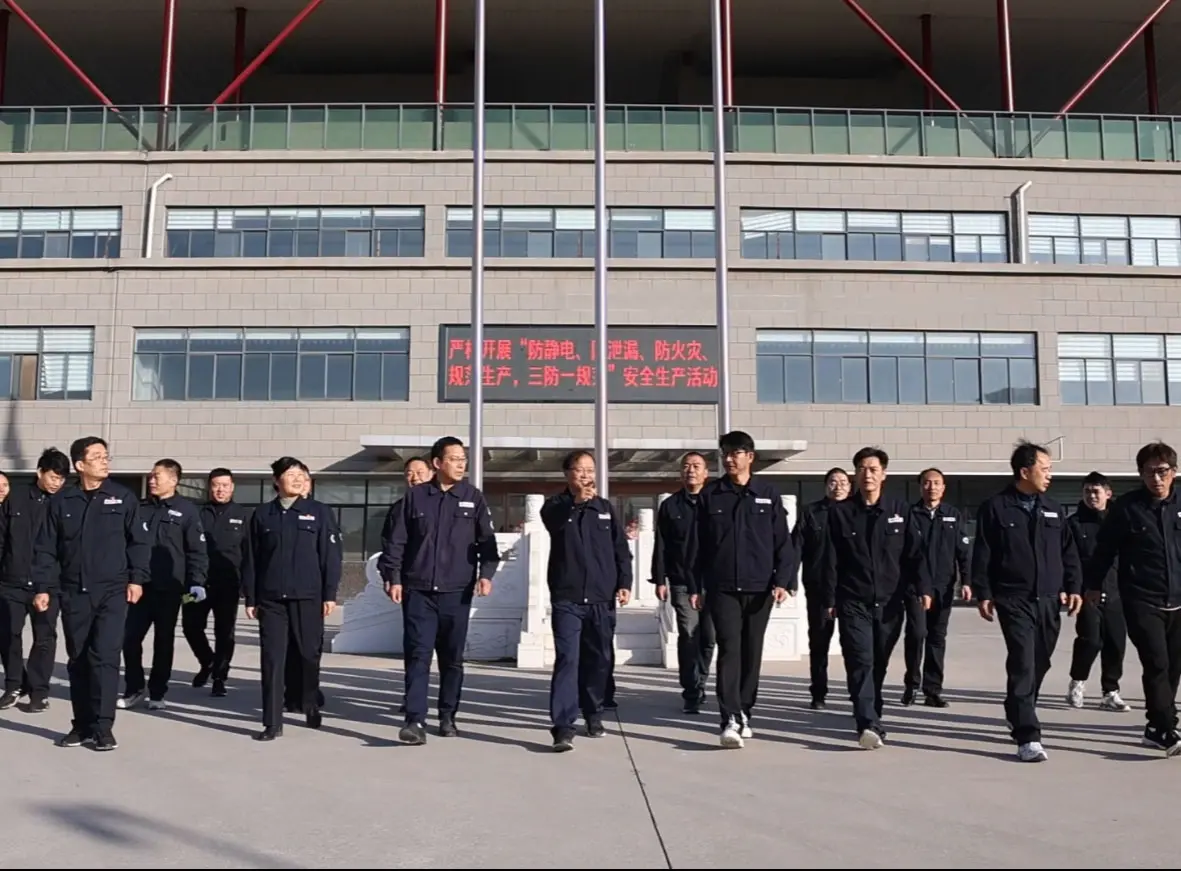
Our manufacturing facilities prioritize quality assurance. We operate under strict international management systems to ensure consistent magnetics performance, structural reliability, and corrosion resistance:
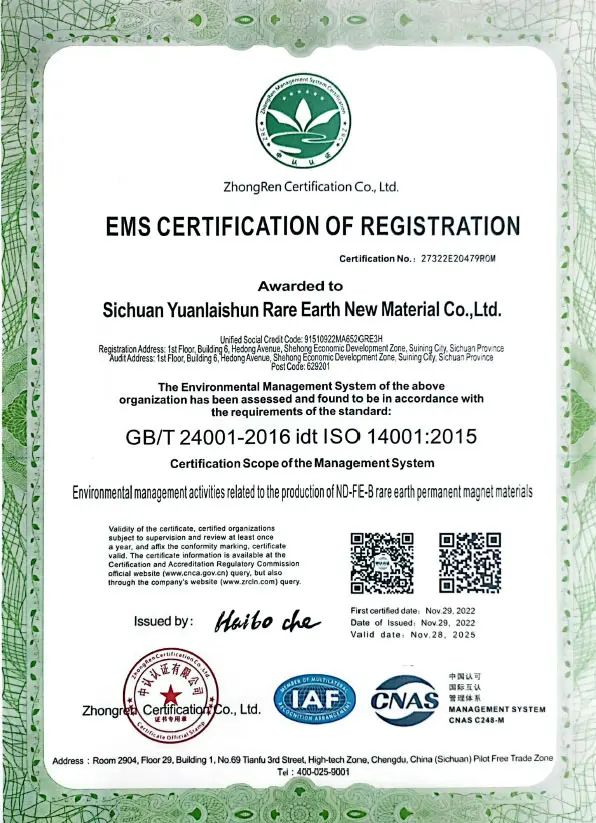
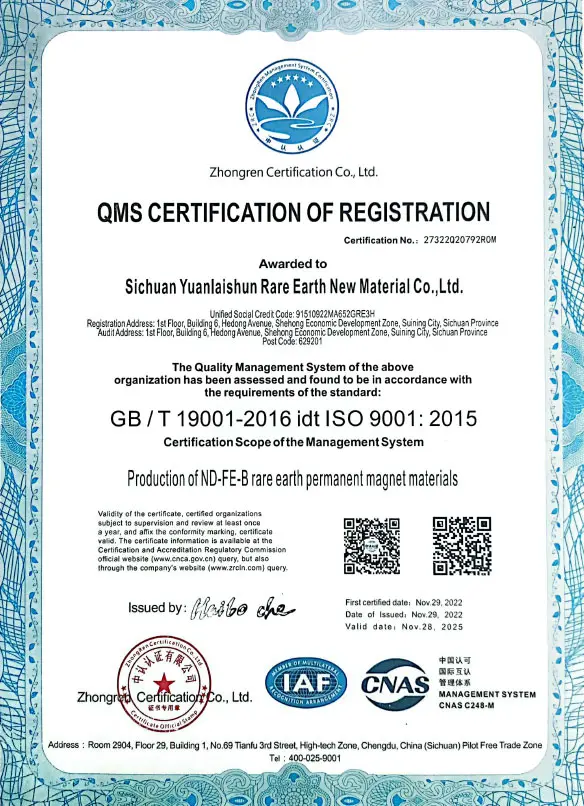
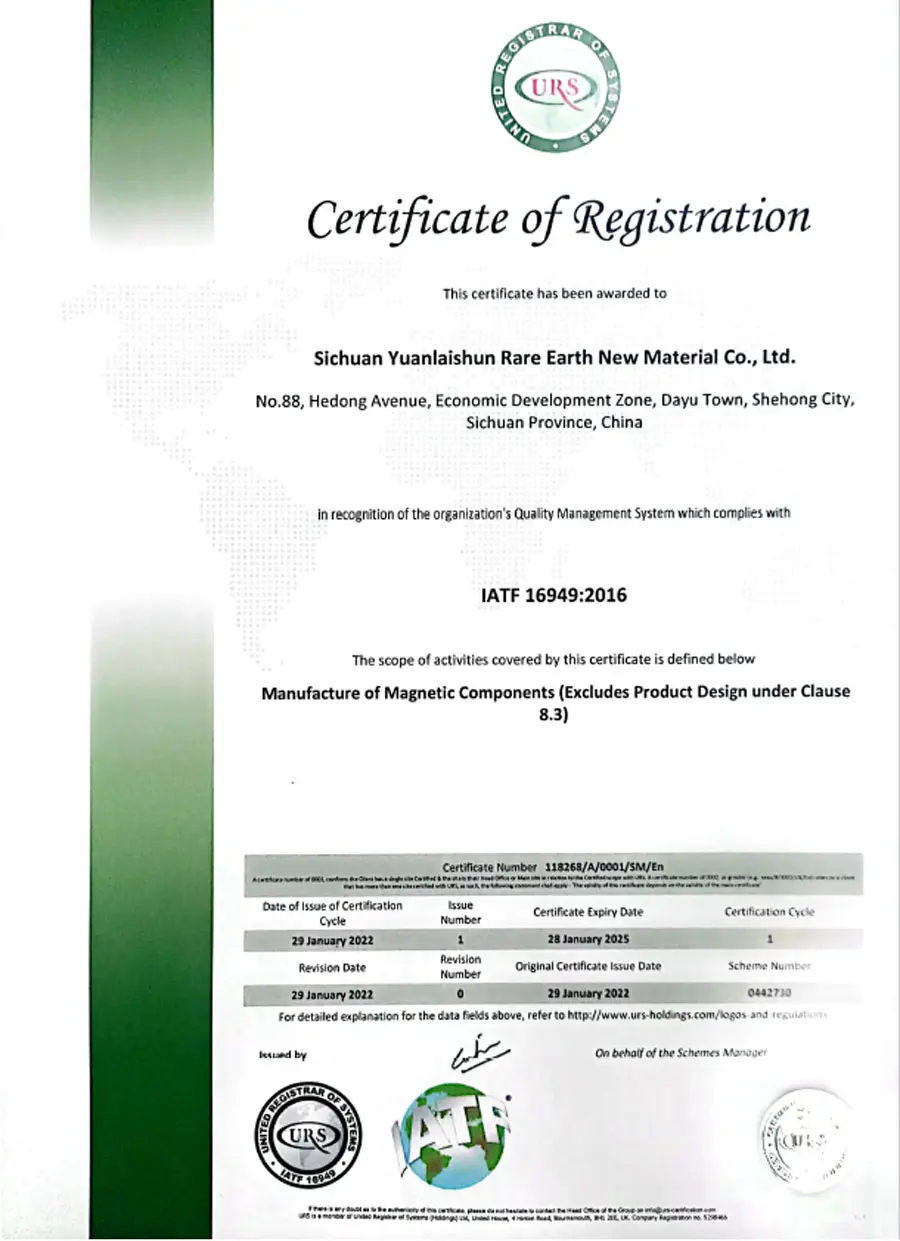
We comply with API 6D, API 607, CE, ISO9001, ISO14001, ISO18001, and TS16949 standards. These certifications ensure that each batch of rare-earth magnets meets strict tolerances for demagnetization resistance, mechanical stress behavior, and chemical stability.
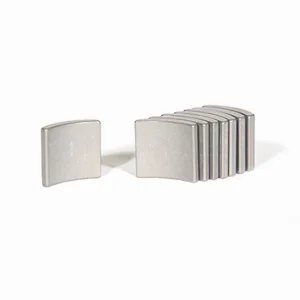
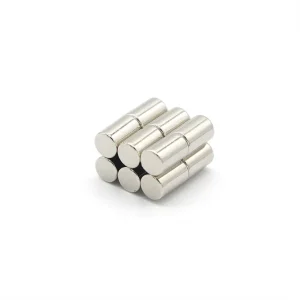
Magnetic thin films and precision permanent magnets are deployed across multiple high-tech industries. By tuning magnetic configurations (such as ring, block, cylinder, and arc geometries), we support diverse applications:
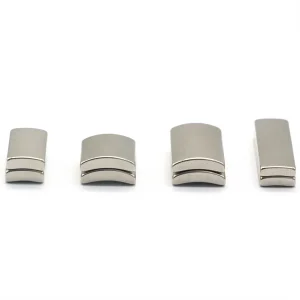
Modern brushless DC (BLDC) motors for high-payload drones and robotic joints require lightweight magnets with exceptional energy products ($(BH)_{max}$). Thin-film nickel and epoxy-coated NdFeB arc segments prevent atmospheric corrosion during operations.
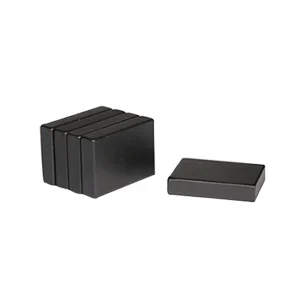
Sintered NdFeB block magnets are critical components in EV drive motors. These magnets require high thermal stability ($H_{cj}$) to withstand demagnetizing fields and temperatures up to 200°C.
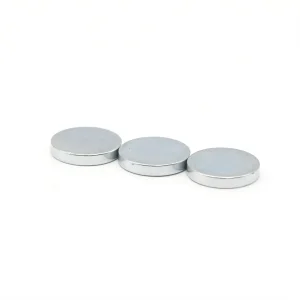
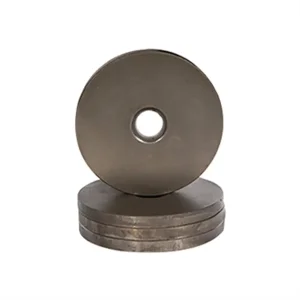
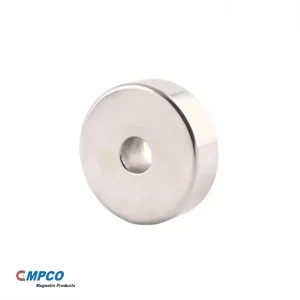
Ultra-thin magnetic rings and discs are engineered for compact consumer electronics, such as acoustic drivers and MagSafe-compatible smartphone systems.






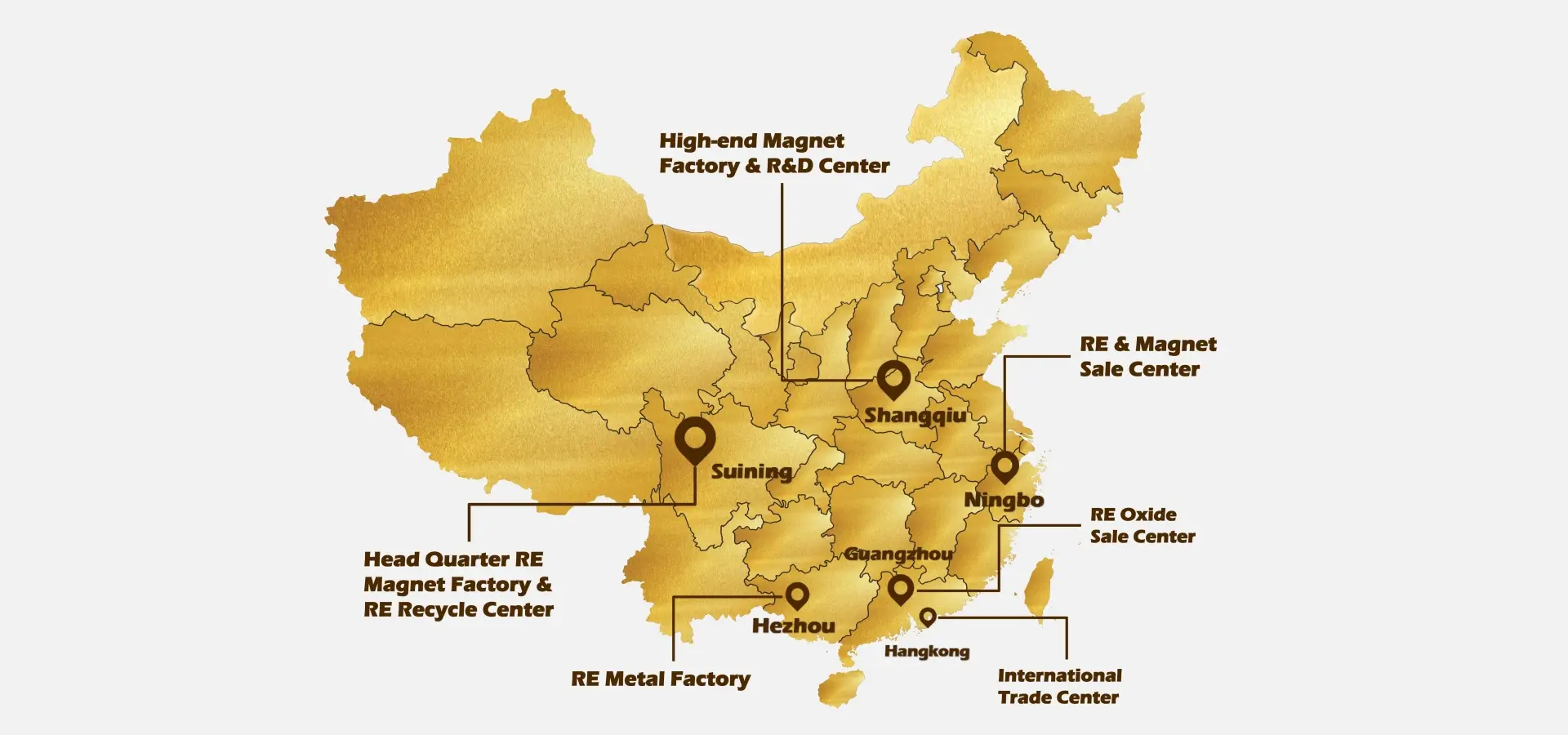
Headquartered in Hangzhou, China, with manufacturing bases in Sichuan, we serve a global customer base.
Technical answers to support your engineering and sourcing decisions.
Sintered NdFeB magnets are highly susceptible to oxidation because of their iron-rich grain boundary phases. Thin-film coatings like Ni-Cu-Ni, Zn, or epoxy act as physical barriers that block moisture and oxygen. Additionally, advanced metallic coatings can reduce surface pinning defects, helping to maintain high coercivity ($H_c$) at the magnet's outer edges.
Thin films exhibit properties influenced by surface and interface effects rather than bulk crystal dynamics. They show distinct magnetocrystalline anisotropy (such as Perpendicular Magnetic Anisotropy), reduced Curie temperatures due to finite size effects, and modified domain structure dynamics. This makes them highly suitable for sensor and high-density memory applications.
We use automated vacuum sintering, precise grain boundary diffusion (GBD) processes, and online thickness monitoring for electroplated layers. Each production batch undergoes testing via hysteresisgraph systems, salt spray tests (for coating durability), and PCT/HAST testing to ensure reliable long-term performance under demanding industrial conditions.
For applications exceeding 150°C, we recommend customized multi-layer chemical vapor deposition (CVD) coatings, high-grade organic epoxy, or chemical nickel plating combined with Teflon. These custom options prevent oxidation and shield the magnetic core from external acidic or humid environments.
For inquiries about our products, custom magnetic thin-film solutions, or price quotes, submit your email below and we will contact you within 24 hours.
Browse our catalog of micro-engineered, high-coercivity magnets designed for industrial applications.
 Laysun Magnetics