Engineered high-performance NdFeB & Permanent magnet systems for precision aerospace, industrial, and consumer interfaces.
An engineering exploration of iridium's paramagnetic signature, high corrosion resistance, and synergy with NdFeB permanent magnetic fields.
Iridium (atomic number 77) is a transition metal belonging to the platinum group. Unlike ferromagnetic elements such as iron, nickel, or cobalt, iridium does not exhibit permanent magnetism. Instead, it is classified as a paramagnetic material. At room temperature (298 K), iridium has a very low positive magnetic susceptibility ($\chi_m$) of $+7.7 \times 10^{-5}\text{ cm}^3\text{/mol}$. When subjected to an external magnetic field, it magnetizes parallel to the field, but this induced magnetization disappears instantly once the external field is removed.
Because iridium possesses an exceptionally high melting point ($2446\text{ }^\circ\text{C}$), unparalleled resistance to chemical oxidation, and high density ($22.56\text{ g/cm}^3$), it is commonly utilized in aerospace spark plugs, crucible liners for single crystal growth, and sensor probes. Engineers seeking "Iridium magnetic properties quotes" often require custom magnetic assemblies (typically NdFeB or SmCo) that can operate seamlessly alongside or directly contain iridium-coated components without disrupting delicate electromagnetic readings.
To help system designers evaluate material combinations, the table below highlights the physical differences between paramagnetic iridium and super-strong sintered Neodymium (NdFeB) permanent magnets.
| Material Property | Iridium (Ir) | Sintered NdFeB (Neodymium) |
|---|---|---|
| Magnetic Classification | Paramagnetic | Ferromagnetic (Permanent) |
| Remanence ($B_r$) | N/A (0 Tesla) | 1.1 to 1.45 Tesla (Very Strong) |
| Coercivity ($H_{cb}$) | N/A (0 kA/m) | $\ge 800$ kA/m |
| Density | $22.56\text{ g/cm}^3$ | $7.5\text{ g/cm}^3$ |
| Operating Temperature Limit | Up to $2200\text{ }^\circ\text{C}$ (Mechanical) | $80\text{ }^\circ\text{C}$ to $230\text{ }^\circ\text{C}$ (Demagnetization limit) |
Your Trusted National High-Tech Partner in Sintered Rare Earth Permanent Magnet Solutions Since 1999.
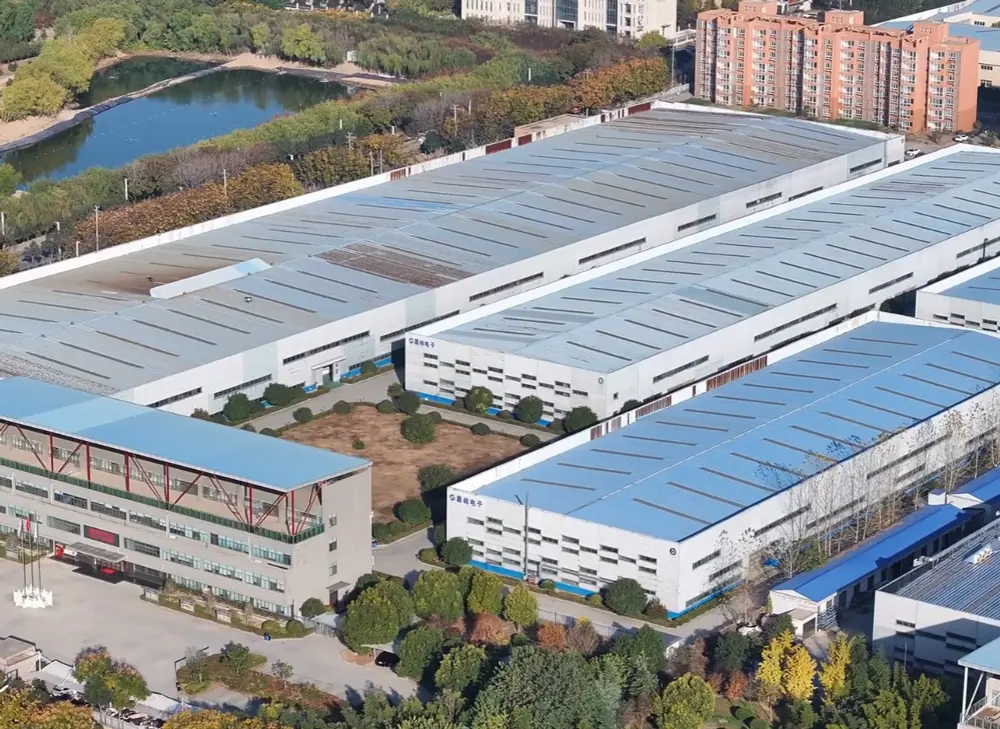
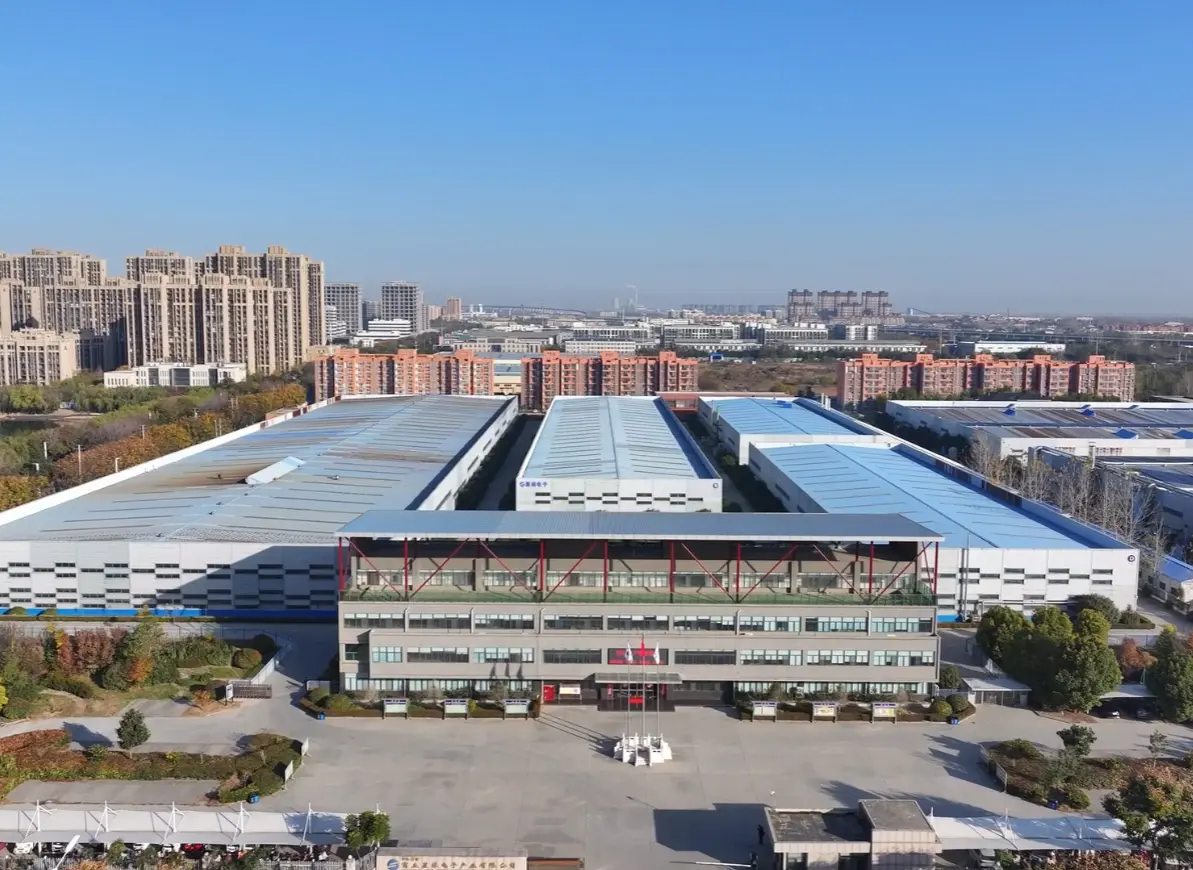
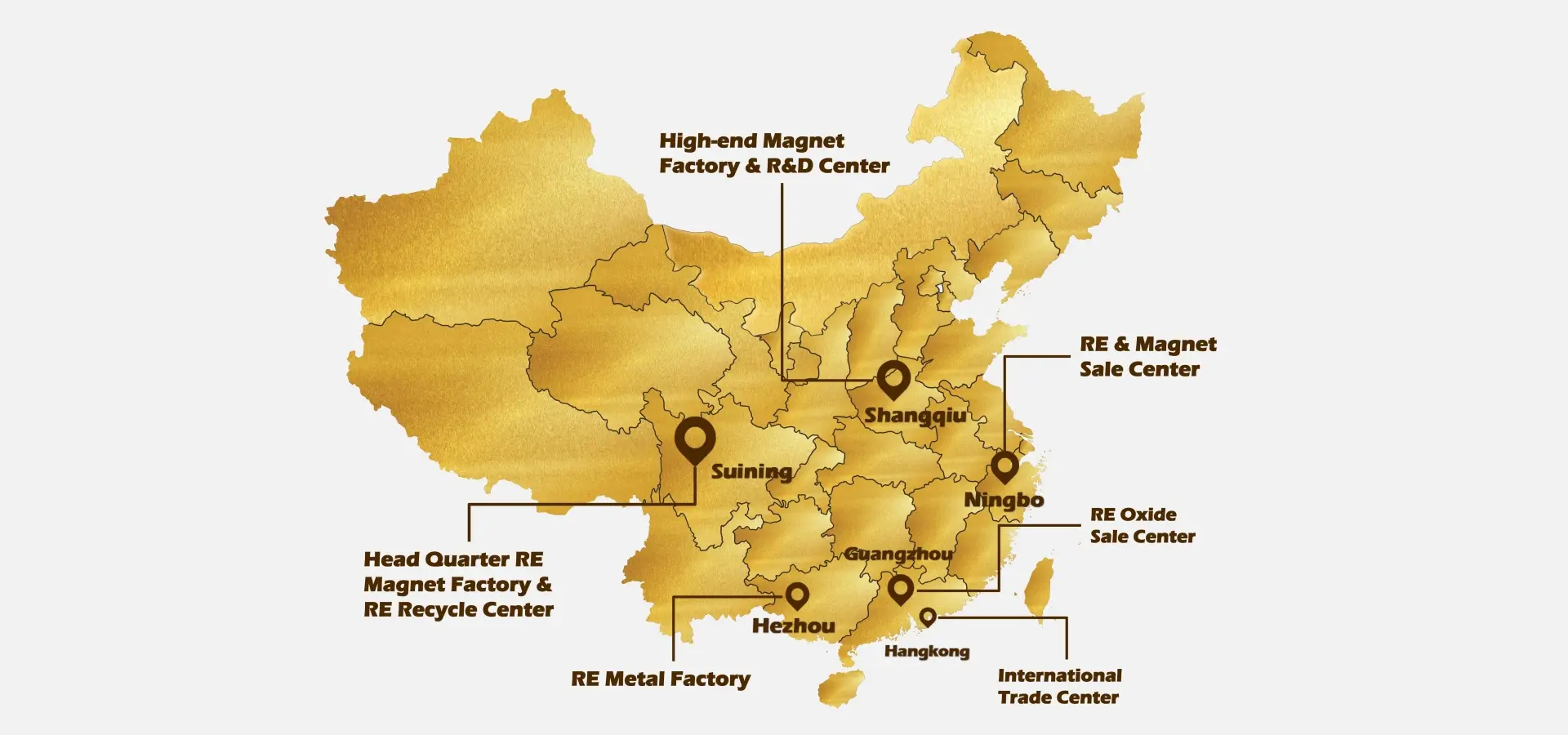
Founded at the turn of the millennium, Zhejiang Laysun Magnetics Ltd. has evolved from a regional manufacturer into an industry-leading provider of high-grade sintered NdFeB magnets. Strategically located in Hangzhou and supported by a mammoth 100,000 square meter factory in Suining, Sichuan, we focus on engineering the highest grade magnetic products to power electric vehicles (EVs), industrial motors, aerospace instrumentation, consumer electronics, and high-performance sensor packages. Our ongoing R&D commits to pioneering low-temperature coefficient magnets, high-coercivity grades (UH, EH, AH), and specialized surface treatments to withstand extreme environments.
Why Global Enterprises Partner with Laysun Magnetics for Advanced Industrial Assemblies
Operating out of Sichuan province, China, gives us unparalleled geographic proximity to major rare earth mining and smelting hubs. This dynamic guarantees consistent access to high-purity Neodymium (Nd), Praseodymium (Pr), Dysprosium (Dy), and Terbium (Tb), insulating our international buyers from global supply disruptions and sudden price spikes.
To support high-temperature or highly corrosive environments (such as marine sensors and aviation applications that integrate iridium, platinum, or gold coatings), we utilize automated multi-stage plating lines. We supply high-uniformity coatings including Ni-Cu-Ni, bright zinc, chemical vapor-deposited Parylene, heavy-duty epoxy, and customized Teflon solutions.
Our quality control center is fully equipped with demagnetization curve testers, coordinate measuring machines (CMM), inductively coupled plasma mass spectrometers (ICP-MS) for chemical composition verification, and salt-spray testing chambers. We consistently maintain IATF 16949 automotive and ISO 9001:2015 quality certifications.
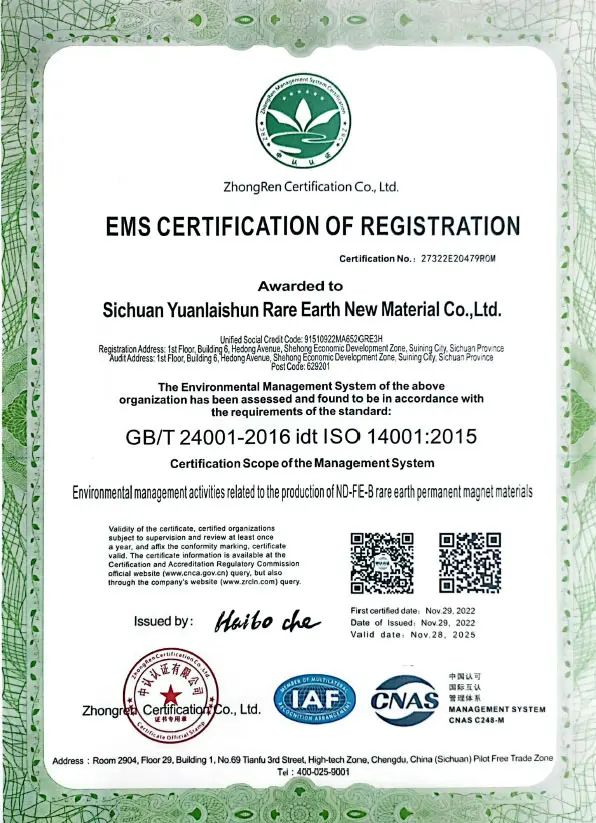
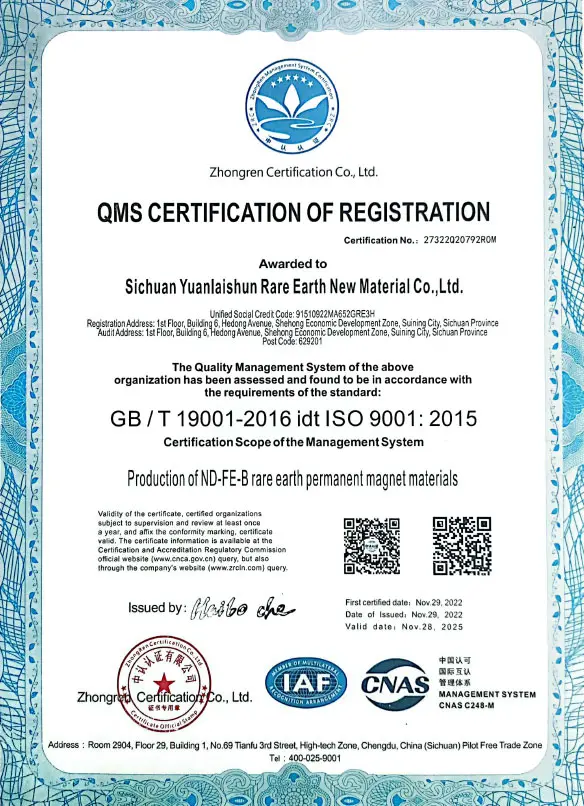
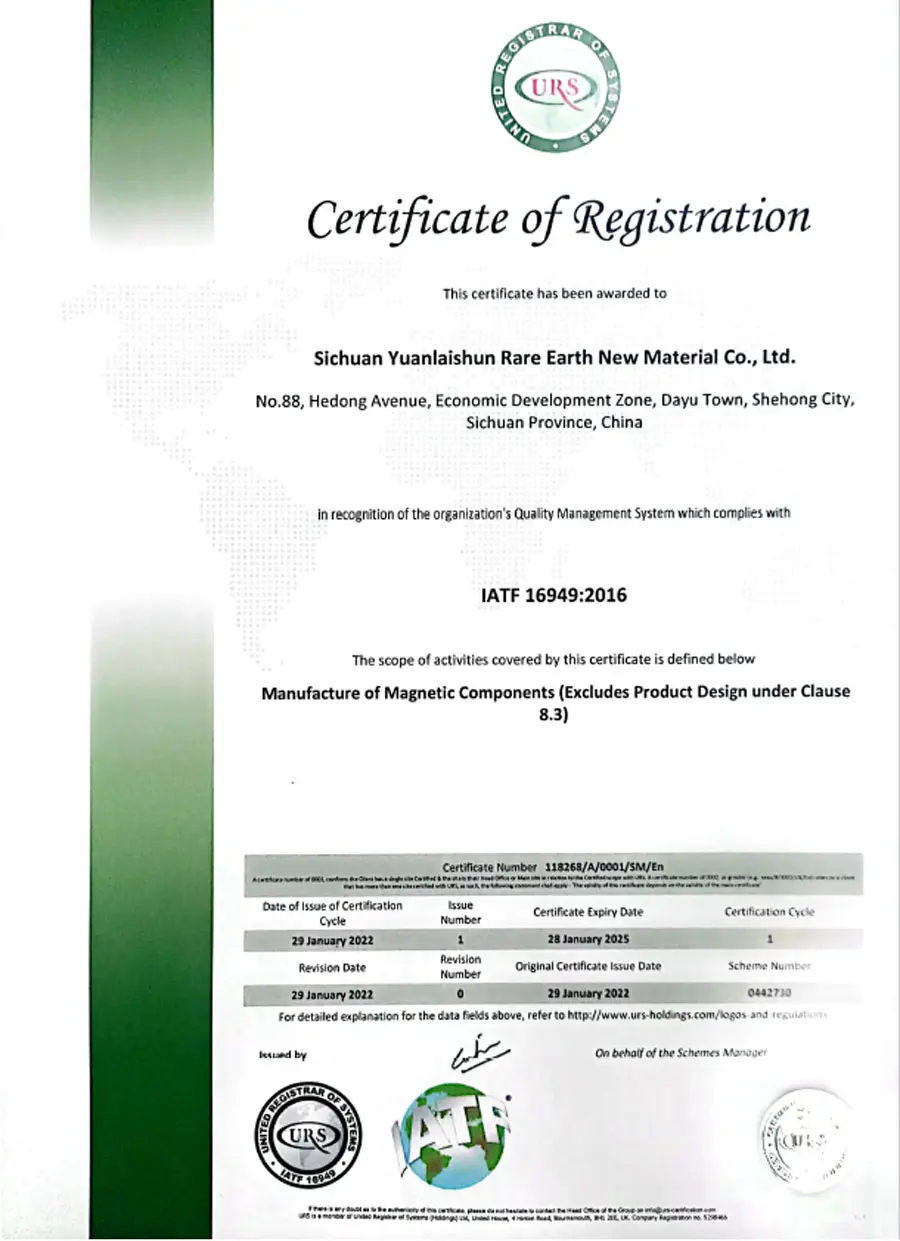
Compliance with API 6D, API 607, CE, ISO9001, ISO14001, and IATF16949 standards. Custom certification packages available upon request.
From aerospace instruments to industrial automation, our magnets deliver precise force and unparalleled longevity.

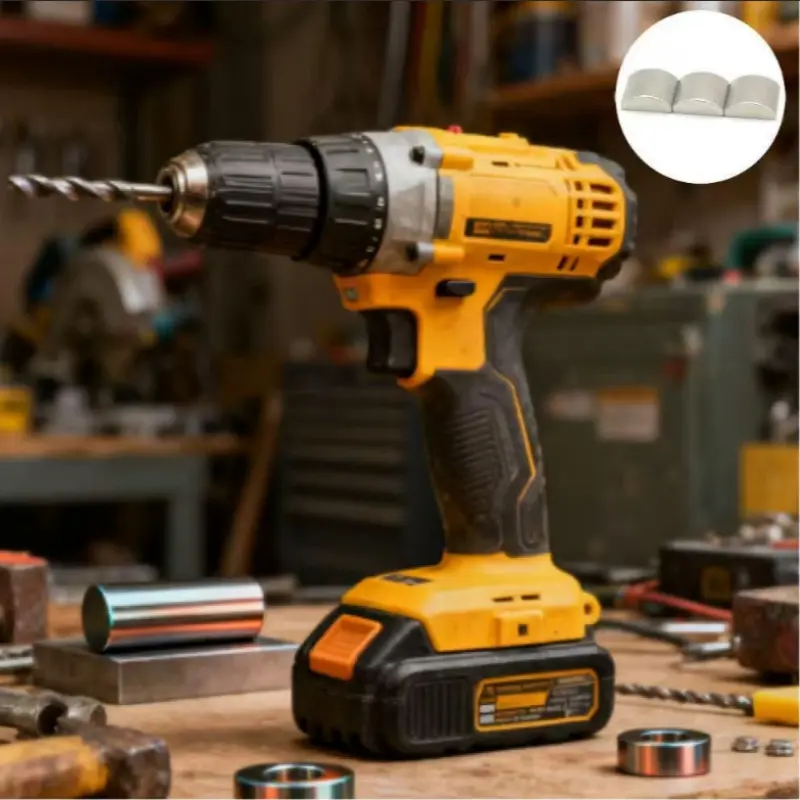
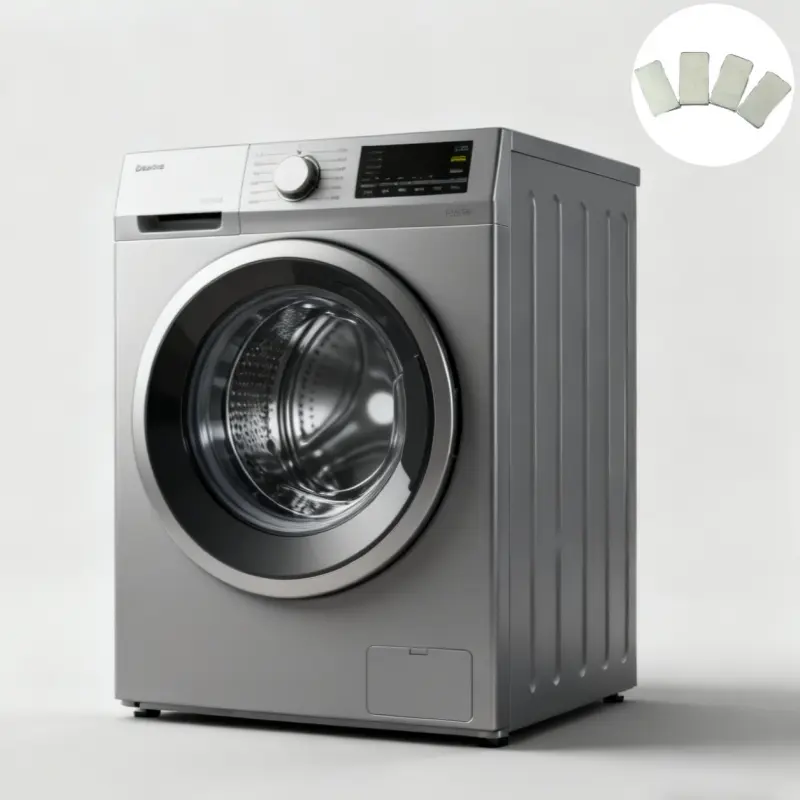
Headquartered in the global logistics hub of Hangzhou, China, with our primary manufacturing base positioned in Sichuan, Zhejiang Laysun Magnetics Ltd. provides seamless sea-to-air multimodal transport networks. Our location enables quick access to major ports like Shanghai and Ningbo, ensuring that bulk container shipments reach North America, Europe, and Southeast Asia within expedited lead times.
Ensure complete technical accuracy when requesting quotes for complex magnetic assemblies.
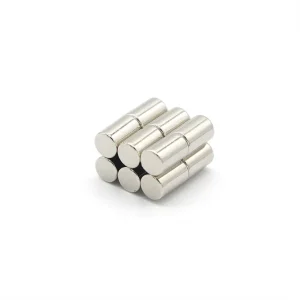
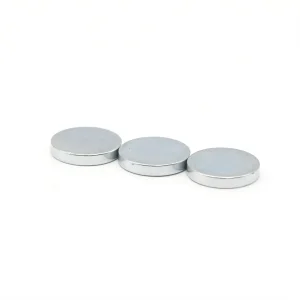
For inquiries regarding our custom sintered blocks, cylinder profiles, or integrated assemblies, contact our Hangzhou office. Response is guaranteed within 24 business hours.
Technical answers to major design and procurement queries concerning iridium magnetic properties and permanent magnet systems.
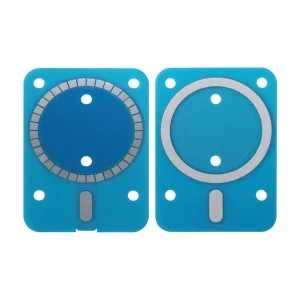
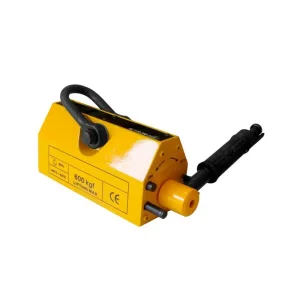
High-performance configurations optimized for electrical motors, lifters, and specific magnetic sensor mounting assemblies.
 Laysun Magnetics