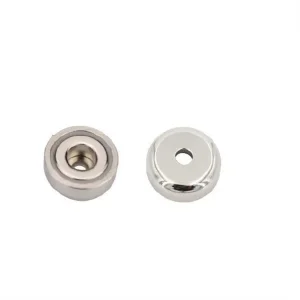
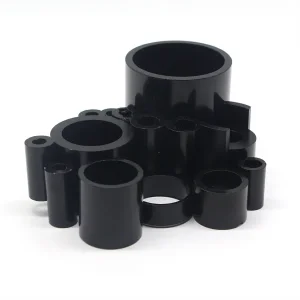
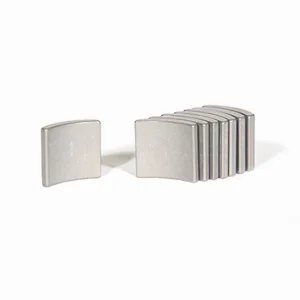
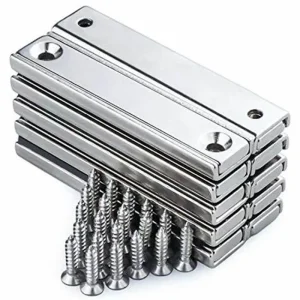
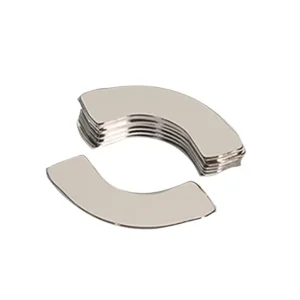
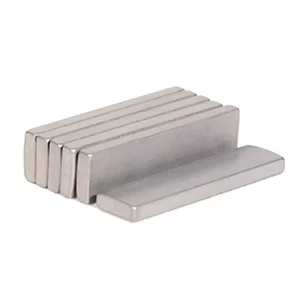
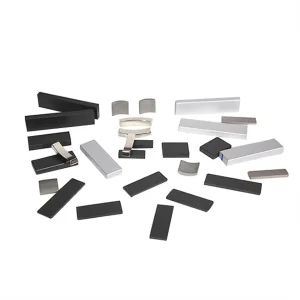
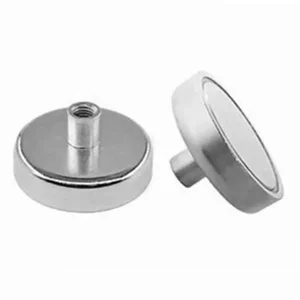
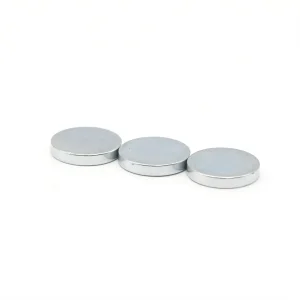
Explore our industrial-grade permanent magnets optimized for severe operating environments, featuring superior magnetic saturation properties and thermal stability.
In the field of high-performance magnetic materials, **Cobalt Saturation Magnetization** represents a crucial physical benchmark. Saturation magnetization ($M_s$) is defined as the maximum possible magnetization state of a ferromagnetic material, where all atomic magnetic moments are fully aligned under the influence of an external magnetic field. Transition metal elements like iron, cobalt, and nickel exhibit distinct saturation magnetization profiles. Among these, **Cobalt (Co)** holds a unique position due to its exceptionally high Curie temperature ($T_c = 1115^\circ\text{C}$) and its contribution to magnetic anisotropy when alloyed with rare earth metals.
Pure Cobalt possesses a saturation magnetization of approximately 1.76 Tesla (T) at room temperature. However, when strategically alloyed with Iron (Fe) to form Iron-Cobalt (Fe-Co) configurations (commonly referred to as the Slater-Pauling curve), the saturation magnetization reaches a peak of 2.45 Tesla at approximately 35% Cobalt content. In rare earth permanent magnet systems, Cobalt is utilized in two primary methodologies:
The selection of materials depends heavily on the operating window of the target system. The table below outlines how saturation magnetization, operating temperature, and cobalt content interact across different permanent magnet families:
| Magnet Grade / Material Class | Cobalt Content (wt%) | Saturation Magnetization ($M_s$ at RT) | Temp. Coefficient of $B_r$ ($\alpha$) | Max Operating Temp. |
|---|---|---|---|---|
| High-Temp NdFeB (e.g., 45UH / 38EH) | 1% - 5% | 1.35 T - 1.45 T | -0.09 to -0.11 %/°C | 180°C - 200°C |
| SmCo 1:5 Series (e.g., YX-18 to YX-24) | ~60% - 68% | 0.85 T - 0.95 T | -0.04 to -0.05 %/°C | 250°C - 300°C |
| SmCo 2:17 Series (e.g., YXG-28 to YXG-32) | ~48% - 52% | 1.05 T - 1.15 T | -0.03 to -0.045 %/°C | 300°C - 350°C |
| Alnico 5 (Cast Alloys) | 24% - 35% | 1.25 T - 1.35 T | -0.02 %/°C | 450°C - 525°C |
When evaluating the **Cobalt Saturation Magnetization Pricelist**, industrial procurement teams must account for several cost components. Unlike standard NdFeB, where price is largely driven by dysprosium, terbium, and neodymium indexes, cobalt-heavy magnets are heavily influenced by the London Metal Exchange (LME) Cobalt price, coupled with complex metallurgy costs.
The key commercial factors influencing the cost of high-saturation cobalt-rich magnets include:
High saturation magnetization is critical for down-sizing electromagnetic devices. In applications where space is constrained and high temperatures are expected, utilizing cobalt-enhanced systems allows engineers to maintain high flux density without risking thermal runaway or demagnetization.
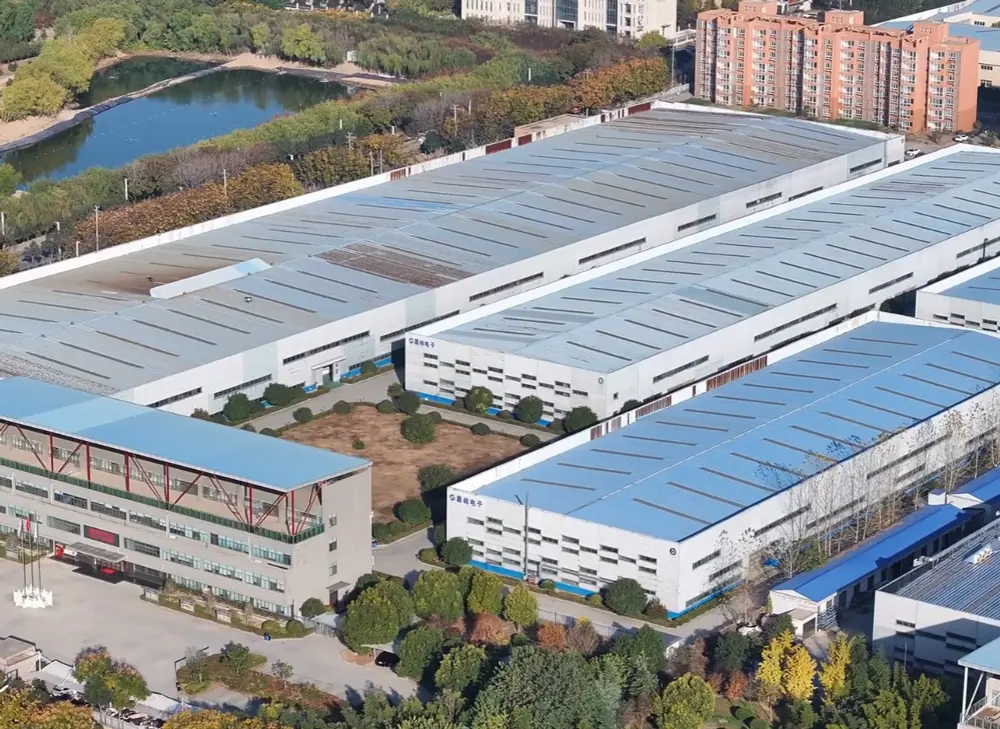
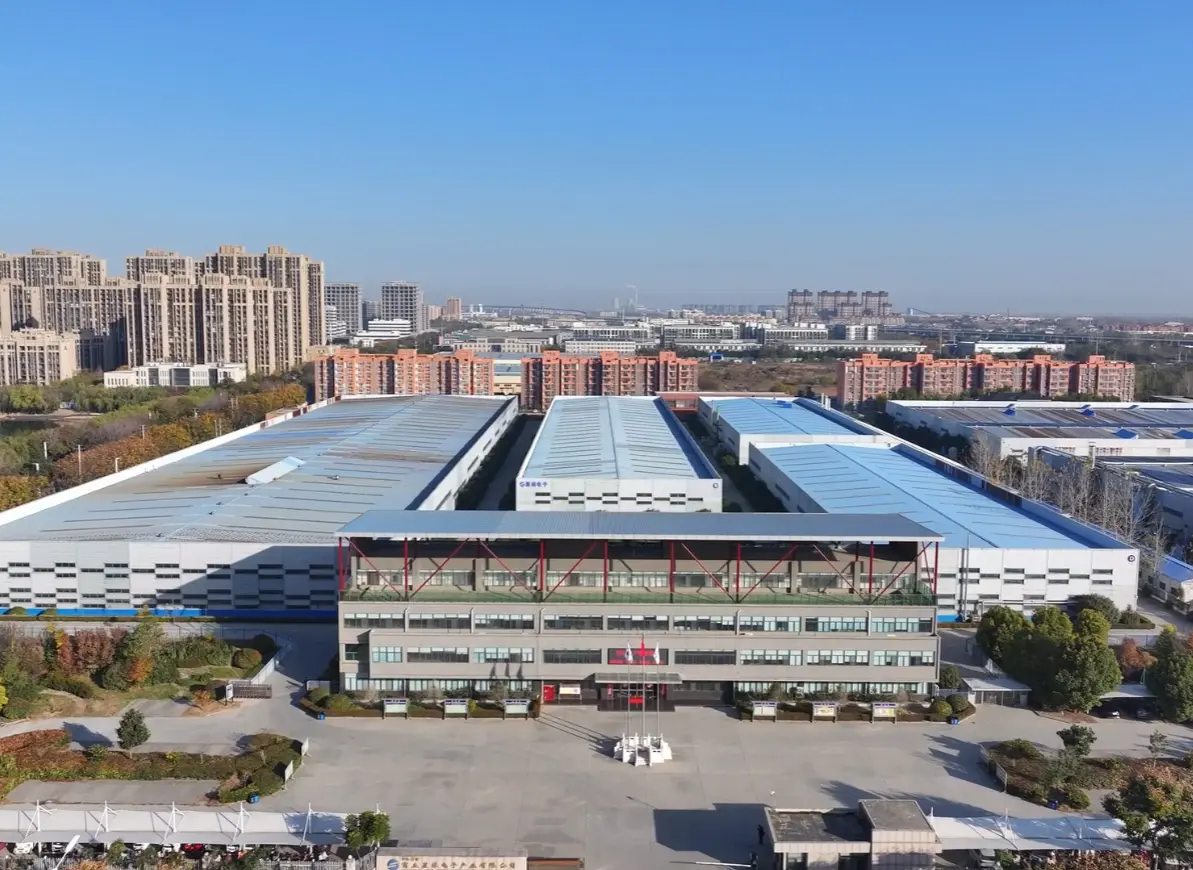
Established in 1999, Zhejiang Laysun Magnetics Ltd. is an engineering partner specializing in rare-earth permanent magnet technology. From our 100,000-square-meter facility in Suining, Sichuan, our 300 employees manufacture 5,000 tons of high-performance NdFeB and custom magnetic alloys annually.
We manage the entire production process from raw material vacuum melting and strip casting to hydrogen decrepitation, jet milling, magnetic alignment sintering, and state-of-the-art coating treatments (including nickel-copper-nickel, epoxy, and passivated finishes).
Our technical team works with tier-one suppliers in automotive, aerospace, and energy fields to implement high-temperature solutions. For instance, in Electric Vehicle (EV) traction motors, integrating NdFeB with cobalt additions ensures high torque density at continuous rotor temperatures exceeding $150^\circ\text{C}$.
The magnetic materials industry is moving toward resource-optimized chemical compositions. Sourcing teams are shifting from standard NdFeB to customized, heat-stabilized formulations. The focus of next-generation research is:
Our magnets are used in several demanding industries, each requiring specific magnetic profiles:

Our custom permanent magnets are used in joint servo-motors for robotic arms, providing high torque density and precise positioning under continuous operation.

High coercivity magnets support lightweight brushless DC motors, ensuring reliable performance in thin air and wide temperature swings.

Cobalt-doped NdFeB magnets are key to high-efficiency EV drive systems, resisting thermal demagnetization during acceleration cycles.
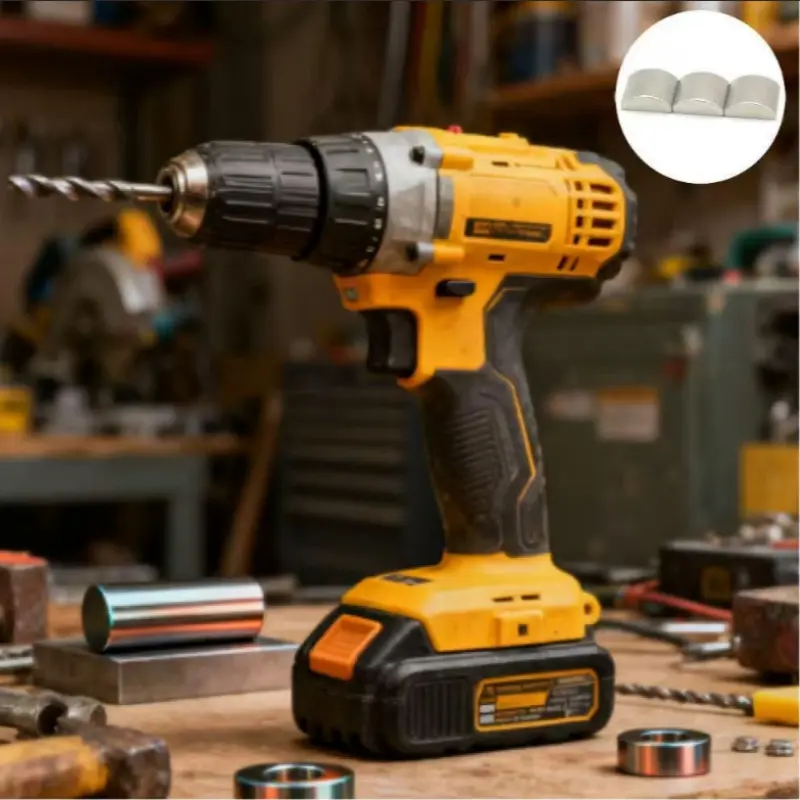
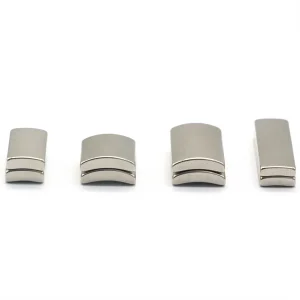
Brushless motors in power tools rely on arc-segment magnets to deliver high power output and mechanical durability in harsh environments.

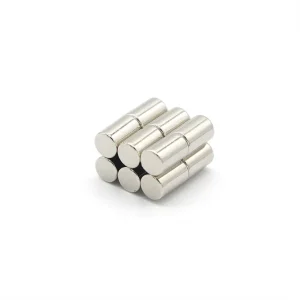
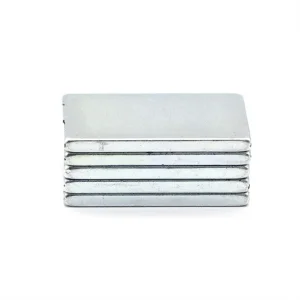
Precision-engineered NdFeB disc and block magnets are used in smartphones, laptops, audio speakers, and magnetic charging interfaces.
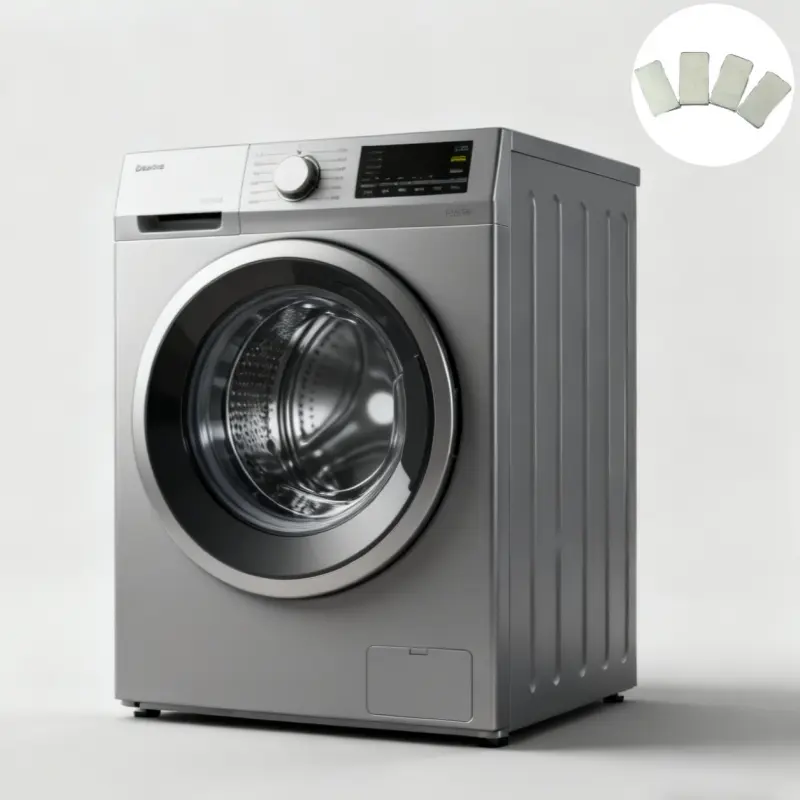
Smart household systems, compressor pumps, and fan motors use our permanent magnets to reduce energy consumption and operational noise.
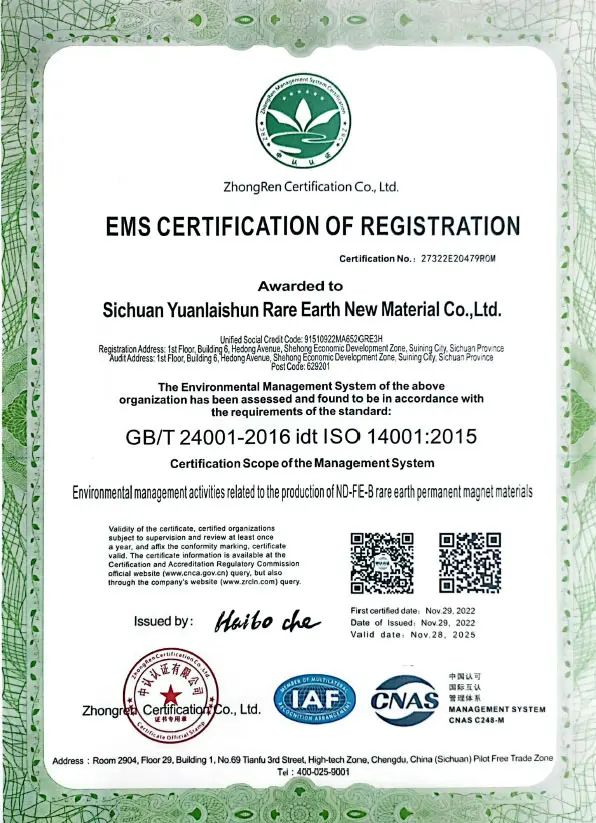
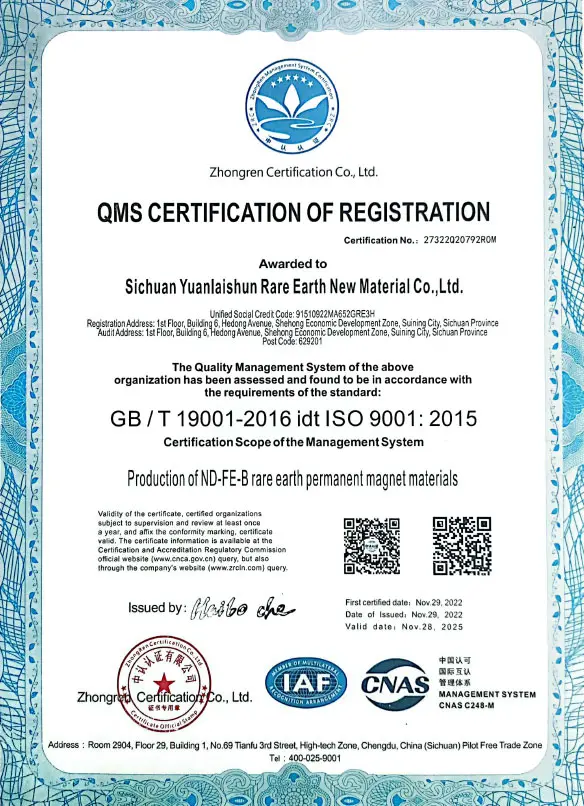
Zhejiang Laysun Magnetics Ltd. operates under strict quality control protocols to ensure our magnets meet global standards. Our facilities are certified to **ISO 9001:2015**, **ISO 14001:2015**, and **IATF 16949**. The IATF 16949 standard is particularly critical, as it governs the strict quality criteria required by automotive OEMs worldwide.
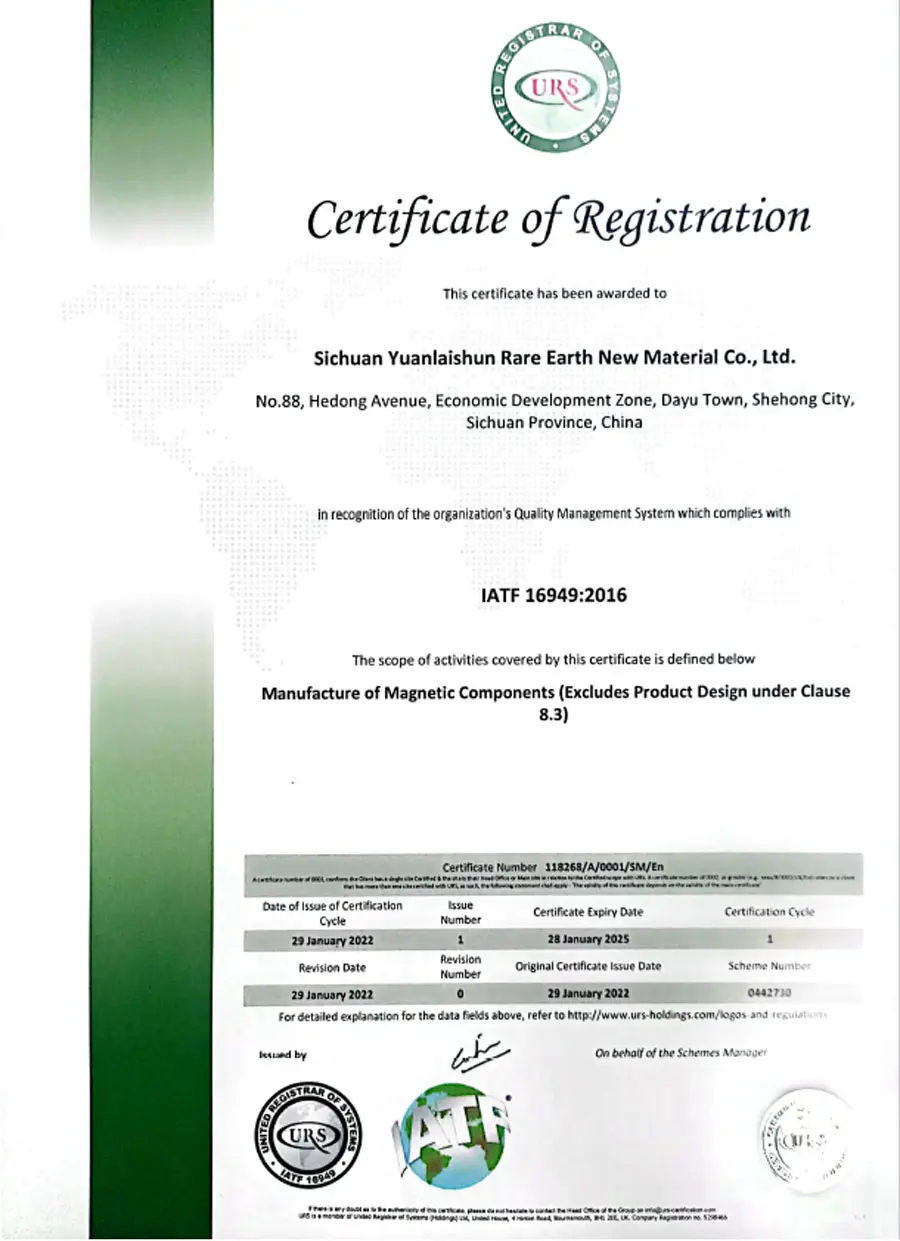
Every batch of material is analyzed using specialized testing equipment, including:
Contact Zhejiang Laysun Magnetics Ltd. Our engineering team will respond within 24 hours with complete price breakdowns and technical support.
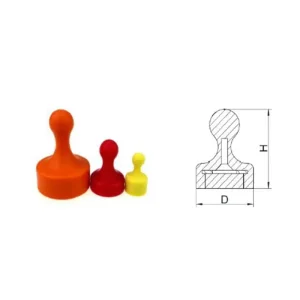
Explore our selection of commercial permanent magnets, including pot magnets, high-capacity lifters, and specialized motor segments.
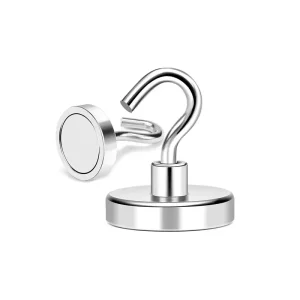
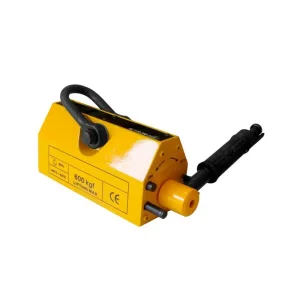
 Laysun Magnetics