 Laysun Magnetics
1. Demystifying Neodymium (NdFeB) Corrosion Dynamics
Sintered Neodymium-Iron-Boron (NdFeB) magnets are the cornerstone of modern clean energy, automotive, and automation systems due to their high energy product (BH)max. However, NdFeB's internal micro-structure is highly susceptible to atmospheric and fluid degradation. The phase composition of NdFeB contains a highly reactive, neodymium-rich grain boundary phase. When exposed to humidity, marine air, or chemical gases, this phase acts as an anode, undergoing rapid electrochemical galvanic corrosion.
Without specialized corrosion-resistant surface coatings, structural integrity collapses into a powdering phenomenon known as "rusting-out" or intergranular deterioration. For system engineers, choosing the correct coating isn't just about appearance; it determines the service lifetime of multi-million dollar machinery.
SEO Information Gain Insight: The choice of protective coating impacts not only salt-spray test (SST) parameters but also the thermal and magnetic air-gap equations in high-frequency electric motors. Sourcing agents must analyze surface coatings via both chemical resistance and mechanical thickness limits (microns).
2. B2B Buying Guide: Corrosion-Resistant Coating Typologies
When scouting global exporters for corrosion protection solutions, understanding the detailed technical landscape of available coatings is essential. Let us contrast the primary technologies:
2.1 Nickel-Copper-Nickel (Ni-Cu-Ni) Electroplating
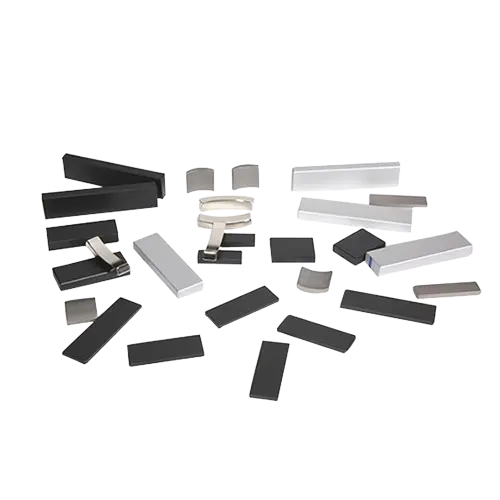
The standard industrial coating. Composed of an inner nickel layer (acts as adhesion agent), a middle copper layer (acts as the ductile sealant to prevent micro-fissures), and a outer decorative nickel layer (high scratch resistance).
- Typical Thickness: 12 - 25 microns
- Salt Spray Rating (SST): 24 to 72 Hours (ASTM B117 standard)
- Best Used For: Sensor applications, household electronics, internal servo motors.
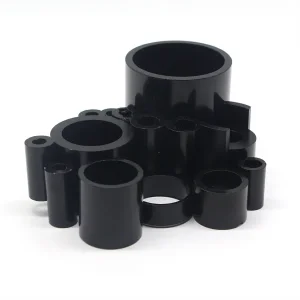
2.2 Black & Grey Epoxy Resins
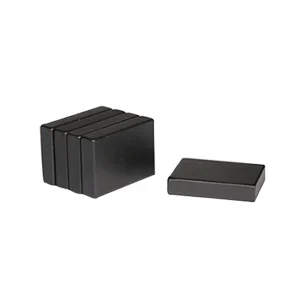
Epoxy coatings provide outstanding electrical isolation alongside superb chemical resistance. They are highly resilient against acidic vapors, organic solvents, and marine conditions. Unlike metal electroplating, epoxy is non-conductive, preventing eddy current loops.
- Typical Thickness: 15 - 35 microns
- Salt Spray Rating (SST): 240 to 1000 Hours
- Best Used For: Industrial motor stators, outdoor sensors, oceanographic research equipment.
2.3 Trivalent Zinc (Zn) and Chemical Passivation
A highly cost-effective protection scheme where a thin layer of zinc provides sacrificial protection to the underlying magnet. Modern manufacturers utilize eco-friendly trivalent chromium (Cr3+) passivation chemistries to align with European REACH and RoHS mandates.
- Typical Thickness: 6 - 15 microns
- Salt Spray Rating (SST): 12 to 48 Hours
- Best Used For: Consumer electronics structural assemblies, indoor fasteners.
2.4 Advanced Vapor Deposition: Parylene & Everlube
For ultra-high performance requirements, Parylene (poly-para-xylylene) chemical vapor deposition (CVD) provides a pinhole-free, extremely thin polymer coating that conforms to intricate geometries. Everlube/Teflon coatings offer dry-lubricant properties, ideal for components subject to physical wear.
- Typical Thickness: 5 - 15 microns
- Salt Spray Rating (SST): Over 500 Hours
- Best Used For: Medical implants, military avionics, aerospace actuators.
3. Industrial Development Trends: Heavy Rare Earth Reduction and Advanced Surface Treatment
The global rare earth magnet market is undergoing a structural transition. Sourcing managers are increasingly demanding high-coercivity grades (such as UH, EH, or AH) with minimal heavy rare earth (Dysprosium, Terbium) content to optimize material costs. This transition shifts the burden of structural stability onto advanced surface treatments.
Current technological roadmaps indicate that integrating Grain Boundary Diffusion (GBD) technology with high-adhesion anti-corrosion barrier coatings allows magnets to run continuously at operating temperatures up to 220°C without risk of oxidation. This combination ensures optimal performance in modern high-torque automotive drivetrains.